
Why Is Emergency Water Extraction Critical In Antioch, CA Flood Situations?
Flooding can happen unexpectedly in homes and businesses throughout Antioch, leaving property owners overwhelmed by the damage water can cause in only a matter of hours. Whether the flooding comes from heavy rain, burst pipes, sewage backups, appliance failures, or overflowing drainage systems, the consequences can quickly become severe without immediate action. Emergency water extraction is one of the most important first steps in the restoration process because standing water spreads rapidly, destroys structural materials, weakens foundations, damages electrical systems, and creates dangerous mold growth conditions.
In Antioch, California, flood situations can become especially problematic due to seasonal storms, aging plumbing systems, and the varying elevations of residential neighborhoods. Water intrusion can seep beneath flooring, inside walls, under cabinetry, and into crawl spaces before property owners even realize the extent of the damage. The longer water remains inside a structure, the more expensive and extensive the restoration process becomes.
Emergency water extraction involves removing standing water as quickly as possible using industrial-grade pumps, vacuums, dehumidifiers, and drying equipment. This rapid response minimizes long-term damage, protects indoor air quality, preserves structural integrity, and helps prevent secondary issues such as mold infestations and wood rot. Professional extraction teams also assess hidden moisture that may not be visible to the naked eye, ensuring a complete drying process.
Understanding why emergency water extraction is critical can help homeowners and business owners respond faster during flood emergencies and potentially save thousands of dollars in repair costs. Acting immediately is often the difference between a manageable restoration project and catastrophic property damage.
Key Takeaways
Emergency water extraction removes standing water before it spreads deeper into the structure.
Floodwater can damage flooring, drywall, insulation, electrical systems, and foundations within hours.
Fast extraction helps reduce mold growth and indoor air quality issues.
Professional equipment dries affected areas far more effectively than household tools.
Delayed response often leads to structural deterioration and higher restoration costs.
Flood situations in Antioch can result from storms, plumbing failures, sewage backups, and appliance leaks.
Water damage restoration professionals identify hidden moisture pockets that homeowners may overlook.
Quick action can help preserve furniture, valuables, and personal belongings.
Emergency extraction supports safer living conditions after flooding events.
Insurance claims are often smoother when mitigation begins immediately.
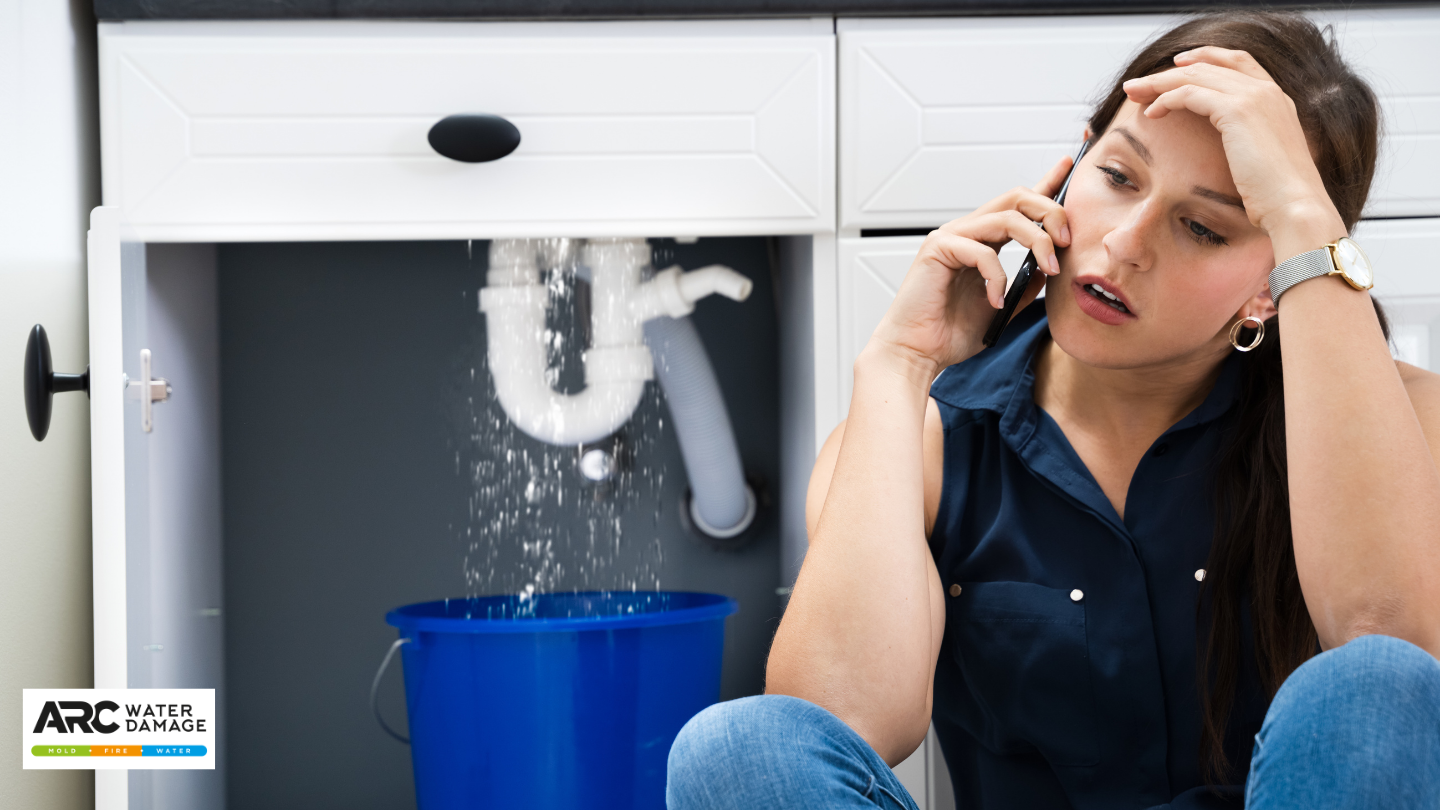
Why Flooding Happens In Antioch Homes And Businesses
Flooding in Antioch properties can occur due to seasonal storms, plumbing failures, appliance malfunctions, and drainage issues. When heavy rain overwhelms storm systems or when internal plumbing breaks, water can spread quickly through a structure. Both residential and commercial properties are vulnerable, especially those with aging infrastructure or poor drainage design. Once water enters a building, it often travels beyond the visible source, making early response critical to preventing structural damage and mold growth.
Common Causes Of Flooding In Antioch Properties
Flooding can result from heavy rainfall, burst pipes, roof leaks, appliance failures, or sewer backups. Seasonal storms in California often overload drainage systems, especially in low-lying areas. Inside homes, older plumbing systems may crack or corrode, leading to sudden leaks. Even newer buildings are not immune, as HVAC systems, sprinkler systems, or water heaters can malfunction unexpectedly.
Flood Risks In Residential And Commercial Buildings
Residential homes often experience flooding in kitchens, bathrooms, laundry areas, and basements. Commercial properties may face risks from sprinkler malfunctions, roof leaks, or large-scale plumbing system failures. Regardless of property type, water spreads quickly through flooring, walls, and structural materials.
What Is Emergency Water Extraction?
Emergency water extraction is the rapid removal of standing water from a property using professional-grade equipment. This process is essential to stop water from spreading and causing additional structural damage. It also prepares the environment for drying, cleaning, and full restoration.
How Emergency Water Extraction Works
Technicians use high-powered pumps, vacuums, air movers, and dehumidifiers to remove water from floors and surfaces. Moisture meters and thermal imaging tools help detect hidden water behind walls and under flooring. The goal is to remove both visible and hidden moisture.
Why Fast Water Removal Matters
Quick extraction prevents mold growth, reduces structural weakening, improves safety, and speeds up restoration. The longer water remains, the deeper it penetrates materials and the more expensive repairs become.
Water Damage Spreads Faster Than Most People Realize
Water damage begins within minutes and can escalate rapidly. Moisture spreads through porous materials and continues affecting hidden areas even after surface water is removed.
First Minutes After Water Exposure
Water immediately soaks carpets, flooring, drywall, and furniture. It also begins seeping into cracks, seams, and structural joints.
First 1–8 Hours Of Damage
Drywall begins to soften, wood starts to swell, and upholstery becomes saturated. Hidden moisture spreads behind walls and under floors.
After Several Days
Mold growth may begin, structural materials weaken, and electrical systems may be affected. Damage becomes significantly more severe and costly.
How Floodwater Damages Structures
Floodwater impacts nearly every structural component of a building, including walls, floors, insulation, and foundations.
Drywall And Insulation Damage
Drywall absorbs water quickly and loses strength. Insulation traps moisture, leading to hidden mold growth and long-term deterioration.
Flooring Damage Types
Hardwood may warp, laminate may swell, and carpet padding can retain contaminated water. Tile may appear unaffected, but it still traps moisture underneath.
Structural And Foundation Risks
Prolonged exposure weakens framing, causes wood rot, and may lead to shifting or cracking in foundations.
Areas Most Vulnerable To Mold
Behind Walls
Moisture trapped inside wall cavities often leads to hidden mold growth.
Under Flooring
Subfloors and carpet padding retain moisture long after visible drying.
HVAC Systems
Air systems can circulate moisture and mold spores throughout the property.
Crawl Spaces And Basements
These areas are highly prone to mold due to low ventilation and persistent dampness.
Health Risks Associated With Mold
Respiratory And Allergy Issues
Mold exposure can cause breathing problems, coughing, and allergic reactions.
Indoor Air Quality Problems
Mold spores and bacteria reduce air quality and create persistent odors.
Long-Term Health Concerns
Prolonged exposure may worsen asthma and other respiratory conditions.
The Importance Of Professional Water Extraction Equipment
Why Household Tools Are Not Enough
Fans, towels, and household vacuums cannot fully remove deep moisture.
Professional Equipment Used
Industrial pumps, air movers, dehumidifiers, and moisture detection tools ensure complete drying and restoration.
Hidden Moisture Is A Serious Threat
Where Moisture Hides
Water often remains inside walls, flooring, insulation, ceilings, and cabinets.
Risks Of Hidden Water
Hidden moisture can lead to wood rot, mold growth, odors, and structural weakening.
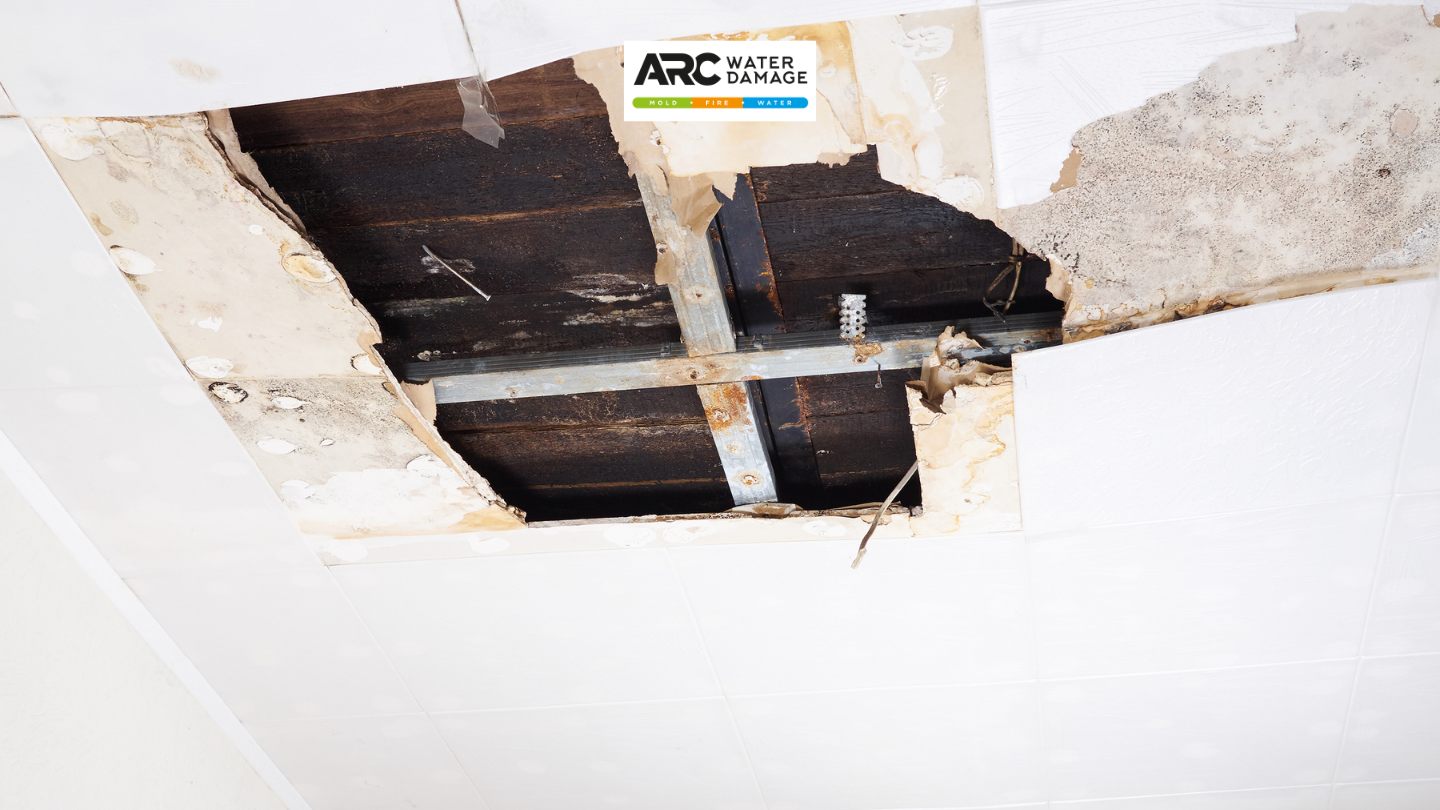
Emergency Water Extraction And Electrical Safety
Emergency water extraction is not only about removing standing water—it is also a critical safety procedure, especially when electricity is involved. Flooded environments create serious hazards that can put both property occupants and responders at risk. Water is a strong conductor of electricity, and when it comes into contact with live wiring, outlets, or electrical panels, it can create dangerous and potentially life-threatening conditions. For this reason, electrical safety is one of the first priorities in any professional water extraction response.
Electrical Hazards After Flooding
When water enters a structure, it can quickly reach hidden electrical systems behind walls, under flooring, and inside basements or crawl spaces. Outlets may become submerged, circuit breakers can be compromised, and wiring insulation may weaken. Even if electrical systems appear to be functioning, hidden moisture can still create shock risks or short circuits. This is why flooded areas should never be entered without proper precautions. The danger is not always visible, and electrical systems may remain energized even in saturated environments.
Safety Procedures During Water Extraction
Professional restoration teams follow strict safety protocols before beginning any extraction work. One of the first steps is assessing whether electrical power should be shut off at the main breaker. In many cases, power is disconnected entirely to eliminate risk. Technicians then inspect affected areas to identify hazards such as exposed wiring, submerged outlets, or damaged appliances. When necessary, they coordinate with licensed electricians to ensure the property is safe before restoration work continues. These procedures help prevent accidents while allowing water removal and drying to proceed safely and efficiently.
Insurance And Financial Considerations
Importance Of Fast Action
Insurance providers typically require property owners to take immediate action after water damage occurs. This means stopping the source of water when possible and beginning mitigation efforts as quickly as possible. Delays can lead to additional damage, which may not always be fully covered by insurance policies. Fast response helps demonstrate that the property owner acted responsibly to minimize loss, which can positively impact claim outcomes.
Documentation Support For Claims
Professional restoration companies play a key role in the insurance process by providing detailed documentation. This may include photographs of affected areas, moisture level readings, equipment usage logs, and written damage assessments. These records help support insurance claims by clearly showing the extent of damage and the steps taken to address it. Proper documentation can reduce disputes and speed up claim approvals, making the recovery process smoother for property owners.
Why Antioch Property Owners Should Act Quickly
Local Flood Risks In Antioch
Properties in Antioch are particularly vulnerable to flooding due to seasonal storms, drainage limitations, and occasional plumbing system failures. Heavy rainfall can quickly overwhelm storm drains, while older infrastructure may struggle to handle sudden water pressure. Even minor leaks can escalate rapidly if not addressed, especially during wet weather conditions common in the region.
Protecting Long-Term Property Value
Acting quickly during a water emergency is essential for preserving property value. Delayed response can lead to structural weakening, mold growth, and permanent material damage, all of which significantly reduce resale value. Fast extraction and drying help maintain the integrity of flooring, walls, and foundations, ensuring the property remains safe, functional, and financially protected over time.
Choosing A Professional Water Extraction Company
Selecting the right professional water extraction company is one of the most important decisions property owners can make during a flood or water damage emergency. The speed, quality, and effectiveness of the response directly impact how much damage is prevented and how much of the property can be restored instead of replaced. A reliable company not only removes standing water but also ensures that hidden moisture is detected, structural materials are properly dried, and long-term issues such as mold growth are prevented.
24/7 Emergency Response Availability
Water damage does not follow a schedule, which is why a professional restoration company must offer true 24/7 emergency response. Flooding can occur in the middle of the night, during weekends, or in severe weather conditions when immediate action is critical. A company that responds quickly helps limit water absorption into drywall, flooring, and insulation. The first few hours are the most important in reducing long-term damage, so having access to a team that can arrive promptly can significantly reduce restoration costs and structural loss.
Certified Technicians And Industry Expertise
Another essential factor is the presence of certified and trained technicians. Professional water extraction requires more than just removing visible water—it involves understanding how moisture moves through building materials and how to properly restore affected areas. Certified specialists are trained to assess damage accurately, use advanced drying techniques, and follow industry standards for restoration. Their expertise ensures that no hidden moisture is left behind, reducing the risk of mold growth, odors, or future structural issues. Experienced technicians can also evaluate whether materials can be salvaged or need replacement, helping property owners make informed decisions.
Advanced Equipment And Complete Restoration Services
A qualified water extraction company should be equipped with industrial-grade tools designed for efficient and thorough water removal. This includes high-powered pumps for removing standing water, air movers for accelerating drying, dehumidifiers for moisture control, and thermal imaging cameras for detecting hidden dampness. Moisture meters are also essential for confirming that affected areas are fully dry. In addition to extraction, a full-service company should provide cleaning, sanitization, structural drying, and complete restoration. This ensures that the property is not only dried but also restored to a safe, livable condition.
Choosing a professional water extraction company with rapid response capability, certified technicians, and advanced equipment ensures that water damage is handled efficiently and effectively. Acting quickly with the right experts helps minimize structural damage, reduce repair costs, and protect both the property and the health of those inside.
Conclusion
Emergency water extraction plays a critical role in protecting homes and businesses during flood situations in Antioch. Floodwater can spread rapidly through structural materials, causing extensive destruction within hours if left untreated. Immediate extraction minimizes damage, reduces repair costs, prevents mold growth, and helps preserve the integrity of the property.
Whether flooding results from heavy storms, burst pipes, appliance failures, or sewage backups, the risks associated with standing water are serious. Moisture hidden beneath flooring, behind walls, and inside structural materials can continue causing deterioration long after surface water disappears. Professional extraction services use specialized equipment and moisture detection technology to ensure a more complete and effective drying process.
Fast response also improves safety by addressing electrical hazards, contaminated water concerns, and indoor air quality problems. In many cases, immediate mitigation can save flooring, drywall, furniture, and valuable personal belongings that might otherwise require replacement.
For property owners in Antioch, understanding the importance of emergency water extraction can make a major difference when disaster strikes. Taking immediate action after flooding helps reduce long-term complications and supports a faster recovery process. Delaying extraction, on the other hand, often leads to escalating structural damage, mold infestations, unpleasant odors, and costly repairs.
Professional water extraction services provide the expertise, equipment, and rapid response necessary to stabilize flooded properties and begin the restoration process efficiently. By acting quickly and working with experienced restoration professionals, homeowners and business owners can better protect their properties, health, and financial investments after a flood emergency.
FAQ
1. How Quickly Should Water Extraction Begin After Flooding?
Water extraction should begin as soon as possible, ideally within the first 24 hours. Fast action helps minimize structural damage and mold growth.
2. Can standing water cause mold growth?
Yes. Mold can begin developing within 24 to 48 hours in damp conditions, especially in hidden areas behind walls or beneath flooring.
3. Is It Safe To Stay Inside A Flooded Property?
It depends on the severity of the flooding. Electrical hazards, contamination, and structural instability may create unsafe conditions.
4. What Types Of Equipment Are Used During Emergency Water Extraction?
Professionals typically use industrial pumps, extraction vacuums, air movers, dehumidifiers, moisture meters, and thermal imaging tools.
5. Can Water Damage Spread Behind Walls?
Yes. Water often travels into wall cavities, insulation, and subflooring, where it may remain hidden without professional detection equipment.
6. Does Homeowners' Insurance Cover Water Extraction?
Coverage depends on the source of the water damage and the details of the insurance policy. Sudden accidental water damage is often covered, while flood damage may require separate flood insurance.
7. Why Is Professional Extraction Better Than DIY Cleanup?
Professional services use commercial-grade equipment capable of removing moisture more effectively and identifying hidden water damage.
8. How Long Does The Drying Process Take?
Drying times vary depending on the severity of the flooding, affected materials, humidity levels, and the size of the property. Many projects take several days.
9. What Happens If Water Damage Is Ignored?
Ignoring water damage can lead to mold growth, structural deterioration, poor indoor air quality, wood rot, and significantly higher repair costs.
10. Can Furniture And Belongings Be Saved After Flooding?
In many cases, yes. Rapid extraction and drying improve the chances of restoring furniture, documents, electronics, and personal items.
Emergency Water Damage Can Escalate Fast; Immediate Action Matters
Water emergencies can go from stressful to devastating in a matter of hours. Whether it’s a burst pipe, overflowing appliance, storm flooding, or sewage backup, water spreads quickly through walls, flooring, insulation, and structural materials. The longer the water sits, the greater the risk of severe property damage, mold growth, and costly repairs.
Fast emergency water damage restoration helps stop the damage before it gets worse. With immediate response, professional-grade drying equipment, and proven restoration methods, the affected areas can be extracted, dried, sanitized, and restored as quickly as possible. Acting fast not only protects your property, but it can also help reduce restoration costs and minimize disruption to your home or business.
At ARC Water Damage, our team responds quickly to emergency water damage situations and guides you through the entire restoration process from start to finish. We work efficiently, communicate clearly, and help coordinate with your insurance company to keep the process moving smoothly.
If you’re dealing with emergency water damage, don’t wait. Call ARC Water Damage today at (877) 437-9225 for immediate emergency water damage restoration and rapid response service.