
How Fast Does Emergency Water Damage Spread In Concord, CA Homes?
Water damage can begin as a small inconvenience, but in many Concord, California homes, it quickly develops into a serious emergency. A leaking appliance, overflowing toilet, burst pipe, roof leak, or flooding event can cause extensive destruction in a surprisingly short amount of time. Many homeowners underestimate how rapidly water spreads through floors, walls, insulation, and structural materials. Unfortunately, waiting too long to respond often leads to expensive repairs, mold growth, weakened building materials, and long-term indoor air quality issues.
Concord homeowners face unique risks because of seasonal storms, aging plumbing systems, fluctuating temperatures, and the variety of residential construction styles found throughout the area. Whether the water intrusion starts in a kitchen, bathroom, laundry room, attic, or crawl space, moisture can travel far beyond the visible source. Water naturally seeks the lowest point in a home, meaning what appears to be a small leak may already be affecting hidden areas behind walls or under flooring.
Emergency water damage situations require immediate action because damage accelerates by the hour. Within minutes, water begins soaking porous materials. Within hours, drywall swells, wood warps, and carpets become saturated. After a day or two, mold growth can begin, creating additional health and structural concerns. Fast professional mitigation helps reduce restoration costs and minimizes disruption to daily life.
Understanding how quickly water damage spreads helps homeowners recognize the importance of acting immediately. Knowing the warning signs, the stages of damage progression, and the factors that increase water intrusion risks can help prevent severe structural problems and costly restoration work later.
Key Takeaways
Water damage can begin spreading through a home within minutes of exposure.
Drywall, flooring, insulation, and wood absorb water rapidly.
Mold growth may begin within 24 to 48 hours after water exposure.
Hidden moisture behind walls and beneath flooring can continue spreading unnoticed.
Concord homes may face increased risks from aging pipes, storms, and plumbing failures.
Delayed water cleanup often leads to structural deterioration and higher restoration costs.
Professional emergency water mitigation helps stop water migration and reduces long-term damage.
Fast extraction, drying, and dehumidification are critical during emergency restoration.
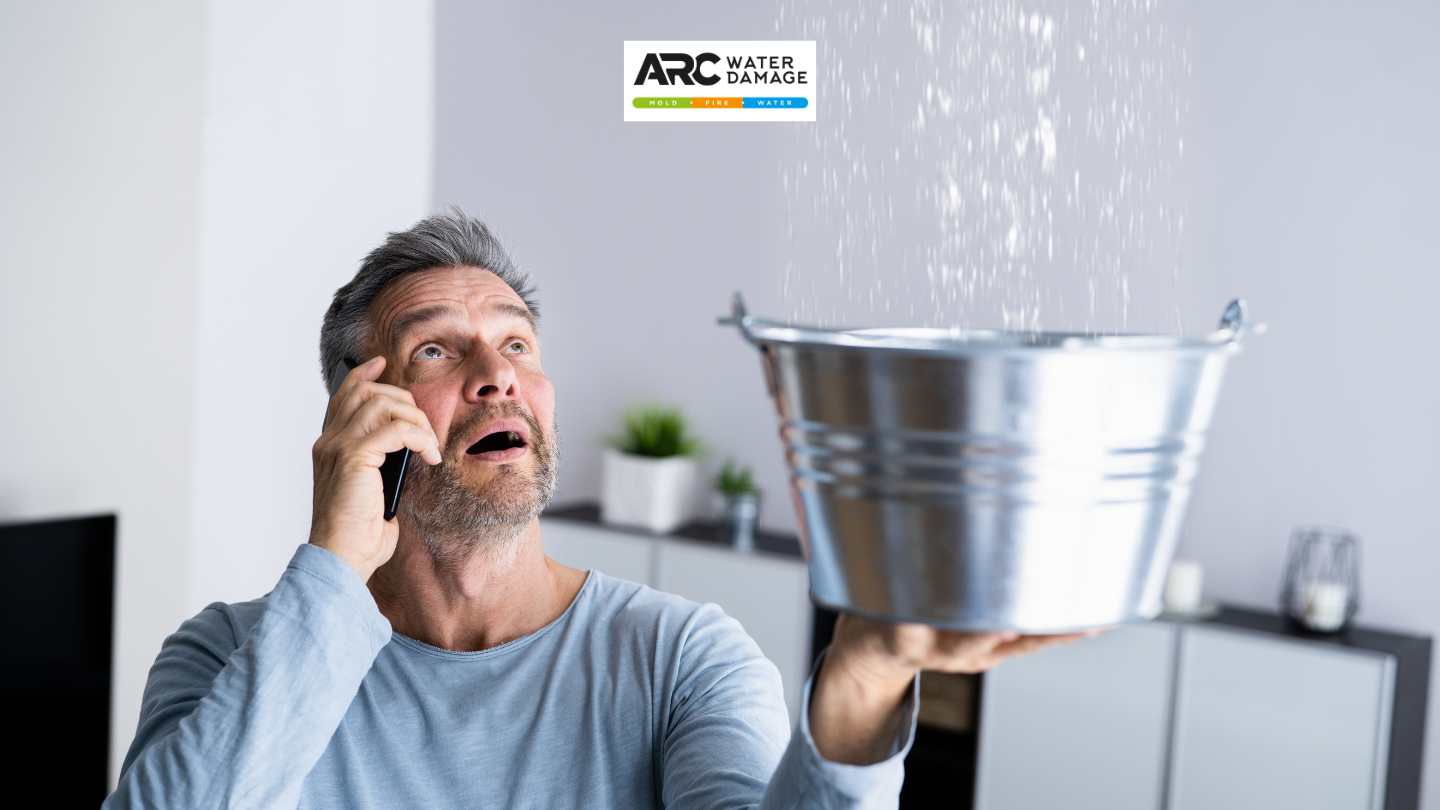
Water Moves Through Porous Materials Fast
Water spreads rapidly through porous building materials commonly used in homes and commercial properties. Once moisture is introduced, it doesn’t stay localized—it is absorbed deep into structural layers where it can silently expand damage over time. Materials like drywall, wood, insulation, and carpet act like sponges, making early intervention essential to prevent hidden deterioration, mold growth, and costly repairs.
1. Rapid Absorption In Drywall And Wall Systems
Drywall is one of the fastest materials to absorb water due to its paper-based surface and gypsum core. Once exposed, moisture quickly travels beyond the visible area, spreading upward and sideways inside wall cavities. This hidden movement allows damage to grow undetected behind paint and finishes. As moisture accumulates, drywall loses rigidity, softens, and may eventually crumble. Wall insulation nearby also becomes saturated, reducing its effectiveness and trapping moisture for longer periods.
2. Structural Wood Swelling And Weakening
Wood framing and subflooring are highly susceptible to uneven moisture absorption. When water penetrates these materials, they begin to swell, twist, or warp depending on the level of saturation. Over time, this weakens load-bearing strength and can cause misalignment in floors, doors, and walls. Because wood retains moisture deep within its fibers, drying is slow without proper equipment, increasing the risk of long-term structural instability if not addressed promptly.
3. Hidden Moisture In Carpets And Padding
Carpeting systems are particularly dangerous during water exposure because they trap moisture beneath the visible surface. While the carpet may feel only slightly damp, the padding underneath can hold significant amounts of water. This hidden moisture becomes a breeding ground for mold, bacteria, and persistent odors. Even after surface drying, trapped water can continue damaging the subfloor below for days if not professionally extracted.
4. Lateral Spread Through Building Cavities
Water does not remain confined to one area—it travels through wall cavities, floor joints, and small structural gaps. This lateral movement allows damage to spread into adjacent rooms without obvious warning signs. By the time surface symptoms appear, the underlying damage is often already extensive. This hidden spread is one of the reasons water damage often becomes more severe than homeowners initially expect.
5. Importance Of Immediate Drying Response
Because porous materials absorb and distribute water so quickly, time is a critical factor in minimizing damage. The longer moisture remains trapped, the deeper it penetrates and the more difficult it becomes to remove. Professional-grade drying equipment is often necessary to extract moisture from deep within structural layers and prevent long-term deterioration, mold growth, and costly reconstruction.
The Timeline Of Emergency Water Damage Spread
Water damage escalates quickly in predictable stages, often progressing from a minor surface issue to a major structural and health concern within hours or days. Each phase introduces new complications, including material absorption, structural weakening, mold growth, and air quality risks. Understanding how fast damage develops highlights why immediate response is critical in minimizing long-term repair costs and preventing irreversible property damage.
1. First Minutes: Immediate Surface Spread And Absorption
In the initial minutes after water intrusion, the most visible effect is surface spreading across floors and low-lying areas. Water quickly enters seams, cracks, and porous materials such as carpet fibers and wood joints. Although the situation may appear manageable at first glance, absorption begins almost immediately beneath the surface. Furniture legs, baseboards, and exposed electronics start experiencing damage right away as moisture penetrates vulnerable components. Even short exposure at this stage can set the foundation for deeper structural issues if not addressed promptly.
2. First 1–8 Hours: Material Saturation And Hidden Expansion
Within several hours, water begins causing noticeable structural changes. Drywall softens as it absorbs moisture, while wood flooring expands unevenly, leading to warping or buckling. Carpets and upholstery become heavily saturated, trapping moisture deep within the padding layers. At the same time, corrosion can begin forming on metal fixtures and appliances. Although some drying may occur at the surface, water continues to spread behind walls and beneath flooring systems, making the full extent of damage increasingly hidden and more difficult to assess.
3. After Several Days: Structural Breakdown And Mold Growth
If water damage remains untreated for days, the consequences become significantly more severe. Wood framing may begin to rot, insulation loses effectiveness due to full saturation, and drywall may start deteriorating beyond repair. Mold growth often develops in concealed areas, such as behind walls or under flooring, where moisture levels remain high. Electrical systems may also become compromised if water reaches wiring or outlets, increasing safety risks and potential fire hazards.
4. Indoor Air Quality Decline And Health Risks
As moisture persists, airborne contaminants such as mold spores and bacteria begin circulating throughout the home. This leads to noticeable declines in indoor air quality and may trigger allergies, respiratory irritation, or other health issues. Even after visible drying occurs, hidden moisture pockets can continue affecting air quality long-term if not professionally addressed.
How Water Travels Through Different Parts Of A Home
Water rarely stays confined to the initial point of entry inside a home. Instead, it moves through interconnected structural systems such as walls, floors, and ceilings, following paths shaped by gravity, air gaps, and material absorption. This hidden migration often causes damage to spread far beyond what is immediately visible, making early detection and thorough inspection essential for preventing long-term structural issues and mold development.
1. Wall Cavities As Hidden Water Highways
Walls are one of the primary pathways for concealed water movement. Once moisture enters wall cavities, it can travel vertically through insulation and framing or spread horizontally along wooden studs and internal gaps. Because drywall acts as a surface barrier, water damage often remains hidden until staining, bubbling paint, or odor appears. By that point, moisture may have already affected multiple sections of the wall system. Insulation within the cavity can also trap water, slowing evaporation and increasing the risk of mold growth behind interior finishes.
2. Flooring Systems And Subsurface Trapping
Flooring structures are especially vulnerable to water intrusion due to their layered construction. Water can easily seep through surface materials and become trapped in subfloor layers beneath. Hardwood floors may respond by expanding, warping, or cupping as moisture is absorbed unevenly across the boards. Laminate flooring is even more sensitive, often swelling or separating at the seams once exposed. Even tile flooring, which appears highly water-resistant, can allow moisture to pass through grout lines and accumulate underneath, creating hidden damage that worsens over time.
3. Ceiling-To-Floor Water Migration
In multi-level homes, ceilings often serve as a major pathway for water travel. When leaks occur on upper floors, gravity pulls water downward through ceiling materials, insulation, and wall cavities. This can lead to widespread damage across multiple levels before the source is even identified. Saturated ceilings may begin to sag, discolor, or weaken, posing both structural and safety concerns if not addressed promptly.
4. Environmental Conditions That Influence Spread
Temperature and humidity play a significant role in how water behaves within a structure. Warm, humid environments slow evaporation, allowing moisture to remain active longer and increasing the risk of mold growth. In contrast, dry conditions may speed up surface drying but still leave trapped moisture hidden within walls or flooring systems. These environmental factors can significantly alter the extent and severity of damage.

Signs Water Damage Is Spreading In Your Home
Water damage often begins subtly but can spread quickly behind walls, under flooring, and into structural materials. Early detection is critical because moisture rarely stays contained in one area. As it travels, it weakens building materials, encourages mold growth, and increases repair costs. Understanding the early warning signs helps homeowners respond quickly before the damage becomes extensive or structurally threatening.
1. Expanding Wall And Ceiling Stains
One of the earliest and most visible signs of spreading water damage is discoloration on walls or ceilings. These stains often appear yellow, brown, or gray and may start as small spots before gradually increasing in size. As moisture continues to spread through drywall or insulation, the stain edges become less defined and more irregular. In many cases, the original leak source may be far from where the stain appears, making it important to inspect surrounding areas. If left untreated, these stains usually darken and expand as water continues to migrate through porous materials.
2. Peeling Paint And Wallpaper Damage
When moisture becomes trapped behind painted surfaces or wallpaper, it breaks down adhesives and weakens surface layers. This results in bubbling, cracking, or peeling paint, often accompanied by wallpaper that begins to lift or wrinkle at the seams. These changes indicate that water is actively present behind the surface, not just on top of it. Over time, repeated exposure to moisture can cause large sections of wall covering to detach completely.
3. Persistent Musty Odors
A lingering musty smell is often a sign of hidden moisture or mold growth within walls, flooring, or insulation. Even when no visible damage is present, these odors suggest damp conditions that allow mold spores to thrive. The smell may become stronger in closed or poorly ventilated areas, such as closets or corners. Ignoring this warning sign can allow mold colonies to spread further inside the structure.
4. Warped Flooring And Structural Changes
Wood and laminate flooring are highly sensitive to moisture. When exposed, they may begin to swell, buckle, or lift at the edges. Baseboards and cabinetry can also become distorted or misaligned. These changes indicate that water has penetrated deeper structural layers, affecting more than just surface materials. This type of damage often worsens rapidly without intervention.
5. Soft Or Spongy Floor Areas
Soft spots in flooring are a serious warning sign that moisture has reached the subfloor. These areas may feel uneven, springy, or weak underfoot. In many cases, the damage is hidden beneath carpets or flooring materials, making it difficult to detect without close inspection. If ignored, structural integrity can deteriorate further, increasing the risk of costly repairs.
Conclusion
Emergency water damage spreads far faster than many Concord homeowners realize. What starts as a minor leak or isolated flood can quickly escalate into widespread structural damage affecting walls, flooring, insulation, ceilings, and personal belongings throughout the home. Within minutes, water begins to absorb into porous materials. Within hours, structural deterioration accelerates. Within one to two days, mold growth may begin, creating additional health and restoration concerns.
The speed at which water damage spreads depends on several factors, including the source of the intrusion, the amount of water involved, indoor humidity levels, and the construction materials within the home. Plumbing failures, roof leaks, appliance malfunctions, sewage backups, and storm-related flooding all create unique restoration challenges. Unfortunately, water often travels through hidden spaces where damage continues unnoticed long after surface moisture disappears.
Concord homeowners benefit greatly from understanding the warning signs of spreading water damage. Staining, bubbling paint, warped flooring, musty odors, and soft building materials often indicate hidden moisture problems already developing behind the scenes. Ignoring these symptoms can result in costly structural repairs, dangerous mold infestations, reduced indoor air quality, and extensive reconstruction work.
Immediate professional mitigation remains the most effective way to reduce long-term damage. Fast water extraction, moisture detection, drying, and sanitization help prevent further deterioration while improving the chances of salvaging building materials and personal property. Professional restoration teams use specialized equipment capable of identifying hidden moisture and drying structures thoroughly, something standard household fans and basic cleanup efforts often cannot accomplish effectively.
Preventive maintenance also plays a major role in minimizing emergency risks. Routine plumbing inspections, roof maintenance, appliance checks, and early leak detection help homeowners address issues before they become catastrophic water emergencies. Acting quickly during any water intrusion event remains critical because every hour matters when moisture enters a home.
By understanding how rapidly emergency water damage spreads, Concord homeowners can make informed decisions that protect both their property and their long-term health and safety.
FAQ
1. How Quickly Does Water Damage Start Spreading In A Home?
Water damage can begin spreading within minutes. Drywall, carpeting, insulation, and wood materials absorb moisture rapidly, allowing water to migrate through walls, floors, and ceilings almost immediately.
2. Can Mold Start Growing After Water Damage?
Yes. Mold growth may begin within 24 to 48 hours when moisture remains trapped in building materials or indoor air conditions stay damp.
3. Is A Small Leak Considered An Emergency?
Even small leaks can become emergencies if left untreated. Hidden moisture behind walls or beneath flooring can continue spreading and cause major structural damage over time.
4. What Areas Of A Home Are Most Vulnerable To Water Damage?
Bathrooms, kitchens, laundry rooms, attics, crawl spaces, and basements are especially vulnerable because of plumbing systems, appliances, and potential drainage issues.
5. How do professionals detect hidden water damage?
Restoration professionals use moisture meters, infrared cameras, and specialized detection equipment to locate trapped moisture behind walls, under floors, and inside ceilings.
6. Can Water Damage Spread To Multiple Floors?
Yes. Water naturally moves downward through ceilings, wall cavities, insulation, and flooring systems, often affecting multiple levels of a home.
7. Does Homeowners' Insurance Cover Emergency Water Damage?
Coverage depends on the source of the damage and the specific insurance policy. Sudden accidental events like burst pipes are often covered, while long-term neglected leaks may not be.
8. Why Is Fast Water Extraction Important?
Rapid extraction helps reduce absorption into materials, minimizes structural deterioration, lowers mold risks, and improves the likelihood of salvaging affected property.
9. Can Hardwood Floors Be Saved After Water Damage?
Sometimes. Fast drying and professional mitigation improve the chances of saving hardwood flooring before severe warping or buckling develops.
10. What Should Homeowners Do First During A Water Emergency?
Homeowners should stop the water source if possible, avoid electrical hazards, move valuables away from affected areas, and contact an emergency water damage restoration professional immediately.
Emergency Water Damage Can Escalate Fast; Immediate Action Matters
Water emergencies can go from stressful to devastating in a matter of hours. Whether it’s a burst pipe, overflowing appliance, storm flooding, or sewage backup, water spreads quickly through walls, flooring, insulation, and structural materials. The longer the water sits, the greater the risk of severe property damage, mold growth, and costly repairs.
Fast emergency water damage restoration helps stop the damage before it gets worse. With immediate response, professional-grade drying equipment, and proven restoration methods, the affected areas can be extracted, dried, sanitized, and restored as quickly as possible. Acting fast not only protects your property, but it can also help reduce restoration costs and minimize disruption to your home or business.
At ARC Water Damage, our team responds quickly to emergency water damage situations and guides you through the entire restoration process from start to finish. We work efficiently, communicate clearly, and help coordinate with your insurance company to keep the process moving smoothly.
If you’re dealing with emergency water damage, don’t wait. Call ARC Water Damage today at (877) 437-9225 for immediate emergency water damage restoration and rapid response service.