
How Do Professionals Handle Overnight Emergency Water Damage In Pittsburg, CA?
Water damage rarely waits for business hours. In many cases, the most severe incidents—burst pipes, appliance failures, roof leaks during storms, or flooding from heavy rainfall—happen at night when homeowners are asleep, and visibility is low. In a place like Pittsburgh, where seasonal storms, aging infrastructure in some neighborhoods, and sudden plumbing failures can all contribute to unexpected water intrusion, overnight emergency response becomes especially critical.
Professionals in water damage restoration follow a highly structured, fast-moving process designed to limit structural damage, prevent mold growth, and stabilize the home as quickly as possible. Unlike daytime restoration, overnight emergency response prioritizes immediate containment, safety, and rapid moisture control under challenging conditions such as darkness, limited staffing, and urgent insurance documentation requirements.
This article breaks down exactly how professionals handle overnight emergency water damage step-by-step, what tools they use, why timing is so important, and what homeowners should expect if disaster strikes after hours.
Key Takeaways
Overnight water damage is treated as a time-sensitive emergency because moisture spreads quickly into flooring, walls, and insulation.
Professionals prioritize safety first, then immediate water source control and containment.
Industrial-grade equipment, such as high-capacity extractors, moisture meters, and air movers, is deployed even at night.
Documentation for insurance claims begins immediately during the overnight response.
Drying and dehumidification often continue for several days after the initial emergency call.
Mold growth can begin within 24–48 hours, making rapid intervention essential.
Homeowners should avoid entering flooded areas with electrical hazards or structural instability.
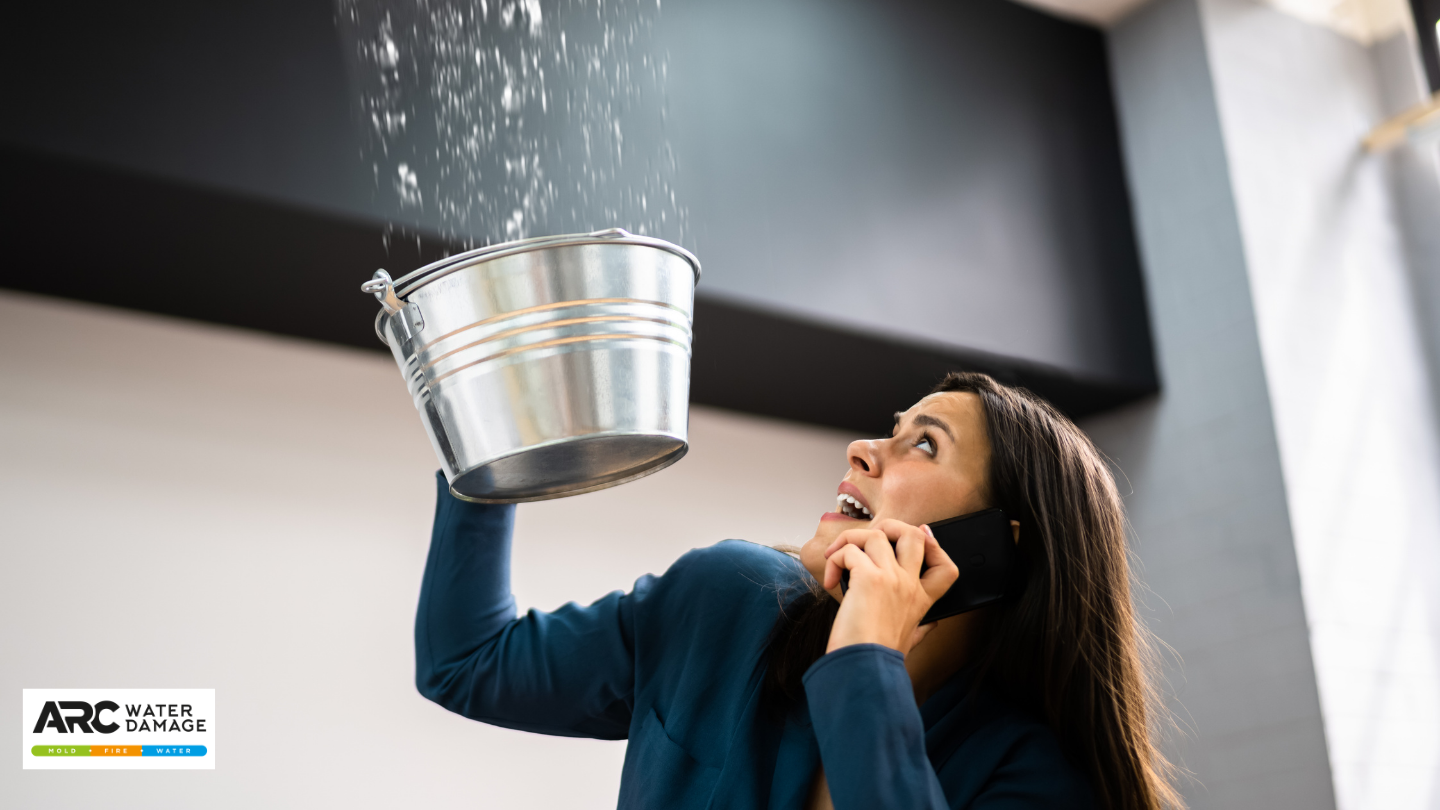
Understanding Overnight Water Damage Emergencies In Pittsburg, CA
Overnight water damage situations are not simply “late cleanup jobs.” They are active emergencies where conditions can worsen dramatically within minutes or hours. In Pittsburgh and surrounding East Bay communities, common causes include sudden pipe bursts during colder nights, sewer backups, appliance malfunctions, or roof leaks intensified by rainstorms.
Why Nighttime Water Damage Is More Dangerous
When water damage occurs at night, several factors make it more hazardous. First, homeowners often discover the problem late, meaning water has already had time to spread through porous materials like drywall, carpet padding, and subflooring. Second, visibility is limited, which increases risks such as electrical shock, slips, or contact with contaminated water.
Another major issue is delayed response. Even a delay of two to three hours can significantly increase restoration costs because water continues to migrate through capillary action into hidden structural spaces. Professionals understand that the first hours of overnight response are the most critical for reducing long-term damage.
Common Overnight Water Damage Scenarios
In residential properties, professionals frequently respond to burst supply lines behind walls, overflowing toilets or sinks, malfunctioning water heaters, or washing machine hose failures. In more severe weather events, roof leaks or foundation seepage can lead to widespread interior flooding. Each scenario requires a slightly different response approach, but the urgency remains the same.
The First Hour: Emergency Dispatch And Rapid Assessment
When a homeowner calls an emergency restoration line, the response process begins immediately—even in the middle of the night. Professionals are trained to gather key information quickly and dispatch the nearest available crew.
Initial Triage And Information Gathering
During the first call, technicians ask targeted questions such as the source of water, whether electricity is still on in affected areas, and how much of the property is impacted. They may also ask whether the water appears clean, gray, or black, which determines contamination level and safety precautions.
This triage process helps the team prepare the right equipment before arrival. For example, a clean water pipe burst requires different handling than a sewage backup, which demands protective gear and containment protocols.
Rapid Mobilization Of Equipment
Once dispatched, emergency crews load specialized equipment into response vehicles. This often includes commercial-grade water extractors, submersible pumps, moisture detection tools, infrared cameras, air movers, and dehumidifiers. For overnight calls, teams also bring portable lighting systems to ensure safe operation in dark or partially damaged structures.
Speed is critical. In many cases, professionals aim to arrive within 60 to 90 minutes of the initial call.
On-Site Safety Evaluation And Containment
Upon arrival, professionals immediately shift focus to safety and stabilization before any cleanup begins. This step is non-negotiable, especially at night when visibility and hazard awareness are reduced.
Electrical And Structural Safety Checks
One of the first actions is determining whether electricity needs to be shut off. Water and electricity are a dangerous combination, and standing water near outlets or appliances can create life-threatening conditions. If necessary, technicians will coordinate with the homeowner or utility provider to disconnect power to affected zones.
They also assess structural integrity. Saturated ceilings, weakened drywall, or compromised flooring can pose collapse risks. Professionals are trained to identify these hazards quickly using both visual inspection and moisture detection tools.
Water Source Control And Isolation
Stopping the source of water is the next priority. If a pipe has burst, the main water supply is shut off. If the issue involves appliances, valves are closed and systems isolated. In cases of external flooding, professionals may use sandbags or temporary barriers to redirect water flow away from the property.
Containment also includes preventing water from spreading further inside the home. This may involve sealing off unaffected rooms using plastic barriers or creating controlled drying zones.
Emergency Water Extraction And Removal
Once the situation is stabilized, the most labor-intensive phase begins: water removal. This step is essential to prevent long-term structural damage.
High-Powered Extraction Equipment
Professionals use industrial extractors capable of removing hundreds of gallons of water quickly. These machines are far more powerful than consumer-grade wet vacuums and are designed for continuous operation over several hours.
Carpeted areas are often the most affected because water becomes trapped in the padding beneath the surface. In many cases, professionals will lift carpet edges to extract hidden moisture underneath.
Handling Different Water Categories
Water removal strategies depend heavily on contamination level. Clean water from a supply line is treated differently from gray water originating from appliances or black water from sewage backups. The latter requires full protective gear, disinfection protocols, and sometimes removal of porous materials that cannot be safely salvaged.
Preventing Secondary Damage During Extraction
Even while removing water, professionals are careful not to cause additional harm. For example, overly aggressive extraction from weakened drywall can lead to collapse. Technicians balance speed with controlled handling to ensure safety and structural preservation.
Drying And Dehumidification Strategy
After visible water is removed, the most important phase begins: drying what cannot be seen.
Strategic Placement Of Air Movers
Air movers are placed throughout affected areas to create directional airflow. These machines accelerate evaporation from wet surfaces such as wood, drywall, and flooring. Placement is carefully calculated based on room layout and moisture readings.
Industrial Dehumidifiers At Work
Dehumidifiers are used to extract moisture from the air, preventing it from being reabsorbed into materials. Without dehumidification, humidity levels would remain high, creating ideal conditions for mold growth.
Professionals often run these systems continuously for 24–72 hours or longer, depending on severity.
Monitoring Moisture Levels
Moisture meters and thermal imaging tools are used daily to track drying progress. Professionals do not rely on visual inspection alone because materials may appear dry while still retaining significant hidden moisture.
Mold Prevention And Health Risk Management
One of the most important reasons for a rapid overnight response is mold prevention. Mold can begin developing within 24 to 48 hours under the right conditions.
Antimicrobial Treatments
After water removal, professionals often apply antimicrobial solutions to affected surfaces. These treatments are designed to inhibit microbial growth and reduce health risks associated with moisture exposure.
Air Quality Control
In severe cases, air scrubbers equipped with HEPA filters are deployed to remove airborne particles and improve indoor air quality. This is particularly important in homes with children, elderly residents, or individuals with respiratory conditions.
Identifying Hidden Moisture Risks
Even after visible drying, moisture can remain trapped inside wall cavities or beneath flooring. Professionals use thermal imaging cameras to detect temperature variations that indicate hidden dampness.

Insurance Documentation And Claim Support
Overnight emergency response also includes immediate documentation for insurance purposes.
Photo And Video Evidence Collection
Technicians document all affected areas, damaged materials, and water sources. This evidence is essential for insurance claims and helps establish the timeline of damage.
Moisture Readings And Reports
Detailed reports include moisture readings, equipment logs, and drying progress updates. These documents help insurance adjusters determine coverage and reimbursement amounts.
Communication With Insurance Providers
In many cases, restoration professionals coordinate directly with insurance companies to streamline approvals for emergency work. This reduces delays in funding and repair authorization.
Restoration Planning After Overnight Stabilization
Once the immediate emergency phase of water damage has been controlled—such as after overnight water extraction, stabilization, and initial drying—the focus shifts from urgent mitigation to structured restoration planning. This stage is critical because it determines how effectively the property can be returned to a safe, functional, and pre-loss condition. While emergency response stops further damage, the restoration phase ensures long-term recovery and prevents hidden issues from developing later.
Damage Assessment And Repair Scope
The first step in restoration planning is a comprehensive damage assessment. Professionals carefully inspect all affected areas to determine the full extent of water intrusion, including both visible and hidden damage. Materials such as drywall, insulation, flooring, baseboards, cabinetry, and framing are evaluated for structural integrity and moisture retention. In many cases, some materials can be salvaged if drying is completed quickly, while others may require removal due to saturation, warping, or contamination. Moisture meters and thermal imaging tools are often used to confirm whether water is still present behind walls or beneath flooring. This detailed evaluation helps establish a clear scope of work and prevents incomplete repairs that could lead to future problems like mold growth or structural weakening.
Reconstruction Planning And Property Restoration
If the damage is extensive, reconstruction becomes a necessary part of the recovery process. This phase may involve replacing drywall, reinstalling flooring, rebuilding cabinetry, repainting affected areas, and repairing structural components. In some cases, insulation and framing may also need to be replaced if prolonged moisture exposure has compromised their integrity. Restoration professionals develop a step-by-step plan to ensure repairs are completed efficiently and in the correct order, often starting with structural elements before moving on to cosmetic finishes. The goal is not only to restore appearance but also to ensure the building is safe, stable, and fully functional.
Timeline Expectations For Homeowners
Homeowners are typically provided with a phased timeline that outlines each stage of the restoration process. This includes continued drying and dehumidification, damage repairs, inspections, and final rebuilding work. The timeline can vary significantly depending on the severity of the water damage, the size of the affected area, and the materials involved. Minor incidents may be resolved within a few days, while more severe flooding or structural damage can take several weeks to fully restore. Clear communication during this phase helps homeowners understand progress and set realistic expectations for return to normal living conditions.
Ensuring A Complete Recovery Process
Proper restoration planning ensures that water damage is not only addressed on the surface but also resolved at a structural level. By carefully assessing damage, planning reconstruction, and following a structured timeline, professionals help restore the property safely and effectively while minimizing the risk of future complications.
Why Rapid Overnight Response Matters In Pittsburg, CA Homes
In Pittsburg, CA, water damage emergencies can escalate quickly due to a mix of seasonal weather changes, densely built residential areas, and aging or highly varied home infrastructure. Whether the source is a burst pipe, roof leak, appliance failure, or storm-related intrusion, the timing of the response often determines how severe the final damage will be. Overnight or after-hours incidents are especially critical because water continues to spread silently while homeowners are asleep or unaware of the problem. A rapid emergency response during these hours can significantly reduce restoration costs, structural damage, and health risks.
Preventing Long-Term Structural Damage
One of the most important reasons for immediate overnight response is preventing deep structural deterioration. Water does not stay on the surface—it quickly absorbs into drywall, insulation, subflooring, and wooden framing. The longer moisture remains trapped, the more it compromises the integrity of these materials. Within hours, wood begins to swell and weaken, drywall loses rigidity, and insulation becomes saturated and ineffective. If water is not removed quickly, it can lead to long-term issues such as rotting beams, warped flooring, compromised wall structures, and even foundation instability in severe cases. Rapid overnight intervention helps stop this progression before it becomes irreversible, preserving the structural safety of the home.
Reducing Financial Loss And Restoration Costs
Fast response times directly impact the overall cost of restoration. When water is extracted early, many building materials can often be salvaged rather than replaced. Carpets, flooring, drywall, and furniture have a much higher chance of recovery when drying begins immediately. Delays, on the other hand, allow water to spread further and deepen its penetration into structural layers, increasing demolition and replacement needs. Acting quickly also helps reduce the likelihood of secondary damage, such as mold remediation, odor removal, and electrical repairs. For homeowners in Pittsburg, this often translates into lower insurance claims and significantly reduced out-of-pocket expenses.
Protecting Health And Indoor Air Quality
Rapid mitigation is also essential for maintaining a safe and healthy indoor environment. Standing water and excess moisture create ideal conditions for mold growth, bacterial development, and airborne contaminant spread. Mold spores can begin forming within 24 to 48 hours and may quickly circulate through HVAC systems, affecting air quality throughout the entire home. This can lead to respiratory issues, allergies, headaches, and other health concerns, particularly for children, elderly individuals, or those with pre-existing conditions. Immediate overnight response helps remove moisture before these biological hazards develop, ensuring a safer living environment.
Why Timing Is Critical In Pittsburgh Homes
Because water damage worsens by the hour, especially during overnight periods when it often goes unnoticed, immediate professional intervention is essential. Quick response teams can extract water, deploy drying equipment, and begin moisture detection before damage spreads deeper into hidden structural areas. In Pittsburgh homes, where conditions vary widely between older and newer constructions, this rapid action is often the difference between a manageable cleanup and a major restoration project.
Conclusion
Overnight emergency water damage is one of the most stressful situations a homeowner can face, especially when it happens unexpectedly and spreads silently through a home while everyone is asleep. In places like Pittsburgh, where homes may be exposed to sudden plumbing failures, heavy rainfall, or aging infrastructure issues, the need for fast, professional response becomes even more important.
Professionals handling these emergencies operate under a clear priority system: ensure safety, stop the water source, extract as much water as possible, and begin controlled drying immediately. Every minute matters. Water is not static—it moves through flooring, drywall, insulation, and even structural framing, causing escalating damage the longer it remains untreated.
What makes overnight response particularly critical is the combination of urgency and complexity. Limited visibility, increased safety hazards, and delayed discovery all contribute to more severe conditions by the time professionals arrive. Despite these challenges, restoration teams rely on specialized equipment, structured protocols, and experience to stabilize homes quickly and effectively.
Another key factor is the prevention of secondary damage, especially mold growth. Because mold can begin developing within 24–48 hours, overnight intervention significantly reduces long-term health risks and structural deterioration. The use of dehumidifiers, air movers, and moisture detection tools ensures that drying is thorough, not just surface-level.
Ultimately, a professional overnight water damage response is about minimizing disruption and restoring safety as quickly as possible. While the situation may feel overwhelming at the moment, the structured approach used by restoration experts ensures that homes can be stabilized, documented for insurance, and restored with precision. With the right response, even severe overnight water damage can be managed effectively, preventing what could otherwise become a long-term and costly disaster.
FAQ
1. How Fast Should Professionals Respond To Overnight Water Damage?
Ideally, within 60–90 minutes. Faster response significantly reduces structural damage and mold risk.
2. Can I Stay In My Home During Overnight Water Damage Cleanup?
It depends on severity. If electrical hazards, sewage contamination, or structural risks exist, temporary relocation may be necessary.
3. How Long Does It Take To Dry A Water-Damaged Home?
Most drying processes take 2–5 days, but severe cases may take longer depending on materials and moisture levels.
4. Will Insurance Cover Overnight Water Damage Restoration?
Most standard homeowner policies cover sudden and accidental water damage, but coverage depends on the cause and policy terms.
5. What Should I Avoid Doing Before Professionals Arrive?
Avoid walking through standing water near electricity, avoid using household vacuums for extraction, and avoid removing permanently attached materials without guidance.
6. What Are The Signs Of Hidden Water Damage After An Incident?
Musty odors, peeling paint, warped flooring, and unexplained humidity are common indicators.
7. Why Is Mold Such A Big Concern After Water Damage?
Mold can begin forming within 24–48 hours and may spread behind walls and under flooring if not addressed quickly.
Emergency Water Damage Can Escalate Fast; Immediate Action Matters
Water emergencies can go from stressful to devastating in a matter of hours. Whether it’s a burst pipe, overflowing appliance, storm flooding, or sewage backup, water spreads quickly through walls, flooring, insulation, and structural materials. The longer the water sits, the greater the risk of severe property damage, mold growth, and costly repairs.
Fast emergency water damage restoration helps stop the damage before it gets worse. With immediate response, professional-grade drying equipment, and proven restoration methods, the affected areas can be extracted, dried, sanitized, and restored as quickly as possible. Acting fast not only protects your property, but it can also help reduce restoration costs and minimize disruption to your home or business.
At ARC Water Damage, our team responds quickly to emergency water damage situations and guides you through the entire restoration process from start to finish. We work efficiently, communicate clearly, and help coordinate with your insurance company to keep the process moving smoothly.
If you’re dealing with emergency water damage, don’t wait. Call ARC Water Damage today at (877) 437-9225 for immediate emergency water damage restoration and rapid response service.