
When Should You Call For Emergency Fire Damage Restoration In Antioch, CA?
Call for emergency fire damage restoration in Antioch, CA, as soon as immediate life-safety needs have been addressed and emergency responders have the incident under control. You can arrange help from a safe location while access restrictions remain in place. Restoration work inside the property must wait until the appropriate authorities authorize entry.
If flames, renewed smoke, a suspected gas leak, or another immediate danger is present, leave the area and call 911 first. A restoration company handles property recovery; firefighters and other emergency responders handle the active emergency.
Once the fire is out, the situation may still require urgent attention. Water used to extinguish flames can soak flooring and wall cavities. Soot may affect rooms beyond the original fire area, and broken windows or damaged roofing can expose the building to additional losses. A relatively small fire can therefore create a cleanup problem larger than its visible burn marks suggest.
For Antioch homeowners, the most useful question is whether damage is continuing or the home cannot be safely secured and occupied. This article explains the warning signs, the first calls to make, and what to expect when arranging help from ARC Water Damage.
Key Takeaways
Call 911 for an active fire, renewed smoke, or immediate danger before contacting a restoration company.
Arrange emergency restoration promptly when soot, firefighting water, exposed openings, or substantial smoke damage affect the property.
Do not enter a damaged home until authorities say entry is safe.
A fire confined to one room may still require assessment of adjoining rooms and building systems.
Contact your insurer promptly, document damage safely, and discuss necessary emergency protection.
Keep children and pets away from affected areas and leave utility restoration to qualified personnel.
Ask for a written scope distinguishing immediate stabilization from later cleanup and reconstruction.
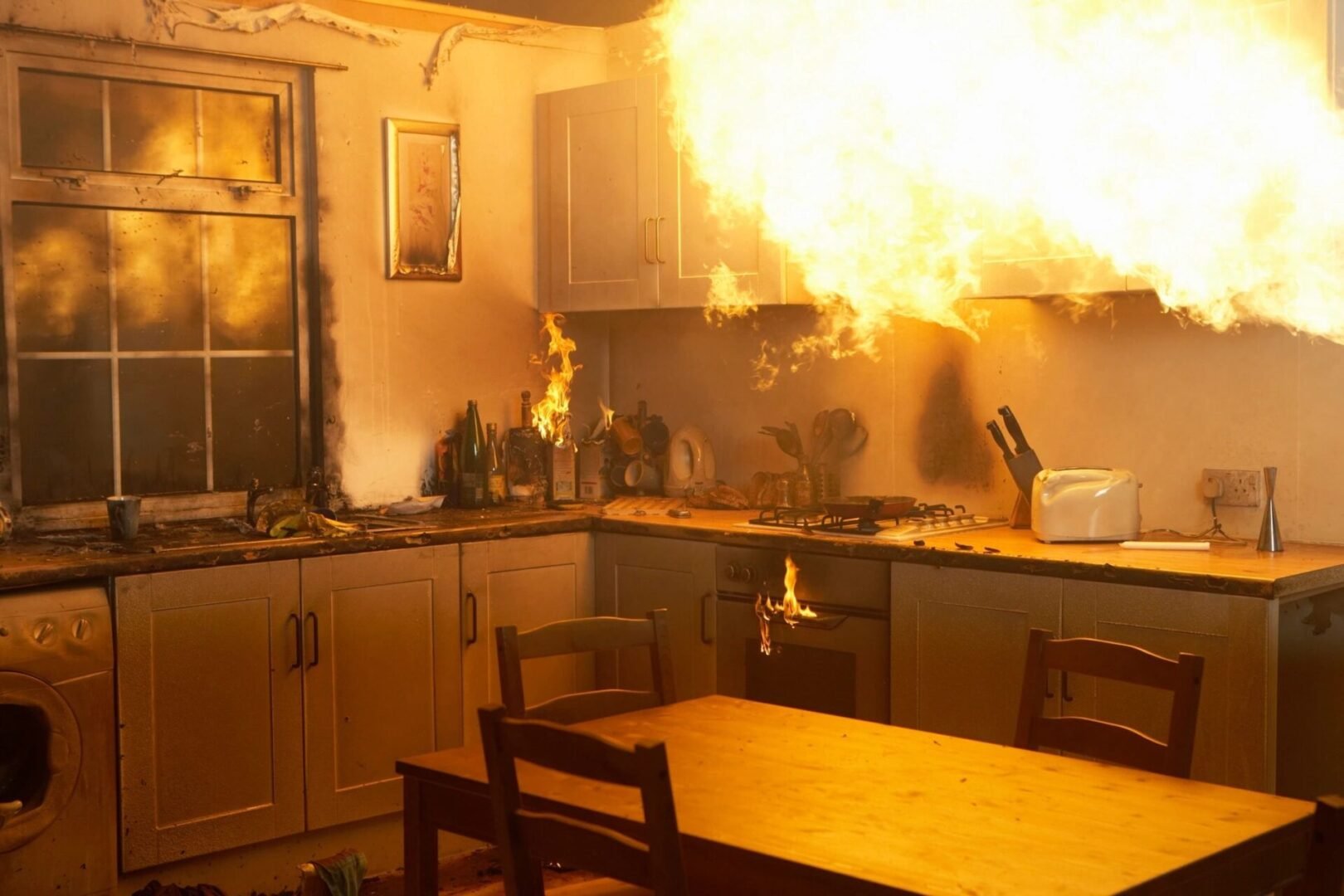
Call Immediately When The Fire Is Out, But Damage Is Continuing
Fire Suppression Does Not Complete Property Recovery
Firefighters extinguish the fire and address immediate hazards. Their work does not necessarily remove standing water, clean contaminated surfaces, or restore damaged building materials. Those tasks begin a separate recovery process.
Do not assume that a quiet house is ready for normal use. Fire damage can involve several overlapping problems, and each needs an appropriate assessment. A dry-looking hallway may lead to a saturated room, while a lightly discolored ceiling may require closer inspection.
The U.S. Fire Administration advises residents to enter a fire-damaged home only when the fire department says it is safe. It also warns against personally reconnecting utilities that have been shut off. Those boundaries apply even when you only want to retrieve belongings.
Recognize Conditions That Need Prompt Restoration Help
Contact a restoration team when the property has visible soot, significant smoke residue, wet materials, damaged exterior openings, or rooms that cannot be used without encountering fire-related contamination.
Describe what you know from a safe location. You do not need to inspect every room before calling. If emergency responders report water throughout the house or damage to the roof, that information is enough to request an initial assessment.
A useful starting checklist includes:
Water on floors or dripping through ceilings.
Black or gray residue on walls, cabinets, or belongings.
Broken windows, damaged doors, or an exposed roof.
Smoke odors in rooms outside the fire area.
Burned materials or debris obstructing safe access.
These signs identify reasons to seek professional help. They do not establish that every affected item must be replaced.
Do Not Wait For A Complete Repair Estimate
Emergency stabilization and full reconstruction are different decisions. The first may involve securing openings, assessing moisture, protecting contents, and establishing controlled work areas. Detailed repair planning can follow once conditions are better understood.
When calling, ask which actions are needed immediately and which can wait for additional inspection or insurance review. This helps you authorize a defined initial scope without committing to an unclear whole-house project.
Call When Smoke And Soot Extend Beyond The Burned Area
A Small Fire Can Create A Larger Cleanup Area
The location of the flames does not necessarily define the cleanup boundary. During a fire, smoke can travel into adjacent spaces, leaving residue on surfaces and belongings that were never directly burned.
After a kitchen fire, for example, the cabinets near the stove may show obvious damage while a nearby dining room has a lighter film. Upholstered furniture, curtains, and stored items may need assessment even if they appear intact at first glance.
Tell the restoration team where the fire started, which doors were open if you know, and where you have noticed residue. Avoid entering additional rooms just to collect this information.
Persistent Odor Deserves Assessment
A noticeable smoke odor after a fire is a reason to request inspection, especially when it appears in several rooms or returns after superficial cleaning. The odor alone cannot determine the extent of damage or whether a room is safe to occupy.
Air fresheners and scented products do not establish that affected materials have been cleaned. Likewise, painting over a stain before evaluating the surface can complicate later treatment.
Ask the team to explain which materials appear to be odor sources and how proposed cleaning will address them. The plan should connect treatment to affected surfaces and contents rather than rely only on making the room smell better.
Avoid Improvised Soot Cleaning
Do not begin scrubbing unfamiliar residue with household cleaners. Different surfaces and residues require different approaches, and an unsuitable method may smear the deposit or damage the finish.
Similarly, do not use an ordinary household vacuum to collect soot or distribute residue by brushing furniture and carpets. Leave affected belongings in place until the team explains how they should be handled.
For a localized fire, a professional assessment may establish a limited cleanup scope. Calling promptly helps clarify that scope before normal household activity spreads material into cleaner areas.
Call When Firefighting Water Has Soaked The Home
Water Damage Requires Its Own Assessment
Water used during fire suppression can enter flooring, insulation, cabinets, and wall assemblies. Some moisture remains visible, while other moisture collects beneath surfaces or inside building cavities.
A room can therefore need drying even after puddles have disappeared. Removing water from the floor is only part of the process; the affected materials must also be evaluated.
Tell the restoration company whether responders used substantial water, which floors were affected, and whether ceilings are dripping. Do not walk beneath a sagging ceiling or through water near potentially energized equipment to investigate.
Prompt Drying Helps Limit Secondary Damage
The Environmental Protection Agency recommends drying water-damaged areas and items within 24 to 48 hours to help prevent mold growth. This guidance supports prompt action, but it is not a guarantee that every material will dry within that period or that mold develops on an identical schedule in every home.
Following a fire, safety and contamination conditions also affect how drying should proceed. Household fans should not be deployed without considering whether they will distribute soot or other debris.
Ask the restoration team how water removal, contamination control, and drying will be coordinated. Equipment should be selected and positioned for the actual conditions rather than simply placed in whichever room looks wettest.
Moisture Measurements Guide: The Next Steps
A drying plan should identify affected materials and explain how progress will be checked. Useful questions include whether moisture has reached adjacent rooms, whether enclosed spaces need further evaluation, and what conditions must be met before repairs begin.
Some materials may be recoverable through cleaning and drying. Others may require removal because of fire damage, contamination, deterioration, or an inability to dry appropriately.
Do not approve replacement solely because a surface once became wet, and do not assume preservation is possible solely because it now feels dry. Ask for the reasons behind each recommendation and keep the documented findings with your project records.
Call When The Property Cannot Be Secured Or Safely Used
Broken Openings Create An Immediate Protection Need
A damaged window, exterior door, or roof opening can leave an Antioch home exposed to weather, unauthorized entry, and additional debris. If you cannot safely secure the property, request emergency assistance rather than attempting a risky repair.
Temporary protection may be needed before permanent reconstruction begins. The appropriate approach depends on the opening, the condition of surrounding materials, and whether workers can safely reach the area.
Do not climb onto a damaged roof or fasten coverings to unstable framing. Explain the exposure during your call so the team can plan access and the necessary resources.
Structural Concerns Require Qualified Evaluation
Sagging ceilings, displaced walls, heavily charred framing, or unusual movement are reasons to stay out of the affected area. A restoration assessment may identify the need for additional evaluation by qualified building professionals.
An apparently intact wall can still need investigation if nearby materials suffered substantial heat or water exposure. Conversely, surface staining alone does not prove a structural failure.
Ask who will evaluate structural concerns and what restrictions apply while that evaluation is pending. Cleanup crews should not be expected to resolve every engineering or building-safety question through visual inspection alone.
Distinguish Access From Occupancy
Being allowed to enter briefly does not automatically mean the home is ready for overnight occupancy. Essential services, electrical conditions, cleanup progress, and building safety may still need attention.
Get clear guidance about which areas can be accessed, whether occupancy restrictions remain, and who will determine when those restrictions can be lifted.
If you cannot safely stay in the property, discuss temporary accommodation with your insurer and make practical arrangements for household members. Do not base the decision to sleep there solely on the absence of flames or a reduction in smoke odor.
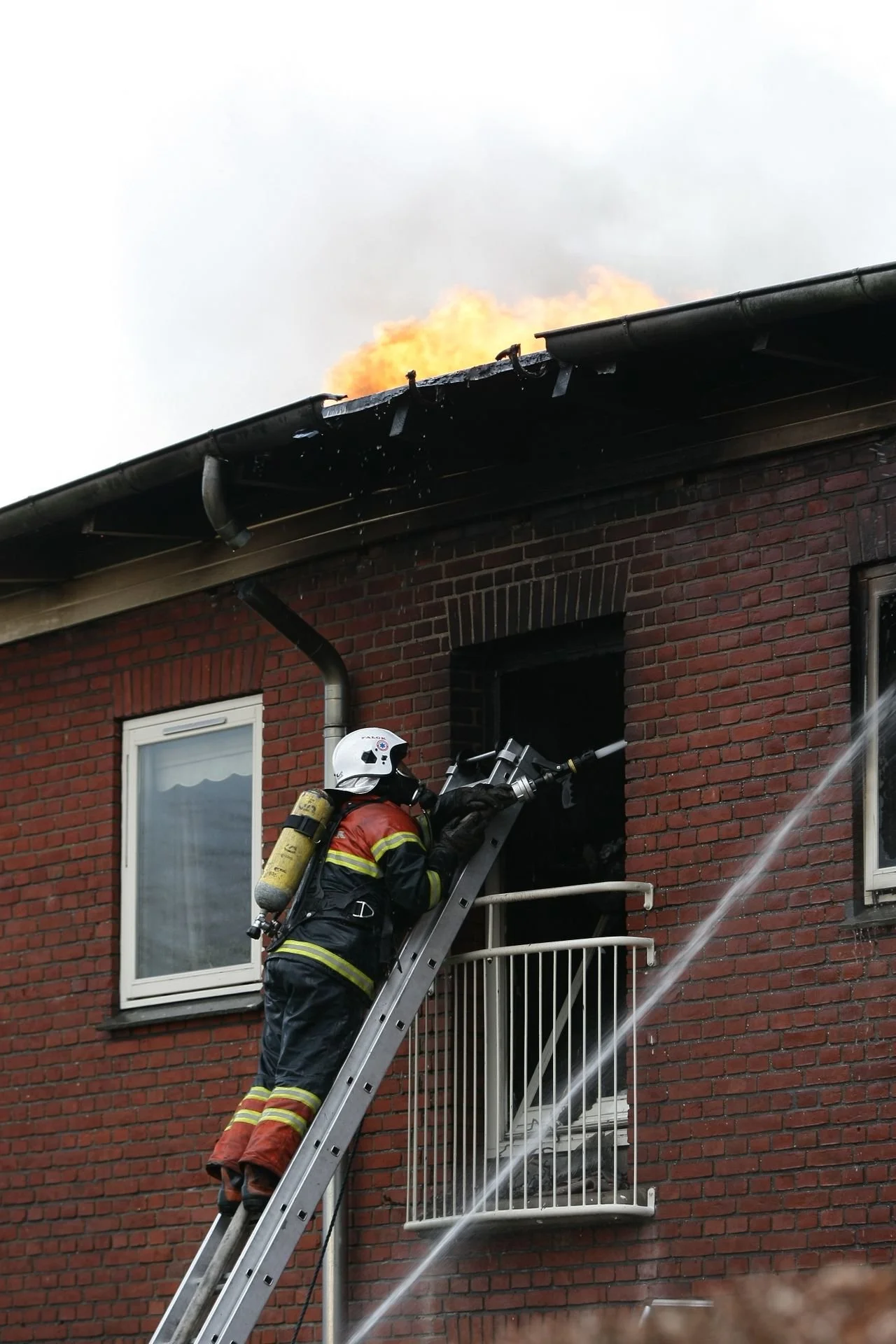
Make The Right Calls And Protect Your Claim Documentation
Contact Emergency Responders, Your Insurer, And Restoration Help
The sequence begins with life safety. Once the immediate emergency is controlled, contact your insurer and arrange restoration assistance promptly. These calls can happen while you remain outside the property.
For a rented home, notify the landlord or property manager as well. In a condominium or shared building, alert the relevant manager because building systems and neighboring units may be involved.
When speaking with a restoration company, provide:
The Antioch property address and a reliable callback number.
Whether the fire is extinguished and access is authorized.
The affected rooms or areas, if known.
Any reported standing water or damaged openings.
Utility shutdowns and known access restrictions.
Your insurer’s claim number, when available.
You can update missing information later. Avoid delaying the initial call while trying to build a complete inventory.
Document Only What You Can Safely Reach
Photographs, videos, and written notes can help establish the condition of the property before cleanup. Capture both wide views and details when safe access is available.
Do not move damaged items merely to create a clearer photograph. Record what you can see, and tell the team which spaces have not been documented.
Keep receipts for accommodation, essential purchases, and authorized emergency work. Save written scopes, estimates, and communications in one place so you can follow the project without relying on memory.
Clarify Emergency Authorization And Insurance Responsibilities
Ask your insurer what documentation it needs before removal or disposal of damaged materials. If immediate protective work is necessary, discuss how to document it and what authorization is appropriate.
A restoration company can explain its findings and proposed work, but your insurer determines coverage under your policy. Do not treat a contractor’s estimate as an insurance approval.
Before signing, understand the initial scope, payment terms, and how additional work will be authorized. Separate necessary stabilization from optional improvements and later reconstruction so decisions remain clear as the project develops.
Understand What Emergency Fire Damage Restoration Involves
The First Visit Establishes Priorities
An initial assessment should consider safe access, visible fire and smoke damage, water exposure, contents, and immediate property-protection needs. The team may also identify conditions requiring another qualified professional.
The aim is to establish what should happen first and what remains uncertain. A responsible explanation should acknowledge inaccessible areas and avoid presenting an incomplete inspection as a final diagnosis.
Ask for the next steps in plain language. You should understand where work will occur, what household activity must stop, and when you will receive further findings.
Stabilization Comes Before Finishing Work
Depending on conditions, emergency work may include temporary securing of openings, water extraction, controlled drying, protection or relocation of contents, and measures to keep affected material from spreading.
Later stages may involve soot cleaning, odor treatment, removal of unrecoverable materials, and reconstruction. The exact order depends on the damage and the access available.
A project involving a wet, smoke-damaged kitchen will not necessarily follow the same sequence as a dry garage fire. Ask why each stage is being proposed for your home and how its completion will be assessed.
Contents Need Individual Decisions
Furniture, documents, clothing, electronics, and sentimental items should not all receive the same treatment. Their material, exposure, condition, and potential recovery value influence the recommendation.
Point out important belongings before handling begins. Ask how items will be inventoried, where they will be stored if removed, and how restoration or disposal decisions will be communicated.
Avoid switching on fire-exposed electronics to see whether they still work. Likewise, leave decisions about smoke-, heat-, or water-exposed food and medication to appropriate guidance rather than judging them by outward appearance.
Agree On Communication And Completion Criteria
Request a primary contact and an explanation of how updates will arrive. Ask what findings could change the scope and whether additional authorization will be obtained before expanded work begins.
Discuss completion criteria for each stage, including drying checks, cleaned surfaces, remaining repairs, and any required specialist evaluations. A projected schedule should account for these dependencies.
Emergency response can begin promptly while the overall recovery takes considerably longer. The severity of damage, materials, access, inspections, and reconstruction needs all influence the timeline.
Arrange Emergency Fire Damage Restoration With ARC Water Damage In Antioch
Confirm The Services Needed For Your Property
ARC Water Damage lists Antioch among its Bay Area service locations. Its published fire restoration services include 24/7 emergency assistance, damage assessment, emergency board-up and structural stabilization, soot cleanup, smoke odor removal, contents handling, removal of firefighting water, and reconstruction.
When you call, explain the immediate problem rather than requesting a generic cleanup package. A home with an exposed roof and standing water has different initial needs from one with smoke residue in several otherwise intact rooms.
Ask which services are appropriate now, what arrival window is available, and what must happen before the team can enter. Confirm current availability instead of assuming a guaranteed arrival time.
Give Clear Local Access Information
For an Antioch property, provide the complete address along with practical access details. Mention gated entry, parking restrictions, a detached garage, multiple levels, or any instructions issued by responders.
Tell the team whether someone can meet them safely outside and whether the property manager or another authorized person must approve access.
These details can help avoid delays during the first visit. They also allow the team to plan for restricted areas without asking you to enter the home or inspect hazards beforehand.
Ask Focused Questions Before Work Starts
Useful questions include which areas need immediate protection, whether water extraction is necessary, how affected contents will be documented, and what specialist evaluations may be required.
Request a written scope for the authorized work and discuss how changes will be handled. Ask which findings will be shared with you and your insurer, while remembering that coverage decisions remain with the insurer.
Conclusion
You should call for emergency fire damage restoration when a controlled fire leaves smoke residue, soot, firefighting water, damaged openings, or conditions that prevent safe use of your Antioch home. You do not need to know the full repair cost before requesting an assessment.
The priorities are safe access and preventing further property damage. Cleanup, contents recovery, and reconstruction follow a documented plan shaped by the actual conditions.
Contact ARC Water Damage promptly, notify your insurer, and keep clear records of authorized work. Early assessment gives you a practical path forward while preserving the safety restrictions established by emergency responders.
Frequently Asked Questions
1. Should I Call A Restoration Company Before The Fire Department Leaves?
You can call from a safe location while firefighters are finishing their work, provided you are not interfering with emergency operations. Explain that access may still be restricted. The restoration team must follow those restrictions and wait for authorization before entering affected areas. Calling early helps arrange assistance; it does not replace the fire department’s safety decisions.
2. Does A Small Kitchen Fire Require Emergency Restoration?
It may, particularly if smoke residue affects adjoining rooms, water has soaked materials, or damaged electrical equipment needs evaluation. A small burned area does not automatically mean a small cleanup area. Request an assessment when the extent is unclear. The findings may support a limited project rather than extensive restoration.
3. Should I Wait For The Insurance Adjuster Before Requesting Help?
Contact your insurer promptly and ask how to handle necessary emergency protection and documentation. You can also arrange a restoration assessment without waiting to know the entire claim outcome. Confirm what work you are authorizing, preserve evidence when possible, and understand payment responsibilities. Insurance coverage and emergency property needs are related but require separate decisions.
4. Can I Clean Soot And Remove Smoke Odors Myself?
Avoid beginning significant soot cleanup with household products before assessment. Unsuitable cleaning can damage finishes or spread residue, and fragrance does not establish that smoke-affected material has been cleaned. Ask the restoration team which tasks are appropriate for you to handle and which require controlled methods. Keep household members away from active cleanup areas.
5. How Soon Should Water Removal Begin After A Fire?
As soon as safe access and appropriate work conditions are established. Water-damaged materials need prompt evaluation and drying, including moisture that is not visible on the surface. The team should coordinate drying with contamination control and utility safety. Do not enter standing water or energize household equipment to start the process yourself.
------------------------------------
Fire Damage Can Be Devastating; Professional Restoration Makes The Difference
Fire damage can turn your home or business upside down in a matter of minutes. Even after the flames are extinguished, the damage can continue through smoke, soot, odors, water from firefighting efforts, and hidden damage inside walls, ceilings, and other structural areas. Acting quickly can help limit further deterioration and reduce the scope and cost of repairs.
Professional fire damage restoration addresses more than what you can see on the surface. Using specialized equipment and proven restoration techniques, affected areas can be inspected, cleaned, deodorized, dried, and restored. Smoke and soot residue may travel far beyond the immediate fire area, which makes a thorough assessment an important part of returning the property to a safe, clean, and usable condition.
At ARC Water Damage, our experienced team responds quickly to fire damage emergencies and guides you through every step of the restoration process. We work efficiently, communicate clearly, and coordinate with your insurance company whenever possible to help make the recovery process as smooth and manageable as possible.
If your home or business has suffered fire, smoke, soot, or related water damage, don't wait to begin the restoration process. Call ARC Water Damage today at (877) 437-9225 for professional fire damage restoration and fast, reliable service.
Disclaimer
The information provided on this website is for general informational and educational purposes only and is not intended to serve as professional restoration, environmental, or insurance advice. Every water, fire, or mold damage situation is unique, and you should consult with a qualified restoration professional regarding your specific property and conditions. Do not take action or delay action based solely on the content of this website without seeking appropriate professional guidance.
While we strive to provide accurate and up-to-date information, restoration methods, safety standards, and industry practices may change over time. The content on this website may not reflect the most current procedures or recommendations. ARC Water Damage makes no guarantees regarding outcomes based on the use of this information.
By using this website, you agree that ARC Water Damage is not liable for any actions taken or not taken based on the information provided, to the fullest extent permitted by law.