
How Do Large Fire Damage Restoration Projects Work In Pittsburg, CA?
A major fire can affect much more than the room where it starts. Flames may damage framing and roofing, while smoke travels through hallways, wall openings, and ventilation systems. Water used to extinguish the fire can soak floors, insulation, and belongings. For property owners in Pittsburg, CA, recovery often requires several kinds of work happening in a carefully planned order.
Large fire damage restoration projects generally move through emergency stabilization, detailed assessment, water removal, controlled demolition, smoke cleanup, contents recovery, and reconstruction. The exact sequence depends on safety conditions and the extent of damage. Some tasks can happen together, but others must wait until the building is stable, affected materials are removed, or hidden moisture has been addressed.
A large project might involve a severely damaged house, multiple apartments, a commercial property, or smoke contamination throughout a building. Size alone does not determine complexity. A relatively small fire can create an extensive restoration scope when smoke spreads into concealed areas or water reaches several floors.
ARC Water Damage provides fire and smoke damage restoration services throughout the Bay Area. For a substantial loss in Pittsburg, understanding the recovery process helps owners ask useful questions, organize records, and prepare for decisions about cleanup and repairs. The goal is a coordinated recovery that addresses underlying damage before the property returns to normal use.
Key Takeaways
Large fire restoration projects address structural damage, smoke residue, firefighting water, and affected belongings together.
Entry and cleanup must wait until emergency officials allow access and appropriate professionals assess remaining hazards.
A written scope, organized documentation, and clear communication help keep multiple work teams aligned.
Drying and smoke cleanup should be evaluated before new finishes conceal affected areas.
Insurance coverage, material availability, inspections, and hidden damage can influence the schedule.
Completion involves checking the agreed work, building systems, and applicable occupancy requirements.
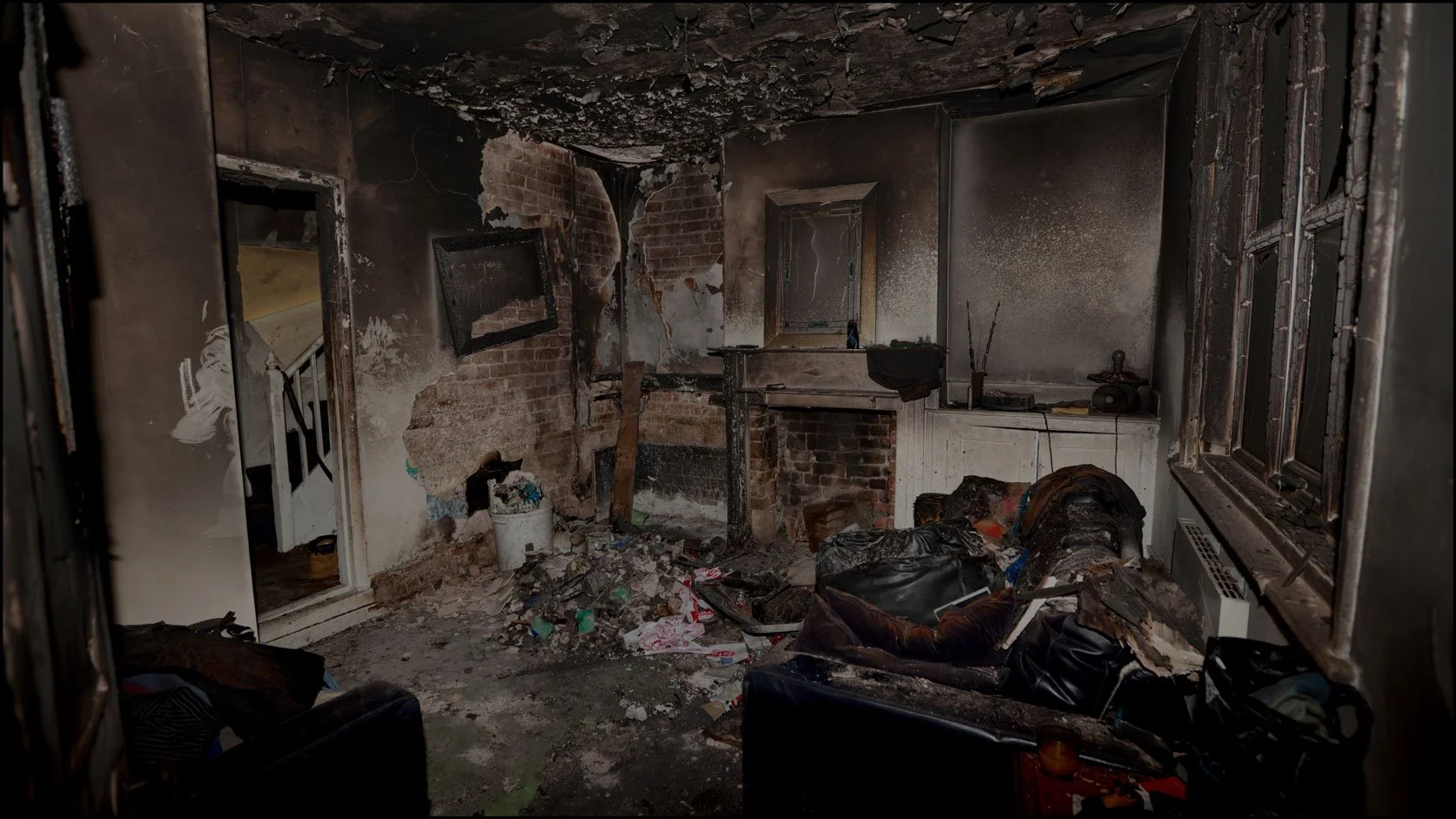
Emergency Stabilization Establishes A Safe Starting Point
Access Comes Before Cleanup
The first stage begins with determining whether anyone can safely enter. A building may contain unstable ceilings, damaged stairs, exposed wiring, broken glass, or weakened framing. Smoke clearing from a room does not establish that the structure is safe.
The U.S. Fire Administration advises owners not to enter a fire-damaged home until the fire department says it is safe. That initial permission does not replace later structural or electrical evaluations when conditions require them. Property owners should follow access restrictions and let qualified personnel determine which areas can support cleanup activity.
If flames, renewed smoke, or another immediate emergency appears, contact emergency services. A restoration company handles recovery after emergency response; it does not replace firefighters or utility responders.
Securing The Building
Once access is authorized, stabilization may include covering damaged roof openings, boarding broken windows, and restricting entry to unsafe rooms. These measures help reduce weather exposure, unauthorized access, and additional damage while the restoration plan develops.
Temporary protection must be installed with the building’s condition in mind. Workers should not climb a compromised roof or attach coverings to unstable materials without appropriate assessment. Where structural support is needed, qualified specialists determine suitable measures.
Utilities also require attention. Owners should not restore electricity or gas themselves after a major fire. The responsible utility provider and qualified trades should establish when systems can safely return to service.
Planning Site Logistics
Large projects need space for workers, equipment, debris containers, and possibly temporary storage. In Pittsburg, the available space at a detached home may differ substantially from access at an apartment property or commercial building.
The project team should identify equipment routes, delivery locations, protected walkways, and areas that remain off limits. For occupied neighboring units or adjoining businesses, the plan should also address separation from active work. Establishing these arrangements early makes subsequent cleanup easier to coordinate and reduces unnecessary movement through contaminated areas.
A Detailed Assessment Defines The Restoration Scope
Mapping All Types Of Damage
A large-loss assessment looks beyond burned surfaces. Teams evaluate heat damage, smoke deposits, moisture, and the condition of building materials. Roof spaces, wall cavities, flooring assemblies, and mechanical systems may require closer inspection when evidence suggests damage extends into them.
Different specialists may have distinct roles. A restoration professional can document contamination and moisture, while an engineer evaluates structural questions and qualified trades assess damaged electrical or mechanical components. One inspection does not automatically answer every question about a complex building.
Room-by-room documentation helps distinguish confirmed damage from areas needing further investigation. Photographs, measurements, moisture readings, and written observations provide a practical starting point for estimating work.
Deciding What Can Be Restored
Some surfaces and belongings may respond to appropriate cleaning. Others require removal because of charring, deformation, contamination, or an inability to dry adequately. The decision depends on material type, damage severity, accessibility, and whether the item can be returned to acceptable condition.
For example, a washable hard surface may be recoverable while heavily affected porous insulation requires replacement. An appliance that looks intact may still need specialist evaluation before anyone reconnects it.
Owners should receive understandable explanations for major removal decisions. Ask what evidence supports replacement, whether cleaning has been evaluated, and how the decision fits the overall repair plan. This discussion can protect valuable items without delaying necessary work.
Accounting For Concealed Conditions
Opening damaged assemblies can reveal additional soot, moisture, or heat effects. Consequently, an initial scope should identify assumptions and explain how newly discovered conditions will be documented and reviewed.
Older building materials may also require hazardous-material evaluation before disturbance. Suspected asbestos-containing materials, for example, need appropriate assessment and handling rather than ordinary demolition. EPA provides guidance for building owners concerning asbestos and renovation or demolition activities.
A useful scope separates emergency stabilization, cleanup, contents work, and reconstruction. It should identify exclusions and specialist responsibilities so the owner understands which services are included and which require separate arrangements.
Water Removal And Drying Control Secondary Damage
Firefighting Water Creates Its Own Restoration Needs
Water used during suppression can enter areas that flames never reached. Roof damage can also allow additional water into the property before temporary protection is completed. Water mixed with fire debris should not automatically be treated as a simple clean-water spill.
A drying plan considers affected materials, room layout, temperature, humidity, and the building’s condition. Dehumidification and controlled air movement may be used once the team has addressed relevant contamination and safety concerns.
Equipment placement matters. Moving air through an uncleared, heavily contaminated space can spread residue. Technicians monitor progress using measurements rather than relying solely on surface appearance. Tracking readings over time helps determine whether the approach is working and where additional access is needed.
Preventing Moisture From Being Hidden
A major fire can complicate that goal because access, structural concerns, and contamination may delay work. Prompt professional assessment remains important; the guidance is not a guarantee that every large building can be fully dried within that window.
Materials that cannot be adequately cleaned or dried may require removal. If mold is present, its treatment becomes part of the project rather than something concealed by new finishes.
Before reconstruction closes affected walls or floors, the team should document that drying goals have been met for the materials being retained. This checkpoint helps avoid rebuilding over unresolved moisture and having to reopen completed work later.
Controlled Removal And Smoke Cleanup: Prepare The Structure
Removing Unsalvageable Materials
Selective demolition removes materials that cannot remain safely or be restored successfully. Depending on the loss, this may include damaged drywall, insulation, cabinetry, flooring, or portions of roof assemblies.
Removal should follow the assessed scope and any required specialist recommendations. Structural members should not be removed casually, and hazardous materials need the appropriate handling process. The aim is to expose and address affected areas while preserving sound materials where feasible.
Before disposal, the team should coordinate documentation with the owner and insurer when practical. Investigation requirements can also affect what may be moved. Urgent safety measures should be discussed promptly rather than delayed while everyone waits for routine paperwork.
Cleaning Soot According To The Surface
Smoke residue varies with the materials that burned and the fire conditions. Its appearance and behavior can differ across painted walls, unfinished wood, metal, fabric, and other surfaces. A cleaning approach suitable for one material may damage another.
Professionals may evaluate methods through small test areas before broader application. Depending on conditions, the process can involve specialized vacuuming, dry cleaning methods, compatible cleaning solutions, or other appropriate surface treatments.
Owners should avoid experimenting on affected surfaces before a professional assessment, especially where valuable belongings or delicate materials are involved.
Addressing Odor Sources And HVAC Components
Persistent smoke odor can indicate remaining residue in porous materials, concealed spaces, or belongings. Treating the smell without addressing its source can produce an incomplete result. The restoration plan may include additional cleaning, removal of affected materials, and suitable deodorization procedures. Where treatment equipment has occupancy restrictions, those instructions must be followed. Any use of sealers should have a defined purpose after appropriate preparation; coating over unresolved damage is not a substitute for cleaning.
Heating and cooling systems also need evaluation when smoke or debris may have entered them. Filters, accessible components, and ductwork should be assessed according to actual conditions. Restarting a contaminated system can redistribute residue. The team should explain whether cleaning, component replacement, or specialist service is needed before operation resumes.
Creating A Contents Inventory
Large projects can involve hundreds of belongings, from furniture and clothing to tools, office equipment, and business records. An inventory helps prevent confusion about what was cleaned, stored, discarded, or returned. Useful records include item descriptions, photographs, original locations, and the proposed treatment.
Grouping possessions by room provides context and makes it easier for owners to review missing or uncertain items. Priorities should be discussed early. Essential documents, sentimental objects, and items needed for temporary living or business continuity may deserve special attention. Retrieval should happen only within the property’s access restrictions and safety plan.
Packing, Cleaning, And Storage
When work requires empty rooms, salvageable belongings may be packed and moved to a suitable cleaning or storage location. Clear labeling should connect boxes and individual items to the inventory. Cleaning decisions depend on material and contamination. Textiles, furniture, artwork, and electronics may require different methods or specialist services.
Neither visible cleanliness nor absence of obvious charring proves that a damaged electronic device is safe to power on. Owners should understand storage arrangements, anticipated charges, access procedures, and what happens if an item cannot be restored. Written disposition approval helps avoid misunderstandings, particularly for expensive or sentimental possessions.
Keeping Insurance Records Organized
Property owners should report the loss promptly and ask their insurer about claim procedures, emergency expenses, and required documentation. Coverage depends on the policy, the circumstances, and the insurer’s determination.
Maintain a central record containing the claim number, contact information, photographs, estimates, invoices, and receipts for related expenses. For businesses, records of interrupted operations and temporary arrangements may also be relevant to the claim.
A restoration contractor can provide damage documentation and explain the proposed work, but cannot guarantee coverage or a particular settlement. When a scope changes, obtain a written explanation of the added work and clarify payment responsibility. Keeping restoration authorization and insurance decisions understandable helps owners make informed choices throughout a lengthy project.
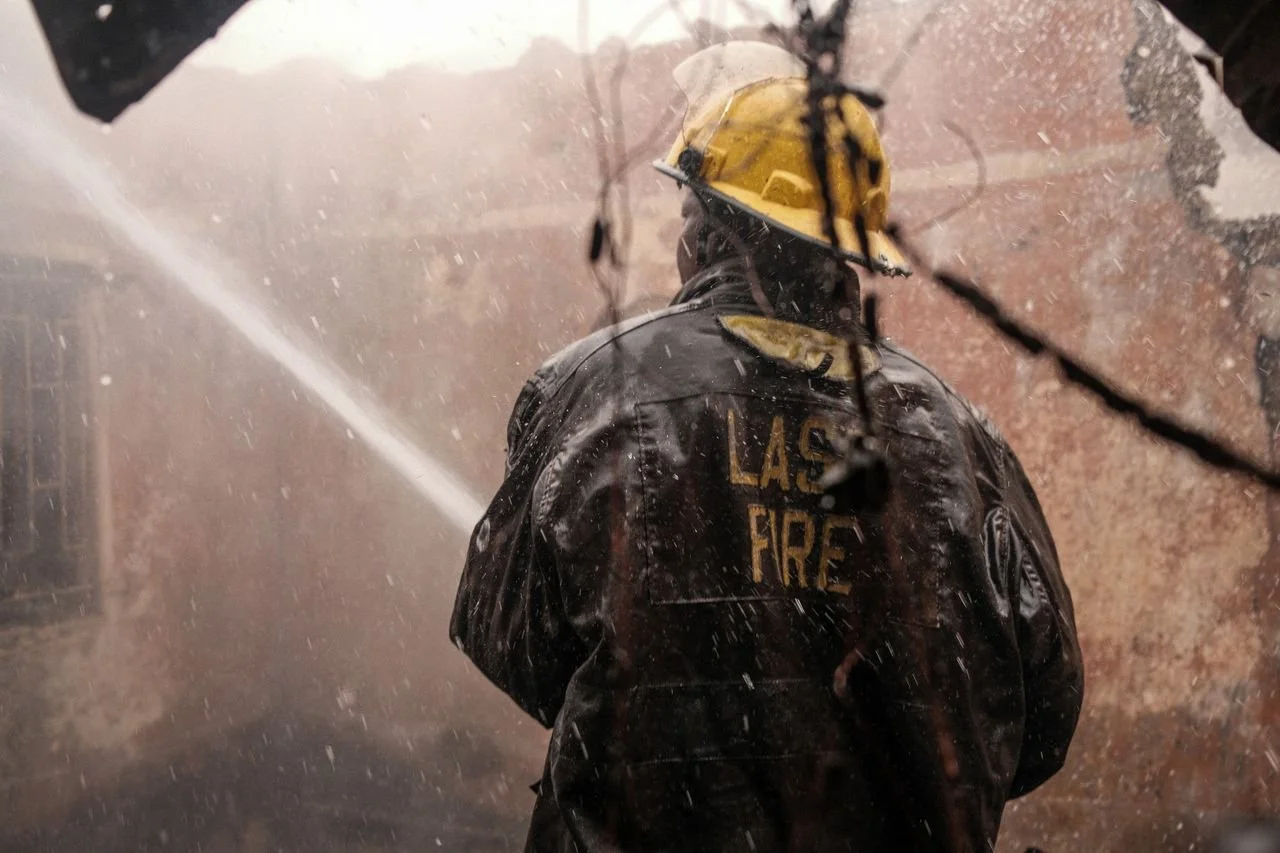
Reconstruction Requires Sequencing, Budget Control, And Communication
Rebuilding After Cleanup Checkpoints
Reconstruction begins when affected areas are ready for the specific repair activity planned. A large project may progress by zone, allowing approved work in one area while assessment or cleanup continues elsewhere.
Typical repairs can involve framing, roofing, electrical systems, plumbing, insulation, drywall, cabinetry, and finishes. The required trades depend on the damage. Owners should confirm who is responsible for reconstruction rather than assuming every cleanup agreement includes complete rebuilding.
For a Pittsburg property, the rebuilding team should verify applicable local approvals, inspection requirements, and conditions for returning the building to use. The exact requirements depend on the property’s use and scope of repairs. Fire-related work may involve more than replacing materials with visually similar products.
Understanding The Schedule
A realistic schedule identifies milestones and dependencies. Structural repairs may need to precede other work; concealed systems may require inspection before walls close; specialized products may have extended delivery times.
Large losses can take weeks or months, but a dependable estimate requires a site-specific scope. A contractor should explain what the schedule assumes and which unresolved items could change it.
Common influences include:
The extent of structural and concealed damage.
Time needed for testing, specialist evaluations, and drying.
Review of estimates and changes to the agreed scope.
Availability of trades, replacement materials, and equipment.
Required inspections and correction of identified issues.
The owner should also distinguish stabilization dates from anticipated re-occupancy dates. Finishing emergency cleanup does not necessarily mean the building is ready for residents or employees.
Managing Decisions And Changes
Assigning a main point of contact helps owners avoid conflicting instructions from different crews. Regular updates should cover completed work, upcoming activities, open decisions, and changes affecting cost or timing.
Material selections can influence progress. Owners should ask when choices are due and whether proposed products fit the established budget. Optional upgrades should be clearly identified so they do not become confused with restoration of covered damage.
A written change process is especially useful on large projects. It should explain the reason for additional work, proposed cost, scheduling effect, and who must authorize it. Clear communication cannot eliminate hidden damage, but it can make the response to that damage more predictable.
Final Verification Supports An Orderly Return To Use
Reviewing Completed Work
The final stage should compare completed work with the agreed scope and approved changes. A walkthrough allows the owner and project team to identify unfinished items, damaged finishes, missing contents, or other concerns.
Checks may include retained-material moisture records, completed cleaning, odor concerns, and the condition of repaired rooms. Building-system evaluations and required inspections remain the responsibility of the appropriate qualified parties.
A fresh coat of paint or a clean appearance does not answer every restoration question. Likewise, the absence of smoke odor alone does not establish that all safety or occupancy conditions have been satisfied. Verification should reflect the building’s actual damage and repair requirements.
Closing The Documentation
At handoff, owners should know which inspections were completed, which services were performed, and whether any restrictions remain. Relevant documents may include final invoices, drying records, specialist reports, warranties, maintenance instructions, and contents return lists.
If independent testing or clearance was part of the scope, obtain the results and understand what they establish. No single test automatically verifies every aspect of a restored property.
Create a written list of remaining items with assigned responsibilities and expected resolution dates. This provides a clear path for completing minor outstanding work and avoids relying on informal promises after crews leave.
Coordinating Recovery With ARC Water Damage
ARC Water Damage identifies fire and smoke cleanup, recovery of affected possessions, and assistance with insurance claims among its services. For a large Pittsburg project, owners should discuss the actual loss, specialist needs, and scope of responsibility directly with the company.
Useful questions include who will coordinate the work, how progress will be documented, whether content storage is needed, and which rebuilding tasks require separate contractors. Ask for an explanation of the immediate priorities and the decisions likely to arise later.
A well-coordinated project gives owners visibility into both completed work and unresolved conditions. That clarity supports practical decisions about temporary housing, business operations, spending, and the eventual return to the property.
Conclusion
Large fire damage restoration projects in Pittsburg, CA, work through a series of connected stages. Safe access and stabilization create the starting point. Assessment defines the scope, water removal and drying address moisture, and controlled cleanup prepares the building for repairs. Contents recovery and insurance documentation support the process throughout.
The most effective plans establish clear responsibilities, measurable checkpoints, and a written approach to changes. They also recognize that emergency cleanup, reconstruction, and approval to occupy the building are distinct milestones.
If your property has sustained extensive fire or smoke damage, contact ARC Water Damage to discuss an assessment and the next steps for your Pittsburg restoration project.
Frequently Asked Questions
1. What Makes A Fire Damage Restoration Project A Large Project?
A project may be considered large because it affects substantial floor area, multiple units, structural components, or many belongings. Complexity matters too. A contained fire can still require extensive work if smoke spreads throughout the building or firefighting water saturates concealed assemblies. Assessment establishes the actual scope.
2. Can Cleanup Start Before The Insurance Claim Is Settled?
Necessary emergency measures may begin before final claim settlement, subject to safe access and proper authorization. Contact the insurer promptly, document conditions, and clarify what work you are authorizing. Understand potential payment responsibility because initiating restoration does not guarantee that every cost will be covered.
3. Can Residents Remain In An Unaffected Part Of The Building?
Sometimes, but continued occupancy requires a site-specific evaluation. Structural conditions, utilities, shared ventilation, contamination, and separation from work areas all matter. Follow directions from the relevant authorities and qualified professionals. A room that looks untouched may still be unsuitable for occupancy during restoration.
4. Does Every Smoke-Damaged Item Need Replacement?
No. Some possessions and surfaces can be cleaned successfully, while others are too damaged or contaminated to retain. Material type, severity, safety, and restoration feasibility influence the decision. Ask for documentation of major replacement recommendations and discuss sentimental or valuable items before their disposal.
5. Why Might The Estimate Change After Demolition Starts?
Removing damaged materials can expose previously concealed moisture, smoke residue, or structural damage. Those findings may change the necessary work. The contractor should document the condition, explain the proposed correction, and follow the agreed authorization process. Ask how the change affects cost, insurance review, and scheduling.
------------------------------------
Fire Damage Can Be Devastating; Professional Restoration Makes The Difference
Fire damage can turn your home or business upside down in a matter of minutes. Even after the flames are extinguished, the damage can continue through smoke, soot, odors, water from firefighting efforts, and hidden damage inside walls, ceilings, and other structural areas. Acting quickly can help limit further deterioration and reduce the scope and cost of repairs.
Professional fire damage restoration addresses more than what you can see on the surface. Using specialized equipment and proven restoration techniques, affected areas can be inspected, cleaned, deodorized, dried, and restored. Smoke and soot residue may travel far beyond the immediate fire area, which makes a thorough assessment an important part of returning the property to a safe, clean, and usable condition.
At ARC Water Damage, our experienced team responds quickly to fire damage emergencies and guides you through every step of the restoration process. We work efficiently, communicate clearly, and coordinate with your insurance company whenever possible to help make the recovery process as smooth and manageable as possible.
If your home or business has suffered fire, smoke, soot, or related water damage, don't wait to begin the restoration process. Call ARC Water Damage today at (877) 437-9225 for professional fire damage restoration and fast, reliable service.
Disclaimer
The information provided on this website is for general informational and educational purposes only and is not intended to serve as professional restoration, environmental, or insurance advice. Every water, fire, or mold damage situation is unique, and you should consult with a qualified restoration professional regarding your specific property and conditions. Do not take action or delay action based solely on the content of this website without seeking appropriate professional guidance.
While we strive to provide accurate and up-to-date information, restoration methods, safety standards, and industry practices may change over time. The content on this website may not reflect the most current procedures or recommendations. ARC Water Damage makes no guarantees regarding outcomes based on the use of this information.
By using this website, you agree that ARC Water Damage is not liable for any actions taken or not taken based on the information provided, to the fullest extent permitted by law.