
How Does Fire Damage Restoration Begin After A House Fire In Concord, CA?
A house fire can leave you facing urgent questions long after the flames are extinguished. Is the building safe to enter? Can you retrieve your belongings? Who should you call first? For homeowners in Concord, CA, understanding the beginning of fire damage restoration helps make a difficult situation more manageable.
Restoration begins with safety clearance and an organized assessment of what the fire, smoke, and firefighting water affected. Before cleaning or rebuilding starts, professionals need to identify hazards, document damage, protect exposed areas, and determine which materials can be restored.
ARC Water Damage provides fire damage restoration and smoke damage cleanup for Concord and other Bay Area communities. Its published services also include insurance claim support. The work your home requires depends on the actual damage and conditions found during assessment.
This guide explains the early restoration process, what homeowners can do safely, and which decisions deserve careful attention before repairs move forward.
Key Takeaways
Wait for authorization from fire officials before entering a damaged home.
Arrange temporary housing when the property is unsafe to occupy.
Notify your insurer promptly and keep records of fire-related expenses.
Have fire, smoke, soot, and moisture damage evaluated together.
Property protection and water removal may be needed before detailed cleanup.
Avoid washing soot, using affected appliances, or restarting damaged systems yourself.
Request a written scope explaining immediate work, later repairs, and responsibilities.
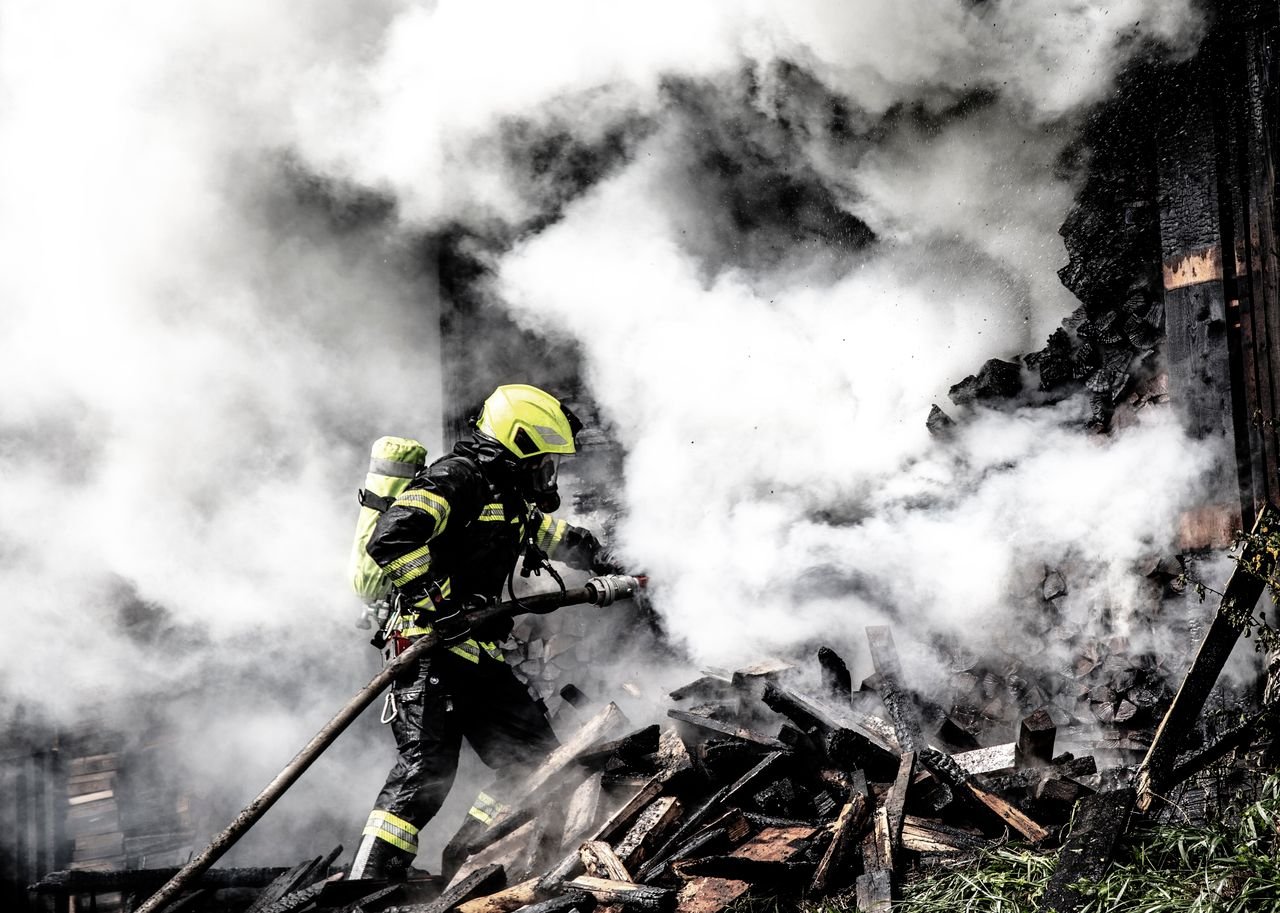
Restoration Begins With Safety Clearance And Immediate Household Needs
Confirm That Access Is Authorized
The first step after a house fire is determining whether anyone can safely enter. An extinguished fire does not automatically mean the building is ready for homeowners, cleanup crews, or normal occupancy.
The U.S. Fire Administration advises people to stay out of damaged homes until the fire department says entry is safe. It also warns against turning disconnected utilities back on yourself. Follow any access restrictions that officials establish, including restrictions affecting individual rooms or areas.
Ask whether the property has been released for restoration work and whether any investigation or structural review remains outstanding. Authorization to retrieve an essential item may be more limited than authorization to begin repairs.
If you see fresh smoke, suspect renewed burning, or notice another immediate emergency, leave the area and call 911 from a safe location.
Keep Family Members Away From Damaged Areas
Children, pets, and visitors should remain outside restricted areas. Broken glass, exposed wiring, unstable finishes, and contaminated debris can create hazards even when damage appears limited to one room.
Arrange a safe place to stay if officials have restricted occupancy or the home cannot support essential household needs. Consider practical requirements such as medications, transportation, accessibility, school arrangements, and pet care.
If essential medicine was exposed to heat or smoke, ask your pharmacist or healthcare provider about replacement rather than assuming it remains usable. Do not enter an unsafe building to retrieve it.
Separate Emergency Decisions From Repair Decisions
In the first hours, your priorities are personal safety, shelter, communication, and protecting the property through authorized professionals.
You do not need to choose replacement flooring, wall colors, or a complete remodeling plan immediately. Those decisions become easier after the initial assessment identifies what can remain and what must be removed.
Choose one household contact to handle calls and maintain notes. Keeping information in one place helps prevent conflicting instructions and makes it easier to explain the situation to your insurer and restoration provider.
Notify Your Insurer And Establish The Restoration Response
Report The Loss And Ask About Immediate Assistance
Contact your insurance company as soon as practical. Provide your address, the date of the fire, your contact information, and a straightforward description of the damage you know about.
Ask how to submit photographs, whether an adjuster will inspect the property, and what documentation is needed for emergency mitigation. Also ask about temporary living expenses and any requirements affecting reimbursement.
Coverage depends on your policy and the circumstances of the loss. A restoration estimate does not establish what your insurer will pay.
Write down the claim number and the name of your claim contact. Keep receipts for lodging, necessary purchases, and property protection expenses so you can submit them for review.
Contact ARC Water Damage With Useful Information
When contacting ARC Water Damage about a Concord house fire, explain whether fire officials have authorized access and whether utilities are disconnected. Describe visible damage, water accumulation, roof openings, broken windows, and smoke affecting other rooms.
You do not need to diagnose the building. Accurate observations help the provider understand what assessment and immediate response may be needed.
Ask about current availability, the initial inspection process, and who will coordinate the work. Confirm which tasks the company will perform directly and which may require separate qualified specialists.
Providing photographs from a safe location can help communicate conditions before the visit, but photographs cannot replace an on-site evaluation.
Clarify Authorization Before Work Begins
Request a written explanation of the initial services, pricing approach, payment responsibilities, and any limits on the authorization you are signing.
Emergency mitigation and full reconstruction are different stages. A document authorizing water extraction or temporary protection should clearly describe that work.
Ask how additional damage will be handled if it is found later. You should know who receives updates, who approves changes, and how revised costs are documented.
For rental properties, notify the property owner or manager promptly. Responsibility for building repairs and personal belongings may involve different parties, so coordination should begin early.
Professionals Assess Fire, Smoke, Soot, And Water Damage
Inspect Beyond The Room Where The Fire Started
The first restoration inspection establishes the extent of the loss. Professionals consider direct burning, heat exposure, smoke movement, soot deposits, firefighting water, and damage caused while firefighters accessed the building.
A kitchen fire, for example, may leave concentrated damage near the cooking area while smoke affects hallways, cabinets, and adjacent rooms. Water may reach flooring or spaces below the visibly burned area.
The assessment should distinguish observed damage from conditions that require further investigation. A room that looks cleaner than another room is not automatically unaffected.
Homeowners can help by explaining the layout, identifying previous leaks, and describing any changes they noticed before or after the fire.
Identify Materials And Systems Requiring Specialist Review
Heat-damaged framing, electrical equipment, plumbing components, and heating or cooling systems may require evaluation by qualified professionals.
A restoration technician’s cleanup assessment does not replace a structural engineer’s opinion when structural integrity is uncertain. Likewise, cleaning an appliance exterior does not establish that its internal components are safe.
Older Concord homes may contain materials requiring special handling before demolition. Suspected asbestos-containing materials should be evaluated appropriately rather than disturbed during general cleanup. EPA guidance recommends specially trained personnel for renovation work involving asbestos.
Discuss possible testing before removing affected finishes. Material age alone does not confirm whether a hazardous substance is present.
Create A Baseline For The Restoration Plan
Assessment records may include photographs, room measurements, moisture readings, descriptions of damaged materials, and notes about access restrictions.
These records establish a starting point for deciding what to clean, dry, remove, repair, or replace. They also help explain why a proposed scope extends beyond the area where flames were visible.
Ask the assessor to identify the highest-priority concerns and any unanswered questions. A useful initial plan should make clear what is known, what needs further evaluation, and which decisions can wait.
If inspection is limited by debris or unsafe access, expect the scope to develop as those restrictions are resolved.
The Property Is Secured And Protected Against Additional Damage
Address Openings And Unsafe Access
Broken windows, damaged doors, and openings in the roof can expose a house to weather and unauthorized entry. Temporary protection may be needed once officials release the relevant areas and professionals can work safely.
Boarding, temporary covering, or other protective measures should match the building’s condition. Roof work and damaged structural areas require particular caution.
Homeowners should not climb onto a fire-damaged roof or attempt to brace unstable building components. These tasks require an assessment of access, support, and worker safety.
Ask who will inspect temporary protection afterward and what to do if it becomes loose or fails before permanent repairs begin.
Establish Work Areas And Protect Remaining Belongings
A restoration plan may separate affected work zones from areas that have less damage. Depending on conditions, protective barriers and controlled access can help limit the movement of debris during cleanup.
The team should identify where workers will enter, where equipment will be placed, and how salvageable belongings will be protected or moved.
Avoid carrying soot-covered items through cleaner rooms without guidance. Handling and transportation can spread residue to surfaces that otherwise might need less cleaning.
If belongings need off-site treatment or storage, ask for an inventory and a record of their destination. Clear tracking matters when numerous items leave the property at different times.
Coordinate With Investigators And Other Responsible Parties
Some locations or items may need to remain undisturbed while the cause of the fire is investigated. Confirm any restrictions before debris removal or disposal.
The restoration provider should understand which areas are released for work and which still require coordination. Emergency protection may be possible without disturbing an area under investigation, but that must be evaluated for the situation.
In attached homes, shared walls or connected spaces can also affect planning. Notify the appropriate property manager or association when relevant.
The goal of this stage is to stabilize conditions and preserve useful evidence while preparing the site for safe mitigation.
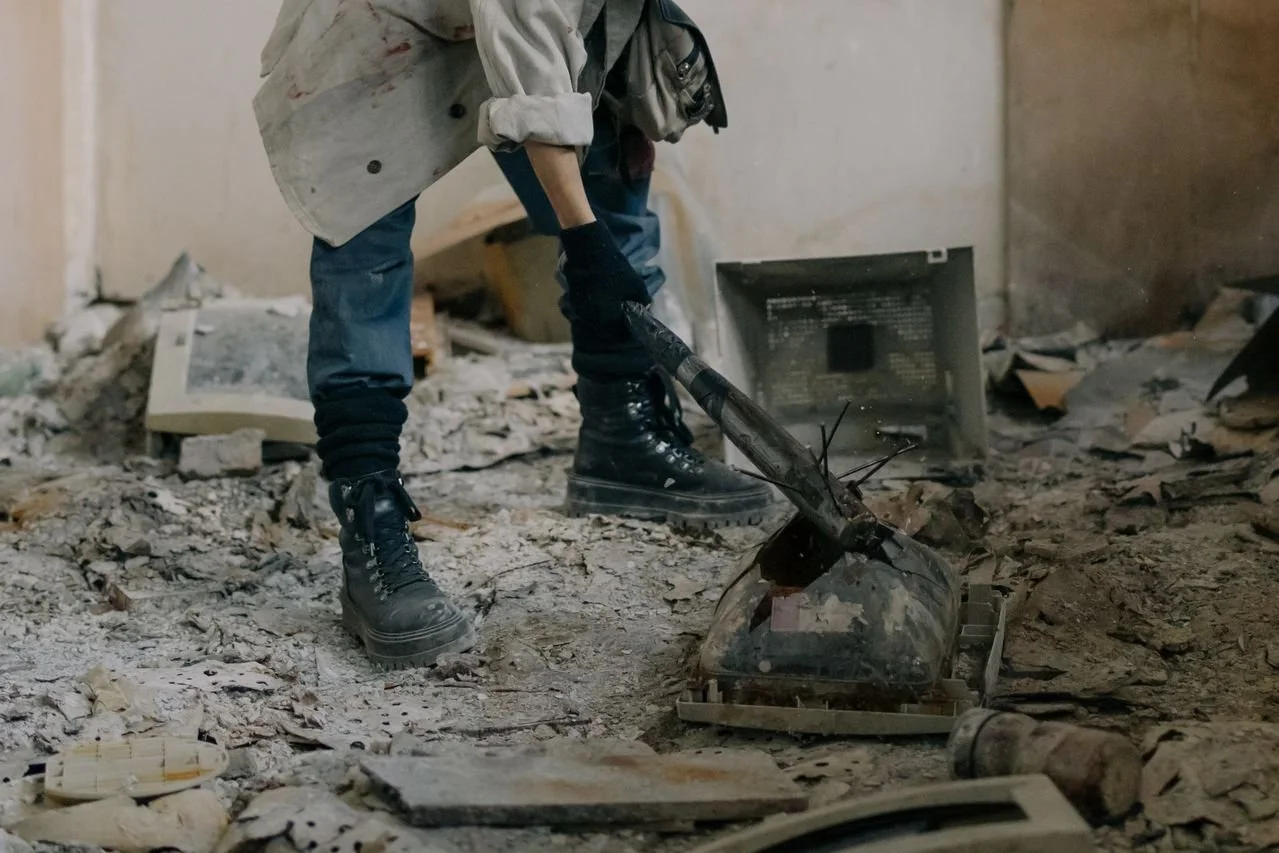
Firefighting Water Is Removed, And Moisture Is Controlled
Locate Water That Is Not Immediately Visible
Water used to extinguish a fire can soak flooring, insulation, wall cavities, and materials beneath the surface. A floor that feels dry underfoot may still have moisture below it.
Professionals use appropriate inspection methods and moisture measurements to identify affected areas. Findings guide extraction, selective removal, and drying.
In a multi-level house, the assessment may include spaces below the fire area. In a single-story home, it may include adjoining rooms or accessible spaces beneath the floor.
Explain any known preexisting moisture problems. That information helps the team interpret readings and distinguish older conditions from fire-related water damage.
Begin Drying When Conditions Allow
Standing water removal and drying can be urgent, but safety and contamination conditions determine how the work proceeds. Electrical access, building stability, and residue management must be considered before equipment is installed.
EPA advises drying water-damaged areas and items within 24 to 48 hours to help prevent mold growth. This guidance supports prompt moisture control; it is not a promise that every fire-damaged home can be fully dried within that period.
Some materials may need removal because they cannot be effectively restored. Others may be suitable for drying and continued use after evaluation.
Equipment selection and placement should follow the actual conditions rather than a fixed formula.
Verify Progress Before Closing Up The Building
Drying is monitored through readings and observations, not simply by counting how many days equipment has operated.
Ask how the provider determines that materials are ready for the next stage. The answer should address measured conditions and the materials involved.
Do not switch off equipment, move barriers, or change ventilation arrangements without discussing it with the team. Those changes may affect the drying plan or the control of contaminated areas.
If new staining, dampness, or musty odors appear, report them promptly. Resolving remaining moisture before reconstruction helps avoid covering up a problem that later requires opening finished surfaces again.
Smoke, Soot, And Contents Receive A Planned Cleanup Approach
Match Cleaning Methods To The Residue And Surface
Soot is not ordinary household dust. Its condition varies with what burned, the fire’s temperature, and the surface where residue settled.
A cleanup plan should account for these differences. Professionals may test a small area before choosing a method for painted walls, wood finishes, textiles, or other materials.
Avoid scrubbing soot-covered surfaces or applying household cleaners before assessment. An unsuitable method can spread residue, damage finishes, or make restoration more difficult.
Do not use an ordinary household vacuum on fire debris. Ask the restoration team how loose residue will be collected and how surrounding areas will be protected during that work.
Address Odor Sources Before Finishing Surfaces
Smoke odor treatment begins with identifying and addressing affected materials and residue. Fragrance alone does not resolve the underlying condition.
Some items may respond to cleaning. Others may retain contamination or damage that makes replacement the more appropriate choice.
Odor treatment methods should be selected for the property and used under controlled conditions. Ask what treatment is proposed, whether occupants must remain away, and how completion will be evaluated.
Painting too early can complicate the process if contaminated material or unresolved odor remains beneath the finish. Surface preparation, cleaning, and drying should be addressed before final coatings are applied.
Evaluate Household Contents And Building Systems Separately
Furniture, clothing, documents, electronics, and keepsakes do not all require the same treatment. Keep a list of important items and identify those with sentimental value before disposal decisions are made.
Heat, smoke, soot, and water exposure may affect an item’s suitability for restoration. Electronics and appliances should receive appropriate specialist evaluation before use.
The heating and cooling system also deserves attention if it operated during the fire or shows contamination. Ask whether inspection of equipment and accessible ductwork is needed before restarting it.
Document unsafe food and other items requiring disposal without consuming or reusing them. Coordinate inventory requirements with your insurer while following safety guidance. Photographs and written records can help preserve information when an item cannot safely remain in place.
A Written Scope Connects Initial Mitigation To Repair And Recovery
Understand What The Initial Estimate Includes
Once the property is assessed and immediate conditions are controlled, the restoration plan becomes more detailed.
The written scope should identify work areas, proposed cleaning, drying, removals, contents handling, and repairs. It should also distinguish included services from work that remains subject to further evaluation.
Ask whether specialist inspections, testing, storage, and reconstruction are included or handled separately. Clear boundaries make estimates easier to understand and reduce surprises.
An early estimate may change when concealed damage is exposed. Changes should be explained and documented, including their effect on cost and scheduling.
Set Expectations Around Milestones
A restoration schedule should reflect the property’s needs. Limited smoke cleanup differs from a project involving substantial demolition, structural repairs, and replacement systems.
Useful milestones include completion of emergency protection, drying verification, residue cleanup, specialist evaluations, and readiness for reconstruction.
For a Concord property, repairs may also require coordination with the relevant city building officials and other responsible parties. Confirm the requirements for the actual project rather than assuming every repair follows the same process.
Material availability, access, investigation restrictions, and additional findings can affect timing. Request updates tied to these factors instead of relying on an unsupported completion date.
Review Readiness For Reoccupancy
Returning home should depend on more than the absence of visible soot. Consider whether necessary repairs are complete, essential systems have been evaluated, moisture concerns are resolved, and any occupancy restrictions have been lifted.
Ask which professionals or authorities must confirm readiness in your situation. A restoration provider’s completion report and an official occupancy determination serve different purposes.
Before the project closes, review completed work, outstanding items, warranty information, and care instructions. Keep photographs, invoices, and relevant reports together.
For homeowners considering ARC Water Damage, a clear starting conversation should cover access, observed damage, immediate priorities, and the assessment process. That information provides a practical foundation for deciding what happens next.
Conclusion
Fire damage restoration after a house fire in Concord, CA, begins with authorized access, household safety, and a careful assessment of the property. From there, professionals can plan temporary protection, moisture control, smoke and soot cleanup, and the repairs needed for recovery.
The early decisions matter because visible burning is only part of the loss. Clear documentation and a written scope help homeowners understand the work and coordinate with their insurer.
Contact ARC Water Damage to discuss fire damage restoration in Concord and arrange an assessment of your property’s needs. A plan based on actual conditions helps you move forward with clearer priorities and realistic expectations.
Frequently Asked Questions
1. What Should I Do First After A House Fire In Concord?
Stay in a safe location and follow instructions from emergency responders. Confirm whether entry is authorized before approaching damaged areas. Once immediate safety and shelter needs are addressed, notify your insurer and contact a restoration provider. Do not reenter solely to take photographs or retrieve belongings when access remains restricted.
2. Can Restoration Start Before The Insurance Adjuster Visits?
Some emergency mitigation may need to begin promptly to protect the property. Notify your insurer, ask about its documentation requirements, and confirm the work authorization with your provider. Photograph conditions safely and retain records of emergency services. Investigation restrictions or unsafe access may also affect when particular work can begin.
3. Why Is Water Damage Part Of Fire Restoration?
Firefighting water can affect materials beyond the visibly burned area. Moisture may remain beneath flooring, inside walls, or in insulation. Assessing and addressing that water helps prevent additional deterioration and mold problems. The drying approach depends on the materials, contamination, access, and conditions identified during the inspection.
4. Can I Clean Smoke Damage Myself?
A professional assessment is advisable before attempting cleanup in a fire-damaged home. Some surfaces and belongings need specialized methods, while structural or electrical hazards may limit access entirely. Ask which tasks, if any, are appropriate for you. Avoid scrubbing soot, applying unfamiliar chemicals, or restarting affected equipment without guidance.
5. How Long Does Fire Damage Restoration Take?
There is no reliable universal timeline. A limited cleanup project may require substantially less work than a fire affecting framing, utilities, and multiple rooms. Assessment, drying, specialist evaluations, repairs, and material availability all influence scheduling. Request a project-specific timeline and updates when new findings change the scope.
------------------------------------
Fire Damage Can Be Devastating; Professional Restoration Makes The Difference
Fire damage can turn your home or business upside down in a matter of minutes. Even after the flames are extinguished, the damage can continue through smoke, soot, odors, water from firefighting efforts, and hidden damage inside walls, ceilings, and other structural areas. Acting quickly can help limit further deterioration and reduce the scope and cost of repairs.
Professional fire damage restoration addresses more than what you can see on the surface. Using specialized equipment and proven restoration techniques, affected areas can be inspected, cleaned, deodorized, dried, and restored. Smoke and soot residue may travel far beyond the immediate fire area, which makes a thorough assessment an important part of returning the property to a safe, clean, and usable condition.
At ARC Water Damage, our experienced team responds quickly to fire damage emergencies and guides you through every step of the restoration process. We work efficiently, communicate clearly, and coordinate with your insurance company whenever possible to help make the recovery process as smooth and manageable as possible.
If your home or business has suffered fire, smoke, soot, or related water damage, don't wait to begin the restoration process. Call ARC Water Damage today at (877) 437-9225 for professional fire damage restoration and fast, reliable service.
Disclaimer
The information provided on this website is for general informational and educational purposes only and is not intended to serve as professional restoration, environmental, or insurance advice. Every water, fire, or mold damage situation is unique, and you should consult with a qualified restoration professional regarding your specific property and conditions. Do not take action or delay action based solely on the content of this website without seeking appropriate professional guidance.
While we strive to provide accurate and up-to-date information, restoration methods, safety standards, and industry practices may change over time. The content on this website may not reflect the most current procedures or recommendations. ARC Water Damage makes no guarantees regarding outcomes based on the use of this information.
By using this website, you agree that ARC Water Damage is not liable for any actions taken or not taken based on the information provided, to the fullest extent permitted by law.