
What Should You Do Immediately After Fire Damage Restoration Is Needed In Walnut Creek, CA?
A fire can leave you facing urgent decisions long after the flames are out. Your Walnut Creek home may have broken windows, smoke odors, damaged belongings, and water left behind by firefighting. Even rooms that look relatively untouched may need assessment before you can use them again. Knowing which steps come first helps you protect your family while making practical decisions about your property.
If fire damage restoration is needed, begin by staying out of restricted areas and following instructions from emergency responders. Next, arrange a safe place to stay, notify your insurance company, and contact a restoration professional. Cleanup should follow an assessment of the building, its utilities, and the damage rather than begin with improvised washing or demolition.
ARC Water Damage serves Walnut Creek and offers fire and smoke damage restoration. This guide explains how to organize the immediate response, what information to gather, and how to move from emergency protection toward a documented recovery plan. The goal is to make the next decision manageable without overlooking problems that could complicate repairs.
Key Takeaways
Wait for authorization before entering a fire-damaged property, and follow any restrictions on access.
Arrange temporary housing and essential supplies if the home cannot be safely occupied.
Notify your insurer promptly and keep photographs, an inventory, receipts, and written communications.
Request professional assessment of fire, smoke, soot, and firefighting water damage.
Avoid disturbing residues, restarting damaged equipment, or removing materials without guidance.
Separate emergency stabilization from permanent repairs when reviewing estimates and authorizations.
Confirm the requirements for your address and repair scope before reconstruction begins.
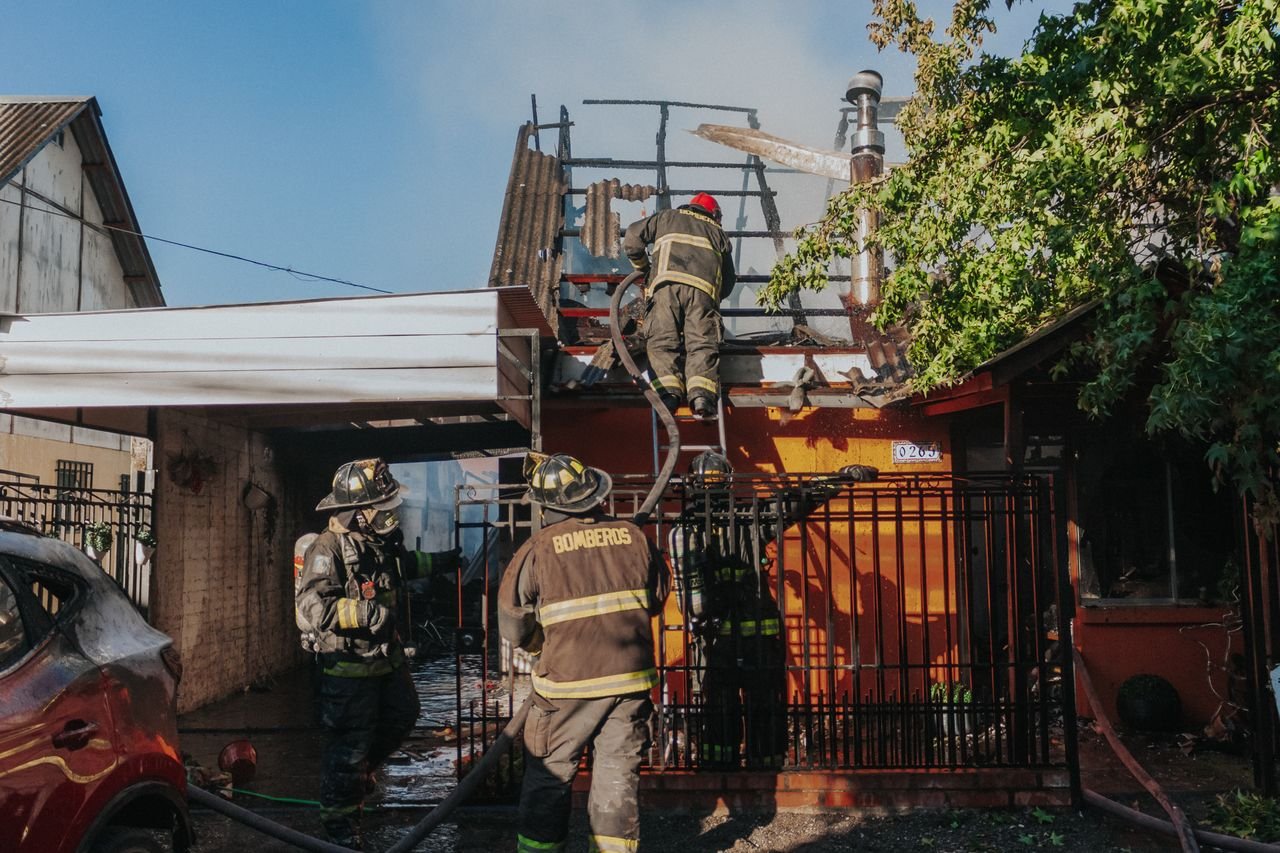
Put Personal Safety Before Property Recovery
Wait For Clear Instructions About Entry
The first step after a fire is determining whether anyone may enter the property. The U.S. Fire Administration advises against entering a damaged home until the fire department says it is safe. It also warns that soot and dirty water can pose health hazards after the fire is extinguished. Permission to enter should always be understood in the context of any specific restrictions responders provide.
Ask whether access is limited to certain rooms, whether someone must accompany you, and whether belongings may be retrieved. Write down the instructions so family members receive the same information. A short visit to collect essentials does not automatically establish that the home is suitable for overnight occupancy.
Do not bypass barriers or enter because a neighbor has already gone inside. If you cannot reach the person who issued an instruction, keep the restriction in place until it is clarified. Restoration planning can begin by phone while access remains limited.
Leave Utility Decisions To Qualified Professionals
Do not restore disconnected gas or electricity yourself. Fire-affected wiring, appliances, and utility connections require appropriate evaluation before use. A familiar breaker panel or an appliance that appears undamaged should not be treated as proof that the system is safe.
If you smell gas or hear hissing, leave immediately and call emergency services from a safe location. The American Red Cross also advises against resetting tripped breakers after a fire because they may indicate damaged wiring.
Tell the restoration team which services were disconnected and who disconnected them. This information helps the team plan equipment power, lighting, and safe access without relying on household systems prematurely.
Keep The Initial Visit Focused
If access is authorized, decide what you need before arriving. Essential documents, keys, identification, and necessary personal items should take priority over a general search through the house. Ask for professional assistance where retrieving an item would require entering a restricted area or moving debris.
Children, pets, and visitors should remain away from the work area. Assign one adult to communicate with responders and contractors so instructions do not get lost between several people trying to help.
Arrange Temporary Housing And Notify The Right People
Establish A Practical Plan For The First Night
If the home is unsafe or its condition remains uncertain, arrange somewhere else to stay. Consider sleeping arrangements, transportation, accessibility, pet accommodation, and proximity to work or school. A workable temporary location can reduce pressure to return before necessary assessments are complete.
Create a simple list of immediate needs: clean clothing, toiletries, chargers, replacement keys, and essential documents. Contact your pharmacist or medical provider about replacing affected prescriptions rather than retrieving and using questionable supplies. The American Red Cross advises discarding food, beverages, and medicine exposed to heat, smoke, or soot.
Avoid making a long housing commitment before discussing the likely restoration scope and available coverage. At the same time, give your family enough stability to manage the next several days without repeatedly relocating.
Notify Owners And Building Representatives
If you rent, notify the landlord or property manager promptly. Explain what responders said about access and utilities, and ask who will authorize building-related work. Contact your own insurer about personal belongings and temporary accommodation if you have renters coverage.
For a condominium or a property with shared walls, contact the association or building representative. Ask who coordinates common areas, shared systems, and access for contractors. Keeping those responsibilities clear helps prevent duplicated work or gaps between separate restoration plans.
A business owner should also identify who can approve emergency work and communicate with employees. Provide a reliable alternate phone number or email if the usual office equipment is unavailable.
Keep Recovery Information In One Place
Choose one folder for claim details, inspection instructions, contractor estimates, photographs, and receipts. A shared digital folder can help household members contribute information without creating conflicting versions of the same document.
Record the property address, emergency contact details, and names of the people handling each part of recovery. If someone calls while you are away from the site, this reference makes it easier to provide consistent answers and identify the next action.
Report The Loss And Document Damage Carefully
Open The Insurance Claim Promptly
Notify your insurer as soon as practical. Describe what happened, which areas appear affected, and whether the home is occupied. Ask for the claim number, the assigned contact, and instructions for emergency work and documentation.
The California Department of Insurance recommends reporting property losses, protecting the property from further damage, keeping receipts, and maintaining records of insurance communications. It also advises against extensive permanent repairs before the adjuster assesses the damage.
Clarify the difference between urgent protective work and later reconstruction. Ask how to submit estimates, photographs, and invoices. Coverage and reimbursement depend on the policy and claim circumstances, so request written answers where possible rather than relying on assumptions.
Take Useful Photographs Without Entering Unsafe Areas
Once access is allowed, photograph the overall condition of each accessible room before focusing on individual items. Include ceilings, floors, walls, doors, and visible water damage. Photograph identifying details on appliances or electronics only where you can reach them safely.
Keep original image files and organize them by room or date. Add brief notes describing the location and what the photograph shows. Do not move heavy objects, climb into damaged spaces, or touch electrical equipment just to obtain a better image.
If you cannot safely document an area, tell the restoration team and insurer. An incomplete photograph set is preferable to an injury. Ask the professionals working in that area to document conditions as part of their assessment.
Start An Inventory And Expense Log
List damaged belongings room by room, adding descriptions, approximate purchase dates, and available purchase records. Separate confirmed facts from estimates. For example, identify a missing receipt as unavailable rather than inventing a purchase price or model number.
Save receipts for temporary housing and other recovery expenses, and ask the insurer which additional living expenses may be covered.
Before nonurgent disposal, ask what documentation is required. For hazardous items needing prompt removal, request photographs, inventory notes, and disposal records. Give special attention to sentimental possessions by flagging them for evaluation early, while accepting that some items may be unsafe or impractical to restore.
Contact ARC Water Damage And Define Emergency Work
Provide A Clear Description When You Call
Contact ARC Water Damage with the address, the approximate time of the fire, and any access restrictions. Explain whether utilities are disconnected, whether water remains inside, and whether the roof, windows, or doors have openings. Mention any special access needs or shared building arrangements.
ARC Water Damage lists Walnut Creek among its service areas. Its published fire restoration services include damage assessment, emergency board-up, structural stabilization, smoke odor treatment, contents handling, water extraction, drying, and reconstruction.
Ask about current availability and the next step for your property. The response needed for a single affected room may differ from the response needed for extensive damage. Clear information helps the team prepare for the conditions it is likely to encounter.
Understand What Emergency Stabilization Includes
Emergency stabilization aims to prevent avoidable additional damage while the broader restoration scope is developed. Depending on the property, that may involve securing openings, arranging temporary weather protection, restricting unsafe areas, or beginning approved water removal.
Ask what each proposed action accomplishes and whether further assessment is needed before it can proceed. Any temporary roof covering or structural work should be handled by appropriately qualified personnel. Homeowners should not climb onto a damaged roof or attempt improvised support work.
Also ask how protective measures affect later access. Boarding a window or restricting a room should be coordinated with the people who need to inspect the property, including investigators and the insurance adjuster.
Review The Written Authorization
Before signing, identify the services being authorized, the payment terms, and how additional work will be approved. Ask whether contents removal, storage, equipment monitoring, and disposal are included or billed separately.
A useful emergency agreement should make the immediate scope understandable without implying that every permanent repair has already been decided. Request a copy for your records and provide the insurer with the information it requests.
Make sure everyone understands who may approve changes. If a family member, landlord, association, and insurer are all involved, unclear authority can slow decisions. Establish a primary contact and a process for documenting approvals before the project becomes more complex.
Address Water Damage And Hidden Moisture Early
Include Firefighting Water In The Assessment
Fire recovery often involves more than burned materials. Ask the restoration team to evaluate water-affected areas, including surfaces beyond the room where flames were visible. Note any places where you observed water collecting or moving during the response.
Discuss whether flooring, wall assemblies, insulation, or enclosed spaces need further examination. Appearance alone may not explain the full condition of a material. Ask what measurements or observations support the drying plan and what information will be recorded.
This is especially useful when one contractor handles cleanup and another handles reconstruction. A documented assessment gives the next team a clearer account of what was wet, what was removed, and what still needs attention.
Ask How Drying Will Be Monitored
The Environmental Protection Agency recommends drying water-damaged areas and items within 24 to 48 hours to help prevent mold growth. That guidance supports prompt action; it does not establish an exact moment when every fire-damaged property develops mold.
Ask how the team will check progress, where equipment will be placed, and what conditions determine when drying is complete. The schedule should respond to the actual materials and measurements rather than a fixed promise made before assessment.
Do not unplug equipment, move it between rooms, or change its settings without instructions. Tell the team if noise, access, or electrical arrangements create a practical problem so they can address it while maintaining the intended drying process.
Separate Drying From Decisions About Replacement
Drying an item does not necessarily resolve fire damage, contamination, or loss of function. Ask how the team distinguishes materials that can remain from materials that need removal or further evaluation.
For example, a decision about a floor should account for its condition and the affected assembly, not simply whether the exposed surface feels dry. Request an explanation where proposed removal differs from your expectations.
Before replacement materials cover an area, confirm that the necessary drying checks and other assessments are complete. Keeping these decisions connected helps reduce the possibility of reopening finished work because an unresolved condition was concealed.
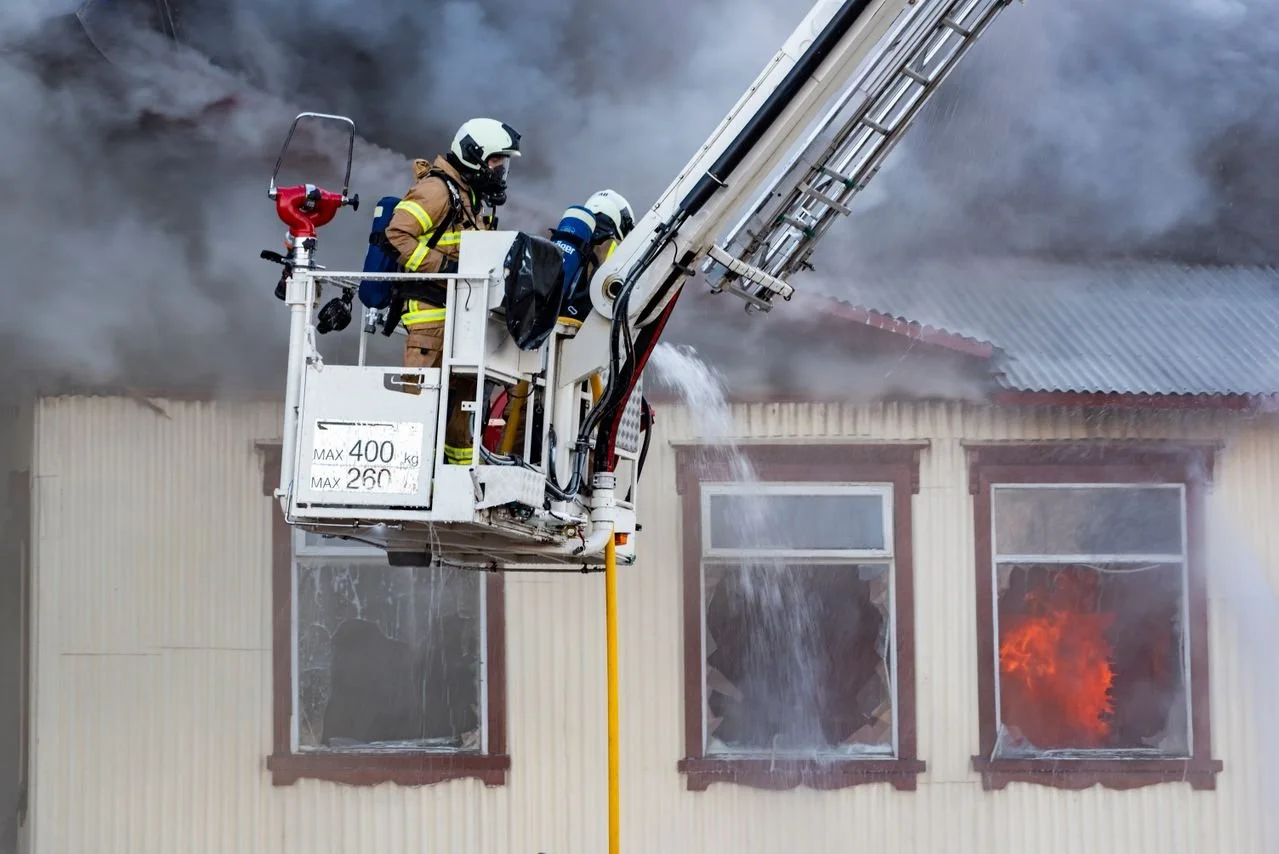
Handle Smoke Residues And Belongings With Care
Avoid Improvised Cleaning Before Assessment
Resist the urge to wipe every darkened surface immediately. Ask the restoration team which areas and possessions should remain undisturbed until cleaning methods have been evaluated. Different materials may require different approaches, and a method suitable for one surface may be unsuitable for another.
Leave heavily affected areas and unfamiliar residues to trained personnel. Do not mix household cleaning products or use equipment without understanding whether it is appropriate for the contamination. The American Red Cross warns that mixed household chemicals can create hazardous fumes.
If you want to help, request a specific list of tasks you can safely perform. Organizing records, identifying valued belongings, and coordinating access may be more useful at this stage than attempting direct cleanup.
Create An Organized Contents Plan
Ask how belongings will be labeled, photographed, moved, cleaned, stored, and returned. Boxes should identify their source room and contents so you can reconcile them with your inventory later. Keep a separate record of items sent for specialist evaluation.
Tell the team which possessions have sentimental importance or are urgently needed. Family photographs, work documents, and assistive equipment may require different priorities from ordinary household items. Explain those priorities before contents are packed.
Request clear categories for items considered restorable, items awaiting assessment, and items recommended for disposal. Ask for the reasons behind important decisions and any expected costs. A transparent process helps you weigh practical value, restoration expense, and personal significance.
Discuss Odor Treatment And Building Systems
Ask how the plan addresses affected materials and potential odor sources. A pleasant fragrance or a freshly painted room should not be the sole measure of completion. Request an explanation of the cleaning and treatment steps proposed for the actual conditions.
Tell the team if the heating or cooling system was operating during the fire. Ask whether equipment, filters, or ducts need evaluation before normal use resumes. Avoid restarting a suspect system simply to make the house more comfortable.
Clarify whether any treatment requires the property to remain unoccupied and who will communicate reentry instructions. Also ask what happens if odors remain after the initial work, so follow-up responsibilities are understood before the project advances.
Plan Walnut Creek Repairs And Confirm Readiness To Return
Identify The Authority Responsible For Your Address
Before reconstruction, determine which building authority oversees the property and what approvals or inspections apply to the proposed work. Provide the exact address and a description of the repairs rather than relying only on a Walnut Creek mailing designation.
The City of Walnut Creek publishes building requirements and an inspection process. Confirm the current requirements directly with the responsible office for your project.
Ask who will coordinate required submissions and inspections, particularly when structural, electrical, plumbing, or mechanical work is involved. Keep those responsibilities in the written scope. Emergency protection and permanent reconstruction may involve different steps, so clarify the sequence before repair crews begin covering affected areas.
Request A Schedule With Clear Decision Points
A useful restoration schedule identifies milestones: assessment, stabilization, contents decisions, drying, cleaning, repair planning, reconstruction, and final review. The order and duration depend on the property, access, materials, and any required approvals.
Ask what could change the estimate and when you will receive updates. If additional damage is found, request documentation and a revised scope before approving nonemergency changes. Understand how those changes affect both cost and completion dates.
For Walnut Creek homeowners coordinating work, school, and temporary accommodation, a weekly update can make planning easier. Even when an exact return date is unavailable, knowing the next milestone helps you make housing and transportation decisions with fewer assumptions.
Review Completion Before Moving Back
Arrange a final walkthrough and ask what remains outstanding. Review repaired areas, relevant utility evaluations, drying records, contents status, and any required inspection results. Make a written list of unresolved issues and identify who will address each one.
Confirm that the property is appropriate for occupancy with the responsible professionals and authorities. Do not base the decision solely on appearance or the absence of a strong odor. Ask what documentation supports the return and whether any area remains restricted.
Keep the final estimate, invoices, warranties, photographs, and inspection records together. If a problem appears after you return, report it promptly with its location, timing, and photographs. This makes follow-up more specific and helps the team determine what needs reassessment.
Conclusion
When fire damage restoration is needed in Walnut Creek, CA, start with safe access and a practical plan for your household. Then report the loss, document conditions, and arrange professional assessment and emergency protection. Treat water damage, smoke-affected belongings, and permanent repairs as connected parts of recovery.
ARC Water Damage provides fire and smoke damage restoration services for Walnut Creek properties. Contact the team to discuss the damage and next steps. A clear assessment and written plan can help you move forward with better information and fewer avoidable setbacks.
Frequently Asked Questions
1. What Should I Do First After A Fire At My Walnut Creek Home?
Stay in a safe location and follow emergency responders’ instructions about access. Once immediate safety needs are addressed, arrange temporary accommodation if necessary, notify your insurer, and contact a restoration professional. Give them any restrictions affecting the property.
2. Can I Start Restoration Before The Insurance Adjuster Visits?
Urgent protective work may be needed before the visit. Contact the insurer promptly, explain the conditions, and ask what documentation it requires. Distinguish emergency mitigation from extensive permanent repairs, and keep photographs, authorizations, and invoices for the work performed.
3. Does A Small Fire Require Professional Assessment?
A small visibly burned area does not establish the full scope of damage. Ask for an assessment if there are smoke residues, affected equipment, water damage, or uncertainty about safe use. The findings should determine the work needed rather than the apparent size of the fire alone.
4. Should I Throw Away Damaged Belongings Immediately?
Avoid nonurgent disposal until items are documented and you have discussed claim requirements. Hazardous materials may need prompt professional removal. Flag sentimental possessions for evaluation, and ask for inventory and disposal records so removed items remain accounted for.
5. How Long Will Fire Damage Restoration Take?
The timeline depends on damage severity, drying needs, contents handling, repair scope, material availability, and approvals. Request an initial schedule after assessment and updates at major milestones. A fixed completion date before inspection may overlook conditions that affect the work.
------------------------------------
Fire Damage Can Be Devastating; Professional Restoration Makes The Difference
Fire damage can turn your home or business upside down in a matter of minutes. Even after the flames are extinguished, the damage can continue through smoke, soot, odors, water from firefighting efforts, and hidden damage inside walls, ceilings, and other structural areas. Acting quickly can help limit further deterioration and reduce the scope and cost of repairs.
Professional fire damage restoration addresses more than what you can see on the surface. Using specialized equipment and proven restoration techniques, affected areas can be inspected, cleaned, deodorized, dried, and restored. Smoke and soot residue may travel far beyond the immediate fire area, which makes a thorough assessment an important part of returning the property to a safe, clean, and usable condition.
At ARC Water Damage, our experienced team responds quickly to fire damage emergencies and guides you through every step of the restoration process. We work efficiently, communicate clearly, and coordinate with your insurance company whenever possible to help make the recovery process as smooth and manageable as possible.
If your home or business has suffered fire, smoke, soot, or related water damage, don't wait to begin the restoration process. Call ARC Water Damage today at (877) 437-9225 for professional fire damage restoration and fast, reliable service.
Disclaimer
The information provided on this website is for general informational and educational purposes only and is not intended to serve as professional restoration, environmental, or insurance advice. Every water, fire, or mold damage situation is unique, and you should consult with a qualified restoration professional regarding your specific property and conditions. Do not take action or delay action based solely on the content of this website without seeking appropriate professional guidance.
While we strive to provide accurate and up-to-date information, restoration methods, safety standards, and industry practices may change over time. The content on this website may not reflect the most current procedures or recommendations. ARC Water Damage makes no guarantees regarding outcomes based on the use of this information.
By using this website, you agree that ARC Water Damage is not liable for any actions taken or not taken based on the information provided, to the fullest extent permitted by law.