
How Long Does Fire Cause Lingering Damage Without Proper Fire Damage Restoration?
A fire can leave lasting damage long after the flames are extinguished. Burned furniture, blackened walls, and broken windows are easy to recognize, but they rarely tell the whole story. Smoke can reach rooms that never burned, firefighting water can collect beneath flooring, and intense heat can damage materials behind otherwise intact surfaces.
Lingering damage develops when those underlying conditions remain untreated. A room may look cleaner after wiping and repainting while still containing smoke residue, damp insulation, or compromised electrical components. Over time, these overlooked problems can produce recurring odors, stains, material deterioration, and additional repair needs.
Proper fire damage restoration requires a coordinated assessment of fire, smoke, heat, and water exposure. The appropriate work depends on what burned, how far contaminants traveled, which materials were affected, and whether the building remains safe. Cleaning, drying, selective removal, specialist evaluation, and repairs must follow a sequence that addresses the actual sources of damage.
For property owners considering ARC Water Damage, understanding these causes can make restoration discussions more productive. This article explains why damage persists, which warning signs deserve attention, and what a thorough restoration plan should address before a property is considered ready for normal use.
Key Takeaways
Smoke and soot can travel beyond the room where a fire started, leaving contamination in concealed spaces and belongings.
Water used to extinguish a fire can remain beneath surfaces and contribute to swelling, deterioration, and mold growth.
Heat exposure can compromise structural materials and electrical equipment even when damage is not obvious.
Painting, fragrance products, and surface cleaning can conceal symptoms without resolving their sources.
Restoration should include appropriate assessment, residue removal, moisture control, and decisions about salvageable materials.
Safe entry, utility use, and occupancy require attention to the specific hazards and conditions at the property.
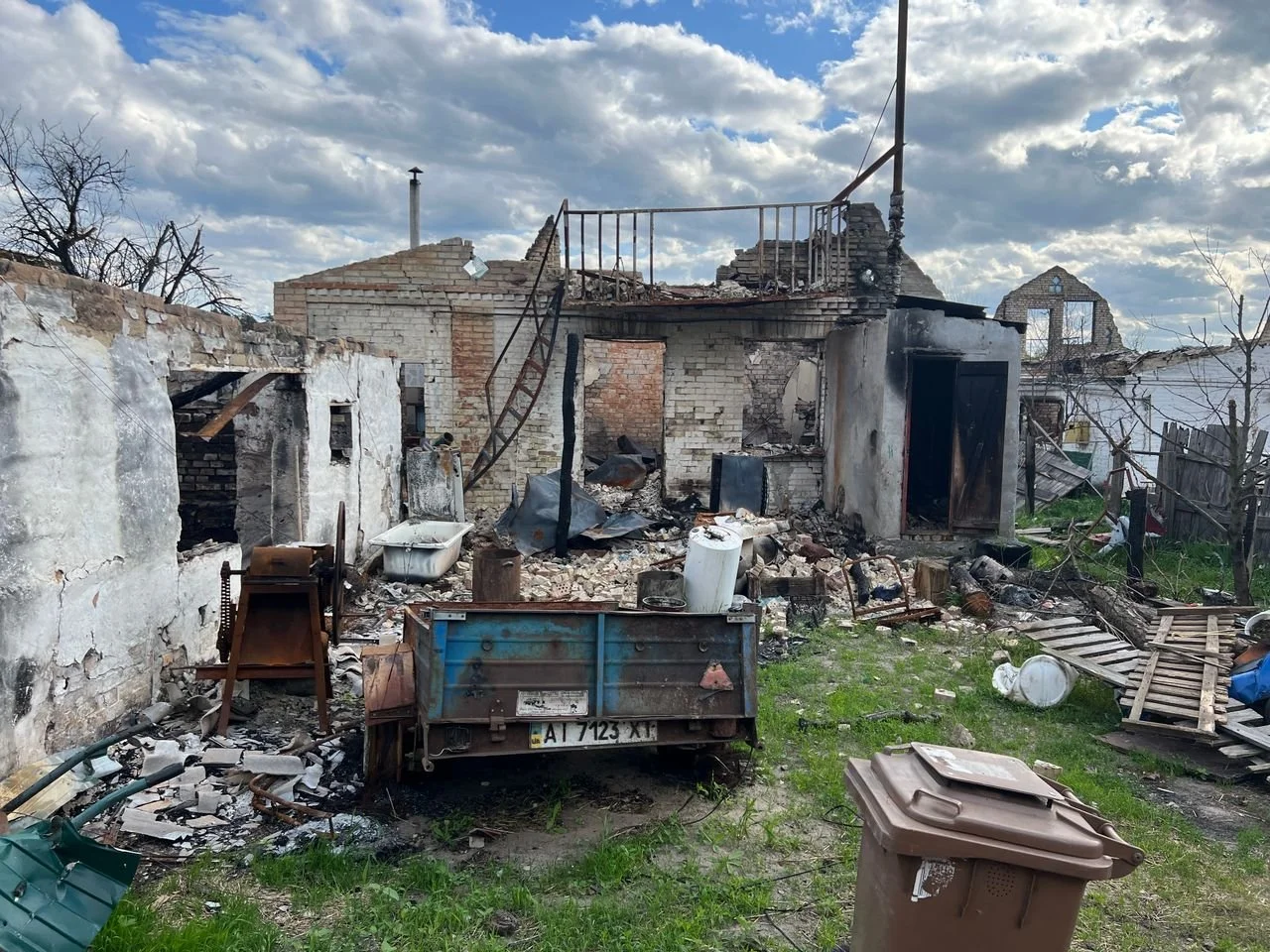
Hidden Smoke And Soot Remain After Surface Cleaning
Smoke Travels Beyond The Burned Area
Smoke moves with air currents and can pass through doorways, stairwells, gaps, and building cavities. Its movement depends on the fire, ventilation, pressure differences, and the layout of the property. A closed door may reduce contamination without making the room completely unaffected.
Consequently, visible damage near the fire can represent only part of the cleanup area. Residue may settle above cabinets, behind furnishings, around trim, or in spaces that receive little attention during ordinary housekeeping. These deposits become easy to overlook when cleanup focuses exclusively on blackened walls.
An assessment should consider the path smoke could have taken, then check affected areas rather than assume every room requires identical treatment. This helps identify contamination beyond the fire while avoiding unnecessary removal of materials that remain sound.
Different Residues Need Different Cleaning Methods
The materials that burned influence the residue left behind. Some deposits are loose and powdery; others are sticky, oily, or firmly attached. Surface type also matters. Finished wood, painted drywall, upholstery, and unfinished framing respond differently to moisture and cleaning products.
Using an unsuitable method can smear residue, damage a finish, or push contamination further into absorbent materials. Aggressive scrubbing may turn a manageable surface deposit into a larger stain. Excessive wetting can introduce another problem when the underlying material is already damp.
Effective cleanup therefore begins with identifying the residue and testing a suitable approach in a limited area. The goal is to remove contamination while preserving materials where practical, with replacement reserved for items that cannot be adequately restored.
Residue Can Return To Cleaned Spaces
Cleaning a room before addressing nearby contaminated materials can lead to repeated work. Dust and residue may move from an untreated hallway, cavity, or stored item into an area that has already been cleaned.
Controlled work areas, appropriate particle capture, and an organized cleaning sequence help limit that movement. Contents also need consideration: placing smoke-affected furniture back into a restored room can reintroduce odor and surface contamination. A complete plan treats the room and its contents as connected parts of the same loss.
Trapped Moisture Causes Secondary Water Damage
Firefighting Water Reaches Concealed Materials
Water used during fire suppression can flow through ceiling openings, wall assemblies, and floor penetrations. It may collect in lower rooms or soak into insulation, drywall, carpet padding, and subflooring. Broken plumbing or weather entering through fire-damaged openings can add further moisture.
Removing standing water addresses an immediate concern, but it does not establish that the building is dry. Materials can hold moisture internally even when their exposed surfaces feel dry to the touch.
For example, a floor covering may appear normal while water remains beneath it. Closing walls or reinstalling finishes before checking these areas can conceal dampness and make later repairs more disruptive.
Drying Requires Measurements And Follow-Up
Drying should be based on the affected materials and their condition. Moisture meters, humidity readings, and repeated inspections help professionals track progress. Thermal imaging may help locate areas for investigation, but temperature differences alone do not prove that moisture is present or absent.
Drying equipment must be appropriate for the space and coordinated with contamination controls. Moving air through untreated soot can spread particles, so equipment placement and the order of work matter.
A useful drying record identifies where readings were taken and how conditions changed. Measurements should support the decision to proceed with reconstruction rather than rely on a fixed number of days or the disappearance of visible water.
Prolonged Dampness Can Support Mold And Material Failure
When suitable moisture conditions persist, mold can grow on susceptible materials. The EPA advises resolving water problems and drying materials completely. It also notes that moldy porous items, including carpet and ceiling tiles, may require disposal because contamination can be difficult to remove fully.
Moisture can also cause wood products to swell, finishes to separate, and some adhesives to fail. The amount of damage depends on the material, exposure duration, and drying conditions.
A musty smell after a fire should prompt investigation. It does not confirm mold by itself, but it can indicate unresolved moisture or another source that needs attention before cosmetic repairs proceed.
Smoke Residue And Moisture Can Damage Metals And Equipment
Some Fire Residues Promote Corrosion
Smoke residue is a mixture whose composition depends on the burning materials and fire conditions. Some residues can be corrosive, particularly when moisture is also present. Metal fixtures, hardware, and equipment may deteriorate if affected deposits remain in place.
Corrosion is one reason an item can appear usable immediately after a fire yet develop problems later. Discoloration, pitting, or rust may emerge as the material continues reacting with its surroundings.
This does not mean every metal object exposed to smoke must be discarded. It means restoration decisions should consider the exposure, surface condition, intended use, and whether cleaning can reliably address the contamination.
Electrical Equipment Needs Specialized Evaluation
Electrical systems deserve particular caution because their internal condition may not be visible. Heat can degrade insulation and other components, while residue and moisture can affect equipment performance.
The National Electrical Manufacturers Association identifies smoke and soot as potentially damaging because residues can be corrosive and conductive. Its guidance also emphasizes considering fire suppression damage and other exposure when evaluating affected equipment.
A qualified electrician should determine the appropriate action for wiring, panels, receptacles, and related equipment. Manufacturer guidance may be needed to establish whether a component can be reconditioned or requires replacement. Switching something on to see whether it works is not an adequate safety assessment.
Appliances And Electronics May Have Internal Contamination
An appliance casing can look clean while smoke residue remains inside. Motors, circuit boards, connectors, and ventilation openings can be affected without obvious exterior burn marks.
Restoration decisions should distinguish ordinary surface cleaning from specialist evaluation. For certain items, reliable internal cleaning or repair may be impractical. For others, a qualified service provider may be able to assess condition and explain the available options.
Property owners should avoid powering affected devices simply to test them. Keeping a record of the item, its exposure, and the assessment helps support repair or replacement decisions without assuming that appearance proves usability.
Porous Materials Hold Smoke Odors And Contamination
Odor Sources Can Remain Inside Building Materials
Smoke odors often persist because residues remain in porous materials or inaccessible spaces. Upholstery, carpet padding, insulation, unfinished wood, and some wall assemblies can retain contamination that surface wiping does not reach.
Odor intensity may change with temperature, humidity, or airflow. A room that seems acceptable during one inspection may smell smoky again under different conditions. This recurrence can indicate that a source was missed or that a retained material needs further attention.
A lingering smell should therefore be evaluated in context. Its location, timing, and relationship to particular materials can help guide investigation. Odor alone cannot identify every contaminant or determine whether a space is safe for occupancy.
Masking Odors Leaves The Cause In Place
Fragrances and scented cleaners may temporarily change what occupants notice without removing fire residue. When the fragrance fades, the smoke smell can return.
Odor control should begin with removing debris and addressing affected materials. Cleaning, drying, and targeted treatment can then be selected according to the remaining sources. Certain restoration treatments require controlled conditions and professional handling, so property owners should not improvise chemical applications in occupied spaces.
Painting also has a limited role. An appropriate sealing coating may be part of a restoration plan for a suitable, cleaned, dry surface. Applying paint before assessment can conceal damage and complicate later source removal.
Salvage Decisions Must Consider More Than Appearance
Whether an item can be restored depends on its construction, contamination, moisture exposure, and intended use. A washable hard surface presents different challenges from heavily affected foam or layered fabric.
Some belongings may merit specialist attention because of financial or sentimental value. Others may require replacement when contamination cannot be adequately removed. Cleaning costs and the likely outcome should be discussed before committing to extensive treatment.
Documenting these decisions helps avoid confusion. Photographs, item descriptions, and written findings make it easier to understand why one object was retained while another was removed. They also prevent damaged contents from being returned to the property without appropriate evaluation.
Heat Damage And Building Openings Go Unresolved
Heat Can Affect Structural Performance
Structural damage is not limited to visibly missing or charred material. Depending on temperature, duration, loading, and construction, heat can affect wood members, steel components, connections, concrete, and other building elements.
A cosmetic inspection cannot establish structural capacity. Sagging ceilings, distorted framing, cracking, and damaged connections deserve attention, but the absence of these signs does not resolve every concern.
The U.S. Fire Administration cautions that floors and walls after a fire may be less safe than they appear. It also advises waiting for the fire department to confirm that entry is safe.
Where structural damage is suspected, an appropriately qualified professional should evaluate the affected areas and define necessary repairs.
Damaged Openings Allow Additional Exposure
Broken windows, damaged roofing, and compromised exterior doors can leave a property exposed after the fire. Rain may wet materials that were initially dry or interrupt drying already underway. Unsecured openings can also create security concerns.
Temporary protection can reduce additional exposure while the permanent repair plan develops. Its design and installation should account for safe access and the condition of the damaged structure.
Temporary measures also need monitoring. A covering that shifts, leaks, or deteriorates can allow continued water entry. When moisture repeatedly returns, drying equipment alone cannot solve the problem; the source of that water must be addressed.
Repairs Must Reach The Damaged Layer
Replacing a visible finish may improve appearance without correcting damage beneath it. Installing new flooring over swollen subflooring or attaching drywall to compromised framing can leave defects that surface later.
The repair scope should identify which layers need inspection, cleaning, drying, removal, or replacement. Where necessary, controlled access openings can reveal conditions that exterior observations cannot establish.
This approach does not require stripping every affected building to its framing. It requires enough investigation to support the decisions being made. Retaining sound materials is reasonable when their condition has been assessed, and the restoration method suits the actual damage.
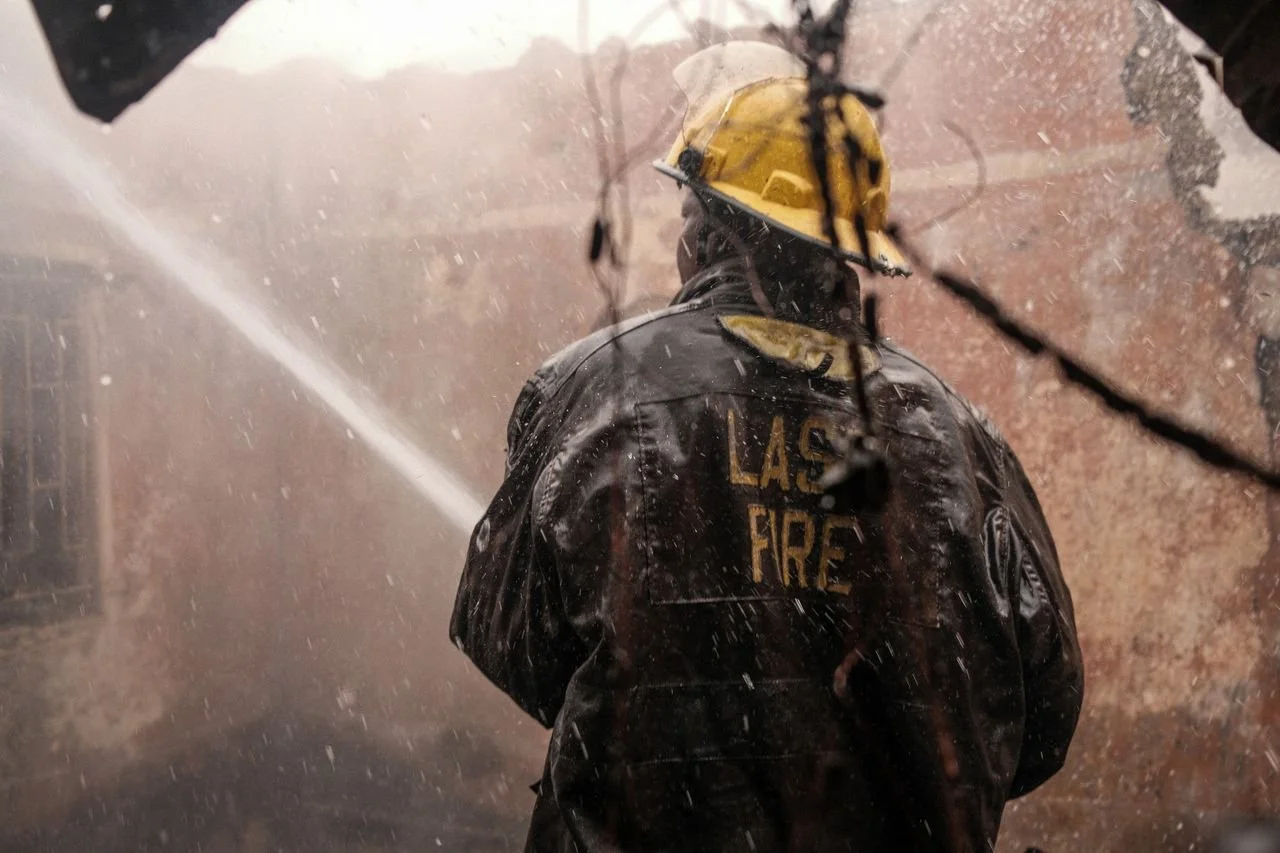
Contaminated Air Systems And Unsafe Cleanup Spread Problems
HVAC Components Can Become Part Of The Damage Path
Depending on the fire and system operation, smoke may affect filters, accessible ductwork, air handlers, or other HVAC components. Contamination should be assessed rather than assumed throughout every system.
Turning on an affected system can move particles or odors into additional rooms. Inspection by appropriate professionals helps determine whether cleaning, filter replacement, component repair, or other measures are needed.
Where mold contamination is known or suspected in an HVAC system, the EPA advises against operating it because doing so can spread mold through the building.
System condition should be addressed before normal operation resumes. Replacing a filter alone may not resolve contamination elsewhere in the equipment.
Improper Cleanup Can Redistribute Residue
Dry sweeping, uncontrolled demolition, or unsuitable vacuuming can disturb settled particles and move them into surrounding areas. Tracking residue on shoes or carrying unprotected items through clean rooms can also spread contamination.
Appropriate containment, work practices, protective equipment, and particle capture help manage these concerns. The level of control should match the damage and the materials involved.
Property owners should avoid treating fire debris as ordinary household dust. Burned materials and dirty suppression water can introduce hazards that require a more deliberate approach. Before cleanup begins, workers need to understand access restrictions, utility conditions, and any additional material hazards identified during assessment.
Older Materials May Need Separate Assessment
A fire does not eliminate preexisting hazards in building materials. Older flooring, insulation, coatings, or other products may require assessment for asbestos or lead before disturbance, depending on the property and planned work.
Not every older building contains these materials, and appearance alone is insufficient to identify them. Testing and qualified handling may be necessary when the circumstances warrant it.
Planning this assessment before demolition helps avoid unnecessary exposure and delays. It also ensures that fire restoration, hazardous material work, and reconstruction are coordinated rather than treated as disconnected tasks with conflicting schedules.
Incomplete Assessment And Rushed Repairs Allow Damage To Persist
A Narrow Scope Misses Connected Problems
Lingering damage often results from evaluating each symptom separately. A stained ceiling may be painted while damp insulation remains above it. A smoky room may be deodorized while contaminated furniture stays in place. A damaged appliance may be cleaned externally without evaluating internal exposure.
A coordinated scope connects these observations to their likely causes. It identifies affected building materials, contents, moisture conditions, and specialist needs, then establishes the order of work.
Reconstruction Should Follow Verified Conditions
Repair schedules matter, but proceeding too early can make damage harder to correct. Closing a damp wall or installing finishes before cleanup is complete can trap unresolved problems behind new materials.
Before reconstruction, the team should review whether required cleaning and drying are complete, retained materials are suitable, and specialist findings have been addressed. The necessary evidence varies by project; there is no single measurement or universal certificate that answers every concern.
For property owners speaking with ARC Water Damage, useful questions include which areas were assessed, how drying will be verified, what requires replacement, and which tasks need additional specialists. Clear answers help establish realistic expectations for the proposed work.
Documentation And Final Review: Reduce Uncertainty
Photos, moisture records, inventories, and written scopes support consistent decisions. They also provide a reference when conditions change, or hidden damage appears during repairs. Share documentation with the insurer as appropriate, while recognizing that coverage depends on the policy and claim.
A final review should look beyond appearance. Recurring odors, new staining, dampness, or equipment concerns should be investigated before being dismissed as normal aftereffects.
The restoration goal is to resolve identified damage and establish suitable conditions for the property's intended use. That requires coordination among restoration professionals, qualified trades, and any authorities or specialists involved in safety and occupancy decisions.
Conclusion
Lingering fire damage develops when hidden residue, trapped moisture, heat-affected materials, and unresolved building problems remain after initial cleanup. Surface improvements can make a property look better while leaving the causes of recurring odors, stains, deterioration, or unsafe equipment untouched.
Thorough restoration addresses those causes in a deliberate sequence: assess conditions, control further damage, remove contamination, verify drying, evaluate retained materials, and complete appropriate repairs. Each property requires decisions based on its actual exposure and construction.
If your property has experienced a fire, contact ARC Water Damage to discuss the affected areas and your restoration needs. A clear scope and careful follow-through can help you understand what must be addressed before normal use resumes.
Frequently Asked Questions
1. Can A Small Fire Cause Damage Outside The Room Where It Started?
Yes. Smoke can move into nearby rooms and concealed spaces even when flames remain confined. Water used to extinguish the fire may also travel beyond the burned area. The extent depends on the fire, building layout, airflow, and suppression efforts, so unaffected-looking rooms may still need assessment.
2. Why Does Smoke Odor Return After Cleaning?
Returning odor can indicate remaining residue in porous materials, concealed spaces, contents, or affected HVAC components. Changes in temperature or humidity may make the smell more noticeable. The next step is to investigate the source and evaluate treatment, rather than repeatedly cover the odor with fragrance products.
3. Does Removing Firefighting Water Mean The Property Is Dry?
No. Extracting standing water does not remove all moisture from insulation, subflooring, wall assemblies, or other absorbent materials. Drying progress should be checked using appropriate measurements and inspections. Repairing over damp materials can lead to swelling, deterioration, or mold concerns that require additional work later.
4. Can I Paint Over Smoke-Damaged Walls?
Painting should follow assessment, suitable cleaning, and drying. Some appropriately prepared surfaces may benefit from a sealing coating as part of restoration. Paint does not repair heat damage or remove hidden contamination. If the underlying material is unsuitable for retention, covering it can delay necessary correction.
5. Is It Safe To Use Appliances That Still Work After A Fire?
Working equipment is not necessarily safe equipment. Heat, smoke residue, and moisture can affect internal components without obvious exterior damage. Have affected appliances and electrical systems evaluated by qualified professionals before use. Do not reconnect utilities that emergency responders disconnected without the appropriate authorization and professional involvement.
------------------------------------
Fire Damage Can Be Devastating; Professional Restoration Makes The Difference
Fire damage can turn your home or business upside down in a matter of minutes. Even after the flames are extinguished, the damage can continue through smoke, soot, odors, water from firefighting efforts, and hidden damage inside walls, ceilings, and other structural areas. Acting quickly can help limit further deterioration and reduce the scope and cost of repairs.
Professional fire damage restoration addresses more than what you can see on the surface. Using specialized equipment and proven restoration techniques, affected areas can be inspected, cleaned, deodorized, dried, and restored. Smoke and soot residue may travel far beyond the immediate fire area, which makes a thorough assessment an important part of returning the property to a safe, clean, and usable condition.
At ARC Water Damage, our experienced team responds quickly to fire damage emergencies and guides you through every step of the restoration process. We work efficiently, communicate clearly, and coordinate with your insurance company whenever possible to help make the recovery process as smooth and manageable as possible.
If your home or business has suffered fire, smoke, soot, or related water damage, don't wait to begin the restoration process. Call ARC Water Damage today at (877) 437-9225 for professional fire damage restoration and fast, reliable service.
Disclaimer
The information provided on this website is for general informational and educational purposes only and is not intended to serve as professional restoration, environmental, or insurance advice. Every water, fire, or mold damage situation is unique, and you should consult with a qualified restoration professional regarding your specific property and conditions. Do not take action or delay action based solely on the content of this website without seeking appropriate professional guidance.
While we strive to provide accurate and up-to-date information, restoration methods, safety standards, and industry practices may change over time. The content on this website may not reflect the most current procedures or recommendations. ARC Water Damage makes no guarantees regarding outcomes based on the use of this information.
By using this website, you agree that ARC Water Damage is not liable for any actions taken or not taken based on the information provided, to the fullest extent permitted by law.