
What Should You Do Immediately After Fire Damage Restoration Is Needed?
A fire can change a property in a matter of minutes. Even when flames are quickly extinguished, the damage does not necessarily stop when the fire is out. Smoke can continue to spread through walls, ceilings, insulation, furniture, and ventilation systems. Soot can settle on surfaces throughout the property, while water and moisture used during firefighting can create additional risks such as staining, corrosion, odors, and microbial growth.
Knowing what to do immediately after fire damage occurs can make a significant difference in the restoration process. Property owners often feel overwhelmed after a fire, but the priority should not be cleaning everything themselves. Instead, the focus should be on safety, documentation, professional assessment, and preventing secondary damage.
Fast action is particularly important because fire, smoke, soot, and water damage can become more difficult and expensive to address as time passes. Materials that appear relatively unaffected may have hidden damage, while smoke odors can become deeply embedded in porous surfaces.
Professional fire damage restoration provides a structured approach to stabilizing the property, assessing the extent of damage, removing smoke and soot residues, addressing water-related problems, and restoring affected areas. Understanding the appropriate immediate steps can help property owners protect themselves, preserve important information, and begin the recovery process with greater confidence.
Key Takeaways
Safety comes first. Do not enter or remain inside a fire-damaged property until authorities or qualified professionals determine that it is safe.
Avoid unnecessary cleaning. Improper cleaning methods can spread soot, damage surfaces, or make professional restoration more difficult.
Document the damage. Photographs, videos, and written records can help with insurance claims and restoration planning.
Address smoke, soot, and water damage quickly. These problems can continue affecting the property even after the flames are extinguished.
Contact ARC Water Damage promptly for professional fire damage restoration services. A trained restoration team can identify visible and hidden damage and develop an appropriate cleanup and repair strategy.
Do not overlook HVAC systems and hidden spaces. Smoke and soot can travel through ductwork, wall cavities, ceilings, and other concealed areas.
Protect undamaged belongings when possible. Items outside the affected area may still be vulnerable to smoke odors, soot particles, and moisture.
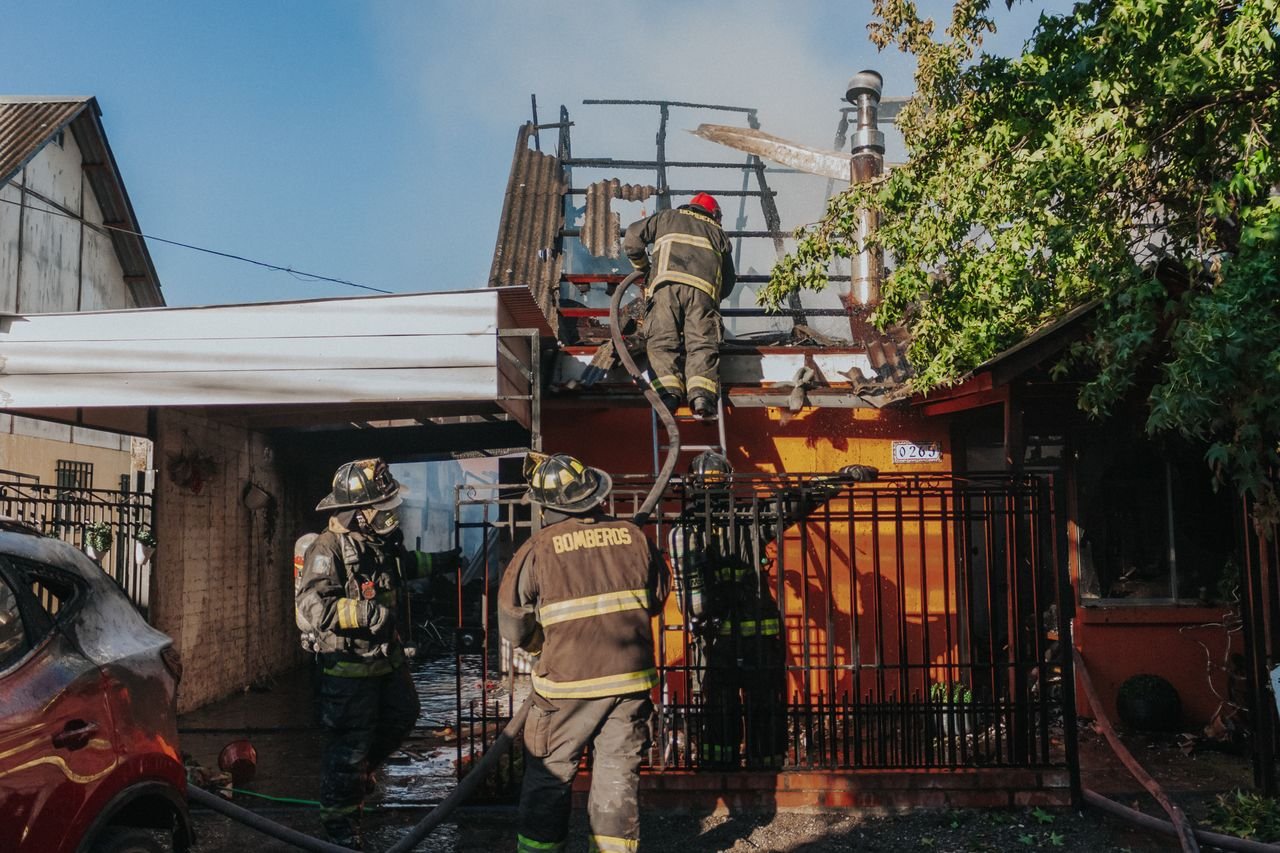
Make Safety The First Priority
The most important thing to do after a fire is to make sure everyone is safe. A property that has experienced a fire may contain hazards that are not immediately visible. Structural components can be weakened by heat. Electrical systems may be compromised, and floors, ceilings, walls, and stairways may no longer have the same level of stability they had before the fire. Broken glass, exposed wiring, sharp debris, contaminated water, and unstable materials can also create serious risks.
Do Not Re-Enter Until The Property Is Cleared
Never assume that a property is safe simply because the flames have been extinguished. Fire damage can affect structural components and utility systems in ways that are difficult to recognize without an appropriate assessment.
Follow instructions from emergency personnel and other qualified authorities regarding when and how the property can be entered. If access is permitted, use caution and avoid disturbing damaged areas unnecessarily. ARC Water Damage can help identify conditions that may require additional attention.
Keep Children And Pets Away From Damaged Areas
Children and pets may not recognize hazards associated with a fire-damaged building. Debris, soot, standing water, broken materials, and unstable structures can create unnecessary risks. Restrict access until the property has been evaluated and affected areas have been properly stabilized and cleaned.
Contact A Fire Damage Restoration Professional As Soon As Possible
Once immediate safety concerns have been addressed, contacting a professional fire damage restoration company should be one of the next priorities. Fire damage is rarely limited to the location where the flames were visible. Smoke and soot can travel through air currents and ventilation systems, affecting rooms that may appear untouched. Water from firefighting efforts can also spread into flooring, walls, ceilings, and other materials. A professional assessment can help determine the full scope of the problem.
Why Speed Matters After A Fire
Time can work against property owners following a fire. Smoke residues may become increasingly difficult to remove, odors can become more persistent, and moisture left behind by firefighting can contribute to additional damage. Quick restoration intervention can help reduce the opportunity for secondary damage to develop.
A restoration company may begin by evaluating structural conditions, identifying affected materials, assessing smoke and soot deposits, checking for moisture, and determining which belongings and building materials can potentially be restored.
Professional Assessment Goes Beyond Visible Damage
A room may look relatively clean while still containing smoke residue or hidden moisture.
Restoration professionals may inspect areas such as:
Wall cavities
Ceilings and attic spaces
Flooring and subflooring
Cabinets and built-in materials
Insulation
HVAC systems and ductwork
Electrical and mechanical areas
Furniture and upholstered items
Areas affected by firefighting water
This broader assessment helps prevent property owners from addressing only the obvious damage while overlooking problems elsewhere.
Document The Fire Damage Before Cleaning
Documentation can be extremely useful after a fire. Before throwing away damaged belongings or beginning major cleanup, photograph and record the condition of the property whenever it is safe and permitted to do so.
Take Detailed Photographs And Videos
Capture images of damaged rooms, surfaces, furniture, appliances, structural materials, and personal belongings. Try to document both close-up damage and wider views that show where the damage occurred. If possible, record the condition of items that have been affected by fire, smoke, soot, or water. Written notes can also provide useful context.
Keep Damaged Items When Appropriate
It may be tempting to immediately dispose of everything that appears ruined. Some items may be restorable, and prematurely discarding property can complicate documentation. When safe and practical, allow restoration professionals and the appropriate insurance representatives to evaluate damaged belongings before disposal.
Contact Your Insurance Company
After documenting the damage, contact your insurance provider and begin the claims process according to your policy requirements. Insurance procedures vary, so property owners should follow the instructions provided by their insurer.
Provide Clear Documentation
Photos, videos, receipts, inventories, estimates, and other records may help establish the extent of the loss. A detailed inventory can be especially useful for personal belongings. Include furniture, electronics, appliances, clothing, household goods, and other property affected by the incident.
Keep Records Of Restoration-Related Expenses
Maintain documentation for appropriate expenses associated with the recovery process. Keep invoices, receipts, estimates, and other relevant paperwork organized. ARC Water Damage can also provide documentation concerning the scope of work, damaged materials, cleanup procedures, and restoration services.
Avoid DIY Smoke And Soot Cleanup
One of the most common mistakes after a fire is assuming that cleaning visible soot is simply a matter of wiping surfaces down. Smoke and soot residues can behave differently depending on what materials burned and how the smoke moved through the property. Using the wrong cleaning products or techniques may spread residues or permanently affect surfaces.
Why Improper Cleaning Can Cause Additional Damage
Soot can be oily, dry, acidic, or otherwise difficult to remove depending on the source of the fire. Some residues can stain walls, ceilings, textiles, and other materials. Aggressive scrubbing can push soot deeper into porous surfaces or damage finishes. Certain household cleaners can also interact poorly with affected materials. Professional restoration technicians use cleaning methods appropriate for different surfaces and types of residue.
Do Not Mask Smoke Odors With Air Fresheners
Air fresheners may temporarily cover an odor, but they do not remove the source. Smoke odor can remain in porous materials, fabrics, insulation, ductwork, and other areas. Effective odor control generally requires identifying and addressing the source rather than simply adding another fragrance.
Address Water Damage From Firefighting Efforts
Fire damage restoration is not only about flames and smoke. Water damage can become a major part of the restoration process. Firefighters may need to use substantial amounts of water or other suppression methods to control the fire. That water can enter floors, walls, ceilings, furniture, and other materials.
Moisture Can Create Secondary Problems
Materials that remain wet for too long may deteriorate, warp, swell, corrode, or develop other problems. Moisture can also create conditions favorable to microbial growth. For this reason, professional restoration teams typically evaluate moisture levels and determine where drying or water mitigation is necessary.
Drying Should Be Thorough
Simply removing visible standing water does not necessarily mean a structure is dry. Moisture may remain beneath flooring, behind walls, inside cabinets, under furniture, or in other concealed spaces. Appropriate moisture assessment and drying procedures can help identify these conditions before they result in additional damage.
Protect Undamaged Areas And Belongings
Not everything in a fire-damaged property is necessarily destroyed. Some rooms and belongings may be salvageable even when other areas have suffered significant damage. Smoke and soot can migrate into areas that were not directly affected by flames.
Separate Salvageable Items When Safe
Professional restoration specialists can evaluate belongings to determine whether cleaning, deodorization, drying, or other restoration methods may be appropriate. Items such as furniture, textiles, documents, electronics, and household possessions may require specialized handling.
Reduce Additional Exposure
When safe and appropriate, unaffected belongings may need to be protected from continued exposure to soot, moisture, and airborne contaminants. Do not move heavy or structurally questionable objects yourself. Restoration professionals can help determine what can safely be moved and what should remain in place.
Do Not Ignore Smoke Damage In Other Rooms
Smoke does not necessarily remain where the fire started. Air movement can carry smoke particles through doors, hallways, ventilation systems, wall openings, and other pathways. As a result, rooms that did not experience direct flames may still require cleaning and deodorization.
Smoke Damage Can Be Subtle
You may notice discoloration, residue, or odor in areas far from the fire's origin. Some damage may not be obvious immediately. Smoke can affect painted surfaces, fabrics, wood, plastics, insulation, and other materials. A professional inspection helps determine how far the smoke has traveled and which areas need attention.
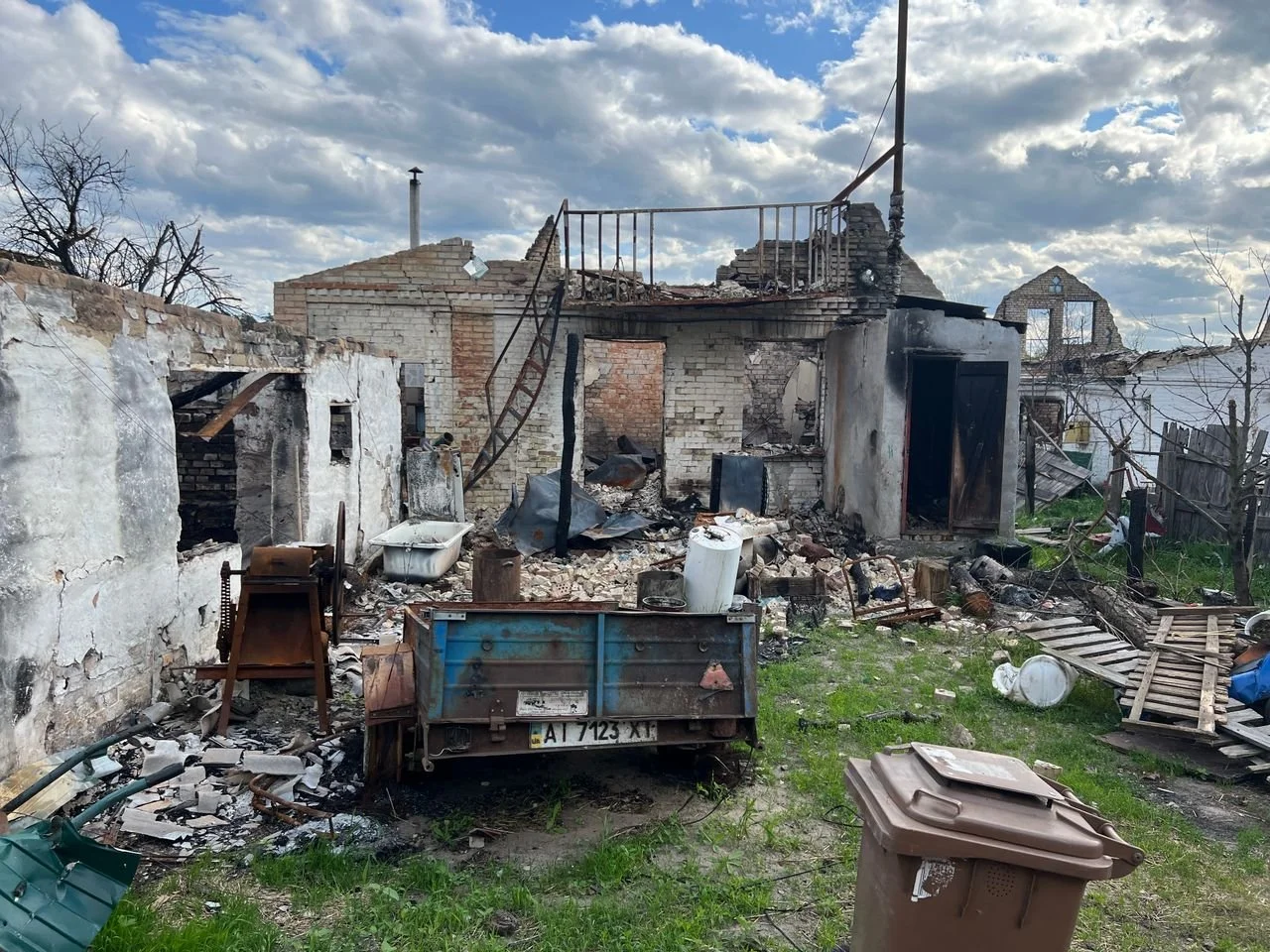
Do Not Ignore Smoke Damage In Other Rooms
Smoke does not necessarily remain where the fire started. Air movement can carry smoke particles through doors, hallways, ventilation systems, wall openings, and other pathways. As a result, rooms that did not experience direct flames may still require cleaning and deodorization.
Smoke Damage Can Be Subtle
You may notice discoloration, residue, or odor in areas far from the fire's origin. Some damage may not be obvious immediately. Smoke can affect painted surfaces, fabrics, wood, plastics, insulation, and other materials. A professional inspection helps determine how far the smoke has traveled and which areas need attention.
Have The HVAC System Evaluated
Heating, ventilation, and air-conditioning systems deserve particular attention following a fire. If smoke or soot enters ductwork, operating the system without appropriate evaluation may distribute particles and odors throughout the property.
Why HVAC Assessment Matters
Ductwork can provide a pathway for smoke and soot to move between rooms. Contaminated components may therefore contribute to continuing odor and particulate problems. A qualified professional can determine whether HVAC components require cleaning or other remediation before normal operation resumes.
Secure The Property After Fire Damage
Once the immediate emergency has passed, property security becomes another important consideration. Fire damage may leave doors, windows, walls, roofs, or other entry points compromised. Unsecured openings can expose the property to weather, unauthorized access, animals, and additional damage.
Protect Against Additional Weather Exposure
Rain and humidity can create additional problems when a building has damaged roofing, windows, or exterior walls. Appropriate temporary measures may help protect the structure until permanent repairs can be completed. These measures should be handled safely and by qualified professionals when necessary.
Prevent Unauthorized Access
A damaged property may contain dangerous areas and valuable belongings. Securing accessible entry points can help reduce unnecessary risks while restoration is underway.
Understand What Fire Damage Restoration May Include
Professional fire damage restoration is a comprehensive process rather than a single cleaning task. Depending on the circumstances, restoration may involve several stages.
Damage Assessment
Technicians evaluate fire, smoke, soot, and water damage and determine which materials may be cleaned, restored, repaired, or replaced.
Smoke And Soot Removal
Affected surfaces and contents may require specialized cleaning techniques designed to remove residues without causing unnecessary damage.
Water Extraction And Drying
Where firefighting water has affected the property, restoration professionals may use appropriate extraction and drying procedures to reduce moisture-related damage.
Odor Removal
Smoke odors may require targeted deodorization after affected materials have been properly cleaned and treated.
Content Cleaning
Belongings may be evaluated and cleaned using methods appropriate for their material, condition, and level of contamination.
Structural Restoration
Depending on the severity of the incident, restoration may eventually include repairs to drywall, flooring, ceilings, cabinetry, insulation, and other building components.
Avoid Making Permanent Repairs Too Quickly
After a fire, property owners understandably want their home or business to look normal again. Permanent repairs should generally be based on a complete understanding of the damage.
Covering stains with fresh paint, replacing visible materials without investigating hidden areas, or repairing one room while overlooking smoke movement can result in incomplete restoration. A professional assessment helps establish what needs to happen before cosmetic repairs begin.
Create A Restoration Plan
Once the property has been evaluated, a restoration plan can provide a clearer path forward. The plan may identify areas requiring immediate stabilization, materials that may be salvageable, items that require specialized cleaning, moisture concerns, smoke and soot removal needs, and structural repairs.
Prioritize Immediate Damage
The priority is usually preventing additional damage and addressing safety concerns. This may include water extraction, structural stabilization, temporary protection, and other urgent measures.
Follow With Cleaning And Restoration
Once the property is stabilized, restoration can progress toward detailed cleaning, deodorization, content restoration, repairs, and reconstruction as necessary. This staged approach helps ensure that important problems are addressed before cosmetic improvements.
Common Mistakes To Avoid After Fire Damage
Entering The Property Too Soon
Entering a fire-damaged property before it has been properly assessed can expose occupants to hidden structural, electrical, smoke-related, or environmental hazards that may not be immediately visible.
Cleaning Soot Without Professional Guidance
Attempting to clean soot without the proper knowledge or equipment can spread smoke residue to unaffected areas and may cause permanent damage to walls, ceilings, furniture, fabrics, and other surfaces.
Throwing Away Everything Immediately
Discarding belongings immediately after a fire can result in unnecessary losses because many furniture pieces, personal items, documents, clothing, and household contents may still be salvageable through professional cleaning and restoration.
Neglecting Water Damage
Water and moisture left behind from firefighting efforts can create significant secondary damage, including material deterioration, staining, and moisture-related problems, making prompt extraction and drying an essential part of the restoration process.
Waiting Too Long To Call A Restoration Company
Delaying professional fire damage restoration can give smoke, soot, moisture, and persistent odors more time to penetrate surfaces and materials, potentially increasing the extent, complexity, and cost of the restoration.
Focusing Only On The Fire-Damaged Room
Limiting cleanup to the room where flames were visible can overlook damage elsewhere in the property because smoke, soot, and water can travel through ventilation systems, walls, ceilings, flooring, and other connected areas.
How Professional Fire Damage Restoration Helps
Professional restoration services provide more than cleanup. They help property owners navigate the complicated process of assessing damage, stabilizing the building, cleaning affected materials, addressing smoke and soot, managing moisture, and returning the property to a usable condition.
Experienced restoration professionals understand that every fire is different. The appropriate restoration strategy depends on factors such as the size and location of the fire, the materials involved, the extent of smoke migration, the amount of firefighting water used, and the condition of the structure. A professional approach can also help property owners avoid common mistakes that may increase restoration costs or make recovery more complicated.
Why Rapid Fire Restoration Matters
The sooner restoration begins, the sooner professionals can identify conditions that may worsen over time. Smoke residues can remain on surfaces, odors can penetrate porous materials, and moisture can continue affecting building components after the emergency has ended.
Fast response does not mean rushing through the restoration process. It means addressing urgent problems promptly while allowing trained professionals to carefully evaluate the property and determine the appropriate next steps.
For homeowners, landlords, business owners, property managers, and other property owners, timely fire damage restoration can be an important part of limiting secondary damage and beginning the recovery process.
Choosing A Fire Damage Restoration Company
ARC Water Damage has experience handling fire, smoke, soot, and water-related damage as part of a comprehensive restoration process.
Look For Comprehensive Services
A capable restoration provider should be prepared to address the different types of damage that commonly occur after a fire rather than focusing only on visible soot or burned materials.
Ask About The Restoration Process
A professional company should be able to explain how it evaluates damage, handles affected contents, addresses smoke odors, manages moisture, and coordinates necessary repairs.
Prioritize Experience And Communication
Fire damage can be stressful and confusing. Clear communication throughout the process can help property owners understand what is happening, what needs to happen next, and which parts of the property require attention.
What To Do Immediately After Fire Damage Occurs?
The immediate response after a fire should focus on safety, documentation, professional assessment, and preventing additional damage. Do not enter an unsafe structure, and do not assume that visible damage tells the entire story. Once authorities determine that the property can be safely accessed, document the condition and contact your insurance provider as appropriate.
Most importantly, contact a professional fire damage restoration company as soon as possible. Experienced restoration technicians can evaluate fire, smoke, soot, and water damage and determine the most appropriate course of action.
Avoid aggressive DIY cleaning, unnecessary disposal of belongings, and attempts to conceal smoke odors. What appears to be a small cleanup issue can sometimes involve hidden contamination, moisture, or structural damage. Taking the right steps early can make the restoration process more organized and help protect the property from preventable secondary damage.
Conclusion
The period immediately following a fire can be overwhelming, but knowing what to do next can make the recovery process more manageable. Safety should always come first, followed by careful documentation, communication with your insurance provider, and prompt professional assessment.
Fire damage is more complex than burned materials alone. Smoke and soot can travel throughout a property, while water from firefighting efforts can create another layer of damage. Odors, moisture, structural concerns, contaminated HVAC systems, and affected belongings may all require specialized attention.
Professional fire damage restoration provides a systematic way to identify these problems and address them before they become more difficult to manage. From initial assessment and emergency stabilization to smoke and soot cleanup, drying, deodorization, content restoration, repairs, and reconstruction, the right restoration team can help property owners move from emergency response toward recovery.
If your home or business has experienced a fire, do not wait for smoke odors, soot, or moisture damage to become more severe. Take the appropriate safety precautions, document what happened, and seek professional fire damage restoration assistance as soon as possible.
Frequently Asked Questions
1. What Should I Do First After A Fire Damages My Property?
Your priority should be safety. Do not enter the property until it has been cleared for safe access by the appropriate authorities or qualified professionals. Once it is safe, document the damage, contact your insurance provider as appropriate, and arrange for a professional fire damage assessment.
2. Should I Clean Soot Myself After A Fire?
It is generally better to avoid extensive DIY soot cleaning until the damage has been professionally assessed. Different types of soot require different cleaning approaches, and improper techniques can spread residue or damage surfaces. A professional restoration company can determine the safest and most effective cleaning method.
3. Can Smoke Damage Areas That Were Not Directly Affected By The Fire?
Yes. Smoke can travel through air currents, ventilation systems, openings, and other pathways. Rooms that did not experience direct flames may still have smoke odors or soot residues and may require professional cleaning and deodorization.
4. Why Is Water Damage Included In Fire Damage Restoration?
Water used to extinguish a fire can enter flooring, walls, ceilings, furniture, and other materials. If moisture remains for too long, it can contribute to deterioration, odors, and microbial growth. Professional restoration can identify moisture-affected areas and determine appropriate extraction and drying procedures.
5. How Quickly Should I Call A Fire Damage Restoration Company?
You should contact a professional restoration company as soon as it is safe to begin the restoration process. Prompt assessment allows fire, smoke, soot, and water damage to be identified early and can help reduce the risk of additional damage developing while the property remains untreated.
------------------------------------
Fire Damage Can Be Devastating; Professional Restoration Makes The Difference
Fire damage can turn your home or business upside down in a matter of minutes. Even after the flames are extinguished, the damage can continue through smoke, soot, odors, water from firefighting efforts, and hidden damage inside walls, ceilings, and other structural areas. Acting quickly can help limit further deterioration and reduce the scope and cost of repairs.
Professional fire damage restoration addresses more than what you can see on the surface. Using specialized equipment and proven restoration techniques, affected areas can be inspected, cleaned, deodorized, dried, and restored. Smoke and soot residue may travel far beyond the immediate fire area, which makes a thorough assessment an important part of returning the property to a safe, clean, and usable condition.
At ARC Water Damage, our experienced team responds quickly to fire damage emergencies and guides you through every step of the restoration process. We work efficiently, communicate clearly, and coordinate with your insurance company whenever possible to help make the recovery process as smooth and manageable as possible.
If your home or business has suffered fire, smoke, soot, or related water damage, don't wait to begin the restoration process. Call ARC Water Damage today at (877) 437-9225 for professional fire damage restoration and fast, reliable service.
Disclaimer
The information provided on this website is for general informational and educational purposes only and is not intended to serve as professional restoration, environmental, or insurance advice. Every water, fire, or mold damage situation is unique, and you should consult with a qualified restoration professional regarding your specific property and conditions. Do not take action or delay action based solely on the content of this website without seeking appropriate professional guidance.
While we strive to provide accurate and up-to-date information, restoration methods, safety standards, and industry practices may change over time. The content on this website may not reflect the most current procedures or recommendations. ARC Water Damage makes no guarantees regarding outcomes based on the use of this information.
By using this website, you agree that ARC Water Damage is not liable for any actions taken or not taken based on the information provided, to the fullest extent permitted by law.