
What Is Included In Fire Damage Restoration?
A fire can change a property in minutes, but the damage does not necessarily stop when the flames are extinguished. Smoke can travel through rooms and ventilation systems, soot can settle on surfaces, and water or chemical residues from firefighting efforts can create additional problems. Even areas that appear relatively untouched may require professional evaluation before they can be considered safe and fully restored.
This is why Fire Damage Restoration involves much more than removing charred materials or cleaning visible soot. Professional restoration is a coordinated process designed to stabilize the property, address fire and smoke damage, remove harmful residues, dry areas affected by firefighting water, restore damaged materials, and help return the building to a safe and functional condition.
For homeowners, landlords, property managers, and business owners, understanding what is included in Fire Damage Restoration Services can make the recovery process easier to navigate. It also explains why professional intervention is often necessary after a significant fire. Restoration specialists have the equipment, procedures, and experience needed to identify damage that may not be obvious during an initial visual inspection.
From emergency response and structural assessment to smoke odor removal, cleaning, repairs, and final restoration, every stage serves an important purpose. Acting quickly can also help limit secondary damage and prevent relatively manageable problems from becoming more extensive and expensive.
Key Takeaways
Fire damage restoration addresses more than visible fire damage and can include smoke, soot, water, odor, and structural concerns.
A professional assessment helps determine which materials can be cleaned, which require repair, and which may need replacement.
Emergency stabilization and board-up services can help protect the property from additional damage after a fire.
Smoke and soot require specialized cleaning because residues can spread well beyond the area directly affected by flames.
Water removal and structural drying may be necessary because firefighting efforts can leave behind substantial moisture.
Professional restoration can include cleaning, deodorization, repairs, reconstruction, and final property restoration.
Fast action can reduce secondary damage and help move the property more efficiently toward recovery.
What Does Fire Damage Restoration Include?
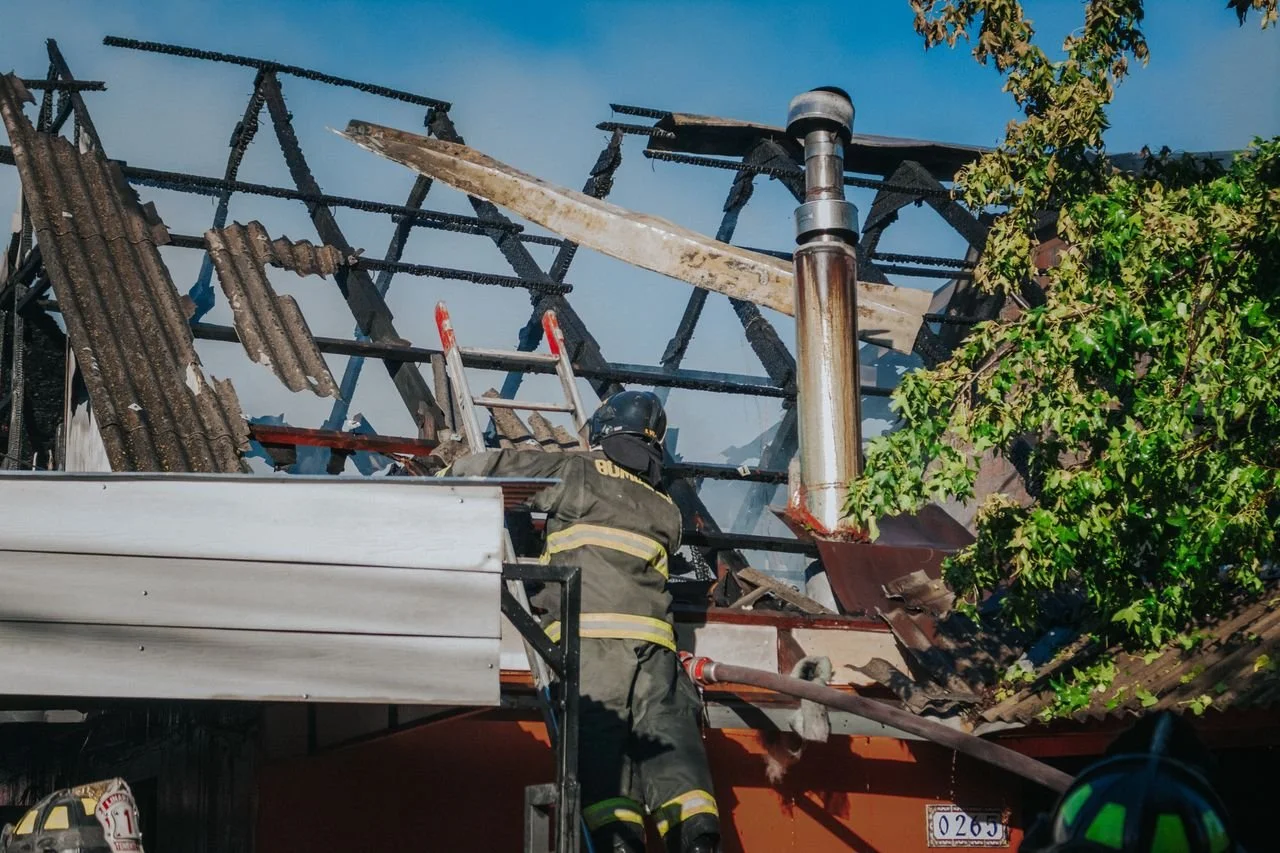
Fire Damage Restoration is a comprehensive process that addresses the different types of damage created by a fire and the emergency response that follows it. Depending on the incident's severity, restoration may range from minor cleaning to extensive structural repairs and reconstruction.
Although every property is different, professional restoration commonly includes emergency assessment, property stabilization, water extraction, drying, smoke and soot removal, cleaning, deodorization, damaged-material removal, repairs, reconstruction, and final inspection. The objective is not simply to make a property look better. Effective restoration focuses on addressing the underlying damage so the building can be safely returned to use.
1. Emergency Response And Initial Assessment
The restoration process typically begins with an assessment of the property. Restoration professionals examine the affected areas to determine the extent and type of damage.
This evaluation may consider:
Areas directly affected by flames
Smoke and soot distribution
Structural damage
Water intrusion from firefighting
Moisture in walls, ceilings, and floors
Damaged electrical or mechanical components
Odor concerns
Contents and personal belongings
Areas requiring immediate stabilization
A fire can create complicated patterns of damage. One room may have severe structural damage while another appears visually intact but contains smoke residue or hidden moisture. A detailed assessment helps establish priorities and determines which restoration methods are appropriate.
2. Property Stabilization And Emergency Board-Up
After a fire, a property may have broken windows, damaged doors, openings in the roof, or compromised sections of the building envelope. These openings can expose the structure to rain, wind, pests, unauthorized entry, and additional environmental damage. Emergency stabilization may therefore be part of professional Fire Damage Restoration Services.
Depending on the situation, restoration professionals may secure damaged openings, board up windows or doors, place protective coverings over exposed areas, or take other measures to reduce further damage.
Stabilization is especially important when the property cannot immediately undergo permanent repairs. Protecting the structure during this transitional period can help preserve salvageable materials and belongings.
3. Water Removal And Structural Drying
Firefighting saves lives and prevents fires from spreading, but the water used to extinguish flames can create another restoration challenge. Water can enter flooring, drywall, insulation, cabinets, furniture, and other building components. If moisture remains trapped, it can contribute to deterioration, unpleasant odors, and microbial growth. For this reason, water extraction and drying can be a major part of fire restoration.
Professionals may use extraction equipment, air movement systems, dehumidification equipment, moisture meters, and other tools to identify and reduce excess moisture. The goal is not simply to remove visible standing water. Materials that appear dry on the surface can still contain moisture beneath or inside them. Monitoring helps restoration professionals determine whether affected areas have been adequately dried.
4. Smoke Damage Assessment
Smoke damage can extend far beyond the room where a fire originated. Smoke particles can move through doorways, cracks, HVAC systems, and other pathways. Depending on the type of fire and materials that burned, smoke residues can settle on walls, ceilings, furniture, electronics, fabrics, cabinetry, and other surfaces. Different types of smoke can also produce different cleaning challenges.
For example, some residues may be dry and powdery, while others may be oily, sticky, or heavily embedded in materials. Attempting to clean every surface using the same method may be ineffective or may cause additional damage. Professional restoration begins by determining the nature and extent of smoke contamination before selecting appropriate cleaning methods.
5. Soot Removal And Specialized Cleaning
Soot is one of the most recognizable consequences of a fire, but removing it can be more complicated than simply wiping down darkened surfaces. Improper cleaning techniques can sometimes spread residues or push them deeper into porous materials. Professional restoration teams use specialized cleaning products, equipment, and techniques appropriate for different surfaces.
Cleaning may involve:
Walls and ceilings
Floors
Cabinets
Doors and trim
Appliances
Furniture
Fixtures
Personal belongings
Fabrics and upholstery
Other salvageable contents
The cleaning approach depends on the material, type of residue, degree of contamination, and condition of the item. Some materials can be restored through careful cleaning, while others may have sustained irreversible damage and require replacement.
6. Smoke Odor Removal And Deodorization
Smoke odor can remain long after visible soot has been removed. Smoke particles may penetrate porous materials such as fabrics, upholstery, insulation, wood, and other building components. Simply masking the smell with an air freshener does not address the source. Professional deodorization focuses on identifying and treating odor sources.
Depending on the circumstances, restoration professionals may use specialized cleaning, ventilation, air filtration, thermal or other deodorization technologies, and treatment of affected materials. The appropriate method depends on the property and the nature of the odor. In severe cases, materials that have absorbed substantial smoke contamination may need to be removed rather than treated. Effective odor control is therefore closely connected to thorough smoke and soot cleaning.
7. Cleaning And Restoration Of Contents
A fire can damage much more than the building itself. Furniture, clothing, documents, electronics, artwork, household items, and other belongings may also be affected. Professional restoration may include evaluating contents to determine whether they can be cleaned and restored.
Items may be categorized according to their condition and the feasibility of restoration. Some belongings may be cleaned at the property, while others may require specialized off-site treatment.
Contents restoration can involve:
Surface cleaning
Smoke and soot removal
Odor treatment
Fabric cleaning
Specialized document treatment
Careful packing and handling
Temporary storage when appropriate
Not every item can or should be restored. Materials that have been severely burned, contaminated, or structurally compromised may require disposal and replacement. The goal is to preserve as many salvageable belongings as reasonably possible while protecting occupants and restoration personnel from unsafe materials.
8. Removal Of Unsalvageable Materials
Some materials cannot be restored through cleaning or drying. Fire can weaken structural components, destroy finishes, melt plastics, damage insulation, and compromise building materials. Professional restoration may therefore include controlled removal of materials that are beyond repair. This can involve removing damaged drywall, flooring, insulation, cabinetry, ceiling materials, or other components when necessary.
Removal must be performed carefully because damaged materials can sometimes conceal additional problems. The restoration team needs to determine where damaged materials end and salvageable materials begin. The objective is to remove what is necessary without unnecessarily replacing materials that can still be safely restored.
9. Structural Cleaning And Repair
Once smoke, soot, water, and damaged materials have been addressed, structural restoration can begin. Repairs vary considerably depending on the severity of the fire. Minor incidents may require limited repairs and refinishing, while major fires can require extensive reconstruction.
Structural restoration may include repairs to:
Drywall
Ceilings
Flooring
Doors
Windows
Cabinets
Framing components
Roofing
Interior finishes
In more serious cases, reconstruction may involve rebuilding portions of the property. A professional restoration company can help coordinate the transition from emergency cleanup to repair and reconstruction, creating a more organized recovery process for the property owner.
10. HVAC And Air Quality Considerations
Smoke can enter heating and cooling systems and potentially distribute residues throughout a building. Because HVAC systems circulate air, they may require assessment when smoke has traveled through the system. Depending on the situation, professional cleaning or other corrective measures may be appropriate.
Air filtration can also play an important role during restoration. Specialized filtration equipment may help capture airborne particles while cleaning and restoration work is underway. The specific approach depends on the extent of contamination and the design of the property's mechanical systems.
11. Cleaning Personal And Valuable Belongings
Some belongings require more careful handling than ordinary household items. Family photographs, important documents, artwork, heirlooms, collectibles, and other valuable possessions may require specialized restoration techniques.
Fire, smoke, heat, and water can all affect these items differently. For example, paper materials may be damaged by moisture, while heat can cause photographs, plastics, or delicate objects to deform.
Professional restoration services may evaluate these belongings and determine whether specialized cleaning or preservation methods can help. For property owners, this step can be particularly important because the value of an item may be emotional or historical rather than simply monetary.
12. Documentation Of Damage
Documentation is another important component of professional restoration. Before extensive cleaning or demolition begins, damage may be photographed and documented. This information can help property owners understand what has occurred and may also assist with the insurance claim process.
Documentation can include:
Photographs of affected areas
Descriptions of damaged materials
Records of removed materials
Inventory of affected contents
Restoration work performed
Repair and cleaning documentation
Property owners should also communicate with their insurance provider as soon as practical following a fire. Restoration professionals can provide documentation related to their work, while the insurer determines coverage according to the applicable policy.
Why Fast Fire Damage Restoration Matters
Time matters after a fire because secondary damage can develop even after the flames are gone. Smoke residues can continue affecting surfaces. Moisture can remain trapped inside building materials. Openings in the structure can expose the property to weather. Odors can become more difficult to address when smoke contamination remains untreated. Prompt Professional Fire Damage Restoration can help identify these problems earlier.
Early intervention may help:
Reduce secondary moisture damage
Limit the spread of smoke residues
Protect salvageable belongings
Secure exposed parts of the property
Identify structural concerns
Begin necessary cleaning sooner
Accelerate the transition toward repairs
This does not mean every fire-damaged property can be restored immediately. Severe structural damage may require extensive evaluation and reconstruction. Early professional assessment provides a clearer understanding of what needs to happen next.
Fire Damage Restoration Vs. Fire Damage Cleanup
The terms "fire damage cleanup" and "fire damage restoration" are sometimes used interchangeably, but restoration generally encompasses a broader process. Cleanup typically refers to activities such as removing debris, soot, smoke residues, and contaminated materials. Restoration can include those services while also addressing water damage, drying, deodorization, repairs, reconstruction, and returning the property to a usable condition.
In other words, cleanup can be one stage of restoration rather than the entire process. A property owner should therefore look beyond a service that only removes visible debris. A comprehensive restoration approach considers the condition of the entire property and the steps necessary to return it to a safe and functional state.
How Professional Fire Damage Restoration Helps Property Owners
Handling fire damage without professional assistance can be overwhelming. Property owners may be dealing with structural concerns, insurance questions, damaged possessions, smoke odor, water intrusion, and the disruption of normal living or business operations all at once.
Professional restoration provides an organized process for evaluating and addressing these issues. Experienced restoration specialists can identify damage that may not be immediately visible and use specialized equipment for moisture detection, drying, cleaning, air filtration, and deodorization.
They can also help property owners understand which materials may be salvageable and which may require replacement. Most importantly, professional restoration focuses on the property as a whole rather than treating only the most obvious signs of damage.
Common Mistakes To Avoid After A Fire
Entering Unsafe Areas
A property that looks stable may still contain structural or electrical hazards. Property owners should follow instructions from emergency personnel and qualified professionals before entering damaged areas.
Cleaning Soot Without Knowing The Surface
Aggressive or inappropriate cleaning can spread residues or damage finishes. Different materials require different techniques.
Ignoring Water Damage
Water left behind after firefighting can create additional problems. Visible water should not be the only consideration; hidden moisture can also affect building materials.
Trying To Mask Smoke Odors
Air fresheners and fragrances may temporarily mask odors without removing the contamination that causes them.
Waiting Too Long To Request An Assessment
Delays can allow secondary damage to develop. Promptly contacting a professional restoration company allows the property to be evaluated and stabilized sooner.
What Should You Look For In A Fire Damage Restoration Company?
Choosing a restoration provider is an important decision after an emergency. Property owners should look for a company with experience handling fire, smoke, soot, and related water damage.
Consider whether the company can provide a comprehensive range of services, including assessment, emergency stabilization, cleaning, drying, odor treatment, contents restoration, repairs, and, when needed, reconstruction. It is also useful to ask how the company documents damage, communicates with property owners, handles belongings, and coordinates the restoration process.
Clear communication matters. A professional restoration provider should be able to explain what has been found, what needs immediate attention, which materials may be salvageable, and what steps are expected to follow.
Conclusion
Fire damage restoration is a comprehensive recovery process that extends far beyond the removal of burned materials. A successful restoration effort may involve emergency stabilization, structural assessment, water extraction, drying, smoke and soot removal, deodorization, contents cleaning, damaged-material removal, repairs, and reconstruction.
The most important consideration is that fire damage is rarely limited to what can be seen immediately. Smoke can travel, soot can settle in unexpected places, and water can remain hidden inside building materials. Addressing these problems requires careful assessment and appropriate restoration techniques.
For homeowners and property managers, acting promptly after a fire can make a meaningful difference. Professional Fire Damage Restoration Services provide the expertise, equipment, and structured process needed to evaluate the property, reduce secondary damage, preserve salvageable materials, and move the building toward recovery.
Whether the incident involves a small localized fire or extensive structural damage, professional restoration can provide a clear path from emergency conditions toward a cleaner, safer, and more functional property.
Frequently Asked Questions
1. What Is Included In Fire Damage Restoration?
Fire damage restoration can include property assessment, emergency stabilization, board-up services, smoke and soot removal, water extraction, structural drying, odor treatment, contents cleaning, removal of unsalvageable materials, repairs, reconstruction, and final cleaning. The exact services depend on the severity and type of damage.
2. How Soon Should Fire Damage Restoration Begin?
Restoration should begin as soon as it is safe and practical to do so. Prompt assessment can help identify structural, smoke, soot, and moisture problems before secondary damage becomes more extensive.
3. Can Smoke Damage Be Removed Completely?
The ability to remove smoke damage depends on the type of smoke, the materials affected, the severity of contamination, and how quickly restoration begins. Many surfaces and belongings can be professionally cleaned and deodorized, while severely damaged materials may require replacement.
4. Does Fire Damage Restoration Include Water Removal?
Yes. Water extraction and structural drying are commonly included when firefighting efforts leave water behind. Addressing moisture is important because hidden water can contribute to additional property damage if it remains untreated.
5. Can Belongings Damaged By Fire Be Restored?
Some belongings can be restored depending on the extent and type of damage. Professional restoration specialists can evaluate furniture, clothing, documents, photographs, and other possessions to determine which items may be salvageable and which may require replacement.
------------------------------------
Fire Damage Can Be Devastating; Professional Restoration Makes The Difference
Fire damage can turn your home or business upside down in a matter of minutes. Even after the flames are extinguished, the damage can continue through smoke, soot, odors, water from firefighting efforts, and hidden damage inside walls, ceilings, and other structural areas. Acting quickly can help limit further deterioration and reduce the scope and cost of repairs.
Professional fire damage restoration addresses more than what you can see on the surface. Using specialized equipment and proven restoration techniques, affected areas can be inspected, cleaned, deodorized, dried, and restored. Smoke and soot residue may travel far beyond the immediate fire area, which makes a thorough assessment an important part of returning the property to a safe, clean, and usable condition.
At ARC Water Damage, our experienced team responds quickly to fire damage emergencies and guides you through every step of the restoration process. We work efficiently, communicate clearly, and coordinate with your insurance company whenever possible to help make the recovery process as smooth and manageable as possible.
If your home or business has suffered fire, smoke, soot, or related water damage, don't wait to begin the restoration process. Call ARC Water Damage today at (877) 437-9225 for professional fire damage restoration and fast, reliable service.
Disclaimer
The information provided on this website is for general informational and educational purposes only and is not intended to serve as professional restoration, environmental, or insurance advice. Every water, fire, or mold damage situation is unique, and you should consult with a qualified restoration professional regarding your specific property and conditions. Do not take action or delay action based solely on the content of this website without seeking appropriate professional guidance.
While we strive to provide accurate and up-to-date information, restoration methods, safety standards, and industry practices may change over time. The content on this website may not reflect the most current procedures or recommendations. ARC Water Damage makes no guarantees regarding outcomes based on the use of this information.
By using this website, you agree that ARC Water Damage is not liable for any actions taken or not taken based on the information provided, to the fullest extent permitted by law.