
How Does Fire Damage Restoration Begin After A House Fire?
A house fire can change a property in a matter of minutes. Flames may destroy rooms, furnishings, roofing materials, electrical components, and personal belongings, while smoke and soot can spread far beyond the areas directly touched by fire. Even after the flames have been extinguished, the damage process may continue. Smoke residue can settle onto surfaces, moisture from firefighting efforts can contribute to water damage, and unstable materials may create additional safety concerns.
This is why fire damage restoration begins with much more than simply cleaning visible soot or removing burned belongings. Professional restoration is a structured process designed to stabilize the property, identify the full extent of damage, prevent additional deterioration, clean affected areas, and ultimately return the home to a safe and functional condition.
For homeowners, understanding what happens immediately after a fire can make an overwhelming situation easier to manage. Knowing when to call a professional, what the first restoration steps involve, and why smoke and water damage must also be addressed can help prevent avoidable complications.
Professional fire damage restoration teams evaluate the property from multiple perspectives. They look at structural damage caused by flames, smoke and soot contamination, water intrusion from firefighting, odors, damaged contents, and areas that may initially appear unaffected. The objective is not simply to make the home look cleaner. It is to address the underlying damage systematically.
Fast action is particularly important. The longer soot, smoke residue, moisture, and odors remain inside a property, the more difficult some restoration problems can become. Prompt professional attention can help protect salvageable materials, reduce secondary damage, and establish a clear path toward repairs.
Key Takeaways
Fire damage restoration begins with a professional assessment and safety evaluation rather than immediate cosmetic cleaning.
Smoke, soot, and firefighting water can cause significant damage even outside the area directly affected by flames.
Emergency stabilization helps prevent additional structural, moisture, smoke, and security-related problems.
Contents should be evaluated individually because some belongings may be cleaned and restored rather than discarded.
Professional cleaning addresses soot, smoke residue, odors, and contamination throughout affected areas.
Structural repairs may be necessary after cleanup, depending on the severity and location of the fire.
Acting quickly can help limit secondary damage and make the restoration process more manageable.
What Happens Immediately After A House Fire?
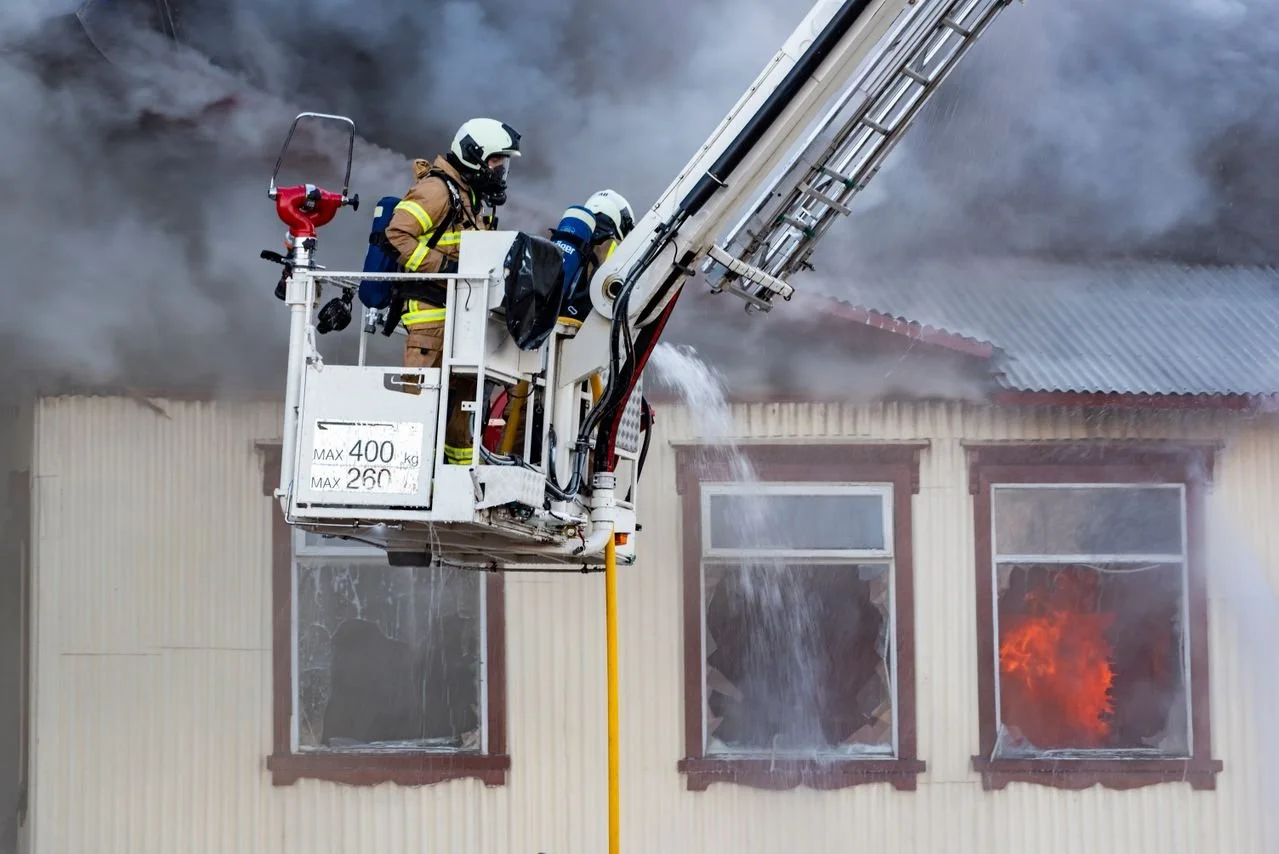
Once firefighters have extinguished the fire and authorities determine that the property can be approached safely, the restoration process can begin. Homeowners should generally avoid entering fire-damaged areas until they have been cleared as safe because structural components, electrical systems, ceilings, floors, and other materials may have been compromised.
The first restoration visit is focused on understanding what happened and determining what needs immediate attention. A professional team examines the property, identifies visible and hidden damage, and considers how fire, smoke, soot, and water have affected different areas. The goal at this stage is not to complete the restoration. Instead, it is to establish priorities and prevent the situation from becoming worse.
The Initial Fire Damage Assessment
A detailed assessment is one of the most important early steps in fire damage restoration. Fire damage is rarely limited to the area where flames were strongest. Smoke can travel through hallways, wall cavities, ventilation systems, and other pathways. Soot can settle on furniture, ceilings, walls, flooring, cabinets, appliances, and personal possessions. Water used to extinguish the fire can also spread into areas that experienced little or no direct flame exposure.
Evaluating Structural Damage
Restoration professionals examine visible structural components and identify areas that may require further inspection. Depending on the severity of the fire, this can include walls, ceilings, floors, framing, roofing materials, doors, windows, and other building components. Some materials may be damaged beyond repair, while others may be candidates for cleaning, drying, repair, or replacement.
Identifying Smoke And Soot Damage
Smoke and soot require careful attention because they can affect surfaces throughout the property. Different types of smoke residue can behave differently, meaning restoration professionals need to determine the appropriate cleaning approach rather than applying the same method everywhere. A room that appears relatively clean may still contain smoke odors or residue on surfaces, inside cabinets, or within other areas.
Checking For Water Damage
Firefighting efforts can introduce substantial amounts of water into a home. Moisture may affect flooring, drywall, insulation, furnishings, cabinetry, and structural materials. Restoration teams therefore look beyond fire damage and evaluate areas where water may have accumulated. If moisture is left untreated, it can contribute to additional deterioration and create conditions that complicate restoration.
Making The Property Safe And Stable
After the initial assessment, the next priority is stabilization. A fire-damaged home may be vulnerable to weather, unauthorized entry, falling materials, additional water intrusion, and other hazards. Emergency measures are intended to protect the property while the restoration plan is developed.
Securing Openings And Damaged Areas
Broken windows, damaged doors, holes in roofing, and other openings can expose the home to rain, wind, animals, and unauthorized entry. Depending on the circumstances, restoration professionals may use temporary measures to secure vulnerable areas. These actions can help protect the property's interior from additional exposure while permanent repairs are being planned.
Addressing Immediate Water And Moisture Problems
If water remains inside the property, restoration professionals may begin water extraction and drying procedures as appropriate. The objective is to remove excess moisture and reduce the likelihood of further damage. Drying strategies can vary depending on the materials involved, the amount of water present, environmental conditions, and the extent of the damage.
Establishing Safe Work Areas
Fire can weaken materials that previously appeared stable. Portions of ceilings, walls, flooring, or other components may require caution or additional evaluation before restoration workers can proceed. A professional restoration process therefore considers worker safety, occupant safety, and property stability before extensive cleaning or removal begins.
Removing Severely Damaged Materials
Not everything affected by a house fire can be restored. Some materials may be burned, structurally compromised, heavily contaminated, or otherwise unsuitable for recovery. Selective removal can help eliminate materials that cannot reasonably be restored while preserving items that still have restoration potential.
Why Selective Removal Matters
Removing everything from a fire-damaged property may seem like the easiest solution, but it can unnecessarily increase costs and waste. Restoration professionals can evaluate materials and contents to determine which items may be cleaned, repaired, deodorized, or otherwise restored. This approach focuses on recovery where practical while removing materials that pose continuing problems.
Handling Debris Carefully
Fire debris can contain damaged building materials, broken glass, sharp objects, soot-covered materials, and other hazards. Professional cleanup procedures help workers handle and remove debris in a controlled manner. Debris removal also creates better access to areas requiring detailed cleaning and inspection.
Cleaning Smoke And Soot Damage
Smoke and soot cleanup is one of the most important parts of fire damage restoration. Fire may be confined to one portion of a house, but smoke can affect much more extensive areas. Soot may appear as a visible black residue, but smoke contamination can also present as staining, discoloration, odor, or residue that is not immediately obvious.
Cleaning Walls, Ceilings, And Surfaces
Restoration professionals select cleaning techniques based on the type of surface and the characteristics of the residue. Walls, ceilings, cabinetry, flooring, fixtures, and other materials may require different approaches. Careful cleaning is important because aggressive or inappropriate methods can sometimes damage surfaces further.
Cleaning HVAC And Ventilation Areas
Smoke can travel through heating, ventilation, and air-conditioning systems. Depending on the circumstances, affected HVAC components may need inspection and appropriate cleaning. Addressing smoke contamination only in visible rooms may leave odor and residue in less obvious parts of the property.
Restoring Personal Belongings
Furniture, clothing, documents, electronics, artwork, household goods, and other belongings may also be affected by fire, smoke, soot, or water. Some items may be salvageable through specialized cleaning and restoration techniques. Others may be too severely damaged to recover. Evaluating belongings individually can help homeowners make informed decisions about what should be restored and what should be replaced.
Removing Persistent Smoke Odors
A home can look clean and still smell strongly of smoke. This happens because smoke odors can become absorbed into porous materials and remain after visible soot has been removed. Odor removal therefore requires more than simply spraying an air freshener or opening windows.
Finding The Source Of The Odor
Effective deodorization begins by identifying where smoke residue and odor remain. Potential sources may include walls, ceilings, flooring, furniture, fabrics, insulation, cabinetry, and ventilation-related areas. Cleaning or removing the source is generally more effective than attempting to cover the smell with fragrances.
Using Professional Deodorization Methods
Depending on the property and extent of contamination, restoration professionals may use specialized deodorization techniques and equipment. The appropriate method depends on the materials involved and the type and severity of smoke damage. The objective is to reduce or eliminate persistent smoke odors rather than simply masking them temporarily.
Addressing Water And Secondary Damage
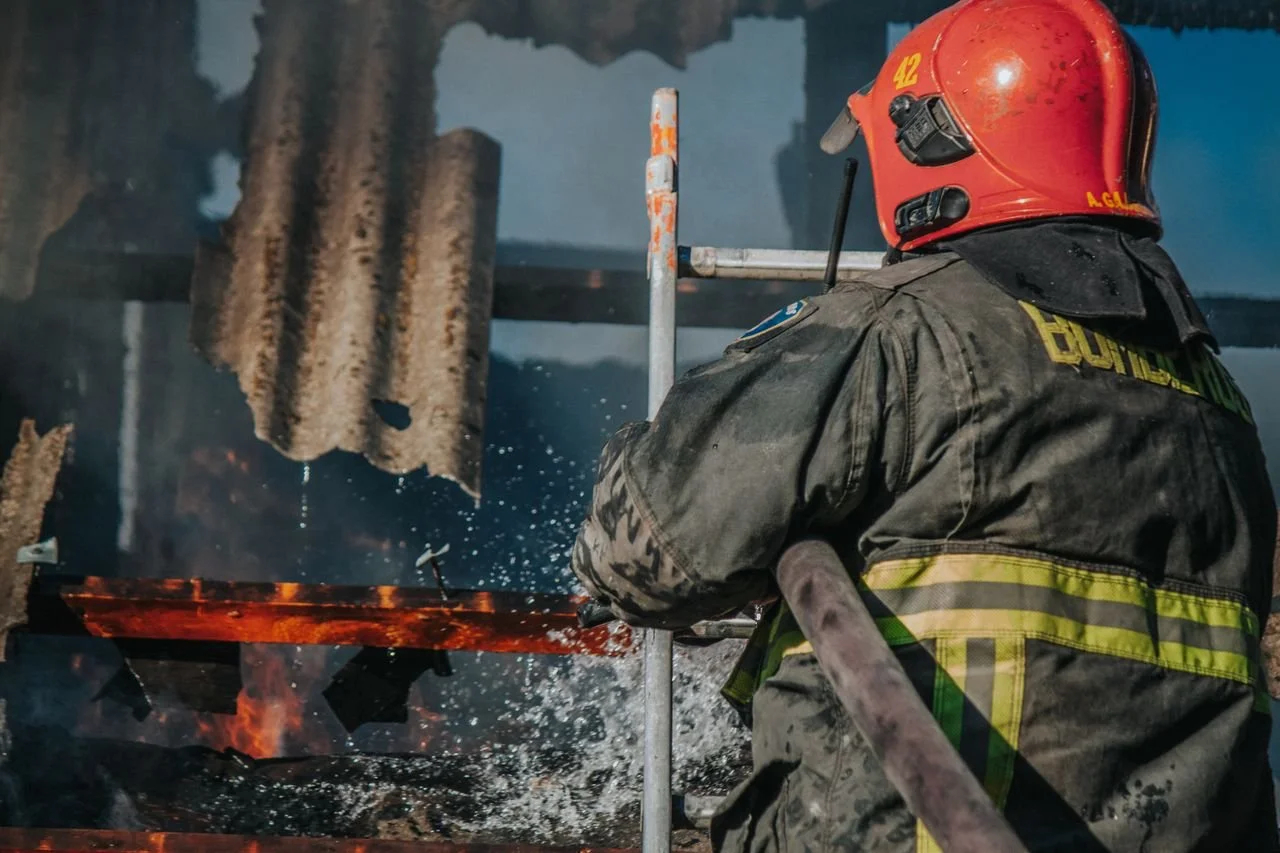
Fire restoration often involves more than fire and smoke. Water damage can become a major part of the restoration project because of firefighting efforts, damaged plumbing, sprinkler systems, or exposure through compromised roofing and walls. Secondary damage can increase the overall scope of restoration if it is not addressed promptly.
Drying Affected Materials
Materials exposed to excessive moisture may need professional drying and monitoring. Restoration teams may use specialized equipment to help control moisture levels and evaluate whether affected materials are drying appropriately. The specific drying process depends on the amount of moisture and the materials involved.
Preventing Additional Deterioration
Fast moisture management can help limit additional damage to affected building materials and belongings. The sooner moisture-related concerns are identified, the sooner an appropriate restoration strategy can be implemented. This is one reason homeowners should avoid delaying professional evaluation after a fire.
Cleaning And Restoring Salvageable Contents
A house fire can damage belongings in different ways. Some items may have direct flame damage, while others may only have smoke, soot, or water exposure. Professional contents restoration involves identifying which items have a reasonable opportunity for recovery.
Sorting And Documenting Belongings
Contents may be categorized according to their condition, location, and restoration potential. Documentation can help homeowners and insurance professionals understand what was affected. This process can also help organize the property when large quantities of belongings must be handled.
Specialized Cleaning
Different materials require different cleaning approaches. Fabrics, hard surfaces, wood, metal, paper products, and other materials can react differently to smoke and cleaning processes. Professional restoration helps determine the appropriate approach for each type of item rather than treating every belonging identically.
Working With Insurance During Fire Restoration
Fire damage restoration frequently involves insurance claims, and documentation can become an important part of the process. Homeowners should notify their insurance company according to the terms of their policy and keep available records related to the incident.
Documenting Damage
Photographs, videos, inventories, receipts, estimates, and restoration documentation can help establish the scope of damage. Professional restoration companies may also provide documentation associated with emergency services and restoration work.
Understanding The Restoration Process
Insurance coverage varies by policy, property, and circumstances. Restoration professionals can help document conditions and explain the work being performed, while the insurance carrier determines coverage according to the applicable policy. Clear communication among the homeowner, restoration company, and insurance representatives can help keep the process organized.
Repairing And Rebuilding The Property
Once emergency stabilization, cleaning, deodorization, and other restoration tasks are addressed, the property may require repairs or reconstruction. The extent of rebuilding depends on how severely the home was affected.
Minor Repairs
Some properties may need relatively limited repairs after smoke and soot cleanup. These could include repainting, replacing damaged fixtures, repairing flooring, or restoring individual components.
Major Reconstruction
More extensive fires may require rebuilding portions of walls, ceilings, flooring, roofing, electrical systems, plumbing, or other components. The restoration process should be based on the property's actual condition rather than simply restoring visible surfaces.
Why Timely Fire Restoration Prevents Damage
Time matters after a house fire because damage does not necessarily stop when the flames are extinguished. Smoke residue can remain on surfaces, moisture can affect materials, odors can become difficult to remove, and exposed parts of the property can remain vulnerable to additional damage. Prompt professional restoration allows property owners to move from emergency response toward stabilization and recovery more quickly.
Protecting Salvageable Property
Some belongings and materials may have a better chance of being restored when they are addressed promptly. Delays can allow soot, moisture, and odors to become more difficult to manage.
Reducing The Scope Of Secondary Damage
Quickly identifying water intrusion, moisture problems, structural concerns, and exposed areas can help reduce the potential for additional deterioration.
Restoring Normal Use
For homeowners, restoration is ultimately about more than repairing a building. It is about creating a safe, clean, functional environment that can once again support everyday life.
Common Mistakes To Avoid After A House Fire
Homeowners understandably want to begin cleaning immediately after a fire, but certain actions can create additional problems.
Attempting Extensive Cleanup Without Professional Assessment
Visible soot may seem straightforward to clean, but improper cleaning methods can spread residue or damage surfaces. A professional assessment should generally come before extensive cleanup.
Ignoring Smoke Damage Outside The Burned Area
Smoke can travel well beyond the room where the fire started. Limiting cleanup to visibly burned areas may leave contamination elsewhere.
Delaying Moisture Assessment
Water used during firefighting can create additional restoration needs. Waiting too long to address moisture may complicate the project.
Discarding Everything Immediately
Some belongings may be restorable. Automatically throwing away everything that smells like smoke or appears dirty can result in unnecessary losses.
Unsafe Area Entry
A fire can compromise structural components and utilities. Homeowners should follow instructions from fire officials and qualified professionals regarding access to damaged areas.
How Professional Restoration Helps After Fire Damage
Professional restoration combines assessment, emergency stabilization, cleaning, deodorization, contents recovery, moisture management, and repairs into a coordinated process. Rather than treating fire damage as a simple cleaning project, professional restoration looks at the entire property and the different ways the fire affected it.
Experienced technicians also understand that no two fire losses are exactly alike. A small kitchen fire, an electrical fire, a chimney fire, and a large structural fire can create very different restoration challenges. The restoration plan should therefore be tailored to the property's condition.
Selecting The Right Fire Damage Restoration Company
Selecting the right restoration provider can make a major difference after a stressful event. Property owners should look for a company with experience handling fire, smoke, soot, and related water damage. Professional communication, documented procedures, appropriate equipment, and a clear explanation of the restoration process are also important.
A qualified restoration company should be willing to explain what was damaged, what can potentially be restored, which areas require immediate attention, and what the next steps involve. Local availability can also matter because faster response may allow emergency stabilization and damage assessment to begin sooner.
When To Seek Professional Help After Fire Damage?
The safest approach is to contact a professional as soon as the property has been cleared for restoration assessment. Even a fire that appears relatively small can leave behind smoke, soot, odors, water damage, and hidden contamination.
A professional evaluation can determine whether the property requires emergency board-up, water extraction, structural assessment, contents cleaning, smoke removal, deodorization, or more extensive reconstruction. Early intervention does not guarantee that every material can be saved, but it can help property owners understand their options before additional damage develops.
What Does The Fire Damage Restoration Timeline Look Like?
Every fire restoration project is different. A small contained fire may require a relatively short cleanup and repair process, while extensive structural damage can take considerably longer. The process commonly moves through several broad stages: initial assessment, emergency stabilization, debris removal, water and moisture management, smoke and soot cleanup, contents restoration, deodorization, repairs, and final restoration.
These stages may overlap depending on the property's needs. For example, water extraction may begin immediately while damaged materials are being evaluated, and contents may be cleaned while structural repairs are being planned. The most important factor is not following a rigid timeline but completing each necessary stage thoroughly.
Conclusion
Fire damage restoration begins with understanding the full scope of the loss. After the flames are extinguished, a property may still face structural damage, smoke contamination, soot residue, water intrusion, lingering odors, damaged belongings, and security concerns.
That is why professional restoration starts with assessment and stabilization rather than simply wiping down burned surfaces. Once the property is evaluated and made secure, restoration professionals can begin addressing moisture, removing unsalvageable materials, cleaning smoke and soot, restoring belongings, eliminating odors, and coordinating necessary repairs.
For property owners, acting quickly is one of the most important steps after a house fire. Prompt professional attention can help identify hidden problems, protect potentially salvageable materials, reduce secondary damage, and establish a practical path toward recovery.
A fire can be overwhelming, but the restoration process provides a structured way forward. With experienced fire damage restoration professionals guiding the cleanup and repair process, homeowners can move from immediate emergency concerns toward a safer, cleaner, and fully restored property.
Frequently Asked Questions
1. How Soon Should Fire Damage Restoration Begin After A House Fire?
Fire damage restoration should begin as soon as the property has been cleared as safe for restoration work. Prompt assessment allows professionals to identify smoke, soot, water, structural, and security-related concerns before additional damage develops.
2. Does Fire Damage Restoration Include Smoke And Soot Cleanup?
Yes. Professional fire damage restoration commonly includes evaluating and cleaning smoke and soot contamination. Smoke can travel beyond the area directly affected by flames, so restoration may involve rooms and belongings that did not experience direct fire damage.
3. Can Belongings Damaged By Smoke Or Fire Be Restored?
Some belongings can be restored depending on the type and severity of damage. Furniture, clothing, household items, documents, and other contents may sometimes be cleaned or deodorized. Severely burned or structurally compromised items may need to be discarded.
4. Why Is Water Damage Addressed After A House Fire?
Firefighting efforts can introduce significant amounts of water into a property. Water can affect flooring, drywall, insulation, furnishings, and other materials. Addressing moisture promptly can help limit secondary damage and support a more complete restoration process.
5. Should Homeowners Clean Fire Damage Themselves?
Homeowners should be cautious about attempting extensive fire cleanup without professional guidance. Soot and smoke residue can require specialized cleaning methods, and fire-damaged structures may present safety hazards. A professional assessment can identify the appropriate restoration approach before major cleanup begins.
------------------------------------
Fire Damage Can Be Devastating; Professional Restoration Makes The Difference
Fire damage can turn your home or business upside down in a matter of minutes. Even after the flames are extinguished, the damage can continue through smoke, soot, odors, water from firefighting efforts, and hidden damage inside walls, ceilings, and other structural areas. Acting quickly can help limit further deterioration and reduce the scope and cost of repairs.
Professional fire damage restoration addresses more than what you can see on the surface. Using specialized equipment and proven restoration techniques, affected areas can be inspected, cleaned, deodorized, dried, and restored. Smoke and soot residue may travel far beyond the immediate fire area, which makes a thorough assessment an important part of returning the property to a safe, clean, and usable condition.
At ARC Water Damage, our experienced team responds quickly to fire damage emergencies and guides you through every step of the restoration process. We work efficiently, communicate clearly, and coordinate with your insurance company whenever possible to help make the recovery process as smooth and manageable as possible.
If your home or business has suffered fire, smoke, soot, or related water damage, don't wait to begin the restoration process. Call ARC Water Damage today at (877) 437-9225 for professional fire damage restoration and fast, reliable service.
Disclaimer
The information provided on this website is for general informational and educational purposes only and is not intended to serve as professional restoration, environmental, or insurance advice. Every water, fire, or mold damage situation is unique, and you should consult with a qualified restoration professional regarding your specific property and conditions. Do not take action or delay action based solely on the content of this website without seeking appropriate professional guidance.
While we strive to provide accurate and up-to-date information, restoration methods, safety standards, and industry practices may change over time. The content on this website may not reflect the most current procedures or recommendations. ARC Water Damage makes no guarantees regarding outcomes based on the use of this information.
By using this website, you agree that ARC Water Damage is not liable for any actions taken or not taken based on the information provided, to the fullest extent permitted by law.