
What Should You Do First After a Flood Cleanup Situation?
The first thing you do after a flood cleanup situation is make the place safe to enter and work in: confirm the structure is stable, shut off electricity and gas if you can do it without stepping into water, then suit up with real protective gear before you touch a single soggy box. Once you’re not gambling with your lungs or getting electrocuted, you document the damage for claims, get standing water out, and start aggressive drying so mold doesn’t take over your house like it paid rent.
People want a “one weird trick” for water damage cleanup. There isn’t one. There’s a sequence. Skip steps and you pay for it later, either with your health, your insurance claim, or a home that smells like mildew forever.
Key Takeaways
Prioritize safety before cleanup. Check for structural damage, shut off electricity and gas if needed, and wear appropriate protective equipment before entering or cleaning affected areas.
Document all damage immediately. Take photos and videos, record serial numbers, and create an inventory of damaged belongings before removing or disposing of anything for insurance purposes.
Act quickly to prevent mold growth. Remove standing water, increase airflow, and use fans and dehumidifiers as soon as possible. Mold can begin developing within 24–48 hours in damp conditions.
Know what can be saved and what cannot. Porous materials that have absorbed contaminated floodwater are often unsafe to keep, while many non-porous surfaces can be cleaned and disinfected effectively.
Focus on drying and sanitation. Thorough drying, cleaning, and disinfecting are essential to reduce health risks and prevent long-term property damage.
Keep records throughout the recovery process. Save receipts, contractor estimates, and communication with insurance providers to support claims and track restoration expenses.
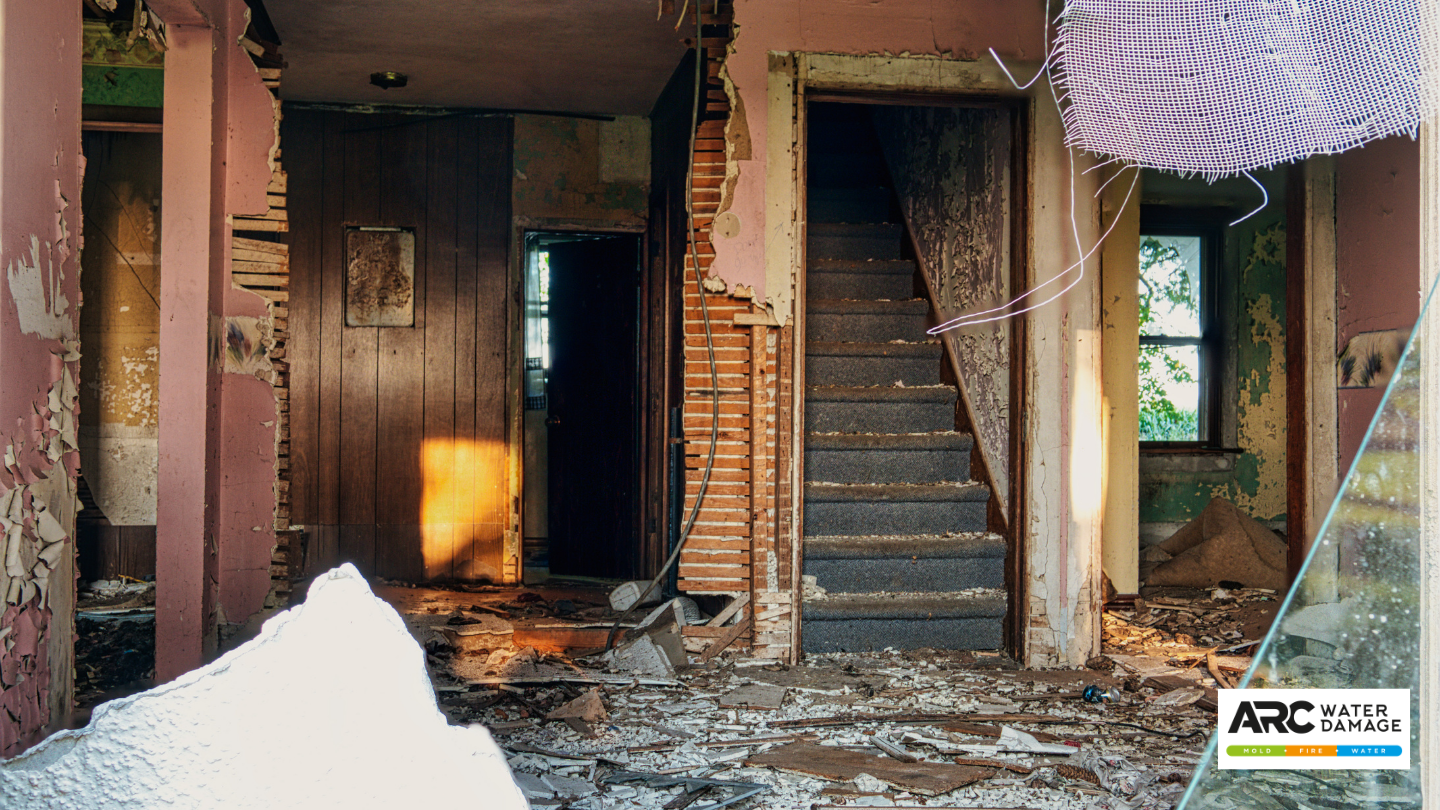
What should you do first after a flood?
Confirm reentry safety
Reentry is where people get hurt. You walk in tired, stressed, maybe trying to “save” things, and you miss the obvious physical hazards: buckled floors, shifted foundations, cracked rafters, nails, broken glass, snakes, and the big one, electrical risk hiding under shallow water.
If the waterline was high, or your house took a hit from fast flow (river flooding, storm surge along the coast, flash flooding after heavy rainfall in steep topography), treat the building like it’s guilty until proven innocent. If anything looks off, call a qualified inspector or restoration specialist before you start tearing into drywall.
And give the place a chance to breathe. The CDC literally tells you to open doors and windows and air out a closed-up flooded home for at least 30 minutes before you hang around inside, in their reentry safety guide. That’s not them being precious. That’s them trying to keep you from marinating in contaminated air.
Shut off power and gas
Electricity and water are a mean couple. If you are standing in water, don’t touch breakers, don’t grab cords, don’t “just flip it real quick.” If you can safely reach the main breaker from a dry spot, shut it off. Same for gas. If you smell gas, leave and call your utility.
This is also where people improvise with generators. Fine. Use the rules, not vibes. That “I’ll crack a window” move can get someone killed. Keep portable generators and gas-powered pressure washers at least 20 feet from doors, windows, and vents, just like the CDC-backed guidance spelled out in this carbon monoxide prevention document.
Use protective equipment
Floodwater is not “just water.” It’s a soup: sewage, bacteria, chemicals, petroleum residue, pesticide runoff, whatever was sitting in the street, and whatever backed up from drains. You want skin protection and respiratory protection. A paper mask is basically optimism with ear loops.
The CDC’s NIOSH bulletin on storm cleanup PPE is blunt about the basics: an N95 respirator, safety goggles, and heavy-duty gloves. Add rubber boots, long sleeves, and something you don’t mind throwing away. If you’ve got asthma or you’re immunocompromised, take that seriously. Health is not a “later” problem.
What hazards must you check before cleanup?
Structural and electrical risks
Structural damage can be loud (a sagging ceiling) or sneaky (a load-bearing wall that shifted 1 inch and now everything is stressed). Look for cracks, leaning walls, new gaps around doors, and soft spots in floors. Also, don’t drive around doing “damage tours” if roads are still sketchy. The National Weather Service notes that as little as 6 inches of moving water can knock an adult off their feet, and drivers lose control fast, in their flood safety framework.
Inside the home, assume outlets, appliances, and HVAC equipment that got wet are unsafe until inspected. Your hvac system can also become a contamination delivery service if it ran during flooding or stayed damp afterward.
Contaminated water and sewage
Sewage is the line in the sand. If sewage touched it, the cleaning process is no longer a casual weekend project. That includes carpet, padding, upholstered furniture, mattresses, and anything absorbent. Even “minor” contamination can carry bacteria that make you seriously sick.
Pay attention to where the water came from. Coastal surge carries salt and organic gunk that can accelerate corrosion and rot. River flooding can bring silt and agricultural runoff. Urban floods can pick up fuel and industrial chemicals. Same word, different dangers.
Carbon monoxide and poor air
Flood cleanup often means fans, generators, and sometimes propane heaters. Carbon monoxide is invisible, odorless, and painfully effective. Keep combustion devices outside and far away. Ventilation is not optional, it’s a control measure.
Also, don’t ignore the emotional stress part. People push too hard, skip breaks, and get sloppy. That’s when you fall through a weak spot or mix chemicals you shouldn’t.
Document damage before you move anything
Photo and video checklist
You’re about to throw things away. That’s emotionally brutal and financially risky. Before you do, document everything like you’re building a case file.
A practical approach is baked into the FloodSmart damage documentation checklist: take wide shots, then close-ups, then model/serial numbers on appliances, then the “boring” places like closets and cabinets.
Here’s the short list I’d actually follow in the moment:
Photograph each room from the doorway, then each wall, then the floor.
Video a slow walkthrough while narrating what happened and the waterline height.
Capture labels and serial numbers (washer, dryer, water heater, furnace, refrigerator).
Photograph receipts you still have, plus any damage to your roof, windows, and doors.
Keep a simple written log with dates, times, and who you spoke to.
Inventory for claims
Inventory doesn’t need to be pretty. It needs to be legible. Item, approximate age, approximate value, whether it’s a total loss, and where it was in the house. Your insurance company is trying to categorize, not empathize.
If you’re dealing with NFIP coverage, understand the fine print: the NFIP claims guide on FloodSmart’s recovery checklist flags that mold damage can be excluded if you don’t remove standing water and start drying promptly. That’s one reason the “I’ll get to it next week” plan is a bad plan.
Call insurance and local aid
Call your insurer early. If you’re in a declared disaster zone, FEMA assistance may be available, but it’s not a blank check. It typically targets habitability and basic safety, not your dream remodel, as described in this FEMA assistance expectations guide. If you’ve got your zip code, damage photos, and a rough list of losses, those calls go faster.
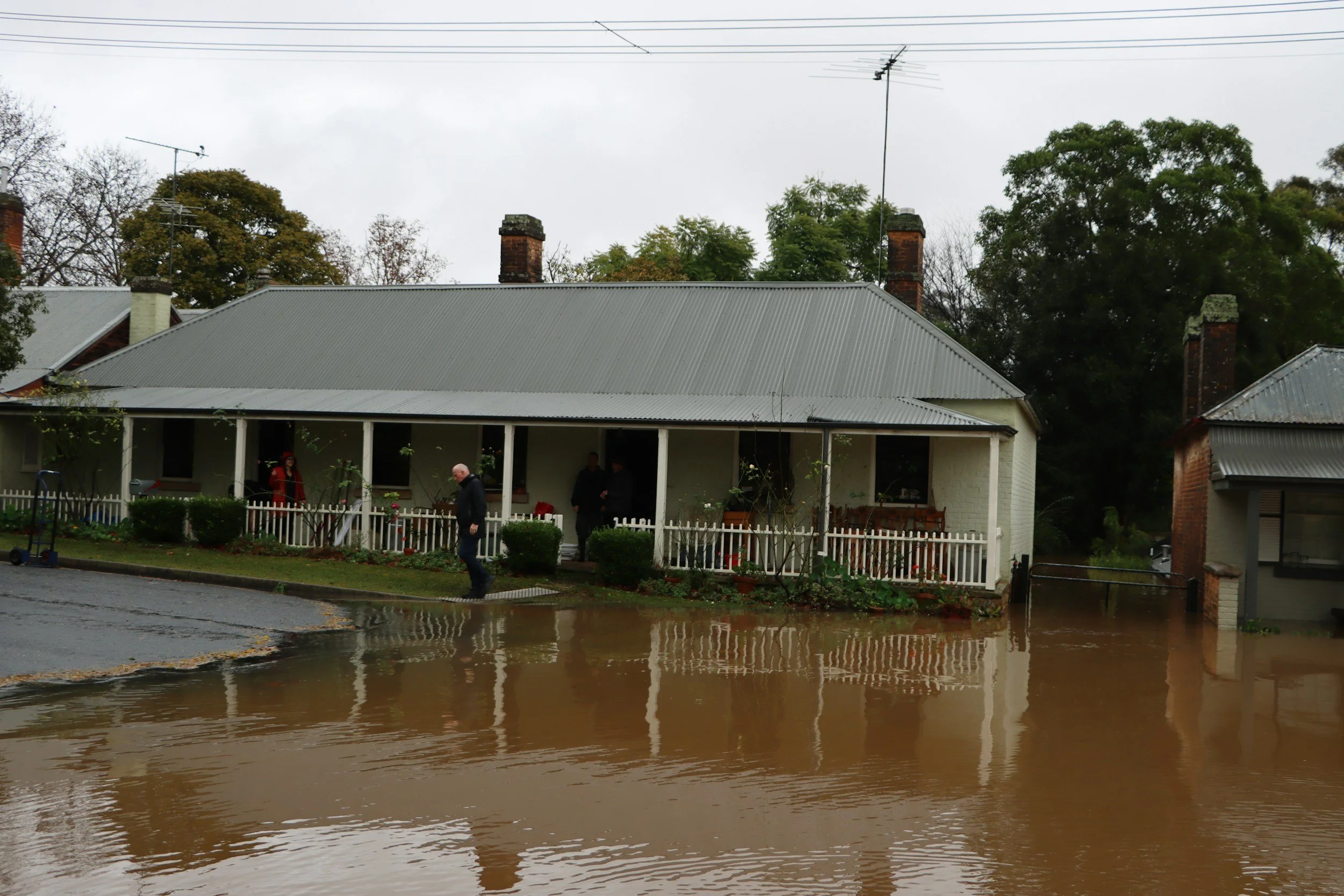
Stop further damage within 24 to 48 hours
Remove standing water
Standing water is an accelerant for everything you don’t want: mold, rot, warped floors, and contaminated sludge getting pushed deeper into the building materials. Pump it out when it’s safe and when outside water levels have dropped enough that you’re not creating new structural stress by draining too quickly (that’s a real thing with basements and high groundwater).
If you don’t have power, don’t get clever with unsafe extension cords or wet electrical equipment. This is one of those “hire it out” moments if your setup isn’t safe.
Start rapid drying
Drying is a whole discipline. Restoration crews use moisture mapping, air movers, dehumidifiers, and sometimes negative air containment. Homeowners can still do a lot: open windows (weather permitting), set up fans to move air across wet surfaces, run dehumidifiers, and pull wet rugs and padding out immediately.
If you want a hard benchmark, Missouri’s SEMA guidance says wet structural materials should be dried to 13% moisture or less before you close walls back up, using a moisture meter, in their after-the-flood quick guide. That number matters because “feels dry” is a lie.
Drywall gets tricky fast. The EPA’s archived flood restoration guidance from FEMA notes that even when water is below about 2.5 feet, drywall is often cut and removed to a uniform 4-foot height to allow proper drying, in this technical tear-out reference. It sounds aggressive until you’ve smelled wet insulation behind a wall.
Protect unaffected areas
Close doors or hang plastic sheeting to separate wet zones from dry zones. Keep foot traffic controlled. If you’re ripping out muck and debris, you don’t want to track contamination into bedrooms that stayed dry. This is basic containment, not overkill.
Also, watch your HVAC. If ducts got wet or the hvac system pulled in dirty air, shut it down and get it assessed. Running it can spread spores and fine debris through the house.
Decide what to keep, clean, or discard
Porous vs nonporous materials
This is where people bargain with reality. Porous materials that absorb floodwater are hard to fully disinfect, especially with sewage exposure. Nonporous stuff can often be cleaned and disinfected with proper contact time.
Flood-damaged materials can generally be grouped into three categories.
Porous materials, such as drywall, insulation, carpet and padding, mattresses, and upholstered furniture, usually need to be discarded because they absorb contaminated water, making it extremely difficult to dry, disinfect, and restore them safely.
Semi-porous materials, including unfinished wood, certain types of leather, and paper products, must be evaluated on a case-by-case basis, though many cannot be safely salvaged without professional treatment.
Nonporous materials, such as glass, metal, solid plastic, and ceramic tile, can often be cleaned, disinfected, and safely restored after proper floodwater exposure. Even if floodwater appears clear, don't assume it's clean.
Water clarity is not an indication that it is free of bacteria, sewage, chemicals, or other harmful contaminants.
Food, medicine, and cosmetics
This part is painful because it feels wasteful. Toss it anyway. Floodwater contamination isn’t a fun little seasoning. Anything that touches flood water, mud, or standing water goes: food, beverages, baby formula, medicine, cosmetics. Even sealed containers can be compromised if they were submerged or stored in contaminated air.
Special cases and valuables
Paperwork, photos, and heirlooms deserve a different playbook. FEMA recommends freezing delicate items you can’t dry quickly to stop microbial growth, in their safe flood cleanup blog. It’s oddly comforting, honestly, because it’s a real action you can take when everything else feels like loss.
Electronics are another “don’t freestyle” category. Unplug, don’t power them on, and talk to a technician. Powering wet electronics can turn a salvageable device into landfill instantly.
Clean and disinfect the home correctly
Mud and debris removal
The first pass is physical removal. Shovel out debris. Scrape mud. Pull baseboards if they trapped water. Get soggy drywall and insulation out before you pretend you’re “cleaning.” Cleaning products don’t work through muck.
After the bulk debris removal, wash hard surfaces with detergent and clean water, then disinfect. The order matters because disinfectant gets neutralized by dirt.
Disinfectants and contact time
People love bleach like it’s magical. It’s not. It’s a chemical tool with limits, and you can make your indoor air worse if you go heavy-handed, especially in a closed building.
The EPA’s flood-related cleaning technical report discusses why routine over-application of biocides is a bad idea and how to think about safer approaches, in this EPA technical report. Also, never mix bleach with ammonia. You do not want to manufacture toxic gas in your own kitchen.
Choosing the right cleaning product after a flood depends on the type of surface you're treating. A diluted household bleach solution can be effective for disinfecting hard, nonporous surfaces after they have been thoroughly washed, but it should be used with caution because it can produce irritating fumes, discolor certain materials, and must never be mixed with ammonia or acidic cleaners.
EPA-registered disinfectants are also effective for many hard household surfaces when used according to the manufacturer's directions, including the recommended contact time and proper ventilation. Soap or detergent with hot water plays an equally important role by removing dirt, mud, and debris before disinfecting, though it does not kill harmful microorganisms on its own.
One of the most important steps is allowing the disinfectant to remain wet on the surface for the full contact time listed on the label, as wiping it away too soon can significantly reduce its effectiveness.
Safe handling of wastewater
Where does your dirty water go? Ideally into a functioning sewer system. If your septic system was flooded, be cautious, because you can contaminate your yard and groundwater. Wear gloves, wash hands thoroughly, and treat everything you touch as contaminated until you’ve disinfected it.
And don’t forget basic survival logistics. Ready.gov’s kit guidance suggests 1 gallon of water per person, per day for drinking and sanitation, in their emergency kit builder. After a disaster, “clean water” becomes the most annoying thing to find.
If you need to make questionable water safe, the EPA notes you need a rolling boil for 1 minute at sea level and 3 minutes above 5,280 feet, in their flooding and water safety reference. That’s not folklore. That’s pathogen math.
Conclusion
If you’re standing in a flooded home, it’s completely understandable to want to jump straight into cleanup mode. Most homeowners immediately focus on saving furniture, rescuing personal belongings, or trying to make the house look normal again as quickly as possible. However, successful flood recovery is rarely about moving fast—it’s about moving in the right order. The decisions made during the first few hours and days after flooding can significantly affect your safety, the extent of property damage, the likelihood of mold growth, and even the outcome of your insurance claim.
The most important first step is ensuring the property is safe to enter. Floodwater can compromise structural elements, damage electrical systems, and create hidden hazards that are not immediately visible. Once safety concerns have been addressed and utilities have been properly shut off when necessary, protect yourself with appropriate personal protective equipment before beginning any cleanup work. Floodwater often carries contaminants, and exposure without proper protection can create additional health risks at a time when there is already enough to worry about.
After safety comes documentation. It may feel counterintuitive to spend time taking photographs and videos when water is sitting inside your home, but thorough documentation is one of the most valuable things you can do. Capture every affected room, damaged item, and visible sign of flooding before moving or discarding anything. These records can help support insurance claims, simplify communication with adjusters, and provide a clear record of the damage if questions arise later in the restoration process.
Once the property has been documented, the race against moisture begins. Water damage is not limited to what you can see on the surface. Moisture quickly finds its way into drywall, insulation, flooring, cabinets, and structural materials. The longer water remains, the greater the risk of swelling, warping, rot, and mold growth. Removing standing water, increasing ventilation, and using professional drying equipment or dehumidifiers as quickly as possible can dramatically reduce long-term damage and restoration costs.
Another critical part of recovery is making informed decisions about what can realistically be saved. While it is natural to want to keep as many belongings as possible, some materials simply cannot be restored safely after exposure to contaminated floodwater. Porous items such as certain carpets, insulation, mattresses, and upholstered furniture often absorb contaminants deep into the material. In contrast, many hard, non-porous surfaces can be thoroughly cleaned, disinfected, and returned to service. Being practical during this stage can prevent future health concerns and reduce the chance of recurring odors or hidden contamination.
Flood recovery is also a process that rewards patience. Even after water is removed and surfaces appear dry, hidden moisture may still exist behind walls, beneath flooring, or inside structural cavities. Rushing repairs before proper drying is complete can trap moisture inside the building and create ideal conditions for mold and mildew. Taking the time to ensure the property is fully dried and properly cleaned before rebuilding can save thousands of dollars and countless frustrations later.
The good news is that many homes recover successfully after flooding when the response is organized and timely. By focusing on safety first, documenting everything carefully, removing water quickly, drying thoroughly, and making smart decisions about restoration, homeowners can minimize damage and put themselves in the best possible position for a successful recovery. Flooding is stressful, disruptive, and often overwhelming, but a methodical approach helps transform a chaotic situation into a manageable restoration project. In the end, the goal is not just to remove the water—it is to restore a safe, healthy, and comfortable home for the people who live there.
FAQ
How soon do I need to start drying after a flood?Immediately. Mold can start growing on wet porous materials within 24 to 48 hours, and that window is why restoration pros move so fast.
Do I really need to throw out drywall?If it got wet, especially with contaminated floodwater, you often do. Wet drywall and insulation trap moisture, and you can’t disinfect what you can’t dry.
What if the water looked clean and it was just a few inches?A few inches can still be enough to spread bacteria and soak flooring systems. Also, moving water is dangerous even at low depths, and it hides electrical hazards.
When should I hire a professional water damage restoration contractor?When you have sewage, when the affected area is large (think multiple rooms or hundreds of square feet), when you can’t restore power safely, when the HVAC system was impacted, or when you can’t get materials dry fast with dehumidifiers and airflow.
Can I run my HVAC to help dry things out?Not until it’s assessed. A contaminated hvac system can distribute mold and debris throughout the house.
Emergency Water Damage Can Escalate Fast; Immediate Action Matters
Water emergencies can go from stressful to devastating in a matter of hours. Whether it’s a burst pipe, overflowing appliance, storm flooding, or sewage backup, water spreads quickly through walls, flooring, insulation, and structural materials. The longer the water sits, the greater the risk of severe property damage, mold growth, and costly repairs.
Fast emergency water damage restoration helps stop the damage before it gets worse. With immediate response, professional-grade drying equipment, and proven restoration methods, the affected areas can be extracted, dried, sanitized, and restored as quickly as possible. Acting fast not only protects your property, but it can also help reduce restoration costs and minimize disruption to your home or business.
At ARC Water Damage, our team responds quickly to emergency water damage situations and guides you through the entire restoration process from start to finish. We work efficiently, communicate clearly, and help coordinate with your insurance company to keep the process moving smoothly.
If you’re dealing with emergency water damage, don’t wait. Call ARC Water Damage today at (877) 437-9225 for immediate emergency water damage restoration and rapid response service.
DisclaimerThe information provided on this website is for general informational and educational purposes only and is not intended to serve as professional restoration, environmental, or insurance advice. Every water, fire, or mold damage situation is unique, and you should consult with a qualified restoration professional regarding your specific property and conditions. Do not take action or delay action based solely on the content of this website without seeking appropriate professional guidance.While we strive to provide accurate and up-to-date information, restoration methods, safety standards, and industry practices may change over time. The content on this website may not reflect the most current procedures or recommendations. ARC Water Damage makes no guarantees regarding outcomes based on the use of this information.By using this website, you agree that ARC Water Damage is not liable for any actions taken or not taken based on the information provided, to the fullest extent permitted by law.