
How Is Flood Cleanup Different From Standard Water Damage Restoration?
Flood cleanup is different from standard water damage restoration because floodwater is treated as outside, potentially contaminated Category 3 water, which triggers stricter health and safety controls, more aggressive removal of porous materials, heavier disinfection, and a totally different insurance lane (usually a separate flood insurance policy, not standard homeowners insurance). Indoor water losses like a supply-line burst can be Category 1 or Category 2, which often means faster drying, more materials can be saved, and the paperwork usually fits a typical homeowner's claim.
A lot of people don’t realize this until they’re standing in a wet living room arguing with a contractor about drywall cuts while their adjuster keeps asking, “Where did the water come from?” That one question basically decides your whole week.
key takeaways
Flood damage is about rising surface water and everything it drags in: sewage, fuel, farm runoff, bacteria, sharp debris. Indoor leaks are usually plumbing, appliances, or HVAC, and may start cleaner.
The water categories (clean, gray, black) drive the rules: PPE, containment, disinfectants, demolition lines, drying targets, and whether “cleaning” is even realistic for carpet, insulation, and drywall.
Timing is not a motivational poster. It’s biology. The CDC notes mold can start growing in 24 to 48 hours after a water event, which is why waiting for “tomorrow” gets expensive fast (and gross) in a way you can smell.
Insurance is where people get blindsided: flood is often excluded from homeowners, while accidental water damage inside the house is commonly covered, assuming it’s sudden and mitigated.
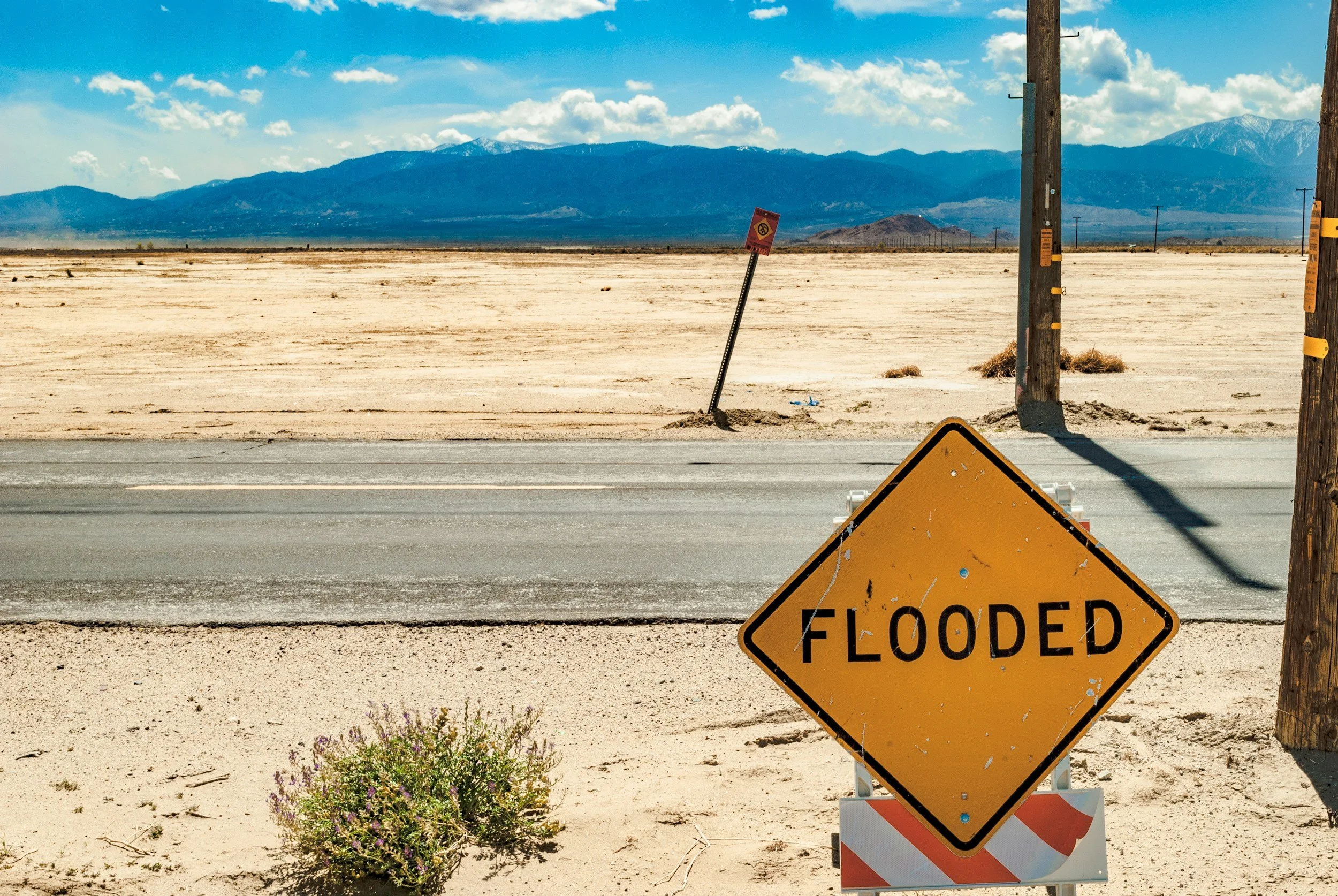
Flood cleanup differs significantly from standard water damage restoration because the source and level of contamination are often much more severe. Flood damage is typically caused by rising groundwater, storm surge, or overflowing rivers, and is generally treated as Category 3 "black water" until testing proves otherwise due to the high likelihood of contamination from sewage, chemicals, and other hazardous materials.
As a result, the primary focus of flood cleanup is decontamination and the removal of porous materials that cannot be safely restored. By comparison, standard water damage restoration usually involves water from plumbing failures, broken water heaters, or leaking appliance hoses, which is often classified as Category 1 clean water or Category 2 gray water. In these situations, the emphasis is on thoroughly drying the affected areas and cleaning targeted materials whenever possible to preserve them.
Insurance coverage also differs between the two types of water damage. Flood damage is typically covered under a separate flood insurance policy, such as one provided through the National Flood Insurance Program (NFIP) or a private insurer. Standard homeowners insurance, on the other hand, often covers sudden and accidental interior water damage caused by plumbing leaks, burst pipes, or appliance failures.
What separates outside water from indoor leaks?
People want this to be philosophical. It’s not. The water source decides the contamination profile, and the contamination profile decides the remediation scope, the safety protocol, and the bill.
Rising surface water
Overland flooding is the messy kind. The U.S. The Environmental Protection Agency talks about flooded homes as a combined air-quality and sanitation problem, not a “rent a fan” weekend project, and they’re right to frame it that way because floodwater doesn’t politely stay on tile. It gets into wall cavities. It loads carpet and padding like a sponge. It leaves behind a film you can’t see until it dries and turns sticky.
If you need a clean mental picture, FEMA’s flood insurance world is blunt about what flood water can contain, and why public health guidance treats it as hazardous. When water comes from outside, you don’t get to assume it’s “just rain.”
Plumbing and appliance failures
Indoor water damage restoration usually starts with a sane story: a supply line snaps, a toilet tank cracks, a dishwasher floods, a water heater lets go. The water might be clean water at the start. If you catch it early, you can often do water removal, set air movers and dehumidifiers, and preserve a surprising amount of material.
You still can’t relax. Water travels like gossip. Under baseboards, behind cabinets, down into subfloors, into insulation. The restoration process is basically a race between evaporation and absorption, and the building materials tend to cheat.
Sewer backups and sump overflows
Sewer backups and sump failures are the awkward middle child that causes arguments in claims. The water is “inside,” but it behaves like a flood remediation job because the contamination risk is real. Once sewage is involved, you’re in black water territory from a health perspective, even if the water never touched the street.
Also, the phrase “sump overflow” tends to hide the real problem: if the sump is receiving groundwater during a storm, you’re functionally dealing with the same cocktail as outside flooding, just delivered through a pit in your basement.
How do clean, gray, and black categories change work?
These categories are not marketing. They’re operational shorthand used in water damage remediation and the IICRC S500 ecosystem, and they exist because the right approach for a kitchen supply line is not the right approach for floodwater.
Category 1 boundaries
Category 1 is the clean-water lane, and it’s the lane everyone wants because it feels manageable and insurable. The catch is that Category 1 has a short half-life in real buildings. Once clean water hits porous materials and sits, or wicks into drywall paper, or soaks insulation, it stops being a cute little “dry it out” issue and starts acting like a microbial project.
You can sometimes DIY a true Category 1 event if it’s small, contained, and you started immediately. Think towel, wet vac, controlled dehumidification, and a moisture meter check so you’re not lying to yourself.
Category 2 escalation triggers
Category 2 is where the real messes show up, and the price tag stings, but it’s also where being “optimistic” turns into a mold and odor story you’ll be telling for years.
The escalation triggers are usually mundane: time, temperature, and contact with dirty surfaces. Water that looked fine an hour ago gets weird after it runs across a garage floor, pools under a vanity, or sits in a wall cavity where you can’t see it. People fight over whether something “looks fine.” I’m not sentimental about that. Assume the worst and clean accordingly.
When you end up in a claim dispute, the category debate can matter. A lot of the common denial reasons read like gotchas about cause and mitigation timing, which is why it’s worth understanding how insurers think about delays and documentation, the way this breakdown of why water damage claims get rejected lays out in plain language from the field.
Category 3 non-negotiables
Category 3 is black water. Sewage and floodwater both land here in practice because the health risks are not theoretical. The PPE requirements jump. The removal decisions get ruthless. The disposal gets serious.
If you want a straightforward explanation of why Category 3 is treated like a different species of loss, not just “more water,” this overview of sewage and Category 3 water damage makes the point without sugarcoating.
And if you’re in a flooded home deciding what can be cleaned, the EPA’s guidance on throwing away porous materials after floods is the gut punch most homeowners need. Carpet padding, insulation, upholstered furniture, mattresses: if floodwater soaked it, it’s usually not a “sanitize and keep” situation.
What steps differ in remediation and rebuilding?
A lot of people picture cleanup as mops and fans. Flood remediation and water damage restoration services are more like controlled demolition, followed by chemistry, followed by psychrometrics, followed by rebuilding. In that order.
Extraction and demolition scope
Extraction is always first: pumps, vacs, water extraction tools, whatever gets the bulk water out. After that, the fork in the road is contaminated and porosity.
With indoor clean water damage, you might keep drywall if it’s dried quickly and verified. With flood damage, you’re often cutting drywall higher, pulling baseboards, removing insulation, and sometimes opening cavities because you cannot reliably sanitize what you cannot reach.
If you want to see how an institutional safety shop thinks about indoor flood cleanup, Ohio State University’s EHS SOP reads like a no-nonsense playbook, right down to disposal and mold prevention steps.
Also, older homes complicate everything. If you’re tearing into plaster, old flooring, or adhesives, EPA guidance on DIY flood cleanup calls out asbestos and lead risks that aren’t obvious until you’re already breathing dust.
Cleaning, disinfection, deodorization
Cleaning is mechanical. Disinfection is chemical. Deodorization is the aftermath when you realize smells are chemistry too.
If you’re using bleach, don’t freestyle it. The CDC’s bleach-use guidance gives practical dilution limits, and it’s a good reminder that more bleach is not “more better,” especially indoors where fumes become their own hazard. (And never mix bleach with ammonia-based cleaning products. That’s how you manufacture a problem.)
Category 2 and Category 3 jobs usually involve registered disinfectants, dwell time, and repeated passes, plus HEPA vacuuming because physical contamination is part of the equation.
Drying plans and verification
Drying is not just running fans until you feel better. A real drying plan is about temperature, relative humidity, airflow, and time, with moisture readings proving the structure actually returned to baseline.
This is where restoration professionals will talk about moisture mapping, thermal imaging, and moisture meter logs. It can feel excessive until you’ve seen hidden water sit behind a cabinet and quietly grow a mold economy.
Verification matters for claims too. “It seems dry” is not documentation. Readings are.
Decide DIY versus professional help fast
DIY cleanup is reasonable when the water source is truly clean, the affected areas are small, you can safely shut off utilities, and you can dry the structure quickly with real dehumidification, not just open windows.
Professional water damage restoration becomes the smart move when any of the following is true:
The water could be contaminated (Category 2 or Category 3), including sewage backups.
Water reached insulation, drywall, subfloor, or cabinetry where hidden water is likely.
The impacted square footage is big enough that you can’t dry it in 24 to 48 hours.
You need documentation for insurance, including photos, moisture logs, and a clear scope of repairs.
If your area has its own regulatory quirks, that matters too. Some states and municipalities get stricter about mold clearance and post-drying verification, and it’s worth seeing how local flood damage restoration guidance can change expectations when you’re trying to close out a job cleanly.
Handle insurance, documentation, and claim language
One of the most confusing parts of recovering from water intrusion is understanding what type of coverage applies. Many property owners assume any water-related event will be covered under a standard homeowners policy, only to discover that the source of the water often determines whether compensation is available. Water entering a structure from outside due to heavy rainfall, overflowing waterways, storm surge, or similar events is commonly excluded from traditional homeowners coverage. In those situations, protection generally comes through a separate flood policy.
The financial consequences can be substantial. Even a relatively shallow amount of water entering a building can damage flooring, drywall, insulation, electrical systems, furniture, and personal belongings. Repair costs often rise faster than expected because moisture spreads into hidden areas that require demolition and reconstruction. Many owners do not realize the scale of potential expenses until estimates begin arriving and coverage limitations become clear.
For indoor incidents, such as burst plumbing lines, appliance malfunctions, or accidental overflows, coverage may be available under a homeowners policy. However, claim approval frequently depends on specific wording found within the policy contract. Terms such as "sudden occurrence," "accidental discharge," and requirements for timely action can influence how an adjuster evaluates the loss. Delayed reporting, prolonged neglect, or failure to take reasonable protective measures may complicate the process and create disputes over reimbursement.
Thorough recordkeeping is one of the most effective ways to strengthen a claim. Start documenting conditions immediately after discovering the damage. Capture photographs and video footage from multiple angles, showing affected rooms, visible moisture marks, damaged belongings, and any identifiable source of the problem. Record dates, times, and observations in a written log. Save invoices for emergency services, equipment rentals, temporary repairs, cleaning supplies, and contractor evaluations. If damaged materials are removed, consider keeping samples and photographing them before disposal when practical.
Communication records matter as well. Retain copies of emails, claim numbers, inspection reports, repair proposals, and correspondence with insurance representatives. Organized documentation helps establish a clear timeline and provides evidence if questions arise regarding the extent of the damage or the necessity of restoration work.
It is also important to understand that government disaster assistance and insurance benefits are not interchangeable. Assistance programs may provide limited support following a declared disaster, but they are not designed to replace comprehensive property coverage. Grants, loans, and relief programs often have eligibility requirements and funding limits that leave significant out-of-pocket costs for homeowners. Many people mistakenly assume that disaster aid will fully bridge the gap after a major event, only to discover that financial assistance falls well short of actual rebuilding expenses.
A careful review of your policy, prompt reporting, detailed records, and realistic expectations about available assistance can make the recovery process far more manageable and help reduce unnecessary complications during a claim.
Conclusion
Flood cleanup is significantly more demanding than standard water damage restoration because the challenge goes far beyond simply removing water and drying affected materials. When flooding occurs, especially from storms, overflowing rivers, sewage backups, or other external sources, the water often carries contaminants such as bacteria, viruses, chemicals, debris, and other hazardous substances. This means the restoration process must focus not only on moisture removal but also on thorough sanitation, contamination control, and protecting the health of everyone who enters the property. What may appear to be a salvageable floor, wall, or piece of furniture could actually harbor hidden contaminants that create long-term health risks if not properly addressed.
By comparison, many indoor water damage incidents—such as a broken supply line, appliance leak, or overflowing sink—often involve cleaner water sources and a more straightforward restoration process. While these situations can still cause extensive structural damage and mold growth if left untreated, they generally present fewer contamination concerns and may be easier to document and process through insurance claims. However, even clean water incidents can worsen over time if delays allow bacteria growth or if the water spreads into hidden building cavities.
One of the biggest mistakes property owners make during a flood event is judging the severity of the situation based solely on appearance. Water that looks clear may still contain dangerous contaminants, while visible damage often represents only a fraction of the total impact. Moisture can travel behind walls, beneath flooring, into insulation, and throughout structural components where it remains undetected without professional assessment. The source of the water matters far more than its appearance, and understanding that source is critical when determining what can be safely restored and what must be removed.
Speed also plays a major role in limiting damage. The longer water remains inside a structure, the greater the risk of material deterioration, microbial growth, odors, and structural weakening. Immediate mitigation efforts—such as extracting standing water, improving airflow, and removing unsalvageable materials—can significantly reduce restoration costs and shorten recovery timelines. Acting quickly also helps preserve evidence for insurance claims and provides a clearer picture of the damage before conditions change.
Documentation is equally important throughout the cleanup and restoration process. Take photographs, videos, moisture readings, receipts, contractor reports, and detailed notes from the moment the damage is discovered. Insurance adjusters, contractors, and other parties may later request proof of the conditions, timeline, and decisions made during cleanup. Comprehensive records can help support claims, justify restoration actions, and prevent disputes about the extent of the damage or the necessity of specific repairs.
Ultimately, successful flood cleanup requires a combination of urgency, caution, and informed decision-making. The goal is not merely to make a property look dry again but to ensure it is genuinely safe, sanitary, and structurally sound for long-term occupancy. By identifying the source of the water, understanding the contamination risks, responding quickly, and maintaining thorough documentation, property owners can reduce health hazards, minimize financial losses, and improve their chances of a smoother recovery process.
FAQ
If my basement flooded from heavy rain, is it automatically Category 3?
Treat it that way until proven otherwise. Outside flooding can carry contaminants, and groundwater intrusion can pick up who-knows-what on the way in. Category 3 protocols are the safer assumption for flood cleanup.
If a pipe burst, why would it ever become Category 2?
Time and contact. Clean water that sits, wicks into porous materials, or touches dirty surfaces can become gray water. If you’re fighting about “it looked clean,” you’re already losing the practical argument.
Can I just dry carpet after a flood?
For floodwater, usually no. The EPA’s flood guidance is clear that absorbent materials soaked in floodwater typically can’t be sanitized reliably, which is why carpet and padding often get removed and disposed of.
What should I say to my adjuster?
Be precise and consistent: the water source, when it started, when you noticed, what you shut off, what mitigation you did, and what materials were affected. Avoid guessing. Provide photos and receipts. If you have moisture readings, even better.
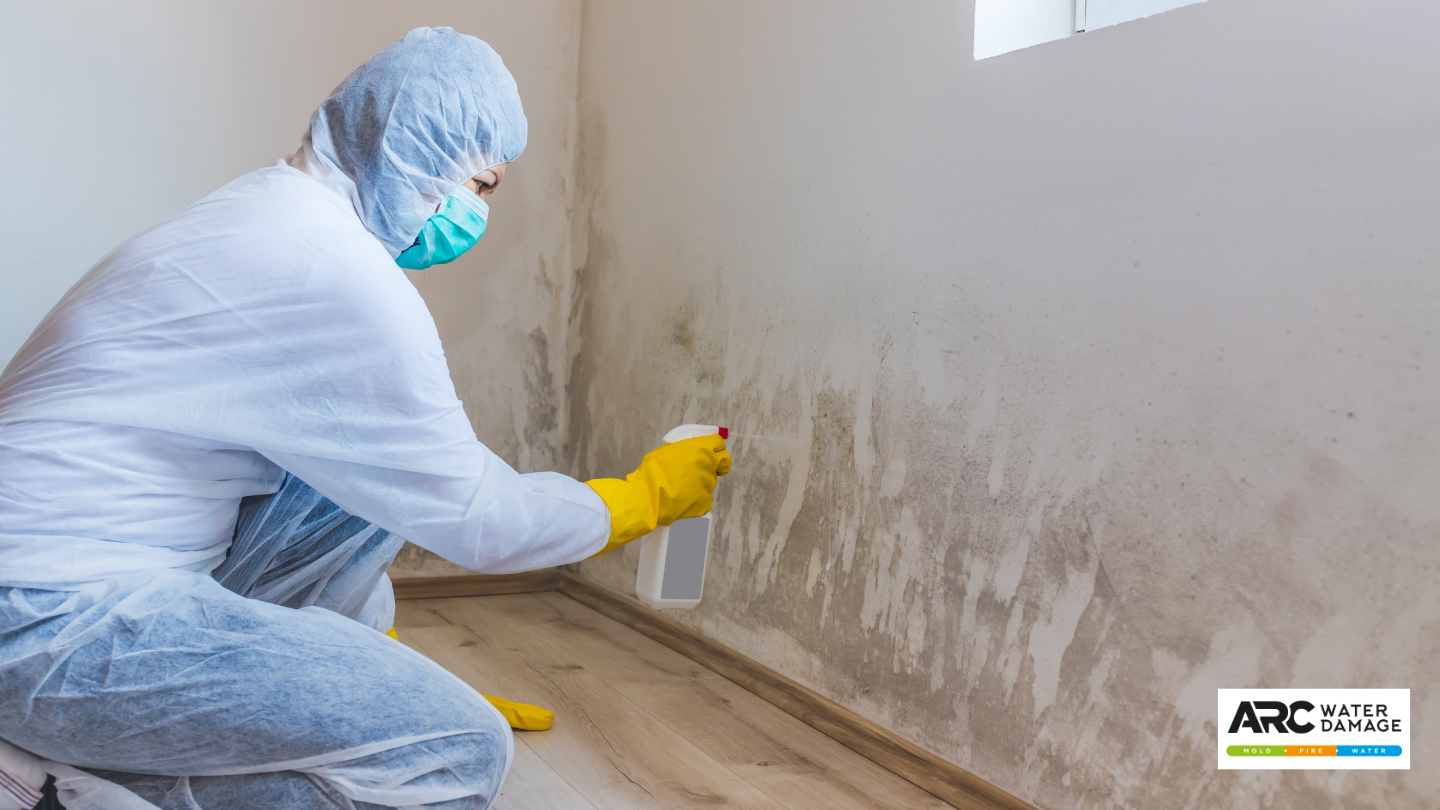
Emergency Water Damage Can Escalate Fast; Immediate Action Matters
Water emergencies can go from stressful to devastating in a matter of hours. Whether it’s a burst pipe, overflowing appliance, storm flooding, or sewage backup, water spreads quickly through walls, flooring, insulation, and structural materials. The longer the water sits, the greater the risk of severe property damage, mold growth, and costly repairs.
Fast emergency water damage restoration helps stop the damage before it gets worse. With immediate response, professional-grade drying equipment, and proven restoration methods, the affected areas can be extracted, dried, sanitized, and restored as quickly as possible. Acting fast not only protects your property, but it can also help reduce restoration costs and minimize disruption to your home or business.
At ARC Water Damage, our team responds quickly to emergency water damage situations and guides you through the entire restoration process from start to finish. We work efficiently, communicate clearly, and help coordinate with your insurance company to keep the process moving smoothly.
If you’re dealing with emergency water damage, don’t wait. Call ARC Water Damage today at (877) 437-9225 for immediate emergency water damage restoration and rapid response service.
DisclaimerThe information provided on this website is for general informational and educational purposes only and is not intended to serve as professional restoration, environmental, or insurance advice. Every water, fire, or mold damage situation is unique, and you should consult with a qualified restoration professional regarding your specific property and conditions. Do not take action or delay action based solely on the content of this website without seeking appropriate professional guidance.While we strive to provide accurate and up-to-date information, restoration methods, safety standards, and industry practices may change over time. The content on this website may not reflect the most current procedures or recommendations. ARC Water Damage makes no guarantees regarding outcomes based on the use of this information.By using this website, you agree that ARC Water Damage is not liable for any actions taken or not taken based on the information provided, to the fullest extent permitted by law.