
What Health Risks Require Immediate Mold Remediation?
Mold is more than an unsightly stain on walls or ceilings. It is a living fungus that thrives in damp, humid environments and reproduces by releasing microscopic spores into the air. While small amounts of mold are common indoors and outdoors, significant mold growth inside a home or commercial building can quickly become a serious health concern. People exposed to mold spores may experience a wide range of symptoms, from mild allergies and skin irritation to severe respiratory complications that require medical attention.
The danger is not limited to visible mold. Mold often grows behind walls, beneath flooring, inside HVAC systems, under carpets, or in areas affected by plumbing leaks and flooding. Because mold colonies can remain hidden while continuously releasing spores, many individuals may unknowingly experience prolonged exposure.
Certain groups—including infants, older adults, pregnant women, individuals with asthma, people with weakened immune systems, and those with chronic lung disease—face a significantly higher risk of developing health complications from mold exposure. In these situations, delaying remediation allows mold colonies to continue expanding, increasing both the health risks and the cost of restoration.
Professional mold remediation addresses more than simply removing visible mold. It identifies the moisture source, contains contaminated areas, safely removes affected materials, cleans the air, disinfects surfaces when appropriate, and helps prevent future growth.
Understanding which health risks require immediate mold remediation enables homeowners and property managers to respond before minor exposure becomes a major health emergency.
Key Takeaways
Mold releases airborne spores that can negatively affect indoor air quality.
Respiratory symptoms are among the most common health problems associated with mold exposure.
Individuals with asthma or allergies often experience worsening symptoms around mold.
Mold exposure may contribute to chronic sinus infections and persistent coughing.
People with weakened immune systems face increased risks of serious fungal infections.
Infants, seniors, and pregnant individuals require additional protection from mold exposure.
Hidden mold can continue spreading even when no visible growth is present.
Professional mold remediation removes contamination while preventing spores from spreading throughout the building.
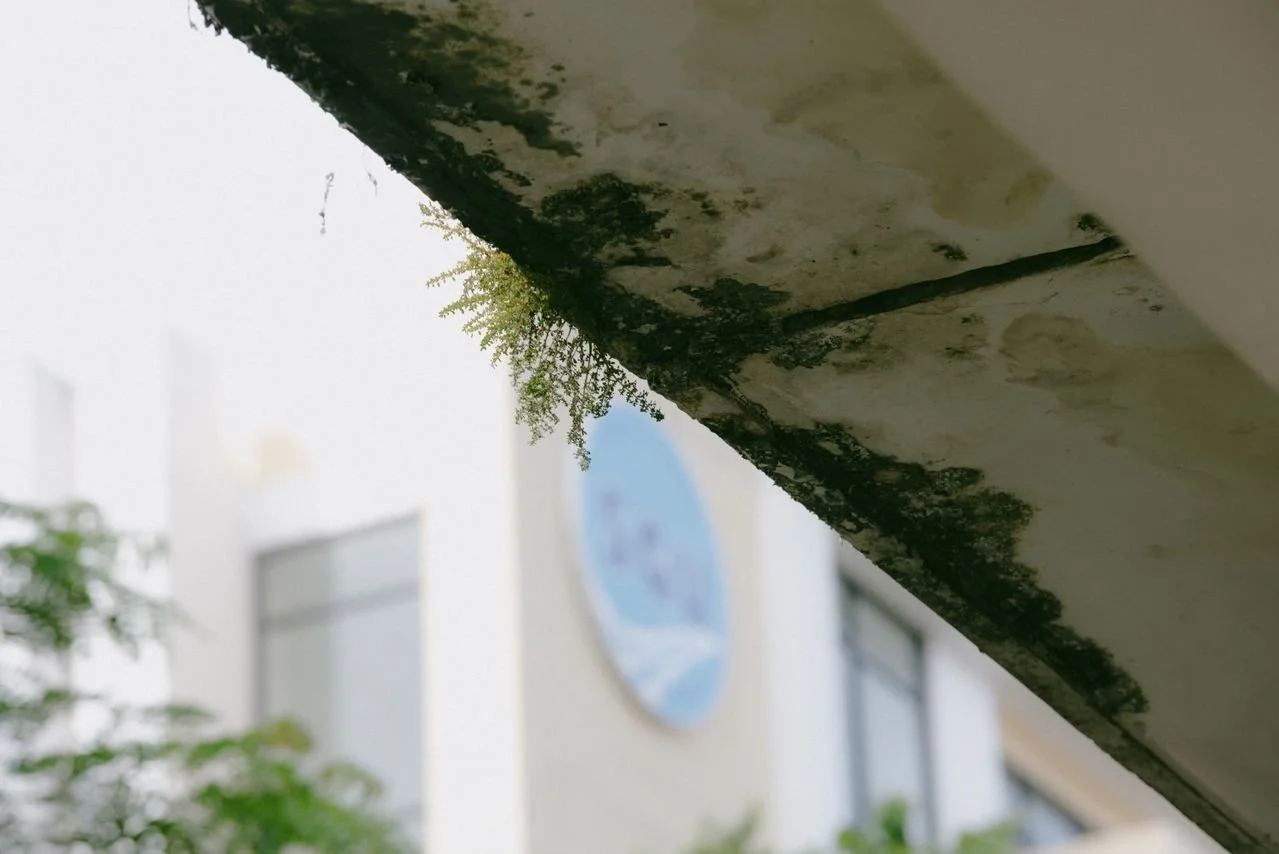
Why Mold Can Become A Serious Health Hazard
Many people assume mold is only a cosmetic issue. In reality, mold continuously produces microscopic spores that become airborne and circulate throughout a building. Every time someone walks across contaminated carpet, turns on an HVAC system, or opens a mold-contaminated room, additional spores may enter the air.
Indoor mold thrives wherever moisture remains for extended periods. Roof leaks, burst pipes, overflowing appliances, flooding, condensation, and poor ventilation all create ideal conditions for mold growth. Once colonies become established, they often spread into porous materials such as drywall, insulation, ceiling tiles, wood framing, and carpeting.
Exposure affects people differently. While some individuals experience only mild allergy symptoms, others develop severe respiratory problems after relatively short exposure. The severity depends on several factors, including:
Duration of exposure
Concentration of airborne spores
Existing medical conditions
Age
Overall immune health
Type of mold present
Indoor ventilation
Immediate remediation becomes especially important whenever occupants begin experiencing health symptoms linked to indoor mold.
Respiratory Problems That Require Immediate Mold Remediation
Respiratory problems are among the most common reasons homeowners discover they have a mold issue. Because mold reproduces by releasing microscopic spores into the air, the respiratory system is often the first part of the body affected. Every breath taken inside a mold-contaminated building can expose occupants to airborne spores, fungal fragments, and other particles that may irritate the nose, throat, and lungs. While some people experience only mild discomfort, others may develop persistent respiratory symptoms that interfere with daily life.
The severity of these symptoms depends on several factors, including the amount of mold present, the length of exposure, the individual's age, and any existing respiratory or immune conditions. People with asthma, chronic obstructive pulmonary disease (COPD), allergies, or weakened immune systems are generally more susceptible to mold-related respiratory issues. Even healthy individuals, however, may develop symptoms after prolonged exposure to elevated mold spore levels.
One concerning aspect of mold exposure is that symptoms often improve when a person leaves the contaminated environment, only to return after spending time indoors again. This pattern can make it difficult to recognize mold as the underlying cause. In homes with hidden moisture damage, mold may continue growing behind walls, beneath flooring, inside ceilings, or within HVAC systems, allowing spores to circulate throughout the building without obvious visible signs.
Ignoring respiratory symptoms associated with mold can allow the contamination to spread further, increasing both health risks and remediation costs. Professional mold remediation removes the source of airborne spores, identifies and corrects moisture problems, and restores healthier indoor air quality. If coughing, wheezing, or breathing difficulties coincide with visible mold growth, water damage, or persistent musty odors, immediate evaluation and remediation are strongly recommended.
Persistent Coughing
A cough that lasts for several weeks without an obvious explanation may be one of the earliest signs of ongoing mold exposure. Airborne mold spores can irritate the delicate lining of the throat and respiratory tract, causing inflammation that triggers repeated coughing. For some individuals, the cough remains dry and irritating, while others may experience frequent throat clearing or increased mucus production. These symptoms often become more noticeable after spending extended periods inside a mold-contaminated building.
Common signs associated with mold-related coughing include:
Dry, persistent cough
Frequent throat clearing
Nighttime coughing that disrupts sleep
Symptoms that worsen indoors
Noticeable improvement after leaving the affected property
Mild throat irritation or hoarseness
Because coughing is a symptom shared by many illnesses, mold exposure may not immediately be suspected. However, if the cough repeatedly improves during vacations, weekends away from home, or time spent outdoors and returns shortly after re-entering the building, poor indoor air quality should be investigated.
Persistent coughing should never be ignored, particularly when accompanied by water damage, visible mold, or musty odors. Simply treating the cough without addressing the environmental source allows continued exposure to airborne spores. Professional mold remediation removes contaminated materials when necessary, improves air quality through HEPA filtration, and corrects the moisture conditions that allowed mold to develop. Eliminating the source of contamination is often an important step toward reducing ongoing respiratory irritation and creating a healthier indoor environment.
Wheezing And Shortness Of Breath
Wheezing and shortness of breath are more serious respiratory symptoms that may occur when mold spores irritate and inflame the airways. In susceptible individuals, exposure can trigger narrowing of the bronchial passages, making breathing feel labored or uncomfortable. People with asthma, allergies, COPD, or other chronic lung conditions often notice these symptoms sooner and may experience more severe reactions than those without underlying respiratory disease.
Individuals exposed to indoor mold may experience:
Chest tightness
Difficulty taking deep breaths
Wheezing or whistling sounds while breathing
Increased use of rescue inhalers
Reduced exercise tolerance
Feeling short of breath during routine activities
Respiratory discomfort that worsens indoors
For people with asthma, mold is a well-recognized environmental trigger that can increase both the frequency and severity of asthma attacks. Even those without a prior history of asthma may experience temporary airway irritation after prolonged exposure to elevated levels of mold spores.
If wheezing or breathing difficulty develops suddenly, becomes severe, or is accompanied by chest pain, bluish lips, or significant difficulty breathing, immediate medical attention should be sought. Once urgent medical needs have been addressed, identifying and eliminating the environmental source becomes equally important.
Professional mold remediation helps reduce continued exposure by safely containing contaminated areas, removing mold-infested materials when necessary, cleaning affected surfaces, using HEPA air filtration to capture airborne spores, and correcting the moisture problem responsible for mold growth. Addressing mold promptly not only protects the building but also supports healthier indoor air and helps reduce ongoing respiratory stress for everyone living or working inside.
Mold Can Trigger Severe Allergic Reactions
Mold is one of the most common indoor allergens, and exposure to its microscopic spores can trigger a variety of allergic reactions. When mold spores become airborne, they can be inhaled or come into contact with the eyes and skin, prompting the body's immune system to respond. For people who are sensitive to mold, even relatively low levels of exposure may cause uncomfortable symptoms. With repeated or prolonged exposure, these reactions can become more frequent and, in some cases, more severe.
Unlike allergies that occur only during certain seasons, mold-related allergies can persist year-round if mold is growing indoors. This means occupants may experience ongoing symptoms every day they spend in a contaminated environment. Moisture problems such as roof leaks, plumbing failures, flooding, or high indoor humidity allow mold colonies to continue growing and releasing spores into the air. As the contamination spreads, the concentration of airborne allergens often increases, potentially worsening symptoms over time.
People with a personal or family history of allergies, asthma, or eczema are generally more susceptible to mold-related allergic reactions. However, anyone can develop sensitivity after repeated exposure. Identifying the environmental source is essential because allergy medications may only provide temporary symptom relief while mold continues to grow. Professional mold remediation removes the mold, addresses the underlying moisture problem, and helps improve indoor air quality, reducing ongoing exposure to airborne allergens.
Sneezing And Nasal Congestion
Sneezing and nasal congestion are among the earliest and most common signs of mold-related allergies. When airborne mold spores enter the nasal passages, they can irritate the lining of the nose and sinuses, triggering an immune response similar to that caused by pollen or dust mites. As inflammation develops, the body produces excess mucus and histamines, leading to persistent allergy symptoms that may interfere with daily activities and sleep.
Common symptoms include:
Constant sneezing
Runny nose
Blocked or congested sinuses
Itchy nose
Postnasal drip
Frequent throat clearing
Sinus pressure or facial discomfort
One characteristic feature of mold-related allergies is that symptoms often improve after leaving the contaminated building and return upon re-entering it. Individuals may notice they feel better while at work, on vacation, or spending time outdoors, only to experience congestion and sneezing again after returning home. This pattern can be an important clue that indoor mold is contributing to the problem.
While over-the-counter allergy medications may temporarily reduce symptoms, they do not eliminate the source of exposure. Professional mold remediation identifies hidden mold growth, safely removes contaminated materials when necessary, and corrects moisture issues that allow mold to thrive. By eliminating the underlying cause, remediation helps reduce recurring allergic reactions and promotes healthier indoor air.
Itchy Eyes And Skin Irritation
In addition to affecting the respiratory system, mold exposure can also irritate the eyes and skin. Airborne spores and mold allergens may come into direct contact with the eyes, causing inflammation and discomfort, while skin contact with mold-contaminated surfaces or airborne particles can trigger allergic skin reactions in sensitive individuals. These symptoms may become increasingly noticeable with ongoing exposure, particularly in damp indoor environments where mold continues to spread.
People commonly report:
Watery eyes
Red or bloodshot eyes
Burning or stinging sensations
Itchy eyes
Skin rashes
Persistent itching
Dry, flaky skin patches
Mild swelling or irritation
Eye irritation caused by mold may make it difficult to wear contact lenses comfortably or spend long periods indoors. Similarly, skin reactions can resemble eczema or other allergic conditions, making it challenging to determine the underlying cause without considering environmental factors.
If these symptoms consistently improve after leaving the building and return when indoors, hidden mold contamination should be investigated. Professional mold remediation reduces airborne mold spores through proper containment, HEPA air filtration, safe removal of contaminated materials, and correction of moisture problems. By addressing the source rather than simply managing symptoms, remediation helps minimize repeated allergic reactions and supports a cleaner, healthier indoor environment.
Asthma Attacks May Become More Frequent
Individuals with asthma often experience significant worsening of symptoms when exposed to mold.
Even relatively small mold colonies may trigger airway inflammation.
Increased Asthma Symptoms
Watch for:
Frequent wheezing
Nighttime asthma
Increased inhaler use
Chest tightness
Shortness of breath
Reduced lung function
Children with asthma are particularly vulnerable.
Emergency Asthma Episodes
Severe mold exposure can contribute to asthma attacks requiring emergency treatment.
Signs include:
Difficulty speaking
Rapid breathing
Blue lips
Severe wheezing
Extreme chest tightness
Removing mold promptly helps reduce environmental triggers that contribute to asthma flare-ups.
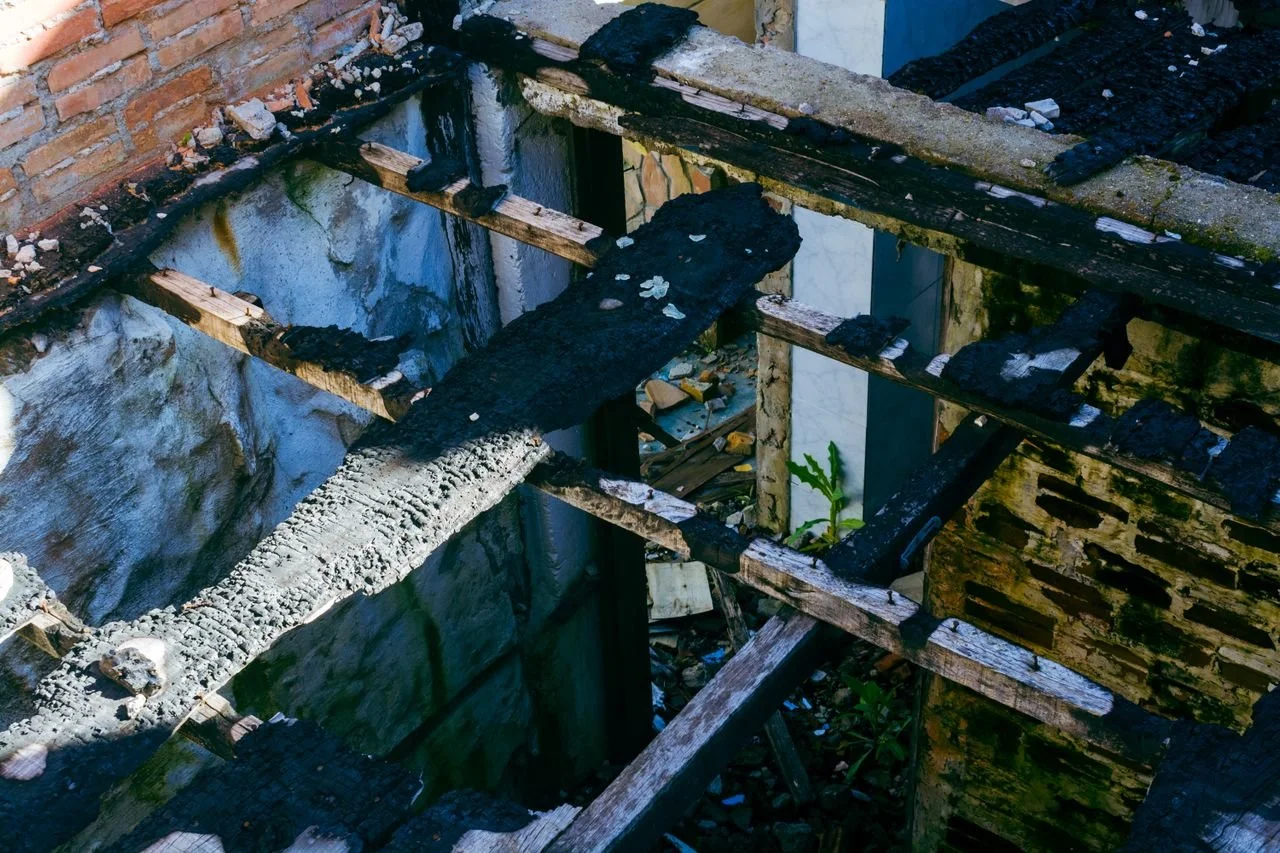
Chronic Sinus Infections May Be Linked To Mold
Repeated sinus infections sometimes occur when individuals live or work in mold-contaminated buildings.
Spores irritate nasal tissues and promote ongoing inflammation.
Persistent Sinus Pressure
Symptoms may include:
Facial pain
Pressure around the eyes
Thick nasal drainage
Headaches
Congestion lasting weeks
If symptoms repeatedly return after treatment, environmental mold should be investigated.
Ongoing Postnasal Drip
Inflamed sinus passages produce excess mucus.
Many people experience:
Constant throat clearing
Chronic sore throat
Bad breath
Coughing after lying down
Professional remediation helps eliminate the underlying environmental irritant.
Mold Can Be Dangerous For People With Weakened Immune Systems
While mold exposure can affect anyone, individuals with weakened immune systems face a much greater risk of developing serious health complications. A healthy immune system can usually defend against many of the fungal spores encountered in everyday environments. However, when the body's natural defenses are compromised, mold spores may be more likely to cause infections or worsen existing medical conditions.
People with weakened immune systems often include those undergoing cancer treatment, organ transplant recipients, individuals taking long-term immunosuppressive medications, and people living with certain chronic illnesses that affect immune function. For these individuals, even relatively low levels of indoor mold may present a greater health concern than they would for the general population.
Because mold spores are microscopic and easily become airborne, exposure can occur simply by breathing contaminated indoor air. Hidden mold growing behind walls, inside ceilings, beneath flooring, or within HVAC systems can continuously release spores without being immediately visible. This makes prompt identification and professional remediation especially important in homes occupied by medically vulnerable individuals.
Professional mold remediation not only removes existing mold growth but also addresses the moisture source that allowed the mold to develop. By safely containing contaminated areas, using HEPA air filtration, removing affected materials when necessary, and preventing future mold growth, remediation helps create a healthier indoor environment for those whose immune systems may not be able to effectively protect them from fungal exposure.
Cancer Patients
Many cancer patients undergo treatments such as chemotherapy, radiation therapy, or certain targeted therapies that can temporarily weaken the immune system. During this period, the body becomes less effective at fighting bacteria, viruses, and fungi, including mold. As a result, exposure to mold-contaminated environments may increase the risk of developing infections that healthy individuals might never experience.
Potential concerns for cancer patients include:
Increased susceptibility to fungal infections
Greater risk of respiratory complications
Prolonged recovery from illness
Worsening of existing respiratory symptoms
Increased vulnerability during periods of low white blood cell counts
Although not every cancer patient will experience complications from mold exposure, healthcare providers generally recommend minimizing unnecessary exposure to mold, especially during active treatment. Homes affected by water damage, flooding, or visible mold growth should be evaluated promptly to reduce potential health risks.
Professional mold remediation removes mold safely while limiting the spread of airborne spores throughout the property. This helps reduce ongoing exposure and supports a cleaner indoor environment for individuals receiving cancer treatment.
Organ Transplant Recipients
Organ transplant recipients typically take immunosuppressive medications for the rest of their lives to prevent the body from rejecting the transplanted organ. While these medications are essential for protecting the transplant, they also reduce the body's ability to fight infections, including those caused by certain types of fungi.
For transplant recipients, prolonged exposure to indoor mold may increase the likelihood of respiratory illness or more serious fungal infections. Healthcare providers often advise avoiding environments with visible mold growth, musty odors, water damage, or ongoing moisture problems whenever possible.
Important precautions include:
Addressing water leaks immediately
Avoiding buildings with visible mold contamination
Maintaining proper indoor humidity levels
Having water-damaged areas professionally inspected
Scheduling prompt mold remediation when contamination is discovered
Professional mold remediation is especially valuable because it follows procedures designed to minimize the spread of mold spores during cleanup. Containment barriers, HEPA air filtration, safe removal of contaminated materials, and moisture correction all help reduce unnecessary exposure. For organ transplant recipients and others with weakened immune systems, promptly addressing mold contamination can play an important role in maintaining a healthier living environment and reducing avoidable health risks.
Mold Exposure Can Affect Infants And Young Children
Young children breathe more rapidly than adults and have developing immune systems.
As a result, mold exposure may affect them more quickly.
Increased Respiratory Illness
Children exposed to indoor mold may experience:
Frequent colds
Persistent coughing
Wheezing
Ear infections
Bronchitis
Sleep disruption
Reducing mold exposure supports healthier indoor air.
Higher Allergy Risk
Some research suggests prolonged exposure during early childhood may contribute to the development of allergies and asthma in susceptible children.
Professional remediation removes contamination before exposure continues.
Older Adults Face Greater Health Risks
The immune system naturally changes with age.
Older adults often have chronic medical conditions that increase sensitivity to poor indoor air quality.
Existing Lung Disease
Individuals with:
COPD
Emphysema
Chronic bronchitis
may experience worsening symptoms from mold exposure.
Slower Recovery
Older adults frequently require more time to recover from respiratory infections.
Reducing mold exposure supports healthier indoor environments and may help minimize additional respiratory stress.
Mold May Cause Persistent Fatigue And General Discomfort
Although respiratory symptoms are the most recognized effects of mold exposure, some individuals also report ongoing fatigue, headaches, and difficulty concentrating when spending extended periods in mold-contaminated environments. Poor indoor air quality can contribute to discomfort that interferes with work, school, and daily activities.
Frequent Headaches
People exposed to mold may experience recurring headaches that seem worse indoors and improve after leaving the affected building. These headaches may be accompanied by nasal congestion, sinus pressure, or eye irritation, making them difficult to distinguish from allergy-related discomfort.
When headaches persist alongside visible mold growth or recent water damage, it is wise to investigate the property for hidden contamination. Professional remediation helps remove the environmental conditions contributing to poor indoor air quality.
Fatigue And Difficulty Concentrating
Continuous exposure to allergens and respiratory irritants can affect sleep quality and overall well-being. Individuals may report:
Feeling unusually tired
Difficulty focusing
Poor sleep due to coughing or congestion
Reduced productivity
General feelings of discomfort while indoors
Although these symptoms may have many possible causes, addressing mold contamination can be an important step toward improving the indoor environment and supporting occupant health.
Hidden Mold Can Continue Increasing Health Risks
One of the greatest dangers of mold is that significant growth often remains concealed behind finished surfaces. Even if only a small patch is visible, much larger colonies may exist inside wall cavities, beneath flooring, behind cabinets, or within insulation.
Signs Mold May Be Hidden
Hidden mold should be suspected when occupants notice:
Persistent musty odors
Water stains on ceilings or walls
Bubbling paint
Peeling wallpaper
Warped flooring
Recent flooding or plumbing leaks
Recurring allergy symptoms indoors
Because spores spread through the air, hidden colonies may affect indoor air quality throughout the home.
Why DIY Cleanup May Not Be Enough
Cleaning visible mold with household cleaners often addresses only the surface growth. Without identifying the moisture source and safely removing contaminated materials, mold can quickly return. Improper cleaning may also disturb colonies, releasing additional spores into the air.
Professional mold remediation includes moisture detection, containment, specialized air filtration, removal of heavily contaminated materials when necessary, thorough cleaning, and post-remediation verification to help ensure the problem has been effectively addressed.
Conclusion
Mold is far more than a cosmetic issue. It can negatively affect indoor air quality and contribute to a wide range of health problems, including persistent coughing, allergy symptoms, asthma flare-ups, chronic sinus irritation, skin reactions, and complications for individuals with weakened immune systems. Infants, older adults, and people with existing respiratory conditions are particularly vulnerable to prolonged mold exposure.
Because mold often grows in hidden areas, delaying action allows colonies to expand and release additional airborne spores throughout the building. The longer contamination remains, the greater the potential impact on occupant health and the more extensive restoration may become.
Professional mold remediation goes beyond cleaning visible mold. By locating moisture sources, containing affected areas, removing contaminated materials, filtering airborne spores, and correcting the conditions that allowed mold to grow, trained professionals help restore a healthier indoor environment. Addressing mold promptly protects both the property and the well-being of everyone who lives or works inside.
Frequently Asked Questions
1. When Should Mold Be Removed Immediately?
Immediate remediation is recommended when mold growth is extensive, follows water damage or flooding, produces strong musty odors, or is associated with worsening respiratory symptoms, allergy flare-ups, or asthma attacks.
2. Can Mold Make Asthma Worse?
Yes. Mold spores are a common asthma trigger and may increase wheezing, coughing, chest tightness, and the frequency of asthma attacks in sensitive individuals.
3. Who Is Most At Risk From Mold Exposure?
Infants, older adults, people with asthma or allergies, individuals with chronic lung disease, pregnant individuals, and those with weakened immune systems are generally more vulnerable to mold-related health effects.
4. Is Visible Mold The Only Concern?
No. Mold frequently grows behind walls, beneath flooring, inside insulation, and within HVAC systems. Hidden mold can continue releasing spores even when little or no growth is visible.
5. Can I Clean The Mold Myself?
Small areas of surface mold may sometimes be cleaned safely, but larger infestations, mold caused by water damage, or mold hidden within building materials typically require professional remediation to prevent spores from spreading and to address the underlying moisture problem.
6. How Does Professional Mold Remediation Improve Indoor Air Quality?
Professionals use containment barriers, HEPA air filtration, safe removal techniques, specialized cleaning methods, and moisture control measures to reduce airborne mold spores and help prevent future growth.
7. How Can I Prevent Mold From Returning?
Preventive measures include repairing leaks promptly, controlling indoor humidity, improving ventilation, drying water-damaged materials quickly, maintaining HVAC systems, and scheduling professional inspections after significant water damage.
————————————————————————————————
Mold Can Spread Quickly; Professional Remediation Makes The Difference
A mold problem can spread quickly and become a serious issue for both your property and your health. Whether it's caused by a recent water leak, flooding, high humidity, or hidden moisture behind walls, mold can grow within 24 to 48 hours and continue spreading if left untreated. The longer mold remains, the greater the risk of structural damage, unpleasant odors, poor indoor air quality, and costly repairs.
Professional mold remediation helps eliminate mold at its source and prevents it from returning. Using specialized equipment and proven remediation techniques, affected areas are carefully inspected, contained, cleaned, and treated to restore a safe and healthy environment. Taking action early can help protect your property, improve indoor air quality, and reduce the extent of the damage.
At ARC Water Damage, our experienced team responds quickly to mold concerns and guides you through every step of the remediation process. We work efficiently, communicate clearly, and coordinate with your insurance company whenever possible to help make the process as smooth and stress-free as possible.
If you suspect mold in your home or business, don't wait for the problem to get worse. Call ARC Water Damage today at (877) 437-9225 for professional mold remediation and fast, reliable service.
DisclaimerThe information provided on this website is for general informational and educational purposes only and is not intended to serve as professional restoration, environmental, or insurance advice. Every water, fire, or mold damage situation is unique, and you should consult with a qualified restoration professional regarding your specific property and conditions. Do not take action or delay action based solely on the content of this website without seeking appropriate professional guidance.While we strive to provide accurate and up-to-date information, restoration methods, safety standards, and industry practices may change over time. The content on this website may not reflect the most current procedures or recommendations. ARC Water Damage makes no guarantees regarding outcomes based on the use of this information.By using this website, you agree that ARC Water Damage is not liable for any actions taken or not taken based on the information provided, to the fullest extent permitted by law.