
How Long Does Mold Remediation Take In A Typical Home?
Mold is more than an unsightly stain on walls or ceilings. It is a living fungus that thrives in damp, humid environments and reproduces by releasing microscopic spores into the air. While small amounts of mold are common indoors and outdoors, significant mold growth inside a home or commercial building can quickly become a serious health concern. People exposed to mold spores may experience a wide range of symptoms, from mild allergies and skin irritation to severe respiratory complications that require medical attention.
The danger is not limited to visible mold. Mold often grows behind walls, beneath flooring, inside HVAC systems, under carpets, or in areas affected by plumbing leaks and flooding. Because mold colonies can remain hidden while continuously releasing spores, many individuals may unknowingly experience prolonged exposure.
Certain groups—including infants, older adults, pregnant women, individuals with asthma, people with weakened immune systems, and those with chronic lung disease—face a significantly higher risk of developing health complications from mold exposure. In these situations, delaying remediation allows mold colonies to continue expanding, increasing both the health risks and the cost of restoration.
Professional mold remediation addresses more than simply removing visible mold. It identifies the moisture source, contains contaminated areas, safely removes affected materials, cleans the air, disinfects surfaces when appropriate, and helps prevent future growth.
Understanding which health risks require immediate mold remediation enables homeowners and property managers to respond before minor exposure becomes a major health emergency.
Key Takeaways
Mold releases airborne spores that can negatively affect indoor air quality.
Respiratory symptoms are among the most common health problems associated with mold exposure.
Individuals with asthma or allergies often experience worsening symptoms around mold.
Mold exposure may contribute to chronic sinus infections and persistent coughing.
People with weakened immune systems face increased risks of serious fungal infections.
Infants, seniors, and pregnant individuals require additional protection from mold exposure.
Hidden mold can continue spreading even when no visible growth is present.
Professional mold remediation removes contamination while preventing spores from spreading throughout the building.
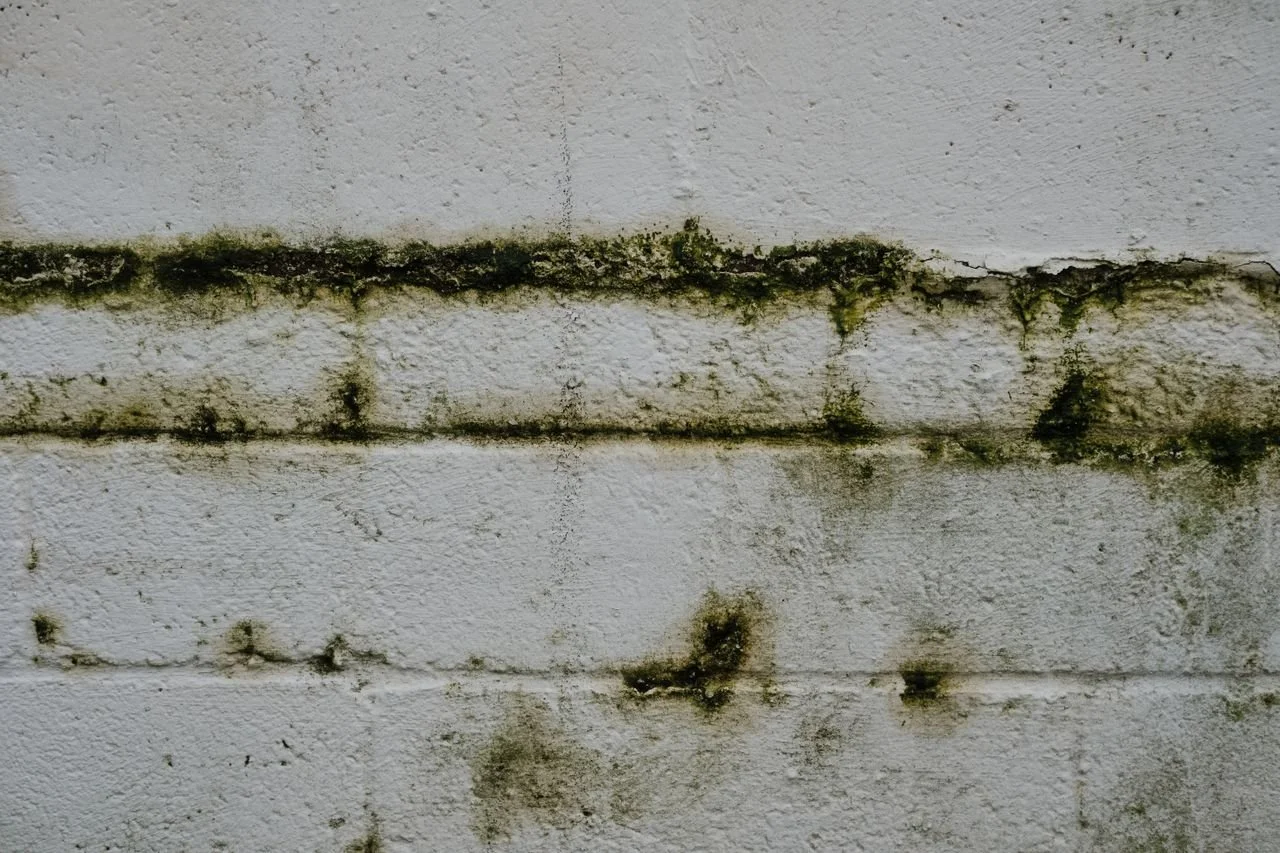
How Long Does Mold Remediation Take On Average
The EPA draws a fairly blunt line in its mold cleanup guidance: patches under 10 square feet, roughly a 3-foot by 3-foot section, are considered manageable without a professional crew, while anything larger warrants trained mold remediation services. That threshold, oddly enough, ends up shaping almost every timeline estimate in the industry, because contractors size up a job the same way.
Small-Scale Jobs Under 10 Square Feet
A moldy corner in a bathroom, a small patch behind the kitchen sink cabinet- that kind of contained problem usually takes one to two days to start to finish. No demolition, minimal containment, and often no need to relocate anyone. It's the kind of job where a remediation team shows up, treats the surface, verifies the area is dry, and leaves.
Medium-Scale Jobs Between 10 And 100 Square Feet
Once mold spreads across multiple rooms, or you're dealing with a crawl space that's been damp for months, expect three to five days. This is where containment barriers actually matter, where negative air pressure gets set up, and where a professional cleaning regimen replaces the simple wipe-down approach used on smaller jobs.
Large-Scale Jobs Over 100 Square Feet
Here's where things get genuinely disruptive. Systemic mold growth, contamination inside HVAC systems, or an infestation tied to a burst pipe from six months ago- these situations run one to two weeks minimum, and severe cases involving structural rebuilding can push past that. I've seen homeowners assume this stage only affects "old houses," which isn't true. New construction with a botched vapor barrier can land here just as easily.
What Are The Steps In The Mold Remediation Process
Every legitimate remediation process follows a sequence, and skipping steps is usually how mold ends up coming back six months later.
Assessment and moisture mapping - Technicians use moisture meters and sometimes air or surface sampling to figure out exactly how far the contamination spreads, often well beyond what's visible.
Containment setup - Plastic sheeting and negative air machines seal off the affected area so spores don't hitch a ride into the rest of the house.
Material removal and cleaning - Contaminated drywall, insulation, and carpet get torn out, while salvageable surfaces go through HEPA vacuuming and antimicrobial treatments.
Drying and post-testing - Commercial dehumidifiers bring humidity down below 50%, and a third-party clearance test confirms the space is safe before anyone moves back in.
Assessment And Moisture Mapping
This phase typically takes one to two days, and honestly, it's the part people rush the most. Moisture mapping isn't just poking a wall with a meter. It's tracing where water traveled, which in older homes can mean checking three rooms away from where the stain actually shows up.
Containment Setup
Usually a single day. Barriers go up, air scrubbers get positioned, and the goal is simple: keep spores from migrating into rooms that were never contaminated in the first place.
Material Removal And Cleaning
This stretch runs one to three days depending on how much porous material has to go. Drywall, carpet padding, and unfinished wood framing generally can't be saved once mold gets into the fibers, according to guidance published in the EPA's mold remediation guide for schools and commercial buildings, which lays out cleaning timeframes contractors still reference for residential jobs.
Drying And Post-Testing
Final phase, one to two days. Dehumidifiers run continuously, and a clearance test, often involving a lab turnaround time similar to what's described in guidance on mold testing timelines, confirms spore counts have returned to a normal baseline before anyone signs off.
What Factors Extend Or Shorten Remediation Time
Size And Location Of The Mold Infestation
Obvious on paper, less obvious in practice. Mold behind a wall takes longer to address than mold on a bathroom ceiling, even if the square footage looks similar, because accessing it means opening up a structure you can't see into otherwise.
Whether The Moisture Source Has Been Fixed
This is the one people skip, and it's the one that matters most. If the roof leak or plumbing failure hasn't been repaired before remediation starts, you're not fixing a problem; you're renting a temporary fix. Crews sometimes pause mid-project specifically to wait on a plumber, which adds days nobody budgeted for.
Structural Damage And Rebuild Requirements
Severe cases involving rotted framing or saturated subfloor push a project from "remediation" into "restoration," and that second phase is variable, sometimes adding one to two weeks on top of the original cleanup timeline.
Is It Normal To Leave Your Home During Remediation
Yes. In some cases, temporarily leaving your home during remediation is completely normal and is recommended for safety reasons. This is especially true if the project involves volatile chemicals, significant dust generation, or containment barriers that block access to essential living spaces. Temporary relocation is often a health precaution rather than a tactic to increase project costs.
The key is communication. A reputable remediation contractor should clearly explain why leaving the home is necessary and provide a written plan outlining:
The scope of the containment area
The air filtration and dust-control methods being used
The estimated timeline for the project
When it is safe to return to the home
Whether any post-remediation inspection or clearance testing will be performed
A professional contractor should be able to answer your questions confidently and explain the reasoning behind every safety recommendation. If you're simply told to leave without a clear explanation or written timeline, it's reasonable to ask for more details before agreeing to the work.
Temporary relocation should never come as a surprise. Clear communication, proper containment procedures, and a documented re-entry plan help ensure the remediation process protects both your property and your family's health.
How Can You Tell A Remediation Quote Is Reasonable
Mold remediation costs can vary significantly depending on the extent of contamination, the affected materials, and the complexity of the cleanup. While some projects genuinely require extensive containment and reconstruction, others may be overpriced or include unnecessary services. Knowing what to look for in a remediation estimate can help you distinguish a fair proposal from one that inflates costs without adding value.
A reasonable remediation quote should provide a detailed, itemized breakdown rather than a single lump-sum price. Look for separate costs covering labor, containment materials, personal protective equipment (PPE), HEPA air scrubbers, dehumidifiers, antimicrobial treatments (when appropriate), debris removal, and disposal fees. If structural repairs are necessary, those costs should also be clearly identified instead of being bundled into the remediation work.
The scope of work should explain exactly what areas will be treated, how contamination will be contained, which materials will be removed or cleaned, and what procedures will be used to prevent mold spores from spreading to unaffected areas. Reputable contractors also explain why each step is necessary rather than relying on vague descriptions.
It's also important to verify that the estimate addresses the underlying moisture problem. Effective mold remediation is not simply about removing visible mold—it must also identify and correct the source of water intrusion or excess humidity. Without moisture control, mold is likely to return regardless of how thorough the cleanup appears.
Be cautious of companies that make unrealistic promises, such as guaranteeing "complete mold elimination" after a single visit or claiming mold will never return. Because mold spores naturally exist in indoor and outdoor environments, no contractor can honestly promise to eliminate every spore. Instead, reputable professionals aim to return mold levels to normal indoor conditions and verify that remediation was successful.
Post-remediation verification is another sign of a professional estimate. Many quality remediation projects include final inspections and, when appropriate, independent clearance testing or air and surface sampling to confirm that the remediation was effective. While not every project requires laboratory testing, more extensive remediation jobs often benefit from third-party verification for added confidence.
Finally, don't hesitate to obtain multiple quotes for larger projects. Comparing estimates allows you to evaluate differences in scope, equipment, timelines, and warranty coverage—not just the final price. The lowest bid isn't always the best value, but neither is the most expensive. A reasonable quote is transparent, detailed, addresses the moisture source, and clearly explains every step required to restore the affected area safely and effectively.
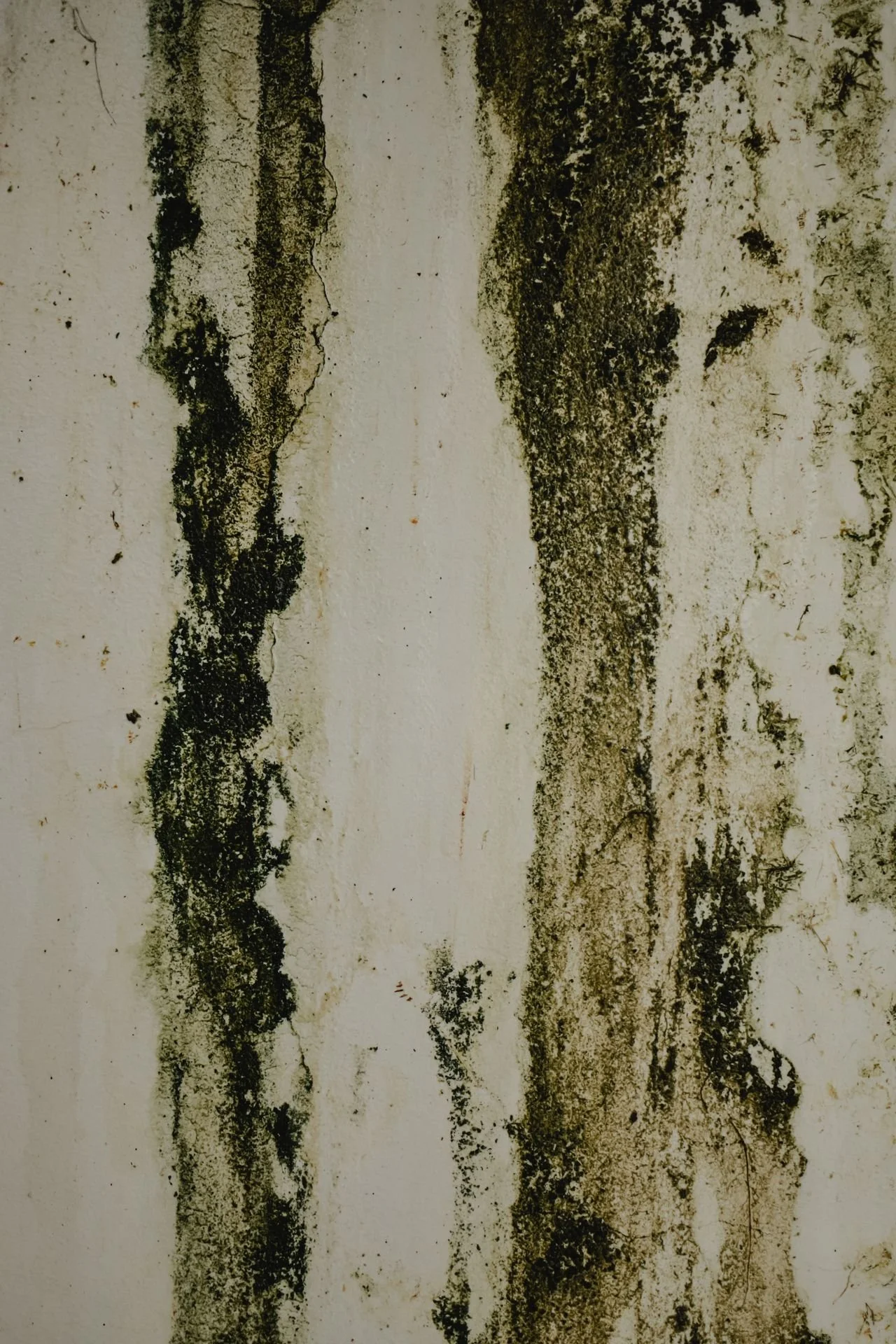
How Is Attic Mold Remediation Different From Other Areas
Attic mold remediation differs from remediation in living spaces because the conditions that allow mold to grow are often hidden and tied to the home's roofing, insulation, and ventilation systems. Unlike bathrooms or basements, where moisture sources are usually easier to identify, attics can experience long-term humidity buildup from roof leaks, inadequate ventilation, condensation, or warm indoor air escaping through gaps in the ceiling. These issues may go unnoticed for months, allowing mold to spread across roof sheathing, rafters, and insulation before visible signs appear.
Because of these unique conditions, attic remediation involves more than simply removing mold. A thorough remediation plan should identify and correct the underlying moisture problem while preserving as much of the existing structure as possible. In many cases, localized mold growth can be addressed without removing the entire attic's insulation or replacing large sections of framing, provided the structural materials remain sound.
Common Causes Of Mold Growth In Attics
Understanding why mold developed is essential to preventing it from returning. Professional remediation contractors typically investigate several potential moisture sources before beginning cleanup.
Common causes include:
Roof leaks around shingles, flashing, or roof penetrations
Inadequate ridge, soffit, or gable ventilation
Bathroom or kitchen exhaust fans venting directly into the attic
Condensation caused by poor insulation or air leaks from living spaces
Ice dams in colder climates that allow water to enter the attic
High indoor humidity migrating upward through ceiling penetrations
Correcting these issues is just as important as removing the existing mold. Without moisture control, new mold growth can occur even after a successful remediation.
When Is Extensive Attic Restoration Actually Necessary?
Not every mold problem requires a complete attic demolition. While severe water damage, widespread structural deterioration, or heavily contaminated insulation may justify extensive restoration, many attic mold problems can be resolved with a more targeted approach.
A reputable contractor should explain why specific materials need to be removed and distinguish between mold remediation and unrelated upgrades. For example, replacing damaged insulation immediately surrounding contaminated areas may be appropriate, but removing all insulation or replacing the entire roof structure may not be necessary if those materials remain dry and structurally sound.
Before approving a costly proposal, ask for documentation showing:
The extent of mold contamination
The source of moisture causing the problem
Which materials are damaged beyond cleaning
Which materials can be safely cleaned and preserved
How ventilation or moisture control will be improved after remediation
Obtaining multiple estimates for larger attic remediation projects can also help determine whether the recommended scope of work is appropriate. A well-designed remediation plan focuses on removing mold, correcting the moisture source, improving attic ventilation, and preserving salvageable building materials whenever possible. This balanced approach often restores the attic effectively while avoiding unnecessary demolition and expense.
What Confirms Remediation Actually Worked
Testing. That's really the whole answer. Post-remediation clearance testing, comparing spore counts to a pre-established outdoor baseline, is the only objective way to confirm a job is done. Anecdotally, recurrence rates after improperly handled remediation run alarmingly high, with some restoration sources citing figures near 70% when the underlying moisture problem wasn't addressed. Verification isn't optional if you want confidence the fix will hold.
How Soon Can You Resume Normal Life After Remediation
Returning to your normal routine after mold remediation depends on the scope of the work and whether the affected area has successfully passed post-remediation inspection or clearance testing. In most cases, homeowners can safely reoccupy the space once the remediation contractor has removed containment barriers, completed cleanup, and confirmed that the indoor environment meets acceptable standards. For larger projects, your contractor may recommend waiting until all drying equipment has been removed and any remaining repairs have been completed.
It's normal for the home to feel different immediately after remediation. Air scrubbers, dehumidifiers, and cleaning agents may leave behind a temporary odor that gradually fades over the next several days. A mild musty or "freshly cleaned" smell alone does not necessarily indicate that mold is still present. However, strong or worsening odors should never be ignored, particularly if they return after periods of high humidity.
What To Expect During The First Week After Remediation
The first week is an important observation period. During this time, monitor the previously affected area for any signs that moisture problems may still exist. While the remediation process removes mold contamination, preventing future growth depends on keeping the area dry.
Watch for:
Persistent or worsening musty odors
New water stains or discoloration
Condensation on windows or walls
Damp carpets, flooring, or drywall
Rising indoor humidity levels
Visible mold growth returning in the same location
If any of these warning signs appear, contact your remediation contractor promptly for a follow-up inspection. Addressing minor moisture issues early is far less expensive than repeating a full remediation project.
Long-Term Habits That Help Prevent Mold From Returning
Successful mold remediation doesn't end when the cleanup crew leaves. The most effective way to keep mold from returning is to eliminate the moisture conditions that allowed it to grow in the first place.
Homeowners can reduce the risk of future mold problems by:
Keeping indoor relative humidity between 30% and 50% using air conditioning or dehumidifiers.
Repairing roof leaks, plumbing leaks, and foundation seepage as soon as they are discovered.
Improving ventilation in bathrooms, kitchens, laundry rooms, and crawl spaces.
Cleaning and maintaining gutters and downspouts so water drains away from the home's foundation.
Inspecting HVAC systems regularly and replacing filters according to manufacturer recommendations.
Drying water-damaged materials within 24 to 48 hours whenever possible.
Scheduling periodic inspections in areas with a history of moisture problems, such as basements, attics, and crawl spaces.
With proper moisture management and routine maintenance, most homes can remain mold-free long after remediation is complete. The remediation process removes existing contamination, but consistent prevention is what protects your home and indoor air quality for years to come.
Conclusion
Mold remediation in a typical home can take anywhere from one to five days for a straightforward cleanup, while projects involving extensive contamination, hidden moisture, or structural repairs may require one to three weeks or longer. The timeline depends on the size of the affected area, the severity of the mold growth, how quickly moisture problems can be resolved, and whether rebuilding is necessary after remediation.
Ultimately, the length of the project is less important than the quality of the work. Effective mold remediation is not simply about removing visible mold—it is about identifying and eliminating the underlying moisture source that allowed mold to develop in the first place. Without repairing leaks, improving drainage, or reducing humidity, mold is likely to return regardless of how thorough the cleanup appears.
Choosing an experienced remediation contractor who follows industry best practices, uses proper containment, verifies moisture levels, and performs post-remediation inspections can make all the difference. A detailed assessment, transparent project timeline, and careful verification of results provide greater peace of mind than promises of a quick fix. When the moisture problem is fully addressed and remediation is completed correctly, homeowners can restore a healthier indoor environment and significantly reduce the risk of future mold growth.
FAQ
1. Does Mold Remediation Always Require Professional Help?
Not for small patches under 10 square feet, per EPA guidance. Anything larger warrants trained crews given the risk of airborne spore spread.
2. Can I Stay Home During Small-Scale Remediation?
Usually yes, since containment for small jobs rarely extends beyond a single room.
3. Will Mold Remediation Remove All Traces Of Mold Permanently?
Only if the moisture source gets fixed. Remediation without source control is a temporary patch, not a permanent solution.
————————————————————————————————
Mold Can Spread Quickly; Professional Remediation Makes The Difference
A mold problem can spread quickly and become a serious issue for both your property and your health. Whether it's caused by a recent water leak, flooding, high humidity, or hidden moisture behind walls, mold can grow within 24 to 48 hours and continue spreading if left untreated. The longer mold remains, the greater the risk of structural damage, unpleasant odors, poor indoor air quality, and costly repairs.
Professional mold remediation helps eliminate mold at its source and prevents it from returning. Using specialized equipment and proven remediation techniques, affected areas are carefully inspected, contained, cleaned, and treated to restore a safe and healthy environment. Taking action early can help protect your property, improve indoor air quality, and reduce the extent of the damage.
At ARC Water Damage, our experienced team responds quickly to mold concerns and guides you through every step of the remediation process. We work efficiently, communicate clearly, and coordinate with your insurance company whenever possible to help make the process as smooth and stress-free as possible.
If you suspect mold in your home or business, don't wait for the problem to get worse. Call ARC Water Damage today at (877) 437-9225 for professional mold remediation and fast, reliable service.
DisclaimerThe information provided on this website is for general informational and educational purposes only and is not intended to serve as professional restoration, environmental, or insurance advice. Every water, fire, or mold damage situation is unique, and you should consult with a qualified restoration professional regarding your specific property and conditions. Do not take action or delay action based solely on the content of this website without seeking appropriate professional guidance.While we strive to provide accurate and up-to-date information, restoration methods, safety standards, and industry practices may change over time. The content on this website may not reflect the most current procedures or recommendations. ARC Water Damage makes no guarantees regarding outcomes based on the use of this information.By using this website, you agree that ARC Water Damage is not liable for any actions taken or not taken based on the information provided, to the fullest extent permitted by law.