
How Does Professional Mold Remediation Work?
Mold is more than an unsightly stain on walls or ceilings—it is often a sign of an underlying moisture problem that requires immediate attention. Whether mold develops after flooding, a plumbing leak, roof damage, or prolonged humidity, simply cleaning the visible growth rarely solves the issue. Mold spores can spread throughout a building, settle in hidden spaces, and continue growing if moisture remains. This is why professional mold remediation focuses on identifying the source of the problem, safely removing mold contamination, and restoring healthy indoor conditions rather than simply cleaning affected surfaces.
Professional mold remediation follows a structured process designed to stop mold from spreading while minimizing disruption to the property. Certified technicians use specialized equipment to inspect hidden moisture, isolate contaminated areas, filter airborne spores, remove damaged materials, clean salvageable surfaces, and thoroughly dry the property. Every step is intended to reduce the likelihood of mold returning while protecting the health of occupants.
Many homeowners attempt do-it-yourself mold removal using bleach or household cleaners. While these methods may remove surface staining in some situations, they typically do not address mold growing beneath porous materials such as drywall, insulation, wood framing, or carpeting. Without correcting the moisture source, mold often reappears within days or weeks.
Understanding how professional mold remediation works helps homeowners know what to expect during the restoration process and why each step is essential. From the initial inspection to final verification, professional remediation is a comprehensive approach that restores both the property and indoor air quality.
Key Takeaways
Professional mold remediation removes mold safely while addressing the underlying moisture problem.
Mold inspections identify both visible and hidden contamination.
Containment barriers prevent spores from spreading to unaffected areas.
HEPA air filtration captures airborne mold spores during remediation.
Moisture detection equipment locates hidden water that supports mold growth.
Severely contaminated porous materials may need to be removed and replaced.
Antimicrobial treatments help reduce remaining microbial contamination.
Thorough structural drying is essential to prevent mold from returning.
Post-remediation inspections verify that the affected area has been properly restored.
Prompt professional remediation helps protect indoor air quality and reduces long-term property damage.
What Is Professional Mold Remediation?
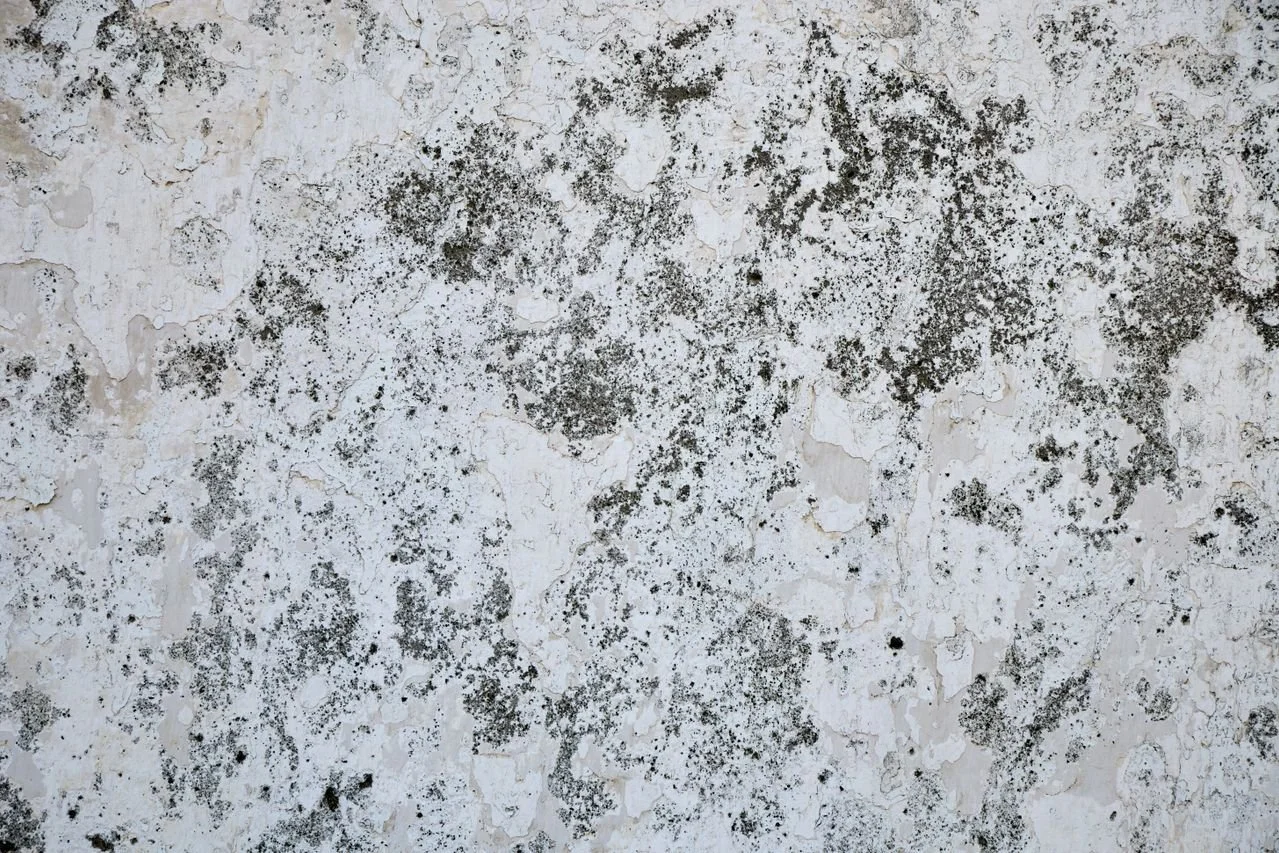
Professional mold remediation is a comprehensive process designed to identify, contain, remove, and prevent mold growth within a property. Unlike simple cleaning, remediation addresses both the visible mold and the underlying moisture problem that allowed it to develop in the first place. Mold cannot survive without moisture, so eliminating the source of water intrusion is a critical part of every successful remediation project.
Professional remediation follows industry-recognized procedures that prioritize safety, limit the spread of mold spores, and restore the affected area to a healthy condition. This process often involves detailed inspections, moisture mapping, containment barriers, specialized air filtration, removal of contaminated materials, thorough cleaning, structural drying, and repairs. Every step is carefully planned to minimize disruption while reducing the risk of future mold growth.
Because mold spores are naturally present in both indoor and outdoor environments, the objective is not to eliminate every spore—which is impossible—but to return mold levels to normal background conditions and create an environment where mold cannot continue growing. By combining advanced equipment with proven restoration techniques, professional mold remediation protects both the structural integrity of a building and the health of its occupants.
Mold Remediation Goes Beyond Mold Removal
Many people mistakenly believe that mold remediation simply means removing visible mold from walls or ceilings. In reality, professional remediation is a much broader process that focuses on eliminating the conditions that allow mold to thrive. While mold removal is one component of remediation, it addresses only the visible symptoms of a larger problem. Without correcting the underlying moisture issue, mold is likely to return regardless of how thoroughly the surface is cleaned.
For example, if mold develops because of a leaking pipe hidden behind drywall, wiping away the visible mold on the painted surface does little to solve the problem. Moisture continues feeding mold growth inside the wall cavity, allowing colonies to spread unnoticed. Professional remediation begins by identifying and repairing the source of moisture before addressing the mold itself.
Another key difference is contamination management. Mold reproduces by releasing microscopic spores into the air. Disturbing mold without proper containment can spread these spores throughout the building, causing new colonies to develop in previously unaffected areas. Professional remediation includes containment barriers, negative air pressure systems, and HEPA air filtration to prevent airborne spores from migrating during cleanup.
The remediation process may also involve removing materials that cannot be effectively cleaned. Porous materials such as drywall, insulation, carpet padding, and ceiling tiles often absorb moisture deeply, making complete mold removal impossible once contamination becomes extensive. These materials are carefully removed, sealed, and disposed of to prevent further spread.
Restoration is another important aspect of professional remediation. After mold has been safely removed and the structure thoroughly dried, damaged building materials are repaired or replaced. New drywall, insulation, flooring, trim, and paint restore the property to its original condition while ensuring that moisture issues have been fully resolved.
Ultimately, mold remediation is a complete restoration strategy that combines moisture control, contamination management, safe removal practices, and structural repairs to provide a long-term solution rather than a temporary cosmetic fix.
Why Professional Remediation Is Necessary
While small areas of surface mold may sometimes be cleaned safely, many mold problems extend far beyond what homeowners can see. Attempting to remove mold without proper equipment or training often addresses only the visible growth while leaving hidden colonies untouched. As a result, mold frequently returns because the underlying moisture problem remains unresolved.
One of the biggest challenges with do-it-yourself mold cleanup is the risk of spreading spores. Scrubbing, sanding, or disturbing mold-covered materials can release thousands of microscopic spores into the air. Without proper containment and HEPA filtration, these spores may settle throughout the home, contaminating furniture, carpets, air ducts, and other rooms. What began as a localized mold problem can quickly become much more widespread.
Hidden mold presents another reason professional remediation is often necessary. Mold commonly grows inside wall cavities, beneath flooring, behind cabinets, inside attics, crawl spaces, and HVAC systems where it remains invisible during routine cleaning. Professional technicians use moisture meters, thermal imaging cameras, and other specialized equipment to detect concealed moisture and identify mold growth that cannot be seen with the naked eye.
Health considerations also make professional remediation important. Mold exposure may contribute to allergy symptoms, respiratory irritation, coughing, sneezing, eye irritation, and worsening asthma in sensitive individuals. People with weakened immune systems, chronic respiratory conditions, older adults, and young children may be particularly vulnerable to prolonged mold exposure. Proper containment procedures and personal protective equipment help minimize exposure during the remediation process.
Certified mold remediation professionals follow established industry standards that emphasize safe work practices, contamination control, thorough drying, and proper disposal of damaged materials. They understand how mold behaves, how moisture moves through building materials, and how to restore indoor environments without unnecessarily spreading contamination. Their expertise helps ensure that both the mold and the conditions responsible for its growth are effectively addressed.
By relying on professional remediation, homeowners gain confidence that the problem has been handled safely, thoroughly, and with a focus on preventing future mold growth. This comprehensive approach not only protects the property's structural integrity but also helps restore healthier indoor air quality and provides lasting peace of mind.
Comprehensive Mold Inspection And Assessment
Before any mold remediation work begins, professionals conduct a thorough inspection to understand the full extent of the contamination and determine what caused the mold to develop. This assessment is one of the most important stages of the remediation process because it forms the basis for every step that follows. Rather than focusing only on visible mold, technicians investigate the entire affected area to locate hidden moisture, identify damaged building materials, and determine whether mold has spread into concealed spaces.
A comprehensive inspection also helps restoration professionals create an effective remediation plan that minimizes unnecessary demolition while ensuring all contaminated areas are addressed. Since mold is a symptom of excess moisture, finding and eliminating the water source is just as important as removing the mold itself. Whether the moisture originated from a plumbing leak, roof damage, flooding, condensation, or high indoor humidity, identifying the cause helps prevent mold from returning after cleanup.
By combining visual observations with specialized moisture detection equipment, professionals gain a complete understanding of the property's condition before containment and remediation begin.
Visual Inspection
The first step in a professional mold assessment is a detailed visual inspection of the property. Experienced technicians systematically examine both obvious and less accessible areas where mold commonly develops after water damage. Since mold often grows in places with limited airflow or hidden moisture, the inspection extends far beyond areas where visible mold is already present.
Technicians begin by evaluating interior walls, ceilings, and floors for discoloration, staining, bubbling paint, warped materials, or visible fungal growth. Water stains, peeling wallpaper, soft drywall, and buckled flooring often indicate prolonged moisture exposure that may support hidden mold colonies. Even small cosmetic changes can reveal larger problems concealed behind finished surfaces.
The inspection continues into areas that are especially vulnerable to moisture accumulation, including attics, crawl spaces, basements, utility rooms, and storage areas. Roof leaks may create mold inside attic insulation or roof decking, while crawl spaces often retain humidity that promotes mold growth on floor joists and subflooring. Basements receive particular attention because groundwater intrusion, poor drainage, and elevated humidity frequently contribute to mold problems.
HVAC systems are also carefully inspected because air handlers, ductwork, evaporator coils, and condensate drain lines can harbor mold when moisture is present. Mold inside an HVAC system may circulate spores throughout the building, affecting multiple rooms even if the original moisture source is localized.
Cabinets beneath sinks, around dishwashers, behind refrigerators, and near washing machines are examined for plumbing leaks and hidden moisture. Technicians also inspect around windows, doors, and plumbing penetrations where failed seals, condensation, or slow leaks often introduce moisture into wall cavities.
During the inspection, restoration professionals rely on more than visible mold alone. They look for warning signs such as:
Water stains or discoloration
Black, green, white, or gray mold growth
Bubbling paint or peeling wallpaper
Swollen trim and baseboards
Soft or deteriorating drywall
Warped flooring
Condensation on surfaces
Musty or earthy odors
Signs of previous water damage
Persistent musty odors are particularly important because they often indicate hidden mold behind walls, beneath flooring, or inside insulation where it cannot yet be seen. By documenting both visible and indirect signs of moisture, technicians can accurately identify the areas requiring further investigation before remediation begins.
Moisture Detection Equipment
Because mold often develops in concealed locations, visual inspection alone cannot identify every affected area. Professional mold remediation companies use specialized moisture detection equipment to locate hidden water that may remain trapped inside building materials long after surfaces appear dry. These tools allow technicians to identify moisture without unnecessary demolition and help ensure that all affected areas are included in the remediation plan.
One of the most commonly used instruments is a moisture meter, which measures the moisture content within materials such as drywall, wood framing, flooring, and concrete. By comparing readings from dry and suspected wet areas, technicians can determine whether structural components contain excessive moisture that could support mold growth. Moisture meters also help monitor drying progress throughout the restoration process.
Thermal imaging cameras provide another valuable diagnostic tool. Rather than detecting mold directly, these cameras identify temperature differences that often indicate hidden moisture. Damp building materials typically retain heat differently than dry materials, allowing technicians to locate water trapped behind walls, beneath flooring, or above ceilings without opening finished surfaces unnecessarily. Thermal imaging is especially useful after flooding or plumbing leaks where water may have migrated far beyond the visibly damaged area.
Professionals also use hygrometers to measure indoor relative humidity. Elevated humidity levels slow the drying process and create favorable conditions for mold development even in areas that were never directly exposed to water. Monitoring humidity helps restoration teams determine whether additional dehumidification or ventilation is required before remediation can be considered complete.
In addition, infrared technology assists technicians in tracing moisture migration through structural assemblies. Combined with moisture meter readings and visual observations, infrared imaging helps create a detailed moisture map of the property. This comprehensive assessment allows restoration professionals to focus remediation efforts precisely where they are needed while avoiding unnecessary removal of unaffected materials.
Identifying hidden moisture before remediation begins is critical because mold cannot continue growing without a water source. If damp insulation, subflooring, wall cavities, or framing remain untreated, mold may return even after visible contamination has been removed. By using advanced moisture detection equipment, professionals ensure that both the mold and the conditions supporting its growth are fully addressed, providing a more effective and long-lasting restoration outcome.
Containment Of The Affected Area
Preventing mold spores from spreading is one of the most important parts of professional remediation.
Establishing Containment Barriers
Describe containment methods including:
Plastic sheeting
Temporary barriers
Sealed doorways
Isolated work zones
Explain why containment protects unaffected rooms.
Negative Air Pressure
Explain how negative air machines prevent contaminated air from escaping by drawing air into the work area and filtering it before exhausting it outside or through HEPA filtration.
Air Filtration And Spore Control
Airborne mold spores can spread throughout a property during cleanup if not properly controlled.
HEPA Air Scrubbers
Discuss how HEPA filtration removes microscopic mold spores and improves indoor air quality during remediation.
Protecting Occupants
Explain why technicians wear:
Respirators
Gloves
Protective suits
Eye protection
Describe how these safety measures protect both workers and building occupants.
Removing Mold-Contaminated Materials
After the affected area has been inspected, contained, and equipped with proper air filtration, the next phase of professional mold remediation involves removing materials that cannot be safely or effectively restored. While non-porous surfaces such as metal, glass, and certain plastics can often be cleaned and disinfected, many porous building materials absorb moisture deep beneath their surface. Once mold penetrates these materials, complete removal of mold colonies becomes extremely difficult, making replacement the safest and most reliable solution.
Removing contaminated materials serves two important purposes. First, it eliminates active mold colonies that continue releasing microscopic spores into the air. Second, it removes moisture-damaged materials that could continue supporting mold growth even after the visible mold has been cleaned away. Throughout this process, remediation professionals work carefully to prevent mold spores from spreading into unaffected parts of the property by following strict containment and handling procedures.
Although removing portions of walls, flooring, or insulation may seem extensive, it is often necessary to fully eliminate contamination and restore a healthy indoor environment. Every removal decision is based on the condition of the material, the extent of mold growth, and whether the item can be effectively cleaned without compromising safety or structural integrity.
Materials That May Require Removal
Not all mold-contaminated materials can be salvaged. Porous materials contain tiny openings that readily absorb water, allowing mold roots to penetrate below the surface where ordinary cleaning methods cannot reach. Even if the visible mold appears to be removed, microscopic spores and fungal structures may remain embedded within the material, allowing mold to return when moisture is present again.
One of the most commonly removed materials during mold remediation is drywall. Drywall has a paper facing that serves as an excellent food source for mold once it becomes wet. Water from plumbing leaks, roof damage, or flooding can quickly soak into drywall, allowing mold to spread inside wall cavities. Severely contaminated drywall is typically cut out and replaced to eliminate hidden growth.
Carpet padding is another material that often requires replacement. While certain carpets may occasionally be cleaned after minor water exposure, the absorbent padding underneath usually retains moisture for an extended period. Once mold develops within the padding, thorough cleaning becomes impractical, making removal the safest option.
Insulation, particularly fiberglass insulation with paper backing or cellulose insulation, readily traps moisture inside wall cavities and attic spaces. Wet insulation loses its insulating effectiveness while creating an ideal environment for mold growth. Because it is difficult to completely dry and sanitize, contaminated insulation is generally removed and replaced.
Ceiling tiles frequently absorb water from roof leaks or plumbing failures above suspended ceilings. Their porous composition allows mold to spread internally, making replacement more practical than attempting restoration.
Upholstered furniture may also require removal if mold has penetrated cushions, fabric, or internal padding. Sofas, mattresses, recliners, and fabric-covered chairs absorb moisture deeply, and mold inside these materials can be difficult to eliminate. In many cases, extensive contamination makes replacement the safer and more cost-effective choice.
Certain water-damaged wood products, including particleboard, medium-density fiberboard (MDF), cabinets, shelving, and laminated furniture, may also require removal. Unlike solid wood, engineered wood products often swell, weaken, and deteriorate when saturated with water. Their dense composition allows moisture to remain trapped, increasing the likelihood of persistent mold growth.
Materials commonly removed during remediation include:
Mold-contaminated drywall
Carpet and carpet padding
Wet insulation
Ceiling tiles
Upholstered furniture
Mattresses
Water-damaged cabinets
Particleboard and MDF products
Severely damaged wood trim or molding
Removing these porous materials helps eliminate hidden mold colonies, improves the effectiveness of drying, and reduces the chance of recurring contamination after restoration is complete.
Safe Disposal Procedures
Removing mold-contaminated materials requires careful handling to prevent spores from spreading throughout the building. Simply tearing out damaged drywall or carrying contaminated carpet through the home without proper precautions can release thousands of airborne spores, increasing contamination in previously unaffected rooms. Professional mold remediation companies follow established procedures to minimize this risk and safely transport contaminated materials out of the structure.
Before removal begins, technicians isolate the work area using containment barriers made of heavy plastic sheeting. These barriers separate the remediation zone from the rest of the building, while negative air machines equipped with HEPA filters continuously draw contaminated air away from clean areas. This controlled environment helps prevent airborne mold spores from escaping during demolition.
As contaminated materials are removed, they are handled carefully to reduce unnecessary disturbance. Drywall, insulation, carpet padding, ceiling tiles, and other affected materials are typically placed directly into heavy-duty plastic bags or wrapped in thick plastic sheeting while still inside the containment area. The bags are securely sealed before being transported through the building, reducing the likelihood that spores will be released into surrounding spaces.
Technicians wear appropriate personal protective equipment throughout the removal process, including:
N95 or higher-rated respirators
Disposable protective suits
Gloves
Eye protection
Protective footwear when necessary
Once contaminated materials have been removed, the work area is thoroughly cleaned using HEPA vacuums and specialized antimicrobial cleaning solutions to capture any remaining dust or spores. Adjacent surfaces are carefully wiped down, and the containment area is inspected before barriers are removed.
Safe disposal procedures also include transporting mold-contaminated debris according to applicable local regulations. Materials are discarded promptly to prevent additional contamination and ensure they do not pose risks during handling or disposal.
By carefully bagging, sealing, removing, and cleaning contaminated materials, professional remediation teams significantly reduce the spread of mold spores and prepare the structure for the next stages of drying, restoration, and reconstruction. These controlled procedures are an essential part of achieving a successful, long-lasting mold remediation outcome.
Cleaning And Treating Remaining Surfaces
After damaged materials are removed, remaining structural components must be cleaned thoroughly.
HEPA Vacuuming
Discuss cleaning of:
Wood framing
Concrete
Metal
Structural components
Explain how HEPA vacuums remove settled spores.
Antimicrobial Cleaning
Describe professional antimicrobial products that help reduce remaining mold contamination while emphasizing that moisture elimination—not chemicals alone—is the long-term solution.
Drying The Structure Completely
Moisture control is the foundation of successful mold remediation.
Commercial Drying Equipment
Explain use of:
Air movers
Low-grain refrigerant dehumidifiers
Desiccant dehumidifiers
Drying chambers
Discuss why household fans are insufficient for extensive water damage.
Daily Moisture Monitoring
Describe how technicians monitor drying progress using moisture meters until building materials reach acceptable moisture levels.
Repairing And Restoring The Property
Once mold has been removed and moisture eliminated, restoration begins.
Structural Repairs
Discuss replacing:
Drywall
Flooring
Baseboards
Insulation
Trim
Paint
Explain returning the home to its pre-loss condition.
How Long Does Professional Mold Remediation Take?
Factors That Affect The Timeline
Discuss:
Size of contamination
Location
Type of materials
Moisture levels
Structural damage
Reconstruction needs
Typical Timeframes
Provide general expectations:
Small localized remediation: 1–3 days
Moderate contamination: 3–7 days
Extensive structural remediation: one to several weeks
Explain that restoration work may extend beyond remediation itself.
Benefits Of Professional Mold Remediation
Improved Indoor Air Quality
Discuss reduction of airborne spores, odors, allergens, and healthier indoor environments.
Protecting Property Value
Explain how prompt remediation limits structural deterioration, preserves building materials, and prevents more costly repairs later.
Conclusion
Professional mold remediation is a systematic process designed to do far more than remove visible mold. It begins with identifying the source of moisture, assessing the extent of contamination, and creating a controlled environment that prevents mold spores from spreading throughout the property. Through containment, HEPA air filtration, careful removal of contaminated materials, antimicrobial cleaning, and complete structural drying, remediation professionals address both the mold itself and the conditions that allowed it to grow.
One of the most important aspects of successful remediation is eliminating excess moisture. Even the most thorough cleaning will not provide a lasting solution if leaks, flooding, condensation, or high humidity continue to introduce moisture into the building. This is why experienced restoration professionals rely on advanced moisture detection equipment and commercial drying systems to verify that structural materials have reached safe moisture levels before reconstruction begins.
After remediation, restoring damaged drywall, insulation, flooring, and finishes returns the property to its pre-loss condition while preventive improvements—such as better ventilation, leak repairs, and humidity control—help reduce the risk of future mold problems.
For homeowners and property managers, investing in professional mold remediation offers significant long-term benefits. It protects indoor air quality, helps preserve structural integrity, minimizes the spread of contamination, and reduces the likelihood of recurring mold growth. By responding quickly and relying on trained professionals, property owners can restore a healthier, safer environment while protecting the value of their home or commercial building.
Frequently Asked Questions
1. What Is The Difference Between Mold Removal And Mold Remediation?
Mold removal focuses on cleaning visible mold, while mold remediation addresses the underlying moisture problem, removes contaminated materials when necessary, and helps prevent mold from returning.
2. How Long Does Professional Mold Remediation Usually Take?
Small projects may take 1 to 3 days, moderate remediation often requires 3 to 7 days, and extensive contamination involving structural repairs may take several weeks.
3. Can I Stay In My Home During Mold Remediation?
It depends on the size and location of the affected area. Small, isolated projects may allow occupants to remain in unaffected portions of the home, while extensive remediation may require temporary relocation.
4. Does Mold Remediation Eliminate All Mold Spores?
No. Mold spores naturally exist indoors and outdoors. The goal of remediation is to reduce mold to normal background levels and eliminate the moisture conditions that allow mold colonies to grow.
5. Why Is Containment Necessary During Remediation?
Containment prevents airborne mold spores from spreading into clean areas of the property while contaminated materials are removed.
6. Are Antimicrobial Treatments Enough To Stop Mold?
No. Antimicrobial products can help clean contaminated surfaces, but eliminating moisture is the most important step in preventing future mold growth.
7. What Materials Usually Need To Be Removed During Remediation?
Heavily contaminated drywall, insulation, carpet padding, ceiling tiles, and other porous materials often require removal because mold can penetrate deep into these materials.
8. How Do Professionals Know When The Structure Is Dry?
Technicians use moisture meters, hygrometers, and thermal imaging equipment to verify that building materials have reached acceptable moisture levels before restoration begins.
9. Will Mold Return After Professional Remediation?
If the underlying moisture source is fully corrected and humidity is properly controlled, professionally remediated areas are much less likely to experience recurring mold growth.
10. When Should I Call A Professional Mold Remediation Company?
You should contact a professional if mold covers a large area, results from significant water damage or flooding, repeatedly returns after cleaning, produces persistent musty odors, or is suspected behind walls, beneath flooring, or inside HVAC systems.
————————————————————————————————
Mold Can Spread Quickly; Professional Remediation Makes The Difference
A mold problem can spread quickly and become a serious issue for both your property and your health. Whether it's caused by a recent water leak, flooding, high humidity, or hidden moisture behind walls, mold can grow within 24 to 48 hours and continue spreading if left untreated. The longer mold remains, the greater the risk of structural damage, unpleasant odors, poor indoor air quality, and costly repairs.
Professional mold remediation helps eliminate mold at its source and prevents it from returning. Using specialized equipment and proven remediation techniques, affected areas are carefully inspected, contained, cleaned, and treated to restore a safe and healthy environment. Taking action early can help protect your property, improve indoor air quality, and reduce the extent of the damage.
At ARC Water Damage, our experienced team responds quickly to mold concerns and guides you through every step of the remediation process. We work efficiently, communicate clearly, and coordinate with your insurance company whenever possible to help make the process as smooth and stress-free as possible.
If you suspect mold in your home or business, don't wait for the problem to get worse. Call ARC Water Damage today at (877) 437-9225 for professional mold remediation and fast, reliable service.
DisclaimerThe information provided on this website is for general informational and educational purposes only and is not intended to serve as professional restoration, environmental, or insurance advice. Every water, fire, or mold damage situation is unique, and you should consult with a qualified restoration professional regarding your specific property and conditions. Do not take action or delay action based solely on the content of this website without seeking appropriate professional guidance.While we strive to provide accurate and up-to-date information, restoration methods, safety standards, and industry practices may change over time. The content on this website may not reflect the most current procedures or recommendations. ARC Water Damage makes no guarantees regarding outcomes based on the use of this information.By using this website, you agree that ARC Water Damage is not liable for any actions taken or not taken based on the information provided, to the fullest extent permitted by law.