
What Happens During An Emergency Water Damage Response?
Water damage emergencies can happen suddenly and create chaos inside a home or commercial property. A burst pipe, overflowing appliance, severe storm, roof leak, sewage backup, or flooding event can quickly cause extensive damage within minutes. In these situations, property owners often feel overwhelmed and uncertain about what happens next. Understanding the emergency water damage response process can help reduce stress and allow homeowners to act quickly when every second matters.
Emergency water damage restoration is a carefully coordinated process designed to minimize damage, protect the structure, restore safe conditions, and prevent long-term problems such as mold growth and structural deterioration. Professional restoration teams use specialized equipment, advanced drying methods, and proven restoration procedures to remove water and stabilize the property as efficiently as possible.
The emergency response process begins almost immediately after a restoration company receives the call. Technicians assess the situation, identify safety concerns, stop the source of the water if possible, and begin removing standing water. From there, the focus shifts to drying the property thoroughly, sanitizing contaminated areas, monitoring moisture levels, and restoring damaged materials.
Every water damage situation is unique. Some emergencies involve clean water from a broken pipe, while others include dangerous floodwater or sewage contamination that requires extensive cleaning and disinfection. The size of the affected area, the amount of water present, and the length of time moisture has remained inside the property all influence the restoration process.
Fast action during emergency water damage situations is critical because water spreads rapidly through floors, walls, insulation, furniture, and structural materials. Delaying restoration often increases repair costs and raises the risk of permanent damage.
By understanding what happens during an emergency water damage response, homeowners and business owners can better prepare themselves for the restoration process and make informed decisions during stressful situations.
Key Takeaways
Emergency water damage response begins with a rapid assessment of the property.
Restoration teams prioritize safety before beginning cleanup.
Water extraction is one of the first and most important steps.
Professional drying equipment removes hidden moisture from structures.
Moisture monitoring helps prevent mold growth and structural damage.
Contaminated water requires specialized sanitization procedures.
Restoration professionals document damage for insurance purposes.
Fast response reduces repair costs and improves restoration outcomes.
Why Emergency Water Damage Response Is Important
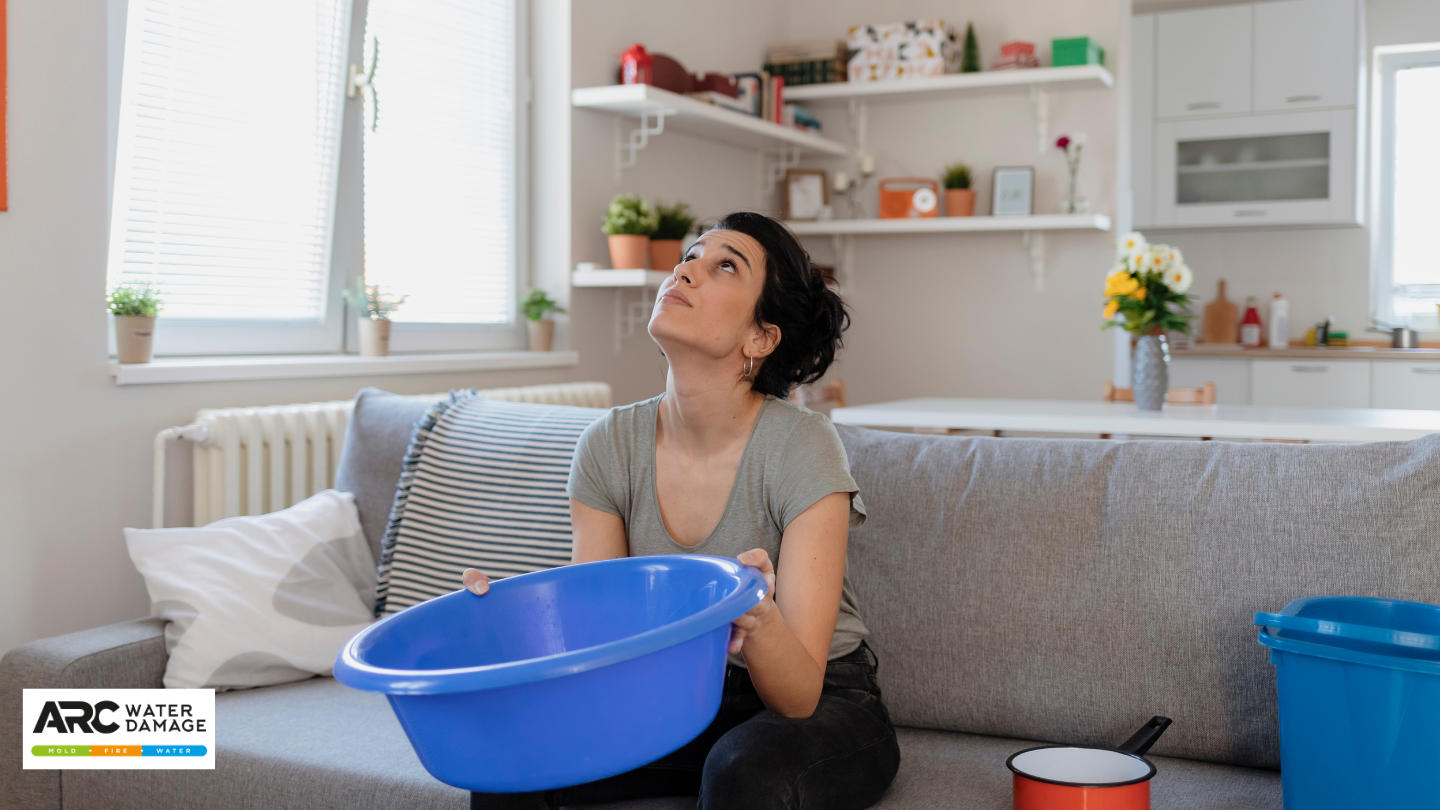
Emergency water damage restoration is essential because water damage becomes worse the longer it remains untreated. Water spreads quickly into porous building materials such as drywall, insulation, wood, carpet, and upholstery. Even a small leak can escalate into major structural damage if moisture is not removed promptly.
The first 24 to 48 hours after water exposure are especially important. During this period, mold growth can begin, odors may develop, and building materials can weaken significantly. Quick response helps minimize these risks and improves the chances of restoring salvageable materials.
Water damage also creates safety concerns. Electrical hazards, slippery surfaces, contaminated water, and weakened structures may place occupants at risk. Professional restoration teams are trained to identify these dangers and take appropriate precautions before cleanup begins.
Emergency response is not only about removing visible water. Hidden moisture behind walls, under flooring, and inside ceilings must also be detected and dried properly. Without professional drying methods, moisture may continue causing damage long after surfaces appear dry.
Rapid mitigation often reduces repair costs and shortens the overall restoration timeline. The sooner professionals begin the process, the more effectively they can limit the spread of damage.
The Initial Emergency Call
Gathering Important Information
The emergency response process usually begins with a phone call to a restoration company. During this conversation, dispatchers gather important details about the situation to prepare the response team properly.
Property owners may be asked about the source of the water, the size of the affected area, whether electricity is still active, and how long the water has been present. Dispatchers also determine whether the water involves contamination, such as sewage or floodwater.
This information helps restoration professionals assess the urgency of the emergency and decide what equipment and personnel are needed.
Providing accurate details during the call allows crews to arrive prepared for the specific challenges of the situation.
Dispatching The Restoration Team
Once the information is collected, emergency restoration teams are dispatched to the property. Many companies offer 24/7 emergency response services and aim to arrive within a few hours.
Rapid deployment is critical because water damage spreads continuously until mitigation efforts begin.
Restoration vehicles are typically stocked with extraction equipment, drying tools, moisture detection devices, protective gear, and cleaning supplies. This allows technicians to begin work immediately upon arrival.
The goal of the initial response is to stabilize the property as quickly as possible and prevent additional damage.
Arrival And Property Assessment
Inspecting The Extent Of The Damage
After arriving at the property, restoration technicians perform a detailed inspection to evaluate the severity of the damage. They examine affected rooms, identify areas of water intrusion, and determine how far moisture has spread throughout the structure.
Moisture meters and thermal imaging cameras help detect hidden water behind walls, under flooring, and inside ceilings. These tools are essential because visible water often represents only a portion of the overall damage.
The inspection also helps technicians determine which materials can be salvaged and which may require removal or replacement.
Every emergency water damage response begins with understanding the full scope of the problem.
Identifying The Water Category
Restoration professionals classify water damage into different categories based on contamination levels. This classification helps determine the proper cleanup and safety procedures.
Category 1 water, often called clean water, typically comes from sources such as broken supply lines or overflowing sinks. Although initially clean, it can become contaminated if left untreated.
Category 2 water contains contaminants that may cause discomfort or illness. Washing machine overflows and dishwasher leaks are common examples.
Category 3 water is highly contaminated and may contain sewage, bacteria, chemicals, or flood debris. Sewage backups and storm flooding usually fall into this category.
Understanding the contamination level is essential for protecting occupants and restoration workers during cleanup.
Evaluating Safety Hazards
Before restoration begins, technicians identify potential safety risks within the property. Electrical hazards are especially common when water reaches outlets, appliances, or wiring.
Structural instability may also develop if ceilings, walls, or floors become saturated and weakened. In severe cases, portions of the property may need to be restricted until conditions are stabilized.
Contaminated water creates additional health risks that require protective equipment and specialized cleaning methods.
Safety always remains the top priority during emergency water damage response operations.
Stopping The Source Of Water
Locating The Cause Of The Damage
One of the first priorities during emergency response is stopping the source of the water intrusion whenever possible. Restoration professionals work to identify where the water originated and determine whether the problem is still active.
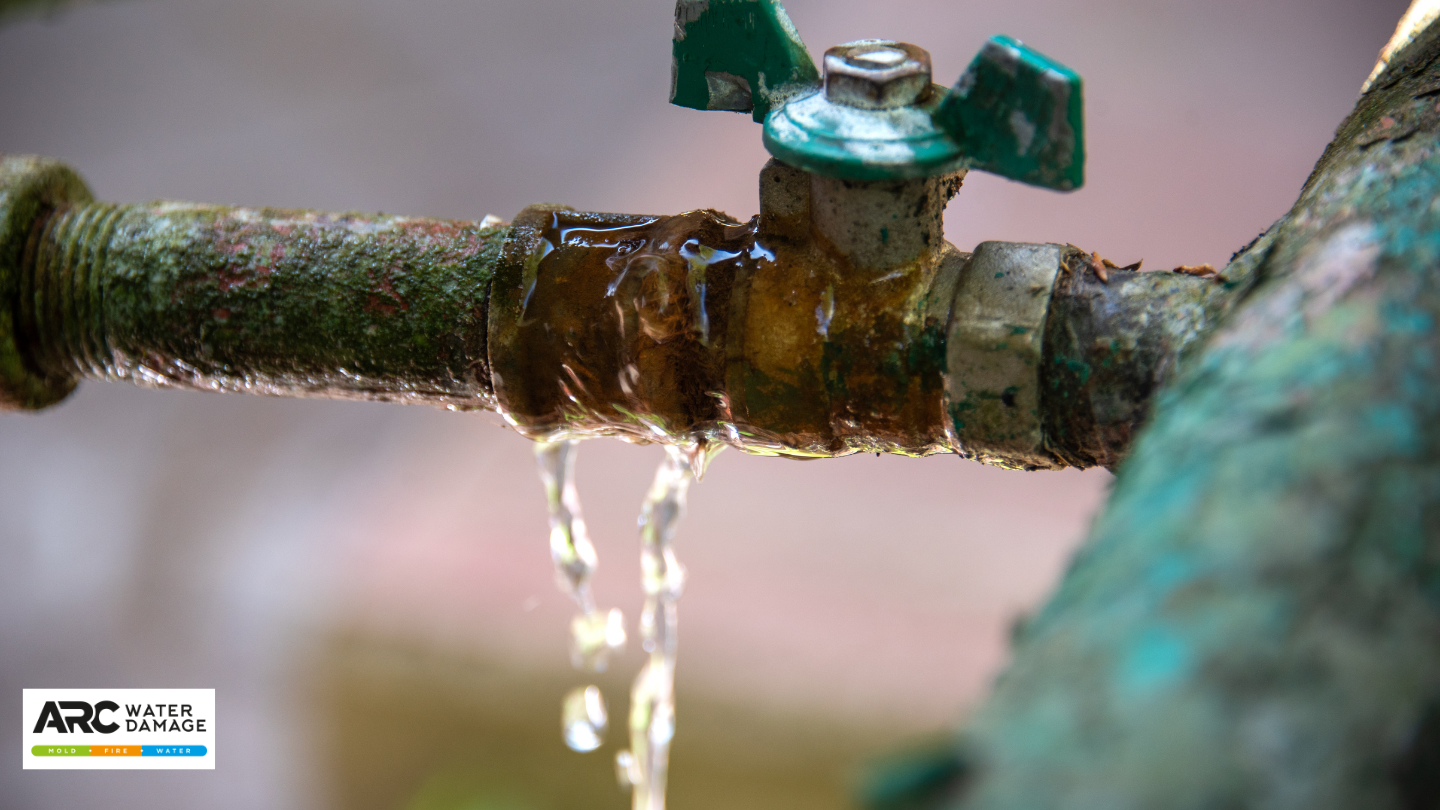
Burst pipes, appliance failures, roof leaks, plumbing malfunctions, and foundation seepage are common causes of water damage emergencies.
Stopping the flow of water quickly helps prevent additional destruction and allows the restoration process to move forward more effectively.
Emergency Mitigation Measures
In some situations, temporary emergency measures may be necessary to reduce further damage. Roof tarping, board-up services, temporary plumbing repairs, or shutting off water lines may help stabilize the property until permanent repairs can be completed.
These emergency mitigation efforts are designed to protect the structure from ongoing exposure while restoration work continues.
Fast mitigation often prevents the situation from becoming significantly worse.
Removing Standing Water
Water extraction is one of the most important stages of the emergency response process. Standing water is removed using industrial pumps, extraction vacuums, and specialized removal equipment.
The speed of extraction directly affects how much damage occurs. The faster water is removed, the lower the risk of permanent damage to flooring, walls, furniture, and structural materials.
Large flooding events may require extensive pumping operations before drying can begin.
Restoration teams work systematically to remove as much moisture as possible from all affected areas.
Extracting Water From Carpets And Flooring
Carpets and flooring materials often trap significant amounts of moisture even after visible water disappears. Specialized extraction tools remove water from carpet fibers, padding, hardwood flooring, and subfloors.
Without thorough extraction, hidden moisture may remain trapped beneath flooring surfaces and contribute to mold growth or structural deterioration.
Professional extraction equipment is far more effective than household vacuums or fans during serious water emergencies.
Protecting Salvageable Belongings
During water removal, restoration professionals may also relocate furniture, electronics, and personal belongings to protect them from additional damage.
Certain items may be cleaned, dried, and restored if addressed quickly enough. Others may require specialized restoration services depending on the extent of the damage.
Protecting salvageable property is an important part of minimizing overall losses during emergencies.
Drying And Dehumidification
Why Drying Is Critical
Removing standing water is only part of the restoration process. Moisture often remains trapped inside walls, insulation, wood framing, ceilings, and flooring materials long after surfaces appear dry.
If hidden moisture is not removed completely, mold growth and structural damage may continue developing for weeks or months.
Professional drying is essential for restoring safe and stable conditions inside the property.
Using Industrial Drying Equipment
Restoration teams use powerful air movers and commercial dehumidifiers to accelerate evaporation and remove moisture from the air and building materials.
Air movers increase airflow across wet surfaces, while dehumidifiers extract excess humidity from the environment.
Specialized drying systems may also target wall cavities, crawl spaces, hardwood flooring, or confined structural areas where moisture tends to accumulate.
This equipment operates continuously during the drying process to ensure all affected materials reach safe moisture levels.
Monitoring Moisture Levels
Moisture monitoring is a crucial part of emergency water damage restoration. Technicians regularly measure moisture levels in walls, floors, ceilings, and structural materials throughout the drying process.
These readings help determine whether drying efforts are effective and when equipment can safely be removed.
Without proper monitoring, hidden moisture pockets may remain undetected and lead to future problems.
Professional moisture tracking ensures the property is fully dried before restoration is considered complete.
Cleaning And Sanitization
Removing Contaminants
Water damage emergencies involving sewage backups, floodwater, or contaminated water require thorough sanitization to restore safe living conditions.
Restoration teams use specialized cleaning agents and disinfectants to eliminate bacteria, viruses, and other harmful contaminants from affected surfaces.
Porous materials exposed to contaminated water may need to be removed entirely if they cannot be cleaned safely.
Sanitization is especially important for protecting indoor air quality and occupant health after severe water damage incidents.
Odor Removal
Musty odors often develop after water damage due to moisture, mold growth, and bacterial activity. Professional restoration teams use deodorization techniques to eliminate unpleasant smells from affected materials and indoor spaces.
Air scrubbers, antimicrobial treatments, thermal fogging, and odor-neutralizing products may all be used depending on the situation.
Proper drying and sanitization are essential for preventing lingering odors from returning later.
Mold Prevention Treatments
Because mold growth can begin quickly after water exposure, restoration professionals often apply antimicrobial treatments to reduce the risk of mold development.
These preventive measures help protect vulnerable materials and improve long-term restoration outcomes.
Mold prevention is especially important in humid environments or situations where moisture remains present for extended periods before cleanup begins.
Demolition And Material Removal
Removing Unsalvageable Materials
Some materials become too damaged to be restored safely after severe water exposure. Saturated drywall, insulation, carpeting, flooring, and ceiling materials may require removal if they cannot be dried effectively.
Removing compromised materials helps eliminate hidden moisture and reduces the risk of future mold growth.
Controlled demolition is often necessary during major water damage restoration projects.
Protecting Structural Integrity
Technicians carefully assess structural materials during demolition to ensure the property remains safe and stable.
Damaged framing, subfloors, or support structures may require reinforcement or replacement before reconstruction can begin.
The goal is to restore the property fully while preserving as much of the original structure as possible.
Documentation And Insurance Coordination
Recording The Damage
Restoration companies typically document the damage thoroughly throughout the emergency response process. Photographs, moisture readings, inspection notes, and equipment logs help create detailed records of the restoration work.
This documentation is often important for insurance claims and helps demonstrate the extent of the damage and the mitigation efforts performed.
Detailed records may also assist with repair estimates and reconstruction planning.
Communicating With Insurance Providers
Many restoration companies work directly with insurance providers during the claims process. Technicians may submit documentation, provide estimates, and communicate with adjusters regarding restoration procedures.
This coordination can help simplify the claims process for homeowners during stressful situations.
However, insurance coverage varies depending on the cause of the water damage and the specifics of the policy.
Restoration And Reconstruction
Repairing Damaged Areas
After the property is fully dried and cleaned, reconstruction and repairs may begin. Depending on the extent of the damage, this may involve replacing drywall, flooring, cabinetry, insulation, trim, or structural materials.
Minor repairs may take only a few days, while major reconstruction projects can last several weeks or longer.
The restoration goal is to return the property to its pre-damage condition as efficiently as possible.
Final Inspection And Completion
Before the project is completed, restoration professionals conduct final inspections to ensure all moisture has been removed and repairs meet safety and quality standards.
The property must be fully dry, structurally sound, and safe for occupancy before restoration is considered complete.
Final walkthroughs also allow homeowners to review the work and ask questions about the restoration process.
How Long Does Emergency Water Damage Restoration Take?
Importance Of Patience During Drying
Some homeowners expect the property to dry immediately after standing water is removed, but proper structural drying takes time.
Rushing the process may leave hidden moisture behind and create future problems. Professional monitoring ensures drying is complete before reconstruction begins.
Patience during restoration often helps prevent long-term complications.
Conclusion
Emergency water damage response is a fast-paced and highly organized process designed to minimize property damage, protect occupant safety, and restore the home or business as quickly as possible. From the moment restoration professionals receive the emergency call, every step focuses on stopping the spread of water, removing moisture, and preventing long-term structural and health problems.
The process typically begins with a detailed inspection and safety assessment, followed by water extraction, structural drying, sanitization, moisture monitoring, and repairs. Specialized equipment and professional expertise allow restoration teams to detect hidden moisture, address contamination risks, and restore safe living conditions more effectively than standard cleanup methods.
Time plays a critical role during water damage emergencies. The faster restoration begins, the greater the chances of minimizing structural deterioration, mold growth, and costly repairs. Delayed cleanup often leads to more extensive damage and longer restoration timelines.
Understanding what happens during an emergency water damage response can help property owners feel more prepared and confident during stressful situations. Quick action, professional assistance, and proper restoration techniques all contribute to a safer and more successful recovery process.
FAQ
1. What Is The First Step During Emergency Water Damage Restoration?
The first step is usually a detailed inspection and safety assessment to determine the extent of the damage and identify immediate hazards.
2. How Quickly Should Water Damage Restoration Begin?
Restoration should begin as soon as possible, ideally within the first 24 hours, to reduce mold growth and structural damage.
3. What Equipment Do Restoration Teams Use?
Professionals use industrial pumps, extraction vacuums, dehumidifiers, air movers, moisture meters, and thermal imaging cameras.
4. Can Hidden Moisture Remain After Visible Water Is Removed?
Yes. Moisture often remains trapped inside walls, ceilings, flooring, and insulation, even after surfaces appear dry.
5. Is Mold Prevention Part Of Emergency Water Damage Response?
Yes. Restoration professionals often apply antimicrobial treatments and thoroughly dry structures to reduce mold risks.
6. What Happens If Materials Cannot Be Salvaged?
Severely damaged materials such as drywall, insulation, and carpeting may need to be removed and replaced during reconstruction.
7. Does Insurance Cover Emergency Water Damage Restoration?
Coverage depends on the cause of the damage and the details of the insurance policy. Sudden accidental water damage is often covered.
8. How Long Does Water Damage Restoration Usually Take?
The timeline varies depending on the severity of the damage. Minor incidents may take several days, while major flooding can require weeks of restoration work.
Emergency Water Damage Can Escalate Fast; Immediate Action Matters
Water emergencies can go from stressful to devastating in a matter of hours. Whether it’s a burst pipe, overflowing appliance, storm flooding, or sewage backup, water spreads quickly through walls, flooring, insulation, and structural materials. The longer the water sits, the greater the risk of severe property damage, mold growth, and costly repairs.
Fast emergency water damage restoration helps stop the damage before it gets worse. With immediate response, professional-grade drying equipment, and proven restoration methods, the affected areas can be extracted, dried, sanitized, and restored as quickly as possible. Acting fast not only protects your property, but it can also help reduce restoration costs and minimize disruption to your home or business.
At ARC Water Damage, our team responds quickly to emergency water damage situations and guides you through the entire restoration process from start to finish. We work efficiently, communicate clearly, and help coordinate with your insurance company to keep the process moving smoothly.
If you’re dealing with emergency water damage, don’t wait. Call ARC Water Damage today at (877) 437-9225 for immediate emergency water damage restoration and rapid response service.