
How Quickly Can Emergency Water Damage Restoration Teams Arrive?
Water damage emergencies can happen at any time, often without warning. A burst pipe in the middle of the night, a flooded basement during a storm, an overflowing washing machine, or a leaking roof can quickly create serious problems inside a home or commercial property. In these moments, one of the first questions property owners ask is: how quickly can emergency water damage restoration teams arrive?
The answer depends on several factors, including the company’s availability, the severity of the damage, weather conditions, and the location of the property. However, most professional emergency restoration companies understand the urgency of water damage and offer rapid response services designed to arrive as quickly as possible. Many companies provide 24/7 emergency assistance and aim to respond within one to four hours after receiving a call.
Fast response times are critical because water damage spreads rapidly. Moisture can soak into drywall, flooring, insulation, furniture, and structural materials within minutes. The longer water sits, the more damage it causes. Delayed restoration can lead to mold growth, structural weakening, unpleasant odors, electrical hazards, and costly repairs.
Emergency water damage restoration teams are trained to act quickly to minimize damage and begin the recovery process immediately. Their rapid response often makes the difference between a manageable cleanup and a major reconstruction project.
Understanding how quickly restoration teams can arrive, what affects response times, and what happens during the emergency response process can help homeowners and business owners feel more prepared during stressful situations.
Key Takeaways
Most emergency water damage restoration companies offer 24/7 services.
Many teams aim to arrive within one to four hours after an emergency call.
A fast response helps reduce structural damage and mold growth.
Weather conditions, traffic, and disaster severity can affect arrival times.
Restoration teams begin water extraction and damage assessment immediately upon arrival.
Quick mitigation helps lower overall repair costs.
Professional equipment allows faster and more effective drying.
Immediate action improves the chances of salvaging affected materials.
Why Fast Response Matters In Water Damage Emergencies
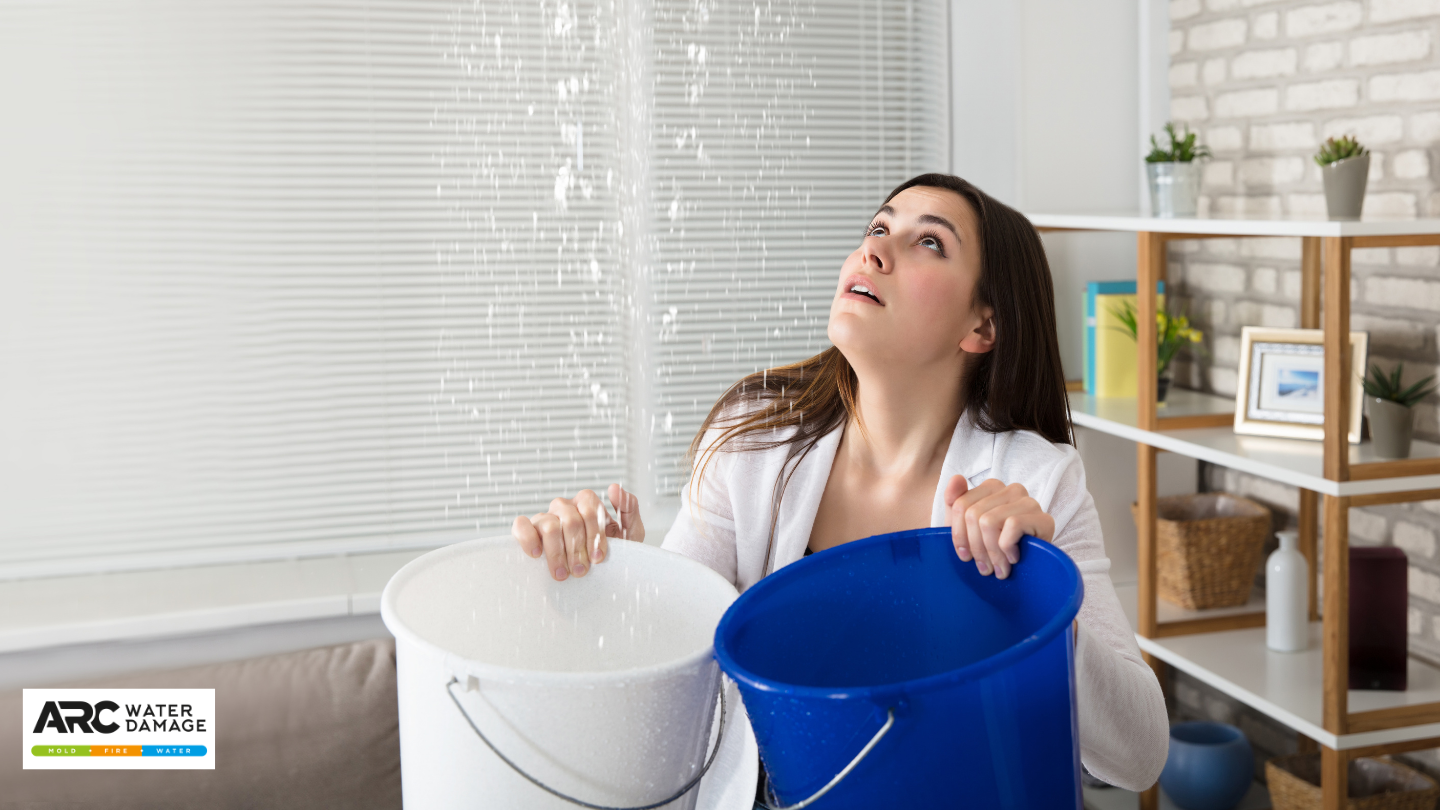
Emergency water damage restoration is time-sensitive because water begins damaging property almost immediately after exposure. Within minutes, moisture can spread into nearby materials and hidden areas that are difficult to dry without professional equipment.
The first few hours after water intrusion are often the most important. Carpets absorb water quickly, drywall softens, wood swells, and furniture becomes saturated. If water is not removed promptly, these materials may suffer permanent damage.
A fast response also helps reduce health and safety risks. Standing water can create slippery surfaces, electrical hazards, and contamination concerns, especially when floodwater or sewage backups are involved. The longer moisture remains, the greater the chance of mold growth and bacterial development.
Professional restoration teams understand that every minute matters. Their goal is to stop the spread of damage as quickly as possible and stabilize the property before conditions worsen.
Rapid response also benefits insurance claims. Insurance providers often expect property owners to take immediate action to prevent additional damage. Calling restoration professionals quickly demonstrates responsible mitigation efforts.
How Quickly Do Emergency Restoration Teams Usually Arrive?
Typical Emergency Response Times
Most professional water damage restoration companies advertise emergency response times ranging from one to four hours. Some local companies may arrive even faster if crews are already nearby or if the emergency occurs during normal business hours.
The speed of arrival often depends on the size and structure of the company. Larger restoration providers may have multiple crews and service vehicles available around the clock, allowing them to dispatch teams quickly to different areas.
Smaller local companies may also provide fast response times, especially if they focus on serving a specific community or region. Many businesses operate 24 hours a day because water emergencies do not follow regular schedules.
During the initial phone call, dispatchers typically gather important information about the type of water damage, the extent of flooding, the location of the property, and any immediate safety concerns. This information helps determine the urgency of the response and allows crews to bring the appropriate equipment.
In difficult situations such as burst pipes, sewage backups, or large flooding events, emergency teams often prioritize rapid deployment to minimize further destruction.
Response Times During Major Storms Or Disasters
Response times may become longer during major storms, hurricanes, or regional flooding disasters. When many homes and businesses experience water damage simultaneously, restoration companies often receive a high volume of emergency calls.
During these large-scale events, companies may prioritize the most severe situations first, especially properties with safety hazards, standing water, or vulnerable occupants.
Travel conditions can also affect response times during disasters. Flooded roads, fallen trees, heavy traffic, or damaged infrastructure may delay crews attempting to reach affected properties.
Even during widespread emergencies, most restoration companies work continuously to respond as quickly as possible. Additional crews may be brought in from neighboring areas to help manage increased demand.
Property owners should still contact restoration services immediately during disasters because early placement on the response schedule may improve arrival times.
Rural Vs Urban Response Times
Location plays a major role in how quickly restoration teams can arrive. Urban areas with multiple restoration providers often experience faster response times because companies are located nearby and have easier access to customers.
In rural or remote locations, response times may be longer due to travel distances and limited availability of nearby restoration companies. Some providers may need to travel from neighboring cities or counties to reach the property.
However, many restoration companies maintain large service areas and still prioritize rapid response for rural customers. Emergency services are often available even in less populated regions, though arrival times may vary.
Property owners in rural areas may benefit from researching restoration providers ahead of time and keeping emergency contact information readily available.
What Happens During The Initial Emergency Response?
Emergency Assessment And Inspection
Once the restoration team arrives, the first step is usually a thorough assessment of the damage. Technicians inspect affected areas, identify the source of the water intrusion, and determine how far moisture has spread throughout the property.
Moisture meters, thermal imaging cameras, and specialized detection equipment help locate hidden water inside walls, ceilings, and flooring materials. Even if surfaces appear dry, moisture may still be trapped beneath them.
The team also categorizes the water contamination level. Clean water from a broken pipe presents different risks than gray water from appliances or black water from sewage backups and floodwaters.
This assessment allows the restoration crew to develop an effective mitigation plan and prioritize immediate actions.
Water Extraction And Removal
After the inspection, crews begin removing standing water as quickly as possible. Industrial pumps, vacuums, and extraction tools help eliminate large amounts of water rapidly.
Fast water removal is essential because it slows the spread of damage and reduces moisture absorption into building materials.
Depending on the severity of the flooding, extraction may take several hours or longer. Deep carpeting, padding, and porous materials often retain significant amounts of moisture even after standing water is removed.
Technicians focus on removing as much water as possible before beginning the drying process.
Drying And Dehumidification
Once water extraction is complete, restoration teams begin drying the property using professional-grade dehumidifiers and high-powered air movers.
Drying is one of the most important stages of water damage restoration because hidden moisture can continue causing problems long after visible water disappears.
Technicians carefully monitor humidity levels and moisture content throughout the process. Equipment placement is adjusted as needed to ensure all affected materials dry thoroughly.
Proper drying helps prevent mold growth, warping, odors, and structural deterioration.
Depending on the extent of the damage, the drying process may take several days or longer.
Factors That Affect Emergency Restoration Arrival Times
Time Of Day
Emergency restoration services operate around the clock, but the time of day may still influence arrival times. Calls received during regular business hours may be easier to dispatch quickly because more crews are already active.
Overnight emergencies may involve on-call technicians traveling from home before responding to the property. However, reputable emergency restoration companies still maintain rapid response capabilities during nights, weekends, and holidays.
Because water damage worsens continuously, emergency providers treat after-hours calls seriously and typically prioritize fast deployment regardless of timing.
Severity Of The Damage
More severe emergencies often receive higher priority. Large floods, sewage backups, or situations involving electrical hazards may trigger immediate dispatch because of the increased safety risks.
Minor leaks or slower water intrusions may still receive prompt service, but crews may prioritize properties experiencing active flooding first.
Dispatchers evaluate the information provided during the emergency call to determine how urgently a team must respond.
Accurate communication about the extent of the damage helps restoration companies prepare properly and prioritize response efforts effectively.
Availability Of Restoration Crews
The number of available technicians and service vehicles also affects response times. Larger restoration companies often maintain multiple crews and can handle several emergencies simultaneously.
During busy seasons or severe weather events, crews may already be working on other emergencies when new calls arrive. Companies may then schedule the next available team or bring in additional personnel.
Well-established restoration providers often invest heavily in staffing and equipment to maintain fast emergency response capabilities year-round.
Weather And Traffic Conditions
Heavy rain, snowstorms, flooding, and traffic congestion can delay travel times for restoration crews. Severe weather events may also increase the number of simultaneous emergency calls, further affecting response schedules.
Despite these challenges, restoration teams generally work continuously during disasters and often coordinate routes strategically to reach customers as efficiently as possible.
Property owners should still contact professionals immediately, even if weather conditions are difficult,t because delays in calling may result in even longer wait times.
Why Professional Emergency Restoration Is Important
Specialized Equipment Speeds Up Recovery
Professional restoration teams use industrial-grade equipment designed specifically for emergency water removal and structural drying. High-capacity pumps, commercial dehumidifiers, moisture meters, and air movers allow faster and more thorough restoration than standard household tools.
Without professional equipment, hidden moisture often remains trapped inside walls, floors, and ceilings. This moisture can lead to mold growth and long-term structural problems.
Professional drying techniques help ensure the property is restored safely and completely.
Trained Technicians Understand Water Damage Behavior
Water damage restoration technicians receive specialized training in moisture control, structural drying, contamination handling, and restoration procedures.
They understand how water spreads through different building materials and know where hidden moisture is likely to collect.
This expertise allows them to respond more effectively during emergencies and reduce the likelihood of future complications.
Professional knowledge also helps protect salvageable materials and minimize unnecessary demolition.
Faster Action Reduces Restoration Costs
Rapid response often lowers overall repair costs because less damage occurs when moisture is removed quickly.
Materials exposed to water for shorter periods are more likely to be salvageable. Early drying also reduces mold risks and structural deterioration.
While emergency restoration services may seem expensive initially, delayed cleanup frequently leads to much higher reconstruction costs later.
Immediate professional intervention often saves both time and money in the long run.
What Homeowners Should Do While Waiting For Restoration Teams
Prioritize Safety First
Safety should always come first during water damage emergencies. If water has reached electrical outlets, appliances, or wiring, homeowners should avoid entering affected areas until power is safely disconnected.
Floodwater or sewage contamination may also create health hazards requiring professional handling.
If structural damage appears severe, occupants should avoid unstable ceilings, sagging floors, or weakened walls.
Emergency responders can provide guidance over the phone while crews are on the way.
Stop The Water Source If Possible
If it is safe to do so, homeowners should attempt to stop the source of the water intrusion. Turning off the main water supply may help prevent additional flooding from burst pipes or plumbing failures.
Roof leaks or storm damage may require temporary containment measures until professionals arrive.
Stopping the water source quickly can significantly reduce the extent of the damage.
Remove Valuable Items From Affected Areas
Moving furniture, electronics, important documents, and valuables away from standing water may help reduce losses.
Homeowners should avoid handling wet electrical devices or entering dangerous areas while doing so.
Taking photographs of the damage before cleanup begins may also help support insurance claims later.
The Importance Of 24/7 Emergency Services
Water damage does not wait for convenient hours. Emergencies often occur late at night, during weekends, or on holidays when regular contractors may be unavailable.
This is why many restoration companies offer 24/7 emergency response services. Round-the-clock availability ensures property owners can begin mitigation efforts immediately rather than waiting until the next business day.
Continuous availability helps limit damage progression and improves restoration outcomes.
Homeowners should keep contact information for trusted emergency restoration providers accessible before disasters occur.
Conclusion
Emergency water damage restoration teams are trained to respond quickly because every minute matters after water intrusion occurs. Most professional companies aim to arrive within one to four hours, although factors such as weather conditions, disaster severity, crew availability, and property location may influence exact response times.
A fast response is critical because water spreads rapidly through building materials and hidden spaces. Delays can lead to mold growth, structural damage, electrical hazards, poor indoor air quality, and significantly higher repair costs. Rapid intervention helps stabilize the property, reduce damage, and improve the chances of salvaging affected materials.
Professional restoration teams use specialized equipment and industry expertise to extract water, dry structures thoroughly, and restore safe living conditions efficiently. Their ability to act quickly often makes the difference between a manageable cleanup and a major reconstruction project.
Homeowners can also help minimize damage by acting immediately, prioritizing safety, shutting off water sources when possible, and contacting emergency restoration professionals as soon as water damage is discovered.
Understanding how emergency restoration response works can help property owners feel more prepared during stressful situations and make informed decisions when fast action matters most.
FAQ
1. How Fast Can Emergency Water Damage Restoration Teams Usually Arrive?
Most emergency restoration companies aim to arrive within one to four hours after receiving a call, depending on location and emergency conditions.
2. Do Restoration Companies Offer 24/7 Emergency Services?
Yes. Many professional water damage restoration companies operate 24 hours a day, including weekends and holidays.
3. What Affects Restoration Response Times?
Response times may be affected by weather conditions, traffic, disaster severity, crew availability, and the distance between the company and the property.
4. Why Is A Quick Water Damage Response Important?
Fast response helps reduce structural damage, mold growth, health risks, and overall repair costs.
5. What Happens First When Restoration Teams Arrive?
The team typically performs an inspection, assesses moisture levels, identifies safety hazards, and begins water extraction immediately.
6. Can I Clean Up The Water Damage Myself?
Small spills may be manageable, but major flooding or hidden moisture often requires professional equipment and expertise to prevent long-term damage.
7. Will Insurance Cover Emergency Water Damage Restoration?
Coverage depends on the cause of the water damage and the details of the insurance policy. Sudden accidental damage is often covered.
8. How Long Does The Drying Process Take?
Drying time varies depending on the extent of the damage, but many projects require several days of professional drying and dehumidification.
Emergency Water Damage Can Escalate Fast; Immediate Action Matters
Water emergencies can go from stressful to devastating in a matter of hours. Whether it’s a burst pipe, overflowing appliance, storm flooding, or sewage backup, water spreads quickly through walls, flooring, insulation, and structural materials. The longer the water sits, the greater the risk of severe property damage, mold growth, and costly repairs.
Fast emergency water damage restoration helps stop the damage before it gets worse. With immediate response, professional-grade drying equipment, and proven restoration methods, the affected areas can be extracted, dried, sanitized, and restored as quickly as possible. Acting fast not only protects your property, but it can also help reduce restoration costs and minimize disruption to your home or business.
At ARC Water Damage, our team responds quickly to emergency water damage situations and guides you through the entire restoration process from start to finish. We work efficiently, communicate clearly, and help coordinate with your insurance company to keep the process moving smoothly.
If you’re dealing with emergency water damage, don’t wait. Call ARC Water Damage today at (877) 437-9225 for immediate emergency water damage restoration and rapid response service.