
What Counts As An Emergency Water Damage Situation In Walnut Creek, CA?
Water damage can happen unexpectedly and escalate faster than many property owners realize. In Walnut Creek, CA, homes and commercial buildings face a variety of water-related risks ranging from plumbing failures and roof leaks to flooding during heavy storms. While some situations may appear minor at first, water intrusion often spreads behind walls, under flooring, and into structural materials long before visible signs appear. This hidden damage can weaken a property, create health hazards, and lead to costly repairs if not handled quickly.
An emergency water damage situation is not simply defined by the amount of water involved. Instead, it is determined by the level of danger posed to the structure, electrical systems, indoor air quality, and the safety of occupants. Even a small leak can become an emergency if it affects critical areas of the home or remains untreated for an extended period. The longer water sits, the more severe the damage becomes.
In Walnut Creek, seasonal weather changes, aging plumbing systems, and modern appliance failures all contribute to emergency water damage incidents. Older homes may have deteriorating pipes or outdated drainage systems, while newer homes can still experience sudden water heater failures, slab leaks, or overflowing appliances. No property is completely immune to water damage risks.
One of the biggest concerns with emergency water damage is how rapidly mold growth can begin. In many cases, mold starts developing within 24 to 48 hours after water exposure. Once mold spreads, restoration becomes more complicated and expensive, often requiring specialized remediation. Additionally, contaminated water from sewage backups or flooding introduces dangerous bacteria and pathogens into the home, making immediate action critical.
Understanding what counts as an emergency water damage situation allows homeowners and business owners to respond appropriately. Quick action can reduce structural damage, prevent mold growth, and protect the health and safety of everyone inside the property. Whether the issue involves a burst pipe, overflowing toilet, storm flooding, or hidden leak, recognizing the signs of a true emergency is essential for minimizing long-term consequences.
Key Takeaways
Emergency water damage situations involve immediate risks to structural integrity, safety, or health.
Burst pipes, flooding, sewer backups, and roof leaks are among the most common causes of water emergencies in Walnut Creek.
Mold growth can begin within 24–48 hours after water exposure.
Water damage often spreads behind walls and beneath flooring before becoming visible.
Sewage backups and contaminated water should always be treated as emergencies.
Electrical hazards caused by water intrusion require immediate professional attention.
Delayed cleanup significantly increases restoration costs and structural damage.
Professional drying and moisture detection help prevent hidden long-term issues.

What Makes Water Damage An Emergency?
Not every water leak automatically qualifies as an emergency. A small spill cleaned immediately may not cause lasting issues. However, water damage becomes an emergency when it threatens the property’s structure, electrical systems, indoor environment, or occupant safety.
Rapid Water Intrusion
One major indicator of an emergency is the speed at which water enters the property. Burst pipes, overflowing appliances, or flooding can release large amounts of water within minutes. Fast-moving water spreads quickly through floors, walls, and ceilings, saturating materials before property owners can react.
In Walnut Creek homes with multi-story layouts, water from upper floors can seep into ceilings below, causing extensive hidden damage. Rapid water intrusion often requires immediate extraction and drying to prevent structural weakening.
Contaminated Water Exposure
Another factor that defines emergency water damage is contamination. Water is categorized based on cleanliness and associated health risks.
Clean water usually originates from broken pipes or rainwater. Although safer initially, clean water becomes hazardous if left standing for too long.
Gray water contains contaminants from appliances, sinks, or washing machines. This type of water can carry bacteria and chemicals.
Black water is highly contaminated and includes sewage backups, floodwater, or toilet overflows containing waste. Any exposure to black water is considered a serious emergency due to the health hazards involved.
Structural And Electrical Risks
Water exposure can weaken support structures, damage insulation, and compromise electrical wiring. If ceilings begin sagging or floors feel soft, the property may already be structurally compromised.
Electrical hazards are especially dangerous. Water reaching outlets, breaker panels, or appliances creates the risk of electrocution or fire. In these cases, immediate professional intervention is necessary.
Common Causes Of Emergency Water Damage In Walnut Creek, CA
Emergency water damage can happen suddenly and create serious problems for homeowners and businesses in Walnut Creek. Water intrusion often spreads quickly through walls, flooring, ceilings, and structural materials, leading to expensive repairs if not addressed immediately. Understanding the most common causes of emergency water damage helps property owners recognize warning signs early and reduce the risk of long-term destruction. From plumbing failures and appliance leaks to storm-related flooding and sewer backups, several issues can trigger a water emergency at any time. Taking preventive measures and responding quickly can help minimize damage, protect indoor air quality, and preserve the structural integrity of the property.
Burst And Leaking Pipes
Plumbing system failures remain one of the leading causes of emergency water damage in residential and commercial properties. Pipes can burst unexpectedly due to aging materials, corrosion, shifting foundations, temperature fluctuations, or excessive water pressure. Once a pipe ruptures, water can rapidly spread through walls, ceilings, flooring, and crawl spaces, creating extensive structural damage within minutes. Immediate action is critical to stop the flow of water and begin the drying and restoration process before secondary damage develops.
Older homes in Walnut Creek are especially vulnerable because many still contain aging plumbing systems that have deteriorated over time. Galvanized steel pipes are particularly problematic because internal corrosion restricts water flow and increases pressure inside the plumbing lines. As pipes weaken, even minor stress can trigger cracks or full ruptures that release significant amounts of water into the home.
Leaks do not always occur suddenly or dramatically. Some plumbing issues develop slowly behind walls, beneath flooring, or under foundations, where they remain hidden for long periods. These concealed leaks continuously introduce moisture into building materials, creating conditions that support mold growth, wood rot, and structural weakening. Because hidden leaks are harder to detect, property owners may not realize a problem exists until visible signs appear.
Common indicators of concealed plumbing leaks include unexplained increases in water bills, water stains on ceilings or walls, peeling paint, warped flooring, reduced water pressure, and persistent musty odors. Addressing these warning signs quickly can help prevent a minor leak from escalating into a major water damage emergency.
Aging Plumbing Systems
Many older properties still rely on outdated plumbing materials that are more prone to corrosion and failure. Over time, pipes weaken internally, making them increasingly susceptible to cracks, leaks, and bursts that can flood surrounding areas rapidly.
Hidden Pipe Leaks
Slow leaks behind walls or beneath flooring often go unnoticed for weeks or months. During that time, moisture accumulates inside structural materials, encouraging mold growth and causing hidden deterioration throughout the property.
Appliance Failures And Water Heater Leaks
Modern appliances provide convenience and efficiency, but they can also become major sources of emergency water damage when components fail unexpectedly. Washing machines, dishwashers, refrigerators, and water heaters all rely on pressurized water connections that may crack, loosen, or deteriorate over time. Even a small hose failure can release a significant amount of water within minutes, especially when appliances are operating unattended.
Washing machines are among the most common culprits because supply hoses can weaken due to age, vibration, or pressure buildup. A burst hose may allow water to pour directly onto the flooring and quickly spread underneath walls, cabinets, and adjacent rooms. Dishwashers can also leak because of damaged seals, clogged drain lines, or faulty internal components. Since many appliance leaks occur slowly at first, water often seeps beneath surfaces before homeowners notice the problem.
Water heaters can create even more severe flooding situations. Over time, sediment buildup and internal corrosion weaken the tank structure, eventually causing leaks or complete ruptures. When a water heater fails suddenly, large volumes of water can flood garages, utility rooms, closets, and nearby living areas. Standing water may spread rapidly into flooring materials, drywall, and insulation if not removed immediately.
Professional drying and water extraction are often necessary after appliance-related water damage because moisture frequently becomes trapped beneath surfaces. Without proper drying, mold growth and structural deterioration may continue long after the visible water disappears.
Washing Machine And Dishwasher Failures
Cracked supply hoses, damaged seals, and clogged drain lines can release gallons of water quickly. Because these appliances often run unattended, leaks may continue for hours before being discovered.
Water Heater Ruptures
Water heaters can fail without warning due to internal corrosion or excessive pressure buildup. Once a tank ruptures, large amounts of water may rapidly flood nearby rooms and damage structural materials.
Storm Damage And Flooding Risks
Although Walnut Creek does not experience severe flooding as frequently as some regions, seasonal storms and heavy rainfall can still create serious water intrusion emergencies. Storm-related water damage often affects roofing systems, foundations, crawl spaces, and drainage systems. Even a relatively small leak during heavy rain can lead to major structural problems if moisture remains trapped inside the property.
Roof leaks are one of the most common storm-related issues homeowners face. Missing shingles, cracked flashing, deteriorated roofing materials, and clogged gutters can allow rainwater to penetrate attic spaces and ceilings. Once moisture enters the attic, it may soak insulation, wooden framing, and drywall before becoming visible inside the home. By the time ceiling stains or sagging drywall appear, significant hidden damage may already exist.
Heavy rainfall can also contribute to foundation and crawl space flooding. Improper grading around the property may cause water to pool near the foundation instead of draining away properly. As hydrostatic pressure increases, moisture can seep through cracks in foundation walls or enter lower-level flooring systems. Crawl spaces are particularly vulnerable because standing water beneath the home often goes unnoticed until humidity levels rise and mold growth begins.
Storm-related water damage should always be addressed quickly to prevent structural weakening, wood rot, and indoor air quality issues. Professional moisture detection and drying equipment help ensure hidden water pockets are removed completely.
Roof Leaks During Heavy Rain
Damaged roofing materials, such as missing shingles, cracked flashing, or clogged gutters, can allow rainwater to enter attic spaces and ceilings, leading to widespread interior moisture damage.
Groundwater And Foundation Flooding
Poor drainage and heavy rainfall may force water into basements, crawl spaces, and lower-level flooring systems. Hidden moisture beneath the home can contribute to mold growth and structural deterioration.
Sewer Backups And Contaminated Water Emergencies
Sewer backups are among the most dangerous forms of water damage because they involve contaminated water entering the property. Unlike clean water from supply lines, sewage water contains bacteria, viruses, parasites, and harmful toxins that pose serious health risks. Immediate cleanup and professional sanitation are essential whenever a sewer backup occurs.
Sewer line blockages commonly develop because of grease buildup, tree root intrusion, aging sewer pipes, or flushing inappropriate materials into drains. Once the system becomes blocked, wastewater may back up through sinks, toilets, showers, or floor drains. Even a small sewage overflow can quickly contaminate flooring, drywall, furniture, and personal belongings.
Black water contamination spreads rapidly because porous materials absorb sewage and bacteria almost immediately. Carpeting, insulation, drywall, and upholstered furniture often require removal and replacement after exposure. Delayed cleanup increases the risk of mold growth and airborne contaminants that can negatively affect indoor air quality.
Exposure to sewage-contaminated water may cause respiratory problems, infections, skin irritation, and serious illness. Because of these risks, property owners should avoid direct contact with affected areas until professionals complete proper extraction, cleaning, and disinfection procedures.
Health Hazards From Black Water
Sewage water contains dangerous contaminants that can cause illness and respiratory problems. Materials exposed to black water frequently require disposal to eliminate health risks completely.
Rapid Contamination Spread
Once sewage enters flooring and structural materials, contamination spreads quickly throughout the property. Immediate cleanup is necessary to prevent widespread damage and unsafe living conditions.
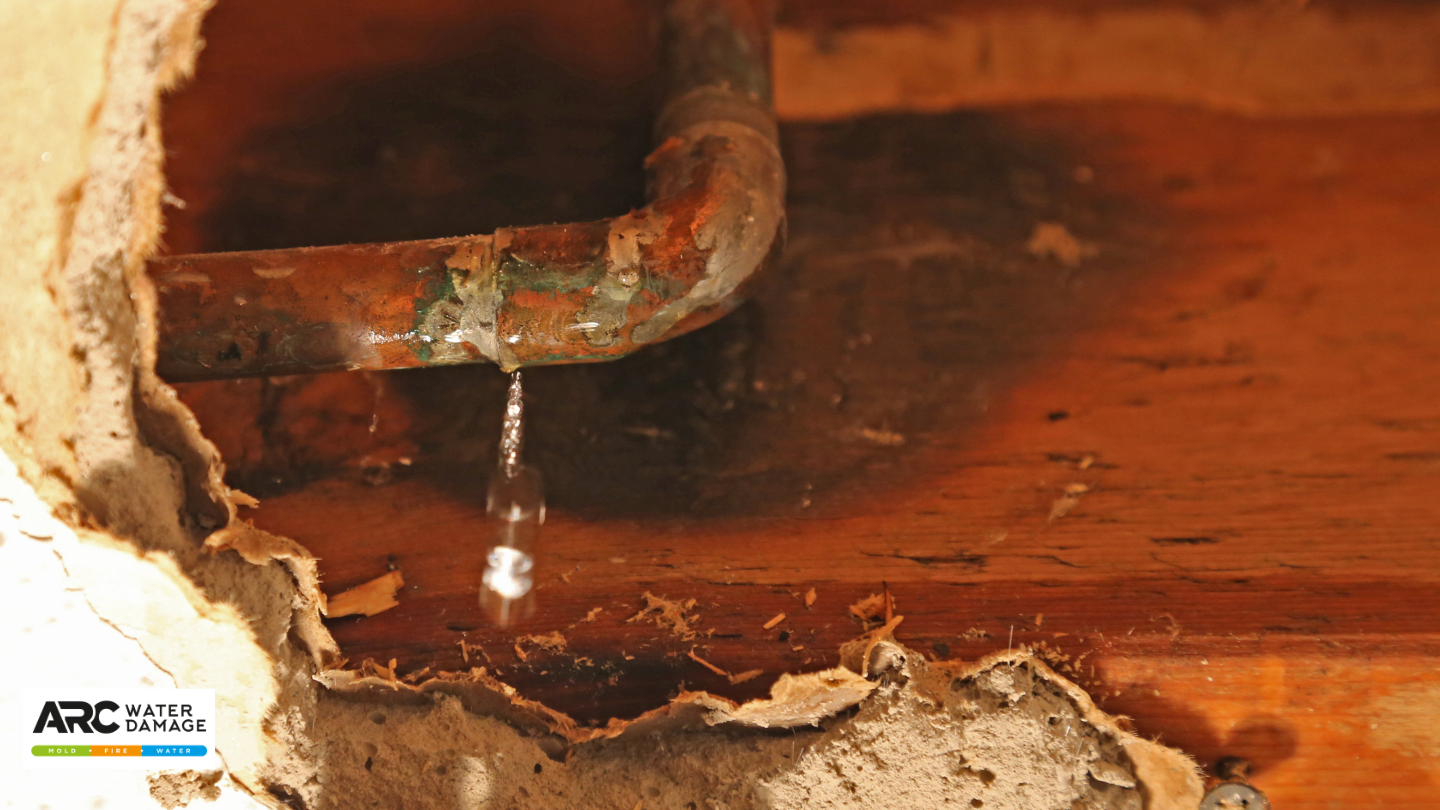
Signs You Are Facing An Emergency Water Damage Situation
Recognizing the warning signs of water damage early can help minimize repair costs and prevent severe structural deterioration. Some emergencies develop suddenly with visible flooding, while others begin slowly behind walls or beneath flooring. Identifying these signs quickly allows property owners to take immediate action before the damage becomes more extensive.
Standing water inside the property is one of the clearest indications of an emergency. Water pooling on floors can rapidly damage wood flooring, carpeting, baseboards, and subfloor materials. Even shallow water may spread beneath surfaces where hidden moisture continues, causing damage long after visible water is removed.
Persistent musty odors are another common warning sign. A damp, earthy smell often indicates hidden moisture or mold growth inside walls, ceilings, or crawl spaces. Mold frequently develops in concealed areas where airflow is limited, allowing spores to spread before visible growth appears.
Structural materials may also begin deteriorating when water damage remains untreated. Wet drywall loses strength quickly and may sag, crack, or collapse. Wooden framing, beams, and subfloors absorb moisture and eventually begin rotting, compromising structural stability throughout the property.
Professional inspection and moisture detection equipment are often necessary to identify hidden water damage fully. Prompt mitigation services can prevent further destruction and reduce restoration costs significantly.
Visible Standing Water
Pooling water on floors or soaked carpeting often signals an active leak or flooding issue that requires immediate extraction and drying to prevent additional damage.
Structural Damage Escalates Over Time
Untreated moisture weakens drywall, wood framing, and flooring materials. The longer water remains, the greater the risk of structural instability and mold growth.
Preventing Emergency Water Damage In Walnut Creek Homes
While not every water emergency can be prevented, routine maintenance and proactive inspections significantly reduce the risk of major property damage. Homeowners who regularly inspect plumbing systems, roofing materials, and drainage systems are more likely to identify small issues before they escalate into costly emergencies.
Routine plumbing inspections are especially important in older homes where pipes and water connections may already be deteriorating. Monitoring water pressure helps reduce stress on plumbing systems and lowers the likelihood of pipe bursts. Replacing aging washing machine hoses, dishwasher lines, and plumbing fittings before they fail can also prevent unexpected flooding incidents.
Roof maintenance plays a major role in preventing storm-related water intrusion. Regular inspections help identify damaged shingles, deteriorated flashing, and clogged gutters before heavy rain exposes vulnerable areas. Gutters and downspouts should remain clear, so water flows safely away from the roof and foundation.
Proper drainage around the property is equally important. Landscaping should slope away from the home to prevent water accumulation near the foundation. Crawl spaces and basements should also be monitored regularly for signs of excess moisture, humidity, or standing water.
Although emergencies can still occur unexpectedly, preventative maintenance helps reduce risk, minimize repair costs, and protect the long-term condition of the property.
Routine Plumbing Inspections
Regular inspections help identify leaks, aging pipes, and failing appliance connections before they become major water damage emergencies.
Roof and Drainage Maintenance
Cleaning gutters, inspecting roofing materials, and maintaining proper drainage systems help reduce the risk of storm-related water intrusion and foundation flooding.
Conclusion
Emergency water damage situations in Walnut Creek, CA, involve far more than visible flooding or dramatic plumbing failures. Any situation where water threatens the structure, safety, electrical systems, or health of occupants should be treated with urgency. Water damage spreads quickly, often reaching hidden areas long before signs become visible. Because of this, even minor leaks can evolve into major emergencies if left untreated.
One of the most important factors in determining whether water damage is an emergency is time. Water immediately begins penetrating porous materials such as drywall, wood, insulation, and carpeting. Within hours, these materials start weakening, and within days, mold growth may begin developing. Delayed response not only increases repair costs but also raises the likelihood of structural deterioration and indoor air quality problems.
In Walnut Creek, common causes of emergency water damage include burst pipes, appliance failures, roof leaks, sewer backups, and seasonal storm flooding. Older plumbing systems and hidden leaks are especially problematic because damage may continue unnoticed for extended periods. Contaminated water from sewage or flood events presents even greater danger because it introduces bacteria and toxins into the property.
Recognizing warning signs early is critical. Standing water, sagging ceilings, warped flooring, musty odors, and electrical issues all indicate potentially serious damage requiring immediate attention. Professional restoration services use specialized equipment to extract water, detect hidden moisture, dry affected materials, and prevent secondary issues like mold growth.
Ultimately, fast action is the key to minimizing destruction and protecting both property and health. Homeowners who respond quickly to water damage emergencies often avoid more severe structural repairs and costly remediation work later. Whether the issue involves a leaking appliance, roof intrusion, or sewage backup, treating water damage seriously from the beginning is the safest and most cost-effective approach. In emergencies, immediate response can make the difference between a manageable cleanup and a major restoration project.
FAQ
1. What Qualifies As Emergency Water Damage?
Emergency water damage includes situations involving flooding, burst pipes, sewage backups, roof leaks, electrical hazards, or rapid water intrusion threatening the property or occupants.
2. How Quickly Should Water Damage Be Addressed?
Water damage should be addressed immediately. Mold growth can begin within 24–48 hours, and structural materials start deteriorating quickly after exposure.
3. Is A Leaking Pipe Considered An Emergency?
Yes, especially if the leak is ongoing, hidden behind walls, or causing water to spread into flooring, ceilings, or electrical systems.
4. What Is The Most Dangerous Type Of Water Damage?
Black water contamination from sewage backups or floodwater is considered the most dangerous because it contains harmful bacteria and pathogens.
5. Can Water Damage Spread Behind Walls?
Yes. Water often travels through insulation, wall cavities, and beneath flooring, where it may remain hidden for extended periods.
6. Why Does Water-Damaged Smell Musty?
Musty odors usually indicate trapped moisture and potential mold growth caused by prolonged damp conditions.
7. Can I Clean Up The Emergency Water Damage Myself?
Small spills may be manageable, but significant water damage, contaminated water, or hidden moisture typically requires professional restoration services.
8. Does Water Damage Affect Electrical Systems?
Yes. Water exposure near wiring, outlets, or appliances creates serious shock and fire hazards that require immediate attention.
9. How Do Professionals Detect Hidden Moisture?
Restoration teams use moisture meters, thermal imaging cameras, and specialized drying equipment to locate and remove hidden water.
10. How Can Homeowners Reduce The Risk Of Emergency Water Damage?
Routine plumbing inspections, roof maintenance, proper drainage, and replacing aging appliance hoses help reduce the likelihood of serious water damage emergencies.
Emergency Water Damage Can Escalate Fast; Immediate Action Matters
Water emergencies can go from stressful to devastating in a matter of hours. Whether it’s a burst pipe, overflowing appliance, storm flooding, or sewage backup, water spreads quickly through walls, flooring, insulation, and structural materials. The longer the water sits, the greater the risk of severe property damage, mold growth, and costly repairs.
Fast emergency water damage restoration helps stop the damage before it gets worse. With immediate response, professional-grade drying equipment, and proven restoration methods, the affected areas can be extracted, dried, sanitized, and restored as quickly as possible. Acting fast not only protects your property, but it can also help reduce restoration costs and minimize disruption to your home or business.
At ARC Water Damage, our team responds quickly to emergency water damage situations and guides you through the entire restoration process from start to finish. We work efficiently, communicate clearly, and help coordinate with your insurance company to keep the process moving smoothly.
If you’re dealing with emergency water damage, don’t wait. Call ARC Water Damage today at (877) 437-9225 for immediate emergency water damage restoration and rapid response service.