
What Causes Residential Flood Cleanup Emergencies?
Residential flood cleanup emergencies usually come from three places: weather pushing water into the building, plumbing or appliance failures dumping water where it does not belong, or sewer and drain events that add contamination to the mess. People assume the “emergency” part is about the amount of water. It’s often about time, toxins, and what that moisture is doing inside your walls while you’re still arguing with your spouse about whose job it was to replace the water heater.
And yes, sometimes it’s a straight-up flood. Sometimes it’s an upstairs laundry room that quietly turns your ceiling into a sponge. Same panic. Different smell.
Key takeaways
Most residential flooding crises start with either overland flow (rain, storm surge, snowmelt), a pressurized supply leak (pipes, valves, water heaters), or a drain problem (toilets, mains, sewer backup).
The contamination category changes everything. Clean water can become nasty fast, and Category 3 black water is a “do not DIY” situation.
The first 24 to 48 hours decide whether you’re doing basic cleanup or signing up for demolition, mold remediation, and a longer insurance claim process.
Good restoration is a three-act play: stop the source, extract and dry with measured targets, then clean and repair. Anyone skipping the middle act is creating future damage.
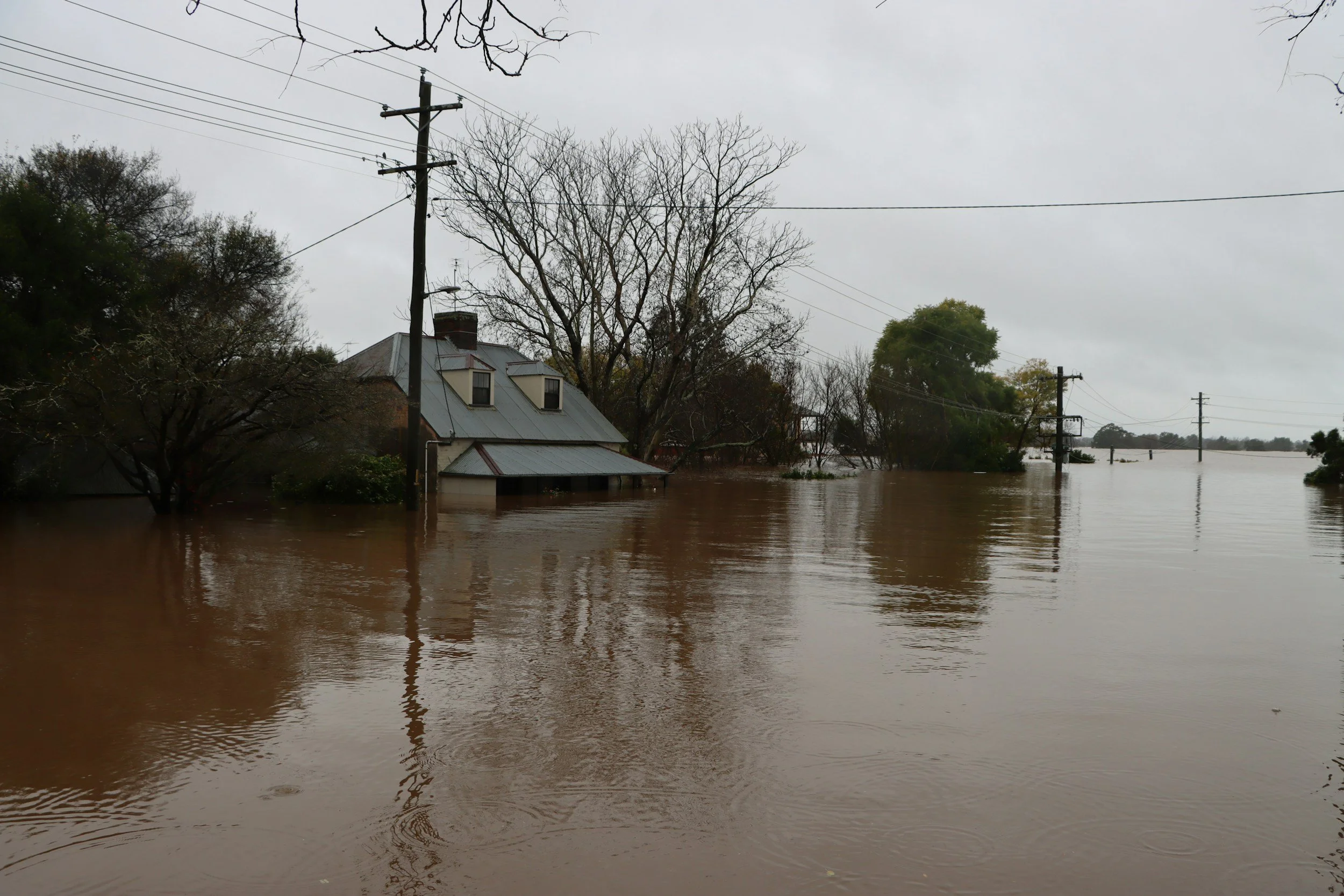
What turns water intrusion into an emergency?
Health hazards
Your house isn’t a laboratory, but the biology gets real anyway. Once floodwater crosses into “maybe contaminated,” you’re dealing with pathogens, not just puddles. The EPA’s guidance on flood cleanup and indoor air quality gets blunt about it for a reason: wet building materials plus organic debris plus warm conditions equals a mold party you didn’t RSVP to.
Category 3 blackwater is the nightmare version. Sewer, toilet overflow with solids, river floodwater, storm surge, runoff from streets. You do not want that on your skin, in your HVAC, or aerosolized because someone “just ran a fan.”
Structural risks
Water intrusion is a bully. It loads drywall until it slumps, it warps wood floors, it swells baseboards, it softens particleboard cabinets, it corrodes fasteners, it sneaks under tile and sits in the thinset like it owns the place. Even one inch of flood water indoors can punch far above its weight, with some risk analysts pegging that level at up to $25,000 in structural damage depending on materials and layout.
Storm events add a bonus layer of danger: compromised foundations, shifted soil, and hidden electrical hazards. OSHA’s flood preparedness and response page reads like it was written by someone who has seen too many “I thought it was fine” injuries.
Insurance deadlines
Insurance is weirdly time-sensitive for something that moves as slowly as paperwork. Many policies expect prompt notice, reasonable mitigation, and documentation that proves what happened when. Water and freezing losses are a big chunk of claims overall, with one industry compilation putting them at nearly 28% of property insurance claims. Translation: adjusters have seen every flavor of sloppy.
If you wait, you invite the “secondary damage” argument. Mold and rot become the villain, and the story shifts from sudden incident to delayed maintenance, which is where coverage fights love to live.
Identify the water source fast
This is the first fork in the road. Not the prettiest one, either.
Weather and overland flow
Overland flooding is the classic headline: heavy rainfall, flash floods, storm surge, fast snowmelt. It’s also the most misunderstood. People hear “I’m not in a high-risk zone” and exhale. Meanwhile, a big chunk of claims come from outside those mapped areas, with one disaster-stat roundup noting about 40% of flood-related claims start outside high-risk flood zones. Maps are useful. They are not a force field.
Urban localized flooding is its own beast. Pavement, clogged storm drains, undersized infrastructure, and suddenly your street is a shallow river every couple years, which matches what some industry data calls out about these events occurring somewhere in the U.S. every 2 to 3 years. If you live elsewhere globally, the specifics change, but the physics does not: water follows gravity, and cities love to help it along.
Plumbing and supply lines
Pressurized plumbing failures are sneakier because they can look “small” until they’re not. A supply line rupture behind a vanity can soak studs and subfloor for hours. A pinhole leak can waste an absurd amount over time, and one property protection source notes a quarter-inch breach can bleed up to 10,000 gallons in a month. That’s not dramatic. That’s math.
Water heaters deserve their own side-eye. The Hanover Insurance Group cites that 75% of residential water heaters structurally fail before 12 years. The tank doesn’t announce its retirement. It just dumps.
Then there’s material risk. Some insurers and maintenance folks flag older plumbing types as higher risk, including polybutylene and certain older PEX, which is why this note about plumbing materials impacting insurance risk matters more than homeowners want to admit.
Sewers and drains
A sewer backup turns “wet” into “unsafe.” Main line clogs, tree roots, municipal surcharging during storms, failed backwater valves. The moment sewage is involved, treat it as Category 3 water damage until proven otherwise.
Also, don’t get cute about it. If the floor drain burps during a storm, that is not a personality quirk in your house. It’s a warning.
Match the response to contamination level
People love to debate square footage. Pros obsess over category and class for a reason: it predicts what you can save, how you clean, and what PPE belongs to your body.
Here’s a simple comparison table that maps to common insurance and restoration language (the IICRC S500 framework is the usual north star in the U.S., even when contractors don’t say it out loud).
Category 1 water
Clean water is the liar category. It looks innocent. It is, for a minute. Then it sits, warms up, wicks into drywall, and starts picking up contaminants from the building. If you’ve got standing water on carpet or it has reached baseboards, the clock is already loud.
This is where “quick flood cleanup” is not a marketing phrase. It’s your only leverage.
Category 2 water
Gray water is where you stop pretending household wastewater is basically fine. A washing machine overflow might include microbes, detergents, and whatever was in the drum. A dishwasher leak brings food residue. Category 2 water can tip into Category 3 depending on time, temperature, and what it contacts.
If you want a simple gut-check: if you wouldn’t rinse a cut with it, don’t treat it casually.
Category 3 water
Black water is the hard stop. BELFOR’s explainer on Category 3 water damage is one of many in the industry that spells out what this can contain. The details vary by event, but the theme doesn’t: pathogens, chemicals, and a cleanup job that demands real controls.
A lot of homeowners want to “just remove the water.” Category 3 is not a pump-and-pray situation. Its removal, disposal, disinfection, and usually cutting out porous materials because you cannot un-soak sewage from drywall and make it safe with vibes.
Spot hidden damage before mold spreads
If water only behaved on surfaces, none of this would be so expensive.
Porous materials
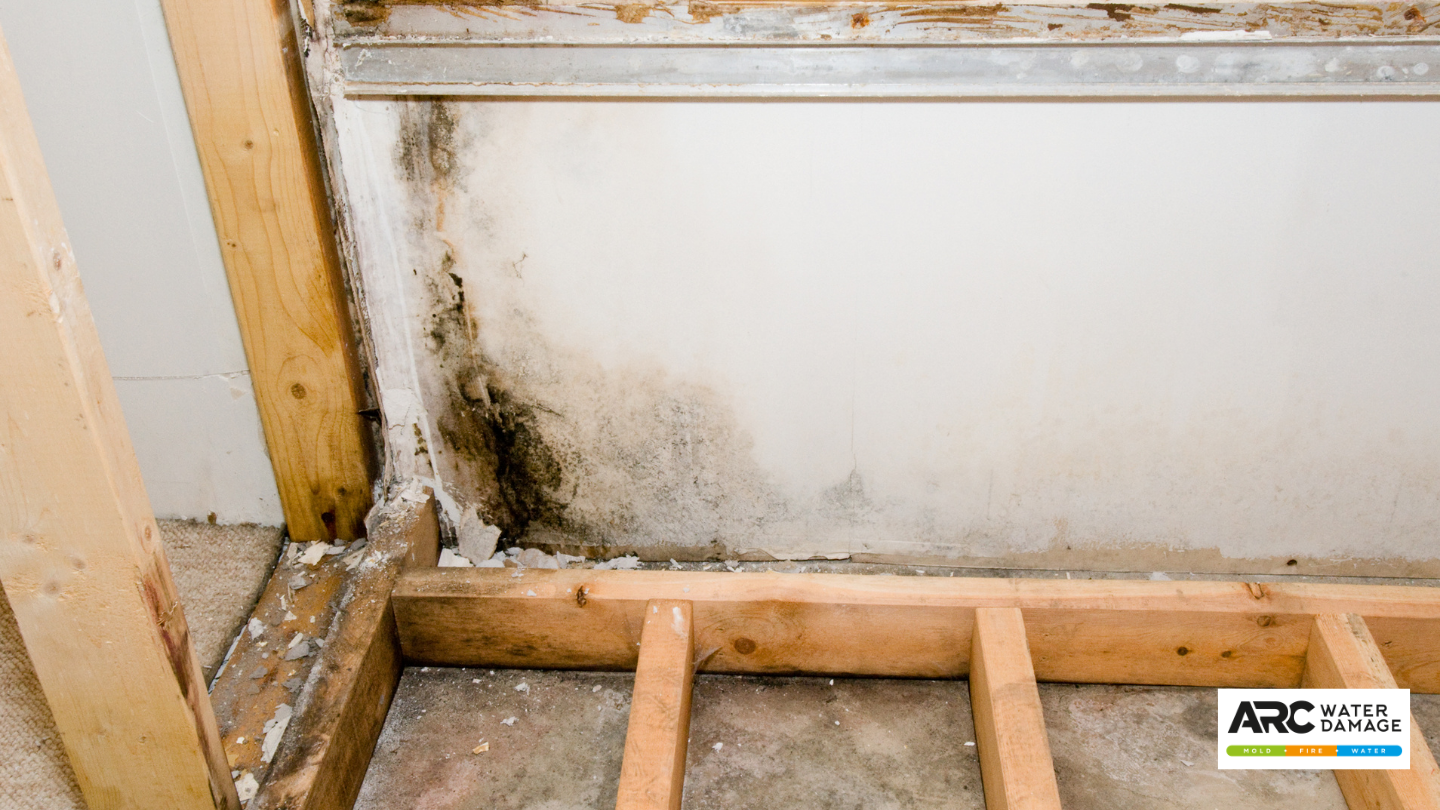
Drywall, insulation, carpet pad, upholstered furniture, paper-faced products, MDF cabinets. These are moisture magnets. When they stay wet, they don’t just smell. They lose structure. They become a growth medium.
The EPA has also published technical notes on cleaning after flood-related events, and their flood-related cleaning report gets into why certain porous materials are hard to “make right” again.
Cavities and subfloors
Water spread is sneaky. It runs under baseboards. It follows joists. It pools on vapor barriers. It wicks up studs. That’s why real flood damage restoration services involve more than air movers pointed at the center of the room.
If you have hardwood or laminate that feels “a little bouncy,” that’s often a subfloor story, not a surface story. Same with tile that suddenly sounds hollow.
Odors and air quality
Smell is data, even if it’s not precise. Musty odor after a flooded home incident often means you’ve got wet porous material somewhere air is moving through. HVAC returns can distribute that lovely swamp bouquet through the whole property, which is why some crews will isolate zones, run filtration, and treat the air as part of the restoration process, not an afterthought.
Also, don’t drown everything in cleaning products and call it “sanitized.” Disinfectants have rules. Contact time matters. Wrong chemistry on the wrong surface can create fumes or wreck finishes.
Prevent the Next Emergency Before It Starts
Most property owners spend far more time thinking about repairs after a disaster than preventing one in the first place. Yet many of the most expensive water-related incidents begin with small, overlooked vulnerabilities that develop quietly over time. A worn appliance connection, poor drainage around the structure, an aging plumbing component, or a neglected sewer line can remain unnoticed until the day it fails.
Modern homes introduce additional challenges. Many newer properties feature second-floor laundry rooms, multiple bathrooms, sophisticated appliances, smart irrigation systems, and extensive plumbing networks. While these conveniences improve daily life, they also create more potential points of failure. A leak occurring on an upper level can travel through ceilings, walls, insulation, and flooring before anyone realizes a problem exists, multiplying repair costs and disruption.
A practical prevention strategy starts with routine inspection and maintenance. Flexible supply hoses connected to washing machines, refrigerators, dishwashers, and water filtration systems deserve regular attention. These components experience constant pressure and wear, making them common sources of unexpected leaks. Replacing aging connections before they fail is a relatively inexpensive step that can prevent significant property damage.
Technology can also play an important role. Water sensors placed near appliances, mechanical rooms, sinks, and water heaters can provide early warnings when moisture is detected. Some advanced systems go a step further by automatically shutting off the water supply when abnormal flow patterns or leaks are identified. Early detection often means the difference between a minor cleanup task and a major restoration project.
Exterior maintenance deserves equal consideration. Rainwater should move efficiently away from the building rather than collecting near the foundation. Gutters should remain free of debris, downspouts should discharge a safe distance from the structure, and grading should encourage runoff to flow away from the property. Small drainage issues can gradually contribute to moisture intrusion, foundation concerns, and lower-level flooding during severe weather events.
For properties located in areas prone to heavy rainfall or municipal sewer overloads, additional safeguards may be worthwhile. Backwater valves, sump pump systems, battery backups, and regular sewer inspections can reduce the likelihood of wastewater entering the home during extreme conditions. These measures may not eliminate every risk, but they can significantly reduce exposure to costly emergencies.
Financially, prevention almost always costs less than recovery. A modest investment in inspections, maintenance, monitoring devices, and drainage improvements can help avoid expenses associated with structural repairs, material replacement, temporary relocation, and restoration services. Water damage rarely announces its arrival in advance. More often, it develops from a manageable issue that was simply ignored for too long.
The goal is not to worry about every possible failure. It is to identify common risks, address them proactively, and create layers of protection that reduce the chance of a small problem becoming a major crisis. A little attention today can save substantial time, money, and frustration tomorrow.
Ask these follow-up questions before you decide next steps
Most people call for help and say, “My house flooded.” Fair. Also not enough.
Ask yourself these questions while you’re calling a flood cleanup company or restorepro-style team so you don’t get steamrolled by vague promises.
What’s the water source, and does anyone suspect sewage or overland floodwater?
How long has it been wet, and did anyone already run HVAC or fans that might have pushed moisture into cavities?
What materials are affected, especially drywall, insulation, hardwood, cabinets, and subfloors?
If the contractor can’t translate your answers into a clear scope, drying plan, and documentation trail for an insurance claim, you’re drifting toward the expensive kind of “learning experience.”
Conclusion
Flood cleanup emergencies often feel sudden and unpredictable in the moment, but most follow a familiar pattern. A heavy storm overwhelms drainage systems, a pipe bursts behind a wall, a water heater fails overnight, an appliance supply line ruptures, or a sewer backup introduces contaminated water into the property. The initial event may last only minutes or hours, but the resulting damage can continue to spread for days, weeks, or even months if the response is delayed or handled incorrectly.
What makes flood damage so costly is not always the water itself—it is the time that follows. Water seeps into drywall, insulation, flooring, subfloors, framing, and hidden structural cavities. Moisture trapped in these materials creates the perfect environment for mold growth, wood deterioration, corrosion, unpleasant odors, and long-term structural issues. By the time visible signs appear, the damage is often far more extensive and expensive than it seemed at first glance.
That is why the most effective flood cleanup strategy is built on speed, documentation, and verification. The first step is identifying the source of the water and understanding the level of contamination involved. Clean water from a broken supply line requires a different response than gray water from an appliance overflow or black water from a sewer backup or floodwater intrusion. Proper classification helps determine the necessary cleaning procedures, safety precautions, and restoration methods.
Documentation is equally important. Homeowners who thoroughly photograph the damage, save receipts, record conversations, and create detailed inventories place themselves in a much stronger position during the insurance claims process. Insurance companies rely on evidence, and the more organized your documentation is, the easier it becomes to support your claim and recover eligible losses.
Just as important as removing standing water is ensuring that the property is dried correctly. Extraction equipment can remove visible water, but hidden moisture often remains inside walls, beneath flooring, and within structural materials. Professional moisture meters, thermal imaging equipment, and ongoing monitoring help confirm that drying is actually occurring. Without these measurements, there is no reliable way to know whether a property is truly dry or simply appears dry on the surface.
Homeowners should also be wary of shortcuts and unrealistic promises. Flood cleanup is a process, not a quick fix. Any contractor who guarantees complete drying within an arbitrary timeframe without conducting moisture inspections may be focusing more on closing the job than protecting the property. Effective restoration requires assessment, extraction, drying, cleaning, sanitization when necessary, and verification at every stage.
Another important lesson is that safety should never be overlooked. Electrical hazards, contaminated water, weakened building materials, mold exposure, and slipping risks can turn a cleanup project into a medical emergency. Taking the time to shut off utilities when appropriate, wear protective equipment, and follow proper safety procedures can prevent injuries and additional complications.
Ultimately, successful flood cleanup is about preventing today's water problem from becoming tomorrow's structural, financial, or health problem. Quick action, informed decision-making, proper documentation, and professional-grade drying techniques can dramatically reduce the long-term impact of a flood event. Whether the water came from a natural disaster, a plumbing failure, an appliance malfunction, or a sewer backup, the principles remain the same: act quickly, take the situation seriously, verify every step of the drying process, and never assume that visible dryness means the problem has been solved.
Floods may be unavoidable, but extensive secondary damage often is not. The choices made during the first few hours and days after water intrusion can determine whether recovery is straightforward or becomes a lengthy and expensive restoration project. When faced with a flood cleanup emergency, a fast, measured, and evidence-based response remains the most reliable way to protect your home, your belongings, and the people who depend on both.
FAQ
How fast does mold become a problem after flooding?
Often within 24 to 48 hours, depending on temperature, humidity, and materials. Even before visible growth, moisture can create indoor air quality issues and start degrading building components.
Is all flooding considered black water?
No, but overland floodwater is commonly treated as Category 3 because it can carry chemicals, waste, and unknown contaminants. Clean-water pipe leaks start as Category 1, then worsen if not addressed.
Can I handle water damage restoration myself if it looks minor?
Small clean-water spills on non-porous surfaces, maybe. The moment water gets into drywall, insulation, subfloors, or involves gray/black water, DIY gets risky fast, both for health and for missed hidden damage.
Why do restoration pros talk so much about moisture readings?
Because drying is not a vibe. A measured drying plan with moisture logs proves progress, guides equipment placement, and supports the insurance claim process when someone asks why the job took five days instead of five hours.
What’s a common mistake that makes cleanup more expensive?
Starting repairs before drying is complete. Closing up wet cavities can trap moisture and turn a repair into a redo.
Emergency Water Damage Can Escalate Fast; Immediate Action Matters
Water emergencies can go from stressful to devastating in a matter of hours. Whether it’s a burst pipe, overflowing appliance, storm flooding, or sewage backup, water spreads quickly through walls, flooring, insulation, and structural materials. The longer the water sits, the greater the risk of severe property damage, mold growth, and costly repairs.
Fast emergency water damage restoration helps stop the damage before it gets worse. With immediate response, professional-grade drying equipment, and proven restoration methods, the affected areas can be extracted, dried, sanitized, and restored as quickly as possible. Acting fast not only protects your property, but it can also help reduce restoration costs and minimize disruption to your home or business.
At ARC Water Damage, our team responds quickly to emergency water damage situations and guides you through the entire restoration process from start to finish. We work efficiently, communicate clearly, and help coordinate with your insurance company to keep the process moving smoothly.
If you’re dealing with emergency water damage, don’t wait. Call ARC Water Damage today at (877) 437-9225 for immediate emergency water damage restoration and rapid response service.
DisclaimerThe information provided on this website is for general informational and educational purposes only and is not intended to serve as professional restoration, environmental, or insurance advice. Every water, fire, or mold damage situation is unique, and you should consult with a qualified restoration professional regarding your specific property and conditions. Do not take action or delay action based solely on the content of this website without seeking appropriate professional guidance.While we strive to provide accurate and up-to-date information, restoration methods, safety standards, and industry practices may change over time. The content on this website may not reflect the most current procedures or recommendations. ARC Water Damage makes no guarantees regarding outcomes based on the use of this information.By using this website, you agree that ARC Water Damage is not liable for any actions taken or not taken based on the information provided, to the fullest extent permitted by law.