
How Long Does Professional Flood Cleanup Typically Take?
Professional flood cleanup typically takes 3 to 7 days for extraction plus structural drying if the job is caught fast and stays contained, and 2 to 6+ weeks once demolition, cleaning, and repairs enter the chat, with months only showing up when you’re rebuilding big chunks of the house or waiting on insurance decisions. That range sounds obnoxiously wide because it is.
Most homeowners in Fort Worth get tripped up by the same assumption: that the “cleanup” part is the whole story. It’s not. The first crews can be in and out quickly, the equipment can hum along for a week, and you still might be staring at open walls while someone argues about line items, moisture levels, flooring availability, and whether the adjuster has “enough documentation.”
key takeaways
If you want the blunt, phase-by-phase expectations without the salesy fluff, it’s this:
The first 24 hours is stabilization: stop the source, extract standing water, protect unaffected areas, and start documentation.
Days 1 to 3 is heavy water removal plus selective demolition, because wet drywall and soaked insulation don’t negotiate.
Days 3 to 7 is where competent drying happens: dehumidifiers, air movers, daily moisture readings, and targets that actually mean something.
After day 7 is the fork in the road: either you’re clean and ready to rebuild, or you’re in contamination land, hidden saturation, or paperwork limbo.
Reconstruction is the long tail: anywhere from a week for a small patch to multiple weeks, and sometimes months, depending on scope, permits, trades, and claims.
What turns water intrusion into an emergency?
Health hazards
Your house isn’t a laboratory, but the biology gets real anyway. Once floodwater crosses into “maybe contaminated,” you’re dealing with pathogens, not just puddles. The EPA’s guidance on flood cleanup and indoor air quality gets blunt about it for a reason: wet building materials plus organic debris plus warm conditions equals a mold party you didn’t RSVP to.
Category 3 blackwater is the nightmare version. Sewer, toilet overflow with solids, river floodwater, storm surge, runoff from streets. You do not want that on your skin, in your HVAC, or aerosolized because someone “just ran a fan.”
Structural risks
Water intrusion is a bully. It loads drywall until it slumps, it warps wood floors, it swells baseboards, it softens particleboard cabinets, it corrodes fasteners, it sneaks under tile and sits in the thinset like it owns the place. Even one inch of flood water indoors can punch far above its weight, with some risk analysts pegging that level at up to $25,000 in structural damage depending on materials and layout.
Storm events add a bonus layer of danger: compromised foundations, shifted soil, and hidden electrical hazards. OSHA’s flood preparedness and response page reads like it was written by someone who has seen too many “I thought it was fine” injuries.
Insurance deadlines
Insurance is weirdly time-sensitive for something that moves as slowly as paperwork. Many policies expect prompt notice, reasonable mitigation, and documentation that proves what happened when. Water and freezing losses are a big chunk of claims overall, with one industry compilation putting them at nearly 28% of property insurance claims. Translation: adjusters have seen every flavor of sloppy.
If you wait, you invite the “secondary damage” argument. Mold and rot become the villain, and the story shifts from sudden incident to delayed maintenance, which is where coverage fights love to live.
Identify the water source fast
This is the first fork in the road. Not the prettiest one, either.
Weather and overland flow
Overland flooding is the classic headline: heavy rainfall, flash floods, storm surge, fast snowmelt. It’s also the most misunderstood. People hear “I’m not in a high-risk zone” and exhale. Meanwhile, a big chunk of claims come from outside those mapped areas, with one disaster-stat roundup noting about 40% of flood-related claims start outside high-risk flood zones. Maps are useful. They are not a force field.
Urban localized flooding is its own beast. Pavement, clogged storm drains, undersized infrastructure, and suddenly your street is a shallow river every couple years, which matches what some industry data calls out about these events occurring somewhere in the U.S. every 2 to 3 years. If you live elsewhere globally, the specifics change, but the physics does not: water follows gravity, and cities love to help it along.
Plumbing and supply lines
Pressurized plumbing failures are sneakier because they can look “small” until they’re not. A supply line rupture behind a vanity can soak studs and subfloor for hours. A pinhole leak can waste an absurd amount over time, and one property protection source notes a quarter-inch breach can bleed up to 10,000 gallons in a month. That’s not dramatic. That’s math.
Water heaters deserve their own side-eye. The Hanover Insurance Group cites that 75% of residential water heaters structurally fail before 12 years. The tank doesn’t announce its retirement. It just dumps.
Then there’s material risk. Some insurers and maintenance folks flag older plumbing types as higher risk, including polybutylene and certain older PEX, which is why this note about plumbing materials impacting insurance risk matters more than homeowners want to admit.
Sewers and drains
A sewer backup turns “wet” into “unsafe.” Main line clogs, tree roots, municipal surcharging during storms, failed backwater valves. The moment sewage is involved, treat it as Category 3 water damage until proven otherwise.
Also, don’t get cute about it. If the floor drain burps during a storm, that is not a personality quirk in your house. It’s a warning.
Map the phases from mitigation to rebuild
Cleanup is a restoration process, not a single service call. The phases have different goals, different tools, and different “done” definitions, which is why homeowners get whiplash.
Inspection and moisture map
This phase feels boring, which is exactly why it gets skipped by sloppy operators.
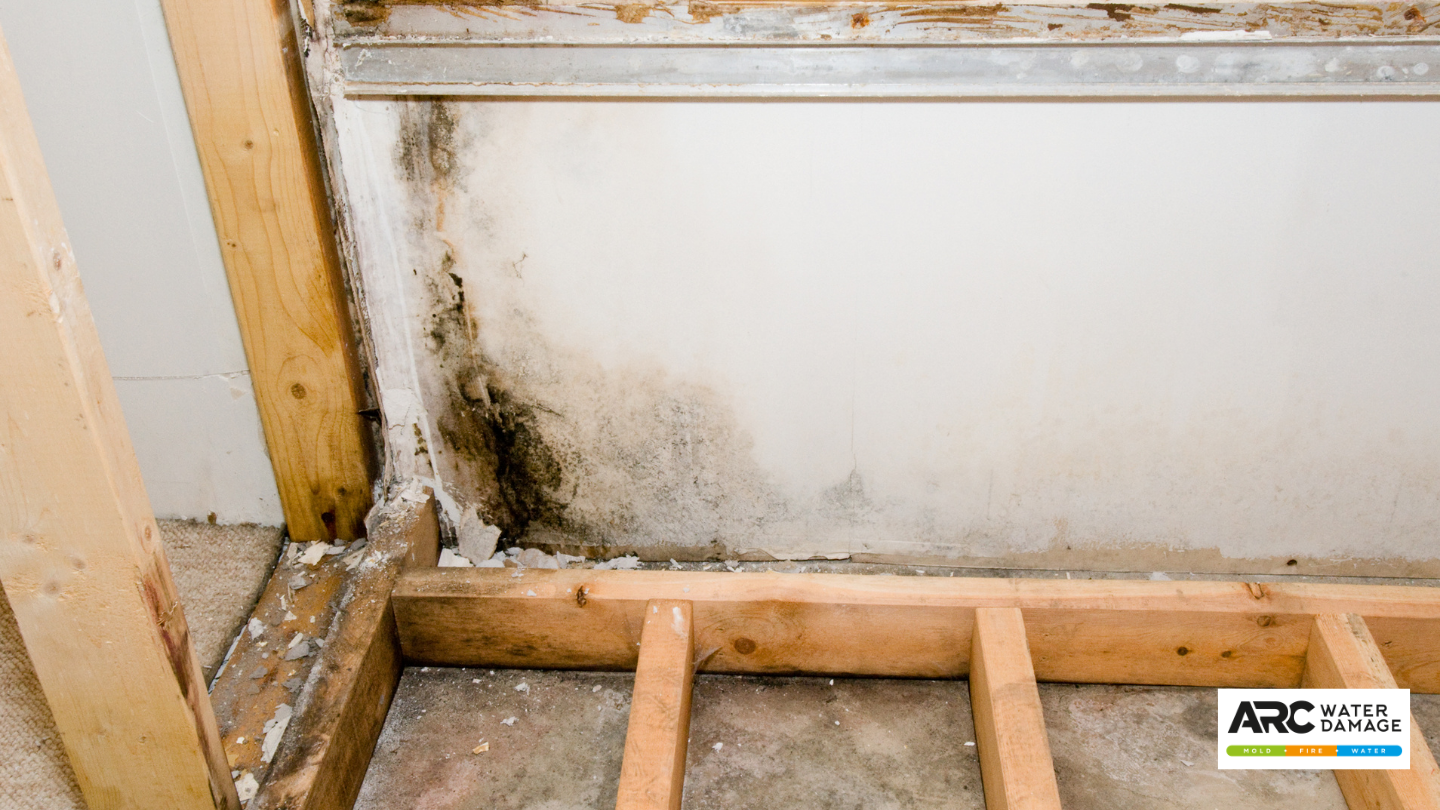
A real inspection includes moisture mapping with meters, sometimes thermal imaging, and documentation that makes sense when you read it later, especially if insurance is involved. You want to know where the wet is hiding: behind tile, under floating floors, inside wall cavities, in that one corner by the sliding door that always had a tiny leak when it rained.
I’m opinionated here. If I were dealing with water damage in Fort Worth, I’d rather hire the crew that’s annoying about documentation than the crew that’s “fast.” Moisture mapping plus verification is how you avoid surprise dry-out times and that fun moment when reconstruction starts and everyone realizes the subfloor is still wet.
If you’re working with specialists like alpha environmental (and yes, sometimes you should), you’re usually paying for that deeper testing mindset, not a prettier invoice.
Demo and removal
Removal is where homeowners think they’re being “upsold,” and sometimes they are, but a lot of removal is just rules plus reality.
Porous materials that contact contaminated water generally need to go. The EPA has laid this out in plain terms in their flood-related cleaning report, and it lines up with how professional water damage restoration teams manage biological hazards. If the water category is higher, the removal process gets more aggressive because saving materials becomes the risk, not the virtue.
Final repairs
Repairs are rarely complicated in concept. Drywall, insulation, flooring, trim, paint, cabinetry, maybe some framing work if structural damage happened.
The complication is sequencing. Repairs should wait until materials hit acceptable dryness targets. In the ANSI/IICRC S500 universe, the “when can we close the wall” discussion is tied to measurements, not optimism, and trade publications have described targets like keeping wood framing below 16% moisture content before reinstalling drywall in equipment and drying guidance. That’s the grown-up version of “it looks dry.”
How water category changes the schedule
People love ignoring the water category until the deodorization needs to show up and the house smells like a riverbank.
Clean water
Clean water incidents can sometimes wrap surprisingly fast if mitigation begins immediately. A small leak that’s discovered quickly, contained to one room, and managed with disciplined drying can be a one to two week restoration project including repairs, especially if flooring is salvageable.
The catch is that “clean” is time-sensitive. Don’t romanticize it.
Gray water
Gray water is where the calendar starts slipping. You’re dealing with contaminated water, not necessarily sewage, but enough organic load that cleaning and disinfection matter more and porous materials get harder to justify saving.
If a Category 2 situation isn’t dried within 48 hours, some institutional standards force a harsher treatment approach, including reclassification, like what’s outlined in the CU Anschutz remediation standard. That’s not bureaucracy. That’s a shortcut to fewer lawsuits and fewer sick buildings.
Black water
Black water is the one everyone thinks “won’t happen to me” until sewage backups happen to them.
This is the slow lane. Containment, PPE, HEPA filtration, aggressive removal of damaged materials, and more verification before anyone calls it safe. If surfaces stay wet past 48 hours, mold can become visible quickly, and public health guidance like the North Carolina DHHS mold cleanup guide doesn’t mince words about that window.
Estimate duration by materials and room types
A big part of how long water cleanup takes is what got wet, and how it’s built.
Drywall and insulation
Drywall wicks water upward like it’s trying to prove a point. Insulation, once saturated, doesn’t “dry nicely.” It becomes a wet sponge inside your walls, which is why pros remove it early instead of pretending dehumidifiers will fix everything.
If the affected areas include multiple rooms with wet drywall and insulation, that pushes you into multi-week territory because demo, drying, and rebuild all scale with square footage and access.
Floors and subfloors
Carpets can be extracted. Padding usually can’t. Hardwood might be saved, or it might cup and buckle depending on how long it sat, what kind of finish it has, and whether water got underneath.
Subfloors are the drama. OSB and particleboard swell. Concrete slab homes in Fort Worth handle water differently than crawlspaces, but slab doesn’t mean “no problem.” Water can sit under flooring systems and slow everything down unless the drying strategy is designed around it.
Cabinets and contents
Cabinets are deceptively expensive time-wise. Toe kicks trap moisture. Particleboard bases swell. If water got under built-ins, you might be removing and resetting instead of “drying in place,” and that’s labor plus scheduling plus, sometimes, special-order materials.
Content work also sneaks up on people. Pack-outs, cleaning, inventory, storing. That’s not glamorous, but it burns days fast.
Account for weather and building conditions in Fort Worth
Fort Worth has its own rhythm. Flash floods, hard rain, clay soil, hot summers, surprise cold snaps. The building reacts.
Humidity and temperature
High outdoor humidity makes drying slower if you’re relying on open windows or passive ventilation. Mechanical drying wins because it changes the indoor environment instead of begging the weather to cooperate.
If you want a cautionary tale from the federal side, the EPA has documented that without mechanical intervention, some rooms can take weeks to dry, especially interior spaces, in their archived technical report on flooded buildings. That is why “we’ll just air it out” is often a lie people tell themselves to feel better.
HVAC and ventilation
Your HVAC can help or hurt depending on setup, filter condition, and whether it’s safe to run. In contamination scenarios, running HVAC without proper filtration and containment can spread mess through ductwork.
A competent restoration plan accounts for airflow paths and pressure differentials. This is where pros earn their money, and where DIY approaches tend to accidentally aerosolize grossness.
Crawlspaces and slab homes
Crawlspaces are moisture traps. Slab homes can still trap water under flooring and inside wall plates. Either way, access dictates length.
If you can’t reach it, you can’t dry it quickly. If you can’t dry it quickly, you’re stuck waiting or removing.
Reduce delays with homeowner-ready decisions
Many homeowners assume that the timeline for water damage restoration is controlled entirely by contractors, drying equipment, or insurance companies. In reality, homeowner decisions often play a major role in determining how quickly a project moves from emergency response to full recovery. While professionals handle the technical work, delays frequently happen when key decisions are postponed, documentation is incomplete, or communication breaks down.
The good news is that you don't need specialized training to help keep the process moving. A few timely, informed decisions can prevent unnecessary downtime and help restoration crews work more efficiently.
Authorize Mitigation as Soon as the Scope Is Clear
The first few hours after water damage are often the most important. Moisture doesn't pause while estimates are reviewed or decisions are debated. Once you understand the scope of the damage and feel comfortable with the restoration plan, authorizing mitigation quickly allows crews to begin extraction, drying, and stabilization before secondary damage develops.
Professional restoration companies operate on schedules that involve specialized equipment and trained technicians. Delaying authorization can sometimes mean waiting longer for equipment placement, which may ultimately extend the overall project timeline.
Require Daily Moisture Monitoring and Documentation
One of the most common causes of frustration during restoration projects is uncertainty about drying progress. Homeowners may feel that equipment has been running for days without visible improvement, while contractors know that hidden moisture often takes time to remove.
The solution is simple: ask for daily moisture readings and progress reports.
Moisture meters, thermal imaging tools, and humidity measurements provide objective data that shows exactly how materials are drying. Daily documentation helps everyone stay on the same page and prevents disagreements about whether a structure is truly dry enough for reconstruction to begin.
The goal should never be to stop drying equipment based on appearances alone. Drying should end when measurable moisture targets have been reached.
Make Salvage-or-Replace Decisions Early
Flooring, cabinets, drywall, trim, furniture, and personal belongings often sit in a gray area between restoration and replacement. Waiting too long to decide can create bottlenecks that affect every phase of the project.
For example:
Reconstruction can't begin until damaged materials are removed.
Flooring installation can't be scheduled until replacement decisions are finalized.
Cabinet orders may involve manufacturing lead times.
Specialty materials can require weeks for delivery.
Every day spent debating whether to restore or replace a damaged component can add days or even weeks to the overall timeline. Evaluating options early and making clear decisions helps contractors coordinate labor, materials, and scheduling more efficiently.
Maintain a Thorough Documentation Trail
Water damage claims often involve multiple parties, including homeowners, restoration contractors, insurance adjusters, and reconstruction teams. Miscommunication can slow progress dramatically.
Keep a dedicated file containing:
Photos and videos of all affected areas
Moisture reports and drying logs
Contractor estimates
Work authorizations
Emails and text messages
Insurance correspondence
Receipts for emergency expenses
Comprehensive documentation creates accountability and reduces the likelihood of disputes. It also helps ensure that important information remains available if questions arise later in the restoration process.
Ask Questions Until the Process Makes Sense
A restoration project should never feel like a mystery. Reputable professionals should be able to explain their procedures, timelines, and goals in language that homeowners can easily understand.
If a company cannot clearly explain:
How they will contain affected areas,
What moisture levels they are targeting,
How they will verify successful drying,
What conditions must be met before reconstruction begins,
then it's reasonable to continue evaluating other options.
Technical expertise is important, but transparency is equally valuable. Homeowners should understand not only what work is being performed, but also why it is necessary and how success will be measured. The best restoration providers make the process easier by replacing uncertainty with clear expectations, measurable progress, and consistent communication.
At the end of the day, water damage restoration is a partnership between the homeowner and the restoration team. Fast decisions, organized documentation, and open communication can significantly reduce delays and help move a property from emergency response to full recovery as efficiently as possible.
How insurance and adjusters affect the calendar
Insurance is a timeline unto itself.
Sometimes it’s smooth. Often it’s not. The restoration team can dry the building material, remove damaged materials, and submit estimates, and you still wait on approvals, supplements, and scope debates.
If FEMA is involved after major flooding, the claims timeline can stretch. The Washington state insurance commissioner’s overview notes proof-of-loss evaluations can run 30 to 180 days depending on the situation and documentation, as described in their FEMA-related claims guidance. Different jurisdiction, similar administrative gravity.
Then there’s the larger disaster recovery machine. If you’re in a community-wide event, rebuilding drags because labor and materials get scarce, and long-term federal housing dollars can lag badly, which the Urban Institute has discussed in their look at why disaster recovery takes so long in housing aid distribution analysis. That’s not your contractor’s fault, but it is your calendar’s problem.
Conclusion
If you remember one thing, make it this: the length of a flood restoration timeline is usually decided by the first 24 to 48 hours and whether drying is measured, verified, and respected before repairs begin. Fast extraction helps, sure, but the real victory is a methodical restoration process that hits objective moisture levels, documents the loss condition, and doesn’t let impatience turn into rework.
That’s the unsexy truth. The calendar follows physics, every time.
FAQ
How fast should a professional arrive?
Ideally within hours, not days. Water damage mitigation is most effective when it starts immediately, and structural damage can begin fast, even within the first day, as described in this structural damage timeline overview.
How do I know it’s actually dry, not “contractor dry”?
You want moisture readings logged over multiple days, compared to unaffected baseline areas. Professionals should be using meters and documenting targets, because the ANSI/IICRC S500 framework doesn’t treat timeframes as absolute and leans on conditions, a nuance discussed in R&R Magazine’s look at how the IICRC categories apply to real jobs.
When can I do cosmetic remodeling after a flood?
Sometimes later than you want. The University of Minnesota Extension even advises waiting up to 6 months before final finish remodeling in some cases, because moisture can linger in ways that ruin pretty work, as noted in their flood recovery guidance.
Emergency Water Damage Can Escalate Fast; Immediate Action Matters
Water emergencies can go from stressful to devastating in a matter of hours. Whether it’s a burst pipe, overflowing appliance, storm flooding, or sewage backup, water spreads quickly through walls, flooring, insulation, and structural materials. The longer the water sits, the greater the risk of severe property damage, mold growth, and costly repairs.
Fast emergency water damage restoration helps stop the damage before it gets worse. With immediate response, professional-grade drying equipment, and proven restoration methods, the affected areas can be extracted, dried, sanitized, and restored as quickly as possible. Acting fast not only protects your property, but it can also help reduce restoration costs and minimize disruption to your home or business.
At ARC Water Damage, our team responds quickly to emergency water damage situations and guides you through the entire restoration process from start to finish. We work efficiently, communicate clearly, and help coordinate with your insurance company to keep the process moving smoothly.
If you’re dealing with emergency water damage, don’t wait. Call ARC Water Damage today at (877) 437-9225 for immediate emergency water damage restoration and rapid response service.
DisclaimerThe information provided on this website is for general informational and educational purposes only and is not intended to serve as professional restoration, environmental, or insurance advice. Every water, fire, or mold damage situation is unique, and you should consult with a qualified restoration professional regarding your specific property and conditions. Do not take action or delay action based solely on the content of this website without seeking appropriate professional guidance.While we strive to provide accurate and up-to-date information, restoration methods, safety standards, and industry practices may change over time. The content on this website may not reflect the most current procedures or recommendations. ARC Water Damage makes no guarantees regarding outcomes based on the use of this information.By using this website, you agree that ARC Water Damage is not liable for any actions taken or not taken based on the information provided, to the fullest extent permitted by law.