
What Causes Mold Problems After Water Damage?
Water damage is one of the most common and costly issues homeowners and business owners face. Whether caused by a burst pipe, a roof leak, an overflowing appliance, a plumbing failure, storm flooding, or a sewage backup, excess moisture creates the ideal environment for mold growth. Many people assume that once standing water is removed and surfaces appear dry, the problem has been solved. Unfortunately, that is often not the case.
Mold problems frequently develop after water damage because moisture can remain hidden inside walls, beneath flooring, within insulation, behind cabinets, and inside HVAC systems. Even small amounts of trapped moisture can allow mold spores to multiply rapidly. Since mold spores naturally exist in indoor and outdoor air, they only need moisture and an organic material to begin growing.
The longer water remains untreated, the greater the likelihood that mold colonies will form. As little as 24 to 48 hours, mold may begin developing under favorable conditions. Once established, mold can spread throughout a building, causing unpleasant odors, staining, structural deterioration, and potential health concerns for occupants.
Understanding why mold develops after water damage helps property owners take quick action to minimize damage and reduce restoration costs. Early drying, professional moisture detection, and thorough remediation are essential to preventing mold from becoming a much larger problem.
This guide explains the primary causes of mold after water damage, where mold commonly grows, warning signs to watch for, how professionals prevent mold growth, and what steps homeowners can take to protect their property.
Key Takeaways
Mold can begin growing within 24 to 48 hours after water damage.
Hidden moisture is one of the biggest causes of mold growth.
Mold spores are naturally present and only require moisture to multiply.
Porous materials absorb water and often support mold growth.
Poor ventilation slows drying and increases humidity.
Delayed cleanup significantly raises mold risks.
Floodwater often introduces contaminants that accelerate microbial growth.
Professional drying equipment reaches moisture that household fans cannot.
Moisture testing confirms whether a structure is completely dry.
Fast response is the most effective way to prevent mold problems.
Why Does Water Damage Lead To Mold Growth?
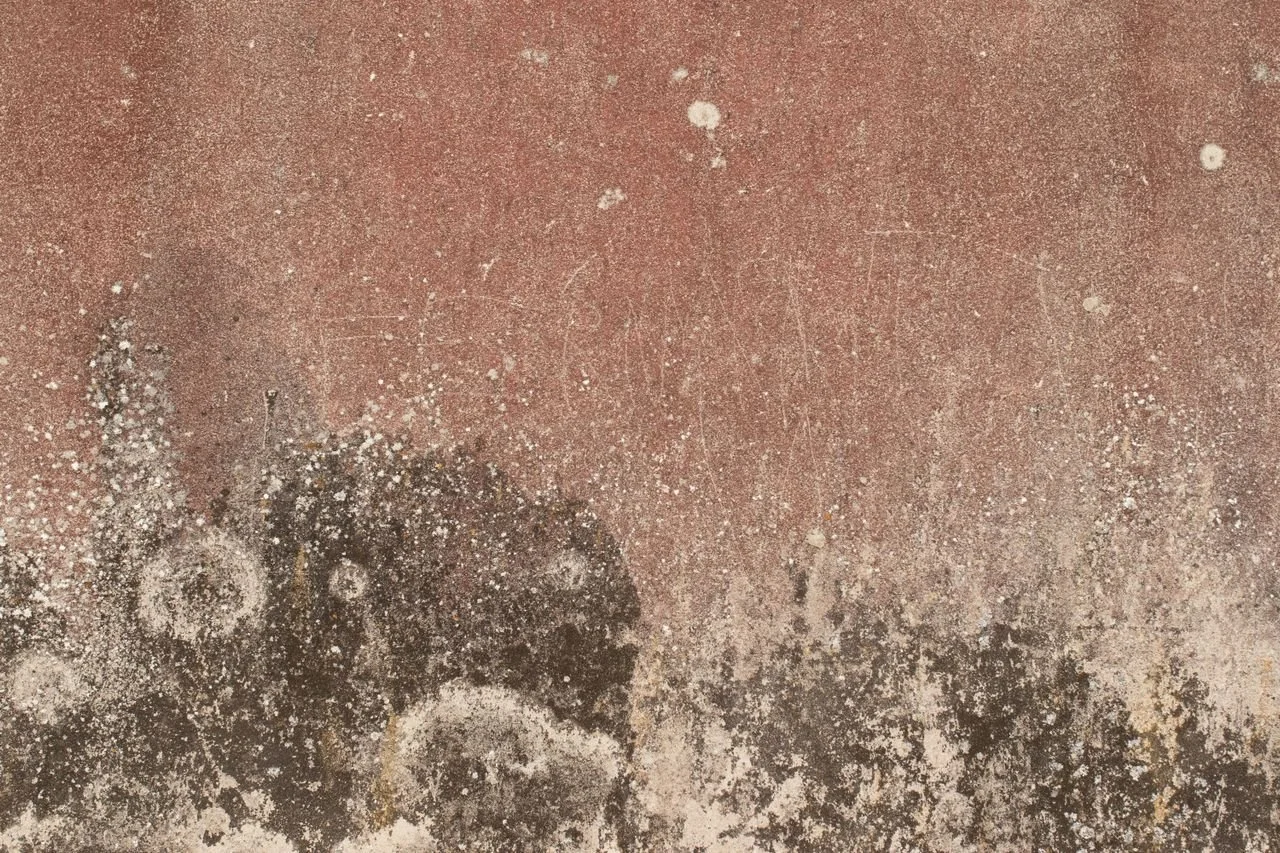
Water alone does not create mold, but it provides the missing ingredient mold spores need to begin colonizing surfaces. Since mold spores are constantly present in the air, preventing mold after water damage depends largely on eliminating moisture quickly.
Many homeowners underestimate how much water remains trapped after an incident. While floors may seem dry within a day or two, water often migrates deeper into construction materials.
Mold Spores Already Exist Everywhere
Mold spores naturally float through indoor and outdoor air.
They enter buildings through:
Open windows
Doors
HVAC systems
Shoes
Clothing
Pets
Building materials
Because spores are already present, eliminating them is impossible.
Instead, preventing mold focuses on controlling moisture.
When moisture combines with:
Drywall
Wood framing
Carpet
Insulation
Ceiling tiles
Upholstery
Paper products
mold has the nutrients it needs to begin growing.
Without water, spores remain inactive.
After water damage, however, those spores awaken and begin multiplying.
Moisture Creates Ideal Growing Conditions
Mold thrives in damp environments.
After water damage, moisture can remain trapped inside:
Wall cavities
Subfloors
Crawl spaces
Attics
Cabinets
Under flooring
Behind baseboards
Many of these locations receive little airflow, allowing moisture to linger much longer than visible surfaces.
Humidity also rises dramatically after flooding or plumbing failures.
Warm temperatures combined with elevated humidity accelerate mold growth.
Even if standing water is removed quickly, lingering moisture can remain for days without professional drying equipment.
Common Causes Of Mold Problems After Water Damage
Not every water loss results in mold, but several conditions greatly increase the risk.
Understanding these causes helps property owners prevent extensive contamination.
Delayed Water Removal
Time is the biggest factor affecting mold growth.
Every hour that water remains increases damage.
Common reasons cleanup is delayed include:
Waiting for insurance approval
Attempting DIY drying
Hidden plumbing leaks
Vacation absences
Weekend flooding
Slow contractor response
Within the first day, moisture begins penetrating deeper into building materials.
Within two days, mold may begin developing.
Waiting several days often allows colonies to spread throughout affected areas.
Prompt extraction dramatically reduces restoration costs.
Incomplete Drying
Removing visible water is only the first step.
Many materials retain moisture long after they appear dry.
Examples include:
Hardwood flooring
Laminate flooring
Drywall
Concrete
Wood framing
Insulation
Professional restoration companies use:
Industrial air movers
Commercial dehumidifiers
Moisture meters
Thermal imaging cameras
These tools identify moisture invisible to the naked eye.
Without complete drying, mold often develops weeks after the original water damage.
High Indoor Humidity
Water damage significantly raises indoor humidity.
Even surfaces that never became wet may absorb moisture from humid air.
Condensation forms on:
Windows
Metal surfaces
Pipes
Air ducts
This secondary moisture creates additional mold opportunities throughout the home.
Dehumidification is essential following water losses.
Hidden Moisture Is The Biggest Mold Risk
One of the greatest challenges following water damage is moisture that remains out of sight.
Visible dryness does not necessarily indicate complete drying.
Water Travels Farther Than Expected
Water follows gravity but also spreads sideways through building materials.
It may travel:
Behind walls
Under flooring
Along framing
Through insulation
Around plumbing
Beneath cabinets
The visible water stain often represents only a small portion of the total affected area.
Professional moisture mapping identifies where water migrated before mold develops.
Porous Materials Hold Moisture
Some building materials act like sponges.
Examples include:
Carpet padding
Drywall
Cellulose insulation
Ceiling tiles
Upholstered furniture
Paper backing
Wood trim
These materials dry slowly because water becomes trapped deep inside.
Once saturated, many porous materials require removal to prevent mold.
Attempting to simply air-dry heavily saturated materials often fails.
Areas Most Likely To Develop Mold After Water Damage
Certain parts of a property remain damp longer than others.
Knowing these high-risk areas allows homeowners to monitor them closely.
Walls And Insulation
Drywall absorbs water rapidly.
Moisture often becomes trapped inside:
Stud cavities
Fiberglass insulation
Vapor barriers
Since these spaces receive little airflow, drying takes much longer.
Mold frequently develops behind walls before becoming visible.
Flooring Systems
Flooring can hide moisture for weeks.
Common problem areas include:
Hardwood
Laminate
Carpet
Subfloors
Floor joists
Water trapped beneath flooring often causes:
Warping
Buckling
Musty odors
Mold colonies
Professional drying mats may reduce damage if installed quickly.
HVAC Systems
Air conditioning systems can spread mold spores throughout a building.
Moisture inside:
Air ducts
Air handlers
Filters
Coils
creates ideal mold conditions.
If floodwater enters HVAC systems, professional cleaning becomes essential.
How Different Types Of Water Affect Mold Growth
Not all water damage presents the same level of risk. The source of the water plays a major role in determining how quickly mold may develop, the extent of contamination, and the methods required for proper cleanup and restoration. Water restoration professionals generally classify water damage into three categories—clean water, gray water, and black water—based on the level of contamination. Each category presents unique challenges and influences the urgency of the restoration process.
Regardless of the water source, any moisture that remains in a building can support mold growth if it is not removed promptly. Mold spores are naturally present in indoor environments and only need moisture and an organic food source, such as wood, drywall, or carpet, to begin multiplying. However, contaminated water introduces additional bacteria, organic debris, and pollutants that can accelerate microbial growth and increase health risks for occupants.
Understanding the differences between these types of water damage helps homeowners respond appropriately, prioritize safety, and recognize when professional restoration services are necessary.
Clean Water
Clean water is the least hazardous category of water damage because it originates from a sanitary source and does not initially contain significant levels of harmful contaminants. Common sources include broken water supply lines, overflowing sinks without contaminants, malfunctioning appliances connected to clean water lines, and leaking plumbing fixtures. Although clean water poses fewer immediate health concerns, it should never be ignored.
One of the biggest misconceptions about clean water damage is that it can simply be wiped up and forgotten. In reality, clean water can quickly seep into porous building materials such as drywall, wood flooring, insulation, and carpet padding. If these materials remain damp for more than 24 to 48 hours, mold spores can begin colonizing the affected surfaces. Additionally, clean water left standing for an extended period can become contaminated by dust, dirt, bacteria, and organic materials found within the home, effectively changing its classification to gray water.
Prompt water extraction and thorough drying are essential, even for seemingly minor leaks. Homeowners should remove standing water immediately, improve ventilation, and monitor affected materials for signs of lingering moisture. Professional drying equipment may be necessary if water has penetrated structural components or covered a large area.
Common sources of clean water include:
Broken water supply lines
Overflowing sinks with clean water
Appliance supply line failures
Leaking faucets
Burst plumbing pipes
Water heater supply leaks
Although clean water damage is generally easier to restore than other categories, delaying cleanup significantly increases the likelihood of mold growth and more extensive property damage.
Gray Water
Gray water contains a moderate level of contamination and may include microorganisms, detergents, food particles, grease, or other substances that can pose health risks if handled improperly. While not as dangerous as sewage, gray water should still be treated with caution because it supports faster microbial growth than clean water and can quickly become more hazardous if left untreated.
Gray water commonly originates from appliances and household fixtures that discharge used water. Washing machine overflows may contain dirt, detergents, and organic debris from clothing. Dishwasher leaks often include food residue, grease, and bacteria. Water from showers, bathtubs, and bathroom sinks may contain soap residue, skin cells, hair, and other contaminants. These organic materials provide nutrients that encourage the rapid growth of mold, bacteria, and mildew.
Because gray water contains contaminants, cleanup should begin as soon as possible. Personal protective equipment, such as gloves and waterproof footwear, is recommended when handling affected materials. Carpets, padding, insulation, and other porous items that remain saturated for an extended period may need to be removed if they cannot be thoroughly cleaned and dried.
Typical sources of gray water include:
Washing machine overflows
Dishwasher leaks
Shower and bathtub overflows
Bathroom sink drainage
Water from aquariums
Sump pump failures involving lightly contaminated water
Prompt extraction, professional drying, and proper sanitation help prevent gray water from becoming an even greater hazard. The longer gray water remains inside a building, the greater the potential for mold growth, unpleasant odors, and bacterial contamination.
Black Water
Black water is the most hazardous category of water damage and requires immediate professional attention. This type of water contains significant levels of harmful bacteria, viruses, parasites, chemicals, and organic waste that pose serious health risks. In addition to creating ideal conditions for mold growth, black water contamination can expose occupants to dangerous pathogens and toxins.
Common sources of black water include sewage backups, overflowing toilets containing human waste, river or stream flooding, coastal storm surge, and floodwaters that have mixed with agricultural runoff or industrial pollutants. Because black water often carries large amounts of organic matter, it provides abundant nutrients for mold colonies to develop rapidly once moisture becomes trapped within building materials.
Unlike clean water damage, black water restoration involves more than simply drying the affected area. Thorough cleaning, disinfection, removal of contaminated materials, and proper disposal are often necessary to restore the property safely. Porous materials such as drywall, carpet, insulation, upholstered furniture, and mattresses that have come into contact with black water are frequently considered unsalvageable due to the difficulty of completely removing harmful contaminants.
Common sources of black water include:
Sewage backups
Toilet overflows containing waste
River and creek flooding
Storm surge from hurricanes or coastal storms
Floodwater contaminated with debris or chemicals
Standing floodwater that has remained untreated for extended periods
Because black water presents significant health hazards, homeowners should avoid direct contact with affected areas whenever possible. Restoration professionals use specialized protective equipment, commercial-grade disinfectants, moisture detection technology, and advanced drying systems to safely remove contamination and reduce the risk of mold development. Fast response is especially critical, as delays can lead to extensive structural damage, widespread microbial growth, and substantially higher restoration costs.
Warning Signs Mold Is Developing After Water Damage
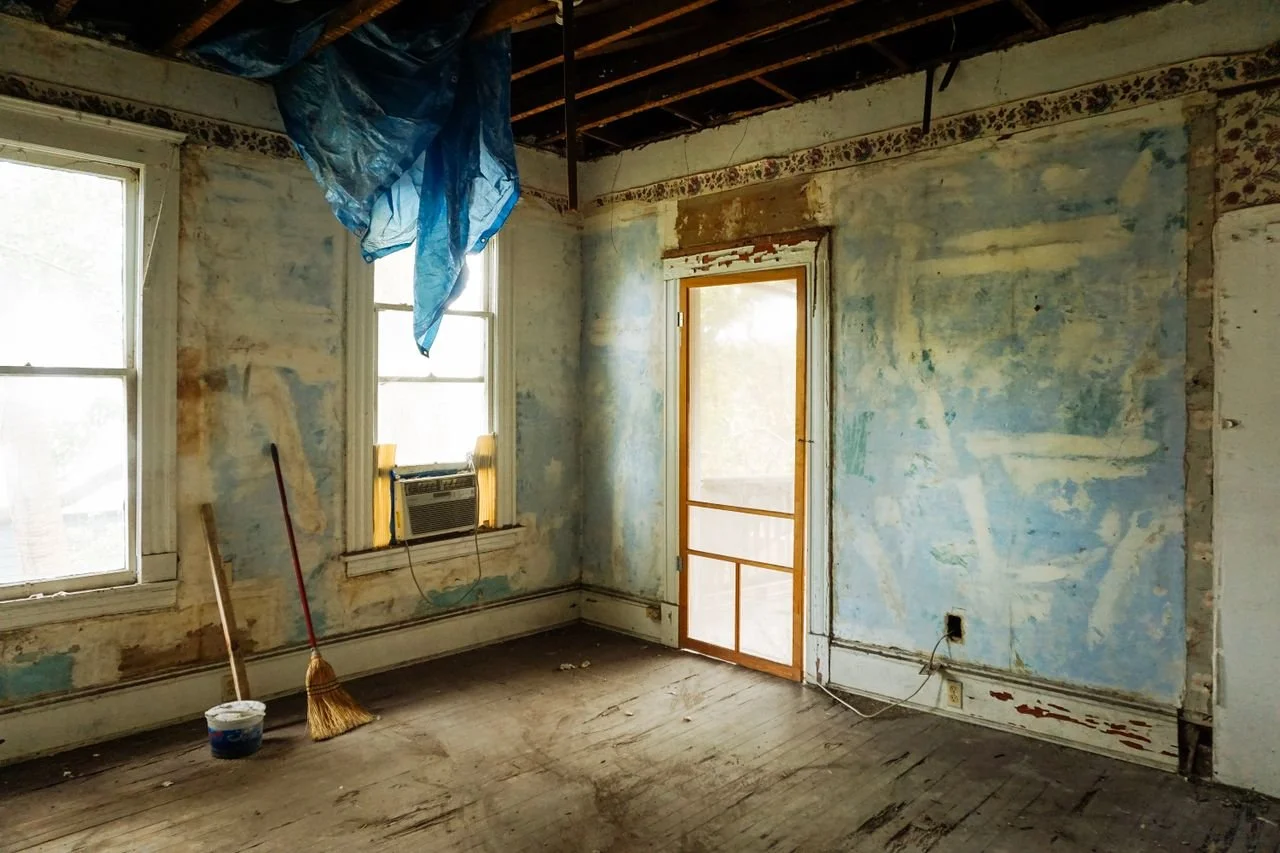
Mold does not always become visible immediately after water damage. In some cases, it begins growing within 24 to 48 hours and quickly spreads across damp surfaces. In other situations, mold remains hidden behind walls, beneath flooring, inside insulation, or within HVAC systems for weeks before any obvious signs appear. Because mold often develops out of sight, homeowners should pay close attention to subtle changes in their home's appearance, smell, and condition after a water-related incident.
Recognizing the early warning signs of mold can help prevent a minor moisture issue from turning into a costly restoration project. The sooner mold is identified, the easier it is to address the source of moisture, remove affected materials if necessary, and stop the problem from spreading to other areas of the home. Even if the initial water damage appears to have been resolved, continued monitoring is essential, especially in rooms that experienced flooding, plumbing leaks, or roof damage.
Below are some of the most common indicators that mold may be developing after water damage.
Musty Odors
One of the earliest and most noticeable signs of hidden mold is a persistent musty or earthy smell. Mold produces microbial volatile organic compounds (MVOCs) as it grows, creating a distinctive odor that many people describe as damp, stale, or similar to wet soil or decaying leaves. These odors often appear before mold becomes visible, making smell an important early warning sign.
Musty odors are especially concerning when they persist despite cleaning or become stronger during certain weather conditions. Increased humidity or rainfall can reactivate damp materials, causing mold colonies to release stronger odors. Similarly, if mold has developed within ductwork or around HVAC components, the smell may become more noticeable whenever the heating or air conditioning system is running.
Homeowners should pay attention to musty odors:
Become stronger after rain or storms.
Intensify during periods of high humidity.
Appear when the HVAC system starts operating.
Persist even after the affected area has been cleaned and dried.
Are concentrated near walls, flooring, cabinets, or crawl spaces.
Because hidden mold can exist behind finished surfaces, unusual odors should never be ignored simply because no visible mold is present. Professional moisture inspection and mold assessment may be necessary to locate the source.
Visible Discoloration
Visible mold growth is one of the clearest indications that moisture remains within a building. Mold can appear in a wide variety of colors depending on the species, the material it is growing on, and the surrounding environmental conditions. While many people associate mold with black patches, it may also appear green, white, brown, gray, or even orange.
Mold growth often begins as small spots before expanding into larger colonies. It may have a fuzzy, velvety, slimy, or powdery appearance depending on the amount of moisture present. Areas that have experienced previous water damage, such as around windows, ceilings, walls, or baseboards, are particularly susceptible to visible mold growth.
Common colors include:
Black
Green
White
Brown
Gray
Orange
Visible mold may resemble:
Small spots or specks.
Fuzzy or cotton-like patches.
Circular stains with dark edges.
Powdery or dusty deposits.
Irregular discoloration spreading across surfaces.
Even small patches of mold should be investigated promptly. Attempting to simply paint over mold or wipe away surface stains without addressing the underlying moisture problem allows mold to continue growing beneath the surface.
Peeling Or Warping Materials
Not every sign of mold involves visible fungal growth. In many cases, the first indication of a hidden moisture problem is the deterioration of building materials. When drywall, wood, flooring, or finishes absorb excess moisture, they begin to swell, soften, and lose their structural integrity. These changes often occur before mold becomes visible, making them valuable warning signs.
Bubbling paint or peeling wallpaper may indicate that moisture is trapped behind the wall surface. Likewise, swollen trim, warped baseboards, buckled hardwood flooring, or soft drywall frequently suggest that water has remained inside the material long enough to support mold growth. Left untreated, these conditions can worsen over time, leading to structural damage and more extensive restoration work.
Watch for signs such as:
Bubbling or blistering paint.
Peeling or loose wallpaper.
Swollen baseboards or trim.
Warped or buckled hardwood flooring.
Soft, sagging, or crumbling drywall.
Doors or windows that suddenly become difficult to open due to swollen framing.
These symptoms often indicate that moisture remains trapped behind finished surfaces, creating an ideal environment for mold to grow. Prompt inspection, moisture testing, and drying can help prevent hidden mold from spreading and reduce the need for more extensive repairs later.
How Professionals Prevent Mold After Water Damage
Professional restoration involves much more than removing standing water.
The goal is restoring safe moisture levels before mold begins growing.
Moisture Detection
Professionals inspect the property using specialized equipment.
This may include:
Moisture meters
Thermal imaging
Hygrometers
Infrared cameras
These tools locate hidden moisture that homeowners cannot detect.
Rapid Structural Drying
Commercial drying equipment removes moisture much faster than household fans.
The drying process often includes:
Air movers
Low-grain refrigerant dehumidifiers
Desiccant dehumidifiers
Targeted airflow
Daily monitoring ensures drying goals are achieved.
Removal Of Unsalvageable Materials
Some materials cannot be safely dried.
Examples include:
Saturated drywall
Wet insulation
Mold-infested carpet padding
Severely damaged ceiling tiles
Removing compromised materials helps stop mold from spreading.
How Homeowners Can Reduce Mold Risks
Taking immediate action after water damage is one of the most effective ways to prevent mold from becoming a costly and widespread problem. Mold thrives in damp environments, and because it can begin growing within 24 to 48 hours, every hour counts once water enters a home. Even if the affected area appears dry on the surface, moisture may still be trapped inside walls, beneath flooring, or within insulation, where mold can grow unnoticed.
While professional water damage restoration is recommended for extensive flooding, sewage backups, or significant structural damage, homeowners can take several important steps immediately after discovering water intrusion. Acting quickly helps limit moisture absorption, reduces the likelihood of mold growth, and may minimize repair costs. It's equally important to continue monitoring the affected areas after the initial cleanup, as hidden moisture can lead to mold weeks later.
By focusing on rapid water removal, humidity control, and ongoing inspections, homeowners can significantly reduce the risk of mold and protect both their property and indoor air quality.
Respond Immediately
The faster water is removed from your home, the lower the risk of mold developing. Mold spores require moisture to grow, so eliminating excess water as quickly as possible interrupts the conditions needed for mold colonies to form. Even a relatively small leak can lead to significant mold problems if it remains untreated for several days.
Your priority should always be stopping the source of the water if it is safe to do so. Shut off the main water supply if a plumbing failure is involved, or temporarily cover roof damage to prevent additional water from entering during a storm. If electrical outlets, appliances, or wiring have been exposed to water, turn off the electricity to the affected area before beginning cleanup. If there is any uncertainty about electrical safety, contact a qualified electrician before entering flooded spaces.
Once the area is safe, begin removing standing water using a wet vacuum, pump, or absorbent towels, depending on the amount of water present. Open windows and doors when weather conditions allow to improve natural ventilation, and use fans to increase airflow throughout the affected rooms. Moving furniture, rugs, boxes, and other belongings to dry areas also helps prevent them from absorbing additional moisture and allows hidden surfaces to dry more effectively.
Immediate actions homeowners should take include:
Stop the water source if possible.
Turn off electricity if water has reached electrical systems.
Remove standing water as soon as it is safe.
Open windows and doors to improve ventilation.
Increase airflow with fans.
Move furniture and belongings away from wet areas.
Remove wet rugs, fabrics, and other absorbent materials.
Contact a water damage restoration professional if the damage is extensive.
Quick action not only reduces mold risk but can also limit structural damage, shorten drying time, and improve the chances of salvaging flooring, drywall, and personal belongings.
Lower Indoor Humidity
Even after visible water has been removed, excess humidity can continue to create conditions favorable for mold growth. Moist air allows moisture to linger on building materials, slowing the drying process and increasing the likelihood that mold spores will begin colonizing damp surfaces. Controlling indoor humidity is therefore an essential part of preventing mold after water damage.
Ideally, indoor relative humidity should remain below 50 percent. At this level, mold has a much harder time establishing new colonies, and building materials dry more efficiently. Using dehumidifiers is one of the most effective ways to remove excess moisture from the air, especially in basements, crawl spaces, and rooms with limited ventilation. Air conditioning systems can also help by cooling and dehumidifying indoor air during warm weather.
Improving ventilation throughout the home further accelerates drying. Ceiling fans, portable fans, and properly functioning exhaust fans in bathrooms and kitchens help circulate air and prevent moisture from becoming trapped in enclosed spaces. During periods of low outdoor humidity, opening windows can also promote natural airflow and speed evaporation.
To maintain healthy indoor humidity after water damage:
Run dehumidifiers continuously until moisture levels stabilize.
Use air conditioning to reduce humidity during warm weather.
Operate ceiling and portable fans to circulate air.
Turn on bathroom and kitchen exhaust fans.
Open windows when outdoor conditions are dry and favorable.
Avoid activities that introduce additional moisture, such as air-drying large amounts of laundry indoors.
Monitoring humidity with a digital hygrometer can provide additional peace of mind by confirming that moisture levels remain within a safe range. Consistently controlling humidity not only discourages mold growth but also helps protect wood flooring, furniture, and other moisture-sensitive materials from long-term damage.
Monitor For Weeks After Drying
One of the most common misconceptions about water damage is that the problem ends once everything appears dry. In reality, hidden moisture can remain trapped inside walls, beneath flooring, behind cabinets, and within insulation for days or even weeks. If these concealed areas retain enough moisture, mold may continue developing long after the initial cleanup is complete.
For this reason, homeowners should continue inspecting affected areas for several weeks after water damage. Changes may occur gradually, making regular observation essential. A musty odor is often one of the earliest warning signs of hidden mold, even before visible growth appears. Similarly, new water stains, peeling paint, bubbling wallpaper, warped flooring, or soft drywall may indicate that moisture is still present behind finished surfaces.
Pay particular attention to areas that received significant water exposure, including bathrooms, kitchens, laundry rooms, basements, and rooms directly beneath roof leaks or plumbing failures. If suspicious odors or visible changes continue to develop despite drying efforts, professional moisture testing can identify hidden moisture that may require additional remediation.
During the weeks following water damage, routinely check for:
New water stains or discoloration.
Persistent musty or earthy odors.
Condensation on windows or walls.
Bubbling paint or peeling wallpaper.
Soft, swollen, or crumbling drywall.
Warped or buckling flooring.
Mold spots around baseboards, ceilings, or corners.
Early detection allows homeowners to address minor moisture problems before they become widespread mold infestations. Regular monitoring, combined with proper humidity control and thorough drying, provides the best protection against future mold growth and helps preserve the long-term condition of the home.
Conclusion
Mold problems after water damage occur because moisture often remains hidden long after visible water disappears. Mold spores naturally exist in every indoor environment, and once they encounter damp materials such as drywall, wood, carpet, or insulation, they can begin growing in as little as 24 to 48 hours. Delayed cleanup, incomplete drying, high humidity, poor ventilation, and hidden moisture all contribute to mold development.
The most effective way to prevent mold is to act quickly. Removing standing water, thoroughly drying affected materials, controlling indoor humidity, and inspecting concealed areas are critical steps in the restoration process. Professional moisture detection equipment can identify water trapped behind walls, under floors, and inside structural components that would otherwise go unnoticed.
Homeowners should also remain alert for warning signs such as musty odors, discoloration, warped materials, or persistent dampness even after cleanup appears complete. Addressing these issues promptly helps prevent minor water damage from turning into widespread mold contamination.
By understanding what causes mold after water damage and responding without delay, property owners can protect their homes, preserve building materials, reduce repair costs, and maintain a healthier indoor environment for everyone who lives or works in the space.
Frequently Asked Questions
1. How Soon Can Mold Grow After Water Damage?
Under favorable conditions, mold can begin growing within 24 to 48 hours after materials become wet.
2. Does Every Water Leak Cause Mold?
Not necessarily. Small leaks that are dried quickly may not result in mold, but prolonged or hidden moisture greatly increases the risk.
3. Can Mold Grow Behind Walls?
Yes. Mold often develops inside wall cavities where moisture becomes trapped, and airflow is limited.
4. Is Visible Mold The Only Concern?
No. Hidden mold may produce odors and release spores even when it cannot be seen.
5. Why Is Professional Drying Important?
Professional equipment removes moisture from structural materials that household fans and basic dehumidifiers often cannot reach.
6. Can Mold Return After Cleanup?
Yes. If moisture remains or another water intrusion occurs, mold can grow again.
7. Which Materials Are Most Vulnerable To Mold?
Porous materials such as drywall, insulation, carpet padding, wood, ceiling tiles, and upholstered furniture are especially susceptible.
8. How Can I Reduce Humidity After Water Damage?
Use dehumidifiers, improve ventilation, run air conditioning, and remove wet materials promptly to lower indoor humidity.
9. What Does Mold Smell Like?
Many people describe mold as musty, earthy, damp, or similar to wet soil or decaying leaves.
10. When Should I Call A Water Damage Restoration Professional?
You should seek professional assistance whenever water has affected multiple rooms, soaked structural materials, remained for more than 24 hours, resulted from contaminated water sources, or when there are signs of hidden moisture or mold growth.
————————————————————————————————
Mold Can Spread Quickly; Professional Remediation Makes The Difference
A mold problem can spread quickly and become a serious issue for both your property and your health. Whether it's caused by a recent water leak, flooding, high humidity, or hidden moisture behind walls, mold can grow within 24 to 48 hours and continue spreading if left untreated. The longer mold remains, the greater the risk of structural damage, unpleasant odors, poor indoor air quality, and costly repairs.
Professional mold remediation helps eliminate mold at its source and prevents it from returning. Using specialized equipment and proven remediation techniques, affected areas are carefully inspected, contained, cleaned, and treated to restore a safe and healthy environment. Taking action early can help protect your property, improve indoor air quality, and reduce the extent of the damage.
At ARC Water Damage, our experienced team responds quickly to mold concerns and guides you through every step of the remediation process. We work efficiently, communicate clearly, and coordinate with your insurance company whenever possible to help make the process as smooth and stress-free as possible.
If you suspect mold in your home or business, don't wait for the problem to get worse. Call ARC Water Damage today at (877) 437-9225 for professional mold remediation and fast, reliable service.
DisclaimerThe information provided on this website is for general informational and educational purposes only and is not intended to serve as professional restoration, environmental, or insurance advice. Every water, fire, or mold damage situation is unique, and you should consult with a qualified restoration professional regarding your specific property and conditions. Do not take action or delay action based solely on the content of this website without seeking appropriate professional guidance.While we strive to provide accurate and up-to-date information, restoration methods, safety standards, and industry practices may change over time. The content on this website may not reflect the most current procedures or recommendations. ARC Water Damage makes no guarantees regarding outcomes based on the use of this information.By using this website, you agree that ARC Water Damage is not liable for any actions taken or not taken based on the information provided, to the fullest extent permitted by law.