
How Quickly Can Mold Spread Without Mold Remediation?
Mold is one of the fastest-growing problems a property owner can face after water damage or prolonged moisture exposure. Many people assume that a small patch of mold on a bathroom ceiling or basement wall is only a cosmetic issue. Unfortunately, mold rarely remains confined to one area. Once moisture is available, mold colonies can expand rapidly, spreading to drywall, wood framing, insulation, carpeting, furniture, and even HVAC systems.
The speed at which mold spreads depends on several factors, including humidity levels, temperature, ventilation, the type of building materials involved, and whether the source of moisture has been addressed. In many cases, mold can begin growing within 24 to 48 hours after water intrusion. Left untreated, it can continue expanding every day, becoming increasingly difficult and expensive to remove.
Ignoring mold doesn't just threaten your home—it can also impact indoor air quality. As mold grows, it releases microscopic spores that travel through the air. These spores can settle in new locations where moisture exists, creating additional colonies throughout the property. What begins as a small leak under a sink can eventually become a widespread contamination affecting multiple rooms.
Professional mold remediation focuses on much more than simply cleaning visible mold. Certified specialists identify moisture sources, contain affected areas, safely remove contaminated materials when necessary, clean airborne spores, and restore conditions that discourage future growth.
This guide explains how quickly mold spreads without remediation, what influences its growth, the warning signs to watch for, the risks of delaying treatment, and how professional remediation helps protect your property and indoor environment.
Key Takeaways
Mold can begin growing within 24 to 48 hours after water exposure.
High humidity significantly accelerates mold growth.
Mold spreads by releasing airborne spores that travel throughout a building.
Drywall, insulation, carpeting, wood, and ceiling materials are especially vulnerable.
Hidden mold often develops behind walls, beneath flooring, and inside HVAC systems.
Delaying mold remediation increases repair costs and structural damage.
Professional remediation removes mold while addressing the moisture source to reduce recurrence.
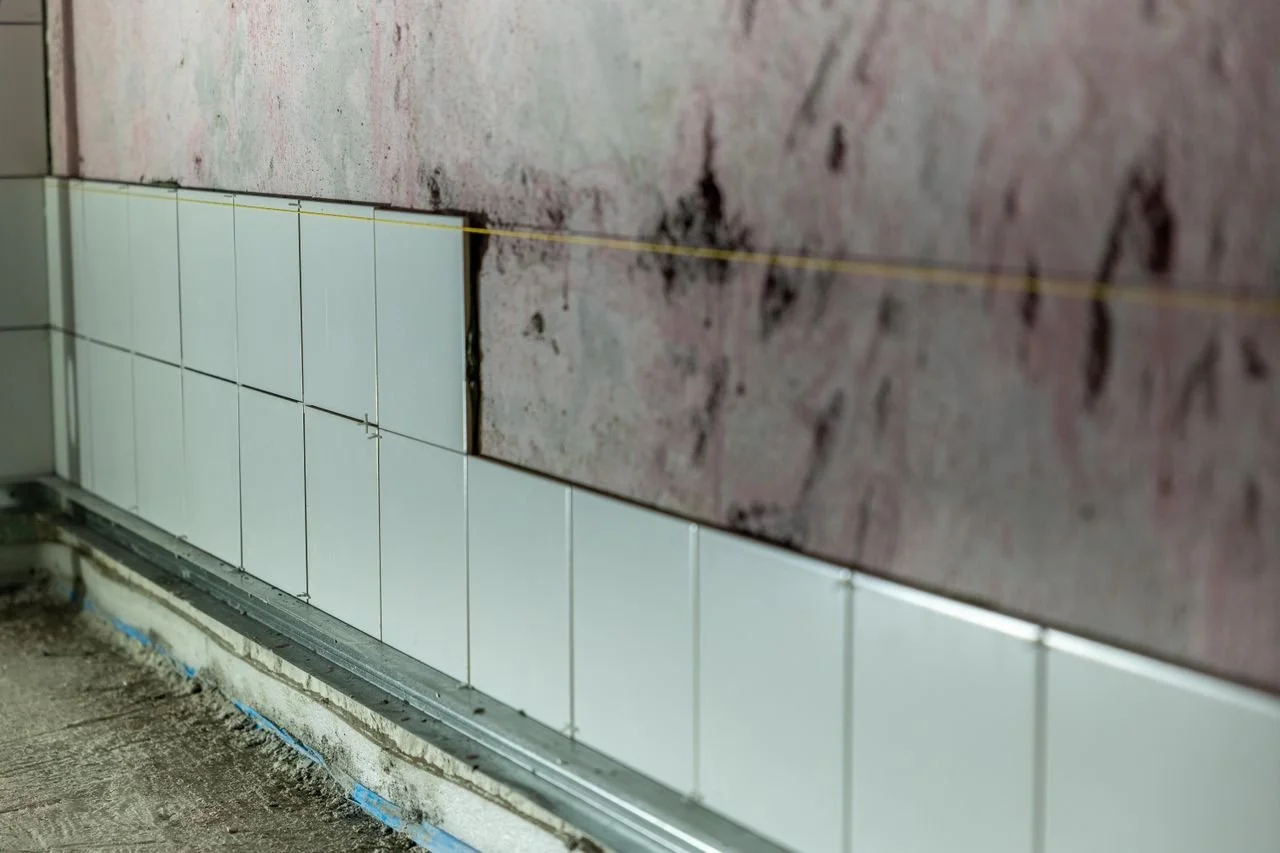
How Fast Does Mold Actually Spread?
Many homeowners underestimate just how quickly mold develops. Mold spores naturally exist indoors and outdoors, remaining dormant until they encounter favorable conditions.
Mold Can Begin Growing Within 24 To 48 Hours
Water intrusion from roof leaks, plumbing failures, appliance leaks, flooding, or excessive indoor humidity creates ideal conditions for mold growth.
During the first day after water damage, moisture penetrates porous building materials such as drywall, wood, carpeting, insulation, and ceiling tiles. These materials provide an excellent food source because mold feeds on organic substances like cellulose.
Once enough moisture is present, dormant spores begin germinating. Tiny colonies become visible in as little as 24 to 48 hours.
At this stage, mold may appear as:
Small black dots
White fuzzy patches
Green discoloration
Gray streaks
Brown spotting
The visible mold often represents only a fraction of the actual contamination. Root-like structures may already be penetrating deeper into porous materials.
Because mold establishes itself so quickly, prompt drying after water damage is one of the most effective ways to prevent widespread contamination.
Mold Continues Expanding Every Day
Unlike stains that remain static, mold is a living organism.
As long as moisture remains available, colonies continue expanding across surfaces while releasing millions of microscopic spores into the surrounding air.
Over several days, mold may spread from:
One drywall panel
Into wall cavities
Across insulation
Into wood framing
Around windows
Along flooring
Behind cabinets
Each new colony becomes another source of airborne spores.
Without intervention, growth rarely stops on its own.
What Conditions Make Mold Spread Faster?
Several environmental factors influence how rapidly mold grows.
Moisture Is The Primary Requirement
Without moisture, mold cannot actively grow.
Common moisture sources include:
Roof leaks
Plumbing leaks
Flooding
Foundation seepage
Condensation
Appliance leaks
Window leaks
HVAC condensation
Poor bathroom ventilation
Crawlspace humidity
Even small leaks can support extensive mold growth over time.
Repairing water damage without fully drying materials often leaves enough moisture for mold colonies to develop.
Warm Temperatures Accelerate Growth
Most household molds thrive between approximately 60°F and 80°F (16°C to 27°C), temperatures commonly found indoors.
Warm environments allow mold to reproduce more efficiently.
This explains why mold frequently develops in:
Bathrooms
Laundry rooms
Kitchens
Utility rooms
Basements
Attics during warmer seasons
Air conditioning helps regulate indoor temperatures but will not eliminate mold if moisture remains.
High Humidity Encourages Rapid Expansion
Indoor humidity above approximately 60% creates favorable conditions.
Homes commonly experience elevated humidity due to:
Long showers
Cooking
Drying clothes indoors
Poor ventilation
Crawlspace moisture
Basement dampness
Dehumidifiers and improved ventilation can significantly reduce mold growth potential.
Where Does Mold Usually Spread First?
Mold always follows moisture, which is why it tends to appear first in areas where water has accumulated, or humidity remains consistently high. While some mold growth is easy to spot, much of it begins in hidden places that are rarely inspected during routine home maintenance. By the time visible discoloration appears on a wall or ceiling, the mold may have already spread behind surfaces or into nearby building materials.
Understanding where mold commonly develops can help homeowners identify potential problems earlier and take action before the contamination becomes more extensive. Areas affected by plumbing leaks, roof damage, flooding, or poor ventilation should be monitored closely, especially if moisture remains trapped for more than a day or two. Because mold spores are microscopic and easily transported through the air, they can quickly establish new colonies wherever damp conditions exist.
Porous Building Materials
Certain building materials are especially vulnerable to mold because they absorb and retain moisture. Unlike hard, non-porous surfaces such as glass or metal, porous materials provide both the moisture and organic nutrients that mold needs to grow. Once water penetrates these materials, mold doesn't simply remain on the surface—it can spread deep inside, making complete removal more difficult.
Materials that commonly support mold growth include:
Drywall
Ceiling tiles
Insulation
Carpet padding
Upholstered furniture
Wood framing
Particle board
Cardboard storage boxes
Drywall is particularly susceptible because its paper facing contains cellulose, an organic material that serves as an excellent food source for mold. After a plumbing leak or flood, moisture can become trapped inside the drywall even if the surface feels dry. Ceiling tiles often absorb water from roof leaks, while insulation can retain moisture for long periods without obvious signs of damage.
Carpet padding and upholstered furniture also create favorable conditions because they can hold significant amounts of water after flooding or spills. Wood framing, particle board, and cardboard storage boxes readily absorb moisture as well, allowing mold to penetrate beneath the surface where it may continue growing unnoticed.
One of the challenges with porous materials is that visible mold staining often develops much later than the actual contamination. By the time dark spots or discoloration become apparent, mold may have already spread throughout the material and into surrounding areas. In some cases, affected materials may need to be professionally dried or replaced to fully eliminate the problem.
Hidden Areas Inside The Home
One of the most frustrating aspects of mold is that it frequently grows in places homeowners cannot easily see. Moisture often travels behind walls, beneath floors, or inside enclosed spaces before any obvious signs appear. As a result, mold can spread extensively while remaining hidden for weeks or even months.
Common hidden locations where mold develops include:
Behind drywall
Under flooring
Beneath carpets
Behind cabinets
Inside HVAC ducts
Inside insulation
Under bathroom vanities
Around plumbing penetrations
Behind washing machines
Behind refrigerators
These locations typically have limited airflow and may experience recurring moisture from leaking pipes, appliance condensation, or poor ventilation. For example, a slow leak beneath a kitchen sink can create damp conditions behind cabinetry, while condensation around air conditioning ducts can encourage mold growth inside walls or ceilings. Similarly, water from washing machine supply lines or refrigerator ice maker connections may go unnoticed until mold has already spread.
Hidden mold often reveals itself indirectly rather than through visible growth. Homeowners may first notice a persistent musty odor, peeling paint, warped flooring, unexplained allergy symptoms, or recurring moisture stains. In some cases, mold becomes apparent only after a remodeling project or water damage repair exposes the affected area.
Because hidden mold can be difficult to locate without specialized equipment, professional mold inspections may use moisture meters, thermal imaging cameras, and other tools to identify damp areas behind finished surfaces. Early detection allows for targeted remediation before mold spreads further into the home's structure.
Regular inspections of moisture-prone areas, prompt repair of leaks, and maintaining proper ventilation are among the best ways to reduce the likelihood of hidden mold growth. Catching problems early can help minimize property damage, lower remediation costs, and protect the overall indoor environment.
What Happens If Mold Remediation Is Delayed?
Delaying mold remediation rarely solves the problem. Mold is a living organism that continues to grow and spread as long as moisture is present. What may begin as a small patch of discoloration on a wall or ceiling can gradually expand into hidden areas of the home, affecting structural materials and increasing the scope of contamination. The longer mold is allowed to remain, the more difficult and costly it often becomes to remove.
Many homeowners postpone remediation because the mold appears minor or because the source of the moisture has stopped. However, even after a leak has been repaired, damp materials can continue to support mold growth if they are not thoroughly dried. Mold colonies also release microscopic spores that can spread throughout the property, creating new areas of contamination that may not become visible until much later.
Taking prompt action after discovering mold can help limit damage, reduce restoration costs, and prevent the problem from spreading to unaffected areas of the home.
Structural Damage Can Increase
Mold feeds on organic materials commonly found in residential construction. While mold itself is not always the only cause of structural deterioration, the combination of persistent moisture and microbial growth can gradually weaken building materials over time. As mold continues to grow, it breaks down the surfaces it colonizes, while the ongoing moisture can contribute to wood rot, warping, and other forms of damage.
Areas that may be affected include:
Drywall
Wooden studs
Floor joists
Ceiling framing
Subflooring
Trim
Cabinetry
Drywall is often one of the first materials to deteriorate because its paper backing provides an ideal food source for mold. Prolonged moisture exposure can cause drywall to soften, crumble, or lose its structural integrity. Wood framing may absorb moisture and begin to warp or decay, while subflooring can weaken enough to create soft or uneven floors.
Cabinets, trim, and other wood-based finishes may also swell, discolor, or become permanently damaged if mold and moisture remain untreated. In severe cases, sections of walls, ceilings, or flooring may need to be removed and replaced as part of the remediation process.
As contamination spreads to additional building materials, repair costs typically increase. A problem that could have been addressed with localized remediation may eventually require extensive demolition, reconstruction, and restoration. Responding early helps preserve more of the home's original structure while reducing both the time and expense involved in repairs.
Contamination Becomes More Widespread
One of the greatest risks of delaying mold remediation is that contamination rarely remains confined to its original location. As mold colonies mature, they release millions of microscopic spores into the air. These spores can travel throughout the home on air currents, HVAC systems, clothing, or even everyday household activities, eventually settling in other damp areas where new colonies may begin to grow.
Airborne spores commonly spread to:
Bedrooms
Closets
Air ducts
Storage rooms
Furniture
Curtains
HVAC filters
Because mold spores are microscopic, contamination often extends far beyond the visible mold growth. Running a heating or cooling system may circulate spores throughout multiple rooms, while simply opening doors, walking across contaminated carpet, or moving furniture can disturb mold and release additional spores into the air.
Attempting to clean extensive mold without proper precautions can unintentionally worsen the situation. Scrubbing, sweeping, or using standard household vacuums may disperse spores rather than remove them, increasing the likelihood that mold will spread to previously unaffected areas. This is one reason why large mold infestations are generally best handled by trained professionals.
Professional mold remediation helps limit cross-contamination through carefully designed containment procedures. Technicians typically isolate the affected area using physical barriers and maintain negative air pressure to prevent spores from escaping into other parts of the home. High-efficiency particulate air (HEPA) filtration systems capture airborne spores during the cleanup process, while specialized cleaning methods remove contamination from affected surfaces.
By addressing mold promptly and using proper remediation techniques, homeowners can significantly reduce the spread of contamination, protect unaffected areas of the property, and restore a healthier indoor environment. Early intervention is almost always less disruptive and more cost-effective than waiting for the problem to grow.
Can You Simply Clean Mold Yourself?
Discovering mold in your home often leads homeowners to reach for common household cleaning products in hopes of solving the problem quickly. While this approach may work for very small amounts of surface mold on hard, non-porous materials, it is not always an effective solution for more extensive contamination. Mold is often more complex than it appears, and the visible growth may represent only a small portion of a much larger hidden problem.
The success of any mold cleanup depends on several factors, including the size of the affected area, the type of surface involved, and whether the underlying moisture issue has been resolved. If mold continues to receive moisture, it will likely return regardless of how thoroughly the surface is cleaned. Understanding the limitations of do-it-yourself cleaning and the benefits of professional remediation can help homeowners make informed decisions when dealing with mold.
DIY Cleaning Has Limitations
Small patches of mold on smooth, non-porous surfaces such as glass, tile, or metal can sometimes be cleaned safely using appropriate cleaning methods while wearing personal protective equipment. However, mold growing on porous materials presents a much greater challenge because it can penetrate beneath the surface where ordinary cleaning products cannot reach.
One of the most common misconceptions is that household bleach eliminates mold. In reality, bleach may remove staining or discoloration from hard, non-porous surfaces, making the area appear clean, but it typically does not penetrate porous materials deeply enough to destroy the mold embedded inside them. Materials such as drywall, wood, carpeting, insulation, ceiling tiles, and upholstered furniture can absorb moisture, allowing mold to spread internally beyond what is visible.
Another common mistake is painting over mold. Although paint may temporarily hide discoloration, it does not eliminate the mold or the moisture that caused it. In many cases, mold continues growing beneath the paint and eventually reappears, often over a larger area than before.
DIY cleaning also carries the risk of spreading mold spores throughout the home. Scrubbing contaminated surfaces, using fans incorrectly, or vacuuming with a standard household vacuum can disturb mold colonies and release microscopic spores into the air. These spores may settle in other damp locations and establish new colonies, increasing the extent of contamination.
Equally important is addressing the source of moisture. If a plumbing leak, roof leak, flooding, or high humidity problem remains unresolved, mold is likely to return even after visible growth has been cleaned away. Successful mold removal requires both eliminating the mold and correcting the conditions that allowed it to develop in the first place.
Professional Mold Remediation Is More Comprehensive
When mold affects a large area, has spread into porous building materials, or is suspected behind walls or under flooring, professional mold remediation offers a far more thorough solution than surface cleaning alone. Certified remediation specialists are trained to locate hidden mold, identify moisture sources, and safely remove contamination while minimizing the spread of airborne spores.
A professional mold remediation process typically includes:
Moisture inspection
Leak identification
Containment barriers
HEPA air filtration
Safe removal of contaminated materials
Thorough cleaning
Antimicrobial treatments where appropriate
Structural drying
Final verification
The process usually begins with a detailed inspection to determine the extent of the contamination and identify the moisture source. Professionals use specialized tools such as moisture meters and thermal imaging cameras to locate hidden damp areas that may not be visible during a routine inspection.
Once the affected areas have been identified, containment barriers are installed to isolate the workspace and prevent spores from spreading to unaffected parts of the property. High-efficiency particulate air (HEPA) filtration systems continuously capture airborne spores during the remediation process, helping improve indoor air quality and reduce cross-contamination.
Depending on the severity of the damage, contaminated materials such as drywall, insulation, carpeting, or ceiling tiles may need to be safely removed and disposed of. Remaining surfaces are thoroughly cleaned using specialized techniques and products designed for mold remediation. In certain situations, antimicrobial treatments may be applied to help inhibit future microbial growth after the contaminated materials have been removed.
Finally, the structure is thoroughly dried to eliminate excess moisture, and a final inspection helps confirm that the affected area has been properly remediated. The ultimate goal of professional mold remediation is not simply to remove visible mold but to address the underlying moisture problem and restore conditions that discourage future growth.
By taking a comprehensive approach, professional remediation helps protect the home's structure, reduces the risk of recurring mold, and provides greater confidence that the problem has been resolved effectively.
How Does Mold Spread Through The Air?
One of the reasons mold can become such a widespread problem is its ability to spread through microscopic airborne spores. Mold reproduces by releasing these tiny particles into the air, allowing them to travel throughout a home or building. Because spores are invisible to the naked eye, they can move unnoticed and settle on damp surfaces where they may begin forming new mold colonies.
Air movement inside a home constantly circulates mold spores. Everyday activities, ventilation systems, and even opening doors or windows can carry spores from one room to another. If the conditions are right—primarily the presence of moisture and organic materials—these spores can germinate and establish new areas of mold growth.
Understanding how airborne spores spread can help homeowners appreciate why simply cleaning visible mold is often not enough. Effective mold remediation focuses not only on removing existing mold but also on containing spores and preventing them from contaminating unaffected areas.
Spores Travel Easily
Mold spores are extremely lightweight and can remain suspended in the air for extended periods before settling onto surfaces. Once mold colonies mature, they continuously release new spores into the surrounding environment. These spores may travel only a few feet or circulate throughout an entire home depending on airflow and ventilation.
Everyday household activities that disturb mold can release additional spores into the air, including:
Walking on contaminated carpet
Opening walls during renovations
Running HVAC systems
Vacuuming without HEPA filtration
Moving furniture
Even something as simple as brushing against a mold-contaminated wall or lifting damp boxes from a storage room can disturb mold colonies and send thousands of spores into the air. Standard household vacuums are generally not designed to capture microscopic mold spores and may actually redistribute them throughout the room if they do not contain a high-efficiency particulate air (HEPA) filter.
Air currents generated by ceiling fans, portable fans, heating and cooling systems, and natural ventilation can carry spores into other areas of the home. Once they settle on surfaces with sufficient moisture—such as damp drywall, wood, insulation, or carpeting—they may begin growing into new mold colonies within as little as 24 to 48 hours.
Because spores are naturally present in both indoor and outdoor environments, eliminating them is not realistic. The key to preventing mold growth is controlling moisture and removing existing colonies before they have the opportunity to release large numbers of spores.
HVAC Systems Can Distribute Mold
Heating, ventilation, and air conditioning (HVAC) systems play an important role in maintaining indoor comfort, but they can also contribute to the spread of mold if contamination develops within or near the system. When mold grows around air handlers, evaporator coils, drain pans, or ductwork, the movement of conditioned air can carry spores throughout multiple rooms every time the system operates.
Moisture problems inside HVAC systems are not uncommon. Condensation naturally forms on cooling coils during normal operation, and clogged drain lines, dirty filters, or poor maintenance can create damp conditions that support mold growth. Once spores enter the ductwork, they may circulate throughout the home, settling on furniture, flooring, curtains, walls, and other surfaces.
This can spread contamination well beyond the original moisture source, making remediation more challenging if the issue is not addressed promptly. Homeowners may notice musty odors whenever the HVAC system starts, which can sometimes indicate mold growth within the system or nearby ductwork.
Routine HVAC maintenance helps reduce the likelihood of mold developing inside the system. Replacing air filters regularly, keeping condensate drain lines clear, cleaning evaporator coils when necessary, and ensuring proper drainage all contribute to a drier environment that is less favorable for mold growth. Maintaining appropriate indoor humidity levels also reduces condensation that can encourage mold development.
If mold contamination is suspected within HVAC components, professional evaluation is often recommended. Mold remediation specialists can determine whether spores have spread through the ventilation system and implement appropriate containment, cleaning, and filtration procedures. During professional remediation, HEPA air filtration devices and containment barriers help capture airborne spores while preventing them from spreading into unaffected areas of the property.
By understanding how mold spores travel through the air and how HVAC systems can contribute to their distribution, homeowners can better appreciate the importance of early intervention, proper moisture control, and professional remediation when significant mold growth is present.
How Can You Prevent Mold From Spreading?
Preventing mold from spreading starts with controlling moisture. Since mold spores are naturally present in both indoor and outdoor environments, it's nearly impossible to eliminate them. What you can control is the environment that allows those spores to grow. Mold needs moisture, a food source such as wood or drywall, and suitable temperatures to thrive. By addressing water problems quickly and keeping indoor humidity under control, you can significantly reduce the risk of mold growth and prevent a small issue from becoming a costly remediation project.
Taking preventive measures is especially important after water damage, plumbing leaks, or periods of high humidity. Even if you don't see visible mold, hidden moisture trapped behind walls, under flooring, or inside insulation can create ideal conditions for colonies to develop. Regular home maintenance and prompt action when moisture problems occur can help protect your property, improve indoor air quality, and reduce the likelihood of extensive mold contamination.
Address Water Problems Immediately
The most effective way to prevent mold from spreading is to respond quickly to any source of water intrusion. Mold can begin growing within 24 to 48 hours after materials become wet, making immediate action essential. Whether the moisture comes from a sudden plumbing failure or a slow leak that has gone unnoticed, drying the affected area as soon as possible helps prevent mold from taking hold.
Common situations that require prompt attention include:
Roof leaks
Pipe leaks
Appliance failures
Flooding
Overflowing sinks
Sewage backups
After identifying the source of the problem, stop the water intrusion before beginning the cleanup process. Remove standing water using pumps, wet vacuums, or towels, depending on the extent of the damage. Open windows when weather permits, increase air circulation with fans, and use dehumidifiers to speed up the drying process. Porous materials such as carpeting, insulation, and drywall may require professional drying or replacement if they remain saturated for an extended period.
It is equally important to inspect nearby areas for hidden moisture. Water often travels farther than expected, seeping beneath flooring, inside wall cavities, or behind cabinetry. Moisture meters and thermal imaging equipment used by restoration professionals can help locate damp areas that are not visible to the naked eye.
Addressing water damage promptly not only helps prevent mold growth but also reduces the likelihood of structural damage, unpleasant odors, and expensive repairs later.
Reduce Indoor Humidity
Even without a major water leak, consistently high indoor humidity can provide enough moisture for mold to grow. Homes located in humid climates or areas with poor ventilation are particularly vulnerable. Bathrooms, kitchens, laundry rooms, basements, and crawlspaces often experience elevated humidity levels that encourage mold growth on walls, ceilings, and other surfaces.
Maintaining indoor humidity below 60%, with an ideal range of 30% to 50%, can make your home much less hospitable to mold. Several simple maintenance practices can help achieve this goal, including:
Using bathroom exhaust fans during and after showers
Venting clothes dryers outdoors
Running kitchen exhaust fans while cooking
Repairing plumbing leaks promptly
Using dehumidifiers in damp areas
Maintaining gutters and downspouts to direct water away from the home
Improving crawlspace ventilation and moisture control
Monitoring indoor humidity levels with a hygrometer
Regular maintenance also plays an important role in preventing excess moisture. Inspect your roof for damaged shingles, clean gutters to prevent water overflow, seal gaps around windows and doors, and ensure that your HVAC system is functioning properly. Air conditioning systems can help reduce indoor humidity, but they should be serviced regularly to prevent condensation issues.
If you notice persistent condensation on windows, musty odors, peeling paint, or damp surfaces, investigate the cause immediately rather than waiting for visible mold to appear. Early intervention can prevent mold colonies from establishing themselves and spreading throughout your home.
Consistent moisture control remains one of the most effective long-term defenses against mold. By combining prompt water damage response with good ventilation and humidity management, homeowners can greatly reduce the risk of mold growth while protecting both their property and indoor environment.
Conclusion
Mold spreads much faster than many people realize. Under the right conditions, growth can begin within 24 to 48 hours after water exposure and continue expanding as long as moisture remains. What starts as a small patch of discoloration may soon extend behind walls, beneath flooring, inside insulation, and throughout HVAC systems via airborne spores.
Delaying mold remediation increases the likelihood of larger repair bills, more extensive property damage, and widespread contamination. Because visible mold often represents only a portion of the problem, addressing moisture sources and removing contamination thoroughly are essential steps toward protecting your home.
Prompt action after leaks, flooding, or persistent humidity can significantly limit mold growth. Professional mold remediation provides a comprehensive approach by identifying hidden mold, containing affected areas, removing contaminated materials when needed, improving indoor air quality, and correcting the moisture issues that allowed mold to thrive in the first place. Acting early is the most effective way to minimize damage, reduce restoration costs, and maintain a healthier indoor environment.
Frequently Asked Questions
1. How Soon Can Mold Start Growing After Water Damage?
Mold can begin developing within 24 to 48 hours when moisture, suitable temperatures, and organic materials are present.
2. Can Mold Spread If The Leak Has Stopped?
Yes. If building materials remain damp after the leak is repaired, mold can continue growing until the materials are thoroughly dried.
3. Does Mold Spread Through The Air?
Yes. Mold releases microscopic spores that can travel through indoor air and settle in other damp areas, where they may form new colonies.
4. Can I Remove Mold With Bleach?
Bleach may clean mold from some hard, non-porous surfaces, but it is generally ineffective at eliminating mold embedded in porous materials such as drywall, wood, or carpet. Extensive mold growth typically requires professional remediation.
5. What Rooms Are Most Likely To Develop Mold?
Bathrooms, kitchens, laundry rooms, basements, crawl spaces, attics, and any area affected by leaks or high humidity are among the most common locations.
6. How Do Professionals Stop Mold From Spreading?
Professional mold remediation typically involves isolating the affected area, using HEPA air filtration, removing contaminated materials when necessary, thoroughly cleaning surfaces, drying the structure, and correcting the underlying moisture problem.
7. Is Mold Always Visible?
No. Mold frequently grows behind walls, beneath flooring, inside insulation, under cabinets, and within HVAC systems before visible signs appear.
8. How Can I Prevent Mold After Flooding?
Remove standing water immediately, dry affected materials within 24 to 48 hours, use dehumidifiers and fans, repair the source of water intrusion, and monitor the area for signs of mold growth.
————————————————————————————————
Mold Can Spread Quickly; Professional Remediation Makes The Difference
A mold problem can spread quickly and become a serious issue for both your property and your health. Whether it's caused by a recent water leak, flooding, high humidity, or hidden moisture behind walls, mold can grow within 24 to 48 hours and continue spreading if left untreated. The longer mold remains, the greater the risk of structural damage, unpleasant odors, poor indoor air quality, and costly repairs.
Professional mold remediation helps eliminate mold at its source and prevents it from returning. Using specialized equipment and proven remediation techniques, affected areas are carefully inspected, contained, cleaned, and treated to restore a safe and healthy environment. Taking action early can help protect your property, improve indoor air quality, and reduce the extent of the damage.
At ARC Water Damage, our experienced team responds quickly to mold concerns and guides you through every step of the remediation process. We work efficiently, communicate clearly, and coordinate with your insurance company whenever possible to help make the process as smooth and stress-free as possible.
If you suspect mold in your home or business, don't wait for the problem to get worse. Call ARC Water Damage today at (877) 437-9225 for professional mold remediation and fast, reliable service.
DisclaimerThe information provided on this website is for general informational and educational purposes only and is not intended to serve as professional restoration, environmental, or insurance advice. Every water, fire, or mold damage situation is unique, and you should consult with a qualified restoration professional regarding your specific property and conditions. Do not take action or delay action based solely on the content of this website without seeking appropriate professional guidance.While we strive to provide accurate and up-to-date information, restoration methods, safety standards, and industry practices may change over time. The content on this website may not reflect the most current procedures or recommendations. ARC Water Damage makes no guarantees regarding outcomes based on the use of this information.By using this website, you agree that ARC Water Damage is not liable for any actions taken or not taken based on the information provided, to the fullest extent permitted by law.