
How Long Does Fire Damage Restoration Take From Start To Finish?
A fire can change a property in a matter of minutes, but restoring that property to a safe, functional, and comfortable condition can take considerably longer. After the flames are extinguished, property owners are often left with a difficult question: How long does fire damage restoration take from start to finish?
The answer depends on several factors, including the size and severity of the fire, how much smoke and soot spread throughout the property, whether water was used to extinguish the fire, the materials affected, the extent of structural damage, and whether hidden problems are discovered during cleanup.
A minor fire contained to one area may take several days to clean and restore. More extensive fire damage involving multiple rooms, structural components, smoke contamination, water damage, or major reconstruction can take several weeks or even months. Restoration is not simply a matter of removing burned materials and cleaning surfaces. Professional restoration often involves emergency assessment, smoke and soot removal, water extraction, drying, odor treatment, structural cleaning, repairs, reconstruction, and final inspections.
Understanding the restoration timeline can help property owners make informed decisions after a fire. It also explains why professional fire damage restoration should begin as soon as the property is safe to enter.
Key Takeaways
Fire damage restoration can take anywhere from several days to several weeks or longer, depending on the severity and complexity of the damage.
The restoration process typically begins with an emergency assessment and property stabilization before extensive cleaning or repairs take place.
Smoke and soot can affect areas that were never touched directly by flames, making professional cleaning important even when visible fire damage appears limited.
Water and moisture from firefighting efforts can create a second category of damage that requires extraction, drying, and moisture monitoring.
Structural damage, electrical concerns, damaged insulation, flooring, walls, ceilings, and other building materials can significantly extend the restoration timeline.
Fast professional intervention can help prevent secondary damage and make the restoration process more efficient.
Restoration companies may coordinate cleaning, deodorization, repairs, reconstruction, and communication with insurance providers throughout the project.
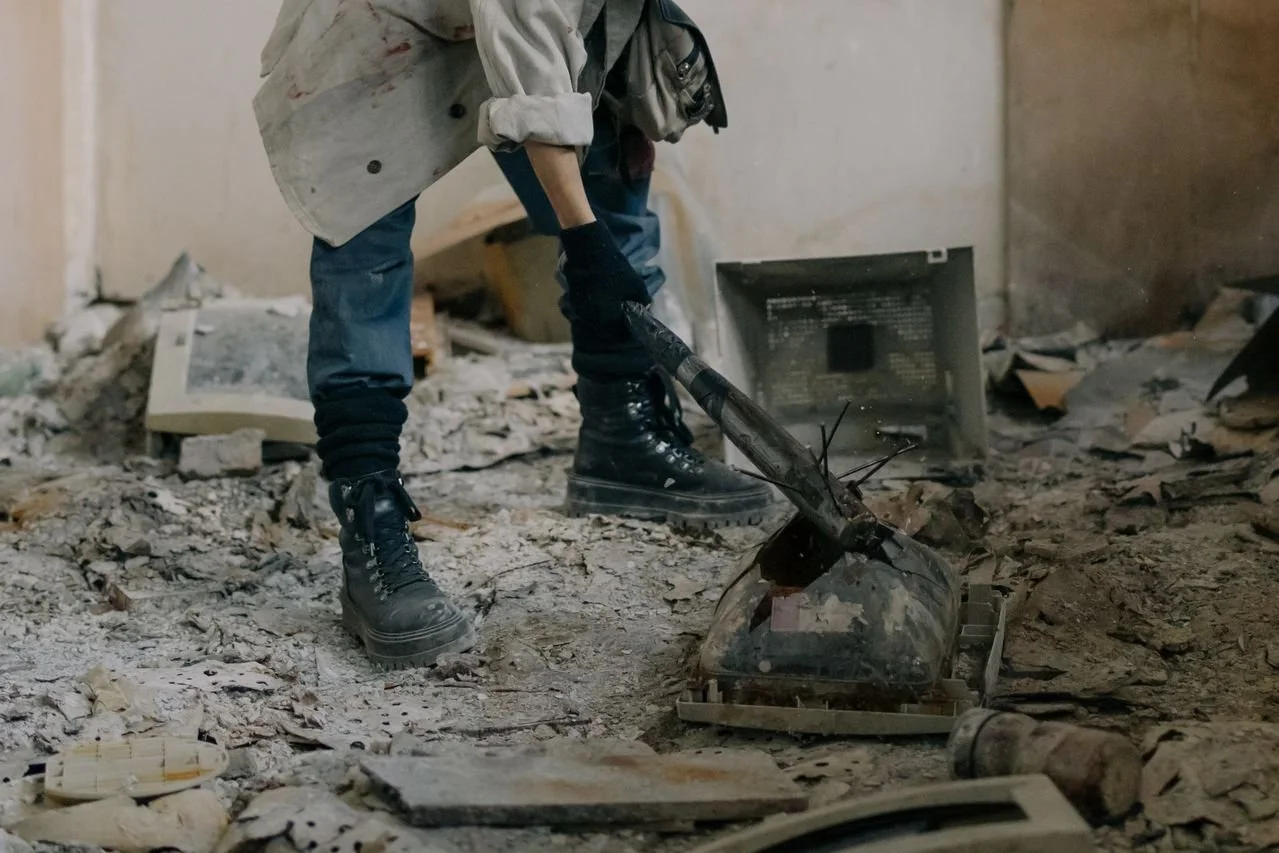
What Determines How Long Fire Damage Restoration Takes?
There is no universal timeline for every fire-damaged property. Two homes can experience fires of similar size but require very different restoration schedules. The first consideration is the extent of the fire itself. A contained kitchen fire may damage cabinets, appliances, walls, and ceilings in one section of a home. A larger fire can affect multiple rooms, structural framing, roofing materials, insulation, flooring, and personal belongings.
Smoke and soot also influence the timeline. Smoke can travel through HVAC systems, wall cavities, attics, and other pathways, leaving contamination far beyond the area where the flames originated.
Another major factor is water damage. Firefighters often use substantial amounts of water or suppression agents to control a fire. If that moisture is not removed quickly, it can contribute to swelling, staining, microbial growth, deterioration of materials, and additional repair requirements.
The type of construction and materials involved also matters. Some surfaces can be professionally cleaned, while others may need replacement. Structural components require specialized evaluation before repairs can proceed.
How Long Does The Initial Fire Damage Assessment Take?
The restoration process generally begins with an inspection and damage assessment. ARC Water Damage evaluates the property to determine what happened, what areas are affected, and what immediate actions are necessary to stabilize the building. This initial phase may take a few hours, although larger or more complicated properties can require additional time.
The assessment may examine:
Structural damage
Smoke and soot contamination
Water damage
Electrical hazards
Roof and exterior damage
Damaged flooring and walls
HVAC contamination
Odor concerns
Damaged contents and belongings
Areas requiring demolition or reconstruction
The purpose of this evaluation is not simply to estimate repair costs. It helps establish a restoration strategy and identifies hazards that need to be addressed before normal cleaning and repair activities begin.
Emergency Board-Up And Property Stabilization
If the fire has damaged windows, doors, roofing, walls, or other exterior areas, securing the property may be one of the priorities. Board-up services and temporary protection can help prevent unauthorized entry and reduce exposure to weather. In some situations, temporary roof covering or other protective measures may also be necessary.
This stage can often be completed relatively quickly, but the extent of the damage determines how much stabilization is required. Property stabilization is important because restoration does not stop with cleaning. An exposed building can experience additional damage from rain, wind, temperature changes, animals, or unauthorized access.
How Long Does Smoke And Soot Cleanup Take?
Smoke and soot cleanup can take anywhere from a day or two for a limited area to several weeks for extensive contamination. One reason this stage can take longer than property owners expect is that smoke does not remain where the fire occurred. Smoke particles can travel throughout a building and settle on walls, ceilings, furniture, flooring, cabinets, fixtures, and personal possessions.
Different types of smoke residue can also behave differently. Some residues may be dry and relatively easy to remove, while others can be oily, sticky, or strongly acidic. Certain residues can cause discoloration or deterioration if they remain on surfaces for too long. Professional restoration may involve specialized cleaning methods based on the material and type of contamination.
Cleaning can include:
Walls and ceilings
Cabinets and countertops
Flooring
Doors and trim
Furniture
Appliances
Fixtures
Personal belongings
HVAC-related components
Other affected surfaces
The more widespread the smoke contamination, the longer this stage may take.
Why Smoke Damage Can Affect Areas Away From The Fire
A common misconception is that only visibly burned areas need restoration. Smoke can move through open doors, ventilation systems, gaps, wall cavities, stairways, and other pathways. This means a room that appears untouched by flames can still have smoke odor or soot contamination.
In larger fires, smoke may affect much of the building even when direct flame damage is concentrated in only one area. This is one reason professional fire damage restoration involves a detailed inspection rather than simply cleaning the most visibly damaged room.
How Long Does Water Damage Restoration Take After A Fire?
Fire and water damage frequently occur together. Once the fire is extinguished, restoration professionals may need to remove standing water, extract moisture from carpets and flooring, dry affected materials, and monitor humidity levels.
Water extraction itself may be completed within hours in a smaller property. Drying can take several days or longer depending on the amount of moisture, materials involved, temperature, humidity, and airflow. Restoration teams may use specialized drying equipment to accelerate evaporation and remove moisture from affected areas.
The drying process can involve:
Water extraction
Air movement
Dehumidification
Moisture measurements
Monitoring of walls and flooring
Inspection of hidden moisture
Removal of unsalvageable materials
Simply removing visible water does not necessarily mean the property is dry. Moisture can remain beneath flooring, inside walls, beneath cabinets, or in other concealed areas.
Structural Damage Can Significantly Extend The Timeline
Structural damage is one of the biggest factors affecting the overall restoration schedule. If fire compromises roof structures, walls, ceilings, framing, floors, or other load-bearing components, repairs cannot be treated like ordinary cosmetic work.
Qualified professionals may need to evaluate the building before reconstruction begins. Depending on the situation, portions of the structure may need to be removed and rebuilt.
Structural restoration can include:
Removing damaged framing
Replacing drywall
Repairing ceilings
Rebuilding walls
Replacing insulation
Repairing flooring systems
Roof repairs
Replacing damaged doors and windows
Reconstructing affected rooms
A property with significant structural damage may require weeks or longer to restore.
What Happens During Fire Damage Restoration?
Emergency Inspection
The restoration process begins with an assessment of the property and identification of immediate hazards. The team determines the extent of fire, smoke, soot, and water damage and develops a plan for stabilization and restoration.
Property Protection
If necessary, damaged openings are secured, and vulnerable parts of the property are protected from additional exposure.
Water Removal And Drying
Standing water and excess moisture are removed when firefighting efforts have caused water damage. Affected areas are dried and monitored to reduce the risk of additional deterioration.
Smoke And Soot Cleanup
Professional cleaning begins after the property is appropriately stabilized. Smoke residue is removed from affected surfaces and belongings when salvageable.
Odor Elimination
Smoke odors can remain after visible soot has been cleaned. Professional deodorization techniques target odor sources rather than simply attempting to cover the smell with fragrances.
Contents Restoration
Furniture, clothing, documents, household items, and other belongings may require specialized cleaning or restoration. Some contents may be salvageable even when they appear heavily affected.
Repairs And Reconstruction
Once cleanup is complete, damaged building materials can be repaired or replaced. This may range from replacing drywall and flooring to rebuilding major portions of the property.
Final Inspection
The final stage involves reviewing completed restoration work and confirming that the property is ready for normal use.
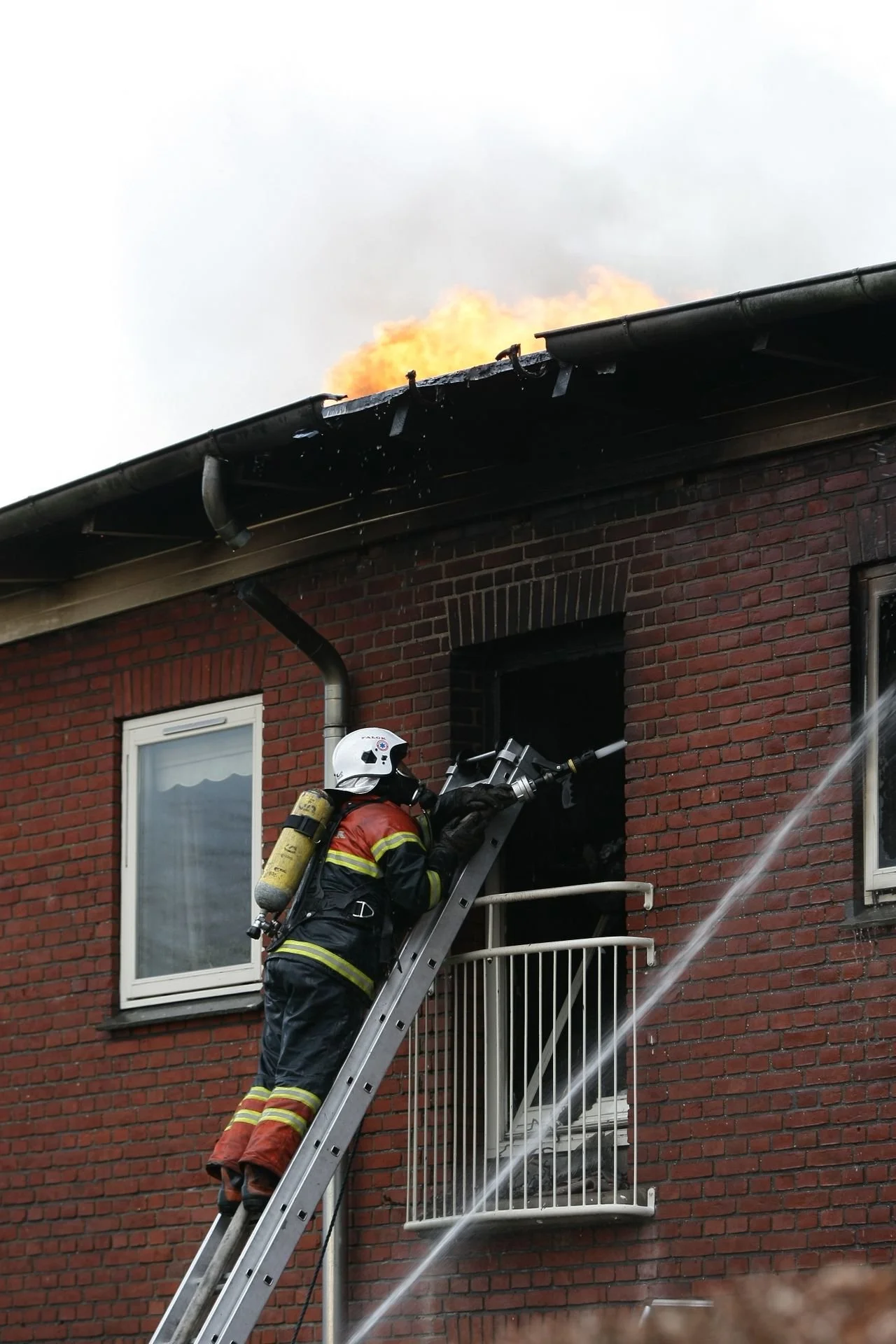
How Long Does A Minor Fire Restoration Take?
A relatively small fire contained to one area may sometimes be restored within several days to approximately two weeks. For example, a limited kitchen fire may cause damage to cabinets, walls, ceilings, appliances, and nearby surfaces without compromising the entire structure.
The restoration timeline could involve:
First Day: Assessment, stabilization, and emergency cleanup.
Next Few Days: Water extraction, drying, smoke and soot cleaning, and removal of damaged materials.
Following Days: Odor treatment, surface restoration, repairs, and replacement of damaged components.
Even a small fire can become more complicated if smoke has spread extensively or hidden water damage is present.
How Long Does A Moderate Fire Restoration Take?
Moderate fire damage can take approximately two to six weeks, although individual projects vary significantly. A larger affected area may require more extensive smoke cleaning, content restoration, demolition, drying, and repairs.
The process may also involve coordinating several types of specialists and waiting for materials needed for reconstruction. The property may be partially usable during some restoration projects, while others may require occupants to temporarily relocate.
How Long Does Major Fire Damage Restoration Take?
Severe fire damage can require several months. A major fire may affect the structural integrity of the property, roofing, electrical systems, plumbing, insulation, flooring, walls, ceilings, and personal belongings. Large-scale restoration can involve demolition, structural repairs, reconstruction, permitting, specialized cleaning, content restoration, and multiple inspections.
The timeline can also be affected by material availability, contractor scheduling, insurance processes, regulatory requirements, and the complexity of the building. For this reason, a restoration company should provide a project-specific timeline rather than promising that every fire can be restored within a predetermined number of days.
Why Fast Fire Damage Cleanup Matters
The sooner restoration begins, the better the opportunity to limit secondary damage. Smoke residue can continue affecting surfaces and belongings after the fire is extinguished. Moisture can migrate into building materials. Odors can become more difficult to address. Damaged materials may deteriorate further when left untreated.
Prompt professional response can help with:
Limiting additional damage
Removing water sooner
Beginning smoke and soot cleanup
Protecting salvageable belongings
Identifying hidden damage
Securing the property
Developing a restoration plan
Moving the project toward reconstruction
Fast action does not necessarily mean rushing the restoration process. Instead, it means addressing urgent problems quickly while allowing enough time for proper cleaning, drying, inspection, and repair.
Can You Stay In A Property During Fire Restoration?
Whether a property is safe to occupy depends on the nature and extent of the damage. A small, contained fire may leave portions of a building usable. Extensive smoke contamination, structural damage, electrical problems, water damage, or hazardous conditions can make temporary relocation necessary.
Restoration professionals can help identify affected areas, but structural and safety concerns may also require evaluation by qualified building, electrical, or other specialists. Property owners should not assume that an area is safe simply because there are no visible flames or because the fire has been extinguished.
What Can Delay Fire Damage Restoration?
Several factors can extend the restoration timeline.
Extensive Smoke Contamination
Smoke that spreads throughout the property can require detailed cleaning across numerous rooms.
Hidden Water Damage
Moisture concealed beneath flooring, inside walls, or in other areas can require additional drying and monitoring.
Structural Damage
Major repairs can significantly increase the duration of the project.
Salvageable Contents
Large quantities of furniture, documents, clothing, artwork, or household belongings may require cleaning and specialized restoration.
Material Availability
Certain flooring, cabinets, fixtures, windows, roofing materials, or custom components may need to be ordered.
Insurance Coordination
Insurance documentation and approval processes can influence when certain repairs move forward.
Permits And Inspections
Projects involving substantial reconstruction may require permits and inspections before work can proceed.
Unforeseen Damage
Opening walls, removing flooring, or inspecting concealed areas can reveal additional damage that was not visible during the initial assessment.
How Insurance Can Affect The Restoration Timeline
Insurance is often an important part of fire restoration, but the process can vary between policies and claims. Documentation can include photographs, damage inventories, estimates, invoices, and descriptions of restoration work.
A professional restoration company may help document the damage and communicate information needed for the restoration process. Property owners should review their specific insurance coverage and communicate directly with their insurance provider regarding policy requirements and claim decisions. Good documentation can help reduce confusion and keep everyone informed about the scope of work.
Why Professional Fire Damage Restoration Is Important
Fire restoration involves much more than making a damaged property look clean. Professional restoration requires understanding how smoke, soot, water, heat, moisture, and damaged building materials interact. Improper cleaning methods can sometimes spread residue or damage surfaces further.
Professional teams also have access to specialized equipment and established procedures for cleaning, drying, deodorizing, and restoring affected properties. Most importantly, professional restoration approaches the property as a system. The goal is not merely to clean what can be seen but to identify the full extent of damage and address problems that could affect the property later.
How To Make Fire Damage Restoration More Efficient
Property owners cannot control every factor affecting the restoration timeline, but several actions can help the process move forward.
Contact Professionals Quickly
Early assessment allows urgent problems to be identified before they become more serious.
Avoid Cleaning Soot Yourself
Aggressive scrubbing or inappropriate cleaning products can sometimes spread soot or damage surfaces.
Avoid Using Damaged Utilities
Electrical systems, appliances, plumbing, and other utilities may require professional evaluation after a fire.
Protect Important Documentation
Keep insurance documents, photographs, receipts, inventories, and restoration records organized.
Follow Safety Instructions
Do not enter areas that professionals have identified as unsafe.
Communicate Clearly
Keeping the property owner, restoration team, insurance representative, and relevant contractors informed can help prevent unnecessary delays.
Fire Damage Restoration Timeline: What Property Owners Should Expect
Although every project is different, a general timeline may look like this:
Emergency Response: Hours to one day for initial assessment and stabilization.
Water Extraction and Drying: One to several days depending on moisture levels.
Smoke and Soot Cleanup: Several days to multiple weeks depending on contamination.
Content Cleaning: Several days to weeks depending on the volume and condition of belongings.
Odor Treatment: May occur throughout the restoration process and continue until odor sources are adequately addressed.
Repairs and Reconstruction: Several days to several months depending on structural damage and project complexity.
These stages may overlap. Restoration is not always a straight line from one phase to the next. For example, drying can happen while smoke cleanup is underway, while reconstruction planning may begin before all cleaning is completed.
The Difference Between Restoration And Reconstruction
Fire damage restoration and reconstruction are closely related but are not the same.
Restoration generally focuses on cleaning, drying, stabilizing, deodorizing, and salvaging the property after damage.
Reconstruction focuses on rebuilding portions of the property that cannot be restored.
A project may require only restoration, only limited repairs, or a combination of restoration and extensive reconstruction. Understanding this distinction helps explain why two properties with similar-looking smoke damage can have dramatically different completion dates.
When Should You Call A Fire Damage Restoration Company?
The best time to contact a professional restoration company is as soon as the fire department has declared the property safe for appropriate restoration access. Even when damage appears minor, professional assessment can identify smoke, soot, moisture, or structural problems that may not be obvious.
Early intervention allows restoration professionals to stabilize the property, address water damage, protect belongings, and begin cleaning before secondary damage becomes more extensive.
Conclusion
Fire damage restoration does not have one fixed timeline. A minor, contained incident may be resolved in days or a few weeks, while extensive fire, smoke, soot, water, and structural damage can require many weeks or months of work.
What happens immediately after a fire can have a major effect on the restoration process. Prompt assessment, property stabilization, water extraction, smoke and soot cleanup, deodorization, content restoration, repairs, and reconstruction all play important roles in returning a property to a safe and functional condition.
The most important thing for property owners to understand is that visible fire damage represents only part of the problem. Smoke can travel beyond the burned area, firefighting water can create hidden moisture issues, and structural damage may not always be immediately apparent.
Working with experienced fire damage restoration professionals can provide a more organized path from emergency response through final repairs. A thorough assessment, appropriate cleaning methods, specialized equipment, and careful project management can help address both visible and hidden damage.
If your home or business has recently experienced a fire, taking action quickly can help protect the property, reduce secondary damage, and begin the process of restoring your space as efficiently and safely as possible.
Frequently Asked Questions
1. How Long Does Fire Damage Restoration Usually Take?
A minor fire may take several days to a couple of weeks, while moderate damage can take several weeks. Severe fires involving structural damage and reconstruction may take several months. The actual timeline depends on the extent of fire, smoke, soot, water, and structural damage.
2. Can Smoke Damage Be Cleaned Without Replacing Everything?
Yes. Many materials and belongings can potentially be cleaned and restored depending on the type and severity of contamination. Professional assessment helps determine which items can be salvaged and which materials have been damaged beyond practical restoration.
3. How Quickly Should Fire Damage Cleanup Begin?
Fire damage cleanup should begin as soon as the property is safe to access. Prompt response can help limit smoke residue, moisture-related deterioration, odor problems, and other secondary damage.
4. Does Firefighting Water Need To Be Removed Even If There Is Only A Small Amount?
Yes. Even seemingly limited moisture can migrate into flooring, walls, cabinets, insulation, and other materials. Professional extraction and drying help determine whether hidden moisture remains and reduce the possibility of additional damage.
5. Will I Need To Leave My Home During Fire Damage Restoration?
It depends on the extent and type of damage. Minor localized damage may allow occupants to remain in unaffected areas, while significant smoke contamination, structural problems, water damage, or safety hazards may require temporary relocation until restoration work is sufficiently complete.
------------------------------------
Fire Damage Can Be Devastating; Professional Restoration Makes The Difference
Fire damage can turn your home or business upside down in a matter of minutes. Even after the flames are extinguished, the damage can continue through smoke, soot, odors, water from firefighting efforts, and hidden damage inside walls, ceilings, and other structural areas. Acting quickly can help limit further deterioration and reduce the scope and cost of repairs.
Professional fire damage restoration addresses more than what you can see on the surface. Using specialized equipment and proven restoration techniques, affected areas can be inspected, cleaned, deodorized, dried, and restored. Smoke and soot residue may travel far beyond the immediate fire area, which makes a thorough assessment an important part of returning the property to a safe, clean, and usable condition.
At ARC Water Damage, our experienced team responds quickly to fire damage emergencies and guides you through every step of the restoration process. We work efficiently, communicate clearly, and coordinate with your insurance company whenever possible to help make the recovery process as smooth and manageable as possible.
If your home or business has suffered fire, smoke, soot, or related water damage, don't wait to begin the restoration process. Call ARC Water Damage today at (877) 437-9225 for professional fire damage restoration and fast, reliable service.
Disclaimer
The information provided on this website is for general informational and educational purposes only and is not intended to serve as professional restoration, environmental, or insurance advice. Every water, fire, or mold damage situation is unique, and you should consult with a qualified restoration professional regarding your specific property and conditions. Do not take action or delay action based solely on the content of this website without seeking appropriate professional guidance.
While we strive to provide accurate and up-to-date information, restoration methods, safety standards, and industry practices may change over time. The content on this website may not reflect the most current procedures or recommendations. ARC Water Damage makes no guarantees regarding outcomes based on the use of this information.
By using this website, you agree that ARC Water Damage is not liable for any actions taken or not taken based on the information provided, to the fullest extent permitted by law.