
What Are The Risks Of Delaying Emergency Water Damage Cleanup?
Water damage can happen when homeowners least expect it. A burst pipe, overflowing appliance, roof leak, storm flooding, or sewage backup can quickly turn a safe and comfortable property into a hazardous environment. While some people may believe they can wait a few days before addressing the issue, delaying emergency water damage cleanup often leads to far more serious and expensive consequences.
Water spreads rapidly through floors, walls, insulation, and furniture. Even small amounts of moisture can penetrate hidden areas of the home within hours. What initially appears to be a manageable problem may quickly develop into structural damage, mold growth, electrical hazards, and long-term indoor air quality concerns. The longer moisture remains inside a property, the greater the risk of permanent damage and costly repairs.
Many homeowners delay cleanup because they are unsure how difficult the situation really is. Others hope the water will dry on its own or assume the damage is limited to visible areas. Unfortunately, water damage rarely stays confined to one space. Moisture travels behind walls, beneath flooring, and into porous materials, where it continues causing deterioration even when surfaces appear dry.
Understanding the risks of postponing emergency water damage cleanup can help property owners take immediate action and protect both their homes and their health. Fast response times often make the difference between a simple restoration project and a complete reconstruction.
Key Takeaways
Water damage spreads quickly and worsens within hours.
Delaying cleanup increases the risk of mold growth and structural deterioration.
Moisture trapped behind walls and under flooring can create hidden damage.
Electrical systems exposed to water may become dangerous.
Wet materials can weaken ceilings, drywall, flooring, and foundations.
Fast cleanup helps reduce restoration costs and prevents long-term problems.
Delayed water removal may affect indoor air quality and occupant health.
Professional emergency water damage cleanup protects both property and safety.
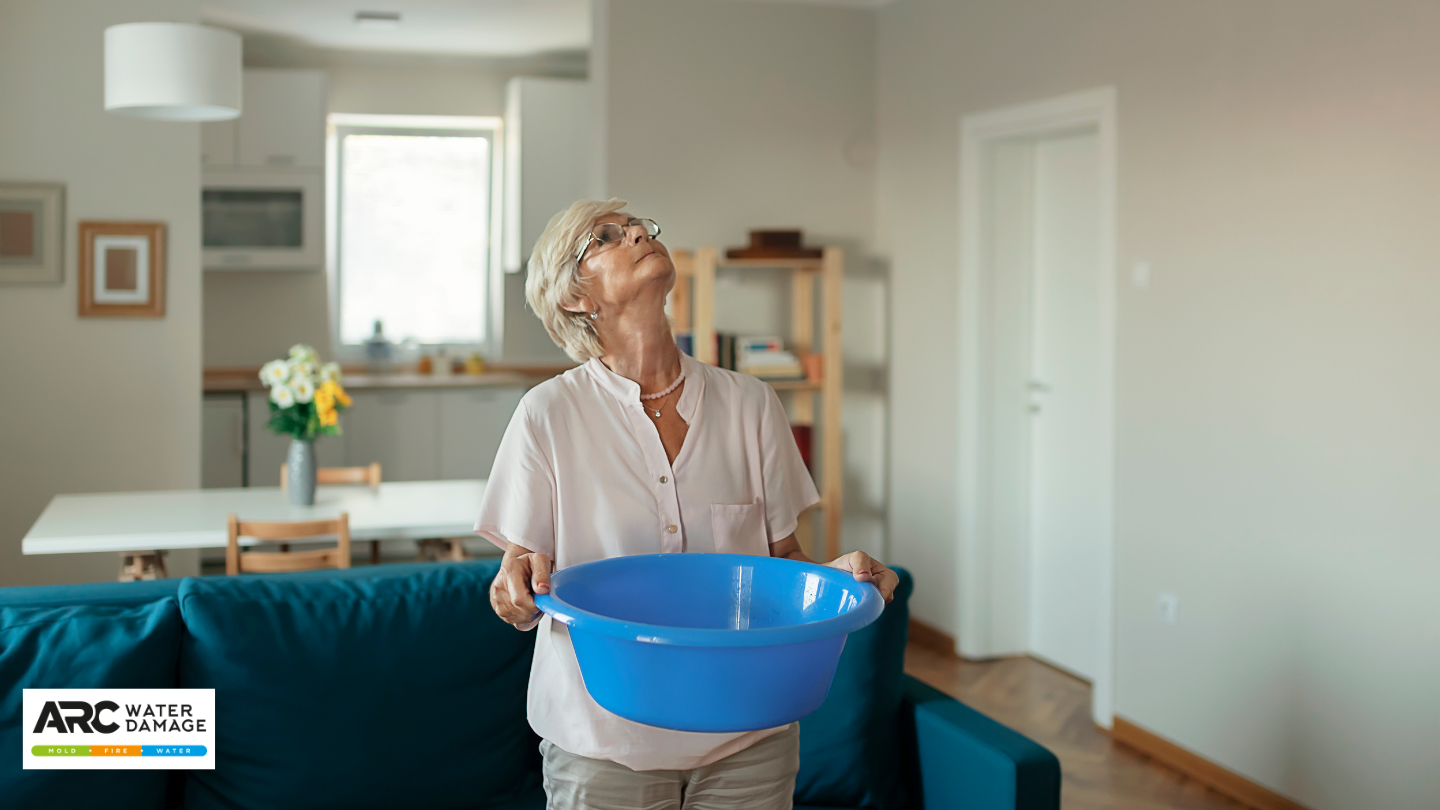
How Water Damage Progresses Over Time
The First Few Hours After Water Exposure
The first few hours after water intrusion are extremely important. Water immediately begins soaking into flooring, drywall, upholstery, and wood materials. Furniture may start staining, carpets become saturated, and wooden surfaces absorb moisture rapidly.
Within hours, drywall can begin swelling and softening. Paint may bubble or peel away from the walls. Wooden baseboards can expand, while laminate flooring may start separating or lifting from the subfloor. Electronics exposed to moisture may stop functioning and become unsafe to use.
Water also spreads farther than many people realize. Gravity allows it to move downward through ceilings and floors while capillary action pulls moisture sideways into surrounding materials. A leak affecting one room may already be damaging adjacent areas without obvious signs.
If contaminated water is involved, such as sewage backups or floodwater, bacteria and pathogens may begin spreading immediately. This increases the urgency of proper cleanup and sanitization.
Fast action during the first few hours can significantly reduce permanent damage. Removing standing water early helps limit moisture absorption and minimizes the overall restoration process.
Long-Term Consequences Of Delayed Cleanup
When water damage is ignored for days or weeks, the consequences often become extensive and expensive. Structural deterioration may compromise the integrity of walls, ceilings, floors, and support beams. Rotting wood weakens framing systems and increases the risk of collapse in difficult situations.
Persistent moisture can destroy insulation, reducing energy efficiency and increasing utility costs. Flooring materials may require complete replacement, while drywall often becomes too damaged to salvage.
Mold infestations can spread throughout the property, affecting indoor air quality and creating widespread contamination. In severe cases, spores may travel through HVAC systems and impact multiple rooms in the home.
Long-term water exposure may also damage a property's resale value. Visible signs of past water damage, mold problems, or lingering odors often discourage potential buyers and raise concerns during inspections.
Insurance claims may become more complicated if homeowners delay reporting or mitigating the damage. Some insurance providers may reduce coverage if they determine that additional deterioration resulted from neglect rather than the original incident.
The longer the cleanup is postponed, the more invasive and costly the restoration process usually becomes.
The Risk Of Mold Growth
Why Mold Develops So Quickly
Mold thrives in moist, dark, and humid environments. After water damage occurs, wet materials create perfect conditions for mold spores to multiply rapidly. In many cases, mold growth can begin within 24 to 48 hours.
Drywall paper, carpeting, insulation, wood, and fabric all contain organic materials that mold can feed on. Once spores settle on damp surfaces, colonies may spread quickly throughout hidden areas of the property.
Many homeowners mistakenly believe that if they cannot see mold, it is not present. However, mold frequently develops behind walls, under flooring, inside ceilings, and within crawl spaces where moisture remains trapped.
Even a small leak can lead to significant mold growth if the affected area is not properly dried. High humidity levels after water damage also increase the likelihood of widespread contamination.
Professional water damage cleanup helps reduce mold risks by removing excess moisture before colonies have time to establish themselves.
The Cost Of Mold Remediation
Mold remediation can become extremely expensive when water damage cleanup is delayed. Small isolated areas may require limited treatment, but widespread contamination often involves major demolition and reconstruction.
Professionals may need to remove drywall, insulation, flooring, cabinetry, and other porous materials that cannot be salvaged. Specialized containment systems, air filtration equipment, and antimicrobial treatments are commonly required during remediation projects.
The costs associated with mold removal frequently exceed the expenses of immediate water extraction and drying. Homeowners who respond quickly to water damage often avoid extensive remediation altogether.
Beyond financial costs, mold remediation can disrupt daily life for extended periods. Rooms may become inaccessible during treatment, and strong odors or dust can create additional inconvenience.
Preventing mold through rapid cleanup is almost always more affordable and less stressful than addressing a full-scale infestation later.
Structural Damage Risks
Weakening Of Walls And Ceilings
Water can severely compromise drywall, plaster, and ceiling materials. Once saturated, drywall becomes soft and unstable. Ceilings may sag under the weight of trapped moisture, increasing the possibility of collapse.
Water-damaged walls may lose their structural integrity over time. Nails and fasteners can loosen, while repeated moisture exposure weakens framing components behind the surface.
Paint bubbling, cracks, stains, and discoloration often indicate deeper structural moisture problems. Ignoring these warning signs may allow deterioration to continue unseen.
Ceiling leaks are especially dangerous because they can spread water into insulation, electrical systems, and attic spaces. If left untreated, the affected area may eventually fail.
Immediate drying and repairs help stabilize building materials before permanent damage occurs.
Flooring Damage And Subfloor Problems
Different flooring materials react differently to water exposure, but most are vulnerable to long-term moisture damage. Hardwood flooring absorbs water quickly and may begin cupping, warping, or buckling within days.
Laminate flooring often swells and separates when exposed to moisture. Carpeting traps water deep within fibers and padding, making complete drying difficult without professional equipment.
Tile floors may appear resistant to water damage, but moisture can still penetrate grout lines and affect the subfloor beneath. Over time, hidden moisture can weaken structural supports and promote mold growth.
Subfloors are especially vulnerable because they often remain damp long after surface water disappears. Rotting subfloors may eventually require complete replacement if cleanup is delayed too long.
Fast extraction and drying reduce the likelihood of permanent flooring damage and help preserve structural stability.
Foundation And Framing Concerns
Severe or prolonged water exposure can eventually affect a home's foundation and framing systems. Water pooling around the property may seep into crawl spaces, basements, or concrete foundations.
Wood framing exposed to excessive moisture may rot, weaken, or attract pests such as termites. Structural beams and supports can gradually lose strength, creating long-term safety concerns.
Foundation cracks may worsen if water pressure builds around the structure. Over time, shifting soil and excess moisture can contribute to settlement issues and uneven flooring.
These structural problems often require extensive repairs that are far more expensive than early cleanup efforts. Addressing water intrusion immediately helps protect the property's long-term integrity.

Electrical Hazards From Water Damage
Risks Of Water Contact With Electrical Systems
Water and electricity create a dangerous combination inside any property. When water reaches outlets, wiring, appliances, or breaker panels, the risk of electrical shock and fire increases significantly.
Even minor leaks may affect hidden wiring behind walls or ceilings. Homeowners should never assume an area is safe simply because the lights still work or appliances appear functional.
Floodwater and contaminated water increase electrical dangers further because they may contain minerals or debris that conduct electricity more effectively.
Attempting DIY cleanup without shutting off power in affected areas can place occupants at serious risk of injury.
Professional restoration teams often coordinate with licensed electricians to inspect systems exposed to water and determine whether repairs or replacements are necessary.
Fire Hazards After Water Exposure
Moisture inside electrical systems can lead to short circuits, overheating, and eventual fires. Damaged wiring may continue deteriorating long after the visible water has dried.
Corrosion caused by prolonged moisture exposure weakens electrical connections and increases the likelihood of future malfunctions. Hidden damage may remain undetected until a serious incident occurs later.
Electrical fires caused by water damage may start behind walls or ceilings, where they spread rapidly before becoming visible.
Prompt cleanup and professional inspections help identify hidden hazards before they escalate into dangerous situations.
Indoor Air Quality Problems
Lingering Moisture And Odors
Delayed water damage cleanup often leads to persistent indoor odors caused by mold, bacteria, and damp materials. Musty smells may become deeply embedded in carpets, upholstery, drywall, and insulation.
High humidity levels also create uncomfortable living conditions and contribute to condensation problems throughout the home.
Even after visible water disappears, trapped moisture may continue affecting air quality for weeks or months if proper drying methods are not used.
Professional dehumidification helps restore healthier indoor conditions and prevents ongoing moisture problems.
Airborne Contaminants
Floodwater and sewage backups may introduce dangerous contaminants into the air. Bacteria, mold spores, and allergens can circulate through HVAC systems and spread throughout the property.
Poor indoor air quality may trigger allergies, respiratory irritation, headaches, and other health concerns. Children, elderly individuals, and people with weakened immune systems are especially vulnerable.
Thorough cleaning and sanitization are critical after contaminated water incidents. Simply drying surfaces is often insufficient for restoring a safe environment.
Emergency restoration professionals use specialized filtration and cleaning techniques to improve indoor air quality and remove harmful contaminants.
Financial Consequences Of Delayed Cleanup
Increasing Repair Costs
One of the biggest risks of delaying emergency water damage cleanup is the rapid increase in repair expenses. What may begin as a minor cleanup project can evolve into extensive reconstruction if moisture remains untreated.
Replacing drywall, flooring, insulation, cabinetry, and structural components becomes far more expensive than early mitigation efforts. Mold remediation and structural repairs further increase overall restoration costs.
The longer the damage continues spreading, the more materials typically require replacement instead of repair.
Immediate response often saves homeowners significant amounts of money by limiting the extent of the damage.
Insurance Claim Complications
Many insurance policies expect homeowners to take reasonable steps to prevent additional damage after a water event occurs. Delaying cleanup may complicate claims if insurers determine the deterioration resulted from neglect.
Insurance companies often investigate whether homeowners acted promptly after discovering water intrusion. Failure to mitigate damage could reduce coverage for preventable secondary issues such as mold growth.
Documenting the damage and contacting restoration professionals quickly may help support insurance claims and improve reimbursement outcomes.
Fast action demonstrates responsible property maintenance and may simplify the claims process.
Why Professional Water Damage Cleanup Is Important
Specialized Equipment And Expertise
Professional restoration companies use industrial-grade equipment designed specifically for water extraction and structural drying. High-powered pumps, dehumidifiers, moisture meters, and air movers remove water more effectively than household tools.
Professionals also understand how moisture behaves inside different building materials. They can identify hidden water pockets that homeowners may overlook.
Without proper drying techniques, moisture often remains trapped behind walls or beneath flooring, even when surfaces appear dry.
Professional cleanup helps ensure the property is fully restored and safe for occupancy.
Faster Restoration And Better Results
Experienced restoration teams follow proven procedures that speed up recovery and reduce long-term damage. Rapid response minimizes moisture exposure and helps preserve salvageable materials.
Professionals can also coordinate mold prevention, sanitization, odor removal, and reconstruction services as needed.
Comprehensive cleanup improves the chances of restoring the property successfully while reducing future complications.
Hiring experts early often leads to better outcomes and lower overall costs.
Preventing Water Damage From Getting Worse
Acting Immediately After Discovery
The most important step after discovering water damage is acting quickly. Turning off the water source, shutting down electricity in affected areas, and contacting emergency restoration professionals can help limit the damage.
Removing standing water early reduces moisture absorption and slows deterioration. Quick action also lowers mold risks and protects structural materials.
Even seemingly minor leaks should be inspected promptly because hidden moisture may already be spreading behind walls or under flooring.
Monitoring Vulnerable Areas
Regular inspections of plumbing systems, roofs, appliances, basements, and crawl spaces can help homeowners detect water problems early. Signs such as discoloration, peeling paint, musty odors, or warped materials should never be ignored.
Maintaining gutters, sealing leaks, and addressing plumbing issues quickly reduces the likelihood of severe water damage events.
Preventive maintenance is often far less expensive than emergency restoration.
Conclusion
Delaying emergency water damage cleanup can lead to serious consequences that affect both property and health. Water spreads rapidly through building materials, creating hidden damage that worsens over time. What begins as a small leak or localized flooding event can quickly escalate into mold growth, structural deterioration, electrical hazards, and expensive repairs.
The first 24 to 48 hours after water exposure are especially critical. Immediate action helps reduce moisture absorption, prevent mold infestations, and protect structural components from long-term deterioration. Fast cleanup also improves indoor air quality and reduces the risk of health concerns caused by bacteria and airborne contaminants.
Professional restoration services play a vital role in identifying hidden moisture, removing water safely, and restoring the property thoroughly. Specialized equipment and expertise help ensure that affected materials are dried correctly and future complications are minimized.
Homeowners who respond quickly to water damage incidents often save substantial amounts of money while protecting the safety and value of their property. Waiting too long can transform a manageable cleanup into a major restoration project requiring extensive reconstruction.
Emergency water damage should never be ignored or postponed. Acting immediately is the best way to protect the home, prevent additional damage, and restore safe living conditions as quickly as possible.
FAQ
1. How Quickly Should Water Damage Cleanup Begin?
Water damage cleanup should begin as soon as possible, ideally within the first 24 hours. Fast action helps reduce structural damage, mold growth, and repair costs.
2. Can Mold Grow After A Small Water Leak?
Yes. Even small leaks can create enough moisture for mold growth if the affected area is not dried properly. Mold often develops in hidden spaces behind walls or under flooring.
3. Is It Safe To Stay In A Home With Water Damage?
It depends on the severity of the damage. Electrical hazards, mold growth, and contaminated water may create unsafe living conditions. Professional inspection is recommended after significant water intrusion.
4. What Happens If Water Damage Is Left Untreated?
Untreated water damage can lead to mold infestations, structural deterioration, electrical problems, poor indoor air quality, and expensive repairs.
5. Does Homeowners' Insurance Cover Water Damage Cleanup?
Coverage depends on the cause of the damage and the specific insurance policy. Sudden and accidental water damage is often covered, while gradual damage from neglect may not be.
6. Why Is Professional Water Damage Restoration Important?
Professional restoration teams use specialized equipment and expertise to remove hidden moisture, prevent mold growth, and restore safe conditions more effectively than DIY methods.
7. Can Water Damage Affect A Home's Value?
Yes. Visible water damage, mold problems, and structural issues may lower property value and create concerns during home inspections or resale evaluations.
8. How Long Does Water Damage Restoration Take?
The timeline varies depending on the extent of the damage. Minor incidents may take a few days, while severe flooding and reconstruction projects can take several weeks or longer.
Emergency Water Damage Can Escalate Fast; Immediate Action Matters
Water emergencies can go from stressful to devastating in a matter of hours. Whether it’s a burst pipe, overflowing appliance, storm flooding, or sewage backup, water spreads quickly through walls, flooring, insulation, and structural materials. The longer the water sits, the greater the risk of severe property damage, mold growth, and costly repairs.
Fast emergency water damage restoration helps stop the damage before it gets worse. With immediate response, professional-grade drying equipment, and proven restoration methods, the affected areas can be extracted, dried, sanitized, and restored as quickly as possible. Acting fast not only protects your property, but it can also help reduce restoration costs and minimize disruption to your home or business.
At ARC Water Damage, our team responds quickly to emergency water damage situations and guides you through the entire restoration process from start to finish. We work efficiently, communicate clearly, and help coordinate with your insurance company to keep the process moving smoothly.
If you’re dealing with emergency water damage, don’t wait. Call ARC Water Damage today at (877) 437-9225 for immediate emergency water damage restoration and rapid response service.