
When Should You Call For Emergency Water Damage Restoration Instead Of Waiting?
Water damage is one of the most stressful problems a homeowner or property manager can face. A burst pipe, overflowing appliance, leaking roof, or flooded basement can quickly turn into a serious emergency. While some minor water issues may seem manageable with towels, fans, and patience, many situations require immediate professional attention. The challenge is knowing the difference between a manageable inconvenience and a true emergency that demands fast restoration services.
Waiting too long to address water damage can lead to severe structural problems, mold growth, ruined belongings, and expensive repairs. Water spreads rapidly through walls, flooring, insulation, ceilings, and electrical systems. Even small leaks can become major restoration projects if ignored for just a few hours or days.
Emergency water damage restoration companies specialize in rapid response, water extraction, drying, sanitation, and property recovery. Their equipment and expertise help minimize long-term damage while protecting the safety of everyone inside the property. Acting quickly can save thousands of dollars and prevent permanent damage to your home or business.
This guide explains when you should call for emergency water damage restoration instead of waiting. It covers warning signs, high-risk situations, hidden dangers, and why immediate action matters more than many property owners realize.
Key Takeaways
Water damage can spread within minutes and worsen dramatically within hours.
Standing water, sewage backups, burst pipes, and storm flooding require immediate professional restoration.
Mold can begin developing within 24 to 48 hours after water exposure.
Delaying restoration often leads to structural damage, higher repair costs, and health risks.
Emergency restoration professionals use industrial equipment that dries areas faster and more effectively than household tools.
Electrical hazards and contaminated water should never be handled without professional assistance.
Fast action improves the chances of saving flooring, walls, furniture, and personal belongings.
Insurance claims are often smoother when damage is documented and addressed immediately.
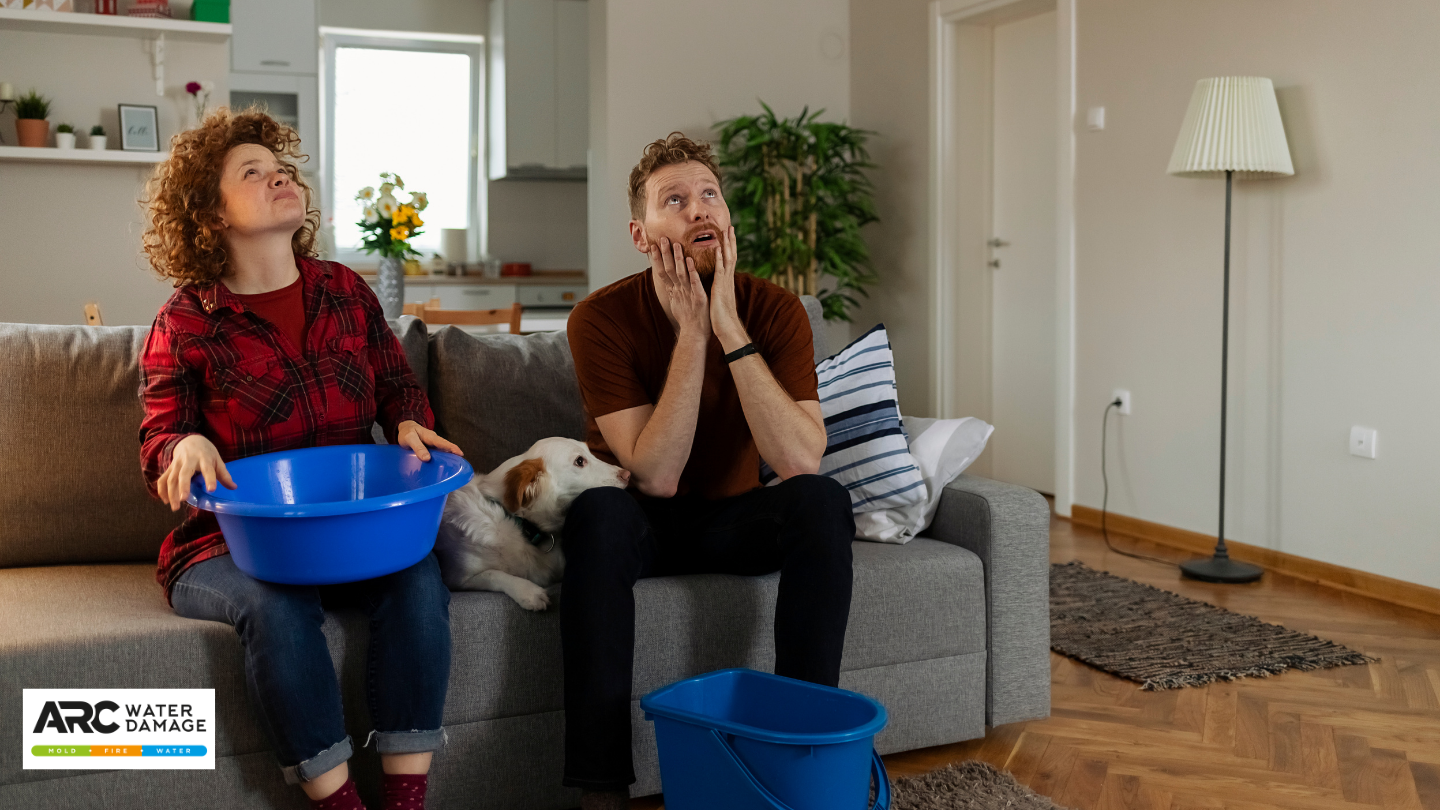
Understanding What Counts As Emergency Water Damage
Not every leak requires a middle-of-the-night restoration call, but many situations become emergencies faster than homeowners expect. Emergency water damage refers to any water intrusion that threatens safety, property structure, electrical systems, sanitation, or long-term property conditions.
Major Water Intrusion Can Escalate Quickly
A major flood inside a property creates immediate risks. Water can weaken drywall, warp hardwood floors, damage insulation, and seep into hidden areas behind walls. The longer water remains, the more extensive the damage becomes.
For example, a burst pipe may release gallons of water every minute. Within a short period, water can move through multiple rooms and levels of the property. Carpets become saturated, ceilings absorb moisture, and wood framing begins swelling. Delaying restoration even overnight can dramatically increase the cost of repairs.
Emergency restoration professionals respond quickly because they understand how rapidly damage spreads. Their goal is to stop water movement, remove moisture, and begin structural drying before secondary damage occurs.
Water Damage Often Hides Behind Surfaces
One reason waiting is dangerous is that water frequently travels where you cannot see it. Moisture may soak into:
Wall cavities
Subflooring
Insulation
Cabinets
Ceiling spaces
HVAC systems
A floor may appear mostly dry on the surface while moisture remains trapped underneath. Hidden moisture creates ideal conditions for mold growth, wood rot, and structural weakening.
Professional restoration teams use moisture meters and thermal imaging equipment to detect hidden water pockets. This allows them to dry affected areas thoroughly rather than treating only visible damage.
Emergency Situations Are Not Always Dramatic
Some homeowners assume emergencies only involve large floods. In reality, smaller leaks can become emergencies depending on the circumstances.
Examples include:
Water dripping near electrical panels
Ceiling leaks during heavy rain
Overflowing toilets
Appliance hose failures
Water entering crawl spaces
Sewage backups
Hot water tank leaks
Even slow leaks can cause severe hidden damage if ignored. When water exposure continues unchecked, the risk of mold and structural deterioration rises significantly.
Signs You Should Call For Emergency Water Damage Restoration Immediately
Some warning signs clearly indicate that waiting is unsafe or financially risky. Knowing these signs can help property owners act before damage becomes catastrophic.
Standing Water Inside The Property
Standing water is one of the clearest indicators of an emergency. Whether caused by flooding, plumbing failures, or appliance leaks, standing water requires immediate extraction.
Water pooling on floors can:
Soak carpets and padding
Damage hardwood flooring
Weaken subfloors
Spread bacteria
Cause electrical hazards
Increase mold growth risks
The deeper the water, the greater the urgency. Even a small amount of standing water can spread into hidden spaces if left untreated.
Professional restoration crews use commercial extraction equipment to remove water quickly. Household vacuums and mops are rarely sufficient for significant flooding.
Burst Pipes Or Plumbing Failures
A burst pipe can release enormous amounts of water in a very short time. This type of damage should never be handled with a wait-and-see approach.
Immediate restoration is critical because water from burst pipes can travel rapidly through walls and ceilings. In multi-story homes, water may affect several floors before the leak is discovered.
Common signs include:
Sudden drops in water pressure
Water stains on ceilings
Bulging drywall
Flooded rooms
Running water sounds inside the walls
Turning off the main water supply is the first step, but professional drying and restoration are still necessary afterward.
Sewage Backups Require Emergency Attention
Sewage backups are among the most dangerous water damage situations. Contaminated water contains bacteria, viruses, and harmful microorganisms that create serious health risks.
Black water from sewage should never be cleaned without proper safety equipment and sanitation procedures. Exposure can lead to illness and contamination throughout the property.
Emergency restoration professionals have specialized training for hazardous cleanup and sanitization. They remove contaminated materials safely and disinfect affected areas thoroughly.
Water Near Electrical Systems
Water and electricity create an extremely dangerous combination. If water reaches electrical outlets, wiring, appliances, or breaker panels, the situation becomes a safety emergency.
Do not enter flooded areas where electricity may still be active. Contact emergency restoration professionals and electricians immediately.
Fast professional intervention helps reduce both safety risks and long-term electrical damage.
Rapid Ceiling Leaks
A leaking ceiling may indicate roof failure, plumbing damage, or attic flooding. Ceiling materials absorb water quickly and may collapse without warning.
Warning signs include:
Waiting too long can result in extensive structural damage and safety hazards. Immediate restoration reduces the likelihood of ceiling collapse and mold growth.
Why Waiting Can Make Water Damage Worse
Many property owners delay restoration because the damage initially appears manageable. Unfortunately, water damage rarely stays contained. Time is one of the most important factors in determining restoration costs and recovery success.
Mold Can Begin Growing Within 24 To 48 Hours
One of the biggest reasons to avoid waiting is mold development. Mold thrives in moist, humid environments and spreads rapidly after water exposure.
Once mold begins growing, restoration becomes more complicated and expensive. Affected materials may require removal, and indoor air quality can suffer significantly.
Mold exposure may contribute to:
Respiratory irritation
Allergic reactions
Asthma flare-ups
Persistent odors
Health concerns for vulnerable individuals
Professional drying equipment helps reduce moisture levels before mold colonies can develop.
Structural Materials Absorb Water Quickly
Many building materials are highly absorbent. Drywall, insulation, wood framing, and flooring can retain moisture long after surface water disappears.
As moisture penetrates deeper into materials, problems become more severe:
Wood swells and warps
Drywall softens
Nails and metal corrode
Adhesives weaken
Flooring separates
The sooner drying begins, the more likely materials can be saved instead of replaced.
Delayed Restoration Increases Repair Costs
Small water damage issues often become major renovations when ignored. A quick extraction and drying job may later turn into:
Full flooring replacement
Mold remediation
Structural rebuilding
Cabinet replacement
Insulation removal
Electrical repairs
Emergency restoration services may seem costly initially, but rapid response often prevents much larger expenses later.
Odors Become Harder To Remove
Lingering moisture creates unpleasant odors that worsen over time. Wet carpets, soaked drywall, and contaminated water can leave persistent smells throughout the property.
Once odors penetrate materials deeply, deodorization becomes more difficult. Quick drying and sanitation improve the chances of eliminating odors before they become permanent.
Situations Where Waiting Might Be Acceptable
While many cases require immediate restoration, some minor water issues may not qualify as emergencies. However, even small problems should still be monitored carefully.
Small, Contained Spills
Minor spills that are cleaned and dried immediately may not require professional restoration. Examples include:
Small sink overflows
Limited bathtub spills
Minor refrigerator leaks caught quickly
The key factor is whether the moisture fully dries before spreading into surrounding materials.
Minor Leaks Without Saturation
A tiny plumbing drip discovered early may not require emergency service if:
Water exposure is minimal
No materials are saturated
The source is repaired quickly
The area dries completely
However, monitoring is essential because hidden moisture can still cause future problems.
Condensation Issues
Sometimes moisture comes from condensation rather than active leaks. HVAC systems, poor ventilation, or humidity problems may create dampness without major flooding.
Although not always emergencies, persistent condensation can still lead to mold and should be addressed promptly.
How Emergency Water Damage Restoration Professionals Help
Professional restoration companies do far more than remove visible water. Their process focuses on preventing long-term damage and restoring safe conditions.
Immediate Water Extraction
Fast water removal is the top priority. Restoration teams use powerful pumps and extraction machines to eliminate standing water quickly.
Rapid extraction helps:
Prevent moisture spread
Reduce structural damage
Protect flooring
Limit mold risks
Commercial equipment removes water far more effectively than household tools.
Moisture Detection And Monitoring
Professionals inspect the property carefully for hidden moisture. Specialized tools identify water trapped behind walls, under floors, and inside ceilings.
Monitoring equipment tracks drying progress to ensure affected areas return to safe moisture levels.
Industrial Drying Equipment
Restoration companies use:
Commercial air movers
Industrial dehumidifiers
Drying mats
HEPA filtration systems
This equipment accelerates evaporation and removes moisture from the air and structural materials.
Sanitization And Cleaning
Contaminated water requires thorough disinfection. Professionals sanitize surfaces to reduce bacteria, mold spores, and odors.
Cleaning may include:
Antimicrobial treatments
Carpet sanitation
Odor removal
Air purification
Restoration And Repairs
After drying is complete, restoration work begins. Depending on the severity, this may include:
Drywall replacement
Flooring repairs
Painting
Cabinet restoration
Structural reconstruction
The goal is to return the property to its pre-damage condition safely and efficiently.

Common Causes Of Emergency Water Damage
Understanding common causes helps property owners recognize risks early and respond faster.
Severe Weather And Flooding
Storms can overwhelm roofs, gutters, drainage systems, and foundations. Heavy rain and flooding often cause rapid water intrusion.
Storm-related water damage may involve:
Roof leaks
Basement flooding
Window leaks
Foundation seepage
Natural disasters often require immediate emergency restoration because damage spreads rapidly.
Appliance Failures
Household appliances can release large amounts of water unexpectedly. Common culprits include:
Washing machines
Dishwashers
Refrigerators
Water heaters
Hoses and connections may weaken over time, causing sudden leaks or flooding.
Plumbing System Problems
Pipe corrosion, freezing temperatures, clogs, and pressure issues can lead to serious plumbing failures.
Older properties may face increased risks due to aging pipes and outdated plumbing systems.
Roof Damage
Damaged shingles, flashing failures, and clogged gutters allow water into attics and ceilings. Roof leaks often go unnoticed until stains or dripping become visible.
By the time visible signs appear, hidden moisture may already be extensive.
The Importance Of Acting Fast For Insurance Claims
Quick action is not only important for property protection but also for insurance purposes.
Insurance Companies Expect Mitigation Efforts
Most insurance policies require homeowners to take reasonable steps to prevent further damage after discovering a problem.
Delaying restoration may lead insurers to argue that some damage resulted from neglect rather than the original incident.
Documentation Matters
Emergency restoration companies often help document:
Moisture levels
Damaged materials
Water source categories
Affected areas
This documentation can support insurance claims and simplify the process.
Faster Restoration Improves Recovery Outcomes
The sooner restoration begins, the more materials can potentially be saved. This may reduce claim amounts and improve overall recovery timelines.
Health Risks Associated With Delayed Water Damage Restoration
Water damage affects more than just buildings. It can also impact the health and safety of occupants.
Mold And Air Quality Issues
Mold spores spread easily through HVAC systems and indoor air. Poor air quality can affect anyone inside the property, especially children, older adults, and individuals with respiratory conditions.
Bacterial Contamination
Floodwater and sewage contain harmful contaminants. Exposure may cause infections, illness, and allergic reactions.
Contaminated porous materials often require disposal because bacteria can penetrate deeply into surfaces.
Slip And Fall Hazards
Wet flooring creates immediate accident risks. Water-damaged structures may also become unstable over time.
How To Respond Before Restoration Professionals Arrive
While waiting for emergency restoration crews, property owners can take steps to reduce damage if conditions are safe.
Shut Off The Water Source
If possible, stop the flow of water immediately. Shut off valves or the main water supply when plumbing failures occur.
Turn Off Electricity If Necessary
If water threatens electrical systems, turn off power only if it is safe to do so. Avoid standing water near electrical hazards.
Remove Valuable Items
Move electronics, documents, furniture, and valuables away from wet areas whenever possible.
Increase Airflow
Open windows and use fans if conditions allow. However, professional drying equipment is still necessary for significant water damage.
Avoid Using Contaminated Areas
Do not enter sewage-contaminated spaces without protective equipment.
Choosing The Right Emergency Water Damage Restoration Company
Not all restoration companies provide the same level of service. Choosing experienced professionals is essential.
Look For 24/7 Emergency Response
Water damage emergencies can happen anytime. Fast response times help minimize property loss.
Verify Certifications And Experience
Qualified restoration professionals should have training in:
Water mitigation
Mold prevention
Structural drying
Hazardous cleanup
Ask About Equipment And Process
Experienced companies use commercial-grade equipment and detailed drying plans.
Check Insurance Assistance Services
Some restoration companies work directly with insurance providers to simplify claims.
Preventing Future Water Damage Emergencies
While not all water damage can be prevented, proactive maintenance reduces risks significantly.
Inspect Plumbing Regularly
Check pipes, hoses, and fittings for signs of wear, corrosion, or leaks.
Maintain Roof And Gutters
Keep gutters clean and repair roofing damage promptly.
Install Leak Detection Devices
Smart leak detectors provide early warnings before major flooding occurs.
Monitor Appliance Hoses
Replace aging appliance hoses before failures happen.
Know Where Shut-Off Valves Are Located
Quickly stopping water flow can dramatically reduce damage severity.
Conclusion
Emergency water damage restoration becomes necessary whenever water intrusion threatens safety, structural integrity, sanitation, or long-term property conditions. Waiting may seem convenient at the moment, but delays often lead to larger repairs, mold growth, health concerns, and significantly higher restoration costs.
Standing water, burst pipes, sewage backups, electrical hazards, storm flooding, and major leaks should always be treated as urgent situations. Even seemingly minor water damage can spread behind walls and beneath flooring, where hidden moisture continues causing destruction long after visible water disappears.
Professional restoration companies provide the equipment, expertise, and rapid response needed to stop damage from escalating. Their work includes water extraction, structural drying, sanitation, moisture detection, and restoration repairs that help protect both the property and the people inside it.
The faster action is taken, the better the chances of minimizing damage and preserving valuable materials. Recognizing warning signs early and responding immediately can save homeowners from major financial loss and stressful long-term repairs.
If you ever feel uncertain whether water damage qualifies as an emergency, it is usually safer to contact a restoration professional for an assessment rather than risk waiting too long.
Frequently Asked Questions
1. How Quickly Should I Call For Emergency Water Damage Restoration?
You should call as soon as you notice significant water intrusion, standing water, sewage backups, burst pipes, or active leaks. A fast response helps minimize structural damage and mold growth.
2. Can I Handle Water Damage Cleanup Myself?
Small spills may be manageable, but larger water damage situations often require professional equipment and expertise. Hidden moisture can remain even after surfaces appear dry.
3. How Long Does It Take For Mold To Grow After Water Damage?
Mold can begin developing within 24 to 48 hours in moist environments. Quick drying and restoration are important for prevention.
4. What Types Of Water Damage Are Most Dangerous?
Sewage backups, contaminated floodwater, and water near electrical systems are especially dangerous because they pose serious health and safety risks.
5. Does Homeowners' Insurance Cover Emergency Water Damage Restoration?
Coverage depends on the cause of the damage and the policy terms. Sudden accidental water damage is often covered, while long-term neglect may not be.
6. Should I Stay In My Home During Restoration?
It depends on the severity of the damage. Extensive flooding, contamination, mold, or structural risks may require temporary relocation.
7. What Equipment Do Restoration Professionals Use?
They typically use industrial pumps, dehumidifiers, air movers, moisture meters, thermal imaging cameras, and antimicrobial treatments.
8. Can Water Damage Weaken My Home's Structure?
Yes. Water can damage drywall, wood framing, insulation, flooring, ceilings, and foundations if left untreated.
9. Is A Small Ceiling Leak Considered An Emergency?
It can be. Ceiling leaks may indicate hidden plumbing or roof damage and can lead to collapse if water continues accumulating.
10. How Can I Prevent Future Water Damage Emergencies?
Regular plumbing inspections, roof maintenance, leak detection devices, appliance hose replacement, and proper drainage maintenance all help reduce risks.
Emergency Water Damage Can Escalate Fast; Immediate Action Matters
Water emergencies can go from stressful to devastating in a matter of hours. Whether it’s a burst pipe, overflowing appliance, storm flooding, or sewage backup, water spreads quickly through walls, flooring, insulation, and structural materials. The longer the water sits, the greater the risk of severe property damage, mold growth, and costly repairs.
Fast emergency water damage restoration helps stop the damage before it gets worse. With immediate response, professional-grade drying equipment, and proven restoration methods, the affected areas can be extracted, dried, sanitized, and restored as quickly as possible. Acting fast not only protects your property, but it can also help reduce restoration costs and minimize disruption to your home or business.
At ARC Water Damage, our team responds quickly to emergency water damage situations and guides you through the entire restoration process from start to finish. We work efficiently, communicate clearly, and help coordinate with your insurance company to keep the process moving smoothly.
If you’re dealing with emergency water damage, don’t wait. Call ARC Water Damage today at (877) 437-9225 for immediate emergency water damage restoration and rapid response service.