
What Are the Health Risks Before Flood Cleanup Begins?
Before flood cleanup begins, the health risks are already live: contaminated water and residue (often sewage-tainted), unstable structures, electrical and gas hazards, airborne irritants (mold starting fast), and chemical exposures that you cannot reliably identify by smell or looks. If you walk in assuming it is “just mud,” you are volunteering to be the cautionary tale.
Most people treat floods like a bad movie scene that ends when the water line drops. That myth is how folks get sick, sliced up, electrocuted, or slowly wrecked by a moldy building they “saved” too early.
Key takeaways
Floodwater is commonly a soup of sewage, bacteria, sharp debris, and chemicals, and the risk continues after it recedes, especially when residue dries and turns into dust.
Early injuries happen from electricity, compromised floors, ladders, nails, and sheet metal, not from anything dramatic.
Air problems start sooner than people want to admit: humidity plus drywall plus darkness is basically an invitation for mold, and running gas tools wrong can create carbon monoxide in minutes.
The highest-risk groups are people with asthma or COPD, kids, older adults, pregnant people, immunocompromised folks, and anyone with open cuts, plus exhausted volunteers who skip PPE.
If you cannot confirm structural safety, power isolation, and safe ventilation, “just checking inside” is not a quick peek, it is a gamble.
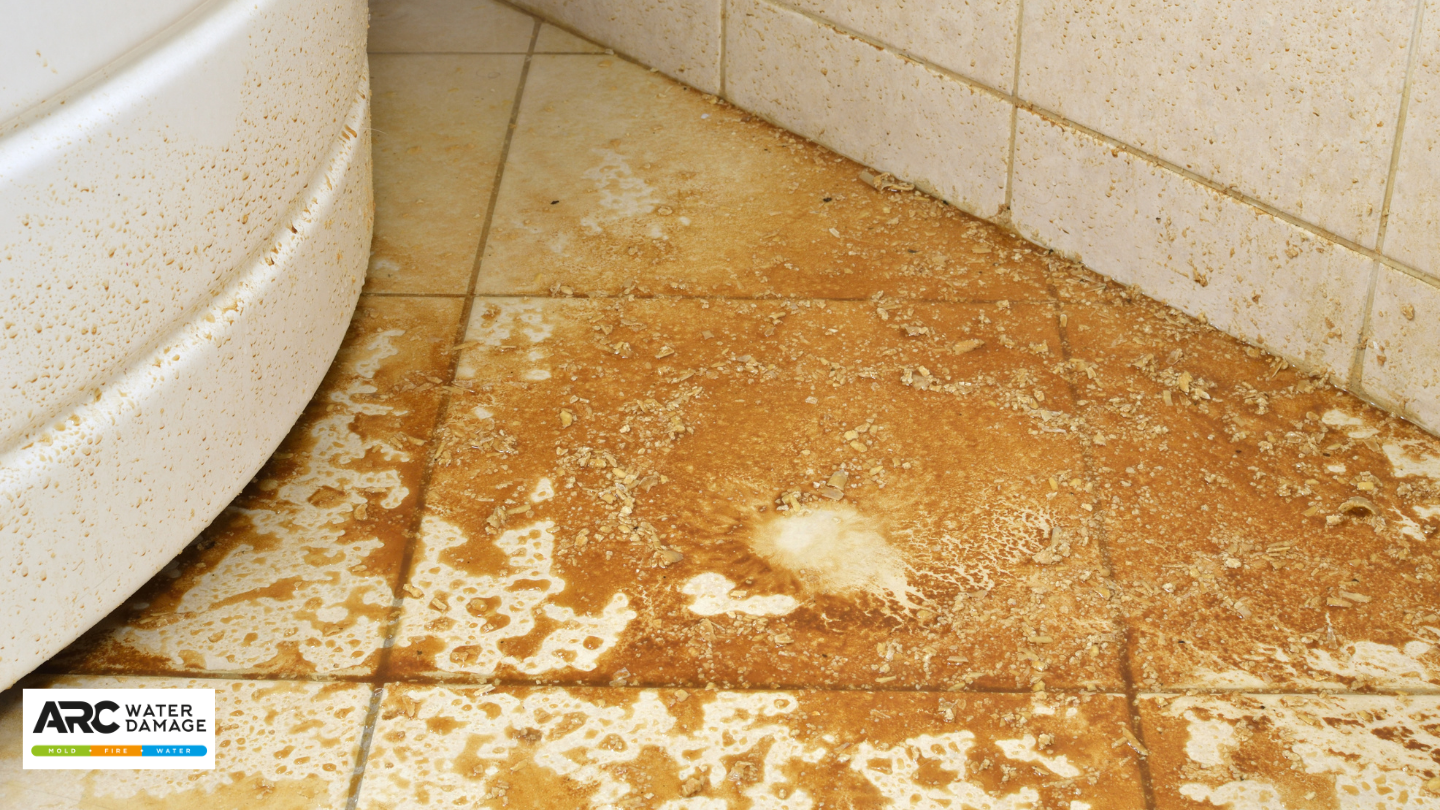
What makes flooded sites unsafe before work starts?
Flood sites are weird because they look calmer than they are. The adrenaline is gone, the rain stopped, the street is quiet. That’s the moment the hazard profile gets sneakier. Public health people call it “post-disaster,” your body hears “finally,” and your house is sitting there like a trap.
Unknown contamination
Floodwater is rarely “rainwater.” It picks up whatever your neighborhood has available: sewage overflows, septic leakage, animal waste, pesticides, fuel, and whatever was sitting in garages and sheds. The CDC’s guidance on floodwater safety after a disaster is blunt for a reason: exposure can mean gastrointestinal illness, skin infections, and more, even if you only splash around for a bit.
Also, the contamination does not disappear when the water drains. It dries onto floors and studs. Then you sweep, and now it’s airborne. Fun.
Hidden damage
Water is strong in the most boring way. It undermines. It loosens fasteners, swells subfloors, shifts foundations, rusts connectors, and quietly turns a staircase into a physics lesson. OSHA’s flood-related building safety guidance pushes the “don’t enter until it’s cleared” message because collapse is not theoretical, it is common in buildings that look fine from the curb.
Compounding exposures
Flood cleanup stacks exposures like pancakes. You get a small cut while moving debris, then you kneel in contaminated residue, then you wipe sweat with a dirty glove, then you go eat something because you forgot lunch existed. The risk isn’t one single villain. It’s the pileup.
Add sleep loss, stress, and the pressure to “save what you can,” and people make sloppy decisions. That’s not a personality flaw. That’s disaster psychology.
How does floodwater cause infections and skin injury?
The infection story usually starts with something small. Not a dramatic dunk into swirling water. A blister. A hangnail. A scrape from a warped cabinet.
Sewage pathogens
When sewage gets into floodwater, you’re dealing with pathogens that are built for transmission. Johns Hopkins public health folks have a clear breakdown in their explainer on the dangers of floodwater and sewage exposure, and the theme is simple: acute gastrointestinal illness is a common outcome when people ingest contaminated water accidentally, or when food prep happens in a contaminated space.
The frustrating part is you can do everything “mostly right” and still mess up. You can swallow a mouthful without trying while hosing the floor. You can contaminate a water bottle with dirty hands. You can rinse a mug in unsafe water because you’re tired and it “looks clear.”
Wound infections
Murky water hides sharp objects, and it also hides what’s going into the wound. UCLA Health’s overview of getting sick from floodwater exposure gets into the reality that even small cuts can become serious when bacteria get a head start in damaged skin.
The early signs people ignore are the basics: redness that spreads, warmth, swelling, and pain that feels out of proportion. If you see red streaking moving up a limb, or you spike a fever, stop. Don’t power through because you “just need one more hour.”
Unsafe drinking water
After flooding, water systems can be compromised, wells can be contaminated, and household plumbing can pull in nasty stuff through pressure changes. Even if your municipality says the system is “operational,” you still need to verify boil-water advisories, and you need to assume anything that touches floodwater can re-contaminate clean items.
If you’re in a private situation, this is where “I’ll deal with it later” backfires. Later becomes diarrhea, dehydration, and an urgent care bill you didn’t budget for.
What air hazards hit first inside wet buildings?
People talk about “that smell” like it’s just unpleasant. It’s a signal. Damp building materials off-gas, microbes wake up, and fine particles start moving once you disturb anything.
Mold spores
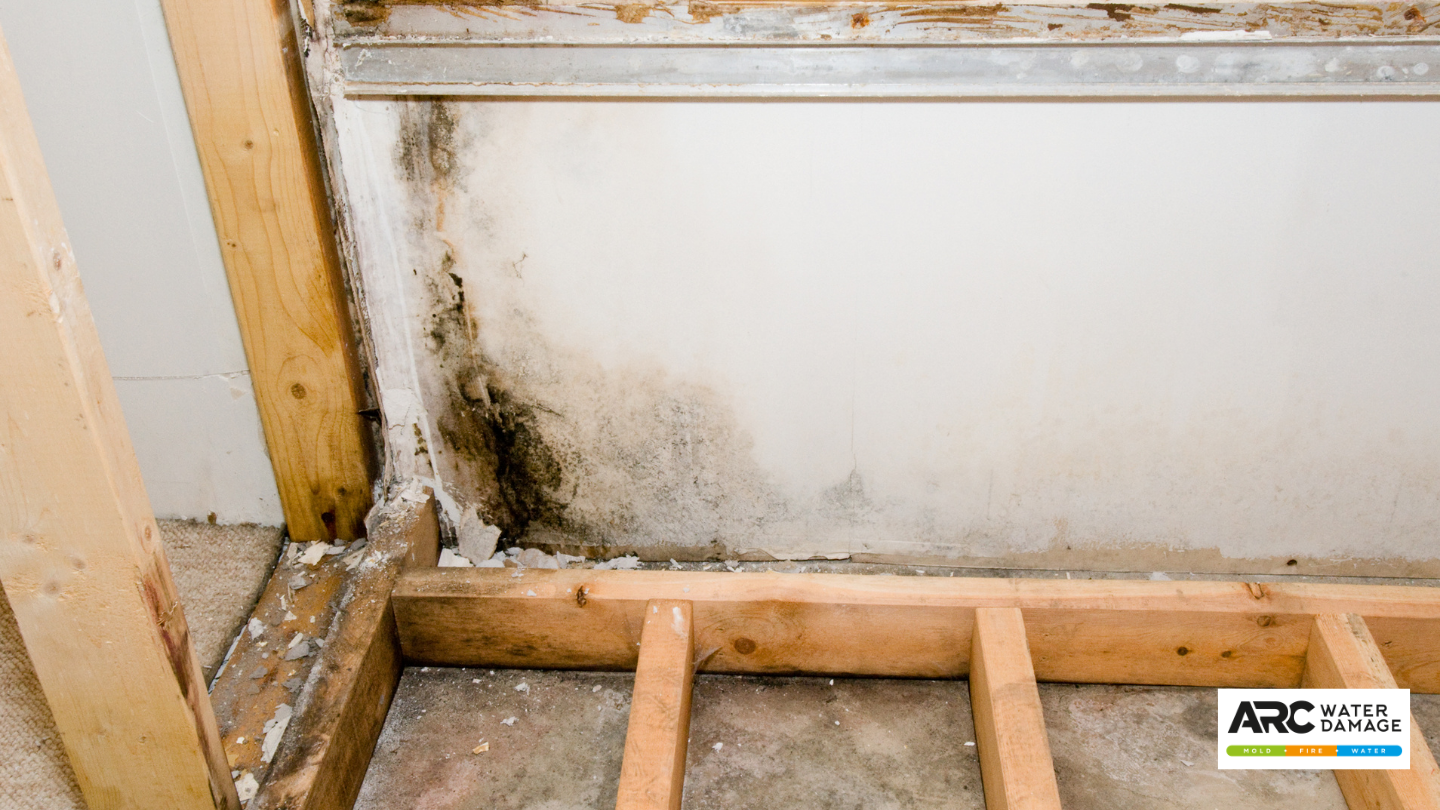
Mold can start growing within 24 to 48 hours on wet porous materials. That’s not a scare tactic, it’s the building science version of gravity. The EPA’s guidance on protecting indoor air during flood cleanup calls out that timeline because it’s the point where a “wet mess” turns into a respiratory problem.
The American Thoracic Society’s patient sheet on health symptoms from mold exposure lines up with what clinicians actually see: nasal congestion, throat irritation, cough, then in more sensitive people, shortness of breath and asthma flare-ups that don’t respond the way they normally do.
Bacterial aerosols
If you spray, pressure-wash, shop-vac, or rip out soggy materials, you can aerosolize bacteria and endotoxins. You don’t need a lab report to respect that. If the space was wet, dark, and contaminated, treat it like it can get into your lungs once you start thrashing around.
This is where “I’m fine, I’m not allergic to mold” misses the point. Infection and inflammation are not just allergy stories.
Carbon monoxide
Carbon monoxide is the silent one, and it shows up when people are trying to be productive. Running generators, pumps, or pressure washers in a garage, basement, or partially enclosed space can build lethal CO levels fast. The CDC’s warnings about carbon monoxide poisoning during outages and cleanup exist because every big flood produces the same tragedy pattern.
CO poisoning also masquerades as “I’m just exhausted.” Headache, nausea, dizziness, confusion. If multiple people in the same space feel “flu-ish” and it improves when they step outside, don’t debate it. Get out.
Which chemicals and materials pose the biggest exposure risk?
Chemical exposure after a flood is the wildcard people underestimate because it’s not always dramatic. No neon green puddle. No movie-style skull label. Just a thin sheen on the waterline and a headache you blame on stress.
Household chemicals
Paints, bleach, ammonia cleaners, pesticides, pool chemicals, solvents, and battery acid can leak and mix. Even when containers look sealed, water pressure and impact can crack them. Then cleanup begins, you scrub, you aerosolize, you accidentally create chemical reactions you didn’t sign up for.
If you smell strong chemical odors, that’s not the moment to “power through.” It’s the moment to ventilate and reassess, because the exposure route might be inhalation, not skin contact.
Fuel and oil
Gasoline, diesel, heating oil, and automotive fluids spread surprisingly far on floodwater. They soak into porous materials and sit there. When people start pulling carpets or cutting drywall, the trapped residues can volatilize again.
This is also why ignition sources matter. Not because your house will explode like a stunt scene, but because vapors plus a spark is a perfectly normal fire triangle.
Asbestos and lead
Older buildings are their own category of risk. If your home was built before the 1980s, you should assume you might be dealing with asbestos-containing materials or lead-based paint until proven otherwise. The EPA’s debris guidance on handling damaged buildings and asbestos concerns is worth reading before you start tearing out insulation, vinyl tiles, or old textured finishes.
This is where DIY demos get expensive in the long run. Disturbing asbestos is not a “wear a dust mask and hope” situation. Same with lead dust.
Which physical hazards cause most early injuries?
Flood cleanup has a highlight reel of injuries that are painfully unglamorous. Slips. Falls. Cuts. Back strains. Electrical shock. The boring stuff wins.
Electrical shock
Water compromises outlets, panels, appliances, extension cords, and anything with a motor that sits in standing water. Even if power is “off,” you don’t get to assume a building is safe. OSHA’s guidance on electrical hazards after storms and flooding spells out what people forget: downed lines, energized surfaces, and damaged equipment can kill.
If you cannot confirm power is isolated at the main, and you cannot confirm the panel wasn’t submerged, you are guessing.
Structural collapse
Floors sag. Subfloors delaminate. Drywall becomes heavy and loses integrity. Foundation walls can shift. That “one quick step” into a room can become a drop through the floor into a contaminated crawlspace with nails waiting.
Engineers and inspectors are not bureaucrats. They’re physics translators.
Cuts and punctures
Floodwater moves glass, sheet metal, nails, splinters, and sharp plastic into places they don’t belong. You step, you slip, you put a hand out to catch yourself, and now you have a puncture wound that needs proper cleaning and sometimes a tetanus booster. People skip that because they’re busy. Then they’re in urgent care with a throbbing hand and a streak of redness creeping upward.
Take these steps before re-entry or disturbance
People want a checklist because it feels like control. Fair. Just don’t confuse a checklist with permission to enter a building that is telling you, loudly, it isn’t ready.
Delay entry rules
If there’s standing water, a sewage smell, sagging ceilings, visible foundation cracking, or you suspect gas or electrical damage, delay entry until you have clearance. FEMA’s safe re-entry guidance after flooding gets into the practical idea: verify the structure, verify utilities, then start thinking about cleanup.
Also, if you’re emotionally fried, that counts. Exhaustion makes people reckless in subtle ways.
PPE essentials
OSHA’s hurricane and flood PPE checklist is written for workers, but the basics apply to homeowners too. The minimum setup I want on someone before they disturb a flood site looks like this:
Waterproof boots with a puncture-resistant sole, not sneakers you “don’t care about.”
Heavy-duty gloves you can actually grip with when wet.
Eye protection, because splashback is constant.
A properly fitted respirator when tearing out wet porous materials or dealing with visible mold.
Skin coverage you can wash hot, because decon is part of PPE.
If you cannot wear PPE because it’s too hot, too uncomfortable, too hard to breathe in, that’s your body telling you the environment is not safe enough for what you’re trying to do.
Decontamination basics
Decon is where people get lazy, then they track contamination into the clean car, the hotel room, the kitchen. Keep a “dirty zone” and a “clean zone.” Bag contaminated clothing. Wash hands before touching your face, your phone, your water bottle. Clean and dry gear. If you have open wounds, keep them covered and reassess whether you should be there at all.
And yes, the mental health part counts as a pre-entry safety issue. Flood recovery stress is not just sadness, it can be anxiety, insomnia, irritability, and that wired feeling that makes you take risks. The Black Dog Institute’s report on the mental health impact of floods is a sobering read because it validates what survivors already know: the disaster keeps happening in your head long after it leaves the street.
Conclusion
Flood cleanup feels like a race against time, and in many ways it is. Water damage doesn’t simply sit still and wait for a convenient moment to be addressed. Within hours, moisture begins soaking into drywall, flooring, insulation, and structural materials. Within days, mold growth can begin, unpleasant odors can develop, and building components may start to weaken. The longer water remains in a property, the more expensive and complicated the recovery process becomes.
At the same time, speed should never come at the expense of safety. One of the biggest mistakes homeowners make after a flood is assuming that once the visible water disappears, the danger is gone. In reality, flood hazards often continue long after the water recedes. Contaminated floodwater can contain bacteria, sewage, chemicals, and other harmful substances that create serious health risks. Hidden moisture trapped behind walls or beneath flooring can support mold growth for weeks if not properly detected and removed. Electrical systems, appliances, and structural components may also be compromised in ways that are not immediately obvious.
That’s why professional flood cleanup is about much more than pumping out water and setting up a few fans. A proper response begins with assessing the source and category of the water, evaluating structural and electrical safety, documenting the damage, and creating a drying plan based on actual moisture readings. Extraction, dehumidification, sanitation, and ongoing monitoring all play critical roles in ensuring the property is truly safe to occupy again. The goal is not simply to make the home look dry—it is to make sure it is dry, clean, and stable from the inside out.
For homeowners, the smartest approach is often the simplest: prioritize safety first, document everything thoroughly, and act quickly when professional help is needed. Salvaging belongings is important, but protecting your health and preventing long-term damage should always come first. A couch, a rug, or a piece of furniture can be replaced. Structural deterioration, respiratory problems caused by mold exposure, or injuries resulting from unsafe conditions can have consequences that last far longer than the flood itself.
Floods rarely end when the standing water disappears. Instead, the risks change form. What starts as a water emergency can quickly become a mold problem, an indoor air quality issue, a structural concern, or an expensive restoration project if the cleanup process is incomplete. Understanding those risks and responding methodically can make the difference between a successful recovery and months of ongoing repairs.
The bottom line is simple: treat flood cleanup as both an emergency and a safety project. Move quickly, but move carefully. Verify that the property is safe before reentering, ensure drying is measured rather than guessed, and don’t overlook hidden damage simply because the surfaces appear dry. When flood recovery is handled correctly from the start, you protect not only your home and belongings but also the health and safety of everyone who lives there.
FAQ
How long does it take for mold to become a serious issue?
Often within 24 to 48 hours on wet porous materials, which is why drying and controlled removal matter so much.
Who should avoid entering a flooded building first?
Anyone with asthma/COPD, immunocompromised conditions, pregnancy, significant heart or kidney disease, or mobility limits that make slips and falls more likely. Kids too, because they touch everything and forget to wash.
What are the “stop immediately” symptoms during early cleanup?
Trouble breathing, chest tightness, confusion, severe headache, fainting, fever, spreading redness around a wound, persistent vomiting or diarrhea, and any signs that improve when you step outside (think carbon monoxide).
Are animals and pests a real health risk right away?
Yes. Floods displace wildlife and rodents into homes and debris piles. The CDC’s guidance on avoiding animal-related hazards after disasters is practical, and Texas A&M’s field notes on snakes and flooding are a reminder that you do not want to reach blind into soggy insulation.
Is it “overkill” to treat flood residue like hazardous material?
Not if the water source is unknown, or if sewage backups are involved. Treating it casually is how contamination becomes a household-wide problem.
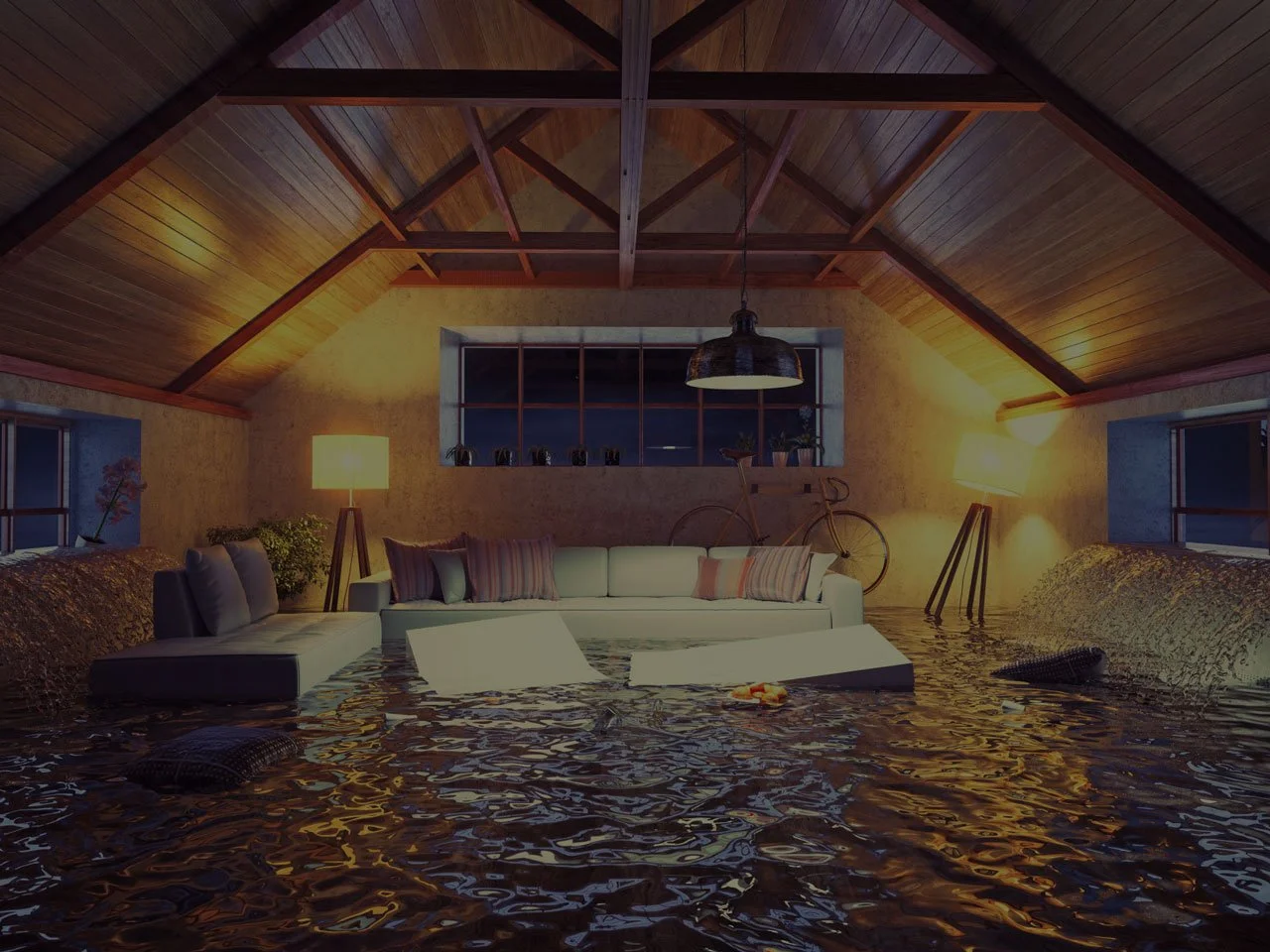
Emergency Water Damage Can Escalate Fast; Immediate Action Matters
Water emergencies can go from stressful to devastating in a matter of hours. Whether it’s a burst pipe, overflowing appliance, storm flooding, or sewage backup, water spreads quickly through walls, flooring, insulation, and structural materials. The longer the water sits, the greater the risk of severe property damage, mold growth, and costly repairs.
Fast emergency water damage restoration helps stop the damage before it gets worse. With immediate response, professional-grade drying equipment, and proven restoration methods, the affected areas can be extracted, dried, sanitized, and restored as quickly as possible. Acting fast not only protects your property, but it can also help reduce restoration costs and minimize disruption to your home or business.
At ARC Water Damage, our team responds quickly to emergency water damage situations and guides you through the entire restoration process from start to finish. We work efficiently, communicate clearly, and help coordinate with your insurance company to keep the process moving smoothly.
If you’re dealing with emergency water damage, don’t wait. Call ARC Water Damage today at (877) 437-9225 for immediate emergency water damage restoration and rapid response service.
DisclaimerThe information provided on this website is for general informational and educational purposes only and is not intended to serve as professional restoration, environmental, or insurance advice. Every water, fire, or mold damage situation is unique, and you should consult with a qualified restoration professional regarding your specific property and conditions. Do not take action or delay action based solely on the content of this website without seeking appropriate professional guidance.While we strive to provide accurate and up-to-date information, restoration methods, safety standards, and industry practices may change over time. The content on this website may not reflect the most current procedures or recommendations. ARC Water Damage makes no guarantees regarding outcomes based on the use of this information.By using this website, you agree that ARC Water Damage is not liable for any actions taken or not taken based on the information provided, to the fullest extent permitted by law.