
What Are The First Signs You Need Mold Remediation?
Mold is one of the most common yet overlooked problems homeowners and business owners face. It often starts quietly, hidden behind walls, beneath flooring, inside ceilings, or in damp corners that rarely receive attention. By the time visible mold appears, the underlying moisture problem may have existed for weeks or even months.
Many people assume mold is only an aesthetic issue because of the dark stains it leaves behind. In reality, mold can affect indoor air quality, damage building materials, create unpleasant odors, and contribute to health concerns for sensitive individuals. The earlier mold is detected, the easier and less expensive it typically is to address.
Unfortunately, mold doesn't always announce itself with obvious black patches spreading across walls. The earliest warning signs are often subtle. You might notice a persistent musty smell, increased allergy symptoms, peeling paint, unexplained discoloration, or recurring moisture around windows and plumbing fixtures.
Knowing what to look for can help prevent extensive property damage and reduce the need for large-scale restoration. More importantly, identifying mold early allows professionals to eliminate both the mold growth and the moisture source that caused it.
In this guide, we'll explain the earliest signs that indicate you may need professional mold remediation, discuss where mold commonly develops, explore the risks of delaying treatment, and outline what happens during the remediation process.
Key Takeaways
Mold often develops long before it becomes visible.
Musty odors are often among the first warning signs.
Water damage almost always increases the risk of mold.
Allergies that improve outside the home may indicate indoor mold.
Bathrooms, kitchens, attics, crawl spaces, and basements are common mold locations.
Professional mold remediation removes contaminated materials safely while addressing the moisture source.
Acting early usually reduces repair costs and limits structural damage.
Preventing future moisture problems is just as important as removing existing mold.
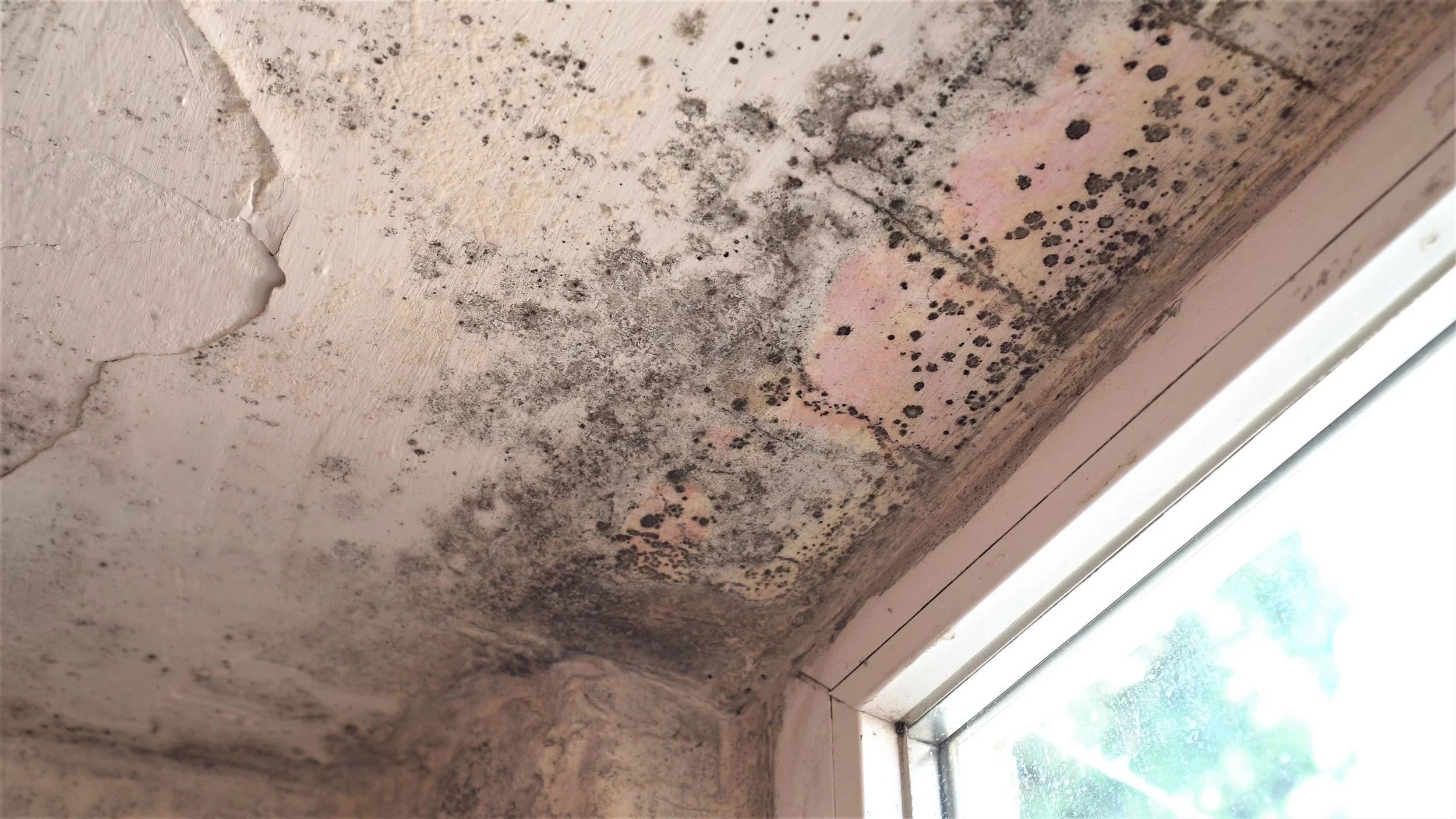
Why Early Mold Detection Matters
Early mold detection can make a significant difference in protecting your property, your indoor environment, and your budget. One of the biggest mistakes homeowners and business owners make is waiting until mold becomes clearly visible before taking action. Unfortunately, by the time mold appears on walls, ceilings, or floors, the problem has often been developing out of sight for weeks or even months. Visible mold is frequently only the tip of the iceberg, while larger colonies may be hidden behind drywall, beneath flooring, inside insulation, or within HVAC systems.
Mold spreads by releasing microscopic spores into the air. These spores are naturally present both indoors and outdoors, but they only become a problem when they land on damp surfaces with access to organic materials. Drywall, wood framing, carpet, ceiling tiles, wallpaper, insulation, cardboard boxes, and even household dust can provide nutrients for mold growth. Combined with moisture and moderate temperatures, these materials create ideal conditions for mold colonies to develop rapidly.
The challenge is that mold often grows in places that are not part of your everyday view. A slow plumbing leak behind a bathroom wall, a roof leak in the attic, or condensation inside a crawl space can support mold growth without producing immediate visible signs. During this time, moisture continues to damage building materials while mold spreads into surrounding areas.
Identifying mold during its early stages offers several important advantages. Smaller mold colonies are generally easier and less expensive to remove because they affect fewer materials. Professional remediation can often be completed more quickly, reducing disruptions to your home or business. Early detection also limits the amount of structural damage caused by prolonged moisture exposure, helping preserve drywall, wood framing, flooring, and insulation that might otherwise require replacement.
Another key benefit is improved indoor air quality. As mold grows, it continuously releases spores into the surrounding air. While not everyone reacts to mold in the same way, elevated spore levels can contribute to unpleasant odors and may aggravate allergies, asthma, or other respiratory sensitivities in some individuals. Addressing mold early helps reduce airborne contaminants before they spread throughout the property.
Perhaps most importantly, early detection gives restoration professionals a better opportunity to locate and correct the moisture source responsible for the mold. Simply cleaning visible mold without repairing the leak or controlling humidity often leads to recurring growth. By identifying the underlying cause early, property owners can prevent future mold problems and avoid repeated remediation expenses.
Ignoring subtle warning signs allows mold colonies to continue expanding behind walls, beneath flooring, inside ceilings, and throughout HVAC systems. As contamination spreads, remediation becomes more complex, repair costs increase, and larger portions of the property may require restoration. Acting promptly when early signs appear is one of the most effective ways to minimize damage and restore a healthy indoor environment.
Mold Can Grow Within Days
One of the most surprising facts about mold is how quickly it can begin growing after water exposure. Many people assume that mold takes weeks or months to develop, but under favorable conditions, it can begin colonizing damp materials within 24 to 48 hours. This rapid growth is why water damage should never be ignored, even if it initially appears minor.
Everyday incidents such as a burst pipe, overflowing sink, leaking appliance, roof leak, or heavy storm can introduce enough moisture to support mold growth. Even seemingly small events—such as a slow drip beneath a kitchen sink or condensation around air conditioning equipment—can create damp conditions that persist long enough for mold to establish itself. Because mold spores are already present in the environment, they simply need moisture and a food source to begin multiplying.
Some of the most common causes of mold growth include:
Plumbing leaks inside walls or beneath sinks
Roof leaks caused by damaged shingles or flashing
Appliance malfunctions involving washing machines, dishwashers, or water heaters
Flooding from storms or overflowing fixtures
Condensation around HVAC systems or poorly insulated pipes
High indoor humidity caused by inadequate ventilation
Water intrusion through foundation cracks or basement walls
One of the reasons mold often goes unnoticed is that the affected surfaces may appear dry while moisture remains trapped inside building materials. Drywall, wood framing, insulation, and subflooring can absorb water, allowing mold to grow internally even after the visible surface has dried. Hidden leaks behind walls are particularly problematic because homeowners may not discover them until mold has already spread extensively.
After a water intrusion, immediate drying is critical. Restoration professionals use commercial air movers, dehumidifiers, moisture meters, and thermal imaging equipment to identify hidden moisture and ensure materials are thoroughly dried. Without this specialized equipment, pockets of trapped moisture can remain undetected, creating ideal conditions for future mold growth.
Prompt action following any water damage significantly reduces the likelihood of mold contamination. Whether the moisture comes from a plumbing issue, severe weather, or everyday household leaks, treating every water intrusion as a potential mold risk is one of the most effective ways to protect your property. The sooner moisture is identified and eliminated, the greater the chance of preventing mold from taking hold and avoiding costly remediation later.
The First Visible Signs Of Mold Growth
One of the biggest misconceptions about mold is that it always appears as large, dark patches spreading across walls or ceilings. In reality, the earliest visible signs of mold growth are often subtle and easy to overlook. What may seem like a harmless water stain, a small area of discoloration, or a bit of dirt could actually be the first indication of a moisture problem that is allowing mold to thrive.
Because mold can grow behind walls, beneath flooring, or above ceilings, the visible portion is often only a small fraction of the actual contamination. By the time mold becomes obvious, it may have already spread through hidden building materials. Recognizing these early warning signs allows homeowners to investigate the source of moisture before the problem becomes more extensive and expensive to repair.
It's also important to understand that mold does not always look the same. Different species vary in color, texture, and growth pattern. Some appear as powdery spots, while others have a fuzzy, slimy, or velvety appearance. Color alone should never be used to identify the type of mold, but any unexplained discoloration that continues to spread deserves attention.
Areas with consistent moisture are especially vulnerable. Bathrooms, kitchens, laundry rooms, basements, crawl spaces, and areas around windows are common locations where mold first becomes visible. Regularly inspecting these areas can help detect problems before they lead to structural damage or widespread contamination.
Discoloration On Walls Or Ceilings
One of the earliest and most noticeable signs of mold is discoloration on walls, ceilings, or other building surfaces. Many homeowners mistake these marks for ordinary dirt, aging paint, or leftover water stains, delaying professional evaluation. However, persistent discoloration—especially when it continues to grow or reappears after cleaning—may indicate active mold growth or ongoing moisture intrusion.
Common signs include:
Brown spots
Yellow stains
Gray patches
Green discoloration
Black specks
White fuzzy or powdery growth
These discolorations may appear gradually, making them easy to ignore at first. They often develop around areas where moisture is consistently present or where leaks have occurred. Common locations include:
Around windows where condensation forms
Exterior walls exposed to rain or poor insulation
Bathroom ceilings affected by steam
Laundry rooms with elevated humidity
Basement walls prone to dampness
Around HVAC vents where condensation develops
Beneath roof leaks in upper-level ceilings
Near plumbing fixtures and water supply lines
As moisture remains trapped inside drywall or plaster, paint and finishes may begin showing signs of deterioration. You may notice bubbling paint, peeling wallpaper, cracking finishes, blistering surfaces, or soft drywall that feels spongy when touched. These changes often indicate that moisture has penetrated beneath the surface, creating favorable conditions for mold growth.
It is important not to assume that repainting or covering stained areas will solve the problem. Fresh paint may temporarily hide discoloration, but it does nothing to eliminate mold or correct the underlying moisture source. Without addressing the cause of the dampness, mold can continue spreading behind the newly painted surface, eventually causing the stains to reappear.
If discoloration continues to expand, changes shape over time, or is accompanied by a persistent musty odor, scheduling a professional inspection is often the most effective way to determine whether mold remediation is necessary.
Growth Around Caulking And Grout
Bathrooms are among the most common places where mold first becomes visible because they are exposed to frequent moisture, steam, and fluctuating humidity levels. Caulking, grout lines, and other porous materials around plumbing fixtures provide ideal conditions for mold when they remain damp for extended periods.
Common areas where mold develops include:
Around shower doors
Bathtub caulking
Sink backsplashes
Floor tile grout
Toilet bases
Shower niches and shelves
Window frames inside bathrooms
Corners where walls meet ceilings
Initially, mold may appear as tiny black, gray, green, or pink spots that are easy to dismiss as soap scum or mildew. In some cases, regular household cleaning products can remove minor surface growth. However, if the discoloration quickly returns after cleaning, it usually signals a deeper moisture problem rather than simple surface contamination.
Recurring mold around caulking and grout often results from inadequate ventilation, persistent humidity, deteriorated caulk, plumbing leaks, or water penetrating behind tiled surfaces. Damaged or aging grout can allow moisture to seep into the wall cavity, where mold may spread unnoticed behind the tiles.
Poor ventilation is another major contributor. Bathrooms without properly functioning exhaust fans often retain moisture long after showers are finished. Condensation settles on ceilings, walls, mirrors, and fixtures, creating an environment where mold can repeatedly develop. Opening windows, running exhaust fans during and after bathing, and reducing indoor humidity can help limit moisture buildup.
If mold continues to reappear despite repeated cleaning, replacing caulk alone may not resolve the issue. Professional mold remediation specialists can determine whether moisture has penetrated behind walls or under flooring and identify hidden leaks or ventilation problems that require correction. Addressing both the mold and its moisture source provides the best long-term solution and helps prevent future growth.
Persistent Musty Odors
One of the strongest early indicators of hidden mold is an earthy, musty smell.
Many homeowners notice the odor before finding any visible mold.
The smell often resembles:
Wet cardboard
Damp wood
Old books
Wet soil
Mildew
Unlike cooking smells or pet odors, mold odors generally linger continuously.
Hidden Mold Often Smells Stronger Than It Looks
Large mold colonies frequently grow behind:
Drywall
Cabinets
Insulation
Flooring
Wallpaper
Ceiling tiles
Although invisible, these colonies continuously release microbial compounds responsible for the familiar musty odor.
If your home consistently smells damp despite cleaning, mold inspection may be appropriate.
Water Damage Is A Major Warning Sign
Water problems almost always increase the risk of mold.
Even if mold isn't immediately visible, previous moisture events deserve attention.
Common Sources Of Moisture
Potential causes include:
Roof Leaks
Damaged shingles or flashing allow rainwater into attic spaces.
Plumbing Leaks
Small pipe leaks inside walls may remain unnoticed for months.
Appliance Leaks
Dishwashers, washing machines, water heaters, and refrigerators frequently develop hidden leaks.
Foundation Seepage
Basements and crawl spaces often experience groundwater intrusion.
Flooding
Any flooding event significantly increases mold potential if drying is delayed.
HVAC Condensation
Air conditioners naturally produce moisture that must drain properly.
If these moisture sources aren't corrected, mold frequently follows.
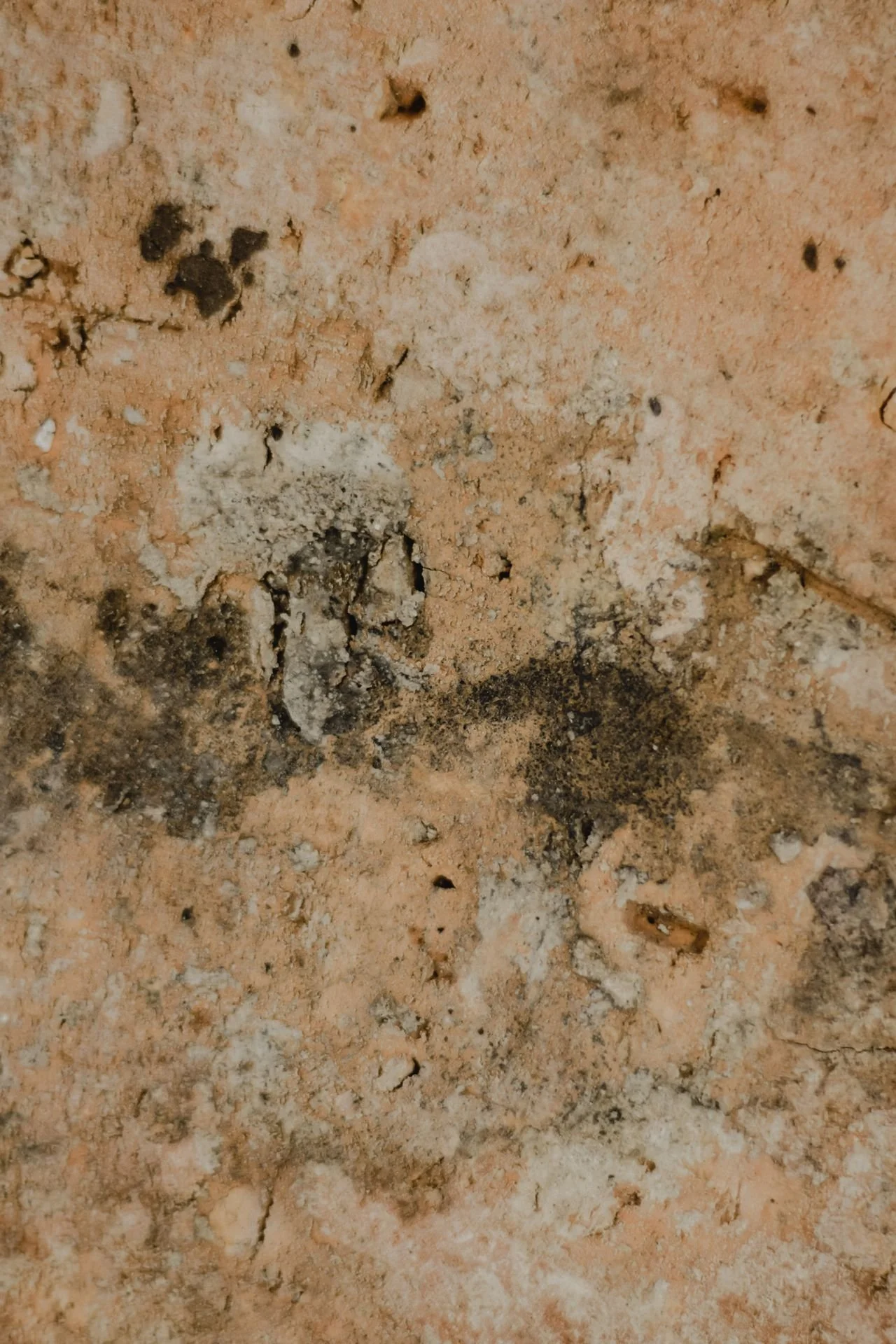
Health Symptoms That May Indicate Mold Exposure
One of the most challenging aspects of identifying a mold problem is that the first warning signs are not always visible—they may be physical. While mold does not affect everyone in the same way, prolonged exposure to mold spores can contribute to a variety of symptoms, particularly in individuals who are sensitive to allergens or have underlying respiratory conditions. Because these symptoms often resemble those caused by seasonal allergies, colds, or dry indoor air, many people do not immediately connect them to mold growing inside their home or workplace.
The type and severity of symptoms depend on several factors, including the amount of mold present, the length of exposure, the individual's age, and their overall health. Some people may notice only mild irritation, while others may experience more persistent discomfort. Young children, older adults, people with asthma, and those with weakened immune systems may be more susceptible to the effects of poor indoor air quality associated with mold growth.
A helpful clue is whether symptoms seem to change based on location. If multiple members of the household begin experiencing similar issues indoors, or if symptoms lessen after leaving the building for work, school, or vacation, it may indicate that an indoor environmental factor—such as hidden mold—is contributing to the problem. While these symptoms alone do not confirm the presence of mold, they should not be ignored, especially when they occur alongside signs of moisture damage or a persistent musty odor.
Because mold can grow behind walls, beneath flooring, inside air ducts, or in other concealed areas, occupants may experience symptoms even when no visible mold is present. If concerns persist, both a healthcare provider and a qualified mold remediation professional can help determine whether mold may be contributing to the situation.
Common Indoor Symptoms
People exposed to mold-contaminated indoor environments may experience a range of symptoms, although not everyone will react in the same way. In many cases, the body's response is similar to an allergic reaction because mold spores can irritate the eyes, nose, throat, and respiratory system.
Possible symptoms include:
Sneezing
Nasal congestion
Runny nose
Persistent coughing
Watery or itchy eyes
Frequent headaches
Sinus pressure or irritation
Skin irritation or mild rashes
Sore or scratchy throat
Hoarseness
General fatigue
Increased asthma symptoms in susceptible individuals
These symptoms can be intermittent or continuous, depending on the level of exposure and the individual's sensitivity. Someone may feel relatively normal while away from the building but begin experiencing congestion or irritation shortly after returning home. This pattern can provide an important clue that something within the indoor environment deserves closer attention.
Individuals with asthma or seasonal allergies may notice that their symptoms become more difficult to manage in buildings affected by mold. Increased coughing, wheezing, chest tightness, or more frequent use of prescribed inhalers may occur for some people when exposed to elevated levels of airborne mold spores. Likewise, those who are already sensitive to environmental allergens may experience more persistent nasal or eye irritation than usual.
Because these symptoms closely resemble those caused by pollen, dust, pet dander, or common viral illnesses, mold exposure often goes unrecognized for extended periods. This is particularly true during allergy seasons, when many people naturally assume their symptoms are caused by outdoor allergens.
If symptoms consistently improve after leaving the home or workplace and return upon re-entering the building, it is worth investigating potential indoor environmental issues. While only a medical professional can diagnose the cause of health symptoms, recurring respiratory irritation combined with musty odors, visible water damage, or signs of mold growth should prompt a professional property inspection.
Addressing mold early not only helps protect the building from further damage but may also improve indoor air quality by reducing the number of airborne spores circulating throughout the property. Combined with correcting the underlying moisture problem, professional mold remediation can help create a cleaner, healthier indoor environment for occupants.
Areas Where Mold Commonly Hides
Mold can grow almost anywhere moisture is present, but some areas of a home are far more susceptible than others. Because mold thrives in damp, dark, and poorly ventilated environments, it often develops in places that homeowners rarely inspect. Unfortunately, by the time mold becomes visible in these hidden spaces, it may have already spread through building materials and caused significant damage.
Understanding where mold commonly hides is one of the best ways to detect problems early. Routine inspections of moisture-prone areas can help identify leaks, condensation, or excessive humidity before they lead to extensive mold growth. Even if you do not see visible mold, persistent musty odors, water stains, or recurring moisture in these areas may indicate that mold is developing behind walls, beneath flooring, or above ceilings.
Certain parts of every home naturally experience higher humidity levels or occasional water exposure. Plumbing systems, roof penetrations, foundations, and heating and cooling equipment all create opportunities for moisture intrusion if they are not properly maintained. Regular inspections and prompt repairs can significantly reduce the likelihood of mold becoming a major issue.
Bathrooms
Bathrooms are one of the most common locations for mold growth because they are exposed to constant moisture from showers, baths, and sinks. Every hot shower releases steam into the air, increasing humidity levels throughout the room. If that moisture is not removed quickly through proper ventilation, it condenses on ceilings, walls, mirrors, and fixtures, creating ideal conditions for mold.
Poor ventilation is one of the leading causes of bathroom mold. Exhaust fans that are undersized, infrequently used, or malfunctioning allow humid air to remain trapped for long periods. Over time, repeated moisture exposure can penetrate paint, drywall, grout, and caulking, encouraging mold growth in both visible and hidden areas.
Common places to inspect include:
Ceiling corners
Shower walls and tile grout
Around bathtubs
Behind bathroom vanities
Under sinks
Around toilets
Window frames
Behind wallpaper or decorative wall coverings
Around exhaust fan openings
In addition to humidity, small plumbing leaks beneath sinks or behind toilets may go unnoticed for months. Even a slow drip can keep surrounding materials damp enough to support mold growth. Homeowners should also pay attention to peeling paint, discolored caulking, or recurring mildew that quickly returns after cleaning, as these may indicate a deeper moisture problem.
To help prevent mold, run the bathroom exhaust fan during showers and for at least 20 to 30 minutes afterward, wipe down wet surfaces when possible, repair plumbing leaks promptly, and replace deteriorated caulk or grout before water can penetrate behind finished surfaces.
Kitchens
Although kitchens may not seem as humid as bathrooms, they contain several moisture sources that make them highly susceptible to mold. Daily cooking produces steam, while plumbing fixtures and household appliances create multiple opportunities for leaks that may remain hidden for long periods.
Water damage beneath cabinets is especially common because small leaks often go unnoticed until visible staining or unpleasant odors develop. Mold can spread inside cabinetry, beneath flooring, and behind walls without immediately attracting attention.
Areas to inspect include:
Under kitchen sinks
Behind refrigerators with ice makers or water dispensers
Behind dishwashers
Around garbage disposals
Pantry corners
Around windows
Behind backsplashes
Beneath kitchen flooring near plumbing fixtures
Condensation around windows and inadequate ventilation while cooking can also contribute to elevated humidity levels. If range hoods do not vent properly to the outside, moisture may accumulate on ceilings and walls over time.
Regularly checking supply lines, drain connections, appliance hoses, and cabinet interiors for signs of moisture can help detect problems before mold develops. Any persistent musty smell inside cabinets should be investigated, even if no visible mold is present.
Basements
Basements are naturally vulnerable to mold because they tend to be cooler, darker, and more humid than the rest of the home. Their location below ground level exposes them to groundwater seepage, foundation moisture, and condensation, all of which create favorable conditions for mold growth.
Common moisture sources include:
Foundation seepage
Condensation on cold walls and pipes
Poor airflow
Flooding
Plumbing leaks
High indoor humidity
Finished basements present an additional challenge because drywall, insulation, carpeting, and wood framing can conceal mold for extended periods. Water entering through foundation cracks or after heavy rainfall may become trapped behind finished walls, allowing mold colonies to grow without being visible.
Signs of basement mold include musty odors, water stains, peeling paint, damp carpeting, warped baseboards, or white mineral deposits on foundation walls. Even if standing water is never present, consistently damp conditions can support mold growth over time.
Using a dehumidifier, sealing foundation cracks when appropriate, maintaining proper drainage around the home's exterior, and ensuring adequate ventilation can significantly reduce basement moisture levels and help prevent mold.
Attics
Attics are often overlooked during routine home maintenance, making them one of the most common places for hidden mold growth. Although attics are designed to remain dry, roof leaks and poor ventilation frequently introduce moisture that can remain unnoticed for long periods.
Roof leaks caused by damaged shingles, flashing failures, or deteriorated roofing materials may allow rainwater to enter slowly. Since most homeowners rarely visit their attic, moisture can accumulate without immediate detection.
Poor attic ventilation is another major contributor to mold. Warm, moist air from living spaces naturally rises into the attic. If ventilation is inadequate, condensation forms on roof sheathing, rafters, and insulation, creating ideal conditions for mold growth.
Inspect the attic for:
Water stains on roof decking
Dark or discolored wood framing
Damp insulation
Visible mold on rafters
Condensation on nails or roofing materials
Musty odors
Regular roof inspections, maintaining proper attic ventilation, and ensuring bathroom exhaust fans vent outdoors rather than into the attic can greatly reduce the risk of mold developing in this space.
Crawl Spaces
Crawl spaces provide many of the conditions mold needs to thrive: cool temperatures, limited airflow, darkness, and frequent exposure to ground moisture. Because these areas are rarely entered, mold can spread extensively before homeowners become aware of the problem.
Ground moisture naturally evaporates upward into crawl spaces. Without an effective vapor barrier or proper ventilation, humidity levels can remain elevated throughout much of the year. Plumbing leaks, poor exterior drainage, or standing water further increase the risk of mold growth.
Common issues found in crawl spaces include:
Damp soil
Standing water
Condensation on pipes
Mold on floor joists and subflooring
Wet insulation
Wood rot
Musty odors entering the living space above
Mold growing in a crawl space can eventually affect indoor air quality because air naturally moves upward into the home through gaps around plumbing, electrical penetrations, and flooring. As a result, hidden crawl space mold may contribute to musty odors or airborne mold spores throughout the house.
Installing a vapor barrier, improving drainage around the home's foundation, repairing plumbing leaks promptly, and considering crawl space encapsulation in persistently damp environments can help control moisture and reduce the likelihood of future mold growth. Periodic professional inspections are also beneficial, particularly after heavy rains or flooding, to identify moisture problems before they become more serious.
Structural Warning Signs You Shouldn't Ignore
Mold often affects building materials before becoming visible.
Changes In Building Materials
Watch for:
Warped flooring
Soft drywall
Sagging ceilings
Loose tiles
Crumbling wood
Swollen trim
Buckling laminate flooring
These signs often indicate prolonged moisture exposure requiring professional assessment.
What Happens During Professional Mold Remediation?
Professional remediation addresses far more than visible mold.
The objective is to eliminate contamination while correcting the underlying moisture issue.
Inspection And Moisture Assessment
Professionals begin by identifying:
Moisture sources
Visible mold
Hidden damage
Humidity levels
Affected materials
Moisture meters, thermal imaging, and visual inspections help determine the extent of contamination.
Containment
Containment prevents mold spores from spreading to unaffected areas.
Methods may include:
Plastic barriers
Negative air pressure
HEPA filtration
Sealed work zones
This protects the remainder of the property during cleanup.
Removal Of Contaminated Materials
Depending on severity, technicians may remove:
Drywall
Carpet
Insulation
Ceiling tiles
Damaged wood
Baseboards
Non-porous materials are generally cleaned rather than discarded when appropriate.
Cleaning And Air Filtration
Professionals use specialized equipment such as:
HEPA vacuums
Air scrubbers
Antimicrobial cleaners
Surface treatments
These methods reduce airborne spores while cleaning salvageable materials.
Drying The Structure
Complete drying prevents mold from returning.
Industrial equipment may include:
Air movers
Commercial dehumidifiers
Moisture monitoring devices
Only after moisture reaches acceptable levels should rebuilding begin.
Why DIY Mold Removal Often Falls Short
Many homeowners attempt to remove mold using bleach or household cleaners.
While these products may improve surface appearance, they rarely solve the underlying issue.
Common DIY Limitations
DIY cleaning often fails because it doesn't:
Eliminate hidden colonies
Remove contaminated porous materials
Address moisture sources
Prevent airborne spore spread
Dry affected structures completely
Large mold problems require specialized containment and filtration to avoid cross-contamination.
Preventing Future Mold Problems
Prevention begins with moisture control.
Reducing indoor humidity significantly lowers mold risk.
Practical Prevention Tips
Maintain your home by:
Repairing plumbing leaks promptly
Cleaning gutters regularly
Maintaining roof systems
Using bathroom exhaust fans
Venting dryers outdoors
Running dehumidifiers in damp spaces
Improving crawl space ventilation
Inspecting HVAC systems annually
Drying water damage immediately
Monitoring indoor humidity below approximately 50%
Routine maintenance often prevents major remediation projects later.
Conclusion
The first signs that you need mold remediation are not always obvious. A persistent musty odor, recurring moisture, unexplained stains, peeling paint, allergy-like symptoms, or evidence of water damage may all indicate mold growth hidden behind walls or beneath flooring. Waiting until mold becomes highly visible can allow the problem to spread, increasing repair costs and potentially affecting indoor air quality.
Taking early action is one of the most effective ways to protect your property and the people who live or work inside it. Professional mold remediation goes beyond surface cleaning by identifying the moisture source, safely removing contaminated materials, cleaning affected areas with specialized equipment, and thoroughly drying the structure to reduce the chance of future growth.
Regular inspections, prompt repairs of leaks, proper ventilation, and humidity control remain the best long-term strategies for preventing mold. If you notice any of the warning signs discussed in this guide, scheduling a professional evaluation can provide clarity and help prevent a small issue from becoming a much larger restoration project.
Frequently Asked Questions
1. What Is Usually The First Sign Of Mold In A Home?
A persistent musty odor is often the earliest warning sign, even before visible mold appears.
2. Can Mold Grow Without Being Visible?
Yes. Mold frequently develops behind drywall, under flooring, inside insulation, and in crawl spaces before it becomes visible.
3. How Quickly Does Mold Grow After Water Damage?
Under the right conditions, mold can begin growing within 24 to 48 hours after water intrusion.
4. Is All Black Discoloration Mold?
No. Dirt, soot, and mineral stains can resemble mold. A professional inspection can determine the cause.
5. Can I Remove The Mold Myself?
Small areas of surface mold may sometimes be cleaned safely, but widespread, recurring, or hidden mold generally requires professional remediation.
6. What Causes Mold To Keep Coming Back?
Recurring mold usually indicates that the underlying moisture source—such as a leak, condensation, or high humidity—has not been resolved.
7. Which Rooms Are Most Likely To Develop Mold?
Bathrooms, kitchens, basements, crawl spaces, attics, laundry rooms, and any area affected by leaks or poor ventilation are especially vulnerable.
8. Does Homeowners Insurance Cover Mold Remediation?
Coverage depends on your policy and the cause of the mold. Mold resulting from a covered sudden event, such as a burst pipe, may be covered, while mold caused by long-term maintenance issues often is not.
9. How Long Does Professional Mold Remediation Take?
Small projects may be completed in one to three days, while larger remediation jobs involving extensive water damage or reconstruction can take a week or longer.
10. How Can I Prevent Mold From Returning?
Promptly repair leaks, improve ventilation, control indoor humidity, maintain your HVAC system, clean gutters, and dry any water-damaged materials as quickly as possible. These steps greatly reduce the likelihood of future mold growth.
————————————————————————————————
Mold Can Spread Quickly; Professional Remediation Makes The Difference
A mold problem can spread quickly and become a serious issue for both your property and your health. Whether it's caused by a recent water leak, flooding, high humidity, or hidden moisture behind walls, mold can grow within 24 to 48 hours and continue spreading if left untreated. The longer mold remains, the greater the risk of structural damage, unpleasant odors, poor indoor air quality, and costly repairs.
Professional mold remediation helps eliminate mold at its source and prevents it from returning. Using specialized equipment and proven remediation techniques, affected areas are carefully inspected, contained, cleaned, and treated to restore a safe and healthy environment. Taking action early can help protect your property, improve indoor air quality, and reduce the extent of the damage.
At ARC Water Damage, our experienced team responds quickly to mold concerns and guides you through every step of the remediation process. We work efficiently, communicate clearly, and coordinate with your insurance company whenever possible to help make the process as smooth and stress-free as possible.
If you suspect mold in your home or business, don't wait for the problem to get worse. Call ARC Water Damage today at (877) 437-9225 for professional mold remediation and fast, reliable service.
DisclaimerThe information provided on this website is for general informational and educational purposes only and is not intended to serve as professional restoration, environmental, or insurance advice. Every water, fire, or mold damage situation is unique, and you should consult with a qualified restoration professional regarding your specific property and conditions. Do not take action or delay action based solely on the content of this website without seeking appropriate professional guidance.While we strive to provide accurate and up-to-date information, restoration methods, safety standards, and industry practices may change over time. The content on this website may not reflect the most current procedures or recommendations. ARC Water Damage makes no guarantees regarding outcomes based on the use of this information.By using this website, you agree that ARC Water Damage is not liable for any actions taken or not taken based on the information provided, to the fullest extent permitted by law.