
What Are The First Signs You Need Mold Remediation In Walnut Creek, CA?
Something about the smell usually hits first. A damp, earthy odor in the laundry room, a musty corner of a bedroom closet, or a strange scent that seems to linger no matter how often the space is cleaned can be an early warning sign of hidden mold.
The first signs that mold remediation may be needed in Walnut Creek are rarely dramatic. There may be no obvious black patch spreading across the ceiling. Instead, the clues tend to be subtle: a persistent musty smell, windows that constantly collect condensation, unexplained moisture around walls or floors, or respiratory irritation that seems to improve after leaving the house. These early warning signs are easy to dismiss, but recognizing them can prevent a small moisture problem from becoming a much larger remediation project.
Walnut Creek's climate and surrounding East Bay environment can create conditions where moisture and humidity contribute to mold growth, particularly in poorly ventilated areas, bathrooms, laundry rooms, closets, crawl spaces, and other locations where water intrusion goes unnoticed. Mold does not always announce itself with visible growth—it can develop behind drywall, beneath flooring, around plumbing, or inside other hidden areas.
Knowing which signs actually indicate a potential mold problem, which are simply normal seasonal moisture issues, and when to have the property professionally inspected can help prevent costly damage and more extensive remediation later.
Key Takeaways
A persistent musty odor that survives a deep clean is one of the most reliable indicators of hidden mold growth, often more trustworthy than what you can actually see.
Visible discoloration, peeling paint, or warped wood almost always point to an underlying moisture problem that started well before the mold became visible.
Health symptoms that ease up when you leave your house and return when you come back are a strong behavioral clue, not something to dismiss as coincidence.
Mold testing is frequently unnecessary once you already have visible growth or a known moisture source. The money is better spent on remediation and fixing the leak.
Walnut Creek's dry summers and wetter winter months create a specific humidity swing that homeowners should track, particularly in bathrooms, crawlspaces, and HVAC-adjacent areas.
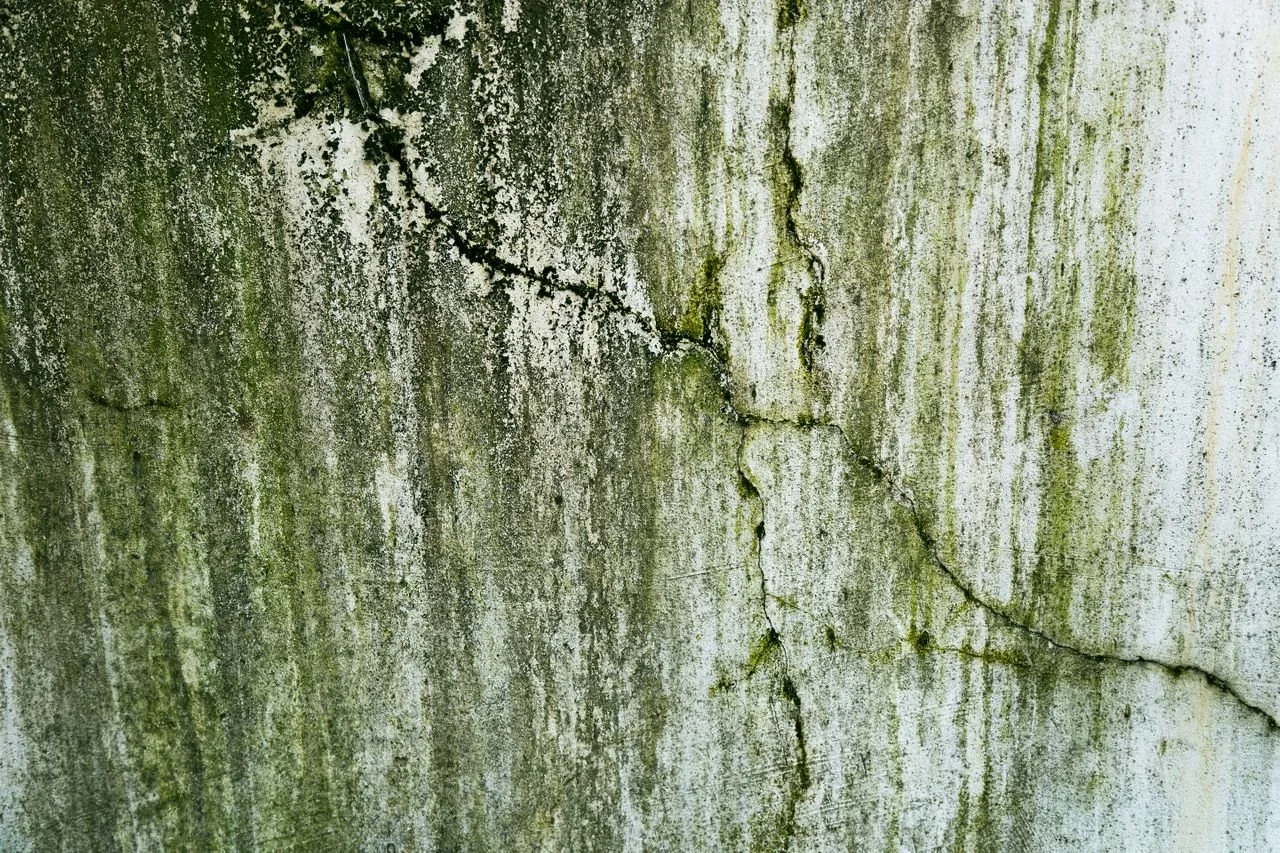
What Does Early Mold Growth Look Like In A Walnut Creek Home?
Mold rarely shows up as the stuff you picture from horror movies. Early growth is subtle, almost polite about it, and that's exactly why people miss it for months.
Discolored Spots Or Stains
Look for small clusters of black, green, or even white speckling along baseboards, window sills, or the underside of cabinets. These spots often get mistaken for dirt or dust, especially in kitchens where grease and grime already muddy the picture. The color alone doesn't tell you much about danger level, by the way. According to the guide on identifying California residential mold varieties, species vary quite a bit across Northern California homes, and visual color isn't a reliable way to diagnose toxicity. You need a professional for that determination, not a Google image search.
Peeling Paint Or Bubbling Wallpaper
When moisture gets trapped behind a painted surface, the paint eventually loses its grip. You'll see bubbling, flaking, or a texture that looks almost blistered. This is one of those "red flags" people write off as just old paint job wear, especially in older Walnut Creek homes built before the 1980s. It's not always mold sitting right there, but it's very often the moisture that mold needs to get started.
Warped Or Soft Wood Surfaces
Push on a windowsill or a section of baseboard. If it gives more than it should, or feels spongy, that's saturated wood, and saturated wood is basically a five-star hotel for mold spores. The Environmental Protection Agency's own guidance on mold cleanup for homes notes that porous materials holding moisture for extended periods need to be addressed structurally, not just wiped down with bleach.
Why Does A Musty Odor Mean You Might Have A Hidden Mold?
Smell is underrated as a diagnostic tool. Frankly, your nose is doing chemistry you can't do with your eyes.
Persistent Earthy Smell After Cleaning
If you've scrubbed a room top to bottom and the musty note is still hanging around a day or two later, that's not a residual cleaning product. Mold produces microbial volatile organic compounds, and those compounds are what create that damp-basement smell even when there's no visible growth anywhere in the room. This is explained pretty clearly in the EPA's brief guide to mold and moisture, which points out that odor can precede visible colonies by weeks.
Common Hiding Spots Behind Walls And Under Floors
Under-sink cabinets, behind washing machines, inside crawlspaces- these are the blind spots. A rusted nail poking through subflooring, oddly enough, can be one of the more reliable visual tells that moisture has been sitting somewhere it shouldn't, a detail covered in this video walkthrough of hidden mold indicators that's worth watching if you're the type who likes to inspect your own crawlspace with a flashlight on a Saturday.
Odor Near HVAC Vents Or Ducts
If the smell gets stronger right by a vent, or worse, seems to travel through the whole house whenever the system kicks on, that's your ductwork talking. Contaminated air handling systems can circulate spores throughout a home, something the CDC touches on in its material about mold-related health problems tied to air systems. This one tends to get missed because people assume vents are just moving air, not potentially moving mold spores along with it.
Does Recent Water Damage In Your Home Increase Mold Risk?
Yes, dramatically, and the timeline matters more than most homeowners realize.
Roof And Plumbing Leaks
A slow roof leak in the hills around Walnut Creek, maybe from wind-driven rain during an atmospheric river event, can sit undetected in an attic for a long stretch. Same goes for a slow plumbing leak under a slab foundation. These are common triggers, and common causes of California mold growth lists both scenarios as frequent culprits specifically because they're invisible until the damage is already extensive.
Basement Or Crawlspace Flooding
Not every home here has a true basement, but crawlspaces are everywhere, and they flood more often than people admit. Standing water under a house is basically an incubator.
Condensation From HVAC Systems
Here's a stat worth remembering: mold can begin colonizing damp material within roughly 24 to 48 hours, according to the EPA's chapter on drying timelines in mold remediation guidance. Condensation pooling around an HVAC unit that isn't draining properly can hit that window fast, especially during the humid stretches of a Bay Area summer fog cycle.
Which Health Symptoms Point to Possible Mold Exposure?
Respiratory Symptoms That Improve Away From Home
This is the tell I trust most, honestly. If someone in the household has a nagging cough or sinus irritation that clears up on vacation and returns within a day of coming home, that's not allergies to pollen. That's a location-specific trigger, and mold exposure is one of the most common ones.
Allergy-Like Reactions Without A Clear Cause
Itchy eyes, sneezing fits, throat irritation- these overlap heavily with seasonal allergies, which makes self-diagnosis tricky. The CDC's overview on mold and health effects is a good baseline for understanding which symptoms are commonly linked to indoor mold exposure versus outdoor allergens.
When Symptoms Signal A Larger Problem
If multiple people in the same house are showing similar symptoms, or if someone with asthma is having noticeably worse flare-ups indoors, that's not a coincidence worth ignoring anymore.
Why Do Humidity And Poor Ventilation Matter In Walnut Creek Homes?
Ideal Indoor Humidity Range
Most guidance points to keeping indoor humidity under 40 to 50 percent, and homes that regularly exceed that threshold, particularly around bathrooms and laundry areas, are giving mold exactly the environment it wants, a point covered in this breakdown of humidity thresholds for California homes.
Bathrooms And Kitchens As High-Risk Zones
Steam from showers, poorly vented range hoods, dishwashers running without a working seal. These rooms generate moisture constantly, and if the ventilation fan isn't actually exhausting outside (a shocking number just vent into the attic), you're creating a slow-motion problem.
How Walnut Creek's Climate Affects Indoor Moisture
Walnut Creek sits in a bit of a microclimate pocket: hot, dry summers, cooler damp winters, with valley fog rolling through in certain seasons. That swing means homes need to handle two very different moisture challenges across the year, not just one static condition.
Do You Actually Need A Mold Test Before Remediation?
Not always. In many situations, a mold test isn't necessary before remediation begins. If mold is clearly visible, you've experienced a recent water intrusion, or there's a persistent musty odor accompanied by obvious moisture damage, the priority should be identifying and fixing the source of the moisture before safely removing the affected materials. Knowing the exact mold species rarely changes the recommended remediation process because all indoor mold growth should be addressed promptly.
Professional remediation standards focus on correcting the underlying moisture problem rather than identifying every mold type present. Whether the growth is common indoor mold or another species, the essential steps remain the same: stop the water intrusion, isolate the affected area if necessary, remove or clean contaminated materials, dry the structure thoroughly, and verify that moisture levels have returned to acceptable ranges. Waiting several days for laboratory results often delays the work that actually prevents mold from spreading.
Visible mold itself is usually enough evidence to justify remediation. Likewise, homes that have experienced flooding, roof leaks, burst pipes, overflowing appliances, or long-term plumbing leaks often do not require laboratory confirmation before repairs begin. Moisture combined with visible microbial growth already indicates that corrective action is needed.
That said, mold testing can be valuable in certain situations. For example, homeowners may benefit from testing when they notice recurring health symptoms but cannot locate visible mold, when there is a strong musty odor without an obvious source, or when mold is suspected inside walls, crawl spaces, HVAC systems, or other concealed areas. Testing may also help during real estate transactions, insurance documentation, legal disputes, or when multiple moisture sources make it difficult to determine the extent of contamination.
Perhaps the most valuable use of mold testing is post-remediation verification. After remediation has been completed, independent air or surface sampling can help confirm that spore levels have returned to normal background conditions and that the cleanup was successful. This type of testing provides reassurance that the remediation process effectively addressed the contamination and that the indoor environment is safe to reoccupy.
The most important takeaway is that mold testing should support decision-making—not delay it. If the signs of mold are already clear, investing time and money into identifying the specific mold species rarely changes the solution. Promptly repairing the moisture source and completing proper remediation typically provides greater protection for both your home's structure and your indoor air quality than waiting for laboratory results before taking action.
When Is DIY Monitoring Enough, And When Should You Call A Professional?
Small, isolated spots (think less than 10 square feet, which lines up with the EPA's own threshold in its mold cleanup guidelines) on a hard, non-porous surface can often be handled by a homeowner with gloves, a mask, and some diligence. Beyond that size, or if the growth is on porous material like drywall or carpet padding, you're in professional territory. The California Department of Public Health's own mold and dampness resource recommends bringing in trained remediation help once the scope grows past what a simple cleaning can resolve, particularly in homes with HVAC involvement or recurring water intrusion history.
What Should You Prioritize First, The Visible Mold Or The Moisture Source?
The moisture source should always be the first priority because mold cannot continue growing without moisture. While visible mold may seem like the most urgent problem, it is actually a symptom of an underlying issue rather than the root cause itself. Removing mold without eliminating the water source is only a temporary solution. As long as moisture remains, mold spores can quickly recolonize surfaces, leading to recurring damage, additional repair costs, and ongoing indoor air quality concerns.
A successful mold remediation project begins with identifying where the moisture is coming from. The source may be obvious, such as a leaking roof, burst pipe, overflowing appliance, or flooding event. In other cases, it may be hidden behind walls, beneath flooring, inside crawl spaces, or within attic insulation. Common causes include plumbing leaks, damaged roofing materials, poorly sealed windows, foundation cracks, clogged gutters, inadequate drainage around the home, high indoor humidity, or condensation caused by insufficient ventilation. Finding and correcting these issues prevents mold from returning after cleanup.
Once the moisture problem has been addressed, remediation professionals can safely remove or clean mold-contaminated materials using proper containment procedures. Depending on the extent of the damage, this may involve removing water-damaged drywall, insulation, carpeting, or wood that cannot be effectively restored. Salvageable structural materials are cleaned using approved remediation methods and thoroughly dried before repairs begin. Moisture meters and thermal imaging equipment are often used to confirm that affected building materials have reached acceptable moisture levels before reconstruction takes place.
Attempting to clean visible mold first without repairing the underlying water problem often leads to frustration. Homeowners may scrub surfaces, apply bleach or antimicrobial products, repaint stained walls, or replace damaged materials, only to discover that mold returns within weeks or months because the hidden leak or excess humidity was never resolved. In many cases, this repeated cycle results in more extensive contamination and significantly higher remediation costs.
Addressing the moisture source also helps protect the overall structure of the home. Prolonged water exposure can weaken wood framing, deteriorate drywall, damage insulation, warp flooring, corrode metal components, and reduce the effectiveness of building materials. Correcting leaks and controlling humidity early minimizes these long-term structural issues while preserving the value of the property.
Preventing future mold growth requires ongoing moisture management even after remediation is complete. Regular roof inspections, prompt plumbing repairs, proper attic and bathroom ventilation, maintaining indoor humidity below approximately 50–60%, directing rainwater away from the foundation, and routinely checking vulnerable areas such as basements, crawl spaces, and windows all contribute to a healthier indoor environment.
Ultimately, visible mold is only the evidence of a larger moisture problem. Treating the mold without eliminating the water source is like fixing the symptom while ignoring the cause. By prioritizing moisture control first, homeowners can ensure that remediation efforts are effective, long-lasting, and capable of protecting both the home's structure and the health of everyone living inside.
Conclusion
Mold rarely appears overnight. In most cases, it develops slowly as moisture problems go unnoticed or unresolved. A faint musty smell, a small stain on a ceiling, peeling paint near a window, or persistent condensation may seem insignificant on their own, but together they often point to a hidden moisture issue that deserves attention. The earlier you recognize these warning signs, the easier and more affordable it is to prevent mold from spreading throughout your home.
For homeowners in Walnut Creek, staying proactive is especially important because the area's seasonal weather patterns can create ideal conditions for mold growth. Winter rains, occasional plumbing leaks, fluctuating humidity levels, and poorly ventilated spaces such as attics, crawl spaces, bathrooms, and laundry rooms all contribute to moisture accumulation. Even after the rainy season ends, trapped moisture can remain inside walls, flooring, or insulation for weeks or months, allowing mold colonies to grow out of sight. Regular inspections of these vulnerable areas can help catch problems before they become major structural or health concerns.
It's also important to remember that mold remediation is only one part of the solution. Successfully removing mold requires identifying and correcting the source of the moisture. Whether the issue stems from a roof leak, a cracked foundation, faulty plumbing, overflowing gutters, or inadequate ventilation, eliminating the water source is what prevents mold from returning. Simply cleaning visible mold without addressing the underlying cause often leads to recurring infestations and repeated repair costs.
Homeowners should also avoid the temptation to dismiss persistent symptoms such as unexplained allergies, coughing, irritated eyes, or respiratory discomfort that seem to improve after leaving the house. While these symptoms can have many causes, they may indicate poor indoor air quality resulting from hidden mold growth. Pairing health observations with regular home maintenance provides a more complete picture of whether further inspection is necessary.
Routine preventive maintenance remains one of the most effective investments you can make. Keeping gutters clean, inspecting roofing after storms, sealing windows and doors, repairing plumbing leaks promptly, maintaining indoor humidity below 50–60%, and ensuring adequate airflow throughout the home all reduce the likelihood of mold development. These relatively simple maintenance tasks cost far less than extensive remediation, structural repairs, or replacing damaged drywall, flooring, insulation, and personal belongings.
When signs of mold become more obvious—such as widespread discoloration, strong musty odors, water-damaged building materials, or mold covering larger areas—professional assessment becomes the safest course of action. Experienced remediation specialists can identify hidden moisture, contain contaminated areas to prevent spores from spreading, remove damaged materials safely, and verify that moisture levels have returned to normal before rebuilding begins. Acting promptly helps protect not only the home's structure but also the health and comfort of everyone living inside.
Ultimately, protecting your home from mold isn't about reacting to dramatic damage—it's about paying attention to the subtle signals your house provides long before a major problem develops. Every unusual odor, unexplained stain, damp surface, or recurring moisture issue tells part of a larger story. Listening to those early warnings allows you to address small problems while they're still manageable instead of waiting until they become expensive renovations.
Your home is one of your most valuable investments, and preserving it starts with consistent observation, preventive maintenance, and timely repairs. By recognizing the first signs of mold, responding quickly to moisture issues, and seeking professional help when needed, Walnut Creek homeowners can maintain healthier indoor air, protect their property's value, and avoid the financial burden of extensive mold damage for years to come.
FAQ
1. Can Mold Come Back After Remediation If The Moisture Issue Isn't Fixed?
Yes, almost always. Remediation without addressing the underlying moisture source is a temporary fix at best.
2. Is A Musty Smell Without Visible Mold Still Worth Investigating?
Generally, yes. Odor often precedes visible growth, and it's a reasonable trigger for a professional inspection, especially if it's persistent.
3. Does Homeowners Insurance Typically Cover Mold Remediation In California?
Coverage varies widely and depends on whether the mold resulted from a sudden covered event, like a burst pipe, versus long-term neglect. Check your specific policy language.
4. How Fast Can Mold Actually Start Growing After Water Damage?
Within roughly 24 to 48 hours under the right conditions, based on EPA guidance, which is why quick drying after any leak matters so much.
————————————————————————————————
Mold Can Spread Quickly; Professional Remediation Makes The Difference
A mold problem can spread quickly and become a serious issue for both your property and your health. Whether it's caused by a recent water leak, flooding, high humidity, or hidden moisture behind walls, mold can grow within 24 to 48 hours and continue spreading if left untreated. The longer mold remains, the greater the risk of structural damage, unpleasant odors, poor indoor air quality, and costly repairs.
Professional mold remediation helps eliminate mold at its source and prevents it from returning. Using specialized equipment and proven remediation techniques, affected areas are carefully inspected, contained, cleaned, and treated to restore a safe and healthy environment. Taking action early can help protect your property, improve indoor air quality, and reduce the extent of the damage.
At ARC Water Damage, our experienced team responds quickly to mold concerns and guides you through every step of the remediation process. We work efficiently, communicate clearly, and coordinate with your insurance company whenever possible to help make the process as smooth and stress-free as possible.
If you suspect mold in your home or business, don't wait for the problem to get worse. Call ARC Water Damage today at (877) 437-9225 for professional mold remediation and fast, reliable service.
DisclaimerThe information provided on this website is for general informational and educational purposes only and is not intended to serve as professional restoration, environmental, or insurance advice. Every water, fire, or mold damage situation is unique, and you should consult with a qualified restoration professional regarding your specific property and conditions. Do not take action or delay action based solely on the content of this website without seeking appropriate professional guidance.While we strive to provide accurate and up-to-date information, restoration methods, safety standards, and industry practices may change over time. The content on this website may not reflect the most current procedures or recommendations. ARC Water Damage makes no guarantees regarding outcomes based on the use of this information.By using this website, you agree that ARC Water Damage is not liable for any actions taken or not taken based on the information provided, to the fullest extent permitted by law.