
How Quickly Can Mold Spread In Concord, CA Homes After Water Damage?
A wet patch under the kitchen sink may look harmless at first, but moisture damage can create the right conditions for mold to develop surprisingly quickly. In Concord, California, mold can begin colonizing water-damaged materials within 24 to 48 hours. Under favorable conditions, visible growth may appear within several days, sometimes within three to twelve days depending on moisture levels, temperature, ventilation, and the material involved.
This isn't simply a worst-case scenario. Mold spores are already present in indoor and outdoor environments, and when those spores encounter persistent moisture and organic materials such as drywall paper, wood, or insulation, growth can begin. A small plumbing leak, roof intrusion, or unnoticed water spill can therefore become a much larger mold problem if affected materials are not dried promptly.
Understanding how quickly mold can develop after water damage is critical for Concord homeowners. The sooner the source of moisture is identified, the affected materials are dried, and necessary cleanup begins, the better the chances of preventing widespread contamination and more expensive repairs.
Key Takeaways
Mold germination begins within 24 to 48 hours of water exposure, and visible colonies can appear in as little as three days depending on humidity and temperature.
Concord's specific climate, hot dry summers followed by damp winter rains, creates a strange cycle of condensation that speeds up fungal development inside walls.
Older housing stock, especially pre 1980 California structures, often hides moisture pockets in outdated insulation or plumbing that accelerate a mold problem before anyone notices.
Musty odors and discoloration are your earliest warning signs, arriving well before you see actual mold growth on visible surfaces.
Acting within the first 24 hours after any water damage incident, whether from a burst pipe, a roof leak, or storm flooding, drastically reduces the odds of a full mold infestation.
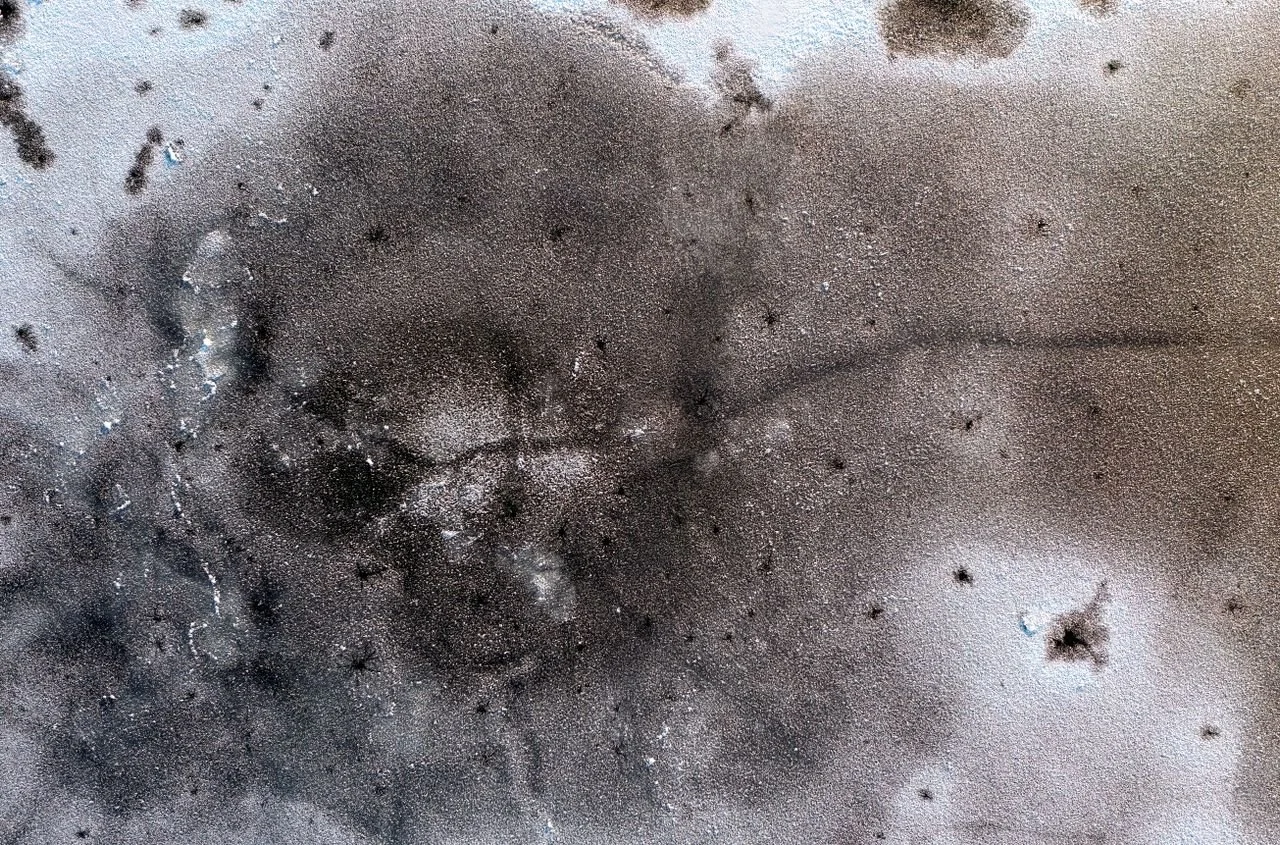
How Fast Does Mold Spread After Water Damage In Concord?
Honestly, it's less like a slow drip and more like a countdown clock. The moment water touches a porous surface, be it carpet padding, gypsum board, or wood subflooring, you're on the clock whether you know it or not.
0 To 24 Hours
Spores that are already floating around your home (and trust me, they always are, in every California home whether you clean obsessively or not) land on the wet surface and start absorbing moisture. Nothing visible happens yet. This is the quiet phase, the one everyone ignores because the damage still just looks like a wet carpet or a water stain.
24 To 48 Hours
This is germination. Root-like structures called hyphae start pushing into whatever material gets soaked. If you've got a slow leak behind a wall, this is happening completely out of sight. According to the EPA's guidance on mold cleanup, drying materials within this window is genuinely the difference between a minor cleanup and a remediation project.
48 To 72 Hours
Microscopic colonies expand, and this is usually when people start noticing a faint musty smell, sort of an earthy, damp basement odor that wasn't there before. FEMA's mold and mildew brochure specifically flags this 48 to 72 hour mark as the point where drying efforts need to already be underway, not just starting.
3 To 12 Days
Now you've got visible colonies. Fuzzy spots, dark speckling, sometimes a greenish or black tint depending on species. Restoration professionals I've read about describe this window as when colonization becomes aggressive enough to spread into structural wood, not just surface materials.
Why Concord's Climate Speeds Up Mold Growth
Concord sits in this odd microclimate pocket of Contra Costa County where summer heat spikes hard, sometimes past 100 degrees Fahrenheit, and then the Bay's marine layer sneaks in overnight and drops the humidity back up. That swing matters more than people realize.
Summer Heat And Humidity Swings
When indoor humidity creeps above 60 percent, which happens more than you'd think during our hot weather months when AC units cycle on and off, mold spores multiply at a noticeably faster clip. A Panasonic indoor air quality study on summer humidity actually pins this 60 percent threshold as the tipping point where fungal growth accelerates regardless of visible water damage.
Poor Ventilation And Closed-Up Homes
Here's a very California-specific irony: we seal our homes tight for energy efficiency, then wonder why moisture gets trapped. Bathrooms without exhaust fans, laundry rooms tucked into closets, kitchens with minimal airflow. All of it creates stagnant pockets where condensation lingers on cool surfaces long after a shower or a dishwasher cycle ends.
Older Housing Stock And Hidden Moisture Pockets
Concord has plenty of pre 1980 California structures, ranch-style homes from the postwar boom years, and a lot of them have outdated insulation, cast iron plumbing prone to slow leaks, and crawl spaces that were never properly vented. I'd argue this is the single most overlooked risk factor in the whole conversation. Newer homes have vapor barriers and modern HVAC design. Older ones just don't, and moisture finds every gap.
What Are The Early Warning Signs Of Mold?
Musty Odors
If your nose catches something earthy or sour that wasn't there last week, trust it. Odors from microbial volatile organic compounds, or mVOCs, often show up before any mold is visible, especially once indoor humidity climbs toward that 70 to 75 percent range referenced in CC AHA's mold technical bulletin.
Discoloration And Fuzzy Spots
Black mold spores tend to cluster in dark rings or speckled patches, usually starting small around baseboards, window frames, or under sinks. Green or white fuzzy growth is common on wood and cardboard, and it spreads outward from the original moisture source almost like a bruise expanding.
Peeling Paint Or Warped Surfaces
Bubbling paint, swollen drywall, or a floorboard that suddenly feels soft underfoot are all symptoms of trapped moisture doing its slow work. By the time you see this, mold growth has usually already taken hold behind the visible surface.
Which Areas Of Your Home Are Most At Risk?
Area
Common Moisture Source
Mold Risk Level
Bathrooms and kitchens
Condensation, leaky pipes, poor ventilation
High
Basements and crawl spaces
Groundwater seepage, flooding, poor drainage
Very High
Attics and HVAC systems
Roof leaks, condensation on ductwork, insulation gaps
Moderate to High
Bathrooms And Kitchens
Showers, dishwashers, and under-sink plumbing generate constant low-grade humidity. Add a slow leak nobody notices for a week, and you've basically built a greenhouse for mildew.
Basements And Crawl Spaces
These are ground zero for hidden moisture pockets in Concord homes, especially ones near creek beds or low-lying lots where groundwater seepage after a storm doesn't drain properly.
Attics And HVAC Systems
Ductwork sweats when warm air meets cool metal, and insulation that gets damp rarely dries out on its own. HVAC contamination is one of those things nobody thinks to check until allergy symptoms start acting up.
What Health Risks Come With Mold Exposure?
Mold exposure isn't just an inconvenience; it's a genuine health concern, particularly for anyone with asthma, allergies, or a compromised immune system. Allergic reactions, sinus irritation, and respiratory symptoms are the most common complaints, and the CDC's guidance on mold cleanup specifically warns that prolonged exposure to certain species can lead to longer-term health problems, especially in children and elderly residents. I've read enough case studies to say this plainly: if you're coughing more at home than anywhere else, that's not a coincidence you should ignore.
What Should You Do In The First 24 Hours After Water Damage?
Speed matters more than perfection here. Pull out soaked carpet padding, run fans and dehumidifiers continuously, and open windows if outdoor humidity is lower than indoor humidity (check this, because in Concord it's not always true). HUD's guidance for flood-damaged homes recommends removing porous materials like carpet and drywall within this window specifically because they can't be fully dried once saturated past a certain point.
How Can You Prevent Mold From Spreading Further?
Preventing mold from spreading starts with controlling moisture. Mold spores are naturally present in both indoor and outdoor air, but they only begin to grow when they find a damp surface and enough moisture to sustain them. The longer water remains trapped inside building materials, the greater the chance that mold will spread to nearby drywall, wood framing, insulation, flooring, and even HVAC systems. Acting quickly after discovering moisture is the most effective way to minimize damage.
Control Indoor Humidity Year-Round
Maintaining indoor humidity below 50–60% is one of the best defenses against mold growth. In Concord, seasonal rains and changing temperatures can increase indoor moisture, especially in basements, crawl spaces, garages, and poorly ventilated rooms. Running dehumidifiers year-round in these vulnerable areas helps remove excess moisture from the air before it condenses on walls, floors, and structural materials. Consider using a hygrometer to monitor humidity levels and adjust your dehumidifier as needed.
Repair Water Problems Immediately
Even small leaks can become major mold problems if ignored. A dripping pipe under the sink, a loose roof shingle, or a cracked window seal may seem minor, but continuous moisture provides ideal conditions for mold to develop. Address plumbing leaks, roof damage, overflowing gutters, foundation cracks, and appliance leaks as soon as they are discovered. Prompt repairs prevent moisture from soaking into porous materials where mold can grow unseen.
Improve Ventilation Throughout The Home
Poor airflow allows humidity to build up, particularly in bathrooms, kitchens, laundry rooms, and attics. Always use exhaust fans while showering, cooking, or running clothes dryers, and allow them to operate for several minutes afterward to remove excess moisture. Ensure attic vents remain unobstructed so warm, humid air can escape instead of condensing on cooler roof surfaces. Good ventilation significantly reduces the likelihood of condensation-related mold growth.
Dry Wet Materials Quickly
When water damage occurs, time is critical. Carpets, drywall, insulation, wood flooring, and upholstered furniture should be dried within 24 to 48 hours whenever possible. Use fans, dehumidifiers, and professional drying equipment if necessary. Materials that remain saturated beyond this timeframe become much more susceptible to mold colonization and may eventually require replacement.
Inspect Vulnerable Areas Regularly
Certain parts of the home deserve more frequent attention than others. Inspect crawl spaces after heavy rain, check attics following storms, examine window frames for condensation, and look beneath sinks and around water heaters for signs of slow leaks. In Concord, older homes may also have aging foundations or drainage systems that allow moisture to accumulate after prolonged rainy periods. Catching these issues early helps prevent widespread mold damage.
Keep Water Away From The Foundation
Proper exterior drainage plays a major role in mold prevention. Clean gutters regularly, extend downspouts away from the home, and ensure the surrounding landscape slopes away from the foundation rather than toward it. Standing water around the home's perimeter can seep into crawl spaces, basements, and foundation walls, creating persistent moisture problems that encourage mold growth.
Maintain Your HVAC System
Heating and cooling systems help regulate indoor humidity, but neglected HVAC equipment can contribute to mold problems. Replace air filters regularly, keep condensate drain lines clear, and schedule periodic maintenance to ensure the system operates efficiently. Moisture trapped inside air handlers or ductwork can distribute mold spores throughout the home if left unresolved.
Avoid Covering Up Visible Mold
Painting over mold stains or using household cleaners to hide visible growth without addressing the moisture source does not solve the problem. Mold will often continue growing beneath paint, wallpaper, or flooring until the underlying moisture issue is corrected. Effective prevention always involves both moisture control and proper remediation.
Schedule Routine Home Maintenance
Preventive maintenance is far less expensive than major remediation. Regular roof inspections, plumbing checks, window and door seal maintenance, gutter cleaning, and foundation inspections all help reduce the likelihood of unexpected water intrusion. Investing in routine maintenance protects your home's structure, preserves indoor air quality, and minimizes the risk of future mold outbreaks.
Ultimately, preventing mold from spreading is about staying ahead of moisture rather than reacting after damage has already occurred. By controlling humidity, repairing leaks promptly, improving ventilation, monitoring vulnerable areas, and responding quickly to water intrusion, homeowners can greatly reduce the risk of mold growth. These proactive steps not only protect the structural integrity of the home but also help maintain a healthier, safer indoor environment while avoiding the significantly higher costs associated with large-scale mold remediation.
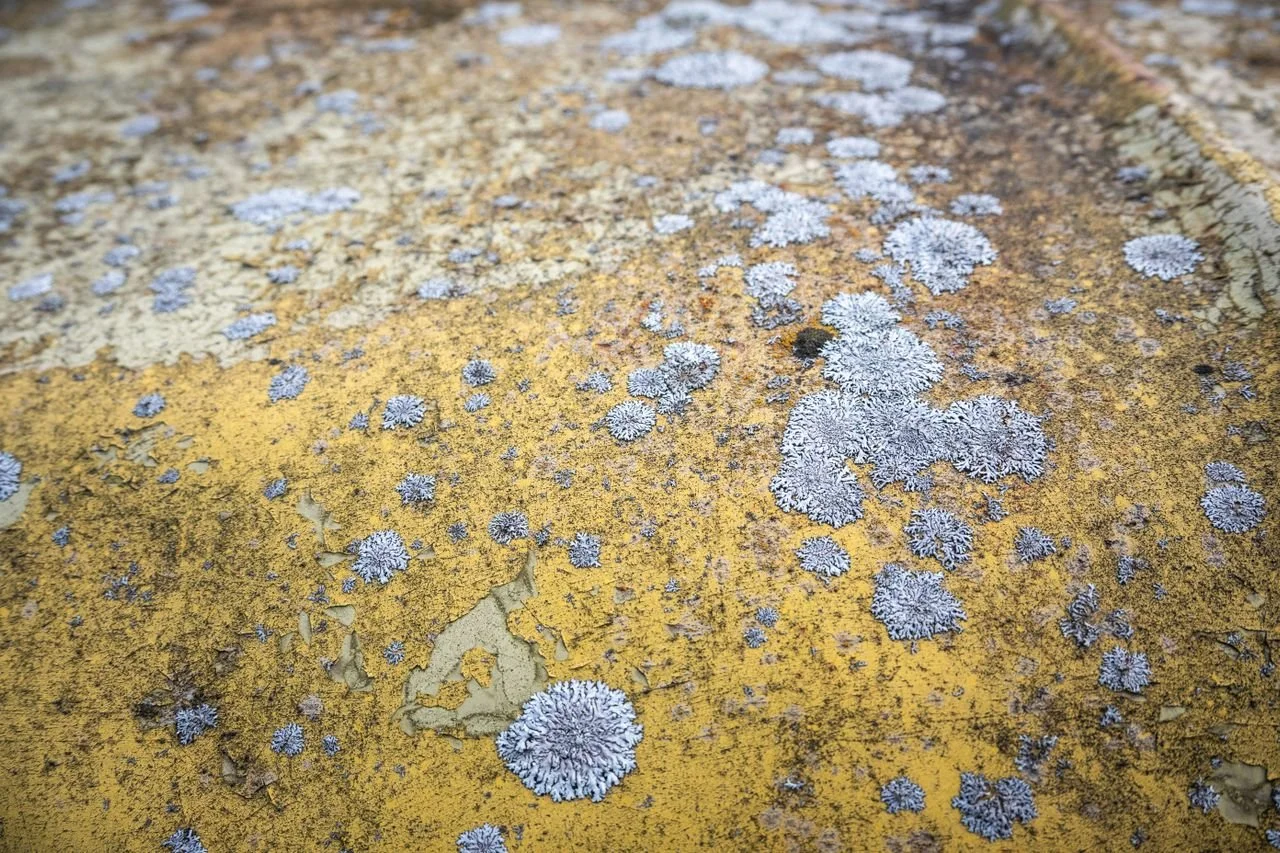
When Should You Call A Mold Remediation Professional?
If the affected area is larger than roughly 10 square feet, or if you're dealing with black mold specifically, this stops being a DIY project. Professional mold removal services bring containment equipment, negative air pressure machines, and proper N95 respirator mask protocols that most homeowners just don't have lying around. If you're already smelling that musty odor two or three days after a leak and can't locate the source, that's your cue to call an inspection out rather than keep guessing.
How Long Does Mold Remediation Time Take Once It Starts?
The length of a mold remediation project depends on several factors, including the size of the affected area, how deeply the mold has penetrated building materials, the extent of the moisture damage, and whether structural repairs are required after the mold is removed. While every home is different, most remediation projects fall into predictable timeframes once work begins.
Minor Mold Infestations: 1–3 Days
Small mold problems—such as limited growth on a bathroom ceiling, around a window, or beneath a sink—can often be completed within one to three days. These projects typically involve:
Setting up basic containment to prevent spores from spreading.
Removing or cleaning affected materials.
Applying appropriate antimicrobial treatments where needed.
Drying the area thoroughly.
Conducting a final inspection before reopening the space.
If the moisture source has already been repaired and the mold is confined to a small area, the process is usually straightforward and causes minimal disruption.
Moderate Mold Damage: 5–14 Days
Projects involving multiple rooms, hidden mold behind walls, crawl spaces, attics, or HVAC systems generally require one to two weeks to complete. The additional time is needed for several important steps, including:
Installing professional containment barriers.
Running HEPA-filtered air scrubbers throughout the remediation process.
Safely removing contaminated drywall, insulation, carpeting, or other porous materials.
Thoroughly drying structural components using commercial dehumidifiers and air movers.
Cleaning and disinfecting salvageable surfaces.
Verifying that moisture levels have returned to acceptable ranges before reconstruction begins.
If replacement materials or repairs are required after remediation, the overall project timeline may extend beyond the mold removal itself.
Severe Mold Infestations: Several Weeks
Large-scale mold contamination caused by flooding, long-term roof leaks, burst pipes, or significant structural water damage can take several weeks or longer. These complex projects often involve:
Extensive demolition of heavily damaged building materials.
Drying structural framing and subfloors.
Replacing insulation, drywall, flooring, or portions of the home's framing.
Cleaning HVAC systems if contamination has spread through the ductwork.
Coordinating inspections, insurance documentation, and reconstruction work.
When multiple contractors are involved or insurance claims require approval before repairs proceed, additional delays may occur even after remediation has been completed.
Factors That Can Affect The Timeline
Several variables influence how long remediation takes, including:
The size of the affected area: Larger contamination requires more containment and cleaning.
The moisture source: Active leaks or ongoing water intrusion must be repaired before remediation can be considered complete.
Building materials involved: Mold on non-porous surfaces is generally easier to remove than mold embedded in drywall, insulation, or wood.
Drying time: Structural materials must reach safe moisture levels before rebuilding begins.
Air quality verification: Some projects include post-remediation testing to confirm that airborne mold spores have returned to normal levels.
Reconstruction needs: Replacing drywall, flooring, trim, or insulation adds additional time after remediation.
Why Rushing The Process Can Cause Problems
Although homeowners naturally want remediation completed as quickly as possible, rushing the process often creates future issues. Containment, drying, and moisture verification are essential steps that should never be skipped. If building materials remain damp or contaminated materials are not completely removed, mold may return, resulting in additional repairs and higher long-term costs.
Planning For The Project
During remediation, portions of the home may be temporarily inaccessible while containment barriers and air filtration equipment are in place. In smaller projects, homeowners can often remain in the home while work is confined to one area. However, larger remediation efforts involving multiple rooms, extensive demolition, or widespread contamination may require temporary relocation until the affected areas are safe to occupy again.
Ultimately, mold remediation timelines vary based on the severity of the damage, but the goal is always the same: completely eliminate the moisture problem, safely remove mold-contaminated materials, restore healthy indoor air quality, and prevent future mold growth. Allowing contractors the time needed to complete each phase properly helps ensure a long-lasting solution rather than a temporary fix.
Does Homeowners Insurance Cover Mold Damage In Concord?
This is where things get genuinely frustrating for a lot of homeowners. Standard homeowners insurance in California typically covers mold damage only if it resulted from a covered peril, like sudden water damage from a burst pipe or storm related flooding. If the mold grew because of long term neglect or a leak nobody addressed for months, insurers will often deny the claim outright. It's worth reading your policy's specific mold exclusion language before you assume you're covered, and honestly, calling your agent before disaster strikes beats scrambling afterward.
Conclusion
Mold rarely becomes a serious problem overnight. More often, it develops quietly after a leak, flood, or ongoing moisture issue creates the right conditions for spores to grow. By the time mold becomes visible, the underlying water problem has often existed for days or even weeks. That's why the most effective response isn't simply removing what you can see—it's identifying and eliminating the source of the moisture before the damage spreads further.
For homeowners in Concord, staying vigilant is especially important. The city's seasonal rains, occasional winter storms, changing humidity levels, and aging plumbing systems can all contribute to moisture buildup inside walls, attics, crawl spaces, and basements. Even small roof leaks, slow plumbing drips, or poor ventilation can create hidden pockets of moisture where mold thrives unnoticed. Routine home maintenance, regular inspections, and prompt repairs go a long way toward preventing these conditions from turning into expensive remediation projects.
It's also worth remembering that mold doesn't just affect building materials. Left untreated, it can damage drywall, insulation, flooring, wood framing, and personal belongings while contributing to unpleasant odors and reduced indoor air quality. For some individuals—particularly children, older adults, and people with allergies or respiratory conditions—prolonged exposure to mold may also worsen existing health symptoms. Taking action early helps protect both your property and the people living in it.
One of the biggest mistakes homeowners make is focusing only on cleaning visible mold while overlooking the moisture problem that caused it. Without fixing the leak, drainage issue, condensation, or humidity imbalance, mold is likely to return regardless of how thoroughly the surface was cleaned. Effective remediation always combines moisture control with safe mold removal and complete drying of affected materials.
Prevention remains the most cost-effective strategy. Keeping gutters clear, inspecting your roof after storms, repairing plumbing leaks immediately, maintaining proper ventilation in bathrooms and kitchens, monitoring indoor humidity, and checking vulnerable areas such as attics and crawl spaces can significantly reduce the likelihood of mold growth. These simple maintenance habits often prevent small issues from becoming major restoration projects.
If you notice persistent musty odors, unexplained water stains, peeling paint, warped materials, or visible mold growth, don't ignore the warning signs. Acting quickly gives you the best chance of limiting damage, reducing repair costs, and avoiding more extensive structural problems later. In many cases, early intervention means smaller remediation areas, fewer materials that need replacement, and a faster return to a safe, healthy living environment.
Ultimately, mold remediation is about much more than cleaning surfaces—it's about restoring a dry, healthy home and preventing future problems from developing. Whether you're responding to recent water damage or investigating signs of hidden moisture, timely action makes all the difference. By addressing moisture at its source, seeking professional help when necessary, and staying proactive with routine maintenance, Concord homeowners can protect their investment, preserve indoor air quality, and enjoy greater peace of mind for years to come.
FAQ
1. How Fast Can Mold Grow After A Flood In A Concord Home?
Within 24 to 48 hours for germination, with visible colonies possible by day three under Concord's humid summer conditions.
2. Is Black Mold More Dangerous Than Other Types?
Certain black mold spores produce mycotoxins linked to more severe allergic reactions and respiratory symptoms, though all mold species pose some health risk with prolonged exposure.
3. Can I Remove Mold Myself Without A Contractor?
Small patches under 10 square feet can sometimes be handled with proper gloves, goggles, and an N95 respirator mask, but anything larger or recurring warrants professional mold inspection sciences and remediation.
4. Does California Require Mold Disclosure When Selling A Home?
Yes, California law requires sellers to disclose known mold issues, which is part of why early detection and documentation matter so much for homeowners planning to sell.
————————————————————————————————
Mold Can Spread Quickly; Professional Remediation Makes The Difference
A mold problem can spread quickly and become a serious issue for both your property and your health. Whether it's caused by a recent water leak, flooding, high humidity, or hidden moisture behind walls, mold can grow within 24 to 48 hours and continue spreading if left untreated. The longer mold remains, the greater the risk of structural damage, unpleasant odors, poor indoor air quality, and costly repairs.
Professional mold remediation helps eliminate mold at its source and prevents it from returning. Using specialized equipment and proven remediation techniques, affected areas are carefully inspected, contained, cleaned, and treated to restore a safe and healthy environment. Taking action early can help protect your property, improve indoor air quality, and reduce the extent of the damage.
At ARC Water Damage, our experienced team responds quickly to mold concerns and guides you through every step of the remediation process. We work efficiently, communicate clearly, and coordinate with your insurance company whenever possible to help make the process as smooth and stress-free as possible.
If you suspect mold in your home or business, don't wait for the problem to get worse. Call ARC Water Damage today at (877) 437-9225 for professional mold remediation and fast, reliable service.
DisclaimerThe information provided on this website is for general informational and educational purposes only and is not intended to serve as professional restoration, environmental, or insurance advice. Every water, fire, or mold damage situation is unique, and you should consult with a qualified restoration professional regarding your specific property and conditions. Do not take action or delay action based solely on the content of this website without seeking appropriate professional guidance.While we strive to provide accurate and up-to-date information, restoration methods, safety standards, and industry practices may change over time. The content on this website may not reflect the most current procedures or recommendations. ARC Water Damage makes no guarantees regarding outcomes based on the use of this information.By using this website, you agree that ARC Water Damage is not liable for any actions taken or not taken based on the information provided, to the fullest extent permitted by law.