
When Should You Call For Emergency Mold Remediation In Antioch, CA?
You wake up, notice a musty smell near the bathroom vent, and one question immediately follows: Is this something that can be cleaned up at home, or is it the beginning of a much larger—and more expensive—problem?
For many Antioch homeowners, that question arises after a winter storm, a plumbing leak, or a slab leak that went unnoticed. The answer depends largely on the severity and source of the moisture problem. Emergency mold remediation becomes particularly important when there is active water intrusion, mold growth covering more than roughly 10 square feet, a persistent musty odor with no visible source, or new respiratory symptoms among people in the home. Smaller, isolated areas may sometimes be manageable with careful DIY cleaning, but once mold is spreading, or the moisture source cannot be identified, delaying professional help can allow the damage to escalate.
The pattern is often the same: a small dark patch appears, it gets dismissed as something to “keep an eye on,” and weeks later the problem has spread behind drywall or into other building materials. Antioch's location near the Sacramento-San Joaquin Delta, combined with seasonal moisture and humidity fluctuations, can create conditions where hidden moisture persists in crawl spaces, bathrooms, walls, and other poorly ventilated areas.
Recognizing the difference between a minor cleanup and a situation that requires urgent professional attention can help homeowners act before a manageable moisture problem turns into extensive mold remediation and costly structural repairs.
Key Takeaways
Active water damage, sewage backup, or flooding from a building water event means you call for emergency mold remediation immediately, not "this weekend."
Mold colonies larger than 10 square feet cross the threshold where the EPA and most remediation professionals stop recommending do-it-yourself cleanup.
A musty odor without visible mold usually means the growth is hidden behind walls, under flooring, or inside HVAC ductwork.
Mold can begin colonizing within 24 to 48 hours of a moisture event, so speed matters more than perfection.
Hiring the same company for both mold inspection and remediation creates a conflict of interest that experienced homeowners avoid.
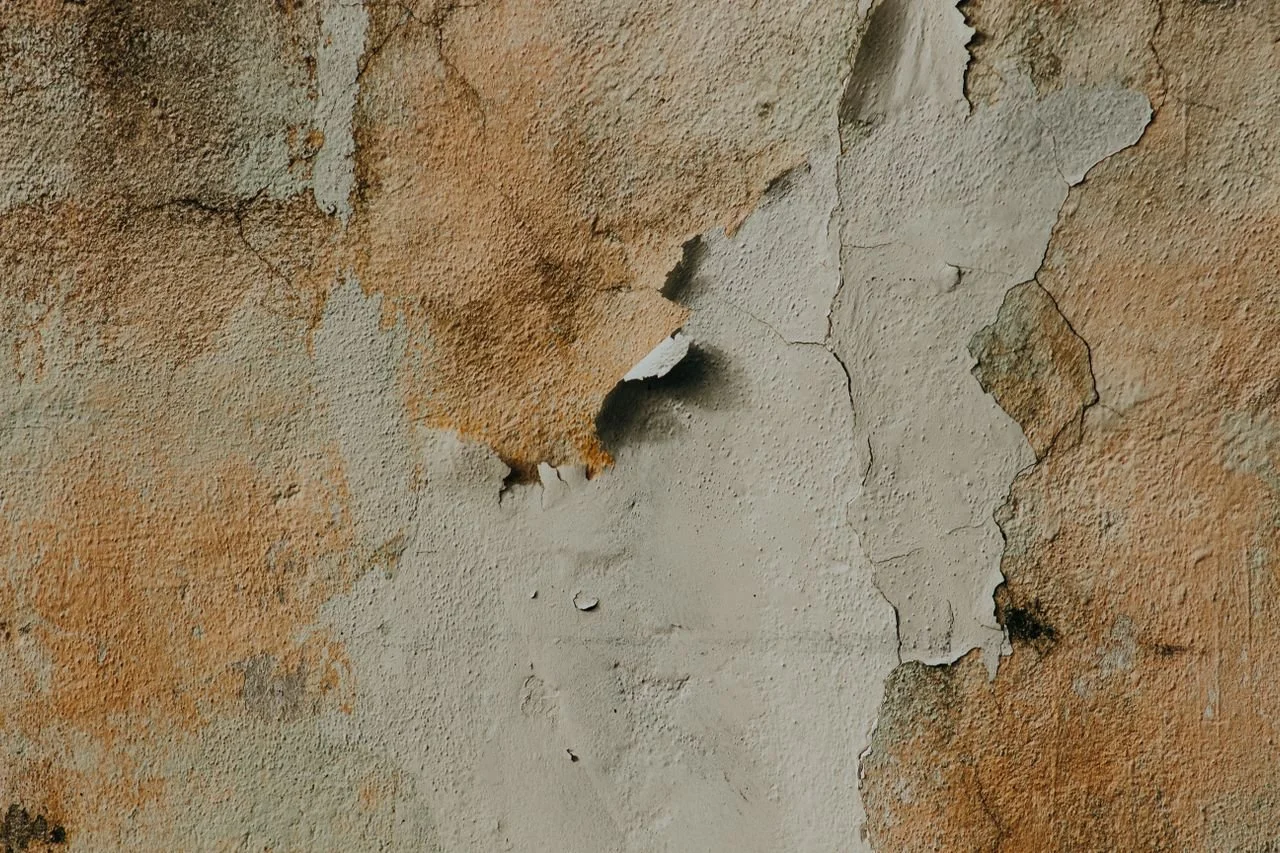
What Signs Mean You Need Emergency Mold Remediation Now
Active Water Damage Or Sewage Backup
If water is still moving, actively soaking into drywall, pooling under cabinets, or backing up from a sewer line, you don't wait for a quote. You call. Sewage-contaminated water in particular is classified as "black water" in restoration circles, meaning it carries bacteria and pathogens on top of the mold risk, and no amount of bleach and elbow grease makes that safe to handle solo. Belfor's guidance on when remediation becomes mandatory lists severe ongoing moisture and sewage leaks among the clearest triggers for professional intervention, and frankly, that lines up with what most restoration companies will tell you over the phone before they even dispatch a truck.
Mold Covering More Than 10 Square Feet
There's a rough industry consensus, echoed across EPA guidance and independent legal commentary, that patches exceeding about 10 square feet (roughly a 3-foot by 3-foot section of drywall) have crossed from "clean it yourself" into "bring in a crew." Below that threshold, a determined homeowner with gloves, an N95 respirator, and some diluted detergent can usually handle it. Above it, you're not just scrubbing surface mold anymore; you're likely dealing with colonization that's already traveled through porous materials like drywall paper or wood framing, and surface cleaning won't touch what's growing underneath.
Musty Odors Without Visible Growth
This one trips people up constantly. No visible mold, but that unmistakable damp, earthy smell lingers no matter how many candles you burn. That smell is often the first and only warning sign of hidden colonies growing behind wallpaper, under carpet padding, or inside wall cavities where a slow leak has been feeding spores for weeks. A professional mold inspection with moisture meters and sometimes a borescope camera is really the only reliable way to track down odor-only cases, because guessing wastes both time and money.
Unexplained Health Symptoms In Occupants
If someone in the household starts coughing more, developing skin irritation, or noticing worsened asthma symptoms with no other explanation, mold belongs on the suspect list. The CDC's guidance on mold-related health problems ties exposure to asthma flare-ups, respiratory infections, and allergic reactions, and people with compromised immune systems face a steeper risk, a point the CDC also stresses when discussing invasive mold infections. Mayo Clinic's overview of mold allergy symptoms goes further, noting that severe reactions like hypersensitivity pneumonitis require genuinely urgent care, not a follow-up appointment next month.
How Fast Does Mold Spread After Water Damage In Antioch Homes
The 24 To 48 Hour Colonization Window
Here's the number that should scare you a little: mold can begin colonizing surfaces within 24 to 48 hours after a moisture event, according to restoration industry data cited by local inspection specialists in the Antioch mold inspection field. That's not a typo. Two days. The EPA's own remediation guidance for schools and commercial buildings backs this up, essentially setting the 48-hour drying window as the standard benchmark for preventing mold from ever taking hold in the first place. Miss that window, and you're no longer preventing mold; you're remediating it.
Why Antioch's Climate Speeds Up Growth
Antioch sits close enough to the Delta that humidity swings are part of daily life, especially during the wetter months between November and March. Combine that ambient moisture with older housing stock, a lot of which has crawl spaces and less-than-ideal ventilation, and you get conditions that are frankly generous to mold spores looking for a foothold. A slow roof leak that might take a week to become a problem in a drier inland climate can turn into a real infestation here in half that time.
Where Does Hidden Mold Usually Grow In A House
Behind Walls And Under Flooring
Plumbing leaks inside wall cavities are notorious for growing mold that nobody sees until the drywall starts bubbling or the baseboards discolor. Under flooring, especially around bathrooms and kitchens, subfloor moisture can sit trapped for months, quietly feeding mold that never breaks the surface until the smell gives it away.
Near HVAC Systems And Vents
Ductwork condensation, clogged condensate lines, and poorly sealed vents create pockets of trapped humidity that mold loves. The EPA's chapter on assessing hidden mold specifically calls out HVAC systems as high-risk zones, partly because the moving air can actually spread spores throughout the house before anyone notices a problem.
Attics, Crawl Spaces, And Basements
These are the areas people check least and mold loves most. Poor ventilation, roof leaks that go unnoticed for seasons, and general humidity buildup make attics and crawl spaces classic hiding spots. If your Antioch home has a raised foundation, which plenty of older properties in the area do, a crawl space inspection should honestly be part of routine home maintenance, not just a reaction to a bad smell.
Can You Clean Mold Yourself Or Do You Need A Professional
When DIY Mold Cleaning Is Safe
Small, contained patches on non-porous surfaces, think tile grout, glass shower doors, or a painted windowsill, are generally fine to tackle yourself. Soap, water, a stiff brush, and good ventilation usually handle it. Keep the area under that 10-square-foot mark, make sure there's no ongoing moisture source feeding it, and you're likely in safe territory.
When To Stop And Call A Professional
Situation
DIY Appropriate?
Why
Small mold spot on tile or glass
Yes
Non-porous surface, easy to fully remove
Mold on drywall over 10 sq ft
No
Likely penetrated porous materials
Musty odor, no visible source
No
Suggests hidden growth requiring inspection
Mold after sewage backup
No
Contamination risk beyond mold itself
Recurring mold in same spot
No
Underlying moisture source not resolved
Why Mold Keeps Coming Back After DIY Removal
This is the part nobody warns you about. You scrub it away, it looks fine for three weeks, then it's back in the same corner. That's because surface cleaning doesn't fix the moisture source, and mold spores are opportunistic; they just wait. Real remediation identifies and corrects whatever's feeding the growth, whether that's a leaky pipe, poor attic ventilation, or grading outside the house that pushes water toward the foundation instead of away from it.
What Happens During A Professional Mold Inspection
A professional mold inspection is designed to determine not only whether mold is present but also what is causing it and how far it has spread. The process begins with a comprehensive visual assessment of the property, where the inspector looks for visible mold growth, water stains, discoloration, peeling paint, warped building materials, and other signs of excess moisture. The inspector will also ask about recent leaks, flooding, plumbing issues, roof damage, or musty odors that may indicate hidden mold.
To locate moisture that isn't visible, inspectors use specialized equipment such as moisture meters, hygrometers, and thermal imaging cameras. These tools help identify damp drywall, insulation, flooring, and other building materials where mold may be growing behind walls, under flooring, or above ceilings without obvious surface evidence.
Depending on the situation, the inspector may recommend air sampling or surface sampling. Air samples measure the concentration of airborne mold spores indoors and compare those results with outdoor air to determine whether mold levels inside the home are unusually high. Surface samples can help identify the type of mold growing on specific materials when laboratory confirmation is needed. While not every inspection requires testing, sampling can provide valuable information in cases involving hidden mold, real estate transactions, insurance claims, or occupants experiencing unexplained allergy-like symptoms.
After completing the inspection, the homeowner typically receives a detailed report outlining the affected areas, moisture sources contributing to mold growth, the extent of the contamination, and recommendations for remediation and moisture control. This report serves as a roadmap for addressing both the mold and the underlying water problem to help reduce the likelihood of future growth.
Why Finding The Moisture Source Is Just As Important As Finding The Mold
Identifying mold is only one part of a successful inspection. Equally important is determining where the moisture is coming from, since mold cannot continue growing without a water source. A qualified inspector will look for leaking pipes, roof damage, foundation seepage, condensation around HVAC systems, poor ventilation, or elevated indoor humidity that may be creating ideal conditions for mold. Addressing these underlying issues is essential because removing visible mold without correcting the moisture problem often leads to mold returning weeks or months later. By identifying and resolving both the mold and its source, homeowners can achieve a more effective and long-lasting remediation outcome.
What Does The Mold Remediation Process Involve
Remediation itself follows a fairly standardized sequence, one that mirrors the containment and cleanup methods outlined in EPA guidance adapted for schools and commercial buildings, though residential jobs scale it down. Containment barriers go up first, usually plastic sheeting and negative air pressure machines, to stop spores from spreading to unaffected rooms during the removal process. Then comes physical removal of contaminated porous materials, which often means cutting out drywall, pulling insulation, or replacing subflooring, followed by HEPA vacuuming and antimicrobial treatment of remaining structural surfaces. Finally, technicians address whatever caused the moisture in the first place, because skipping that step just resets the clock on round two.
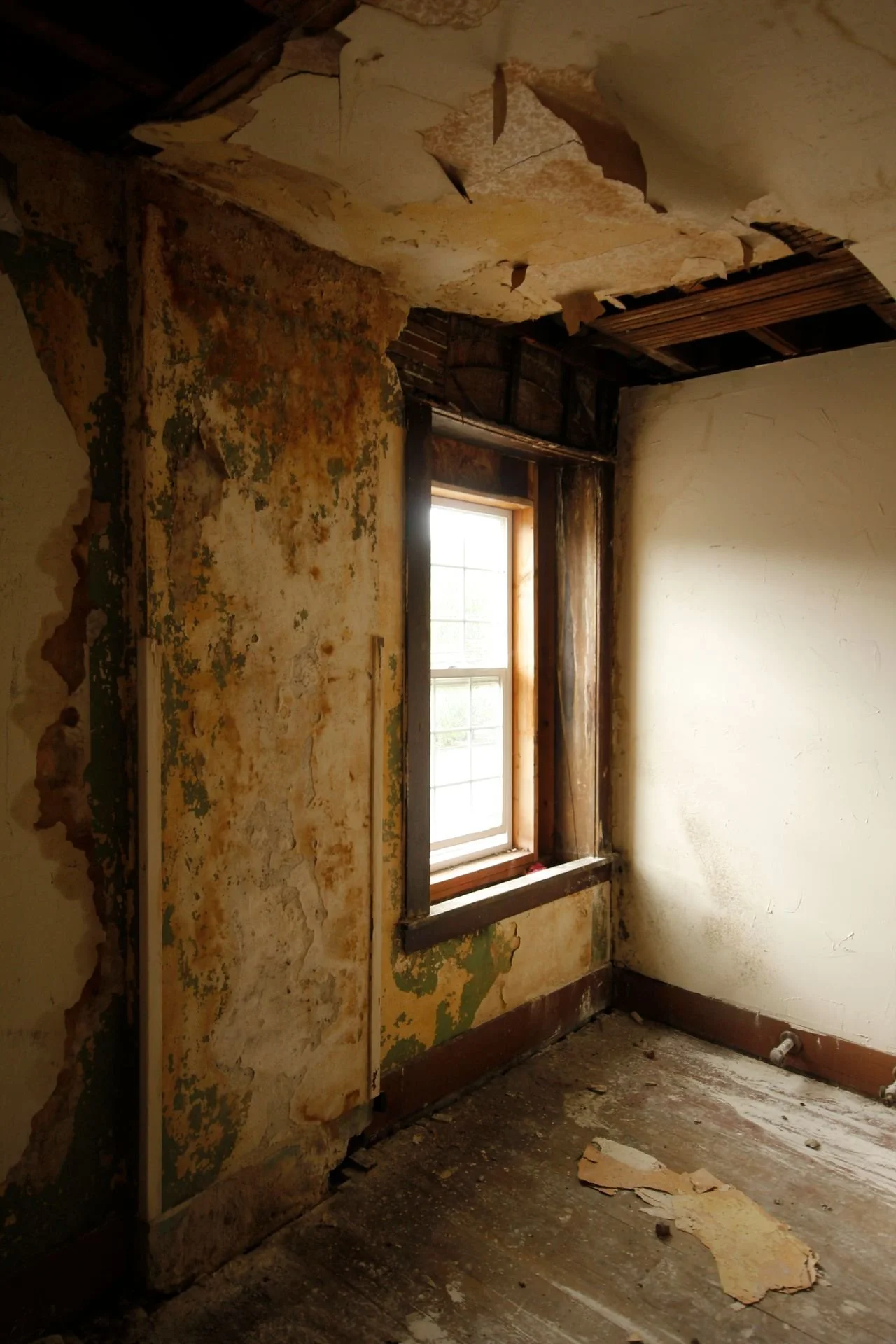
How Do You Choose A Qualified Mold Remediation Company In Antioch
Why Inspection And Remediation Should Be Separate Companies
Many homeowners don't realize that there can be a potential conflict of interest when the same company performs both the mold inspection and the remediation. If the company identifying the problem also profits from removing it, there may be an incentive to recommend more extensive work than is actually necessary. Hiring an independent mold inspector provides an unbiased assessment of the extent of the contamination and helps ensure that any recommended remediation is based on the property's actual condition rather than the size of the repair contract.
Treating mold inspection and mold remediation as two separate hiring decisions also allows you to compare recommendations, obtain multiple estimates, and make a more informed decision before authorizing work. Once remediation is complete, an independent post-remediation inspection or clearance test can help verify that the mold issue has been successfully resolved.
Licenses, Certifications, And Local Experience To Verify
When selecting a mold remediation company in Antioch, verify that the contractor has appropriate industry training and certifications. Look for technicians certified by the Institute of Inspection, Cleaning and Restoration Certification (IICRC) and confirm that the company carries adequate liability insurance and workers' compensation coverage. If remediation requires repairing or rebuilding structural components of the home, ensure the contractor holds the appropriate California contractor license for that type of work.
Experience also matters. Ask how long the company has been performing mold remediation and whether they have worked on homes throughout Antioch and the surrounding East Bay. Contractors familiar with the area's seasonal weather patterns, older construction methods, and common moisture issues are often better equipped to identify hidden sources of mold and recommend effective long-term solutions. Finally, request references, read recent customer reviews, and ask for a detailed written scope of work before signing any agreement.
Does Homeowners Insurance Cover Emergency Mold Remediation
Coverage depends heavily on the cause. Sudden, accidental water damage, a burst pipe, for instance, is typically covered under standard homeowners policies, and mold remediation tied directly to that event usually falls under the same claim. Gradual damage, like a slow roof leak you ignored for eight months, is a different story, and insurers routinely deny those claims by arguing the homeowner failed to maintain the property. This is exactly why documenting the timeline matters so much: photos, dates, and a prompt call to your insurer the same day you find damage strengthen your position considerably.
What Should You Do In The First 24 Hours After Finding Mold
The first 24 hours after discovering mold are critical. Acting quickly can help limit additional mold growth, reduce property damage, and make remediation less extensive and costly. Your priority should be to stop the source of moisture, protect your household from further exposure, and document the situation before any cleanup begins.
If it is safe to do so, stop the water source immediately. This may involve shutting off the water supply to a leaking pipe, placing a container beneath an active leak, or arranging for emergency repairs. If flooding has occurred, remove standing water as soon as possible using appropriate equipment or contact a water damage restoration professional to begin the drying process.
Before moving or cleaning anything, thoroughly document the affected areas by taking clear photos and videos. Capture visible mold growth, water damage, damaged belongings, and the source of the moisture if it can be identified. This documentation may be useful if you need to file an insurance claim or obtain estimates from remediation professionals.
Avoid disturbing the mold by scrubbing, sanding, or using fans that blow directly across contaminated surfaces, as these activities can spread mold spores to other areas of the home. If you suspect mold has affected your HVAC system or ductwork, avoid operating the heating or air conditioning until the system has been evaluated, since airflow can distribute spores throughout the house.
Finally, schedule a professional mold inspection to determine the extent of the contamination and identify the underlying moisture source. If the damage resulted from a sudden plumbing leak, appliance failure, or other covered event, contact your insurance provider promptly to report the incident and ask about your policy's coverage for water damage and mold remediation.
Should You Clean Mold Yourself Or Call A Professional?
The answer depends on the size of the affected area and the source of the moisture. Small patches of mold on non-porous surfaces may sometimes be cleaned safely if the underlying moisture problem has been resolved. However, if mold covers a large area, continues to return, results from significant water damage, or is growing inside walls, ceilings, insulation, or HVAC systems, professional remediation is generally the safer and more effective option. A qualified mold remediation company has the equipment, containment procedures, and expertise needed to remove contamination while minimizing the spread of airborne spores throughout the home.
Conclusion
Mold can begin growing surprisingly fast after water damage, often within 24 to 48 hours when moisture is left untreated. What starts as a small damp area behind a wall, beneath flooring, or inside a ceiling can quickly develop into a much larger problem that affects both your home's structure and indoor air quality. Because mold frequently spreads out of sight, visible growth is often only a small part of the overall issue.
In Concord, CA, warm temperatures combined with seasonal humidity and unexpected plumbing leaks create favorable conditions for rapid mold growth. Acting immediately after water damage by drying affected materials, addressing the source of moisture, and arranging a professional inspection when necessary can significantly reduce the risk of extensive contamination. The sooner water damage is addressed, the easier and more affordable mold remediation is likely to be, helping protect your home, your belongings, and the health of everyone living inside.
FAQ
1. Is A Musty Smell Always A Sign Of Mold?
Not always, but it's the most reliable single indicator of hidden growth, and it warrants at least a basic inspection.
2. Can Landlords In California Be Forced To Remediate Mold?
Yes. California's Health and Safety Code addresses toxic mold disclosure and remediation obligations, and tenants facing unlivable conditions may have grounds for constructive eviction claims under state law.
3. How Long Does Professional Remediation Typically Take?
Small jobs might wrap in two to three days, while larger structural remediation involving multiple rooms can stretch past a week.
4. Does A Small Amount Of Mold Always Need Professional Removal?
No, small patches under 10 square feet on non-porous surfaces are generally safe for homeowners to handle themselves.
————————————————————————————————
Mold Can Spread Quickly; Professional Remediation Makes The Difference
A mold problem can spread quickly and become a serious issue for both your property and your health. Whether it's caused by a recent water leak, flooding, high humidity, or hidden moisture behind walls, mold can grow within 24 to 48 hours and continue spreading if left untreated. The longer mold remains, the greater the risk of structural damage, unpleasant odors, poor indoor air quality, and costly repairs.
Professional mold remediation helps eliminate mold at its source and prevents it from returning. Using specialized equipment and proven remediation techniques, affected areas are carefully inspected, contained, cleaned, and treated to restore a safe and healthy environment. Taking action early can help protect your property, improve indoor air quality, and reduce the extent of the damage.
At ARC Water Damage, our experienced team responds quickly to mold concerns and guides you through every step of the remediation process. We work efficiently, communicate clearly, and coordinate with your insurance company whenever possible to help make the process as smooth and stress-free as possible.
If you suspect mold in your home or business, don't wait for the problem to get worse. Call ARC Water Damage today at (877) 437-9225 for professional mold remediation and fast, reliable service.
DisclaimerThe information provided on this website is for general informational and educational purposes only and is not intended to serve as professional restoration, environmental, or insurance advice. Every water, fire, or mold damage situation is unique, and you should consult with a qualified restoration professional regarding your specific property and conditions. Do not take action or delay action based solely on the content of this website without seeking appropriate professional guidance.While we strive to provide accurate and up-to-date information, restoration methods, safety standards, and industry practices may change over time. The content on this website may not reflect the most current procedures or recommendations. ARC Water Damage makes no guarantees regarding outcomes based on the use of this information.By using this website, you agree that ARC Water Damage is not liable for any actions taken or not taken based on the information provided, to the fullest extent permitted by law.