
How Do Professionals Remove Smoke Damage During Fire Damage Restoration?
Fire damage can be devastating, but the destruction does not end when the flames are extinguished. Smoke and soot can continue affecting a property long after the fire has been contained. Smoke particles can settle on walls, ceilings, flooring, furniture, fixtures, HVAC components, and personal belongings. Meanwhile, smoke odors can penetrate porous materials and remain trapped inside a building if they are not properly treated.
Professional fire damage restoration addresses these problems through a systematic process designed to stabilize the property, remove contaminants, control odors, and restore damaged areas. Rather than simply wiping away visible soot or spraying an air freshener, trained restoration professionals evaluate the type and extent of smoke damage and select cleaning and deodorization methods appropriate for each material.
The restoration process can be especially important after even a relatively small fire. Smoke can travel far beyond the room where the flames originated, and different types of smoke produce different residues. A protein-based kitchen fire, for example, can leave a very different type of residue than a fire involving plastics, synthetic materials, wood, or other household contents.
Understanding how professionals remove smoke damage can help property owners recognize why prompt fire damage cleanup matters and why professional restoration is often more comprehensive than ordinary cleaning. Fast action can help prevent smoke residues from becoming more difficult to remove, reduce persistent odors, and protect materials that may otherwise require replacement.
Key Takeaways
Professional smoke damage restoration begins with an inspection that identifies affected areas, materials, residue types, and the extent of contamination.
Restoration professionals use specialized equipment and cleaning products to remove soot and smoke residues without unnecessarily damaging surfaces.
Air filtration and ventilation help control airborne particles during the restoration process.
Thermal fogging, ozone treatment, hydroxyl technology, and other deodorization techniques may be used when appropriate to address persistent smoke odors.
HVAC systems require particular attention because smoke particles can circulate through ductwork and contaminate other areas of the property.
Porous materials may require specialized cleaning, deodorization, restoration, or replacement depending on how deeply smoke has penetrated.
Fast professional fire damage cleanup can reduce secondary damage and improve the chances of restoring salvageable property.
What Happens To A Property After A Fire?
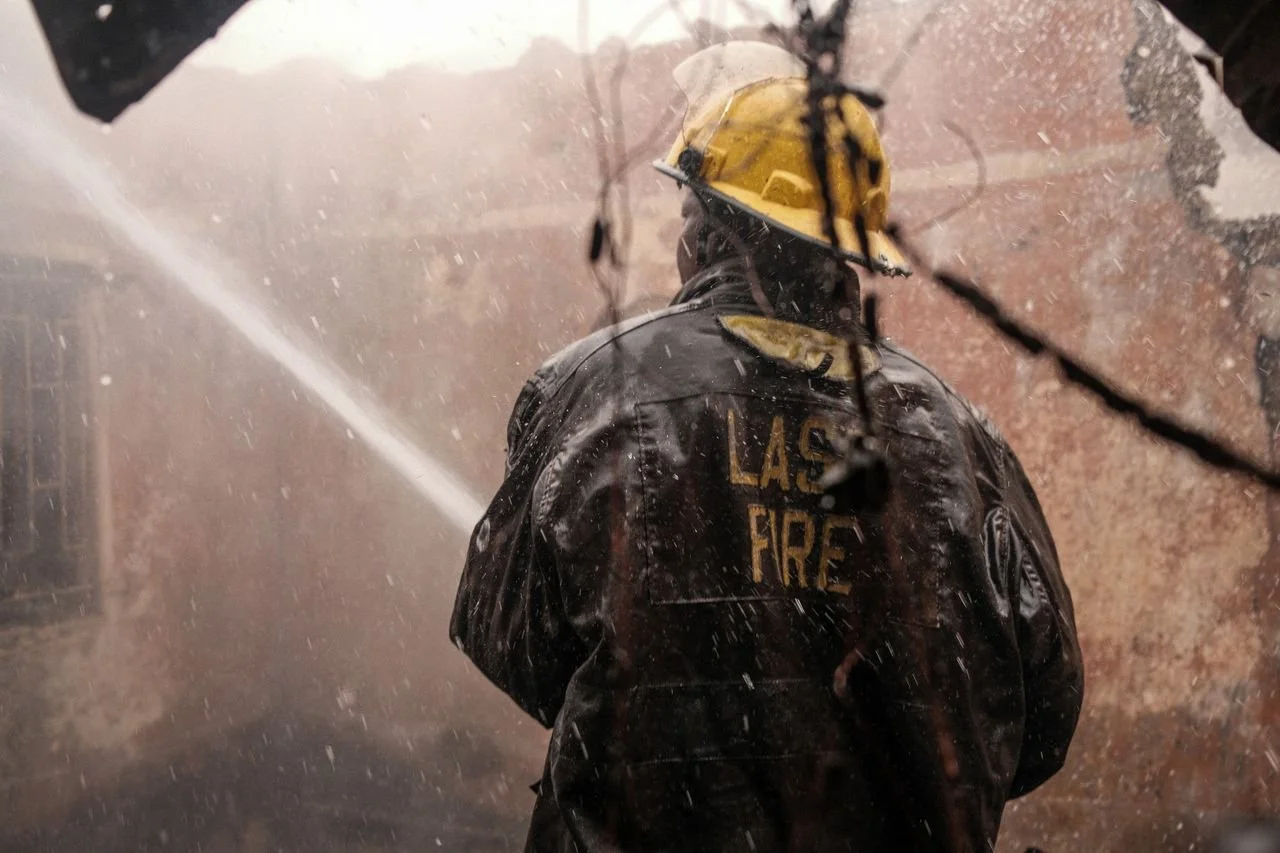
A fire produces more than visible flames and burned materials. Heat, smoke, soot, moisture from firefighting efforts, and airborne contaminants can all contribute to property damage. Smoke is particularly challenging because it can move through openings, ventilation systems, wall cavities, ceilings, and other pathways. Even areas that were never touched by flames may develop soot deposits or unpleasant odors.
Smoke Can Spread Beyond The Fire's Origin
Smoke naturally moves through a building, often following air currents and pressure differences. It can enter adjacent rooms, upper levels, attics, crawlspaces, and HVAC systems.
This means restoration professionals cannot assume that only the room where the fire occurred needs cleaning. They inspect surrounding areas to determine whether smoke has migrated into otherwise intact portions of the structure.
Soot Can Become More Difficult To Remove Over Time
Soot is a fine residue produced by incomplete combustion. Depending on what burned and how the fire behaved, soot may be dry, wet, oily, sticky, or powdery. Some residues can bond more strongly to surfaces as time passes. Heat and humidity may also contribute to staining, corrosion, or chemical reactions involving smoke residues. Prompt fire damage restoration gives professionals a better opportunity to remove contaminants before they cause additional damage.
How Do Professionals Assess Smoke Damage?
Before cleaning begins, restoration professionals typically conduct a detailed inspection. The goal is to determine what happened, where smoke traveled, which materials were affected, and what restoration techniques are appropriate.
Identifying The Type Of Smoke Residue
Different fires create different forms of smoke damage. Dry smoke, wet smoke, protein residue, and fuel-related residues can behave differently during cleaning. For example, dry smoke may produce fine particles that are easier to remove from some surfaces, while wet smoke can create a thick, oily residue that is more difficult to clean. Understanding the residue helps restoration technicians select appropriate cleaning methods rather than applying the same product or technique throughout the building.
Evaluating Surface And Material Conditions
Professionals also consider the material being cleaned. Painted drywall, unfinished wood, upholstery, carpeting, metal, glass, stone, electronics, and other materials can respond differently to cleaning agents and moisture. The objective is not simply to remove visible soot. It is to restore affected materials while minimizing additional damage.
Inspecting Hidden And Hard-To-Reach Areas
Smoke can settle inside cabinets, behind appliances, around fixtures, in ceiling spaces, and within HVAC systems. A thorough assessment therefore extends beyond easily visible surfaces. Professionals may also inspect insulation, ductwork, wall cavities, and other areas when conditions indicate that smoke has migrated into them.
How Is Soot Removed From Surfaces?
Soot removal is one of the most important parts of smoke damage cleanup. Professionals use a combination of mechanical cleaning, specialized products, and controlled techniques depending on the affected material.
Dry Cleaning Techniques
Some surfaces respond well to dry cleaning methods. Specialized sponges and other cleaning tools can capture loose soot without immediately spreading it across the surface. This approach can be useful when adding moisture could cause the residue to smear or penetrate deeper into a porous material.
Wet Cleaning
When the surface and residue are compatible with moisture-based cleaning, professionals may use specialized detergents or cleaning solutions. Wet cleaning can help dissolve or suspend oily and greasy residues that cannot be effectively removed through dry methods alone.
Abrasive Or Specialized Cleaning
Certain durable surfaces may require more intensive techniques. Restoration professionals assess the material first to determine whether mechanical agitation, specialized cleaning compounds, or other methods can safely remove the residue. The goal is controlled cleaning rather than aggressive scrubbing that could damage the underlying surface.
How Do Professionals Remove Smoke Odors?
Smoke odor can be one of the most persistent reminders of a fire. Odor molecules can become trapped in fabrics, insulation, wood, upholstery, carpeting, drywall, and other porous materials. Professional deodorization focuses on neutralizing or eliminating the source of the odor rather than simply masking it.
Removing The Source First
One of the most important principles of smoke odor removal is source removal. If soot, smoke residue, or contaminated materials remain in the property, deodorization alone may provide only temporary improvement. Professionals therefore combine cleaning with odor-control procedures.
Using Air Scrubbers And Filtration Equipment
Air filtration equipment can help remove airborne particles during restoration. High-efficiency filtration systems are commonly used to improve indoor air quality while cleaning and demolition activities are underway. Air scrubbers can be particularly useful when smoke particles remain suspended in the air or when restoration work could disturb settled contaminants.
Applying Specialized Deodorization Methods
Depending on the property and the extent of the odor, professionals may use specialized deodorization technologies. These can include hydroxyl generators, thermal fogging, or other treatments designed for appropriate applications. The selected method depends on the materials involved, the severity of the odor, occupancy considerations, and the restoration professional's assessment.
What Is Thermal Fogging?
Thermal fogging is a professional deodorization technique that uses specialized equipment to distribute a deodorizing solution in a fine fog. The concept is to allow the treatment to reach areas where smoke odor may have penetrated, including difficult-to-access spaces.
Why Thermal Fogging Can Help
Smoke odor can exist in places that ordinary surface cleaning cannot fully address. A professionally applied deodorizing treatment may help reach affected areas after the underlying residues have been removed. Thermal fogging should be performed by trained professionals using appropriate products and procedures for the property.
Why It Is Not A Substitute For Cleaning
Fogging should not be viewed as a shortcut for smoke damage cleanup. Applying deodorizer over untreated soot does not solve the underlying contamination. Effective restoration generally involves cleaning and source removal first, followed by appropriate deodorization.
How Are HVAC Systems Treated After Smoke Damage?
HVAC systems deserve special attention following a fire because they can distribute smoke particles throughout a building. If smoke enters ductwork, turning the system back on without evaluating it may potentially circulate contaminants into areas that initially appeared unaffected.
Inspecting Ductwork And Air-Handling Components
Restoration professionals assess accessible ductwork, registers, filters, air-handling equipment, and other components when smoke exposure is suspected. The extent of cleaning depends on the type of system and the level of contamination.
Replacing Contaminated Filters
Filters exposed to smoke may need to be replaced rather than simply cleaned. This helps prevent captured particles from being redistributed through the system.
Cleaning Appropriate HVAC Components
Depending on the circumstances, professional cleaning may be necessary for affected components and ductwork. Restoration technicians determine what can be safely cleaned and what requires additional attention. Proper HVAC assessment is an important part of comprehensive fire damage restoration because smoke contamination can extend well beyond the original fire area.
How Are Furniture And Personal Belongings Restored?
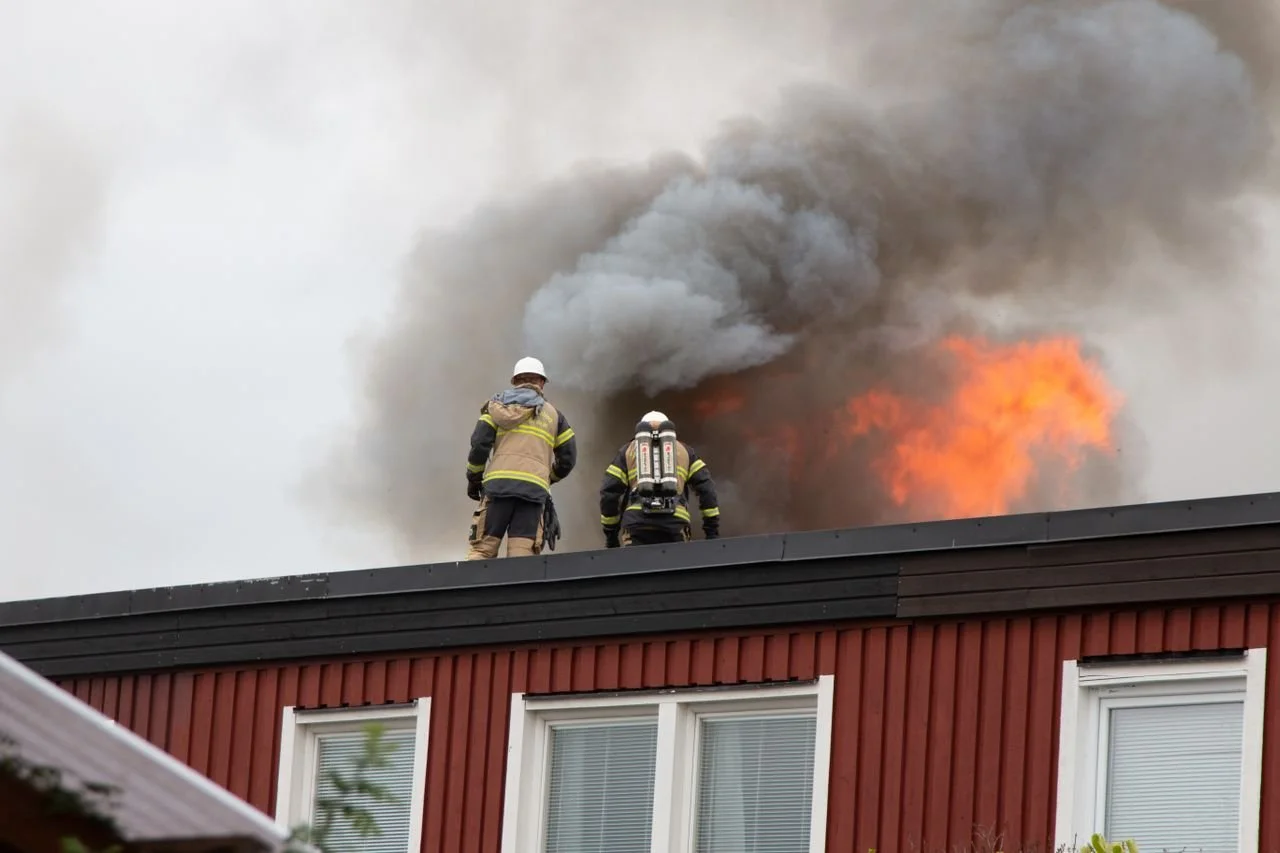
Not everything exposed to smoke needs to be discarded. Professional restoration can sometimes save furniture, clothing, documents, artwork, and other belongings.
Contents Cleaning
Contents may be removed from the affected area and evaluated individually. Restoration professionals consider the material, degree of smoke exposure, odor penetration, and condition of each item. Cleaning techniques may include specialized washing, dry cleaning, vacuuming, ultrasonic cleaning, or other restoration procedures depending on the object.
Fabric And Upholstery Restoration
Textiles can absorb smoke odor quickly. Carpets, curtains, upholstered furniture, bedding, and clothing may require specialized cleaning and deodorization. The sooner these materials are addressed, the better the opportunity may be to restore them.
Document And Specialty Item Restoration
Paper records, photographs, artwork, and other sensitive belongings require careful handling. Specialized restoration techniques may be used to stabilize and clean these items when feasible.
Because valuable or irreplaceable belongings can be particularly vulnerable after a fire, property owners should avoid automatically discarding smoke-damaged contents before they have been evaluated.
Why Is Fast Smoke Damage Cleanup Important?
Time matters after a fire. Smoke residues can continue affecting surfaces and belongings even after emergency crews have left.
Preventing Secondary Damage
Smoke residue can contribute to discoloration, corrosion, staining, and persistent odors. Prompt cleanup can help limit the amount of time these residues remain in contact with affected materials.
Reducing Persistent Odors
The longer smoke odor remains embedded in porous materials, the more challenging complete deodorization can become. Early cleaning and deodorization can improve the restoration process by addressing odor sources before they become more deeply established.
Protecting Salvageable Materials
Fast response allows restoration professionals to evaluate belongings and structural materials while restoration options are still available. Waiting can turn potentially restorable materials into items that require replacement.
What Should Property Owners Avoid After Smoke Damage?
Attempting to clean everything immediately may seem helpful, but some common approaches can make smoke damage worse.
Avoid Aggressive Scrubbing
Hard scrubbing can push soot deeper into certain surfaces or spread residue to unaffected areas.
Avoid Using Household Cleaners Without Guidance
A cleaner that works well for ordinary dirt may react poorly with smoke residue or damage a specific material. Restoration professionals select products based on the surface and contamination.
Avoid Covering Up Smoke Odors
Air fresheners and fragrances may temporarily mask odors without eliminating their source.
Avoid Operating Contaminated HVAC Equipment
If the HVAC system may have been exposed to smoke, professional evaluation is advisable before normal operation resumes.
Avoid Unnecessary Disposal
Some smoke-damaged belongings can be restored. Professional evaluation can help property owners determine which items are realistically salvageable.
How Does Professional Fire Damage Restoration Restore The Property?
Smoke cleanup is only one part of the broader restoration process. Depending on the severity of the fire, professionals may also address structural damage, water damage from firefighting, damaged materials, and reconstruction.
Stabilizing The Property
The priority is making the property safe and preventing additional damage. This may involve securing openings, limiting access to damaged areas, and addressing immediate hazards.
Removing Damaged Materials
Materials that cannot be economically or safely restored may need to be removed. This can include severely damaged drywall, insulation, flooring, cabinetry, or other components.
Cleaning And Deodorizing
Once damaged materials are addressed, restoration teams clean remaining surfaces and contents, remove soot, and perform appropriate deodorization.
Completing Repairs And Reconstruction
The final stage may involve replacing damaged materials, repairing surfaces, repainting, reinstalling fixtures, and rebuilding affected areas. A qualified fire damage restoration company can coordinate these stages so the property moves from emergency cleanup toward complete recovery.
Why Professional Smoke Damage Restoration Matters
Smoke damage can look deceptively simple. A wall may appear to have only a light layer of discoloration, while odor and residue may exist throughout adjacent rooms or hidden spaces. Professionals bring specialized equipment, cleaning systems, restoration knowledge, and experience in evaluating different types of damage.
Professional Equipment
Restoration companies may use commercial air scrubbers, HEPA-filtered vacuums, specialized cleaning equipment, moisture meters, deodorization equipment, and other tools.
Material-Specific Techniques
Different materials require different approaches. Professional restoration focuses on matching the cleaning method to the surface rather than applying a universal technique.
Comprehensive Assessment
A professional inspection can identify damage that is not immediately visible to the property owner. This is particularly important for HVAC systems, insulation, concealed areas, and porous materials.
Documentation And Restoration Planning
Professional restoration companies can also document affected areas and develop a structured plan for cleaning, contents restoration, repairs, and reconstruction.
What Factors Affect Smoke Damage Restoration Costs?
The cost of smoke damage restoration varies significantly from one property to another. Factors can include the size of the affected area, severity of the fire, type of smoke residue, materials involved, extent of odor penetration, HVAC contamination, contents damage, structural damage, and the amount of reconstruction required.
Extent Of Contamination
A localized fire with limited smoke migration may require less extensive cleaning than a larger fire affecting multiple rooms or floors.
Type Of Materials Affected
Porous materials can be more challenging to restore than smooth, nonporous surfaces because smoke and odors can penetrate below the surface.
Duration Before Cleanup
The amount of time between the fire and professional restoration can also influence the condition of affected materials.
Required Restoration Services
Some properties require only smoke and soot cleanup, while others require water extraction, demolition, contents restoration, structural repairs, and reconstruction. An on-site assessment is the best way to determine the appropriate scope of work.
When Should You Call A Fire Damage Restoration Professional?
Property owners should consider contacting a professional fire damage restoration company as soon as the property has been declared safe for entry by the appropriate authorities. Even when the fire appears minor, smoke and soot can travel beyond the visibly damaged area.
Call Promptly After The Property Is Safe
Early professional intervention can help identify hidden smoke contamination and begin cleanup before residues cause additional damage.
Seek Professional Help For Strong Smoke Odors
Persistent odor often indicates that smoke has penetrated porous materials or reached areas that ordinary cleaning cannot adequately address.
Get An Assessment When HVAC Systems Are Involved
Because HVAC systems can distribute smoke throughout a building, professional evaluation is particularly important when smoke exposure is suspected.
How Can Property Owners Choose A Fire Damage Restoration Company?
Selecting the right restoration provider is an important part of recovering after a fire.
Look For Fire And Smoke Restoration Experience
Choose a company with experience handling fire, smoke, soot, odor, contents, and structural restoration.
Ask About Our Restoration Services
A reputable provider should be able to explain how the property will be inspected, cleaned, deodorized, and restored.
Confirm That The Company Uses Appropriate Equipment
Professional restoration requires more than ordinary household cleaning supplies. Ask what equipment and methods will be used for air filtration, soot removal, odor control, and contents restoration.
Prioritize Clear Communication
Fire damage can be overwhelming. A restoration company should communicate clearly about the condition of the property, recommended services, expected steps, and restoration priorities.
Conclusion
Professional smoke damage restoration is a detailed process that goes far beyond wiping soot from walls or covering unpleasant odors with fragrance. Smoke can travel through a property, settle on surfaces, penetrate porous materials, contaminate HVAC systems, and leave odors that persist long after a fire has been extinguished.
Professionals begin by evaluating the type and extent of smoke damage. They then use material-specific cleaning methods, specialized equipment, air filtration, contents restoration, and appropriate deodorization techniques to address contamination at its source. When necessary, they also coordinate damaged-material removal, structural repairs, and reconstruction.
Fast action is one of the most important factors in the restoration process. Prompt fire damage cleanup can help limit secondary damage, protect salvageable belongings, reduce persistent smoke odors, and improve the chances of restoring affected materials.
If your property has experienced fire, smoke, or soot damage, professional assessment can provide a clearer understanding of what can be cleaned, what can be restored, and what needs to be replaced. A qualified fire damage restoration team can help turn a difficult post-fire situation into a structured path toward a cleaner, safer, and fully restored property.
Frequently Asked Questions
1. Can Smoke Damage Be Completely Removed After A Fire?
In many situations, professional restoration can substantially reduce or eliminate visible smoke residues and persistent odors. The outcome depends on factors such as the type of smoke, materials affected, severity of contamination, and how quickly restoration begins. Severely contaminated or damaged materials may sometimes require replacement.
2. How Long Does Smoke Odor Remain After A Fire?
Smoke odor can remain for weeks, months, or longer if the underlying residue is not properly removed. Porous materials such as upholstery, carpeting, wood, insulation, and drywall can absorb smoke particles and odors. Professional cleaning and deodorization can address these sources more effectively than masking products.
3. Can I Clean Smoke Damage Myself?
Minor surface residue may sometimes be cleaned by a property owner, but extensive smoke damage is better evaluated by a professional. Improper cleaning can spread soot, damage surfaces, or leave hidden contamination untreated. Professional restoration is especially important when smoke has affected HVAC systems, porous materials, multiple rooms, or personal belongings.
4. Do All Smoke-Damaged Items Need To Be Thrown Away?
No. Many belongings can potentially be cleaned and restored depending on their material and condition. Furniture, clothing, carpeting, documents, and other contents should be evaluated before being discarded whenever practical. Professional contents restoration can sometimes save items that initially appear heavily affected by smoke.
5. Why Should I Hire A Professional Fire Damage Restoration Company?
Professional restoration companies have the equipment, cleaning methods, deodorization technology, and experience needed to address smoke, soot, odor, and related fire damage comprehensively. They can also identify hidden contamination and coordinate cleaning, contents restoration, structural repairs, and reconstruction, helping property owners avoid incomplete cleanup and unnecessary replacement.
------------------------------------
Fire Damage Can Be Devastating; Professional Restoration Makes The Difference
Fire damage can turn your home or business upside down in a matter of minutes. Even after the flames are extinguished, the damage can continue through smoke, soot, odors, water from firefighting efforts, and hidden damage inside walls, ceilings, and other structural areas. Acting quickly can help limit further deterioration and reduce the scope and cost of repairs.
Professional fire damage restoration addresses more than what you can see on the surface. Using specialized equipment and proven restoration techniques, affected areas can be inspected, cleaned, deodorized, dried, and restored. Smoke and soot residue may travel far beyond the immediate fire area, which makes a thorough assessment an important part of returning the property to a safe, clean, and usable condition.
At ARC Water Damage, our experienced team responds quickly to fire damage emergencies and guides you through every step of the restoration process. We work efficiently, communicate clearly, and coordinate with your insurance company whenever possible to help make the recovery process as smooth and manageable as possible.
If your home or business has suffered fire, smoke, soot, or related water damage, don't wait to begin the restoration process. Call ARC Water Damage today at (877) 437-9225 for professional fire damage restoration and fast, reliable service.
Disclaimer
The information provided on this website is for general informational and educational purposes only and is not intended to serve as professional restoration, environmental, or insurance advice. Every water, fire, or mold damage situation is unique, and you should consult with a qualified restoration professional regarding your specific property and conditions. Do not take action or delay action based solely on the content of this website without seeking appropriate professional guidance.
While we strive to provide accurate and up-to-date information, restoration methods, safety standards, and industry practices may change over time. The content on this website may not reflect the most current procedures or recommendations. ARC Water Damage makes no guarantees regarding outcomes based on the use of this information.
By using this website, you agree that ARC Water Damage is not liable for any actions taken or not taken based on the information provided, to the fullest extent permitted by law.