
What is it like to go through a professional water damage restoration process? Expert crews begin with a detailed inspection to locate all moisture and hidden damage. They use powerful pumps and air movers to extract standing water and expedite the drying of floors and walls. Then they clean and apply antimicrobial treatments to prevent mold and odor. Crews discard damaged items and repair any part of the structure that has become saturated. Every step adheres to safety guidelines and employs industry-tested equipment for optimal results. To help owners feel secure, crews text updates and coordinate with insurance as necessary. I’ll take my own advice and walk you through an actual professional water damage remediation service, step by step.
Key Takeaways
This is why it’s so important to quickly call in a professional water damage restoration company because rapid response and accurate information reduce property loss and keep everyone safe.
The restoration process follows a structured, multi-step approach involving assessment, water extraction, drying, cleaning, sanitizing, and final repairs. Each step requires specialized knowledge and equipment.
Identifying the category of water contamination, either clean, gray, or black, determines the required safety measures and remediation techniques to ensure a thorough restoration and the well-being of those living in the area.
What you don’t know, structural integrity, electricity, and hidden water, needs to be inspected and mitigated by professional water mitigation specialists to prevent issues like mold or collapse.
Having handled thousands of insurance claims, we know what it takes to get your claim approved and covered. This includes thorough documentation, direct communication with your insurer, and clear evidence of timely mitigation.
Trying to DIY the restoration is dangerous and could cause further harm or health risks. Trusting experts who come equipped with advanced technology and know-how is critical to comprehensive and safe remediation.
The Initial Response
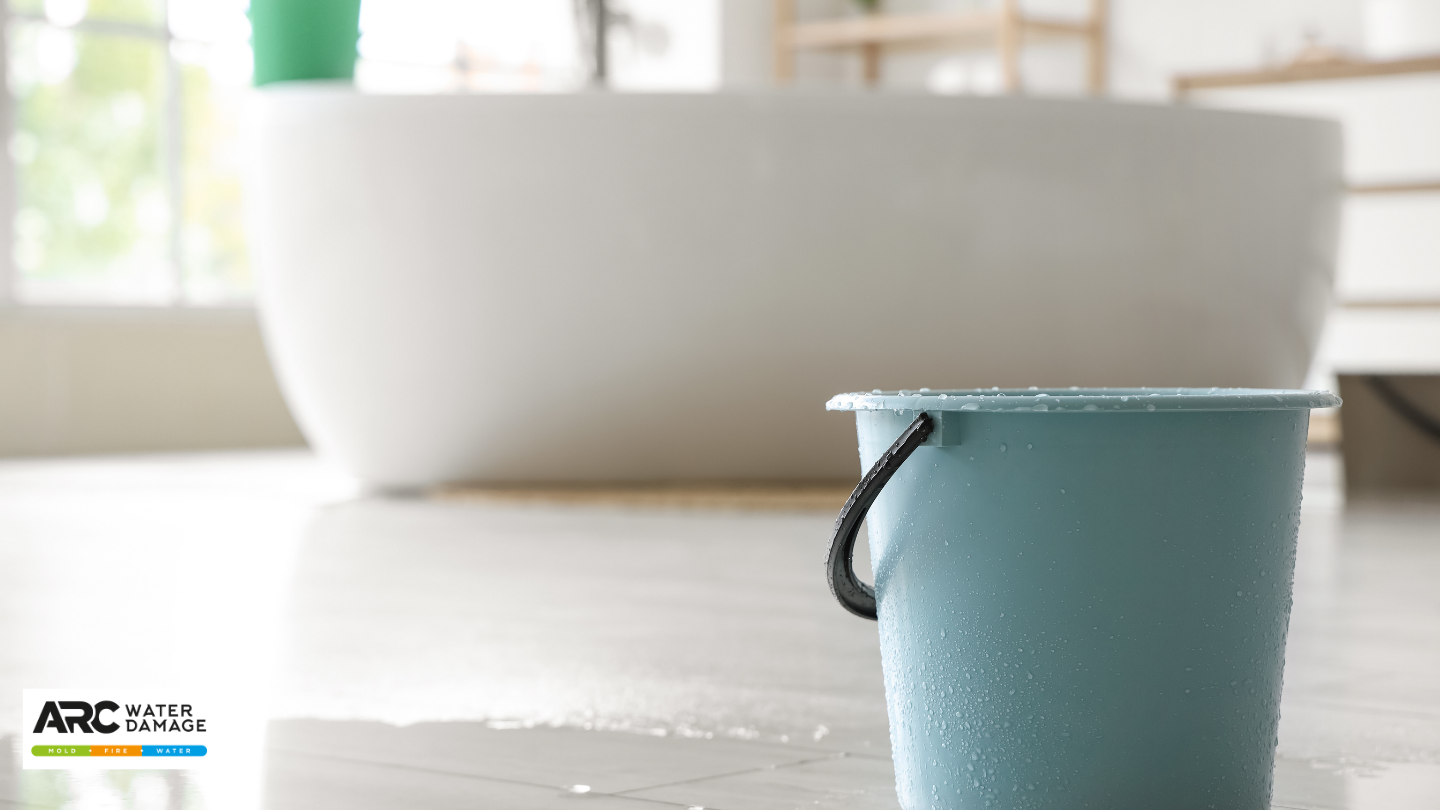
A rapid and efficient first response is the key to minimizing the spread of water damage in a structure. Calling a professional restoration company the moment you spot water damage can help keep repair costs down and prevent secondary issues like mold growth or structural concerns. Most good companies have 24-hour emergency service, so a team can often be on your property within the hour. Time is of the essence, as water permeates wood, drywall, and floors, and within one to two days, mold or bacteria have the potential to grow if the area remains wet. By providing obvious information regarding the source and amount of the damage, you assist the restoration crew in determining how to approach the problem. Before their arrival, shifting valuables and electronics to a dry, secure location can avoid additional loss.
Your First Call
When you’re calling a restoration company, the details you provide dictate their initial reaction. Describe for them where the water originated, how large an area was affected, and if you notice standing water or moisture. This assists the team in knowing what equipment and personnel to dispatch. Key questions to ask during your first call:
How quickly can you be on-site?
Do you provide 24-hour emergency water damage service?
Have you handled similar situations before?
Can you work with my insurance provider?
How do you restore my specific type of water damage? When we know when to expect the team, we can clear the way and plan for a quick start. Verify that the business has handled your particular water issue, such as a pipe burst, roof leak, or flooding.
On-Site Arrival
Greet the crew and point out any rooms or areas that seem saturated or flooded. They will verify the comprehensive damage, not just what you observe on the exterior. They’ll seek out any concealed water in floors or walls and determine where the water has gone. They leverage moisture meters and thermal cameras for a complete evaluation. You might see them querying or jotting down notes. If you have any concerns, such as allergies, pets in the home, or special furniture, share these immediately. The team will discuss their findings and next steps with you. This preliminary review is the foundation for the comprehensive renovation strategy.
Safety Inspection
The salvage crew scouts for acute hazards before any restoration.
They check circuits and cut power if there is danger of shock.
The team scans for red flag indicators of structural compromise, such as sagging ceilings or warped floors.
Technicians sample the water to determine if it is clean, gray, or black (contaminated).
Dangerous goods, such as asbestos or chemicals, are marked for special treatment.
Safety helmets, gloves, and masks are part of protective equipment worn to safeguard everyone on-site.
We put up barriers or warning signs to keep people out of harm’s way.
The Professional Water Damage Restoration Process
Here’s a general overview of the critical steps a professional water damage restoration process undergoes. Every step is orchestrated with the water type, the damage extent, and the building materials in mind. Professional water damage restoration is essential to ensure safety, stop mold growth, and restore your home or business to a healthy, livable condition. Clients and the restoration team stay in touch with one another as this process continues.
1. Damage Assessment
After a water damage claim, trained technicians inspect floors, walls, ceilings, and all exposed surfaces. With moisture meters and thermal imaging cameras, they find water concealed behind walls or beneath flooring. From there, the team categorizes the water damage. Category one comes from a clean source, such as a burst pipe; category two comes from greywater, or category three comes from contaminated black water. Following the inspection, a detailed report is presented. This provides them with the scope of work, estimated costs, and what they may have to remove and replace.
2. Structural Water Removal
The very next thing is to get rid of standing water quickly. Crews employ pumps, powerful wet vacuums, and even truck-mounted extraction units at times. The idea is to get as much water extracted as possible to immediately halt additional damage and mitigate mold risk. The procedures may vary depending on the water category. For dirty or contaminated water, specific containment and disposal techniques are used. Extraction can typically be completed in a matter of hours, laying the foundation for drying.
3. Structural Drying Process
Drying begins as soon as water is removed. They deploy industrial dehumidifiers and high-speed fans throughout the space. They monitor humidity with meters and modify for drying. Porous materials like drywall can take days to a week to dry, depending on how much water they absorbed. All affected areas are monitored daily until moisture levels return to safe readings.
4. Cleaning And Disinfection
In other words, the guys wash everything they can with detergents and antimicrobials. Contaminated materials, such as saturated carpets or drywall, are securely extracted. This is critical as mold and bacteria develop in 24 to 72 hours. Sanitizing gets the place safe to be in again.
5. Final Repair Stage
Repairs come after cleaning, such as replacing drywall, painting, and occasionally major reconstruction. Cosmetic fixes are combined with structural work when necessary. Before job sign-off, a final inspection verifies that the property is safe and of top quality.
Understanding Water Contamination
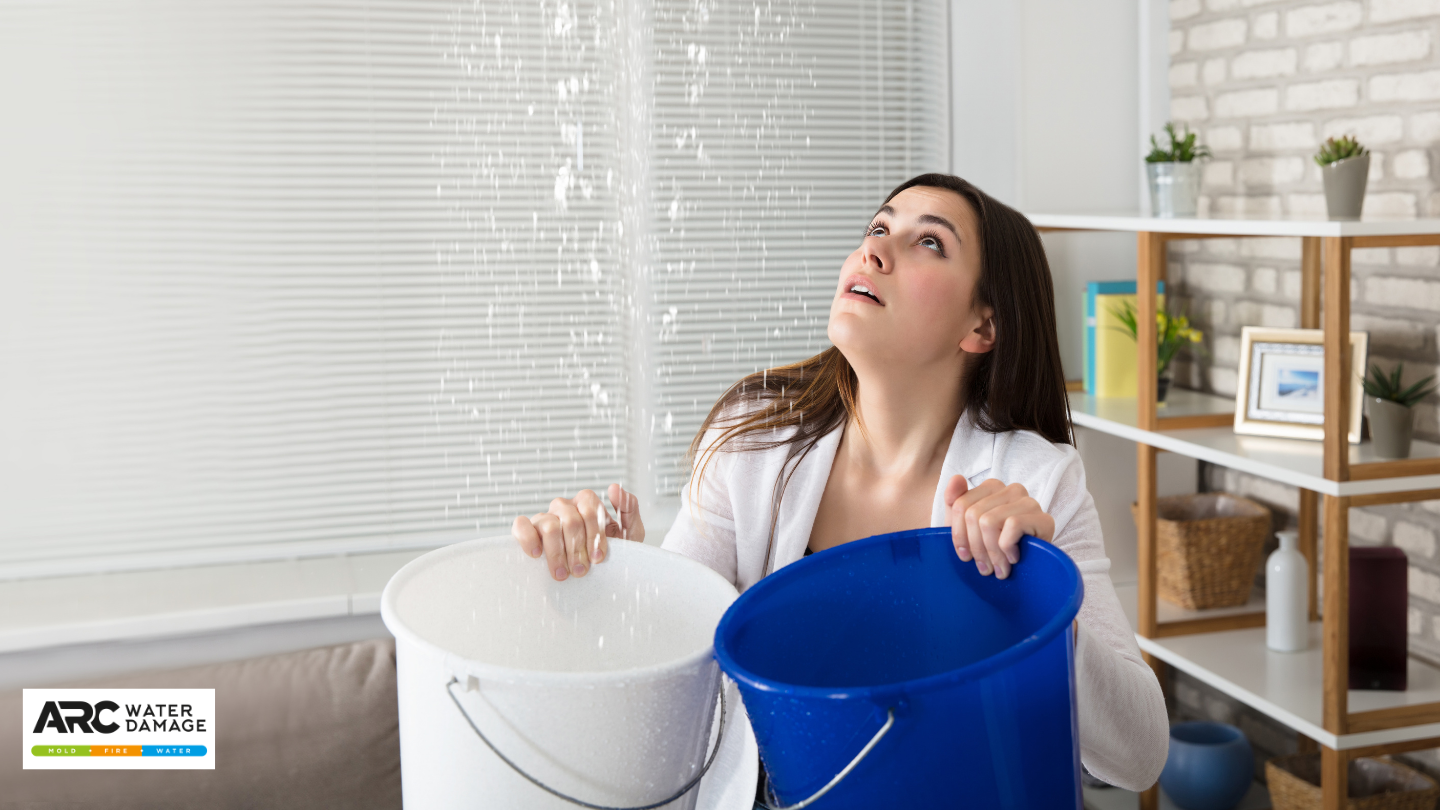
Water contamination in a restoration scenario is classified into three categories, each with its own risk, remediation protocols, and direct effect on costs and safety. Identifying the category of water is an important initial priority, as it dictates every other decision during professional restoration, from how quickly extraction is necessary to whether protective gear or relocation is required. An improperly conducted inspection can pose health risks, including mold and structural issues, so accurate identification is paramount. Restoration costs rise with contamination: clean water averages $3 to $4 per square meter, while black water can exceed $7.50. A fast, educated response is key, particularly since mold can manifest in as little as 24 to 48 hours. Restoration needs to adhere to rigid protocols for every contamination level to protect occupants and technicians.
Clean water (Category 1): From broken pipes or rainwater, the lowest health risk.
Gray water (Category 2): From appliances or sinks, it may contain chemicals or microbes.
Black water (Category 3): Sewage or floodwater, high risk, needs strict measures.
Uncontaminated Water
Water Type
Clean water damage tends to be significantly less severe and more readily restorable. Immediate removal and drying should be your primary concern. Mold can indeed grow quickly, so acting quickly is essential. While most of us can remain in the house during repairs, the equipment is loud, and moisture checks are necessary every few hours. Water damage risks are minimal, but that sneaky water needs to be discovered and dried to prevent future headaches.
Used Household Water
Gray water is from sinks, showers, and laundry drains. Now it’s not clean water; it has some dirt, soaps, or mild chemicals in it. Recovery means additional cleanup and cautious disinfection. Just one quick error could allow bacteria or mold to creep up. Techs have to glove up and mask up for cleaning. Professional expertise is crucial because gray water handling is not DIY safe.
Highly Contaminated Water
Black water originates from sewage lines or river floods. It’s teeming with nasty microbes, chemicals, and waste. It’s a serious health hazard; touching it or inhaling near it can make you sick. Stringent safety regulations require employees to wear complete PPE. Homes with black water damage might have to be vacant for days or weeks. Cleanup is slow, costly, and must satisfy government standards. Speed is of the essence because mold and structural damage intensify by the hour.
The Unseen Dangers
Water damage does not merely ravage the obvious. It comes with risks that can compromise structures and threaten health. Issues tend to remain underground, multiplying rapidly and increasing expenses if not nipped in the bud. As water sits longer, the safety and health risks increase. Swift, cautious intervention is crucial to prevent enduring damage.
Structural Risks
Water deteriorates wood, metal, and concrete. You might observe doors sticking, cracked walls, or sagging ceilings. These are symptoms of something more serious lurking below. The unseen dangers restoration teams verify the structural integrity of floors, walls, and ceilings, even where damage is not apparent. They stab with probes for soft or hidden rot.
If perforation is deep, repairs can require tearing out and replacing walls. Waiting can cause collapse or unsafe spaces. Urgency is required to make the building safe to occupy. Tackling these risks early saves money and prevents damage from spreading.
Electrical Hazards
Water and electricity are a lethal combination. Outlets, wires, and panels can hold water long after a flood has passed, which can result in shocks, fires, or complete meltdown. Any area that got wet should be checked before power is restored.
Restoration crews begin by shutting off power to wet areas. They check for frayed wires, rusted panels, or shorts. Let licensed electricians deal with the fixes. This reduces the likelihood of harm or further damage. Never attempt to repair wet electrical systems on your own!
Hidden Moisture
Moisture can lurk beneath floors, within walls or behind tiles. Mold and bacteria begin thriving rapidly, often within one day. It can lead to breathing issues or allergies. The unseen dangers of hidden water damage have the tendency to spread silently, making for more difficult and costly repairs if undetected.
They employ experts equipped with meters and thermal cameras to locate water intrusions that are unseen and unfelt. Full checks have to dig beneath the surface. If moisture remains, repairs won’t endure, and mold will revisit. Ensuring everything is dry is the sole path to recovery of a safe, healthful space.
Handling Claim Process
Water damage restoration often involves complex insurance procedures. Understanding these steps prepares homeowners to protect their interests and secure fair compensation. Every claim starts with quick action: stop the water source immediately, take clear photos and video, and contact a certified water damage professional for an assessment. A professional restoration team will identify the damage category and scope, which is vital for both mitigation and your claim. Knowing your policy coverage, exclusions for issues like long-term leaks or sewage, and any special deductibles will help you plan. Filing a claim is a strategic decision. Minor claims might not be worth it due to premium increases or risk of non-renewal. Most water damage claims average nearly $14,000, making it essential to document everything and act fast.
Detailed Documentation
Take clear photos and videos of all visible damage.
Save restoration company assessment reports and moisture readings.
Hang on to every receipt for repairs, cleaning, and drying equipment rental.
Make an inventory of all the damaged items along with their approximate value and purchase date.
Restoration companies regularly generate reports describing damage, what was done to prevent more, and their estimate of the class of water. This objective evaluation undergirds your claim and demystifies the restoration process.
Photos are your best friend. Floors, walls, furniture, and structural elements. Photo documentation aids if you have to navigate with your insurer or fight a settlement offer.
Receipts for all services and supplies consumed during cleanup. These can be for professional fees, drying equipment, and materials for immediate repairs. This will aid reimbursement and accelerate the claim process.
Direct Communication
Reach out to your insurance adjuster early to keep things transparent.
Restoration companies ought to provide daily progress reports with major milestones such as water removal, drying, and mold remediation. This keeps everyone informed and on the same page.
Query your insurer about your coverage, exclusions, and deductible. Address any issues immediately to prevent miscommunication.
Know your policy, and read it carefully. Navigate insurance claims. Know what is and isn’t covered, including special limits for water damage or escape of water clauses.
Proof Of Mitigation
Rapid response counts. Offer reports and receipts that demonstrate you initiated mitigation at the earliest opportunity. Incorporate date-stamped photos and logs.
Restoration teams should provide you with evidence of their work, such as drying logs, equipment lists, and certifications.
Rapid mitigation is usually a requirement for insurance policies, as delaying it can either decrease claim payments or cause them to be denied. When properties are dried within hours, they sustain less damage and experience faster and more thorough recovery.
File everything quickly. Save copies for yourself in case you need to appeal or negotiate your claim.
Why DIY Is A Gamble
When confronted with water damage, the DIY option may be an enticing prospect. The risks and hidden costs can eclipse the apparent savings. Water damage is seldom simple. The issues go beyond face value. If you attempt to repair it yourself, you could be facing more than soggy carpets or flaky paint. Restoration typically involves processing unstable structures, working with electrical systems, and contaminated water, all of which present their own hazards.
DIY attempts tend to stretch on much longer than expected. Without the right tools, such as moisture sensors and industrial-grade pumps, it’s hard to get all of the water out and dry the area. Delays provide a chance for mold to sprout, wood to swell, and paint to bubble. In 48 hours, untreated water damage causes swollen floors, ruined walls, and even more structural problems. These environments can foster unsafe living spaces, particularly if you overlook concealed water pockets behind walls or beneath floors. Without a knack for identifying these trouble zones, the harm can continue to worsen, and by the time you notice, fixing them can be much costlier.
One other hazard is the various kinds of water damage. Clean water feels so innocent, but grey water and black water have all kinds of scary stuff in them. Professionals know to treat them all safely. If you’re not trained to distinguish, you could be unknowingly distributing bacteria or toxins throughout the home. If the water originates from sewage or storm runoff, a substandard cleanup could pose life-threatening dangers to the entire household.
The work seldom consists only of drying. You have to inspect the building’s frame, check for concealed dampness, and ensure the air is healthy to inhale. Without this knowledge, it’s easy to miss issues that fester over months, such as mold lurking in walls or compromised support beams. Scrambling to repair these problems later usually winds up being more expensive than hiring out the work in the first place.

Conclusion
Here’s what occurs during a pro water damage restoration. They detect the leaks, employ powerful pumps, dry every surface, remove mold, and inspect for concealed damage. Every step adheres to strict safety guidelines and maintains your home safe for you and your family. The equipment they employ extracts water quickly and detects hidden moisture. They assist with paperwork and communicate directly with your insurance. Addressing water damage involves more than simply drying a floor. It means keeping your home solid and secure. For any major leak or flooding, trust the pros who know how to do it right the first time. Contact us if you want to keep your home or office safe and dry.
Frequently Asked Questions
1. What Are The First Steps In Professional Water Damage Restoration?
Experts immediately evaluate the damage, locate the source of water, and prevent additional water penetration. Taking swift action prevents mold and structural damage.
2. How Long Does The Water Damage Restoration Process Take?
It’s generally a few days to a week. How long does professional water damage restoration take?
3. Why Is Water Contamination A Concern During Restoration?
Contaminated water can bring in bacteria, chemicals, and toxins. Professionals come in with professional-grade safety gear, disinfectants, and drying equipment to get everything safe and cleaned up.
4. What Hidden Dangers Can Water Damage Cause?
Water damage can compromise structures and foster mold. Both present severe health and safety hazards if not remediated promptly and expertly.
5. What Information Do I Need For An Insurance Claim After Water Damage?
Collect photos and repair estimates, as well as documentation of the damage. Clean records assist your claim and expedite the process.
6. Why Is It Risky To Handle Water Damage Restoration Yourself?
DIY restoration overlooks concealed moisture and contamination. This increases the threat of mold, structural damage, and more expensive repairs down the road.
7. How Do Professionals Detect Unseen Water Damage?
They are trained to seek out hidden moisture, using tools like moisture meters and infrared cameras to detect water lurking behind walls and under floors.
Facing Water Damage? Fast Water Damage Restoration Makes All the Difference
Water damage doesn’t stay contained. It spreads behind walls, under flooring, and into places you can’t see, causing structural issues and creating the perfect environment for mold. What starts as a small leak or minor flood can quickly turn into a much bigger problem if it isn’t handled immediately. The longer it sits, the more expensive and disruptive it becomes.
Professional water damage restoration stops that process in its tracks. With rapid response, specialized equipment, and a proven process, the water is removed, moisture is fully dried, and your property is cleaned and restored before further damage sets in. You don’t have to guess what to do or deal with the stress alone. The right team takes over, handles the details, and works with your insurance to move things forward quickly.
If you’re dealing with water damage, now is the time to act. A fast response can mean the difference between a simple restoration and a major rebuild. Call ARC Water Damage today at (877) 437-9225 for immediate water damage restoration and get your home or property back to normal as quickly as possible.
Disclaimer
The information provided on this website is for general informational and educational purposes only and is not intended to serve as professional restoration, environmental, or insurance advice. Every water, fire, or mold damage situation is unique, and you should consult with a qualified restoration professional regarding your specific property and conditions. Do not take action or delay action based solely on the content of this website without seeking appropriate professional guidance.
While we strive to provide accurate and up-to-date information, restoration methods, safety standards, and industry practices may change over time. The content on this website may not reflect the most current procedures or recommendations. ARC Water Damage makes no guarantees regarding outcomes based on the use of this information.
By using this website, you agree that ARC Water Damage is not liable for any actions taken or not taken based on the information provided, to the fullest extent permitted by law.