
What Should You Do Immediately After Water Damage Restoration Is Needed In Walnut Creek, CA?
Knowing what to do right after water damage restoration is needed in Walnut Creek, CA, is to begin with a defined strategy for your safety and your space. Immediate actions are important because water can damage walls, floors, and belongings in a matter of hours. First of all, stop the water if it is safe, and then move small things out of it. If power is safe to use, use fans to help dry wet areas. Contact a local water damage restoration service to assist with cleanup and repairs. Document damage with photos for insurance. Professional help guarantees all water gets extracted and minimizes mold hazard. The following sections provide additional steps to keep you safe and save your space.
Key Takeaways
Acting immediately after water damage is a matter of safety and preventing greater damage. Take stock of the risks and protect yourself as soon as possible.
Put the safety of all occupants first. Turn off the electricity. Use protective gear. Avoid structurally compromised zones.
Immediately locate and halt the ingress of water, noting its source and isolating the area to limit further flooding or contamination.
Thorough documentation, including photographs, inventories, and receipts, is key to both insurance claims and effective restoration planning.
Call early to get expert water damage restoration in Walnut Creek, CA, that can help you mitigate the problem and regain control.
We work quickly to extract water, circulate air, and dehumidify to avoid mold development and long-term structural and health complications for everyone in the building.
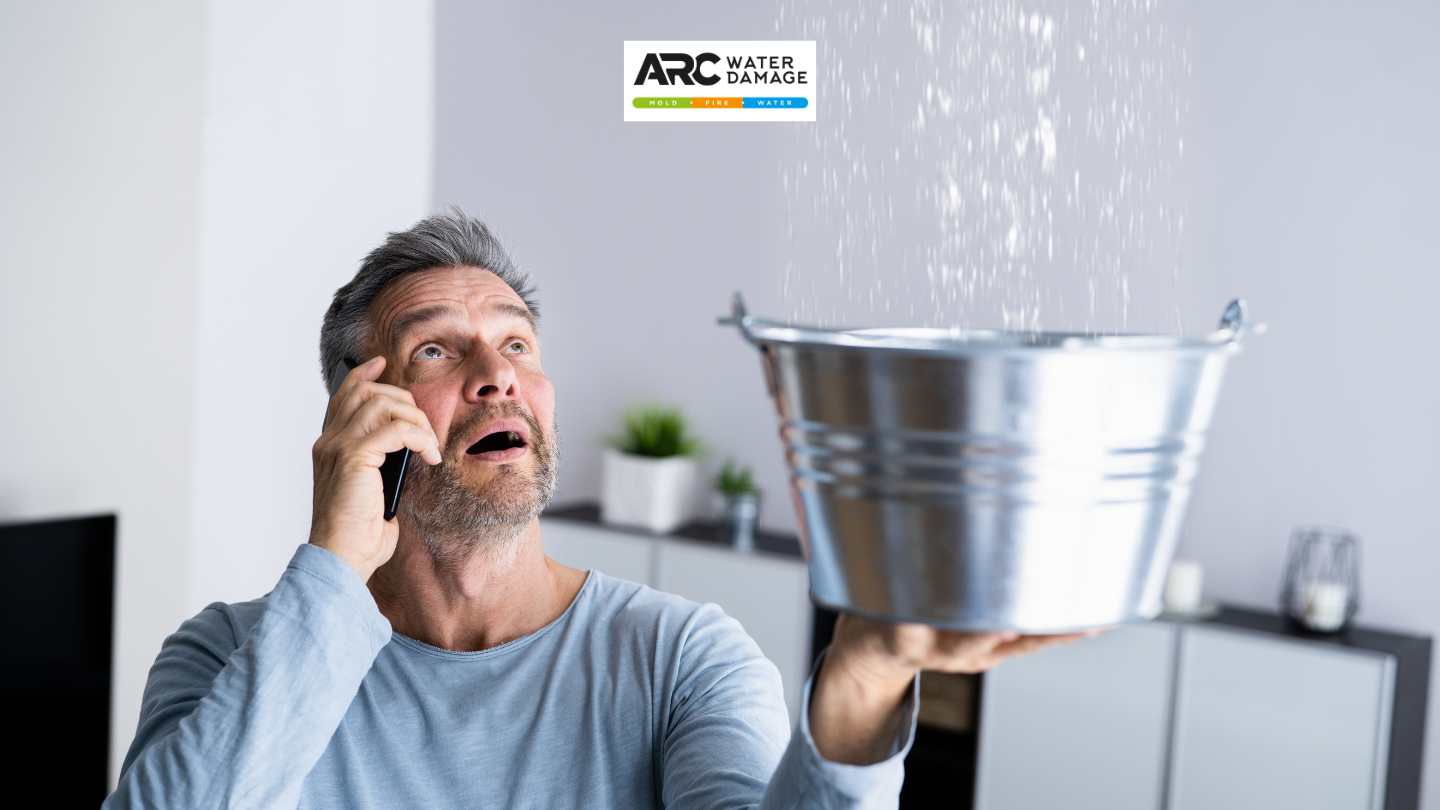
Your Immediate Water Damage Response
Minutes count after water damage. Immediate action can reduce mold risk, preserve your property, and save you money. Whether it’s a burst pipe, storm flooding, or appliance leak, these steps are best practice everywhere in Walnut Creek, CA, and the world.
1. Control Safety Risks
Turn off the power in wet areas with the home’s circuit breaker to prevent electrical shock. Do not enter any room with water without gloves, boots, and a mask. Stay away from rooms with buckled floors or sagging ceilings, as these indicate structural movement. Keep kids and pets away from the scene until a specialist has inspected.
2. Isolate Leak Source
Locating the source is crucial. Be on the lookout for leaking pipes, defective appliances, or roof leaks. If it’s a pipe, turn off the main valve. Use a wrench if necessary. Cover roof or window leaks with plastic or tarps until repairs can be made. Immediately take some photos of the source before doing fixes, as this documentation will be important to your insurance and restoration crews.
3. Document Evidence
Take pictures of each wall and floor, each item, both close-up and from a distance. Inventory all damaged items, including computers, books, or furniture, and include brand, make, and condition. Document when you located the damage and provide a before-and-after account. Save receipts for supplies, repairs, or services, as these back up insurance claims.
4. Protect Valuables
Move valuables such as laptops, important documents, keepsakes, and more to a dry, safe area. Elevate electronics on high shelves or pile boxes to keep them above the water line. Place papers and mementos in boxes or waterproof bags. For irreplaceables, use a lockable, waterproof case until repairs are complete.
5. Make First Calls
Contact your insurance company first to initiate a claim and receive guidance. Contact a professional water damage restoration company to initiate anything from rapid structural drying within the first 24 hours, if possible, since mold can emerge quickly. If you lease, contact your landlord or property manager. If you confront exposed wiring, gas leaks, or unsafe structures, call 911.
Prioritize Personal Safety
Personal safety is the most important when water damage strikes. Water can conceal unseen hazards, such as electrical shock or compromised flooring. Make sure to look down before you step! If you figure the stakes are elevated, like electrical work that’s soaked or flooded, evacuate and call for assistance. Make two calls: one to a water damage restoration expert and another to your insurance agency. If water is still coming in or sewage is involved, move quickly to protect yourself and minimize additional damage.
Live Electrical Risks
Electricity and water are a lethal combination. First, shut off the main power if you can access it safely and are not standing in water. Don’t ever unplug or touch an appliance or device that’s wet or half-submerged. Try to stay away from all outlets and switches in wet areas until a professional has looked at them. Opt for battery-powered lamps or flashlights rather than candles, as candles can ignite fires in unstable locations. When in doubt, have a professional electrician come check and repair any wiring or outlets that might have been impacted.
Structural Integrity Risks
Water can compromise floors, walls, and ceilings rapidly. Look for sagging ceilings, soft or warped flooring, and cracks in walls. If you spot any of these, stay out. One vulnerability can compromise the entire area. Report anything that seems unsafe to a professional so they can investigate. Wait for their green light before beginning any cleanup or repairs. Don’t attempt to relocate heavy objects or tread on loose debris. If you feel uncertain at any point, it’s best to leave it to the professionals.
Contaminant Exposure
It’s the kind of water that counts. Clean water is less dangerous. Gray or black water, such as sewage or flooding, may contain dangerous bacteria and chemical substances.
Prioritize your own safety. Wear gloves, boots, and a mask before you touch anything wet.
Don’t let skin touch contaminated water.
Change and wash clothes right after leaving the area.
Keep kids and pets away.
Cleanse all surfaces and objects that came into contact with contaminated water. For large spills or sewage, do not attempt to clean it yourself. Call the trained professionals who have the proper tools and equipment. Delays increase your health risks, including mold, which can begin to grow quickly in as little as 24 hours.
How To Assess The Damage
A thorough damage evaluation is essential before restoration efforts. Water damage appears straightforward initially. Latent hazards and chronic impacts demand a careful, incremental evaluation.
Identify Water Type
There are three types of water damage. They vary in risk and approach to treatment. Being able to identify which variety you are confronting impacts each subsequent step.
Water Type
Clean water is at little risk, but can become risky if neglected. Bath and appliance gray water pose mild health risks, so avoid any direct contact. Black water, sewage, or flood poses threats to your health. Black water cleanup should be done only by trained experts to prevent disease.
Gauge The Scope
It’s really about the magnitude of water damage. Begin with square footage and what rooms or levels are wet. A minor spill on a tile floor is simple to dry, but a massive leak in a basement or throughout multiple rooms could impact beams, joists, or even a building’s foundation.
Estimate how much water is left. A few liters can seep into carpet, while a significant pool can imperil wiring or woodwork. Water that sits for a day can lead to fast mold growth, and repairs become more complex and expensive. Treat those areas where folks spend the most time, bedrooms and kitchens, as an emergency priority for drying and cleaning.
Check Hidden Areas
Water tends to lurk where it cannot be observed. Check behind walls, beneath floors, and in basements. Just because surfaces appear dry, it doesn’t mean water didn’t trickle deeper. Employ a pin meter to inspect wood or drywall, or a pinless meter for a rapid sweep across more expansive surfaces. Both are user-friendly tools for locating wet areas of concern.
Check for stains, musty smells, or soft spots. These can indicate that mold has set in. Mold can flourish within 24 to 48 hours, so time is of the essence in conducting inspections. When mildew or rot is discovered early, repairs remain straightforward. Waiting too long may require taking out entire walls or flooring, increasing both hazards and expenses.
Why Documentation Is Crucial
Water damage restoration is a stressful burden on your property, your health, and your finances. There is no step, insurer, contractor, or your future self where detailed documentation isn’t crucial. Without documented understanding, battles break out. Documentation provides transparency, makes it possible to trace all decisions and actions, and holds people responsible. For critical situations like water damage, when mold can sprout within 48 hours, and health hazards are tangible, documentation is vital for swift and efficient remediation.
Documentation supports insurance claims and financial recovery.
It provides evidence of damages for accurate assessments.
It prevents misunderstandings and miscommunications.
It assists in uncovering latent and impending dangers, such as health threats.
It supports planning and prioritization for restoration work.
It facilitates communication among all stakeholders.
It allows for learning and process refinement after restoration.
For Insurance Claims
Anything you have should absolutely be given to your insurer immediately to facilitate claim processing. This should consist of pictures of the damage, an inventory of impacted possessions, repair estimates from professionals, and receipts from emergency repairs or hotel stays. Pictures, whether on video or still frames, need to illustrate the extent and category of damage, such as clean water versus black water, which require very different restoration approaches. Document everything, including every call with your adjuster, who you spoke with, when, and what was discussed. This provides a documented record that can help avoid misunderstandings and conflicts down the line.
Knowing your policy coverage is crucial. Policies vary a lot as to what they cover and the documentation required. Keep following up with your insurer to stay on top of your claim and fix any miscommunications. If you can, request documentation of every agreement or decision. These actions assist you in extracting all the claim potential and fair recompense.
For Restoration Planning
Take your documentation and begin developing a restoration plan with the most time-sensitive needs first, such as mold, mildew, or structural risks. Collect all discoveries, images, and observations into one report and provide this to restoration experts. This assists them in making educated decisions and prioritizing the correct fixes.
Timelines and budgets should be based on actual assessment findings, not rough guesses. Detailed records of water damage, such as the extent of water penetration and observable mold, help estimate what is needed and how long repairs may take. Documentation acts as a shared guide for everyone involved, from contractors to local authorities, ensuring clear communication and aligned expectations.
It provides you with a reference moving forward, aiding in identifying what could be improved and steering a better reaction should the need arise for another such occasion.
Understanding Walnut Creek Considerations
Water damage restoration in Walnut Creek, CA, is more than just drying out a space. Walnut Creek’s climate, building materials, and local codes influence how to react when water damage occurs. We’ll get into these local specifics because knowing them is crucial when it comes to efficient and permanent recovery, particularly as water damage can strike with little warning and must be addressed swiftly to prevent health hazards such as mold.
Local Climate Impact
Walnut Creek’s winter months often bring periods of heavy rain, increasing the risk of flooding in both homes and businesses. Monitoring local weather forecasts is a practical step for keeping ahead of severe storms, giving property owners the chance to take simple precautions, such as sealing windows and moving valuable items off the floor. Local humidity affects how quickly interiors dry after water exposure. High humidity slows down drying and can lead to mold if not controlled. Restoration strategies must adapt seasonally. For example, in summer, turning on the air conditioner can speed up drying, while in winter, using dehumidifiers may be more effective. Emergency services for water and mold are available round the clock, but immediate action from residents, such as ventilating the space and calling a restoration expert, remains crucial.
Common Building Materials
Material Type
Each of the building materials in your Walnut Creek home reacts differently to water damage. Drywall, for example, will saturate and crumble faster than you can imagine, and usually must be stripped out. Hardwood floors can warp or bend and need professional drying and occasionally replacement. Your space can be compromised if the concrete soaks up water and cracks. A good restoration strategy involves understanding the needs of each material. Some can be dried, and some need to be replaced in order to avoid future complications.
Permit Awareness
Digging deep into Walnut Creek permit rules for big restoration projects. Ignoring building codes can cause problems later on. Restoration experts well-versed in local permitting could further simplify the process and sidestep expensive errors. Keeping a record of all permits is vital for future property sales or insurance claims.

Mitigate Further Harm
Do I really need to say that rushing straight after water damage is critical? The initial 24 hours are crucial because that’s the window when mold can begin to take hold. A few fast actions go a long way in preventing additional damage, maintaining health hazards at a minimum, and saving repair costs. Before you do anything, record all exposed damage on photos or video for insurance purposes. This evidence comes in handy when you file a claim or need to demonstrate the work required. Call your insurance company and a water damage restoration specialist the moment you observe trouble. Inform them of the situation and adhere to the counsel from each immediately.
Remove Excess Water
Getting rid of standing water is your immediate next priority following the recording of damage. If you have access to pumps or wet-dry vacuums, use them to handle large pools, prioritizing rooms with the worst flooding, such as basements or ground floors. Minor floods or wet carpets require mops, towels, or portable extractors. Always dump contaminated water in accordance with local regulations to prevent health issues and legal action. Keep drains clear and water moving away from the property, not back toward it. If the trouble originated from heavy rain or a burst pipe, make sure your sump pump is functioning and prepared for the next storm.
Improve Air Circulation
Open everything, such as windows, doors, and whatever it takes, to begin drying the space out. Fresh air reduces humidity and prevents musty odors. Install fans and air movers to accelerate drying. Put them so air passes over wet surfaces, not just into open air. Dehumidifiers are critical. Set them by any ‘wet’ walls or floors where moisture hangs. Run them around the clock if you can, especially in closed rooms. Be on the lookout for air quality, as mold and bacteria can pose a threat. By measuring humidity, you can determine when it’s safe to handle or relocate items.
Secure The Property
Extended open access can bring on looting or vandalism, so board up windows and doors if you must vacate the premises during repairs. Tarp or otherwise cover roof holes or leaks to keep out rain or debris. Inform your neighbors as to what’s going on; community awareness helps keep everyone vigilant. Stay in close contact with your restoration team regarding locks, alarms, and additional measures for securing the site. During cold spells, insulate exposed pipes to prevent freezing and bursting, which can lead to additional water damage.

Conclusion
To handle water damage in Walnut Creek, be swift and straightforward. Know your boundary, and if you spy too much water or mold, call for assistance immediately. Use clear photos and brief notes to document the damage. Protect your hands and feet and avoid power or gas if you notice leaks or broken lines. Trust local experts who know the climate and city needs. Share your notes with your insurance early to accelerate claims. Work with people who understand water damage restoration in Walnut Creek, CA. Exchange your tips or stories with other readers who want to learn. Get the facts, protect yourself, and protect your home.
Frequently Asked Questions
1. What Should You Do First After Water Damage In Walnut Creek?
Make sure everyone is safe and turn off the electricity if you can. Stay out of standing water. Contact a professional restoration service immediately for assistance.
2. Why Is It Important To Document Water Damage?
Photograph and video the affected areas. It aids in insurance claims and ensures you’re adequately compensated for repairs.
3. How Do You Assess Water Damage Safely?
Do not enter flooded areas until officials have declared it safe. Put on protective equipment and check for concealed dangers such as weak flooring or electrical hazards.
4. What Steps Help Prevent Further Water Damage?
Take out wet possessions if possible. Air out the space by opening up doors and windows. Use towels to absorb extra water.
5. Are There Specific Risks For Water Damage In Walnut Creek?
Sure, local weather and older infrastructure might introduce unique risks. Look for mold and keep in mind that wood and drywall can be damaged quickly by water.
6. When Should You Contact Your Insurance Company?
CALL YOUR INSURER RIGHT AWAY. Give them photos, videos, and a list of damaged belongings.
7. How Soon Should Professional Water Damage Restoration Begin?
That restoration should start within 24 to 48 hours to minimize mold and structural issues. The more quickly you act, the greater your opportunity for complete recovery.
Facing Water Damage? Fast Water Damage Restoration Makes All the Difference
Water damage doesn’t stay contained. It spreads behind walls, under flooring, and into places you can’t see, causing structural issues and creating the perfect environment for mold. What starts as a small leak or minor flood can quickly turn into a much bigger problem if it isn’t handled immediately. The longer it sits, the more expensive and disruptive it becomes.
Professional water damage restoration stops that process in its tracks. With rapid response, specialized equipment, and a proven process, the water is removed, moisture is fully dried, and your property is cleaned and restored before further damage sets in. You don’t have to guess what to do or deal with the stress alone. The right team takes over, handles the details, and works with your insurance to move things forward quickly.
If you’re dealing with water damage, now is the time to act. A fast response can mean the difference between a simple restoration and a major rebuild. Call ARC Water Damage today at (877) 437-9225 for immediate water damage restoration and get your home or property back to normal as quickly as possible.
Disclaimer
The information provided on this website is for general informational and educational purposes only and is not intended to serve as professional restoration, environmental, or insurance advice. Every water, fire, or mold damage situation is unique, and you should consult with a qualified restoration professional regarding your specific property and conditions. Do not take action or delay action based solely on the content of this website without seeking appropriate professional guidance.
While we strive to provide accurate and up-to-date information, restoration methods, safety standards, and industry practices may change over time. The content on this website may not reflect the most current procedures or recommendations. ARC Water Damage makes no guarantees regarding outcomes based on the use of this information.
By using this website, you agree that ARC Water Damage is not liable for any actions taken or not taken based on the information provided, to the fullest extent permitted by law.