
How Long Does Water Damage Restoration Typically Take From Start To Finish?
Water damage restoration can range from three days to a week to complete, depending on the extent of the water loss and the type of structure. Small jobs, such as single rooms, require approximately 72 hours of drying time, but larger areas, thicker materials, or deep water may require additional days. To do it properly, pros deploy pumps, fans, and dehumidifiers to dry every wet nook and cranny. Mold checks, cleaning, and repair work can add additional time. Insurance claims and finding hidden water may also delay the process. Each stage counts for a secure environment. The following breaks down what to expect during each phase and how to prepare for a complete recovery.
Key Takeaways
Water damage restoration is a complex process that begins with an emergency call and inspection, followed by water removal, drying, cleaning, and the final restoration of your property.
Fast action is required to stop the spread of additional damage, as time is of the essence to prevent secondary issues such as mold or structural problems that can extend the restoration process.
The extent of the water damage, the water category (clean, grey, or black water), and the types of affected materials all impact the length of the restoration process.
Restricted property access, homeowner decision fatigue, and supply chain challenges are typical culprits that can catch restoration timelines off guard.
Homeowners are essential too, preparing emergency contacts, providing access to the property, maintaining documentation, and communicating clearly with restoration professionals and insurance companies.
Know your policy and coordinate with your provider to speed claims and get on with restoration.
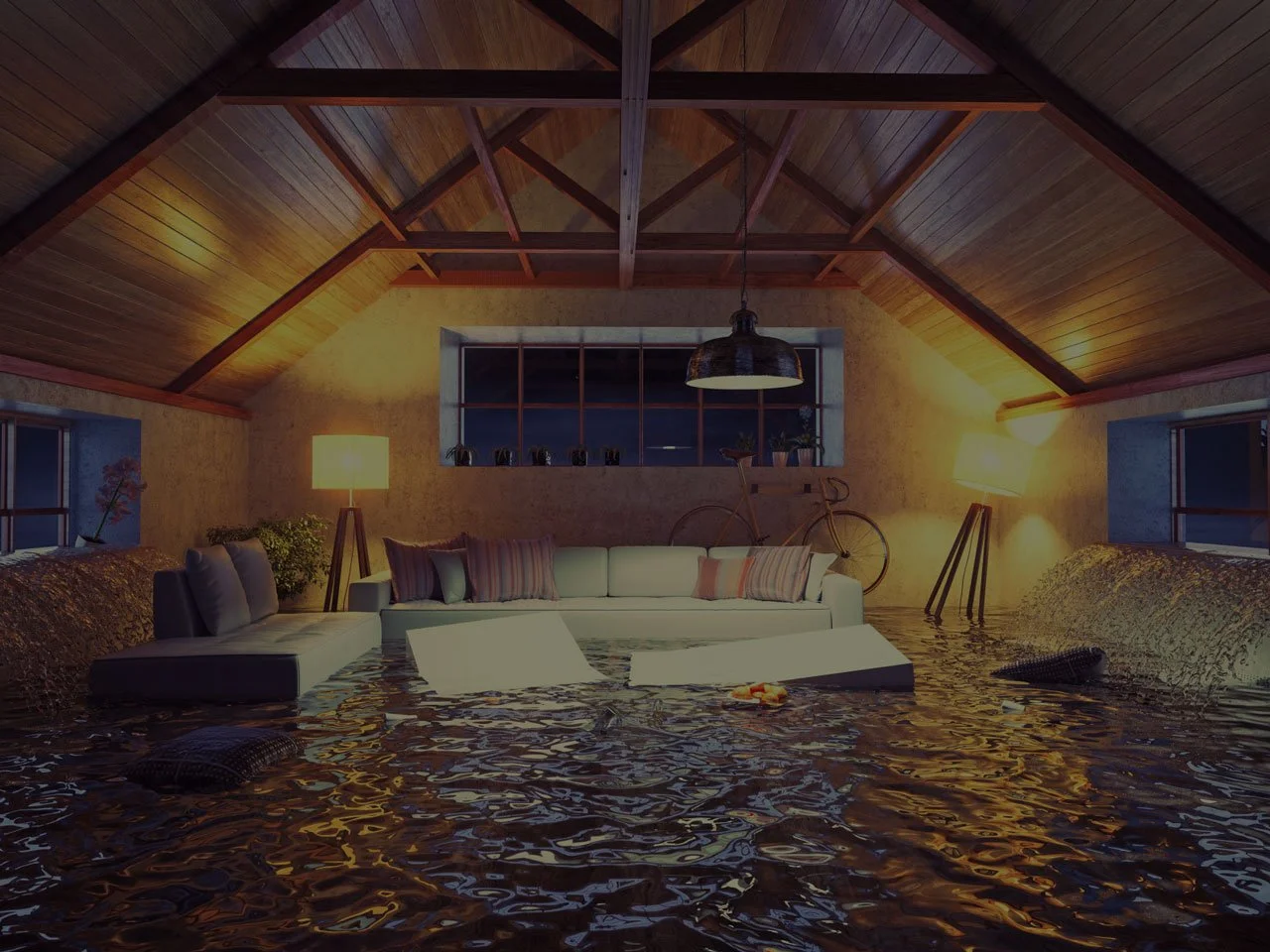
Restoration Project Timeline
Water damage restoration is a process that occurs in defined phases. Each step is essential in terms of urgency and excellence, with an overall restoration timeline of three days for small leaks and up to several weeks for significant flooding. Four factors shape the overall duration: water category (clean, gray, or black), water class (how much and how far it spreads), types of materials affected, and how soon professional intervention begins. Fast action is always crucial because mold can begin to form within 24 to 48 hours.
1. Emergency Contact
Immediate contact with a restoration company is a must. Delays increase your risk of structural issues and mold. Select a service provider with experienced technicians, straightforward communication, and dependable 24/7 emergency response. Have those emergency numbers at your fingertips, ready for swift action. This step alone can reduce the timeline by days.
2. Inspection
Examination is exhaustive and systematic. Restoration professionals use moisture meters to check walls, floors, and ceilings, measuring moisture content. The target is under 16% for wood and less than 0.5% for concrete. They track down where the water is coming from, whether it is a burst pipe or flooding, and determine all impacted areas. This granular information informs the extraction and drying schedule so that nothing slips through the cracks.
3. Water Removal
Water pumping is critical. Teams bring in industrial vacuums and pumps to clear standing water quickly. The required time ranges from hours for a single room to a day or more for basements. Getting water out fast is the only way to prevent mold and dry quickly.
4. Drying
Drying uses dehumidifiers and air movers, running three to five days in the majority of cases. If the humidity is elevated or materials such as drywall and wood are soaked, drying can extend to a couple of weeks or beyond. PROS keep an eye on moisture levels each day, fine-tune equipment, and inspect for residual dampness in walls or beneath floors.
5. Cleaning
Cleaning includes all surfaces and items that can be salvaged. Technicians treat with antimicrobial agents to eliminate bacteria and mold spores. If sewage or floodwaters are involved, additional time is required to deep clean and deodorize. This process restores healthy living environments and averts health hazards.
6. The Restoration
Your final repairs will be replacing drywall, flooring, and repainting. Simple fixes can be completed within days, while more extensive rebuilding, particularly following foundational harm, might require weeks. Final quality checks and an inspection ensure your home is safe and dry before the project is complete.
What Extends The Timeline?
What makes this timeline go out? These span from the water type to impacted materials and the rapidity with which professionals begin work. Each can drive the timeline out by hours, days, or months.
Damage Severity
Small leaks are quick to repair. It’s usually gone in a day or two and dries up on surfaces quite quickly. With the more significant flooding, water saturates deep within walls and floors. Drying then can take a week or more, particularly if the property’s got a concrete basement. Bad ones do structural damage; imagine bent beams or sagging ceilings. When this happens, teams have to reconstruct pieces of the framework, which can extend the work to weeks or even months.
When professionals identify the most severe damage immediately, they’re able to begin repairs and stop mold, which can begin in only 24 hours. Waiting even just one day to get started stretches out the timeline and can double the drying time of a property.
Water Category
Clean water (Category 1): Standard drying, minimal disinfection.
Grey water (Category 2): Extra cleaning, moderate disinfection, and longer drying.
Black water (Category 3): Full protective gear, deep cleaning, and full material removal.
Contaminated water, such as sewage and floods, adds days. Crews have to shield themselves and the property with rigorous disposal and sanitation protocols. If the water is dirty, there is an urgency because delays increase health risks and can cause mold.
Damaged Materials
Stone and tile dry quickly and ultimately rarely require replacement. Carpet, drywall, or insulation retains water longer and usually has to go. Concrete, particularly in basements, can require as much as 10 days of specific drying. If teams miss wet materials, mold grows, and the cycle begins anew.
Property Access
If laborers can’t access every corner of a structure, all hell breaks loose. Blocked doors or mess keep machines out. What adds to the timeline? Owners should open trails and schedule crews to operate without interference.
The Unseen Delays
About THE HIDDEN HOLDS Restoring a property after water damage typically takes more time than expected because of unseen delays. Moisture can hide in walls or subfloors, and a 24-hour delay will double drying time, cause secondary issues, and lengthen overall recovery.
Decision Fatigue
Restoration projects are full of decisions, from material selection to repair timing. When confronted with these choices, homeowners can become paralyzed, which stagnates the entire process. Without a definable restoration plan, even small decisions can turn into stumbling blocks. This hesitation may delay important processes such as water extraction and drying that should begin immediately and continue for three to five days.
The restoration is easier when homeowners direct decision-making on the critical issues first, such as approving moisture monitoring, specifying replacement materials, or establishing repair priorities. Professional advice is valuable, as professionals can recommend actionable alternatives and clarify daunting decisions. Having an experienced person to fall back on alleviates stress and maintains momentum.
Supply Chain
Drywall and flooring shortages, both essential repair materials, are among such delays. When these are lacking, the whole schedule gets delayed. Global supply chain issues can restrict access to industrial dehumidifiers or air movers, requiring teams to wait before drying can even start.
Restoration companies attempt to circumvent these issues by stocking surplus materials or collaborating with several suppliers. These attempts might not completely protect a project from sudden scarcities. If supplies or equipment are delayed, drying can run long, particularly in high humidity or summer months, when massive dehumidifiers run for days. A little foresight, a plan, and backup suppliers reduce downtime.
Secondary Damage
If drying is delayed, moisture caught in concealed areas can cause mold to flourish within 24 to 48 hours. This rapidly makes repair difficult because a new injury arises. Untreated, this hidden glop can seep into your walls and floor joists, causing structural damage, mold growth, and compromising the air quality in your home.
Secondary issues, such as compromised framing, might not be uncovered until repairs are initiated. Each discovery can demand additional labor and time for the project. Constant vigilance for moisture and structural issues is crucial to intercepting problems early and preventing additional delays.
Residential Vs. Commercial Timelines
Each style of property has its own hurdles in water damage restoration. It’s different for every project, based on the size of the space, what systems need restoration, and the type of damage. Residential projects typically conclude sooner than commercial ones because houses are generally smaller and less complex in design. Commercial structures, such as offices and stores, typically require additional time because of larger square footage and more advanced features, including HVAC and specialty flooring.
Property Type
For homes, the majority of water damage work is three to five days if the flooding is minimal. If the damage is larger or includes dirty water, then it can take as long as two weeks. It could be done in a day if the water is clean and it’s a small space, such as a bedroom or kitchen. The drying phase is anywhere from four to seven days, particularly if the walls or floors absorb water. A quick response from the pros, deploying powerful fans and pumps, can make the job go faster.
Commercial timelines are longer, usually weeks or months. Stores, schools, and offices could require additional work, including asbestos abatement or repairs to massive HVAC systems. Larger buildings imply more water to pump out and more surfaces to dry. Safety regulations and the need to stay open for employees or patrons cause the work to take longer. For instance, a school gym with a hardwood floor will dry and treat more slowly than a single-room home flood. Each business has unique requirements so the schedule has to shift depending on what’s in there and what needs to remain secure.
Custom schedules are crucial in either situation. A residential plan might concentrate on saving furniture and reducing mold risk. For commercial, it might mean working in phases to keep some of the space available or abiding by stringent safety regulations for asbestos, mold, and other concerns. In both residential and commercial settings, timely professional assistance accelerates the timeline.
Managing Insurance Claims
Insurance is a huge factor in the speed of water damage repair and who gets stuck with the bill. When water inundates your home or office, insurance will cover repairs, but only if you do things right. The initial phase is to contact the insurer. This should occur immediately once the damage is discovered. The earlier a claim is filed, the better. Swift action is required since water can exacerbate issues at high speed. Mold begins appearing in as little as 24 to 48 hours. The longer you wait, the more difficult and expensive it is to repair everything. Restoration can take 3 to 5 days for small leaks, but if the water is dirty or has soaked into walls and floors, it can stretch to weeks or months.
Homeowners should maintain good documentation. That means taking crisp photos of the damage, recording a moisture log, and noting when things occur. It assists with saving all the receipts and contractor reports. Well-documented claims go smoother and faster. Insurance teams want to see evidence of what occurred. If you’ve got before-and-after cleanup photos or water meter logs, they demonstrate the volume and velocity of the loss. Water damage professionals bring tools to measure moisture, and those readings should be provided to the insurance. For instance, concrete and brick need seven to ten days to dry using special equipment. If that’s not explicit in the paperwork, the insurance may not pay for all the expenses.
Speaking with your insurance company regularly is often crucial. If they request additional information, respond quickly. Certain policies pay for some types of water damage, such as pipe leaks, but not rain floods. Homeowners, for their part, should read their policy and know what is covered and what is not. Question if it isn’t clear. Getting assistance from a seasoned pro who understands how to work with insurance can make a difference. The entire claim process may be lengthy, so patience is necessary. Every stage, from the first call to final payment, hinges on the damage being well-demonstrated and everyone moving quickly.
Your Role In The Process
How quickly your water damage restoration is completed depends on how you assist the crew. Your role begins fast, within hours of the event, because early action can reduce drying time and prevent mold. Evaluation is a priority. Walk the location and observe the category and degree of damage. This helps determine whether the water is clean (category 1), gray (category 2), or black (category 3), which influences subsequent remediation. If you can, begin purging, moving furniture, and snapping records. These easy actions allow the professionals to concentrate on top-priority fixes right away.
A checklist can help you stay on track:
Inspect and assess the area for hazards.
Sort and document damage for insurance.
Move undamaged items to a dry place.
Help with bulk water removal, using pumps, vacuums, or mops.
Open windows for airflow if the weather allows.
Stay in touch with the restoration crew.
Track all updates and keep key contacts handy.
Cleanup and prep are manual. For bulk water, you could operate pumps or wet vacuums for as many as 8 hours, depending on the amount of water. If carpets are saturated, assist in having them rolled and carried out. Once the standing water is gone, plug in dehumidifiers and air movers. These last 3 to 5 days. Inspect the moisture meters and equipment each day along with the crew. Dash checks and tweaks keep the drying stage on schedule. If you see mold or mustiness, speak up immediately.
Know where you stand in the schedule. Request from the team explicit updates on what’s ahead, how long each step takes, and what you can do to assist. If repairs require new drywall, floors, or cabinets, be prepared to wait days or weeks. You might have to see the crew for a last check, closing in a day. Thoughtful logging and collaboration smooth the process for all.

Conclusion
Water damage repair is a stepwise process, but real life interjects. Most jobs last three to seven days, but major floods or mold can push the work beyond two weeks. Homes and shops require their own repairs. Insurance can bog things down, but speedy calls and a clean record assist. Keep in contact with your team, open up your space, and inquire about every phase. Quick response prevents additional damage and returns your life to normal. Every situation presents its own cocktail of work, so no two projects are the same. Want to make things go smoothly and quickly? Choose professionals, know your role, and keep communication open. For more tips or questions, browse the blog.
Frequently Asked Questions
1. How Long Does Water Damage Restoration Usually Take?
It usually takes three to seven days to complete water damage restoration in most homes. In extreme cases or with large buildings, it can take a number of weeks. Each case is different.
2. What Factors Can Extend The Restoration Timeline?
Variables such as the severity of the water, whether it's clean water or dirty water, and the size of the building can push the timeline out. Mold or structural damage can cause delays.
3. Can Unseen Issues Delay The Restoration Process?
Yes, restoration can uncover hidden damage behind walls or under floors. These can require additional efforts and time to repair.
4. Is Restoration Faster For Homes Than Commercial Buildings?
Typically, yes. Homes have smaller square footage and less complexity. Commercial buildings are bigger and usually require more fixes than residential properties, so timelines tend to be longer.
5. How Does Insurance Affect Restoration Time?
Insurance claims can really bog it down. Work approval or waiting for inspections may prolong the restoration start or completion.
6. What Can Homeowners Do To Speed Up Restoration?
Reach out to pros immediately, heed their advice, and let them enter all of the spaces that were impacted. A fast response reduces damage and reduces how long this takes.
7. Does The Type Of Water Impact Restoration Time?
Yes. Clean water is simpler to extract, but contaminated or sewage water requires additional remediation and safety precautions, which take longer.
Facing Water Damage? Fast Water Damage Restoration Makes All the Difference
Water damage doesn’t stay contained. It spreads behind walls, under flooring, and into places you can’t see, causing structural issues and creating the perfect environment for mold. What starts as a small leak or minor flood can quickly turn into a much bigger problem if it isn’t handled immediately. The longer it sits, the more expensive and disruptive it becomes.
Professional water damage restoration stops that process in its tracks. With rapid response, specialized equipment, and a proven process, the water is removed, moisture is fully dried, and your property is cleaned and restored before further damage sets in. You don’t have to guess what to do or deal with the stress alone. The right team takes over, handles the details, and works with your insurance to move things forward quickly.
If you’re dealing with water damage, now is the time to act. A fast response can mean the difference between a simple restoration and a major rebuild. Call ARC Water Damage today at (877) 437-9225 for immediate water damage restoration and get your home or property back to normal as quickly as possible.
Disclaimer
The information provided on this website is for general informational and educational purposes only and is not intended to serve as professional restoration, environmental, or insurance advice. Every water, fire, or mold damage situation is unique, and you should consult with a qualified restoration professional regarding your specific property and conditions. Do not take action or delay action based solely on the content of this website without seeking appropriate professional guidance.
While we strive to provide accurate and up-to-date information, restoration methods, safety standards, and industry practices may change over time. The content on this website may not reflect the most current procedures or recommendations. ARC Water Damage makes no guarantees regarding outcomes based on the use of this information.
By using this website, you agree that ARC Water Damage is not liable for any actions taken or not taken based on the information provided, to the fullest extent permitted by law.