
What Are The Signs You Need Professional Water Damage Restoration?
Signs you need professional water damage restoration include musty smells, mold spots on walls, peeling paint, and warped floors. Water stains on ceilings, bubbling drywall, or recurring pools of water can indicate bigger problems. Any crack in the wall or sagging ceiling post-leak means the damage extends beyond the surface. Wet wiring or outlets, or if the power keeps tripping, could indicate that water has infiltrated the electrical system. Slow leaks might not be evident immediately, but concealed damage can compromise the structure gradually. To help you decipher these warning signs and understand when to call in the experts, the following sections explain them in greater detail.
Key Takeaways
Identifying both obvious and subtle water damage indicators, including curling flooring, mildew scents, and mold patches, plays a significant role in timely action and damage control.
Sensory clues that you need professional water damage restoration include musty odors and cold walls.
Surface indicators such as bubbling paint, cracked walls or loose tiles often mean that moisture has penetrated beneath the surface and damaged structural materials that could need specialized care.
Unexpected jumps in bills or heavy dehumidifier use can expose hidden leaks or moisture, underlining the value of keeping an eye on household patterns for all kinds of lurking issues.
Health concerns, such as unexplained respiratory issues, allergies, or skin irritations for inhabitants, could be caused by mold exposure or compromised indoor air quality from water damage.
Rapid professional evaluation and restoration are essential, as postponing repairs can drive up restoration costs and cause long-term structural damage and harm property value. Swift intervention becomes a pragmatic and economic imperative.
Obvious Signs Of Water Damage
Identifying the signs of water damage early is necessary to prevent more serious issues. Damage can manifest itself in a variety of forms, ranging from noticeable pools to subtle variations in the appearance or odor of a room. Knowing what to look for helps when you need to call in the pro.
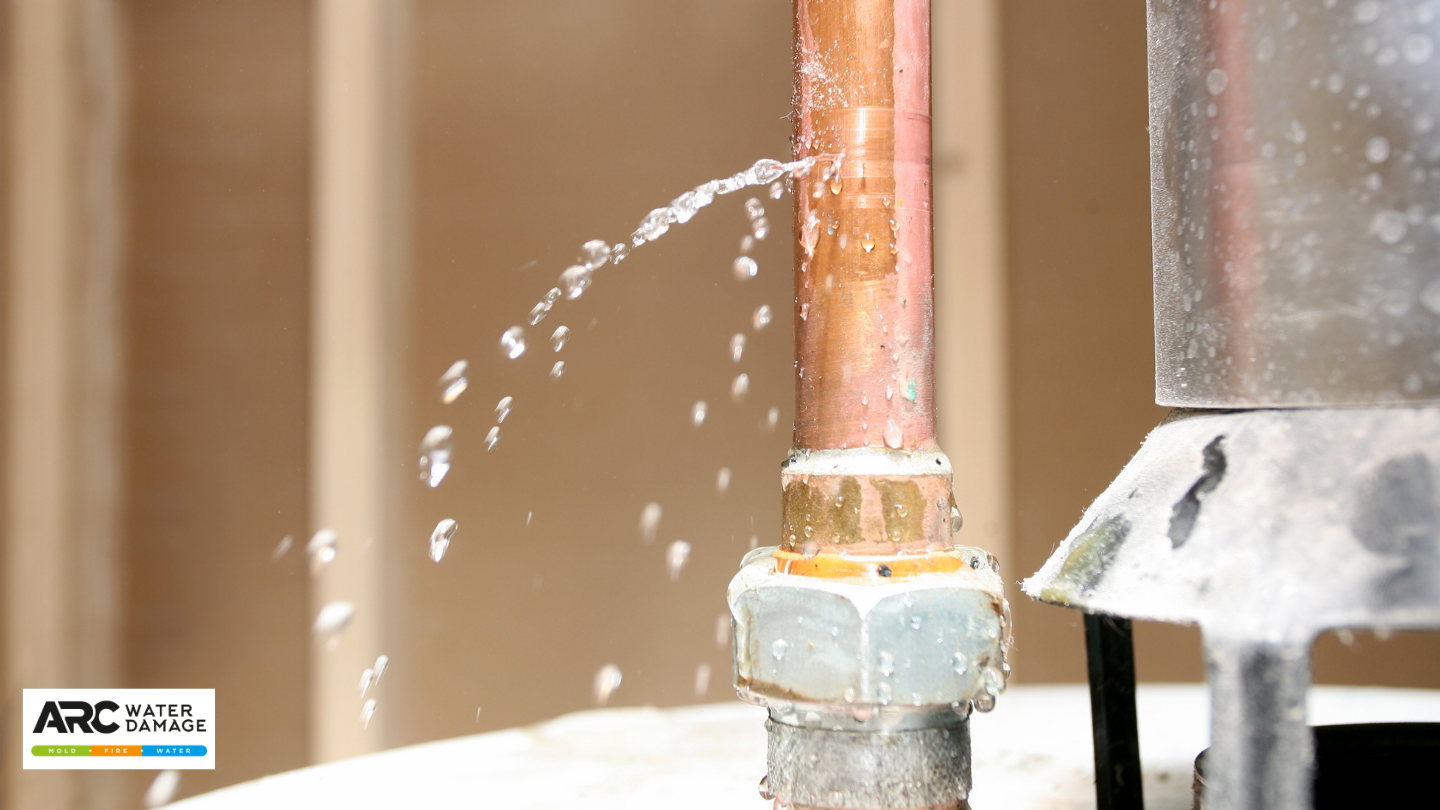
Pooling or standing water
Warped or buckled floors and walls
Peeling paint or wallpaper
Musty odors or smells
Discoloration, mold, and mildew
We all know that pooling water or damp spots point to leaks or flooding. If you notice water sitting in strange places, such as under a sink, near windows, or around the base of a wall, you most likely have an issue. These wet spots have the potential to expand, compounding the issue and accelerating the damage.
Obvious signs of water damage, such as warped flooring or damaged drywall, indicate that water has been lurking for some time. Buckling is when the floor lifts or separates from the seams. You might notice wood planks peeling up or edges curling, an issue known as cupping. Warping can cause floors to crack or bubble, which results in an uneven surface. Other times, the damage is not so obvious, like the subtle ripple of a hardwood plank or drywall that appears to be slightly warped. These shifts frequently indicate water has seeped in deep, and mold could be nearby.
Peeling paint or wallpaper on walls and ceilings. Paint could bubble, peel, or flake off. Wallpaper could peel or bubble. They are frequently indicative of a concealed moisture problem lurking beneath the surface. If left unrepaired, the water can extend and cause damage to additional areas and even compromise the wall's integrity.
Musty smells are another giveaway. A damp, stale smell usually indicates water is caught somewhere. This odor is prevalent where water has been stagnant for a long period of time or where mold has taken hold. Mold and mildew love to creep in seams between floor planks or up at ceiling joints. Discoloration, such as darker or yellow spots, can indicate that mold or mildew is set in. These spots tend to appear around the edges initially.
Unseen Indicators Of Water Damage
Water damage lurks behind common scenes and sounds. A lot of issues begin with little things, so they’re tough to catch without diligent inspections. Understanding what to look for can assist in identifying problems early and maintaining the safety of your environment. Below, we’ve unpacked each sign to help you visualize what could be going on where you don’t typically look.
1. Sensory Clues
A musty smell is typically the initial clue. This odor indicates moisture is entombed somewhere, typically within walls or beneath flooring. It stems from unseen mold or mildew growth. There are times when you sense one area on the floor or wall is cooler or warmer than the other. That difference suggests water is probably sitting inside.
Hearing counts as well. If you hear dripping or running water and can’t locate it, it’s probably a concealed leak. Unseen signs of water damage include poor indoor air quality. If the air is stuffy or causes coughing, it might be mold or mildew lurking in your environment.
2. Surface Changes
Bubbling, peeling, or blistering paint or wallpaper indicates moisture is lurking behind. Water dissolves glue and paint, so things begin to pull away. Cracks in the ceiling or walls can appear harmless but are actually symptoms of underlying problems. Warped wood or buckling floors often indicate water has pooled beneath and causes the materials to expand.
Loose tiles or flooring are easy to overlook. They demonstrate that moisture has compromised the underlying foundation. When tiles don’t stick anymore, water has sneaked underneath and eroded the surface.
3. Atmospheric Shifts
Persistent high humidity is a red flag. This is a path to mold, even where you can’t see it. If you notice condensation on windows or walls, it’s a sign there’s excessive moisture in the air. Sometimes, rooms just feel colder or warmer than they used to. Wet insulation or building materials cannot maintain temperatures. When ventilation feels sluggish, it’s frequently due to moisture clogging the airflow and rendering it musty.
4. Utility Spikes
One quick spike in your water bill usually indicates water leaking behind walls or beneath floors. If your energy bill leaps, it may be from heating or cooling units working around moisture. Water pressure issues, such as feeble showers or sluggish taps, can indicate plumbing leaks. Needing to run dehumidifiers all the time is a red flag of persistent moisture issues.
5. Health Symptoms
Breathing difficulty, such as coughing or wheezing, can be induced by mold. Allergic symptoms such as sneezing or watery eyes can worsen in damp homes. Persistent headaches or fatigue may be from bad air quality associated with unseen water damage. Certain individuals may experience skin rashes or irritation from exposure to mold or moisture.
When DIY Is Not Enough
Water damage appears easy initially. Other times, you can patch it up with towels, fans, and time. Some indicators suggest that it’s no longer a DIY job. If you notice sagging ceilings, warped floors, or walls that have a soft or spongy feel to them, this is indicative of damage that extends beyond just the surface. When water hangs for more than a day, the danger of structural damage and health threats skyrockets. In these cases, pro help is not only smart but also required. If the water covers more than one room, or it’s dirty water from sewers or floods, the stakes are too high for home remedies.
If you have visible mold growing on your walls, ceilings, or floors, this is a clear indicator that professional help is necessary. Mold begins to develop within 24 to 48 hours of water exposure. Wiping with store-bought sprays doesn’t do the trick, either. Mold can lurk behind paint, beneath carpet, or within walls. These pros have special equipment and safety measures to eliminate mold and prevent it from returning. They disinfect the air and surfaces, which is important for those who have respiratory problems or allergies.
Sometimes, leaks are hard. Water can seep through walls, pipes, or beneath floors before it appears on the surface. Signs such as musty smells, peeling paint, or unexplained damp spots mean there may be hidden leaks. They employ moisture meters, infrared cameras, and other tools to discover water that can’t be seen or felt. This step is crucial to preventing damage from continuing to spread and to prevent large repairs down the road.
When we’re dealing with the frame of your house or building, such as wet, cracked, or moldy beams or supports, professional teams are required. They know how to repair and shore up the frame, replace destroyed materials, and ensure the structure is secure. Attempting to repair them yourself can result in bigger and more expensive issues.
The Professional Assessment Process
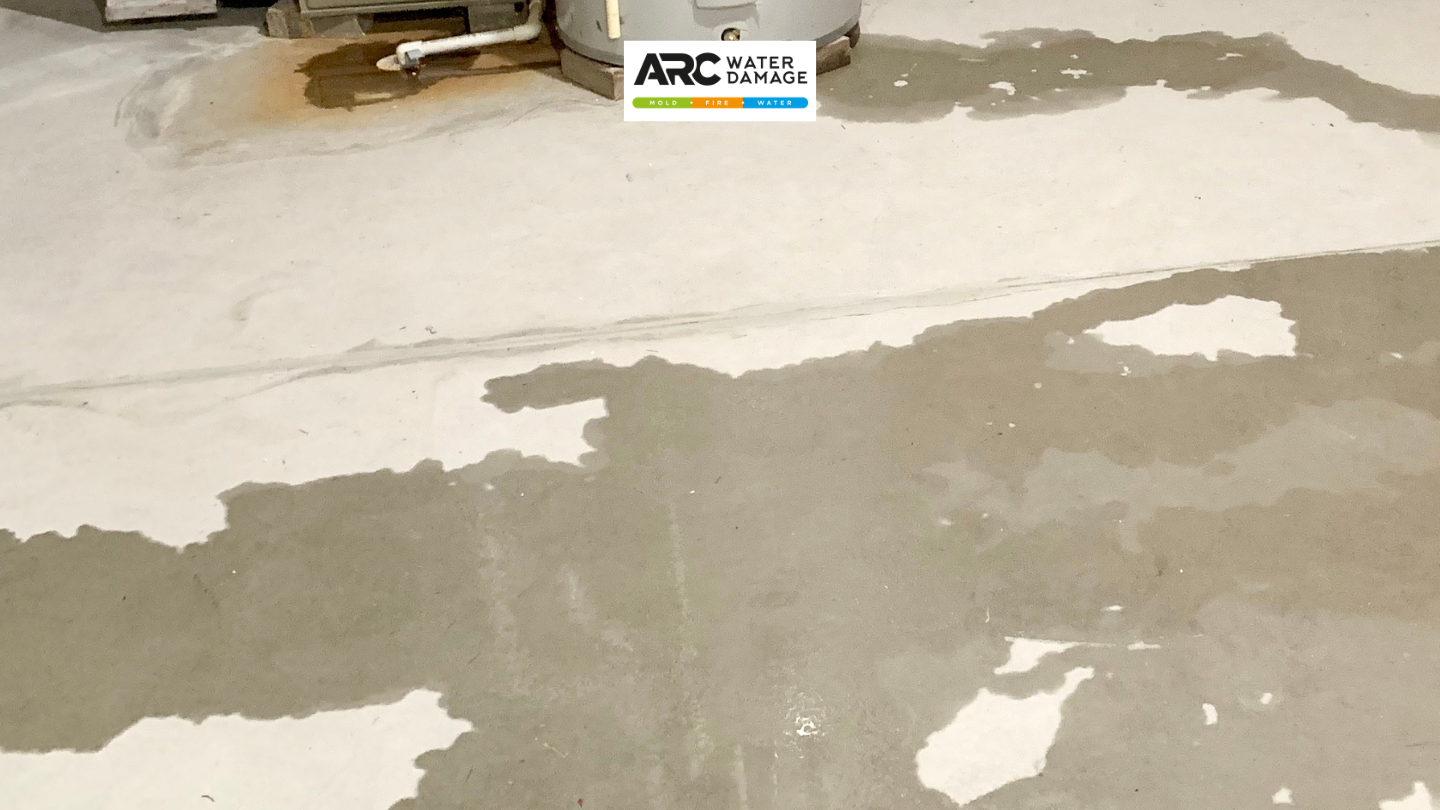
A professional water damage assessment is a step-by-step process aimed at giving a clear view of the damage and the best way to fix it. When water damage is suspected, time is key. Mold can begin to grow in as little as 24 to 48 hours, and repair costs can rise by 50 percent or more if not addressed within two days. The first step is always to find and stop the source of water. This can be a broken pipe, a roof leak, or a backed-up drain. Quick action, ideally within an hour, reduces further damage and keeps costs in check.
The professionals have a process for checking the scene. The inspection typically lasts one to three hours and employs a combination of visual inspections and devices to detect both visible and invisible defects. Moisture meters play prominently in this process. These gadgets allow professionals to determine the water content of walls, floors, and ceilings—even when concealed. They allow them to identify water that has absorbed deep into building materials, a typical culprit of mold. As over 90% of water damage claims had mold, the search for concealed moisture is essential.
They organize the damage by kind and category. Water is put into three categories: Category 1 for clean water, Category 2 for grey water, and Category 3 for black water, each with its own safety precautions and sanitization requirements. The category of the damage is again divided into four classes, from Class 1 (minor, limited to a small area) through Class 4 (large, deep-seated damage requiring special drying methods).
Following the inspection, a comprehensive report is provided. This describes what was discovered, the extent of the damage, and what needs to be corrected. The last phase is to review a customized clean-up and repair plan that aligns with the style and severity of damage in your area. This transparent method maintains your security and prevents the issue from recurring.
The Compounding Cost Of Delay
Water damage doesn’t end at soggy floors or walls. If ignored, it can balloon into bigger problems quickly. The cost of delay increases daily, and it’s a cost beyond dollars. It can be health risks, lost property value, and headaches that no one desires.
Mold will begin to grow within 24 to 48 hours of water damage. In that brief period, spores can permeate walls, floors, and ceilings. A delay of mere days turns the problem from simple cleaning to expensive mold remediation. Mold isn’t just unsightly; it can damage health, cause allergic reactions, and render the air you breathe unfit to occupy your home or office. For children, seniors, or people with weak immune systems in your home or office, mold is a significant danger. Once mold spreads, cleaning fees can increase by 200 to 400 percent. Sometimes you need to rebuild walls or even floors.
Water doesn’t just sit there. Drywall, wood, and insulation absorb it quickly. Drywall begins to swell and weaken after just one day. If moisture lingers, wood might warp, floors might buckle, and insulation can become compromised. Repairing these issues is far more expensive than simply drying things out. At its worst, the entire edifice can be in jeopardy. Doors and windows will not close properly, walls will crack, and the building will devalue. In a few markets, real estate value can decrease by more than 10% if water damage isn’t treated quickly and properly.
Delays imply additional time for such dirty water to disseminate disease germs and toxins. Carpets, insulation, and wallboard can require complete replacement if they remain wet too long. Every day you delay, the likelihood of needing to swap out costly content increases. In the end, waiting transforms a quick patch into an overhaul.
Beyond The Visible Repair
Water damage is more than skin deep. Stains or mold on walls are obvious, while others linger beneath the surface until they exacerbate. Wood or laminate floors can begin to warp or bend when moisture is trapped. This could signify that water has permeated underneath, unseen, and is gradually eroding the foundation. Sagging ceilings or walls are another red flag. Water saturation can dismantle support beams and drywall, rendering the room unsafe in the long run. Water stains generally appear as dark or yellowish discolorations on ceilings and walls. It is an important early indicator that water is in motion where it shouldn’t be.
Musty odors, peeling paint, or strange discoloration are signs of concealed water damage. These room changes don’t just look bad; they can indicate slow leaks or moisture that never fully dries. If you leave these minor indicators alone, they can cause major issues, such as mold that spreads rapidly in moisture-prone locations. Mold is not skin deep. Hiding in walls or under floors, it sneaks in, making the air unhealthy and putting people in danger, particularly those who suffer from allergies or breathing conditions. If you see mold, it means water damage has been lurking for a while and requires more than a quick fix.
Expert assistance is generally required to prevent water damage from escalating. Our experienced crews utilize specific equipment to detect and dry hidden moisture, remove mold safely, and restore water-weakened structures. Investing in quality restoration is the name of the game. It’s more than just patching the obvious. Beyond the visible repair, it’s about ensuring the issue doesn’t resurface and that the space is safe to return to!
For long-term upkeep, here are steps to cut future risks:
Check roofs, windows, and pipes often for leaks.
Use dehumidifiers in rooms that stay damp.
Fix leaks as soon as they are found.
Clean gutters so water flows away from the building.
Utilize water-resistant materials in spill-prone areas.
Check out-of-sight spaces such as your basement or crawl space each year.
Conclusion
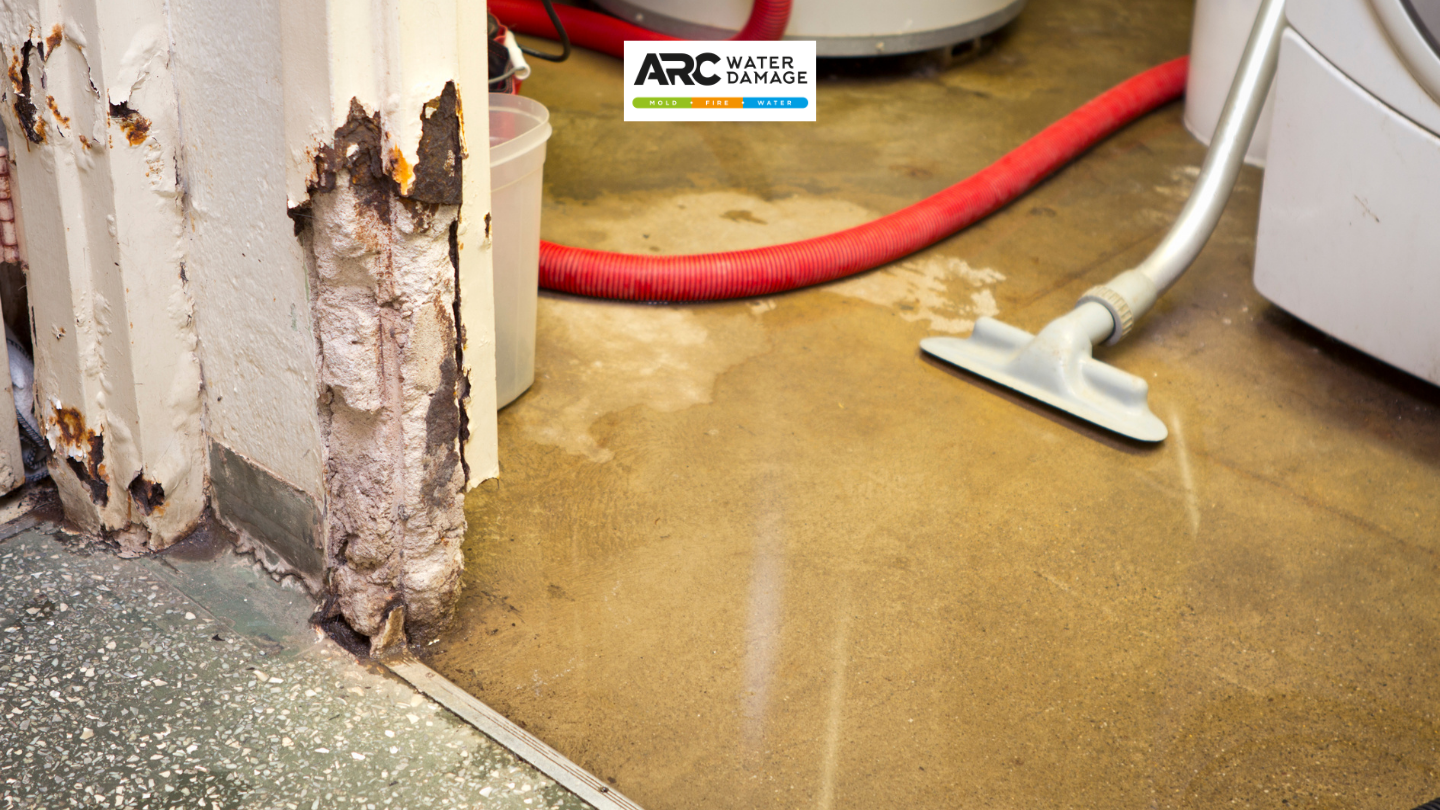
Water damage creeps up quickly and causes serious issues. Stains on walls, mold smell, buckled floors, and peeling paint all scream trouble. Slow leaks, higher bills, or soft spots in drywall speak a deeper narrative. Certain repairs appear easy, but lurking water keeps you looking left. Only professional crews have the proper equipment to inspect behind walls and underneath floors. Fast action saves money and prevents more damage. To make sure your space stays safe, act early and call a trusted pro if you notice warning signs. Got your own stories or tips? The tech world runs on knowledge, so stay informed and spread the word.
Frequently Asked Questions
1. What Are The Most Common Signs Of Water Damage In A Building?
Typical indicators include discolorations on walls or ceilings, mildew odors, flaking paint, and bent floorboards. These appearance-based problems frequently indicate water issues that must be addressed.
2. Can Water Damage Be Hidden Or Hard To Detect?
Yes, water damage isn’t always apparent. Hidden signs include rising moisture levels, mysterious mold, or unexpected utility charges.
3. When Should I Call A Professional For Water Damage Restoration?
When to call a pro: signs you need professional water damage restoration. If you can’t find the source, professional assistance is required to stop additional harm.
4. Why Is It Risky To Delay Water Damage Repairs?
Waiting to repair only exacerbates structural damage and repair costs. Mold growth speeds up, potentially damaging health and indoor air quality.
5. How Do Professionals Assess Water Damage?
Professionals use specialized equipment to detect moisture, evaluate material damage, and identify mold growth. Their experience guarantees an inspection that goes deeper than the surface.
6. Can I Handle Water Damage Repairs By Myself?
Minor spills are one thing, but major leaks, mold, or damaged structures require professional tools and know-how. DIY often misses hidden damage.
7. What Does Professional Water Damage Restoration Include?
Such as water removal, drying, cleaning, mold remediation, and repairs. They restore it safely and prevent future problems and health risks.
Facing Water Damage? Fast Water Damage Restoration Makes All the Difference
Water damage doesn’t stay contained. It spreads behind walls, under flooring, and into places you can’t see, causing structural issues and creating the perfect environment for mold. What starts as a small leak or minor flood can quickly turn into a much bigger problem if it isn’t handled immediately. The longer it sits, the more expensive and disruptive it becomes.
Professional water damage restoration stops that process in its tracks. With rapid response, specialized equipment, and a proven process, the water is removed, moisture is fully dried, and your property is cleaned and restored before further damage sets in. You don’t have to guess what to do or deal with the stress alone. The right team takes over, handles the details, and works with your insurance to move things forward quickly.
If you’re dealing with water damage, now is the time to act. A fast response can mean the difference between a simple restoration and a major rebuild. Call ARC Water Damage today at (877) 437-9225 for immediate water damage restoration and get your home or property back to normal as quickly as possible.
Disclaimer
The information provided on this website is for general informational and educational purposes only and is not intended to serve as professional restoration, environmental, or insurance advice. Every water, fire, or mold damage situation is unique, and you should consult with a qualified restoration professional regarding your specific property and conditions. Do not take action or delay action based solely on the content of this website without seeking appropriate professional guidance.
While we strive to provide accurate and up-to-date information, restoration methods, safety standards, and industry practices may change over time. The content on this website may not reflect the most current procedures or recommendations. ARC Water Damage makes no guarantees regarding outcomes based on the use of this information.
By using this website, you agree that ARC Water Damage is not liable for any actions taken or not taken based on the information provided, to the fullest extent permitted by law.