
How does water damage restoration stop mold growth in your home? Mold requires moisture to thrive, so prompt removal of water and repairing leaks immediately prevents mold infestation. Professionals use equipment to identify concealed pockets of moisture, then dry them with blowers and dehumidifiers. They extract materials that cannot be dried, such as wet drywall or carpet. For example, cleaning surfaces with safe products helps kill mold spores before they start to grow. Early action means less risk of mold-related illnesses. Discover what professionals do and why each step is important to keeping your home safe and dry in the following.
Key Takeaways
Effective water damage restoration is essential for preventing mold growth. Mold requires consistent moisture and can thrive even after minor leaks or high humidity events.
Quick extraction of water, specialized drying technology, and targeted dehumidification are required to reduce moisture and create indoor environments that are unsuitable for mold.
Professional restoration services provide deep moisture detection, targeted sanitization, and effective remediation strategies that are hard to accomplish with do-it-yourself methods.
Tracking and controlling concealed moisture sources behind walls, ceilings, or in insulation are essential to circumvent the chronic health and structural dangers that mold brings.
Following industry standards and confirming technician certifications are essential for safe, effective mold remediation and sustainable protection of indoor air quality.
Homeowners who make timely intervention a priority and are clear in their communication with restoration professionals can expect to set realistic expectations and attain complete mold prevention results.
The Mold-Moisture Connection
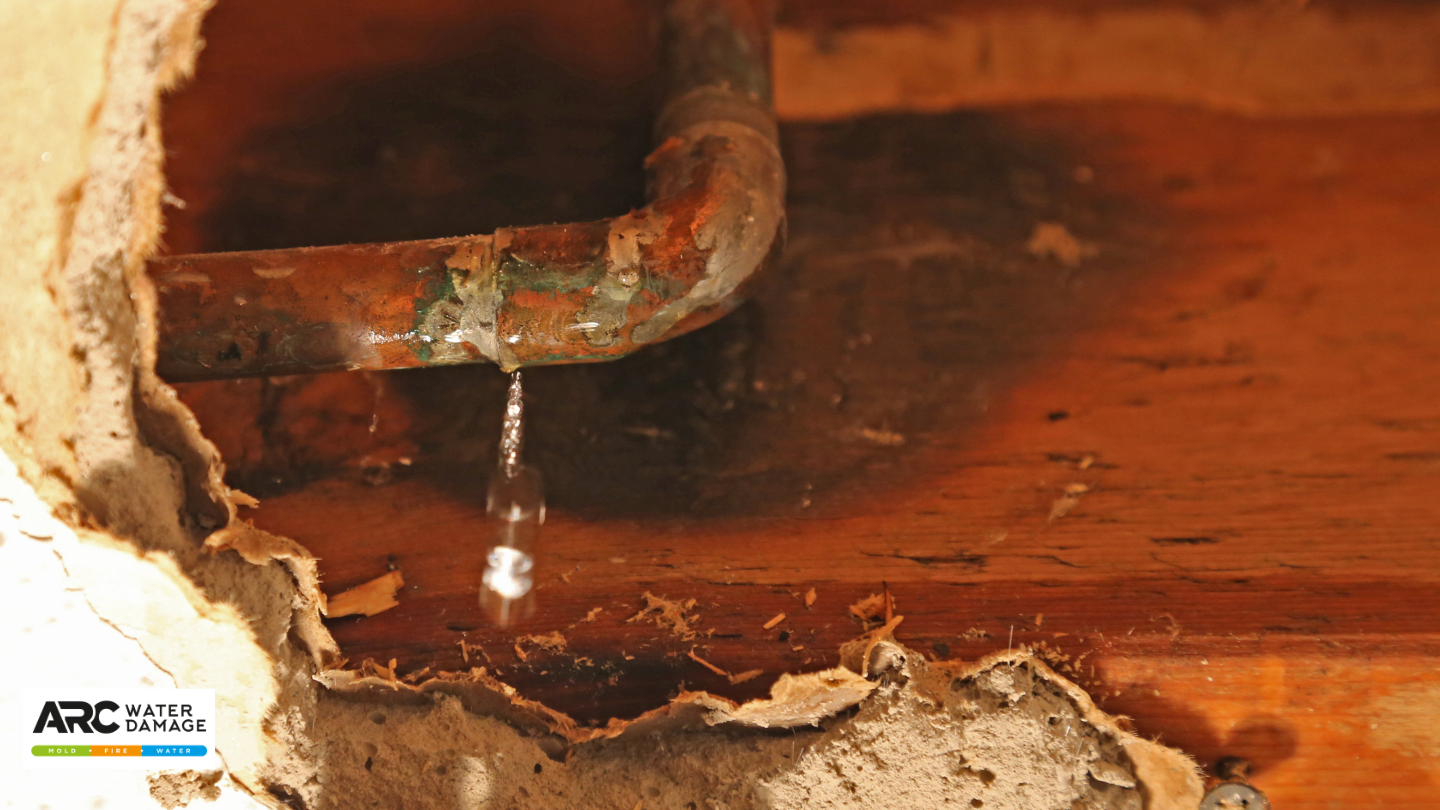
Mold blossoms when it discovers the perfect combination of moisture and warmth. Post-water damage, these ideal conditions tend to rear their ugly heads quickly. Mold can begin to take hold within 24 to 48 hours of water infiltrating inside, leaving walls, floors, or concealed areas vulnerable. There are mold spores everywhere, but they tend to disperse and develop when they encounter moist surfaces. Water damage, even from a minor leak or spill, provides the spores their ticket in. A tiny leak behind a wall or beneath a floor, if unchecked, can cause a massive mold infestation within days.
High humidity helps mold gain a foothold. Even worse, once indoor humidity creeps beyond 60%, it becomes exactly the environment in which mold not only survives but propagates far more rapidly. This is typical in humid climates, but it can occur anywhere if water damage is not repaired promptly. It increases when windows are shut and ventilation is lacking, capturing the moisture indoors. A flooded basement or a kitchen with a broken pipe can rapidly turn into mold hot zones if the air remains dank and saturated.
Drying and dehumidifying are the final, crucial steps in nipping mold in the bud. Following any water damage, dry it as soon as you can. Dehumidifiers do so by drawing additional moisture from the air, bringing down the humidity to safer thresholds, preferably between 30% and 50%. Good circulation from fans and open windows can keep rooms dry. In a normal house, a dehumidifier and some fans can be the difference between a dry haven and a mold lurker.
Water damage cleanup requires planning. First, you have to fix the water source, or the mold will return no matter how much you scrub. Once dried, clean and disinfect surfaces. A bleach solution or vinegar will wipe away many spores, but only if the area is dry. Attempting to wash while it is still wet just distributes the spores instead of eliminating them.
How Restoration Stops Mold
That’s why good water damage restoration is such an important line of defense against mold in our homes. Mold loves the combination of moisture, humidity, and organic food sources. Restoration cuts off these needs, stopping growth before it starts. Rapid, thorough action coupled with continued monitoring is the best way to keep living spaces safe from mold.
1. Rapid Water Removal
Water extraction is the very first and most urgent action. Mold can start to grow just 24 to 48 hours after water exposure, so technicians pull out standing water immediately using pumps and vacuums. This minimizes material wetness duration, which minimizes the mold initiation window.
Contaminated items such as soaked drywall or carpet are usually removed and discarded. Fast removal prevents the dispersion of spores and eliminates potential nourishment for mold.
2. Advanced Drying
Next is drying out the space. Air movers, heaters, and industrial fans help accelerate evaporation. Moisture meters measure how saturated materials are so crews know when the space is sufficiently dry.
Porous materials, such as wood and insulation, are the primary concern because they absorb water and nurture mold. Drying these out well can take a week or more for heavy damage, but omitting this step allows mold to set in.
3. Strategic Dehumidification
Dehumidifiers reduce the moisture in the air to keep humidity levels under 60 percent, preferably between 30 and 50 percent. That makes a hostile environment for mold. Big, hybrid units are great for large or open spaces with chronic moisture.
The staff monitors humidity and changes settings as required. Keeping air dry is most important in humid climates or rainy seasons.
4. Hidden Moisture Detection
Technicians utilize infrared cameras and moisture meters to detect moisture behind walls, beneath floors, and inside ceilings. Basements, crawl spaces, and bathrooms are inspected intensively. Even minor hidden leaks are repaired since mold can grow in concealed spaces.
We don’t quit after cleanup, but we monitor to catch problems before they return.
5. Targeted Sanitization
Sanitizing encompasses more than cleaning. Bleach solutions and antimicrobial sprays kill spores on hard surfaces. Vinegar is another option, particularly in kitchens or bathrooms where moisture accumulates.
Good ventilation aids in eliminating fumes and freshening air. Sanitizing stops mold from coming back and keeps the air safe for everybody.
Why DIY Fails
DIY water damage repair appears tempting at first and often obscures hidden dangers. A lot of people who attempt water damage remediation as a DIY project don’t catch pockets of water or mold lurking behind walls, under flooring, or in insulation. Moisture can migrate in under 24 hours and get to areas you don’t even see. When these spots get missed, mold spores grow quickly, sometimes within 48 hours, and soon spread to other areas of the house. Without the right tools to test for moisture, this wetness continues, and the mold keeps growing.
Under-cleaning just makes it worse. A lot of the popular cleaning tips only serve to disperse the mold spores, not actually get rid of them. It simply doesn’t kill mold at the root, not like household products such as bleach or vinegar. Bleach, for example, can make surfaces look clean but does not penetrate beneath the surface, leaving spores alive. This can cause mold to develop down the road. If not addressed properly, water damage can destroy the structure of your home. Floors, walls, and elsewhere can remain damp or decay without complete drying and restoration, which a hasty DIY solution cannot provide.
Or why DIY tools just can’t compare to pro equipment. Home fans and dehumidifiers don’t have the power to dry out serious water damage. It takes at least three days to dry, sometimes a week, and homemade tools tend to quit before it’s really dry. Partially dry allows mold to continue growing and can exacerbate structural damage. Without moisture meters, thermal cameras, and commercial dryers, DIY leaves hidden dampness.
There are health and safety risks with DIY work as well. Unsafe scaffolding can lead to accidents as you stomp on fragile floors or shake loose wet walls. Water damage poses health hazards from mold, bacteria, and damp air. Home cleaning doesn’t eliminate all viruses or mold. If the work isn’t done correctly, your health and safety risk increases.
The Restoration Timeline
A defined plan is critical after water damage to prevent mold and reduce the damage. The initial 24 hours are critical. Mold can begin to grow within one to two days if water persists and it finds sustenance in your carpets, wood, or drywall. The faster you act, the better you can stop mold from spreading and reduce future repair expenses. While the majority of homes require three to five days to dry and clean, major floods or sewage leaks may take weeks or months to repair.
Water damage restoration is a matter of sequential steps.
Our team begins by shutting off water, whether it’s from a burst pipe or a leaking roof. They then verify the water’s reach and saturation into walls or subflooring. This gives them a schedule for what must be restored and how long it might take.
Timely drying is not simply for comfort. Air movers and dehumidifiers run for days to extract concealed moisture from walls, flooring, and air. If the home isn’t dry in a few days, mold will grow where you can’t see it, under floorboards and behind walls. Cleaning and sanitizing eliminates the germs and stops odors, but it prevents mold spores from moving into other rooms. Once dry, repairs may begin. This might be minor, like new paint, or major, like removing wet drywall and replacing framing, depending on the damage.
Homeowners should know that the entire process can move. Small leaks in a single room could be completed in a week. Major floods or sewage backups that impact multiple rooms or the structure typically require weeks or more. Early and steady work is the most effective method to prevent mold and huge repair bills down the road.
Hidden Damage Risks
Water damage leaves more than just stained walls or warped flooring. It invites silent dangers, such as mold. The first step is to locate every nook and cranny where water lurks. Once water damage has occurred, mold can begin to grow in only one to two days, so it is crucial to act quickly. Water can hide where you wouldn’t expect. Here are some hidden spots where water can hide, and mold can start:
Inside wall cavities and behind baseboards
Beneath floorboards or carpets
Behind appliances like refrigerators or washing machines
Within insulation in walls or attics
Above ceiling tiles or in crawl spaces
All of these locations require careful consideration when restoring. Paint and paper can bubble and peel, and the water can wreck wood flooring and ruin tile adhesives. You may notice paint bubbling, wood warping, or a dank smell, which are all symptomatic of moisture destroying the structure. When these materials remain wet, they nurture mold deep in the structure. Porous materials like drywall or wood are more susceptible as they retain water, so they require additional attention to clean or replace.
Mold not only hurts the home. It can harm indoor air quality and health. Mold spores can become airborne, making it a struggle to breathe and triggering allergies or worse for those with compromised immune systems. High humidity above 60% provides mold an even better opportunity to flourish, so continuing to keep the air dry with fans or dehumidifiers is required. It’s best to maintain indoor humidity at 30 to 50 percent to prevent mold before it gets going.
No area is untouched when it comes to water damage restoration. This means checking walls, ceilings, insulation, and floors. Every inch needs to be dried, sanitized, and inspected for unseen mold. Cleaning mold isn’t just wiping it away; it involves water extraction, drying, dehumidifying, and disinfecting. Always wear gloves, goggles, and a respirator when cleaning mold. Missing even a small section can result in mold’s return and higher expenses. Remediation ranges from $1,200 to $3,750 or more.
Professional Standards Matter
Choosing the right mold remediation company means more than just picking the first name online. Mold can lurk deep in walls or beneath floors, and if untreated, it proliferates quickly. Companies that adhere to high professional standards take science-based measures to prevent mold from getting out of control. Here’s why those standards matter for your home and health.
Do check out the company and ask for evidence of training or certifications. They should comply with federal mold standards, not just local regulations. Ensure they wear PPE like gloves, goggles, and N-95 masks. Inquire how they test for concealed mold, like moisture meters. Don’t choose a company that forgoes moisture source inspection. Don’t believe someone who won’t reveal their workflow or disclose their cleanup strategy. Don’t dismiss red flags such as skipping PPE or rushing jobs.
Proper qualifications matter because mold remediation is not a guesswork job. Certified technicians know how to find the source of moisture, check the full spread of mold, and choose the right tools. For example, pros use moisture meters to check if walls are wet inside or if floors have seepage. They know how to use dehumidifiers and vent air to pull down humidity, which is key to stopping mold in its tracks. Many experts agree that if you wait more than 24 to 48 hours after water damage, your risk of mold jumps. This is why trained teams act fast, using both skill and the right equipment.
Professional standards count. We abide by federal standards and industry guidelines to ensure each stage is safe for the crew as well as the home’s inhabitants. They don PPE because they don’t want to inhale spores, and they certainly don’t want them tracked throughout the house. They have enforced disposal regulations for noxious material. These habits safeguard you, your family, and anyone working inside your home.
Professional standards are important! Water damage experts mix expertise in building materials, moisture, and mold biology. Specialists don’t simply tackle the surface mold but the underlying factor, which is typically hidden water or humidity. They utilize fans and dehumidifiers and even open up walls at times to dry things out. Respecting these standards translates to mold not returning and your home remaining safe.
Conclusion
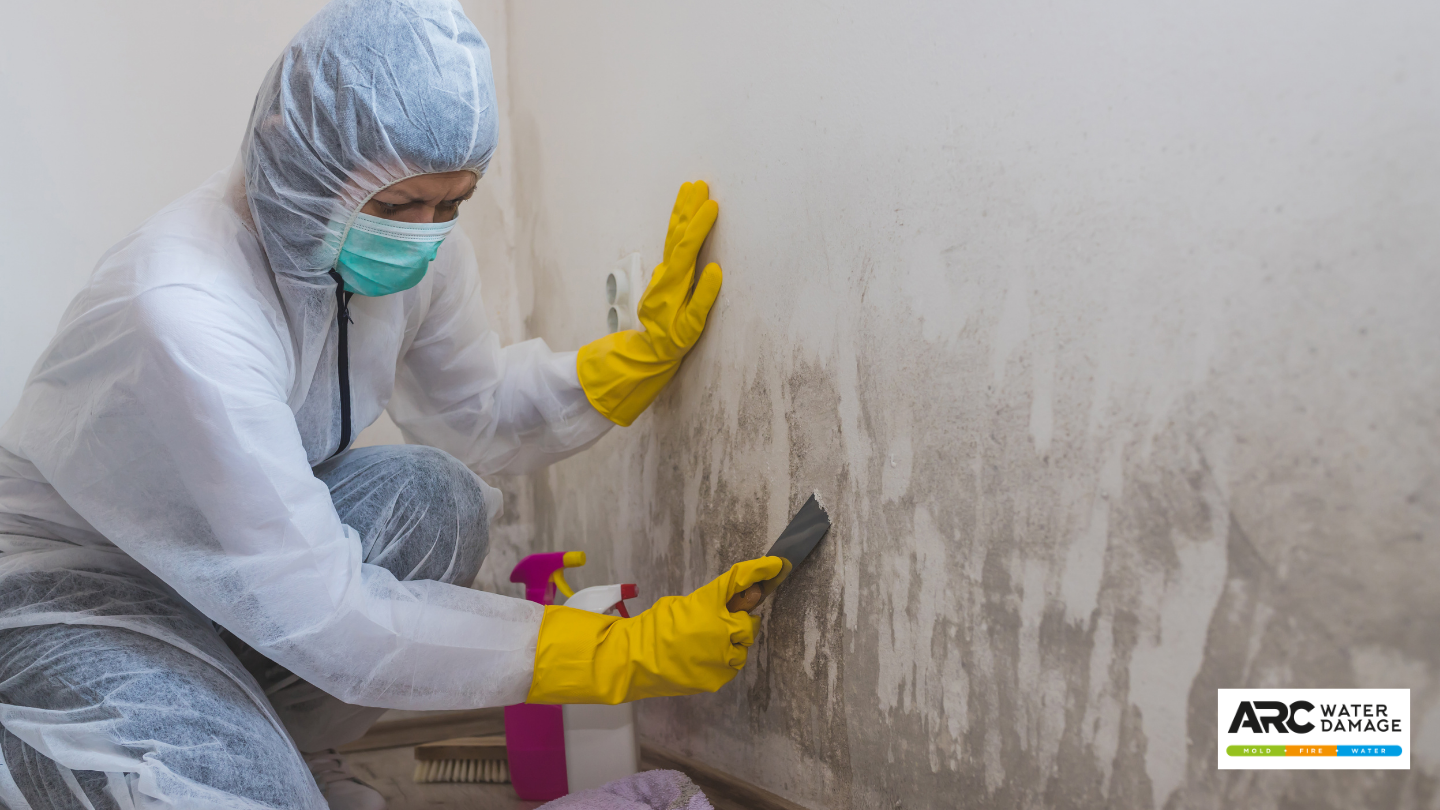
Water damage restoration: how does it prevent mold growth in your home? Trained pros act with urgency and expertise to dry out walls, floors, and air. They identify the damp patches you’ll overlook, employ air movers and meters, and adhere to protocols that make restoration safe. Odors dissipate, stains disappear, and the air breathes fresh once more. That’s why DIY fixes or shortcuts don’t cut it. Pro water damage restoration teams leave no damp spot for mold to grow. To experience secure outcomes at home, contact a specialist if water gets inside. Got questions or want real water damage stories? Connect, comment, or share your fix successes.
Frequently Asked Questions
1. How Does Water Damage Restoration Help Prevent Mold Growth?
Water damage restoration gets rid of moisture fast. This prevents mold spores from having the moist conditions they require to proliferate and minimizes the potential for mold in your home.
2. Why Is Fast Response Important After Water Damage?
Mold could be growing within 24 to 48 hours. Water damage restoration done quickly minimizes this timeframe and helps stop mold from growing in your home.
3. Can I Prevent Mold Growth By Cleaning Up Water Damage Myself?
DIY cleanup misses hidden moisture. Expert restoration locates and dries every impacted surface, which is why it is significantly more successful at preventing mold than DIY drying.
4. What Steps Do Professionals Take To Prevent Mold During Restoration?
They use advanced equipment to identify and eliminate any concealed moisture. They sanitize and disinfect surfaces, making sure any mold spores are killed.
5. What Are The Risks Of Leaving Water Damage Untreated?
Unaddressed water damage can result in mold growth, structural damage, and health issues. Restoration protects your home and health.
6. How Long Does Water Damage Restoration Take?
This process typically takes a couple of days based on the severity of the damage. You have to act quickly to avoid mold and other issues.
7. Why Should I Trust Certified Water Damage Restoration Professionals?
Trained experts adhere to rigorous professional protocols. They have the experience and tools to guarantee proper drying and mold prevention, providing you with peace of mind.
Facing Water Damage? Fast Water Damage Restoration Makes All the Difference
Water damage doesn’t stay contained. It spreads behind walls, under flooring, and into places you can’t see, causing structural issues and creating the perfect environment for mold. What starts as a small leak or minor flood can quickly turn into a much bigger problem if it isn’t handled immediately. The longer it sits, the more expensive and disruptive it becomes.
Professional water damage restoration stops that process in its tracks. With rapid response, specialized equipment, and a proven process, the water is removed, moisture is fully dried, and your property is cleaned and restored before further damage sets in. You don’t have to guess what to do or deal with the stress alone. The right team takes over, handles the details, and works with your insurance to move things forward quickly.
If you’re dealing with water damage, now is the time to act. A fast response can mean the difference between a simple restoration and a major rebuild. Call ARC Water Damage today at (877) 437-9225 for immediate water damage restoration and get your home or property back to normal as quickly as possible.
Disclaimer
The information provided on this website is for general informational and educational purposes only and is not intended to serve as professional restoration, environmental, or insurance advice. Every water, fire, or mold damage situation is unique, and you should consult with a qualified restoration professional regarding your specific property and conditions. Do not take action or delay action based solely on the content of this website without seeking appropriate professional guidance.
While we strive to provide accurate and up-to-date information, restoration methods, safety standards, and industry practices may change over time. The content on this website may not reflect the most current procedures or recommendations. ARC Water Damage makes no guarantees regarding outcomes based on the use of this information.
By using this website, you agree that ARC Water Damage is not liable for any actions taken or not taken based on the information provided, to the fullest extent permitted by law.