
How Fast Should You Call For Water Damage Restoration After a Leak or Flood?
Experts agree that fast action is key when dealing with water damage from leaks or floods. Most sources recommend calling for water damage restoration within the first 24 to 48 hours after water exposure. Waiting longer can let mold grow and cause damage to walls, floors, and furniture. Quick response helps save more property and cuts down on repair costs. For homes and workspaces, early calls to professionals let them check the damage, start drying, and stop long-term problems. Common signs, such as damp smells or visible stains, can point to hidden water. In the main sections, find out what happens in the first hours, how to pick a service, and what steps to take while waiting.
Key Takeaways
To mitigate as much structural and material damage as possible, while reducing restoration times and costs, you should take immediate action within the first hour after discovering water damage.
It’s the initial 48 hours that count in terms of mold prevention, health, and maintaining the integrity of building materials. Delays in taking action can cost a fortune in repairs.
Safety first: Power off in affected areas, turn off the water source, and photograph all damage for insurance and restoration documentation.
Partner with restoration specialists during inspection, extraction, drying, and reconstruction stages to achieve comprehensive restoration.
By monitoring moisture levels and probing for hidden damage while maintaining open communication with the experts, you can help prevent secondary issues such as structural deterioration, pest infestations, and permanent staining.
These proactive and informed steps protect not just your property but everyone living in it by addressing health hazards and restoring safe living conditions.
The Critical First 48 Hours
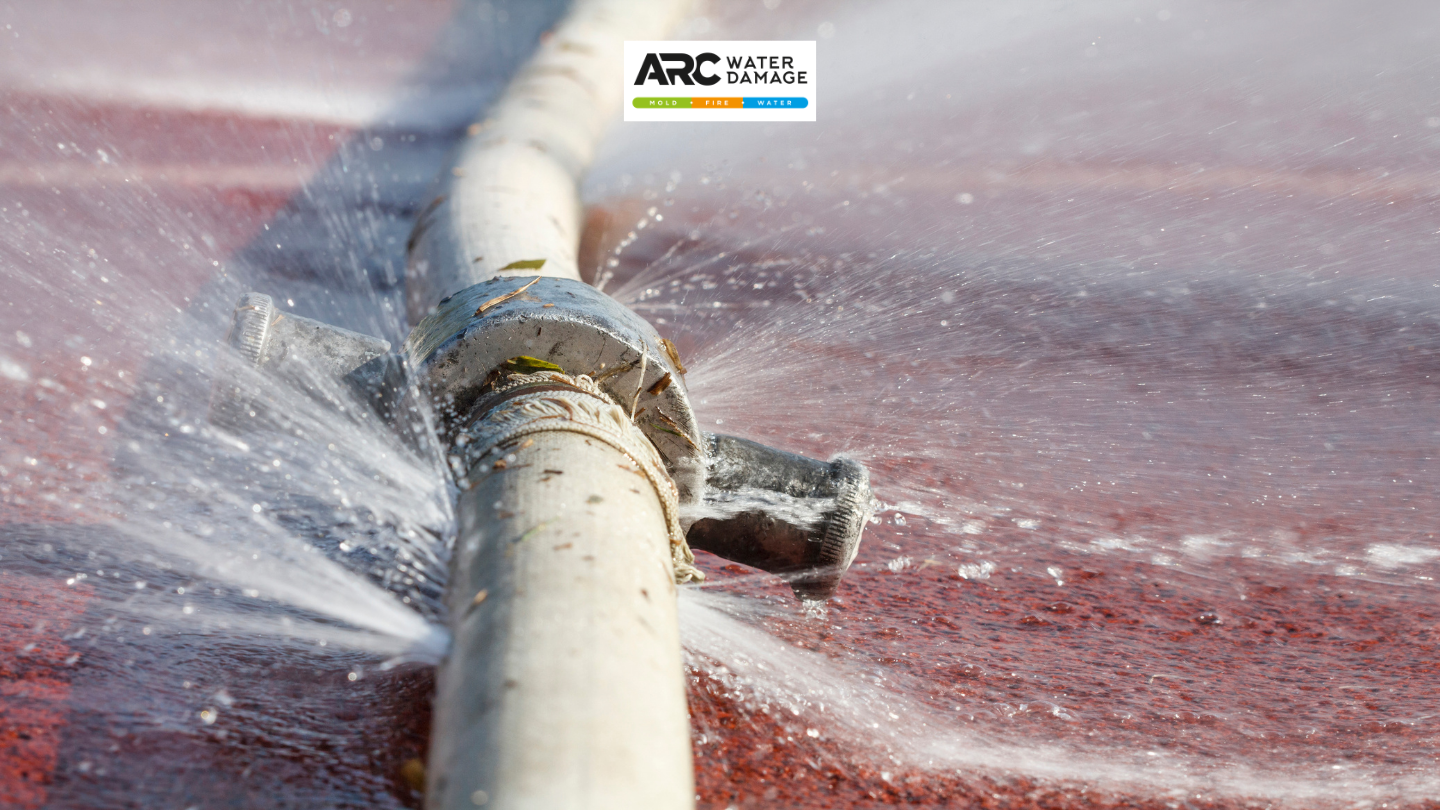
Water damage restoration is everything you do in the first 48 hours. The initial 48 hours after a leak or flood are the critical window to avoid expensive repair bills, mold, and structural threats. Getting on it quickly can prevent the damage from spreading, minimize expenses, and speed up recovery.
1. The First Hour
Reaching out to a water restoration company immediately, preferably within the first hour, can make all the difference. This early action is frequently the difference between cleanup and major repairs. If it’s hazardous, such as electrical or contaminated water, call emergency services first. As you wait for the pros, begin easy tasks like soaking up standing water with towels or mops. Photograph the damage for your insurance company. Rapid evaluation is important. Check for dangers, turn off the main water supply if necessary, and ensure the environment is safe to enter. Even if the surface water dries up fast, lurking moisture can infiltrate walls, flooring, and insulation, creating problems down the road.
2. Within 24 Hours
Water removal should start immediately, within 24 hours if possible. Mold requires moisture and can begin to spread in under 48 hours. Dehumidifiers and fans will dry out the area more quickly, reducing the likelihood of mold and a musty smell. Restoration teams frequently employ moisture meters to locate not readily visible or tangible wet areas, such as within walls or beneath floors. Communication with your restoration team is critical. Request updates and what’s next. If it’s late, you’re in danger of losing carpets, swelling wood, and permanent odors that are difficult to get out.
3. After 48 Hours
After 48 hours, the risks and costs increase dramatically. Mold colonies can become evident and need to be professionally removed. Wood framing can begin to rot, and drywall must be replaced. Any delay past this point raises the likelihood of serious structural damage, such as weakened beams or collapsing floors. If not addressed, water damage can lead to repairs and reconstruction that cannot be avoided. Most folks aren’t ready, particularly in older homes with aging pipes, so speed is the best protection.
Why Immediate Action Matters
Why it’s Important to Act Fast: acting within this timeframe is crucial, as it often delineates the boundary between small fixes and rebuilding at a larger scale. Water that lingers soaks into walls, floors, and structural supports, pushing repair fees from a few hundred dollars to the thousands. These first few hours impact insurance claims as well, since if you wait, your insurer may deny mold removal coverage. By addressing the problem now, you safeguard your investment and keep your home safe.
Structural Reliability
When water enters a home, it starts weakening wood, drywall, and support beams right away. Wet wood can rot and lose strength, while soaked drywall may break down or sag. If water isn’t removed fast, beams and joists can rot, raising the risk of floor collapse. Prolonged moisture speeds up this process, making repairs harder and more costly. Even small leaks, if ignored, can lead to warping or distortion of floors and walls. Restoration experts can use moisture meters and thermal imaging to find hidden damp spots and check the full extent of structural damage. Their assessments guide the repair plan and help maintain the safety of the home.
Mold Proliferation
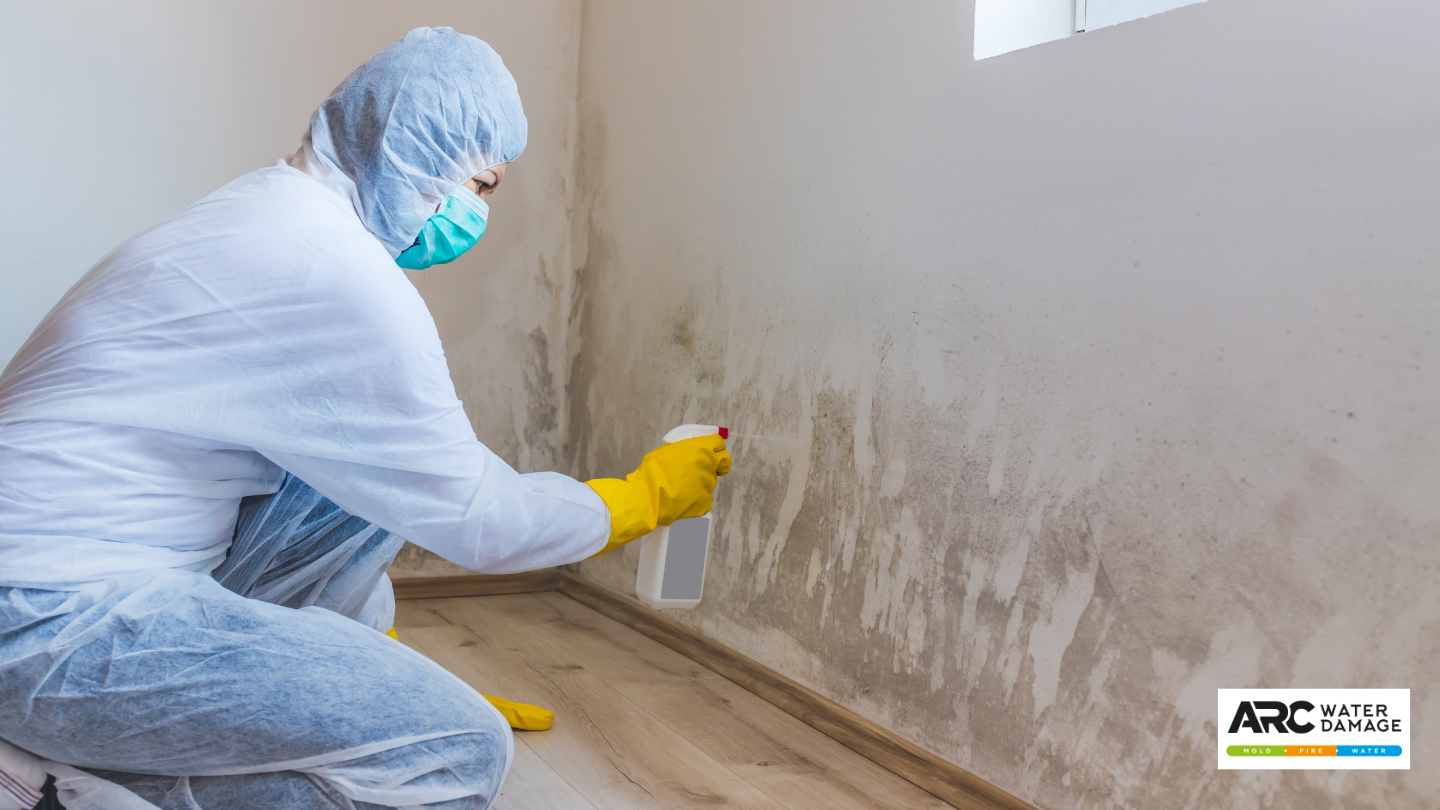
Mold spores begin growing as soon as 24 to 48 hours after water exposure. Even a little damp spot can turn into a breeding ground if it’s not dried out. Mold prevention is all about quickly drying out any areas that were impacted and maintaining air circulation. Dehumidifiers and proper ventilation limit growth. Keep an eye out for spots, musty odors, or discoloration on walls and ceilings. If mold blooms, expert remediation is required to completely extract spores and prevent proliferation. Taking early action is the best way to prevent mold from turning into a larger health concern.
Health Hazards
Stagnant water is full of bacteria, viruses, and other contaminants. Mold and dirty water exposure can lead to respiratory problems, skin irritation, or more, particularly for children and seniors. Protecting your family involves wearing gloves and masks when doing cleanup and keeping people out of affected areas. Always inquire with restoration specialists regarding safe cleaning and sanitizing procedures. They deploy industrial-grade anti-microbial treatments and mold remediation techniques to eliminate the contaminants and get your home livable again.
Identifying Urgent Damage
Leak or flood water damage can become exponentially worse in hours, not days. Initial actions count for safety and for cost containment. Being clear about what to check and in what order helps inform decisions and maintain efficiency.
Water Source
One must always first locate the source of the water. Leaks from broken pipes, appliance failure, or natural floods all present different dangers. You need to know if you’re looking at clean water, gray water from sinks or washing machines, or black water from sewage or floods. Clean water is less hazardous but can still cause large-scale issues if not controlled. Gray and black water imply a significantly elevated contamination risk and warrant increased caution. Document with clear photos and notes for insurance claims. This information expedites the fix and assists your insurer in diagnosing the cause. Calling your insurance company early with these facts leads to fewer delays later!
Affected Materials
Water easily penetrates floors, walls, and insulation, often in as little as 1 to 6 hours. Begin by taking inventory of what materials are damp or marked. Porous items such as drywall, insulation, and carpet pad can absorb water quickly, and they usually require replacement. Immediate damage to hard surfaces like tile or metal could be cleaned and salvaged if you act swiftly. Don’t forget about furniture and personal items. Fabric couches, mattresses, and even books can trap moisture, causing mold and smells. Communicate your discovery to the restoration crew. They can assist in determining what to salvage and what to discard to prevent problems down the line.
Damage Scope
Determine its reach: under floors, behind walls, as far as the water has gone. Hidden water is an even bigger risk, as mold can start growing within 24 to 48 hours. Wait too long, and wood can warp, drywall can crumble, and repairs become costly. Create an easy checklist of all impacted rooms or areas, even the ones you just think might be. It allows the restoration crew to work quickly and concentrate on the most critical areas. Immediate, thorough inspection minimizes the potential for overlooked damage or additional repairs down the road.
What To Do While Waiting
Quick action is crucial in limiting the damage done by water. The initial hours are crucial. Moisture can enter walls, floors, and wiring within 1 to 6 hours. Waiting for water to evaporate naturally is dangerous because the hidden moisture will make it worse and trigger mold within 24 to 48 hours. It may be clever to call your insurance company first for approval. It’s important to do what you can to keep your space safe and prevent additional damage before restoration teams arrive.
Maintain Site Safety
Turn off the breaker to the rooms that got wet. Wet wires and outlets can electrocute or cause fires. Wear rubber gloves and boots if you have to go near water or damaged areas, as the water may be contaminated or concealed broken glass. Keep kids or pets away, because it’s hard to detect every danger. If you notice cracks, sagging, or your doors won’t open, the floor or wall structure may be compromised. Remain outside until professionals can inspect it. Stay out of standing water if you don’t know if the power is out.
Control Water Source
Locate your main water shut-off valve, usually close to the meter or beneath your sink, and close it by turning it clockwise. If a leaky pipe or appliance is the culprit, attempt to repair or turn off the device. Deploy towels or buckets to help contain and slow the spread, or plug it with plastic sheeting. If water keeps coming, inform your restoration team upon arrival so they know what to expect and can bring needed equipment.
Record All Damage
Get clear photos of all damage, including close-ups of drenched walls, destroyed floors, and broken objects. Document what occurred, when you discovered the leak, and the measures you took to patch things up. Save receipts for anything you purchase to prevent damage or cleanup. This trail assists with insurance claims and streamlines the process for your restoration crew.
Remove Valuables
Your passports, ID, and property papers get them moved to a dry spot. Move furniture, rugs, and personal belongings out of harm's way if you can safely lift them. Pat dry small pieces with towels. Identify any delicate or irreplaceable items for the restoration crew. They might have secret tools to rescue them.
The Professional Restoration Process
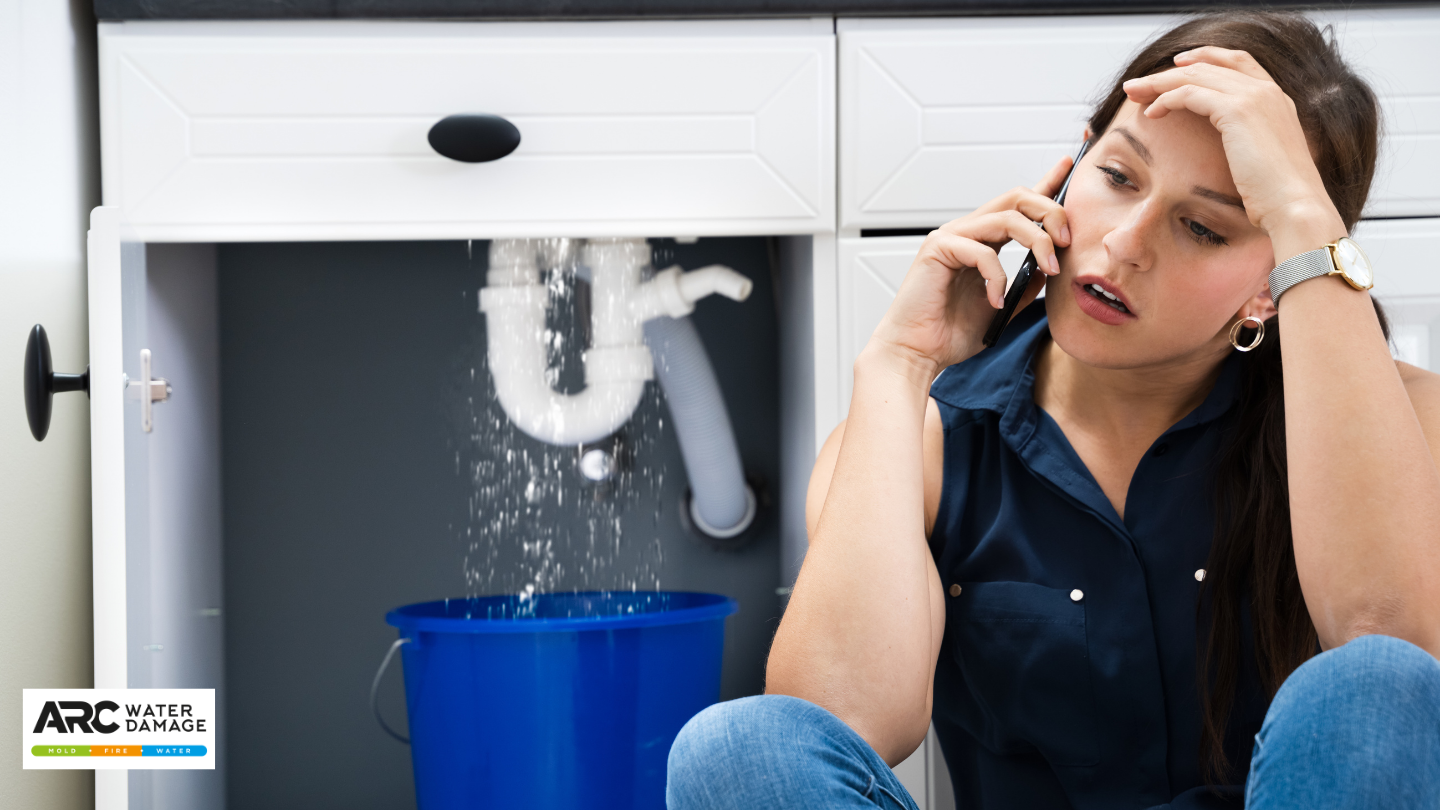
A professional water restoration job is complicated and time-consuming, spanning several days to weeks, depending on the extent of the damage and the areas involved. It’s not a band-aid approach; it emphasizes structural integrity, safety, and long-term health. Hiring a professional restoration company is definitely the best approach. Using the appropriate techniques, tools, and products, going in with your eyes open, and monitoring every step of the process will yield optimum results.
Initial Assessment
Restoration professionals start with a detailed inspection to check the full extent of water damage. They test walls, floors, and ceilings for moisture, noting soft spots and hidden dampness. After the assessment, teams discuss findings with the property owner to outline urgent actions. Priority is given to areas with high moisture or risk, like wood floors or wall cavities. Every step is documented for insurance purposes and future reference.
Water Extraction
Immediate extraction of standing water is crucial to reduce the extent of damage. Employing pumps and high-powered vacuums, they extract massive quantities of water, even from difficult areas. Moisture meters are employed throughout, snagging pockets of water that can lurk beneath floors or behind walls. Updates from the team are regular to monitor progress and validate efficacy. They might have to run equipment for days to restore levels to normal.
Drying And Dehumidifying
Industrial fans and dehumidifiers run nearly around the clock for days to weeks, depending on the impacted areas. Professionals measure humidity and moisture inside surfaces to ensure no wet spots are missed. Kitchens and bathrooms, with more concealed areas, require a greater time, sometimes as long as eight weeks. Listening to the team’s drying timeline is essential to avoid mold and additional structural problems.
Cleaning and Sanitizing
All surfaces and materials exposed must be deep-cleaned. Technicians apply disinfectants and detergents to floors, walls, and furniture. All rooms are inspected for mold, with extra attention paid to kitchens and bathrooms. It is a professional restoration process.
Final Restoration
Once dry and clean, the healing starts. Compromised drywall, flooring, or fixtures are replaced or rebuilt. Change orders and insurance approvals can stall the timeline, especially if material selections change. A walkthrough with the restoration crew ensures everything is safe and looks as it should. Final documentation closes the project and aids any future insurance requirements.
Hidden Dangers Of Delay
When you delay your response to water damage after a leak or flood, it can trigger a domino effect of issues. Even after water sits for a while, it spreads quickly and infiltrates deeper into the materials, which causes more damage than meets the eye. The dangers of delay are much greater than just a few puddles or wet spots. They put the very structure, safety, and comfort of your space at risk.
Compromised Insulation
Insulation doesn’t work if it’s wet. Water permeates into fiberglass, cellulose, or foam boards within hours, and this imprisoned moisture diminishes their thermal regulating capacity. You may observe rooms getting more chilly in the winter or hotter in the summer, and your heating and cooling bills begin to spike. Wet insulation not only fails at energy control but also becomes a breeding ground for mold, which can permeate the wall cavities. Restoration professionals can assist in determining whether the insulation can be dried or needs to be replaced. While cleaning up, check for wet patches, unexpected odors, or any trace of water in the walls. These are signs that moisture has been trapped and requires action.
Electrical System Risks
Water and electricity are a perilous combination. Long-term water exposure erodes wires, shorts circuits, and can make outlets or switches unsafe, even days after the leak. The initial action is to kill the power in the impacted zone to eliminate hazards. Licensed electricians need to inspect wiring, panels, and outlets for concealed damage, particularly in walls or floors where water might have seeped in. Every system requires a complete checkup before powering up again. Even a little trapped moisture could ignite fire or shock long after the water has subsided.
Pest Infestations
All that sogginess beckons pests such as termites, roaches, and rodents. These bugs love dank, shadowy corners such as beneath floors, behind walls, or within ceilings. Pest action frequently begins out of sight, so keep an eye out for droppings, gnawed wires, or strange noises. If indicators appear during renovation, an exterminator can evaluate and begin treatment immediately. To avoid new infestations, fill voids, run dehumidifiers, and dry all areas completely.
Permanent Staining
Water that rots too long marks wood, drywall, ceiling tiles, and even concrete. These stains turn permanent if not addressed quickly, leaving ugly marks that reduce the resale value of your home. Be vigilant for yellowing, brown streaks, or dark patches. Restoration teams can recommend a deep clean or professional stain removal. Sometimes, only repainting or refinishing will revive a room’s look after water damage.
Conclusion
How soon should you call for water damage restoration after a leak or flood? Water travels rapidly and reaches widely. Wet floors or walls can begin to rot or grow mold in under 48 hours. Call a water damage team immediately! Timely assistance can prevent costly repairs and protect your environment. Even if it looks minor, water seeps inside walls or beneath floors. A pro can identify issues you overlook. Time is of the essence in these initial stages. To reduce stress, save money, and keep your home healthy, call early. Have a question or want more tips? Leave a comment or visit the blog for additional true stories and tips from the trenches.
Frequently Asked Questions
1. How Soon Should I Call For Water Damage Restoration After A Leak Or Flood?
Call in a restoration service within the first 48 hours. Fast action minimizes damage, lowers repair costs, and impedes the development of mold.
2. What Risks Do I Face If I Delay Water Damage Restoration?
Waiting too long can mean mold, structural damage, and health concerns. Moisture travels fast and raises risks and costs.
3. Why Is Immediate Action Important After Water Damage?
Rapid action prevents additional water migration, mitigates contamination, and preserves precious belongings. It maximizes the opportunity for a complete restoration.
4. What Are Signs Of Urgent Water Damage?
If you see water or water stains, notice swelling floors, smell musty odors, or touch damp walls, it’s urgent. They require immediate attention to avoid long-term problems.
5. What Steps Should I Take While Waiting For Professionals?
Shut off the water source if it is safe to do so, remove valuables, and air out the room. For safety reasons, do not use electrical appliances in wet areas.
6. How Do Professionals Restore Water-Damaged Properties?
Professionals Evaluate The Damage, Extract Water, Dry Surfaces, And Clean And Disinfect. They use specialty equipment to provide safe and effective restoration.
7. Can hidden water damage cause problems later?
Yes. Even if surfaces appear dry, hidden moisture can compromise structural integrity and foster mold. A professional inspection means nothing is missed.
Facing Water Damage? Fast Water Damage Restoration Makes All the Difference
Water damage doesn’t stay contained. It spreads behind walls, under flooring, and into places you can’t see, causing structural issues and creating the perfect environment for mold. What starts as a small leak or minor flood can quickly turn into a much bigger problem if it isn’t handled immediately. The longer it sits, the more expensive and disruptive it becomes.
Professional water damage restoration stops that process in its tracks. With rapid response, specialized equipment, and a proven process, the water is removed, moisture is fully dried, and your property is cleaned and restored before further damage sets in. You don’t have to guess what to do or deal with the stress alone. The right team takes over, handles the details, and works with your insurance to move things forward quickly.
If you’re dealing with water damage, now is the time to act. A fast response can mean the difference between a simple restoration and a major rebuild. Call ARC Water Damage today at (877) 437-9225 for immediate water damage restoration and get your home or property back to normal as quickly as possible.
Disclaimer
The information provided on this website is for general informational and educational purposes only and is not intended to serve as professional restoration, environmental, or insurance advice. Every water, fire, or mold damage situation is unique, and you should consult with a qualified restoration professional regarding your specific property and conditions. Do not take action or delay action based solely on the content of this website without seeking appropriate professional guidance.
While we strive to provide accurate and up-to-date information, restoration methods, safety standards, and industry practices may change over time. The content on this website may not reflect the most current procedures or recommendations. ARC Water Damage makes no guarantees regarding outcomes based on the use of this information.
By using this website, you agree that ARC Water Damage is not liable for any actions taken or not taken based on the information provided, to the fullest extent permitted by law.