
Discovering sewage in your home or business can turn an ordinary day into an urgent problem. A toilet may overflow, wastewater may rise through a basement drain, or a clogged sewer line may push dirty water into a shower. Whatever the source, your first actions should protect people, limit additional discharge, and bring in the right help.
Immediately after you discover a suspected sewage backup, keep everyone away from the affected area, stop using plumbing fixtures connected to the problem, and contact a sewage cleanup professional and a plumber. If wastewater is near electrical equipment, the building appears unsafe, or someone is in immediate danger, leave the area and seek emergency assistance. Don’t walk through contaminated water to reach a switch, belongings, or equipment.
Sewage cleanup involves more than removing visible water. The work may include identifying the cause, extracting wastewater, removing contaminated materials, cleaning and disinfecting suitable surfaces, drying the structure, and checking whether repairs are needed. A room can look better before it is ready for everyday use.
This guide explains what to do during the first minutes, how to prepare for a professional response, which mistakes to avoid, and what to ask before returning to space. The goal is to help you make clear decisions when the situation feels overwhelming.
Key Takeaways
Keep children, pets, visitors, and other occupants out of affected areas.
Stop flushing toilets and running connected sinks, showers, dishwashers, and washing machines until the cause is assessed.
Avoid standing water near outlets, appliances, wiring, or electrical panels.
Arrange both source repair and sewage cleanup; these may require different professionals.
Photograph damage from a safe location and keep written records of calls, estimates, and expenses.
Don’t assume carpeting, padding, drywall, or upholstered furniture can be saved simply because they look clean.
Follow professional guidance on containment, cleaning, disinfection, drying, and reentry.
Contact your insurer or property manager promptly, without delaying necessary safety measures.
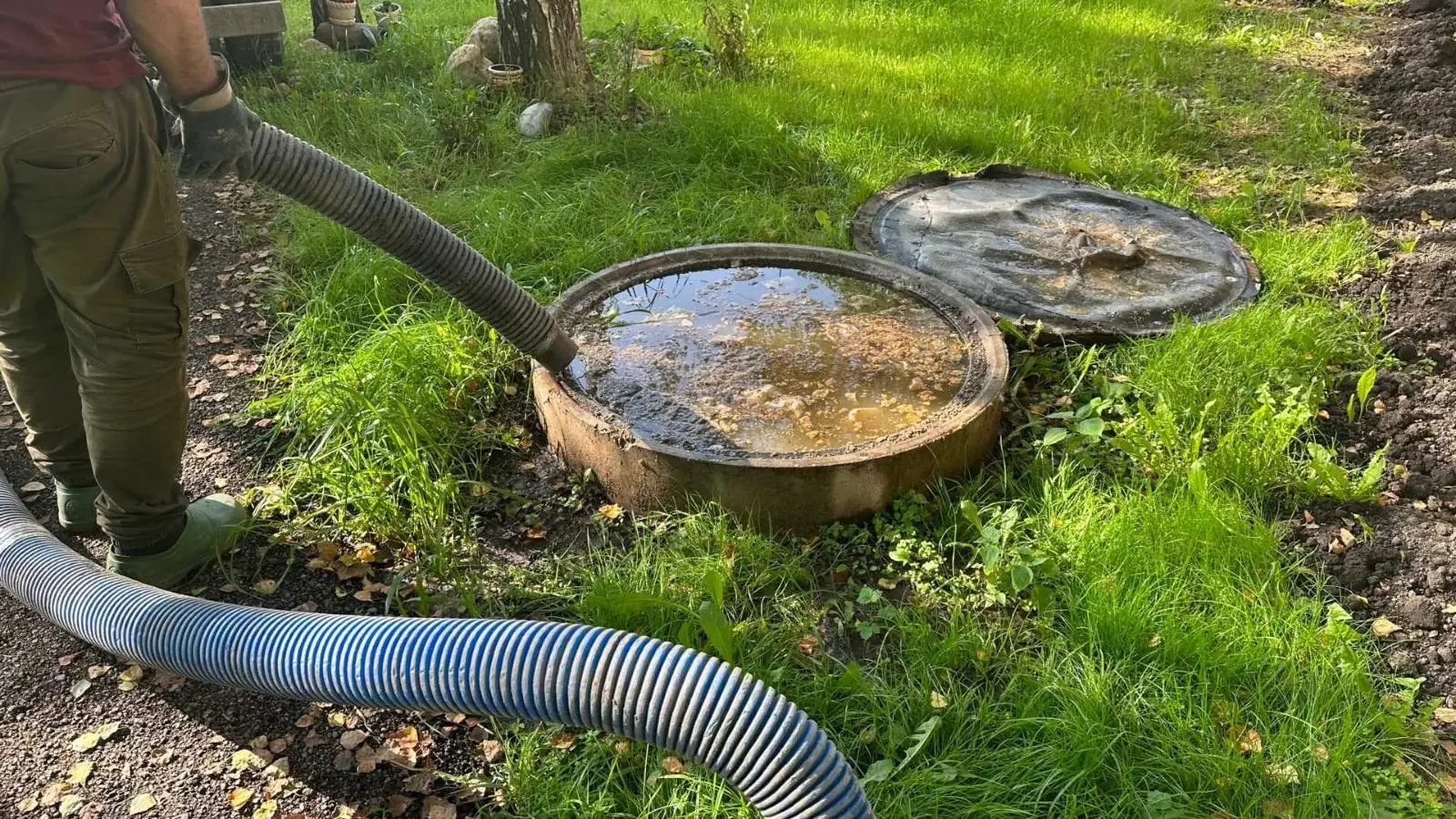
Recognize When a Sewage Backup Requires Immediate Attention
Wastewater backing up through a floor drain or toilet should be treated cautiously, even when it does not contain obvious solids. Appearance alone cannot establish whether water is safe. Explain what happened to the responding professionals rather than trying to classify the contamination yourself.
A slow drain by itself is different from wastewater spilling into a room. Multiple fixtures backing up together, water rising when another fixture is used, or an overflow that continues after flushing stops can indicate a broader drainage problem. Stop testing fixtures once a backup is apparent.
Warning Signs to Report
Tell the plumber where the water appeared first, which fixtures were in use, and whether the problem affects more than one room. Mention recent heavy rain, recurring drain trouble, septic system issues, or similar complaints from nearby occupants if you know about them.
These observations help responders decide what equipment and expertise to bring. A backup could involve a fixture blockage, a building drain, a damaged lateral line, a septic problem, or a public sewer issue.
Why Immediate Action Matters
Acting promptly helps limit additional water entering the property and gives professionals an earlier opportunity to assess damage. Prompt action does not mean rushing into the contaminated area. Calling for help, restricting access, and stopping water use are useful actions you can take without beginning cleanup yourself.
Keep People and Pets Clear of Sewage-Contaminated Areas
The first priority is preventing unnecessary contact. Direct everyone away from the wastewater and establish a clean route through the property. Close an interior door if you can do so without entering the affected space. Make sure others understand that the room is temporarily off limits.
Avoid turning the area into a gathering place while people inspect the damage. One person can coordinate calls and communicate updates. Fewer people moving around the incident means fewer opportunities to track contamination into unaffected rooms.
Prevent Accidental Entry
Children and pets may approach unfamiliar water or disturbed belongings. Keep them in a separate, unaffected location where someone can supervise them. Move their food, water bowls, toys, and bedding only if those items are already accessible from a clean area.
For a business or shared building, notify the person responsible for access. A temporary closure of the affected room may be necessary. Avoid blocking required exits when setting up boundaries or directing occupants to alternate routes.
Decide Whether You Need to Leave
Leaving the affected room may be enough for a contained incident, but a larger backup can interfere with sanitation, safe access, or essential services. Ask responders whether remaining in the building is appropriate. If there is an immediate electrical, structural, or breathing hazard, leave and seek emergency assistance instead of waiting for a cleanup appointment.
Stop Using Plumbing Fixtures Connected to the Backup
Once wastewater is backing up, stop adding water to the drainage system. Don’t flush again to see whether the toilet has cleared. Pause showers, laundry, dishwashing, and other activities that discharge into the affected line.
Explain the restriction clearly to everyone in the property. Someone upstairs may not realize that running a washing machine could add wastewater to a problem downstairs. In a shared building, the property manager may need to coordinate restrictions with other occupants.
Understand the Limits of the Water Shutoff
Turning off a fixture supply valve may stop clean water from feeding an overflowing toilet. Closing a safely accessible main water valve can limit water supplied to the building. Neither action necessarily stops sewage returning from a blocked drain or public sewer.
Don’t enter contaminated water to reach a valve. Describe the situation to the plumber and follow their instructions. Avoid forcing a stuck valve, dismantling pipes, or opening a sewer cleanout while trying to solve the problem yourself.
Avoid Drain Chemicals
Don’t add chemical drain openers or other products to a sewage backup. They can introduce additional hazards and complicate the work. If anyone has already used a drain cleaner, tell the plumber and cleanup team the product name, approximate amount, and time it was added.
Treat Electrical Hazards as a Separate Emergency
Wastewater near electrical equipment deserves particular caution. Outlets close to the floor, basement appliances, extension cords, and electrical panels may be affected. Don’t touch equipment, unplug appliances, or operate a switch while standing in water or on a wet surface.
Water removal should not begin until responders understand whether electricity presents a hazard. A cleanup company may need an electrician or utility provider to make the area safe before equipment can be used.
Don’t Cross Water to Reach the Breaker Panel
If the electrical panel is in the affected area, stay out. Contact qualified assistance. Even when a panel is elsewhere, don’t approach it if the route or surrounding surfaces are wet or otherwise unsafe.
Tell responders about any equipment that was operating when the backup occurred. A washer, freezer, water heater, furnace, or pump may need separate assessment. Drying the outside of an appliance does not establish that its internal electrical components are safe.
Recognize Situations That Require Emergency Help
Sparking, smoke, a suspected electrical injury, structural instability, or severe breathing symptoms warrant immediate emergency assistance. If someone has collapsed in an affected space, don’t enter a potentially hazardous atmosphere or electrified water. Give emergency responders the location and describe the suspected hazards.
Contact a Sewage Cleanup Professional and a Plumber
Two problems usually need attention: the source of the backup and the resulting contamination. A plumber evaluates the drainage issue and performs appropriate repairs. A restoration team assesses affected materials and handles the cleanup process. One provider may coordinate both services, but ask what their response includes.
EPA recommends using a professional experienced in cleaning and repairing buildings damaged by sewage or other contaminated water. This advice is especially relevant when wastewater has reached building materials or belongings beyond the original fixture.
What to Say During the First Call
Give your address, contact information, and a brief description of what happened. Report whether wastewater is still entering, approximately which rooms are affected, and whether electrical equipment is nearby. Mention whether the property is occupied and whether anyone has had direct exposure.
Ask for the expected arrival window and any instructions you should follow while waiting. If the provider cannot respond promptly, continue contacting appropriate services. Keep a record of who you called and what they advised.
Questions That Help Clarify the Service
Ask whether the team regularly handles sewage contamination, what the initial assessment covers, and how pricing is explained. Find out who will communicate findings and authorize changes in scope.
Also ask whether extraction, removal of damaged materials, cleaning, disinfection, drying, and repairs are included or quoted separately. Clear expectations reduce confusion once urgent work begins.
Document the Damage Without Entering Unsafe Areas
Documentation can support communication with cleanup providers, property managers, and insurers. Take photos or video from an unaffected location if you can. Capture an overview of the room and any visible affected items, but don’t step into wastewater to obtain a better angle.
Record when you first noticed the problem and what was happening at the time. If you are unsure when it began, say so. Accurate uncertainty is more useful than an estimate presented as fact.
Build a Simple Incident Record
Keep one note containing the discovery time, affected locations, calls made, and instructions received. Add the names of responding companies and the arrival times. Save estimates, service agreements, receipts, and photographs in the same place.
For belongings, create a preliminary list using items visible from safety or known to have been in the room. Include descriptions and approximate purchase details where available. You can refine the list with the cleanup team once access is safe.
Balance Records With Urgent Work
Don’t delay safety measures or necessary mitigation just to complete an inventory. Ask professionals to document conditions before removing materials when practical. If immediate removal is needed, photographs and a written explanation may help preserve the record without holding up work.
Notify Your Insurer, Landlord, or Property Manager
Contact the appropriate responsible party promptly. Homeowners can report the incident to their insurer and ask how the claim process applies. Tenants should notify the landlord or property manager and keep a written record of the notice.
Coverage varies by policy, cause, endorsements, and other circumstances. Don’t assume that a homeowners policy automatically covers every sewage backup, or that a provider can guarantee reimbursement. Ask your insurer directly about your specific policy and incident.
Questions for the Insurance Representative
Ask what documentation is needed, whether a claim number has been assigned, and how emergency mitigation should be recorded. Clarify whether the insurer wants to inspect damaged belongings before disposal and how that can be coordinated with safety needs.
Ask separately about cleanup, plumbing repairs, damaged contents, rebuilding, and temporary accommodation. These expenses may be treated differently. Keep the representative’s instructions alongside the rest of your incident record.
Responsibilities in Shared Properties
In an apartment building, commercial property, or condominium, more than one party may be involved. The manager may need to arrange access, notify affected occupants, and coordinate work in common areas.
Avoid making assumptions about liability while the source is still being investigated. Focus first on reporting the problem, protecting access, and recording decisions. Questions about legal obligations should be addressed using the applicable lease, governing documents, and qualified local advice.
Avoid Spreading Contamination While You Wait
Leave affected belongings in place until the cleanup team can assess them. Carrying wet boxes, rugs, or furniture through clean hallways may extend the cleanup area. Don’t ask family members or staff to begin sorting items in the contaminated room.
If someone has already walked through wastewater, keep the affected footwear and clothing away from clean living spaces. Tell responders which routes were used so they can consider whether other areas need attention.
Don’t Use Household Cleaning Equipment
A regular vacuum, mop, or rented carpet machine is not an appropriate starting point for a sewage incident. Improvised cleanup can expose people and contaminate equipment. Ask the restoration team to handle extraction and explain how they will protect unaffected areas.
Likewise, avoid setting up fans to blow across contaminated surfaces before assessment. Airflow and containment should be planned as part of the cleanup. If ducts or HVAC equipment may be affected, leave the system off pending professional advice.
Keep the Work Area Organized From Outside
Useful preparation includes clearing an unaffected access route, securing pets, and locating relevant records. You can also identify parking or building access arrangements for the team. These actions help the response without requiring you to handle sewage or damaged materials.
Respond Appropriately if Someone Has Been Exposed
If sewage or contaminated water contacts skin, wash the area with soap and clean water promptly. Remove contaminated clothing and keep it away from clean items. CDC advises washing sewage-contaminated clothing with hot water and detergent before reuse.
For an exposed wound, puncture injury, eye exposure, or swallowed wastewater, contact a healthcare professional for advice. Tell them what happened and when. Don’t apply cleaning chemicals or surface disinfectants to skin.
Watch for Symptoms That Need Medical Attention
Seek prompt medical attention for a wound that becomes increasingly painful, red, swollen, or begins draining, especially if fever develops. A healthcare professional can also determine whether a contaminated injury requires a tetanus booster based on the person’s vaccination history.
Severe symptoms, breathing difficulty, collapse, or other immediate threats require emergency help. Don’t assume every illness after an incident was caused by sewage, but make sure the clinician knows about the exposure.
Leave Cleanup Protection to Trained Responders
Cleanup workers need protective equipment suited to the hazards. Ordinary gloves or a face covering don’t make a hazardous area safe to enter. Respiratory protection, when needed, must match the exposure; a particulate mask does not protect against hazardous gases.
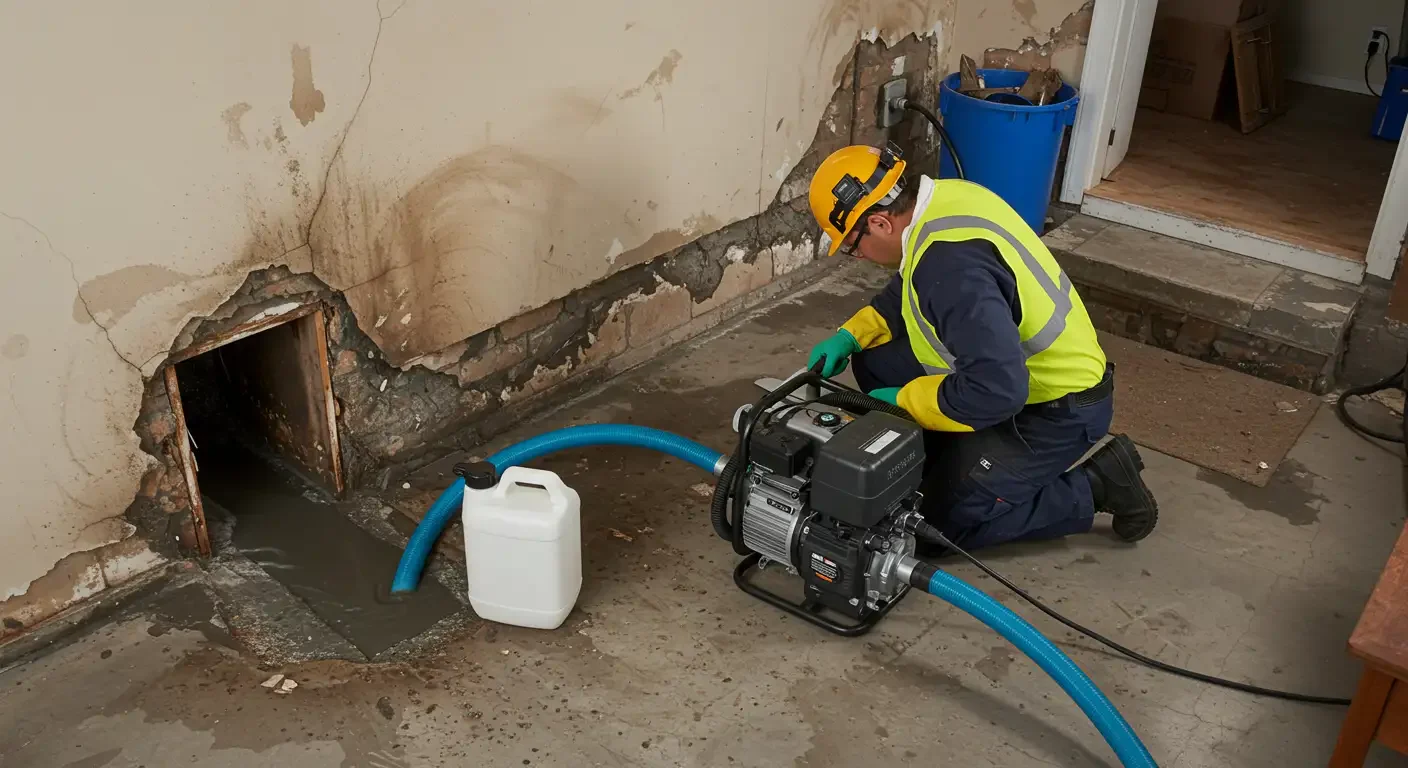
Understand What Professional Sewage Cleanup May Include
The cleanup plan should reflect the source, affected materials, and site conditions. It may change after water is removed and hidden damage becomes visible. Ask the provider to explain findings in plain language and document significant changes before additional work proceeds.
Initial Assessment and Containment
The team identifies affected areas, evaluates access and safety, and plans how to separate work areas from occupied spaces. They may inspect adjacent rooms, wall bases, flooring edges, or other locations where wastewater could have traveled.
Ask how workers, equipment, and debris will move through the property. A defined route helps you understand which spaces must remain clear and where household routines need to change temporarily.
Extraction and Material Removal
Professionals remove wastewater using suitable equipment and determine which materials can be cleaned effectively. Contaminated carpet padding, insulation, drywall, and other absorbent materials may need removal. Decisions depend on the actual exposure and construction.
Ask for an itemized explanation of proposed removals. For valuable or sentimental objects, request specialist advice where practical. The fact that an object has sentimental value does not mean it can be safely restored, but a documented assessment can help you make an informed choice.
Cleaning, Disinfection, and Drying
Cleaning removes contamination and residue; suitable disinfection follows where required. The team should select products for the surfaces and follow label instructions, including contact time. Mixing products or spraying disinfectant over visible waste is not an adequate substitute for a planned process.
After appropriate removal and cleaning, drying addresses moisture remaining in materials and spaces. Ask what measurements the team uses to track progress. A dry-looking floor does not establish that the subfloor or wall cavity is ready for repair.
Make Decisions About Belongings Carefully
Damage to belongings can be one of the most upsetting parts of a sewage incident. Separate the questions of contamination, physical damage, restoration feasibility, and replacement cost. A cleanup specialist may answer some of these questions, while an insurer or contents specialist addresses others.
Hard Items and Absorbent Items Require Different Assessments
Some intact, nonporous objects may be candidates for cleaning and disinfection. Items with absorbent interiors, inaccessible seams, or damaged surfaces are more difficult to assess. Ask for the reasoning behind each recommendation rather than assuming everything in the room has the same outcome.
Don’t donate, sell, or give away contaminated items to avoid disposal costs. Follow the cleanup provider’s guidance and local waste instructions. Keep damaged goods away from areas used by children, pets, or visitors while arrangements are made.
Food, Children’s Items, and Electronics
Set aside questions about food, medicines, toys, and feeding supplies for appropriate safety guidance. Don’t use an exposed item simply because its packaging looks intact. Explain the type of exposure to the relevant professional.
Electronics and appliances need separate evaluation. Cosmetic cleaning does not establish safe operation. Ask whether an electrician, manufacturer-authorized technician, or contents restoration specialist should inspect them before use.
Address Moisture Without Treating a Deadline as a Guarantee
Removing wastewater is only part of recovery. Remaining moisture can complicate repairs and contribute to additional damage. Ask the restoration team how they will evaluate materials beneath flooring, inside walls, and in other locations that cannot be checked by touch alone.
EPA advises drying flood-affected homes and belongings as quickly as possible, ideally within 24 to 48 hours, and treating delayed drying as a reason to suspect mold. This is a prompt-action guideline, not a promise that sewage-exposed materials become safe if dried within that period.
Don’t Rebuild Before the Assessment Is Complete
Replacing trim or covering a floor may make the property look normal while hiding an unresolved problem. Before repairs begin, ask whether the source has been corrected, contamination addressed, and relevant moisture readings reviewed.
If the team discovers additional damage, request photographs and an explanation of the next step. Establishing the scope before rebuilding can reduce the chance of having to reopen finished areas later.
Confirm What Must Happen Before Reentry
There is no single timetable that fits every sewage backup. A limited incident and a backup affecting several rooms can require very different work. Ask for an estimate based on assessment, and distinguish the cleanup schedule from the repair schedule.
Odor Reduction Is Not Proof of Completion
A room may smell better after water removal or odor treatment. That improvement does not establish that contamination and moisture have been fully addressed. Ask the provider to explain the basis for allowing normal use.
Request a written summary of affected areas, materials removed, cleaning performed, drying findings, and any outstanding issues. Clarify which rooms remain restricted and whether appliances or HVAC equipment still need inspection.
Plan a Practical Return
Before returning belongings, confirm that the relevant work area is ready. Coordinate furniture placement, repairs, and any final cleaning with the provider. Keep incident records accessible in case a new concern appears.
If wastewater returns, materials remain damp, or new concerns develop, contact the responsible professional promptly. Don’t assume a repeat problem is normal after restoration.
Reduce the Risk of Another Backup
Prevention begins with understanding the actual cause. Ask the plumber to explain findings and recommendations in writing. A one-time blockage, recurring root intrusion, a damaged pipe, and a public sewer issue call for different responses.
Follow Recommendations Specific to the Property
Discuss whether additional inspection, maintenance, repair, or a backwater valve assessment is appropriate. Such measures require property-specific evaluation and don’t guarantee protection against every future event.
Keep wipes, grease, and unsuitable items out of drains and toilets. Report repeated gurgling, slow drainage across multiple fixtures, or previous backup patterns before another overflow occurs. Avoid repeatedly treating symptoms without investigating the underlying problem.
Prepare an Emergency Contact List
Save contact information for a plumber, sewage cleanup provider, property manager, insurer, and local wastewater utility. Note the location of water shutoffs and explain basic response steps to household members or staff.
Store vulnerable belongings away from basement floors where practical. Keep important documents in a secure location and maintain an inventory of valuable items. Preparation cannot eliminate every incident, but it can make the response more organized.
Conclusion
Immediately after sewage cleanup becomes necessary, protect people, stop adding water to the affected drainage system, avoid electrical hazards, and arrange professional help. Document what you can from a safe distance and notify your insurer or property manager promptly.
Recovery requires attention to both the cause and the damage. Ask clear questions about extraction, material removal, cleaning, disinfection, drying, and repairs. Before returning to normal use, obtain an explanation of what has been completed and what still needs attention.
The most useful immediate response is a calm, organized one. Restrict access, communicate the problem, and let qualified responders assess conditions before anyone begins handling contaminated materials.
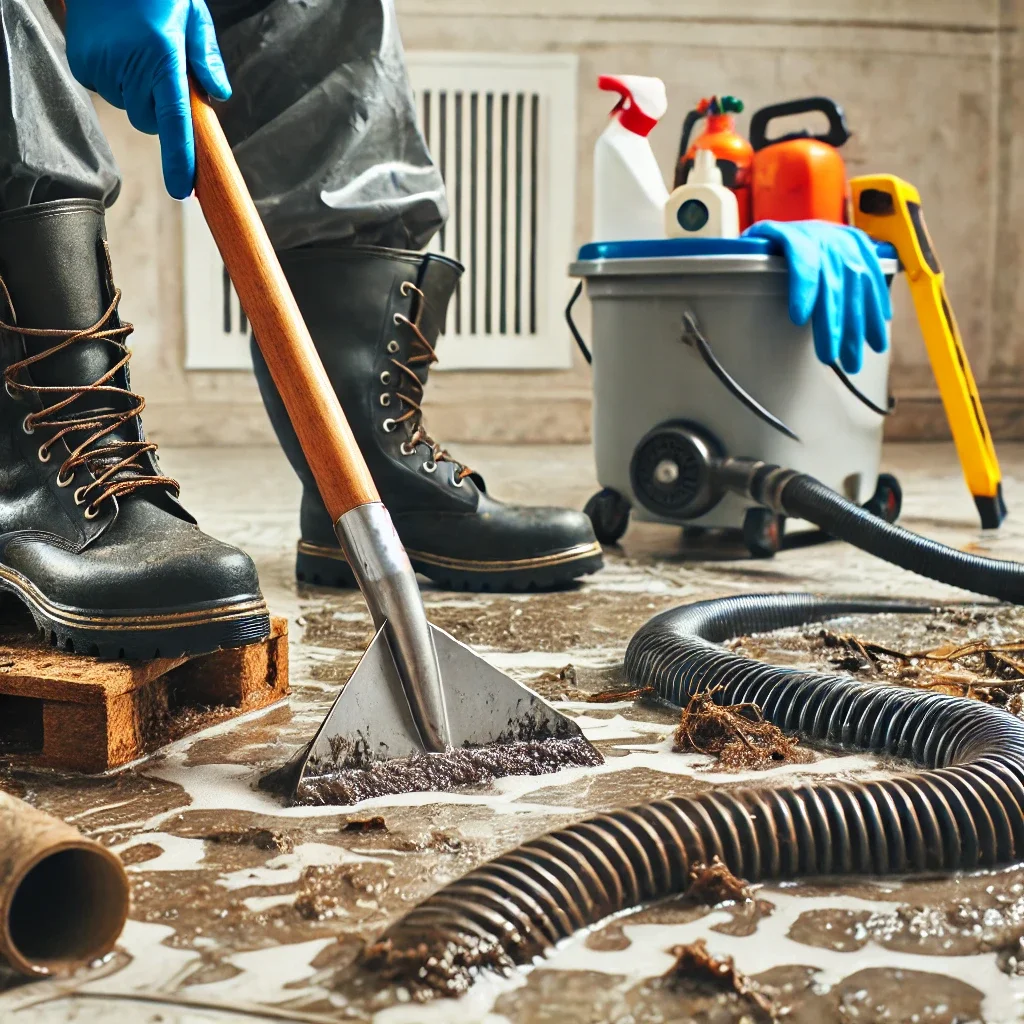
Frequently Asked Questions
1. What Is the Very First Thing I Should Do After a Sewage Backup?
Keep people and pets out of the affected area and stop using connected plumbing fixtures. From a safe location, contact a plumber and a sewage cleanup professional. If electrical equipment, structural damage, or an immediate threat to health is involved, leave and seek emergency assistance.
2. Can I Clean Up Sewage With a Mop and Bleach?
A mop and bleach are not a complete solution for sewage damage. The situation may require extraction, removal of contaminated absorbent materials, appropriate cleaning and disinfection, and structural drying. Have an experienced provider assess the scope, especially when wastewater has spread beyond the fixture or reached building materials.
3. Should I Shut Off the Main Water Supply?
Stopping water use is important. A safely accessible shutoff may help limit water supplied inside the property, but it will not necessarily stop sewage returning through the drainage system. Don’t enter contaminated water to reach a valve. Ask the plumber for instructions based on the incident.
4. Is a Plumber Enough, or Do I Also Need a Cleanup Company?
A plumber addresses the source of the backup. A sewage cleanup provider addresses contamination and water damage. Depending on the incident, you may need both. Ask each company exactly what it will handle and who will coordinate the transition from source repair to cleanup and rebuilding.
5. How Soon Should Cleanup Begin?
Arrange assessment and mitigation promptly. Don’t wait for odors to worsen or visible damage to increase. The work must also account for safety and control of the source. A provider should explain what can begin immediately and what must wait until electrical or plumbing hazards are resolved.
6. Can Sewage-Exposed Carpet Be Saved?
Don’t assume it can. Carpet and padding can absorb contamination, and wastewater may reach the underlying floor. Ask the restoration team to assess the exposure and explain its recommendation. A surface cleaning that improves appearance does not establish that the full flooring assembly is safe to retain.
7. Should I Turn on Fans to Dry the Area?
Wait for professional guidance. Fans can move contaminants, and electrical equipment may be unsafe in a wet area. Drying should follow an assessment and appropriate cleanup. The team can determine equipment placement, containment, and whether the HVAC system needs to remain off or undergo inspection.
Sewage Problems Need Fast, Professional Cleanup
A sewage backup can create serious problems for any home or business. Contaminated water may spread across floors, seep into walls, damage building materials, and leave behind bacteria, odors, and other hazardous contaminants. The longer sewage remains in the property, the greater the risk of additional damage and costly repairs.
Sewage cleanup requires more than removing standing water. A proper response includes identifying affected areas, extracting contaminated water, removing damaged materials when necessary, thoroughly cleaning and disinfecting surfaces, controlling odors, and drying the property to help prevent lingering moisture problems.
ARC Water Damage provides professional sewage cleanup for residential and commercial properties. Our experienced team works quickly to contain the affected area, remove contamination, clean and sanitize the property, and help restore damaged spaces as safely and efficiently as possible.
If you're dealing with a sewage backup, overflowing toilet, sewer line problem, or contaminated water damage, contact ARC Water Damage at (877) 437-9225 for fast, professional sewage cleanup.
Disclaimer
The information provided on this website is for general informational and educational purposes only and is not intended to serve as professional restoration, environmental, or insurance advice. Every water, fire, or mold damage situation is unique, and you should consult with a qualified restoration professional regarding your specific property and conditions. Do not take action or delay action based solely on the content of this website without seeking appropriate professional guidance.
While we strive to provide accurate and up-to-date information, restoration methods, safety standards, and industry practices may change over time. The content on this website may not reflect the most current procedures or recommendations. ARC Water Damage makes no guarantees regarding outcomes based on the use of this information.
By using this website, you agree that ARC Water Damage is not liable for any actions taken or not taken based on the information provided, to the fullest extent permitted by law.