
Sewage entering a home creates a health concern that deserves immediate attention. Whether wastewater rises through a floor drain, spills from a toilet, or escapes from a damaged sewer pipe, the priority is to keep people away from the affected area and arrange appropriate help. Waiting until someone becomes sick is not a safe way to decide whether cleanup is necessary.
The health risks that require prompt sewage cleanup include exposure to disease-causing microorganisms, contamination of cuts and wounds, and damp conditions that can support mold. Depending on the setting, an incident may also involve hazardous gases, spilled chemicals, electrical equipment, or unstable building materials. Each hazard affects how responders should approach the property.
Immediate action does not mean rushing into wastewater with a mop. It means protecting occupants, identifying urgent dangers, stopping additional exposure, and contacting professionals who can address the source and the contamination. Emergency medical care takes priority when someone has serious symptoms.
For homeowners, renters, and property managers, the most useful question is not simply how dirty the water looks. It is whether people can safely use the affected space. Understanding the difference between exposure prevention, medical evaluation, and property restoration helps households respond with clear priorities.
Key Takeaways
Arrange prompt assessment whenever sewage escapes into an occupied space.
Keep people and pets away from contaminated rooms while help is arranged.
Gastrointestinal illness and wound infection are important exposure concerns.
Mold presents an additional concern when building materials remain damp.
Breathing difficulty, collapse, or suspected hazardous gas exposure requires emergency help.
Plumbing repairs and contamination cleanup address different parts of the problem.
Ask for a clear explanation of material removal, cleaning, drying, and completion criteria.
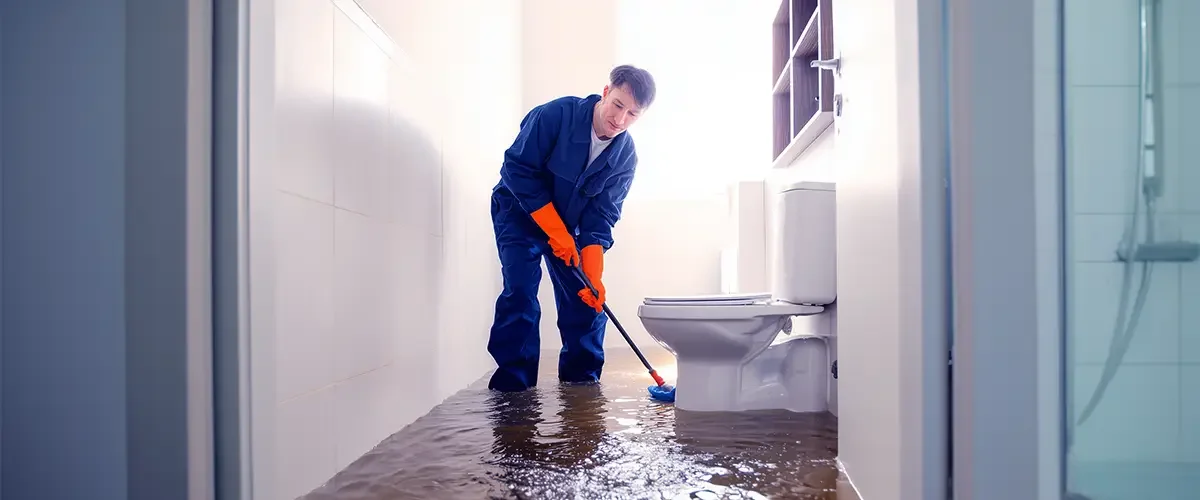
Why Sewage Requires a Different Response From an Ordinary Spill
The Source Matters More Than the Appearance
A puddle from a broken drinking-water pipe and a puddle from a sewer backup may initially look similar. Their origins matter. Water that has passed through a sewage system should not be judged by whether it contains visible solids, has a dark color, or produces a strong smell.
When reporting the incident, describe where the water emerged. Explain whether it came from a toilet, shower, floor drain, sewer line, or outdoor flooding. Also report whether several fixtures backed up together. These details help the responding plumber or restoration company understand what the needs assessment is.
If the origin is uncertain, say so. A homeowner does not need to identify the exact microorganism or diagnose the drainage failure before requesting help. The immediate task is to prevent people from treating an uncertain spill as harmless.
Stopping the Backup Does Not Complete the Cleanup
A repaired pipe or cleared blockage may stop new wastewater from entering the room. It does not answer what should happen to the floor, walls, furniture, or belongings already affected. Ask the plumber what caused the backup and whether normal water use can resume. Separately, ask a cleanup provider to assess the contamination. The Environmental Protection Agency recommends experienced professional help when sewage or other contaminated water causes water or mold damage. This distinction helps avoid a common misunderstanding: a functioning toilet does not establish that the surrounding room is ready for normal use.
Gastrointestinal Illness From Contaminated Water
How Exposure Can Occur
Contaminated water can create an ingestion risk when it reaches food, drinks, or hands used for eating. The CDC identifies diarrheal illnesses, including some E. coli and Salmonella infections, as concerns when people consume items contaminated by floodwater containing sewage.
Consider a family responding to an overflowing bathroom. One person carries supplies, another handles wet belongings, and someone prepares a snack. The household needs a plan that keeps cleanup activities away from food preparation.
A practical precaution is to establish a clean location for meals and handwashing. Leave drinks, utensils, and food outside the affected room. Avoid turning a kitchen counter into a sorting station for belongings removed from wastewater.
Illness Should Be Reported With the Exposure History
Vomiting, stomach cramps, or watery diarrhea after sewage contact deserves prompt medical advice. CDC guidance for people handling human waste specifically recommends seeking medical attention when these symptoms develop.
When contacting a clinician, explain when the incident occurred and what happened. Include whether the person swallowed water, handled contaminated objects, or had a direct splash to the face. A clear exposure history is more useful than guessing which infection might be responsible.
Don’t assume that everyone exposed will become ill. Equally, don’t dismiss symptoms because the spill looked small. Medical decisions should be based on the person’s condition and exposure, while property cleanup should proceed independently.
Wound Infection and Contamination of Broken Skin
Cuts and Scrapes Change the Risk
Open wounds and rashes can become infected after contact with contaminated floodwater. Increasing redness, swelling, or drainage after exposure warrants immediate medical attention.
Anyone with an uncovered cut should avoid entering the affected space. A waterproof covering may reduce accidental contact, but it should not be treated as permission to take on sewage cleanup without appropriate protection.
If contact occurs, leave the contaminated area and wash exposed skin with soap and clean water. Explain any wound exposure when seeking medical advice. A puncture, embedded object, or worsening wound needs evaluation rather than repeated household attempts to clean it.
Tetanus Assessment Depends on the Wound and Vaccine History
The CDC classifies wounds containing feces and penetrating or puncture wounds as dirty or major wounds for tetanus assessment. A clinician determines whether vaccination or other preventive treatment is needed based on the wound and vaccination history.
This does not mean every sewage splash requires a tetanus injection. It means a contaminated injury should be assessed correctly.
If records are available, have the date of the last tetanus vaccination ready. If the history is unknown, tell the clinician. Avoid delaying care while searching for paperwork. The exposure, wound condition, and available history give the healthcare professional a starting point.
Mold Exposure and Respiratory Concerns
Damp Materials Create an Additional Problem
After the initial wastewater incident, moisture becomes another issue to address. Mold can grow on damp materials such as drywall, carpet, insulation, and upholstery. The CDC advises cleaning and drying a flood-affected home quickly, ideally within 24 to 48 hours, to help prevent mold.
That interval is a drying goal, not a waiting period before sewage cleanup begins. It also does not establish that a sewage-soaked item becomes safe simply because it dries.
When speaking with a restoration provider, ask which materials are wet and how they will determine when drying is complete. Request an explanation of any areas that cannot be inspected immediately. This gives the household a clearer understanding of what remains unresolved.
Asthma and Other Conditions Affect Occupancy Decisions
Damp and moldy environments can cause coughing, wheezing, irritated eyes, or other symptoms in some people. People with asthma or mold allergies may have stronger reactions, while those with weakened immune systems or chronic lung disease can face additional concerns.
Tell the cleanup provider if someone in the household has a relevant condition. Also ask that person’s clinician whether temporary relocation is appropriate.
For example, a household may be able to avoid a closed utility room during assessment, but an affected bedroom creates a different practical problem. Decisions should account for where the person sleeps, the rooms they must cross, and whether they can avoid the work area.
Sewer Gas and Hazardous Atmospheres
Some Locations Require Specialized Assessment
Sewer-related incidents can involve hazardous gases, particularly in enclosed or confined spaces. Hydrogen sulfide can cause serious effects at high concentrations, and smell is not a reliable warning because exposure can impair the ability to detect it. Occupational Safety and Health Administration
A sewer odor alone does not establish a dangerous concentration. An untrained person should not enter a sewer pit, septic tank, or confined space to investigate.
Describe odors and the location to responders from a safe place. If symptoms appear while near the affected area, leave immediately. Don’t remain inside trying to identify the source through repeated sniffing or closer inspection.
Serious Symptoms Require Emergency Help
If someone collapses, has major breathing difficulty, or becomes confused during a suspected gas exposure, contact emergency services from a safe location. Don’t enter a hazardous atmosphere to attempt a rescue without training and appropriate equipment.
A household dust mask or particle respirator does not establish that an atmosphere is safe to breathe. Ask responders who are qualified to assess the space before anyone returns.
The cleanup schedule comes after immediate life safety. A room can be assessed and restored later; exposure to a dangerous atmosphere must be addressed first.
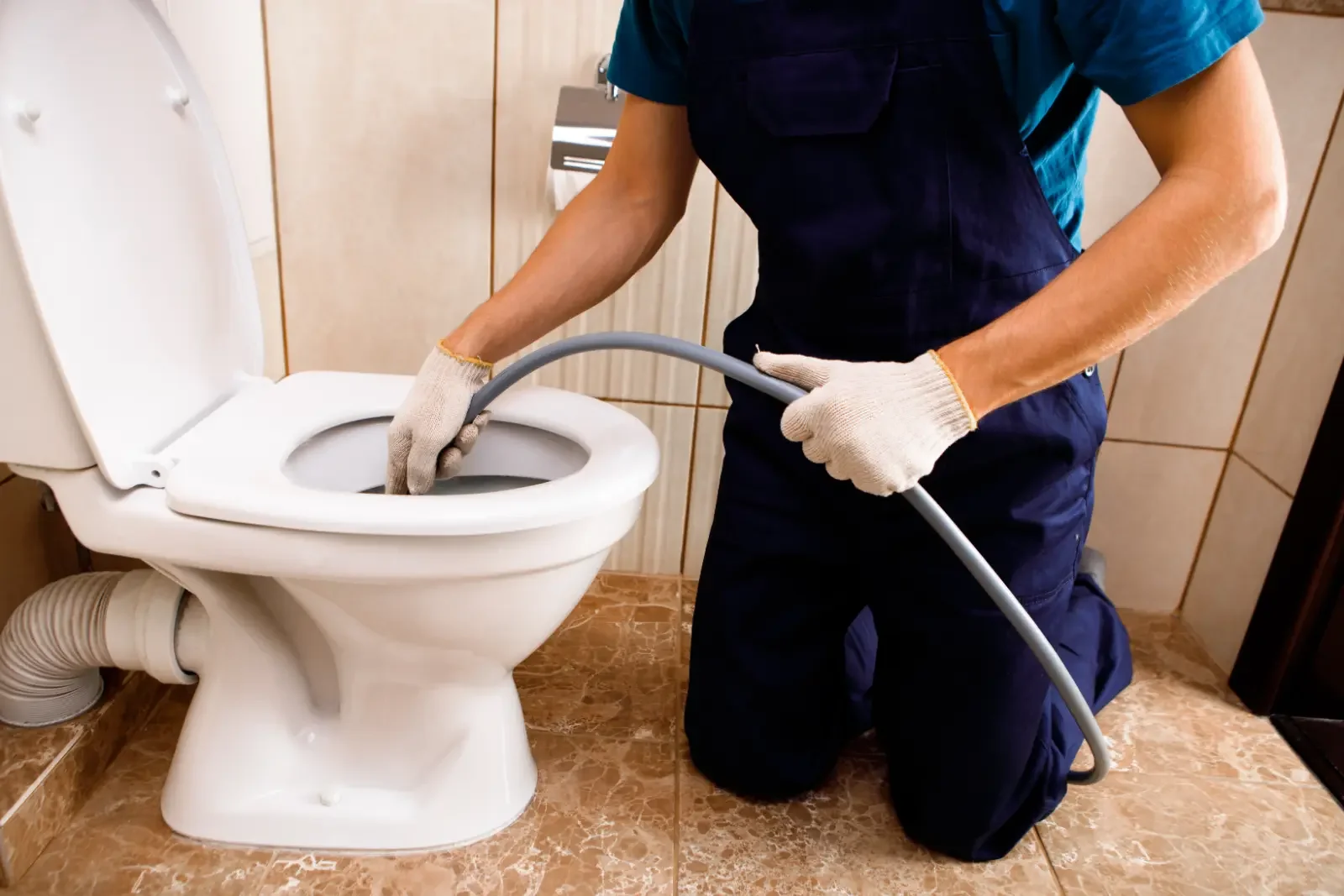
Electrical and Structural Hazards During a Sewage Incident
Water Near Electricity Changes the First Step
Wastewater near outlets, appliances, extension cords, or electrical panels creates an additional hazard. EPA flood guidance warns against entering a flooded home before electrical safety has been established.
Don’t walk through water to reach a breaker panel or unplug equipment. Contact the utility, an electrician, or emergency responders as appropriate. Explain that the affected area contains wastewater as well as a possible electrical hazard.
This is especially relevant in laundry rooms, basements, and utility spaces. Before planning extraction equipment, establish who will confirm that workers can safely enter and use equipment.
Building Damage Can Make Entry Unsafe
After significant flooding, warning signs such as leaning walls, new exterior cracks, missing supports, or a sagging roof require professional evaluation before entry.
For an occupant, the useful action is to report what can be observed safely. Avoid opening a damaged ceiling or moving structural materials to get a better view.
In a large incident, several specialists may be needed. Ask the lead responder to explain which problems must be resolved before cleanup begins. That sequencing helps prevent the urgency of sewage removal from overshadowing a more immediate entry hazard.
Chemical Exposure and Unsafe Cleaning Practices
Flooding Can Involve More Than Sewage
A wastewater incident connected with broader flooding may also involve chemical hazards. EPA notes that contaminated floodwater can contain chemicals as well as microorganisms.
Tell responders about nearby stored products, damaged containers, unusual stains, or known spills. A garage with cleaning supplies or workshop chemicals needs a different assessment from a bathroom with no known chemical release.
Don’t open, combine, or relocate leaking containers to simplify cleanup. Keep a written list of the products you know were present, and share it with the responding team. Information can help; experimenting with unknown mixtures cannot.
Cleaning Products Need Their Own Safety Controls
Never mix bleach with ammonia or other cleaners. The CDC warns that such combinations can produce poisonous gas. Follow the product manufacturer’s instructions.
Avoid layering products in an attempt to make a surface “extra clean.” Tell the restoration provider if anyone has already applied drain cleaner, bleach, disinfectant, or another product.
If a cleaning mixture causes breathing difficulty or someone becomes seriously unwell, leave the area and seek emergency help. Explain which products were used if that information is available. Don’t reenter to retrieve a bottle when doing so would create another exposure.
Who Needs Extra Protection During Cleanup
Children Need a Clear Boundary
Children may crawl on floors or put objects in their mouths, creating opportunities for exposure after flooding. EPA recommends keeping them away from cleanup work when possible.
Arrange supervision in a separate location before responders arrive. Explain the boundary in simple terms: the room is closed until the adults responsible for cleanup say it can reopen.
Remove the need for repeated trips near the affected area. Set aside clean clothing, school materials, and daily essentials that are already accessible. If a necessary item is inside the contaminated room, ask the cleanup team how it should be retrieved.
Household Health and Mobility Matter
A response plan should account for people who cannot easily move around the property or follow temporary restrictions. Ask whether the available bathroom, bedroom, and exit route remain practical for everyone.
Also identify essential care routines. A person who receives daily assistance may need a temporary alternative if a caregiver must cross the affected room to reach them.
These are planning questions that families can address without making medical assumptions. Write down the needs, discuss them with the restoration team, and consult the treating clinician when a health condition could affect the decision to stay elsewhere.
What to Do Immediately After Discovering Sewage
Keep People Away and Report the Problem
Begin with a simple sequence:
Move people and pets away from the affected area.
Check from a safe location for urgent symptoms or obvious entry hazards.
Contact emergency services if there is an immediate threat to life.
Contact a plumber or sewer service to address the source.
Arrange assessment by a provider experienced with sewage contamination.
If wastewater is actively backing up, avoid using connected fixtures until the responding plumber advises that use can resume. Tell other occupants what is happening so someone does not unknowingly run a washing machine or flush a toilet during assessment.
For renters, notify the landlord or property manager promptly. Provide a short description of the location, when the backup was discovered, and whether people have been exposed.
Document Without Entering Unsafe Areas
Photographs and a written timeline can help explain the incident to property managers, contractors, and insurers. Take pictures only from locations that are safe to access.
Record what you observed rather than estimating facts you cannot verify. “Water was visible at the bathroom doorway at 7 a.m.” is more useful than claiming the backup began overnight when no one saw it start.
Keep contact details and instructions together. A shared note can list who is addressing the source, who is assessing cleanup, and when the next update is expected. This reduces confusion when several people are managing the same incident.
How Professional Cleanup Addresses the Health Risks
Ask for a Site-Specific Plan
An experienced cleanup provider should explain the affected areas and proposed work. Useful questions include:
What evidence identifies the extent of the contamination?
Which materials can be cleaned, and which need removal?
How will unaffected rooms be protected?
What cleaning and drying steps are planned?
What conditions must be met before the area is used again?
Ask for answers tied to your property. A general description of emergency service does not explain what will happen to your floor, walls, or belongings.
Also clarify who is responsible for each stage. The plumber, restoration provider, electrician, and repair contractor may have different roles. Written responsibilities help prevent a gap between stopping the backup and completing restoration.
Material Decisions Should Be Explained
Homeowners often want to save flooring, furniture, photographs, and other valued items. Instead of making immediate promises, ask the provider to explain the condition and recovery options for each category.
Separate sentimental value from the question of whether an item can be safely restored. For a valuable object, ask whether a specialist should assess it before disposal. EPA recommends specialist advice when an item is expensive, sentimental, or difficult to clean appropriately.
Don’t move affected belongings into clean rooms simply to protect them from disposal. Agree on a handling plan first. Labeling and photographing items can preserve information while the recovery decision is made.
Drying Must Be Verified Before Rebuilding
EPA advises that affected materials should be completely dry before walls and flooring are refinished or replaced.
Ask how the contractor will document drying and what measurements or observations support completion. Also ask what happens if a hidden area remains wet or cannot be accessed.
A clear handoff matters. Before a repair contractor installs new finishes, the homeowner should understand whether cleanup is complete and whether any additional assessment remains outstanding. Attractive replacement materials should be the result of completed restoration, rather than a substitute for it.
Common Decisions That Can Increase Exposure
Trying to Finish Before Calling for Help
A homeowner may feel embarrassed by a sewage incident or want to avoid an emergency bill. Those pressures can lead to hours of improvised work before anyone qualified assesses the property.
A better first call describes the incident and asks what immediate precautions are appropriate. Request information about assessment charges and the proposed scope. You can make informed financial decisions without entering contaminated water to prove that the problem is manageable.
Don’t let uncertainty about insurance become a reason to delay protecting occupants. Notify the insurer while arranging appropriate responses, and keep the documentation requested for the claim.
Treating Odor Removal as the Finish Line
An improved smell may make a room feel more comfortable, but it does not answer whether the source is repaired or the affected materials have been properly addressed.
Ask for completion information that matches the original problem. If wastewater reaches the carpet, ask what happened to that carpet and its underlying materials. If a wall was wet, ask how the wall was assessed.
The goal is a specific explanation of the work completed. Fragrance, a freshly painted surface, or an empty room should not be the only evidence offered.
Returning Without a Clear Handoff
When several contractors are involved, residents may receive mixed messages about when normal use can resume. Ask who has responsibility for the final occupancy recommendation and what that recommendation covers.
For example, permission to use repaired plumbing may not address the cleanup work in the adjoining bedroom. Clarify the room, fixture, or system covered by each instruction.
Keep unresolved issues in writing. If there is ongoing moisture, an unexplained odor, or unfinished material removal, request follow-up before treating the project as complete.
Conclusion
The health risks requiring immediate sewage cleanup include gastrointestinal exposure, contaminated wounds, and damp conditions that can contribute to mold problems. Certain incidents also involve hazardous gases, chemicals, electricity, or structural damage that must be assessed before anyone enters.
A prompt response starts with protecting people. Keep the affected area out of use, arrange help for the wastewater source, and request an experienced cleanup assessment. Seek medical advice after relevant exposure or illness, and contact emergency services for serious symptoms or immediate life safety hazards.
Successful restoration should leave the household with clear answers: what caused the incident, what was affected, what work was completed, and when the space can be used again. Those answers help families move from an urgent problem to a home they can use with confidence.

Frequently Asked Questions
1. Does a Small Sewage Spill Still Need Prompt Attention?
Yes. The size of a spill does not explain its source, the materials it reached, or whether someone was exposed. Keep the area out of use and ask an experienced provider to assess the situation. A small, contained incident may have a simpler scope, but it should still be evaluated appropriately.
2. Should We Wait Until Someone Feels Sick Before Arranging Cleanup?
No. Cleanup is intended to address contamination and prevent exposure. Medical care addresses the person who may have been exposed. These decisions should proceed separately. Report illness to a clinician and explain the incident, while the property response continues.
3. Can We Stay in the House During Work?
That depends on the affected location, entry hazards, work plan, and household needs. Ask the restoration provider whether unaffected spaces can remain usable. Consider access to bathrooms, sleeping areas, and exits. Consult a clinician if a household health condition affects the decision.
4. Is Sewage Odor Proof That the Air Is Dangerous?
Odor alone does not measure the concentration of a hazardous gas. It should be reported and investigated appropriately. Avoid entering confined spaces, and leave if symptoms develop. Serious breathing problems, collapse, or suspected dangerous gas exposure require emergency response.
5. Does Fixing the Sewer Line Make the Room Safe?
Repairing the sewer line addresses the source. The affected room still needs its own assessment. Ask what happened to contaminated surfaces, wet materials, and belongings, and who will provide the final instructions for using the space again.
6. Should Every Exposed Person Receive a Tetanus Shot?
No. Tetanus prevention depends on the injury and vaccination history. Tell a clinician about any wound contaminated during the incident. Bring vaccination records if available, but don’t postpone needed care while trying to locate them.
7. Can We Keep Valuable Belongings?
Possibly, depending on the item and its condition. Ask for an assessment before making a decision. Photographs and an inventory can document value, while a restoration specialist can explain recovery options. Avoid carrying affected items through clean rooms without an agreed handling plan.
Sewage Problems Need Fast, Professional Cleanup
A sewage backup can create serious problems for any home or business. Contaminated water may spread across floors, seep into walls, damage building materials, and leave behind bacteria, odors, and other hazardous contaminants. The longer sewage remains in the property, the greater the risk of additional damage and costly repairs.
Sewage cleanup requires more than removing standing water. A proper response includes identifying affected areas, extracting contaminated water, removing damaged materials when necessary, thoroughly cleaning and disinfecting surfaces, controlling odors, and drying the property to help prevent lingering moisture problems.
ARC Water Damage provides professional sewage cleanup for residential and commercial properties. Our experienced team works quickly to contain the affected area, remove contamination, clean and sanitize the property, and help restore damaged spaces as safely and efficiently as possible.
If you're dealing with a sewage backup, overflowing toilet, sewer line problem, or contaminated water damage, contact ARC Water Damage at (877) 437-9225 for fast, professional sewage cleanup.
Disclaimer
The information provided on this website is for general informational and educational purposes only and is not intended to serve as professional restoration, environmental, or insurance advice. Every water, fire, or mold damage situation is unique, and you should consult with a qualified restoration professional regarding your specific property and conditions. Do not take action or delay action based solely on the content of this website without seeking appropriate professional guidance.
While we strive to provide accurate and up-to-date information, restoration methods, safety standards, and industry practices may change over time. The content on this website may not reflect the most current procedures or recommendations. ARC Water Damage makes no guarantees regarding outcomes based on the use of this information.
By using this website, you agree that ARC Water Damage is not liable for any actions taken or not taken based on the information provided, to the fullest extent permitted by law.