
Professional sewage cleanup works through a coordinated process of making the affected area safe, stopping additional wastewater intrusion, removing sewage and damaged materials, cleaning and disinfecting suitable surfaces, drying the structure, and evaluating the results before repairs begin. The exact scope depends on where the sewage traveled, which materials it contacted, how long the contamination remained, and whether the underlying plumbing problem has been resolved.
For homeowners, a sewage backup can feel overwhelming. A bathroom floor may suddenly be covered in wastewater, a basement drain may overflow, or dirty water may seep into adjoining rooms. Along with the immediate mess, there are questions about personal belongings, flooring, odors, insurance documentation, and when the space can be used again.
Understanding the cleanup process helps you ask useful questions and recognize what a thorough service should include. Removing the puddle is only one part of the work. A professional assessment also considers materials beneath the surface and the possibility that contamination has spread beyond the most obvious wet area.
The U.S. Environmental Protection Agency recommends hiring professionals experienced in contaminated-water damage when sewage causes water or mold damage. This makes the provider’s relevant experience an important consideration when choosing help.
This guide explains the major stages of professional sewage cleanup, how technicians make restoration decisions, what homeowners can expect, and why communication and verification matter throughout the project.
Key Takeaways
Professional sewage cleanup combines contamination control, wastewater removal, material assessment, cleaning, disinfection, structural drying, and final review.
Fixing the source and restoring the affected space are related tasks, but they may require different professionals.
The visible wastewater does not always show the full extent of the damage.
Some belongings and building materials can be cleaned; others must be removed because effective restoration is not practical.
Drying and disinfection serve different purposes. Neither replaces the other.
A useful estimate includes work, potential additional discoveries, documentation, and the boundary between cleanup and reconstruction.
Completion should be supported by a documented review rather than appearance or odor alone.
Why Sewage Cleanup Requires a Different Approach
Sewage Exposure Calls for Contamination Controls
Sewage cleanup is a contamination problem as well as a water-damage problem. Technicians must consider how to handle wastewater, debris, tools, and protective clothing without transferring contamination into other parts of the property.
The Centers for Disease Control and Prevention explains that workers handling sewage may face increased risks of waterborne illness. Its guidance emphasizes hygiene, training, and suitable protective equipment, including waterproof gloves, rubber boots, protective clothing, and splash protection. For the homeowner, the practical implication is straightforward: keep people and pets out of the affected area and allow the responding team to establish safe access. Walking through the space to retrieve items can complicate the cleanup by creating additional contaminated paths.
Different Materials Require Different Decisions
A tile floor, an upholstered chair, a wall cavity, and a cardboard storage box present very different restoration challenges. A surface that can be accessed and thoroughly cleaned may be a reasonable candidate for restoration. An absorbent item with inaccessible internal contamination may not be.
This is why a reliable cleanup provider should explain decisions item by item or material by material. A blanket promise to save everything is not a useful substitute for assessment. Neither is an unexplained recommendation to discard every object in the room.
Ask which materials were directly contacted, which were affected only by moisture, and which areas still require investigation. These distinctions help make the scope understandable.
Gather Information and Establish Immediate Priorities
The Initial Call Helps Prepare the Response
The cleanup process often begins before technicians arrive. During the first call, the provider may ask when the incident started, whether wastewater is still entering, which rooms are affected, and whether a plumber or building manager has already been contacted.
You can also explain whether there is standing water near electrical equipment, whether the property is occupied, and whether the affected space is a basement, bathroom, crawl space, or shared building area. These details help the company prepare for access and assess whether other specialists may be needed.
Describe what you can observe from a safe location. You don’t need to enter contaminated water or move damaged belongings to provide a complete report.
Safe Access Comes Before Inspection
On arrival, the team should evaluate whether the area can be entered safely. If electrical equipment or circuits are wet, an electrician may be needed. CDC advises calling an electrician if reaching the main power switch would require entering standing water.
Don’t assume that turning off a room’s light switch resolves every electrical concern. Explain any known equipment exposure to the responding professionals and follow their access instructions.
The initial visit is also an opportunity to establish who is responsible for updates. Having a designated contact makes it easier to coordinate cleanup, plumbing work, insurer questions, and repair planning.
Identify and Address the Source
Cleanup Needs a Stable Starting Point
Before restoration can succeed, the team needs to understand whether the release has stopped. Cleaning a room while additional sewage continues to enter may result in repeated contamination and repeated work.
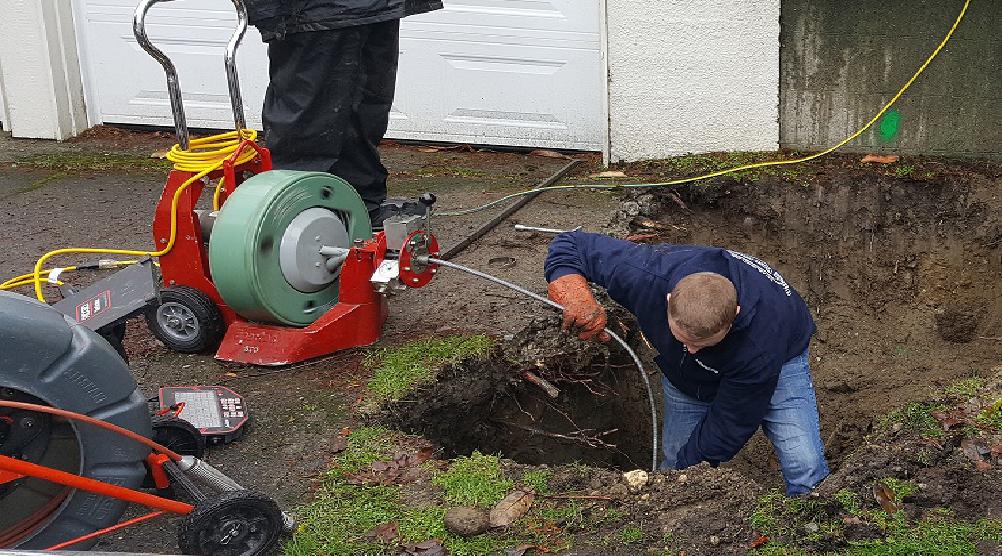
A cleanup technician may recognize the apparent entry point, but determining the underlying cause can require a plumber, drain specialist, septic professional, or sewer utility. Depending on the property, the investigation may involve a blocked drain, a damaged pipe, a shared building line, or an external sewer problem.
Homeowners should avoid treating an apparent explanation as a confirmed diagnosis. Ask who investigated the source, what was found, and whether further evaluation is necessary.
Plumbing Repairs and Restoration May Have Separate Scopes
The person who clears a blockage may not be responsible for cleaning contaminated flooring. Likewise, the restoration company may not perform pipe repairs. Both services can be necessary even when they are billed and scheduled separately.
For example, a plumber might restore drainage in a basement bathroom, while a cleanup team assesses the flooring, removes affected materials, and manages drying. Understanding this division helps prevent a gap in responsibility.
Ask whether the provider coordinates with the plumbing professional or expects you to arrange that communication. Before rebuilding, confirm that the source issue has been addressed rather than relying solely on the disappearance of visible wastewater.
Inspect the Affected Space and Document the Damage
The Inspection Looks Beyond the Puddle
A useful inspection considers the apparent path of wastewater and the materials along that path. Technicians may examine room boundaries, floor transitions, baseboards, lower wall areas, cabinets, storage spaces, and accessible structural components.
The purpose is to establish a workable restoration scope. It is possible for the most obvious dirty area to be only part of the problem, especially where water has entered layered flooring or enclosed spaces.
Ask whether the inspection is preliminary or sufficiently complete to support a final scope. Some conditions cannot be assessed until coverings or damaged materials are removed. A good provider explains these limitations early.
Photographs and Written Records Support Decisions
Documentation may include photographs, room measurements, descriptions of affected materials, moisture readings, and an inventory of belongings. These records help explain why particular work was recommended and what changed during the project.
Homeowners can contribute purchase records, earlier photographs, and information about recent remodeling. If a damaged item has sentimental value, identify it before disposal decisions are finalized.
Documentation is useful even when no insurance claim is involved. It gives the homeowner a record of the original condition, the work performed, and the remaining repairs. Request copies rather than relying on a verbal summary at the end.
Establish Work Boundaries and Protect Unaffected Areas
Access Routes Should Be Planned
The cleanup team needs a practical route for moving equipment into the affected area and removing debris. Ideally, this route limits unnecessary movement through occupied rooms and protects clean surfaces along the way.
Depending on the project, technicians may establish barriers, protected walkways, a staging area, or separate places for clean supplies and contaminated equipment. The exact setup should reflect the building and the work being performed.
Homeowners should ask which entrances remain available and whether normal household activities will interfere with the work. A clear access plan is particularly helpful in homes with only one bathroom or in buildings with shared hallways.
Equipment Choices Should Follow the Assessment
Not every sewage incident requires the same containment or air-management setup. The provider should explain why particular equipment is needed and what it is intended to accomplish.
Avoid starting household fans or changing ventilation arrangements before the team evaluates the contaminated space. Ask the technicians how air movement will be managed during removal, cleaning, and drying.
This is also the time to discuss heating and cooling equipment if it was exposed or lies within the affected area. Any suspected system contamination deserves specific assessment rather than an assumption that ordinary room cleanup will address it.
Remove Standing Wastewater and Debris
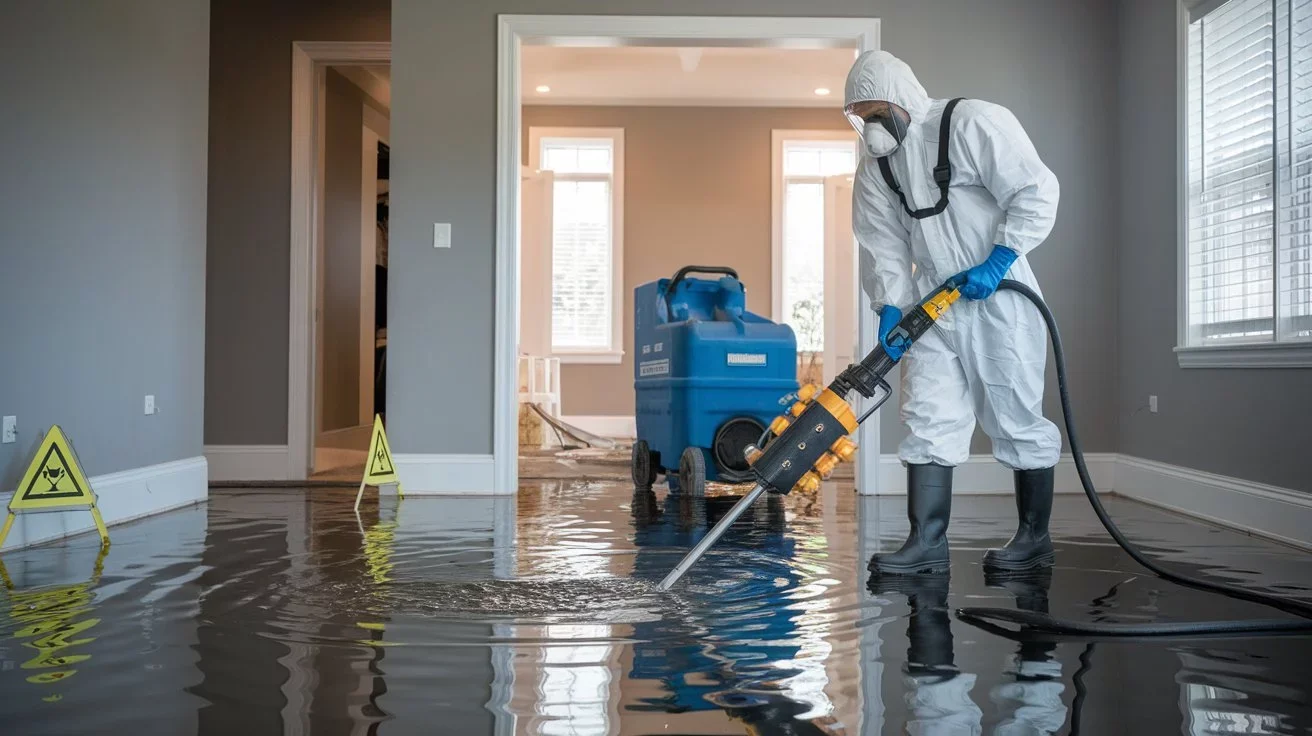
Extraction Removes the Bulk of the Water
Once conditions allow, technicians use equipment suited to the amount of wastewater and the available access. A shallow bathroom overflow and a large basement accumulation can require very different arrangements.
Extraction helps expose the underlying surfaces and makes the next stages possible. It does not establish that the room is fully restored. Residue, damaged materials, and retained moisture still require attention.
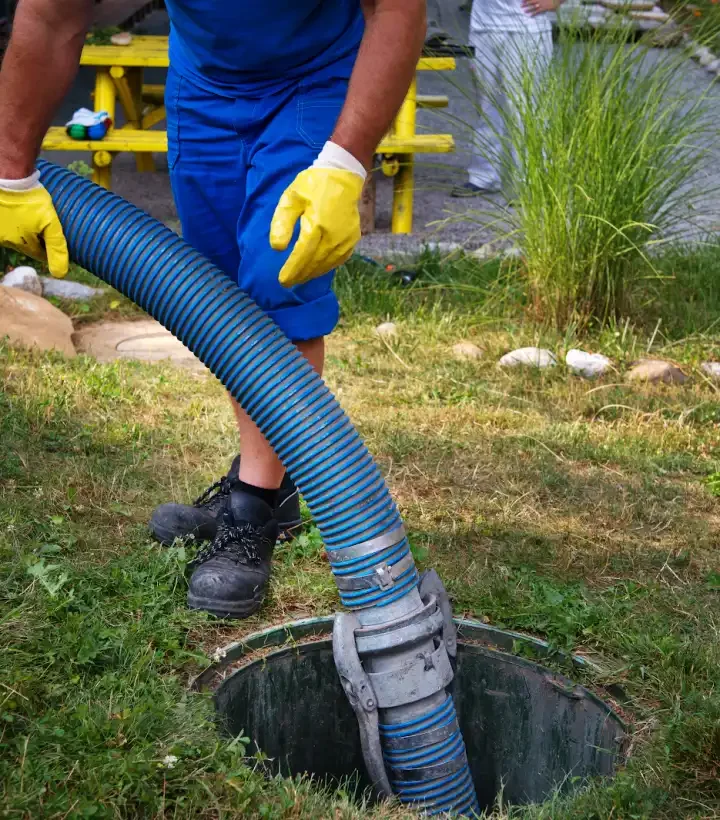
Ask how the extracted wastewater will be handled and whether disposal arrangements are included in the estimate. The company should have a plan appropriate to the project rather than expecting the homeowner to decide where contaminated water goes.
Debris Removal Should Be Organized
Cleanup crews may need to remove solid waste, damaged contents, and loose debris alongside the wastewater. Organizing this work helps maintain access and prevents discarded materials from obstructing the rest of the project.
Before removal begins, clarify how belongings will be classified. Useful categories include items awaiting assessment, items approved for disposal, and items accepted for specialized restoration.
Homeowners should receive an opportunity to identify important possessions without being asked to handle them directly. A photograph or description may be enough to flag an item for discussion. Clear approval records can prevent misunderstandings later.
Remove Materials That Cannot Be Effectively Restored
Removal Decisions Need a Clear Explanation
Some building materials must be removed to address contamination or reach affected spaces. CDC disaster-cleanup guidance specifically recommends discarding drywall and insulation contaminated by sewage or floodwater.
Other decisions depend on the item and its exposure. Flooring assemblies, cabinet components, furnishings, and stored belongings require individual consideration. The provider should explain whether removal is needed because of contamination, physical damage, inaccessible areas, or a combination of these factors.
Ask how the proposed removal boundary was determined. This helps you understand why work may extend beyond an obvious stain or the original edge of standing water.
Hidden Conditions Can Change the Scope
Opening an affected assembly may reveal additional damage. When this happens, the team should document the discovery and explain how it changes the work.
For instance, removing a damaged cabinet base may expose an affected space beneath it. The homeowner then needs a clear explanation of what was found, which additional steps are proposed, and whether the price or schedule changes.
Agree on a process for scope changes before work begins. Written updates are especially useful when several people are involved in approval, including landlords, property managers, insurers, or family members helping with the project.
Clean and Disinfect Suitable Surfaces
Cleaning and Disinfection Have Separate Roles
Cleaning removes waste, soil, and residue. Disinfection treats suitable surfaces using an appropriate product and application method. The sequence matters: simply spraying a visibly dirty surface does not demonstrate that the cleanup is complete.
Ask the provider to explain the cleaning procedure and the purpose of any treatment being applied. A meaningful answer should identify the surfaces involved and acknowledge material compatibility and product instructions.
An EPA-hosted technical report on flood-damaged homes discusses the importance of removing contamination and the difficulties associated with porous materials. Although a flood event and a localized sewage backup are not identical, these considerations help explain why restoration decisions depend on the material rather than appearance alone.
Product Instructions Matter
Professional treatment should follow the chosen product’s label, including application requirements and any required contact time. The provider should also consider ventilation, surface compatibility, and restrictions on access during treatment.
Homeowners should avoid applying additional chemicals while the team is working. CDC advises never mixing bleach with ammonia or other cleaners.
Ask when the treated area can be entered and whether any follow-up care is necessary. Keep those instructions available for everyone who uses the property, including cleaners or contractors scheduled to arrive afterward.
Dry the Structure and Monitor Progress
Drying Is a Separate Restoration Stage
After wastewater removal and contamination-control work, the remaining structure may still need drying. The provider may use dehumidifiers and controlled air movement, with the equipment arrangement based on the affected materials and site conditions.
An estimate should explain whether equipment rental, monitoring visits, and adjustments are included. Ask who checks the equipment and whom to contact if a unit stops operating or an electrical problem occurs.
Drying can be inconvenient because equipment occupies space and may run continuously. Knowing its purpose and expected review schedule makes this stage easier to manage. Avoid switching equipment off without discussing the consequences with the provider.
Measurements Help Determine the Next Step
Technicians may take repeated moisture readings and compare the results with a defined drying target. Ask which materials are being monitored and how the team determines whether they are ready for repair.
A floor that feels dry to the touch does not answer every question about the condition of the assembly. The homeowner should be able to understand the basis for the company’s completion decision.
EPA guidance emphasizes fixing water problems and drying affected items completely. It also warns against painting over moldy surfaces.
The practical goal is to avoid hiding an unresolved condition behind new finishes. Rebuilding should follow appropriate cleanup and drying verification.
Investigate Remaining Odors and Review the Results
Odor Complaints Deserve Follow-Up
If an unpleasant odor remains, report where and when you notice it. An odor near a drain may require a different investigation from an odor around a damaged cabinet or wall opening.
The provider should consider whether the complaint relates to remaining material, moisture, the plumbing system, or another condition. Fragrance alone does not resolve the underlying question.
Keep a simple record of persistent concerns. Note whether the smell changes after equipment is turned off, after plumbing use, or at particular times. These observations can help the relevant professional decide what to inspect next without requiring you to diagnose the cause yourself.
Final Review Should Match the Agreed Scope
Before declaring cleanup complete, the team should review the work against the project plan. This may include checking the removal areas, reviewing moisture results, confirming that documented concerns were addressed, and identifying remaining repair needs.
Ask whether the project requires an independent assessment or specialized testing. Such services should have a defined purpose; they are not automatically part of every sewage cleanup.
Request a written explanation of what completion means for your property. It should identify any restrictions, unresolved issues, or separate work that remains. A generic statement that the room looks clean is less useful than a project-specific handoff.
Plan Repairs and Return the Space to Use
Cleanup and Reconstruction May Finish at Different Times
The cleanup phase can be complete while the room still has missing flooring, open wall sections, or removed cabinets. These conditions require repair planning even after the contamination work has ended.
Clarify whether the restoration company performs reconstruction or whether you need a separate contractor. Ask for a repair scope that identifies what must be replaced and any dependencies on plumbing, electrical, or other specialist work.
Keep finish selections and ordering separate from the decision about whether the structure is ready. Choosing replacement flooring early can help planning, but installation should wait until the relevant conditions have been addressed.
The Handoff Should Be Practical
A useful final handoff explains which areas can be used, what work remains, and whom to contact if a concern returns. It should also include the documentation needed by the homeowner or repair contractor.
For rental properties, the owner or manager should coordinate the handoff so occupants receive consistent information. For a family home, make sure everyone understands access restrictions and any temporary changes to normal routines.
Ask the provider about follow-up procedures before the team leaves. Knowing how to report a remaining problem is more useful than discovering the process after an issue appears.
What Affects Cleanup Time and Cost?
The Scope Matters More Than the Room Count
Several factors can influence the project: the amount of wastewater, the number of affected materials, access difficulties, the need for specialist work, hidden discoveries, disposal requirements, and reconstruction needs.
A small room with complicated flooring or cabinetry can present different challenges from a larger open area. Therefore, an estimate based only on square footage may not fully explain the work.
Request a breakdown of assessment, extraction, removal, cleaning, treatment, drying, monitoring, and disposal. Identify which services are optional, which are necessary, and which cannot be finalized until the inspection progresses.
Avoid Confusing Response Time With Completion Time
A provider may arrive quickly without being able to complete the entire project that day. Initial response, cleanup, drying, and reconstruction are separate milestones.
Ask for an expected sequence and the conditions that could change it. A schedule should identify dependencies rather than promise a fixed completion time before the extent of damage is understood.
Insurance coverage also requires a separate conversation. A cleanup company can provide documentation, but your insurer determines coverage under your policy. Keep estimates, photographs, invoices, and communications together so questions can be answered efficiently.
How to Choose a Professional Sewage Cleanup Company
Ask About Relevant Experience
Look for a provider that can explain its experience with sewage losses, its assessment process, and the personnel responsible for the work. If the company lists certifications, ask what they cover and how they relate to your project.
Useful questions include:
Who evaluates the contamination and removal scope?
How are changes documented and approved?
Who coordinates with the plumber or building manager?
What drying records will I receive?
Are contents handling and disposal included?
Does your estimate include reconstruction?
What happens if a concern remains after completion?
Specific answers help you compare services more effectively than broad promises about speed or quality.
Expect Clear Communication
A dependable provider should explain the immediate priorities, the planned work, and the current uncertainties in plain language. You should know who will update you and how often updates are expected.
Price matters, but compare the included scope as well as the total. An estimate that omits monitoring or disposal may not be directly comparable with one that includes those services.
Read the agreement before signing and ask about unclear items. The goal is a shared understanding of the project, including how the company handles unexpected discoveries and when payment is due.
Conclusion
Professional sewage cleanup works through a series of connected decisions: establish safe access, address the source, assess the damage, control the work area, remove wastewater and unrestorable materials, clean and disinfect appropriate surfaces, dry the remaining structure, and review the results before repairs.
For homeowners, the most useful approach is to seek experienced help promptly and ask for clear explanations at each stage. Understand what is included, what may change, and what evidence supports completion. Keep project records and make sure the cleanup team, plumbing professional, and repair contractor understand their responsibilities.
A thorough process gives you more than a room that appears clean. It gives you a documented basis for moving forward with repairs and returning the affected space to everyday use.
Frequently Asked Questions
1. What Happens First During Professional Sewage Cleanup?
The priorities are safe access and determining whether wastewater is still entering. The team then evaluates the damage and plans the work. Conditions such as wet electrical equipment or an unresolved release can affect what happens next.
2. Does the Cleanup Company Also Fix the Plumbing?
Some companies coordinate plumbing services, while others focus on restoration. Ask who is responsible for diagnosing and repairing the source. Confirming this early helps ensure both the cause and the resulting damage are addressed.
3. Can Every Sewage-Exposed Item Be Saved?
No. Restoration depends on the material, the exposure, its condition, and whether effective cleaning is feasible. Ask for an explanation of disposal decisions and identify valuable or sentimental items before removal begins.
4. Is Disinfection Enough to Complete the Job?
Disinfection is one stage. The project may also require extraction, debris removal, material removal, cleaning, drying, and repair. Ask how the provider confirms that the full agreed scope has been completed.
5. How Long Does Professional Sewage Cleanup Take?
There is no single timeline for every property. The extent of damage, access, drying progress, specialist availability, and unexpected discoveries all affect scheduling. Request separate expectations for initial cleanup, drying, and reconstruction.
6. Should I Throw Away Damaged Belongings Before the Crew Arrives?
Avoid unnecessary handling. Tell the provider about the items and ask how they should be documented and assessed. If insurance is involved, ask your insurer about documentation requirements while keeping urgent safety and cleanup needs moving.
7. What Should I Do if an Odor Remains?
Report the concern and describe its location and timing. Ask the provider to investigate rather than simply apply fragrance. Depending on the findings, follow-up may involve restoration work, plumbing evaluation, or another specialist.
Sewage Problems Need Fast, Professional Cleanup
A sewage backup can create serious problems for any home or business. Contaminated water may spread across floors, seep into walls, damage building materials, and leave behind bacteria, odors, and other hazardous contaminants. The longer sewage remains in the property, the greater the risk of additional damage and costly repairs.
Sewage cleanup requires more than removing standing water. A proper response includes identifying affected areas, extracting contaminated water, removing damaged materials when necessary, thoroughly cleaning and disinfecting surfaces, controlling odors, and drying the property to help prevent lingering moisture problems.
ARC Water Damage provides professional sewage cleanup for residential and commercial properties. Our experienced team works quickly to contain the affected area, remove contamination, clean and sanitize the property, and help restore damaged spaces as safely and efficiently as possible.
If you're dealing with a sewage backup, overflowing toilet, sewer line problem, or contaminated water damage, contact ARC Water Damage at (877) 437-9225 for fast, professional sewage cleanup.
Disclaimer
The information provided on this website is for general informational and educational purposes only and is not intended to serve as professional restoration, environmental, or insurance advice. Every water, fire, or mold damage situation is unique, and you should consult with a qualified restoration professional regarding your specific property and conditions. Do not take action or delay action based solely on the content of this website without seeking appropriate professional guidance.
While we strive to provide accurate and up-to-date information, restoration methods, safety standards, and industry practices may change over time. The content on this website may not reflect the most current procedures or recommendations. ARC Water Damage makes no guarantees regarding outcomes based on the use of this information.
By using this website, you agree that ARC Water Damage is not liable for any actions taken or not taken based on the information provided, to the fullest extent permitted by law.