
What Counts As An Emergency Water Damage Situation?
Water damage can happen suddenly and without warning, turning an ordinary day into a stressful emergency. Whether caused by a burst pipe, flooding, roof leak, overflowing appliance, or sewage backup, water intrusion can quickly damage homes, businesses, furniture, flooring, and personal belongings. While some water issues may seem minor at first, many situations escalate rapidly and require immediate professional attention to prevent structural damage, mold growth, electrical hazards, and costly repairs.
One of the biggest mistakes property owners make is assuming that water damage can wait. In reality, water spreads quickly through walls, ceilings, floors, insulation, and structural materials. Within hours, moisture can weaken building materials and create ideal conditions for mold and bacteria. What starts as a small leak can become a major restoration project if not addressed immediately.
Understanding what qualifies as an emergency water damage situation is critical for protecting both property and health. Some situations are obvious emergencies, such as major flooding or a burst pipe, while others may be less noticeable but equally serious. Hidden leaks behind walls, contaminated water intrusion, and water near electrical systems all require urgent action.
Emergency water damage situations are not just about visible water. They also involve safety risks, structural concerns, and long-term consequences. Standing water can damage foundations, warp wood, ruin drywall, and compromise electrical systems. Contaminated water from sewage backups or storm flooding can expose occupants to harmful bacteria and toxins. Even clean water can become hazardous if left untreated for too long.
Fast response times are essential in water damage restoration. The first 24 to 48 hours are often the most important because quick water extraction and drying can significantly reduce damage and restoration costs. Professional water damage restoration teams use specialized equipment such as industrial pumps, dehumidifiers, moisture meters, and air movers to remove water and prevent secondary damage.
In addition to protecting the structure itself, emergency water damage services also help preserve indoor air quality and reduce mold risks. Mold can begin growing within a day or two after water exposure, especially in warm or humid environments. Once mold spreads, remediation becomes more expensive and complicated.
Property owners should also understand that not all water damage situations are covered equally by insurance policies. Prompt action and proper documentation can improve the chances of successful insurance claims while minimizing disputes about preventable damage.
This article explains what counts as an emergency water damage situation, common causes of water damage emergencies, warning signs to watch for, immediate steps to take, and why professional restoration services are essential. Understanding these issues can help homeowners and business owners respond quickly, reduce damage, and protect their property from long-term problems.
Key Takeaways
Emergency water damage situations require immediate action to prevent structural damage, mold growth, and safety hazards.
Burst pipes, sewage backups, flooding, roof leaks, appliance failures, and water near electrical systems are common emergencies.
Water can spread quickly through walls, ceilings, flooring, and insulation within hours.
Mold growth may begin within 24 to 48 hours after water exposure.
Contaminated water from sewage or flooding poses serious health risks.
Fast professional water extraction and drying help reduce restoration costs and long-term damage.
Delaying cleanup can worsen structural damage and insurance claim complications.
Professional restoration companies use specialized equipment to detect hidden moisture and fully dry affected areas.
Understanding Emergency Water Damage
What Is Water Damage?
Water damage refers to the destruction or deterioration of property caused by unwanted water intrusion. Water may enter a property through plumbing failures, storms, appliance malfunctions, roof leaks, foundation cracks, or sewage backups.
Water damage affects more than visible surfaces. Moisture can seep into drywall, insulation, wood framing, flooring, and electrical systems, causing hidden structural problems over time.
The severity of water damage depends on several factors, including:
The source of the water
The amount of water involved
How long does the water remain
The type of materials affected
The speed of cleanup and drying
Emergency water damage situations involve conditions where immediate action is necessary to prevent severe property damage, health risks, or unsafe living conditions.
Why Immediate Action Matters
Many people underestimate how quickly water damage spreads. Water naturally moves through porous materials and seeks lower areas, which allows it to travel throughout a property rapidly.
Within minutes, water may begin:
Soaking carpets and flooring
Damaging furniture and electronics
Penetrating drywall and insulation
Weakening wood structures
Within hours, more serious issues may develop:
Swollen wood and warped flooring
Stained ceilings and walls
Electrical hazards
Unpleasant odors
Bacterial contamination
Within 24 to 48 hours:
Mold growth may begin
Structural materials may deteriorate
Indoor air quality may worsen
Damage restoration costs may increase significantly
Quick action minimizes these risks and increases the likelihood of salvaging affected materials.
Common Emergency Water Damage Situations
Burst Pipes
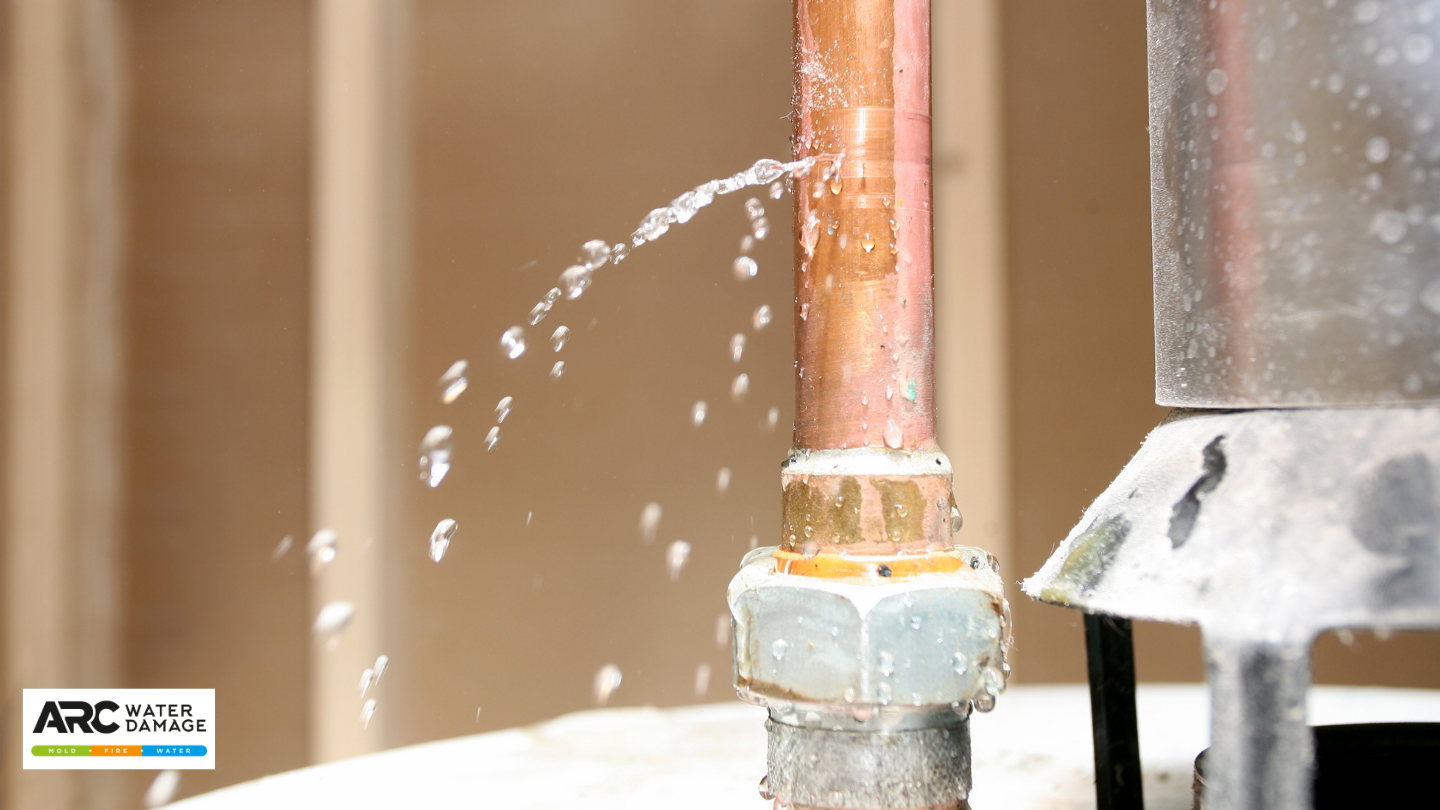
Burst pipes are among the most common and destructive water damage emergencies. A burst pipe can release gallons of water in a short amount of time, flooding rooms and damaging floors, walls, and ceilings.
Pipes may burst because of:
Freezing temperatures
Corrosion
Excess water pressure
Aging plumbing systems
Pipe blockages
Signs of a burst pipe include:
Sudden loss of water pressure
Water stains on walls or ceilings
Flooding indoors
Unusual sounds behind walls
Unexpectedly high water bills
Because water spreads quickly, burst pipes require immediate water shutoff and professional restoration services.
Sewage Backups
Sewage backups are considered serious emergencies because contaminated water contains harmful bacteria, viruses, and toxins that pose health risks.
Common causes include:
Clogged sewer lines
Tree root intrusion
Heavy rainfall
Septic system failures
Broken sewer pipes
Sewage-contaminated water should never be handled without proper protective equipment. Professional cleanup crews are trained to safely remove contaminated materials, disinfect affected areas, and restore sanitary conditions.
Flooding From Storms Or Heavy Rain
Storm flooding can overwhelm drainage systems and allow water to enter homes or businesses through doors, windows, roofs, or foundations.
Floodwater may contain:
Sewage
Chemicals
Debris
Bacteria
Oil and fuel contaminants
Storm-related flooding can also weaken foundations and create electrical hazards. Emergency restoration is critical to prevent long-term structural damage.
Appliance And Plumbing Failures
Overflowing Appliances
Household appliances can cause significant water damage when they malfunction or overflow.
Common appliance-related emergencies include:
Washing machine hose failures
Dishwasher leaks
Water heater ruptures
Refrigerator line leaks
Overflowing toilets
These incidents often occur unexpectedly and may continue leaking for hours before being discovered.
Water from appliances can spread beneath flooring and behind walls, making professional moisture detection important.
Water Heater Failures
Water heaters can leak slowly over time or rupture suddenly, releasing large amounts of water.
Warning signs include:
Rust-colored water
Water is pooling near the unit
Strange noises
Reduced hot water supply
Corrosion around fittings
An emergency water heater leak should be addressed immediately to prevent flooding and possible structural damage.
Roof Leaks And Ceiling Water Damage
Why Roof Leaks Are Emergencies
Roof leaks may seem minor at first, but water entering through the roof can quickly damage insulation, ceilings, drywall, and electrical systems.
Roof leaks are especially dangerous during storms because ongoing rain continues adding moisture to affected areas.
Common causes include:
Missing shingles
Storm damage
Flashing failures
Clogged gutters
Aging roofing materials
Ignoring roof leaks can lead to mold growth, wood rot, and weakened structural supports.
Ceiling Collapse Risks
Water trapped above ceilings can create dangerous weight loads. Sagging ceilings or bubbling paint may indicate trapped water overhead.
If left untreated, ceilings may collapse and cause injury or extensive property damage.
Signs of potential ceiling collapse include:
Cracks in ceilings
Sagging drywall
Water dripping overhead
Bulging areas
Peeling paint
Immediate professional assessment is necessary in these situations.
Electrical Hazards And Water Damage
Water Near Electrical Systems
Any situation involving water near electrical outlets, appliances, wiring, or breaker panels should be treated as an emergency.
Water conducts electricity and can create:
Fire hazards
Electrical shocks
Short circuits
Appliance damage
If water reaches electrical systems:
Avoid standing water
Turn off the electricity if safe
Contact emergency professionals immediately
Never attempt to handle electrical water damage without proper training.
Hidden Electrical Damage
Even after visible water is removed, moisture may remain inside walls and electrical components. Professional inspections help ensure systems are safe before power is restored fully.
Mold Risks After Water Damage
How Quickly Mold Grows
One reason emergency water damage restoration is so important is the risk of mold growth. Mold thrives in damp environments and may begin growing within 24 to 48 hours after water exposure.
Areas vulnerable to mold include:
Drywall
Carpets
Insulation
Wood framing
Ceiling tiles
Health Risks Associated With Mold
Mold exposure may contribute to:
Respiratory irritation
Allergic reactions
Asthma flare-ups
Eye and skin irritation
Poor indoor air quality
Children, older adults, and individuals with respiratory conditions may be especially sensitive to mold exposure.
Professional drying and dehumidification help prevent mold development after water damage emergencies.
Signs You Have An Emergency Water Damage Problem
Visible Warning Signs
Some water damage emergencies are obvious, while others develop gradually.
Signs to watch for include:
Standing water indoors
Sudden flooding
Water stains on walls or ceilings
Warped flooring
Bubbling paint
Sagging ceilings
Mold growth
Musty odors
Dripping sounds behind walls
Hidden Moisture Problems
Not all damage is visible immediately. Hidden leaks behind walls or under flooring may continue causing damage unnoticed.
Professional restoration companies use:
Moisture meters
Infrared cameras
Hygrometers
Thermal imaging equipment
These tools help locate hidden moisture before it leads to more severe damage.
Immediate Steps To Take During A Water Damage Emergency
Shut Off The Water Source
If possible, stop the source of the water immediately. This may involve:
Turning off the main water supply
Closing appliance valves
Addressing plumbing leaks
Stopping water flow helps minimize additional damage.
Protect Yourself And Others
Safety should always come first.
Avoid:
Walking through contaminated water
Touching wet electrical equipment
Entering structurally unstable areas
Wear protective gear if necessary and evacuate unsafe areas.
Contact Emergency Restoration Professionals
Professional restoration companies provide:
Emergency water extraction
Structural drying
Dehumidification
Mold prevention
Damage assessment
Sanitization
A fast professional response significantly reduces long-term restoration costs.
Document The Damage
Take photographs and videos of affected areas before cleanup begins. Proper documentation helps support insurance claims and records the extent of damage.
Why Professional Water Damage Restoration Matters
Specialized Equipment And Expertise
Professional restoration teams use industrial-grade equipment that removes water and moisture more effectively than household tools.
This may include:
High-powered pumps
Commercial dehumidifiers
Air movers
Moisture detection equipment
HEPA filtration systems
Professionals also understand how to identify hidden damage and prevent secondary problems.
Preventing Long-Term Structural Damage
Without proper drying, moisture can continue weakening:
Wood framing
Drywall
Flooring systems
Foundations
Insulation
Professional restoration reduces the risk of expensive future repairs.
Insurance Claim Assistance
Many restoration companies help property owners navigate insurance claims by:
Providing detailed damage reports
Documenting restoration work
Communicating with adjusters
Supporting claim accuracy
Prompt professional involvement often improves claim outcomes.
Preventing Future Water Damage Emergencies
Routine Maintenance
Preventive maintenance can reduce the risk of emergencies.
Important maintenance tasks include:
Inspecting plumbing regularly
Cleaning gutters
Checking appliance hoses
Monitoring water pressure
Maintaining roofing systems
Sealing foundation cracks
Installing Water Detection Systems
Modern leak detection devices can alert property owners to leaks before major damage occurs.
Some systems automatically shut off water when leaks are detected, reducing flooding risks.
Knowing Emergency Shutoff Locations
Homeowners and business owners should know how to shut off:
Main water valves
Individual appliance valves
Electrical breakers
Quick action during emergencies can significantly limit damage.
Conclusion
Emergency water damage situations can happen unexpectedly and escalate rapidly if not addressed immediately. From burst pipes and sewage backups to roof leaks and storm flooding, water intrusion threatens both property and personal safety. Even small leaks can become major restoration problems when moisture spreads behind walls, beneath flooring, or into structural materials.
Recognizing the signs of emergency water damage is essential for minimizing destruction and protecting indoor environments. Standing water, sagging ceilings, electrical hazards, contaminated floodwater, and hidden moisture all require urgent attention. Delays in cleanup often result in mold growth, structural weakening, poor indoor air quality, and significantly higher repair costs.
Fast response times are critical because water damage worsens with every passing hour. Professional water damage restoration services provide the equipment, expertise, and rapid action necessary to remove water, dry affected materials, sanitize contaminated areas, and restore safe conditions.
In addition to repairing visible damage, professional restoration teams help identify hidden moisture problems that could lead to long-term structural or health issues. Their work plays a major role in preventing mold growth and preserving the integrity of the property.
Property owners can also reduce future risks through regular maintenance, leak detection systems, plumbing inspections, and proactive preparation for emergencies. Understanding where shutoff valves are located and recognizing early warning signs can make a major difference during critical situations.
Ultimately, any situation involving significant water intrusion, contamination, electrical risks, or structural concerns should be treated as an emergency. Taking immediate action protects property, reduces repair costs, and helps ensure a safer and healthier environment for everyone involved.
Frequently Asked Questions
1. What Qualifies As Emergency Water Damage?
Emergency water damage includes situations where immediate action is necessary to prevent severe property damage, mold growth, contamination, or safety hazards. Examples include burst pipes, flooding, sewage backups, and roof leaks.
2. How Quickly Should Water Damage Be Addressed?
Water damage should be addressed immediately. Mold growth may begin within 24 to 48 hours, and structural damage can worsen rapidly.
3. Is A Small Leak Considered An Emergency?
Even small leaks can become emergencies if water spreads into walls, ceilings, or flooring. Hidden moisture may lead to mold growth and structural damage over time.
4. Can I Clean Up The Water Damage Myself?
Minor spills may be manageable, but significant water damage often requires professional equipment and expertise to ensure complete drying and safe restoration.
5. Why Is Sewage Backup Considered Dangerous?
Sewage water contains harmful bacteria, viruses, and contaminants that pose serious health risks. Professional cleanup and sanitization are necessary.
6. What Should I Do First During A Water Damage Emergency?
Stop the water source if possible, avoid electrical hazards, protect occupants, and contact emergency restoration professionals immediately.
7. Will Mold Always Grow After Water Damage?
Not always, but mold can develop quickly if moisture is not removed properly. Fast drying and dehumidification reduce the risk significantly.
8. Does Homeowners' Insurance Cover Water Damage?
Coverage depends on the cause of the damage and the specific policy. Sudden accidental damage is often covered, while gradual maintenance-related issues may not be.
9. How Long Does Water Damage Restoration Take?
The timeline depends on the severity of damage, the amount of water involved, and drying conditions. Some projects take a few days, while major restoration may require several weeks.
10. Can Water Damage Weaken A Home’s Structure?
Yes. Water can weaken wood framing, drywall, ceilings, flooring, and foundations if left untreated for extended periods.
Emergency Water Damage Can Escalate Fast; Immediate Action Matters
Water emergencies can go from stressful to devastating in a matter of hours. Whether it’s a burst pipe, overflowing appliance, storm flooding, or sewage backup, water spreads quickly through walls, flooring, insulation, and structural materials. The longer the water sits, the greater the risk of severe property damage, mold growth, and costly repairs.
Fast emergency water damage restoration helps stop the damage before it gets worse. With immediate response, professional-grade drying equipment, and proven restoration methods, the affected areas can be extracted, dried, sanitized, and restored as quickly as possible. Acting fast not only protects your property, but it can also help reduce restoration costs and minimize disruption to your home or business.
At ARC Water Damage, our team responds quickly to emergency water damage situations and guides you through the entire restoration process from start to finish. We work efficiently, communicate clearly, and help coordinate with your insurance company to keep the process moving smoothly.
If you’re dealing with emergency water damage, don’t wait. Call ARC Water Damage today at (877) 437-9225 for immediate emergency water damage restoration and rapid response service.