
How Fast Does Emergency Water Damage Spread In A Home?
Water damage is one of the most destructive problems a homeowner can face. Whether it comes from a burst pipe, roof leak, overflowing appliance, sewage backup, or flooding after a storm, water can move through a home surprisingly fast. What starts as a small puddle or damp spot can quickly turn into warped flooring, ruined drywall, mold growth, structural instability, and expensive repairs.
Many homeowners underestimate how rapidly water spreads indoors. Within minutes, water begins soaking into porous materials such as carpets, drywall, insulation, and wood. Within hours, furniture can swell, paint may blister, and unpleasant odors can begin forming. After just a couple of days, mold and bacteria may start developing, creating health risks alongside property damage.
Understanding the timeline of emergency water damage is critical because every minute matters. Quick action can mean the difference between a minor cleanup and a major restoration project. Knowing how water behaves inside a home also helps homeowners recognize warning signs early and respond before the damage worsens.
This article explains how fast emergency water damage spreads, what happens during each stage of the process, the factors that affect the speed of damage, and what homeowners should do immediately after discovering water intrusion.
Key Takeaways
Water damage can begin spreading within minutes of exposure.
Drywall, wood, carpet, and insulation absorb water quickly.
Mold growth may begin within 24 to 48 hours.
Standing water can weaken structural materials over time.
A fast response significantly reduces restoration costs.
Hidden moisture behind walls and under flooring can continue causing damage even after visible water is removed.
Different categories of water damage carry different health risks.
Professional water extraction and drying equipment are often necessary for complete restoration.
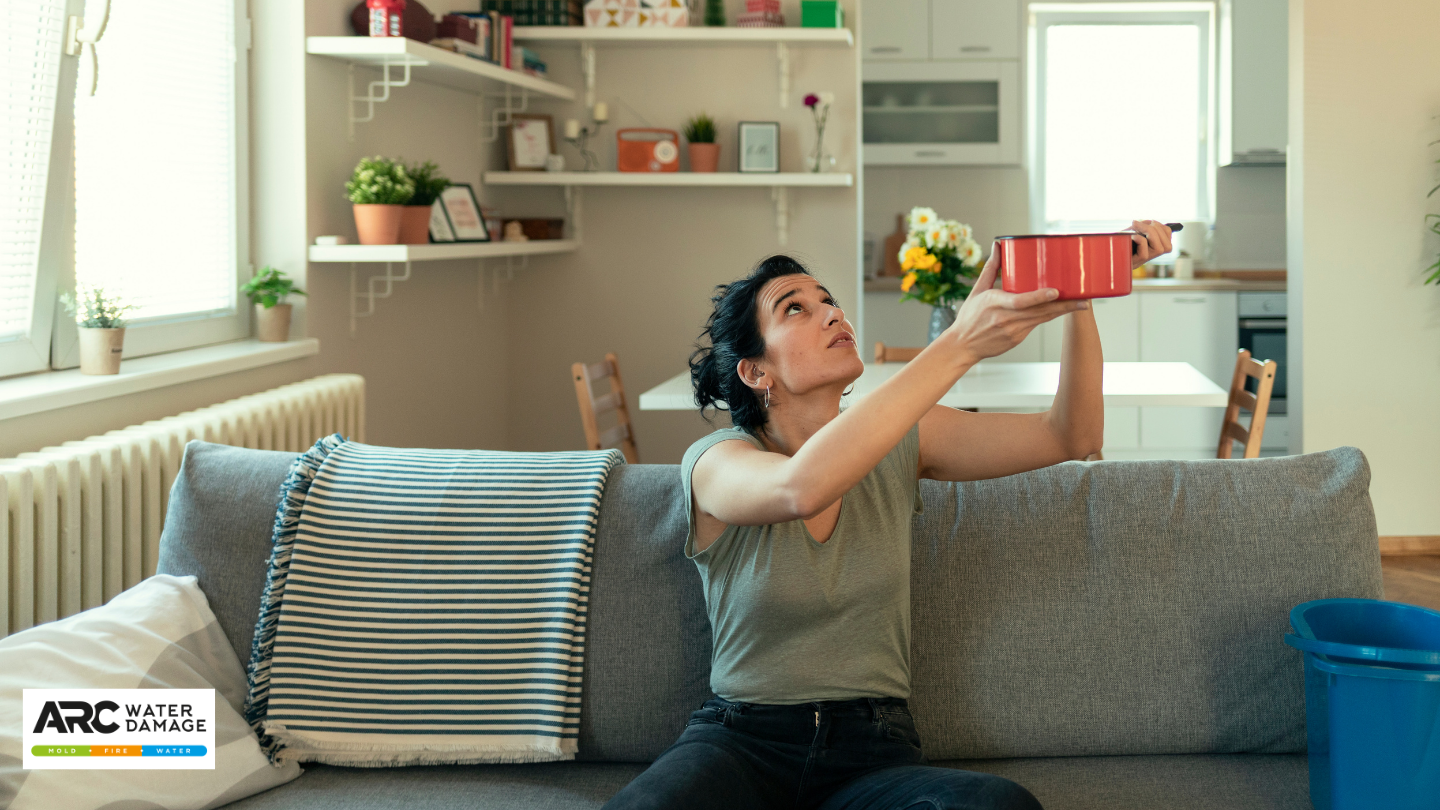
Understanding How Water Moves Through A Home
Why Water Spreads So Quickly Indoors
Water naturally travels along the path of least resistance. Inside a home, that means it can flow through floors, walls, ceilings, and hidden cavities much faster than many people realize. Gravity pulls water downward, but porous building materials absorb and distribute moisture in multiple directions at once.
For example, a leaking pipe behind a wall may first soak drywall and insulation. From there, water can seep downward into flooring and baseboards while also spreading horizontally along framing materials. Even a relatively small leak can affect multiple rooms before visible signs appear.
Carpet and padding act like sponges, trapping large amounts of moisture beneath the surface. Hardwood flooring absorbs water and begins swelling. Laminate flooring may separate or buckle because moisture weakens adhesives and compressed wood layers. Ceiling leaks often spread across drywall before eventually dripping into living spaces below.
Humidity also plays a major role. As water evaporates, moisture enters the air and raises indoor humidity levels. This allows condensation and secondary moisture damage to develop in areas not directly touched by water.
Many homeowners only notice visible standing water while hidden moisture continues spreading behind walls or under floors. This hidden damage is one reason professional restoration companies use moisture meters, thermal imaging cameras, and industrial drying equipment during inspections.
Because modern homes contain many interconnected systems and porous materials, water rarely stays confined to one location. Once intrusion begins, the spread can accelerate rapidly if not addressed immediately.
The Timeline Of Emergency Water Damage
What Happens Within The First Few Minutes
The first few minutes after water intrusion are critical. As soon as water enters a home, it begins soaking into absorbent materials and spreading across surfaces. The speed depends on the source of the leak, the amount of water involved, and the type of materials affected.
During this early stage:
Carpets and rugs begin absorbing water immediately.
Wood furniture starts soaking up moisture.
Drywall and insulation begin weakening.
Electronics and appliances may become hazardous.
Water starts traveling into cracks and gaps in the flooring.
Even clean water from a burst supply line can become problematic if it remains stagnant. Electrical risks may also develop quickly if water reaches outlets, appliances, or wiring systems.
In many cases, homeowners may not initially realize how severe the problem is because the visible water only represents part of the issue. Water can already be spreading underneath flooring, into wall cavities, or into subfloor materials.
The first few minutes are the best opportunity to stop the spread before major damage develops. Shutting off the water source, turning off electricity in affected areas, and beginning immediate water removal can greatly reduce long-term problems.
Quick action during this stage often prevents permanent damage to flooring, cabinetry, furniture, and structural materials. Delays, even by a few hours, can dramatically increase restoration costs.
What Happens During The First Few Hours
Within several hours, the effects of water damage become much more noticeable. Moisture continues migrating deeper into building materials while humidity levels rise throughout the home.
At this stage, homeowners may notice:
Drywall swelling and softening
Paint blistering or bubbling
Wood flooring is beginning to warp
Musty odors developing
Furniture stains and fabric damage
Water stains spreading on ceilings or walls
Carpet padding becomes heavily saturated and may no longer be salvageable. Wooden trim and doors can swell, making them difficult to open or close. Laminate flooring often starts lifting or separating at the seams.
Water exposure also weakens adhesives used in flooring installation, cabinetry, and wall coverings. Even if surfaces appear dry, moisture trapped underneath continues causing deterioration.
Humidity becomes a major concern during this period. Excess moisture in the air creates conditions that encourage mold growth and bacterial contamination. HVAC systems may also circulate moisture and odors throughout the house if left running.
If the water source contains contaminants such as sewage or floodwater, the health risks increase rapidly. Bacteria and pathogens can spread through porous materials and surfaces.
Professional water extraction becomes especially important during this stage because household fans and towels are rarely enough to fully dry affected areas.
What Happens After 24 To 48 Hours
Once water damage remains untreated for 24 to 48 hours, the situation often becomes significantly more serious. Mold growth may begin to develop, especially in humid environments or poorly ventilated areas.
During this stage:
Mold spores can start colonizing damp materials
Drywall may begin crumbling
Wood framing absorbs deeper moisture
Flooring adhesives deteriorate
Structural materials weaken
Strong musty odors develop
Mold can spread rapidly across drywall, insulation, carpeting, and wood surfaces. Even areas that appear dry may still contain enough trapped moisture to support microbial growth.
Furniture and personal belongings become increasingly difficult to salvage. Upholstered items, mattresses, books, clothing, and paper goods may suffer permanent damage.
Health risks also rise during this stage. Mold exposure can trigger respiratory issues, allergies, headaches, and irritation, particularly for children, seniors, and individuals with asthma or weakened immune systems.
Structural concerns may begin appearing as wooden supports weaken and drywall loses integrity. In difficult situations, ceilings may sag or collapse under the weight of trapped water.
Restoration costs typically rise dramatically after the 48-hour mark because remediation often requires removing and replacing damaged materials instead of simply drying them.
What Happens After Several Days Or Weeks
When water damage goes untreated for days or weeks, extensive deterioration can occur throughout the home. What may have started as a manageable repair can turn into a major reconstruction project.
Long-term water damage may cause:
Severe mold infestations
Rotting wood structures
Foundation issues
Pest infestations
Electrical system damage
Permanent staining and odors
Structural instability
Wood framing, subfloors, and support beams may begin rotting. Metal components can corrode. Drywall may completely disintegrate in heavily affected areas.
Hidden moisture behind walls often creates widespread mold colonies that continue growing unnoticed. Air quality throughout the home can decline significantly due to mold spores and bacteria.
In severe cases, homeowners may need major demolition work to remove contaminated materials and rebuild damaged sections of the property.
Insurance claims also become more complicated when water damage is left untreated for extended periods. Some policies may limit coverage if homeowners fail to act promptly to minimize further damage.
The longer water remains inside a home, the more expensive and disruptive restoration becomes.
Factors That Affect How Fast Water Damage Spreads
Type Of Water Involved
Not all water damage is the same. The type of water involved greatly affects both the speed of spread and the level of danger.
Clean Water
Clean water comes from sources such as broken supply lines, sink overflows, or rainwater before contamination occurs. Although it initially poses fewer health risks, it can still cause major structural damage if not removed quickly.
Gray Water
Gray water contains contaminants and may come from washing machines, dishwashers, or sump pump failures. It can contain bacteria and microorganisms that create sanitation concerns.
Black Water
Black water is highly contaminated and often comes from sewage backups or floodwaters. It spreads dangerous pathogens and requires specialized cleanup procedures. Materials exposed to black water frequently need complete removal and replacement.
The more contaminated the water becomes, the more aggressive restoration efforts must be.
Building Materials In The Home
Different materials absorb water at different rates. Porous materials spread water quickly, while non-porous surfaces resist absorption longer.
More resistant materials include:
Tile
Concrete
Metal
Glass
However, even water-resistant surfaces may trap moisture underneath or behind them, creating hidden damage over time.
Homes with older construction materials may absorb water faster due to wear, age, or previous damage.
Temperature And Humidity Levels
Warm temperatures and high humidity accelerate water damage and mold growth. Moist environments prevent materials from drying naturally and encourage microbial activity.
In humid climates, mold can begin growing extremely quickly after water exposure. Poor ventilation worsens the problem by trapping moisture indoors.
Air conditioning systems sometimes help reduce humidity, but in severe water damage situations, professional dehumidifiers are usually necessary.
Seasonal weather conditions also affect drying times. Homes damaged during rainy seasons or humid summers often require more extensive drying efforts.
The Source And Volume Of Water
The amount of water entering the home directly impacts how quickly damage spreads.
A slow pipe leak may cause hidden deterioration over weeks, while a burst pipe or flooding event can saturate multiple rooms within minutes.
Continuous water flow creates especially severe problems because materials remain exposed for longer periods. Even small leaks become major issues if left undetected behind walls or under flooring.
The location of the leak also matters. Water from upper floors spreads downward rapidly, affecting ceilings, walls, and lower levels simultaneously.
Hidden Water Damage: The Biggest Risk
Why Hidden Moisture Is So Dangerous
One of the most serious aspects of emergency water damage is that much of it remains hidden from view. Homeowners often remove visible water while moisture continues spreading behind walls, beneath flooring, and inside structural cavities.
Hidden moisture creates ongoing problems such as:
Mold growth
Rotting wood
Damaged insulation
Electrical hazards
Lingering odors
Because hidden moisture is difficult to detect without specialized tools, damage may continue worsening long after surfaces appear dry.
For example, a ceiling stain may indicate water trapped above the drywall. Even if the stain dries temporarily, moisture may still be saturating insulation and framing materials.
Similarly, hardwood floors can look normal while moisture underneath causes subfloor deterioration.
Professional restoration teams use moisture meters, infrared cameras, and industrial drying systems to identify and remove trapped moisture completely.
Ignoring hidden water damage often leads to recurring mold problems and expensive repairs later.
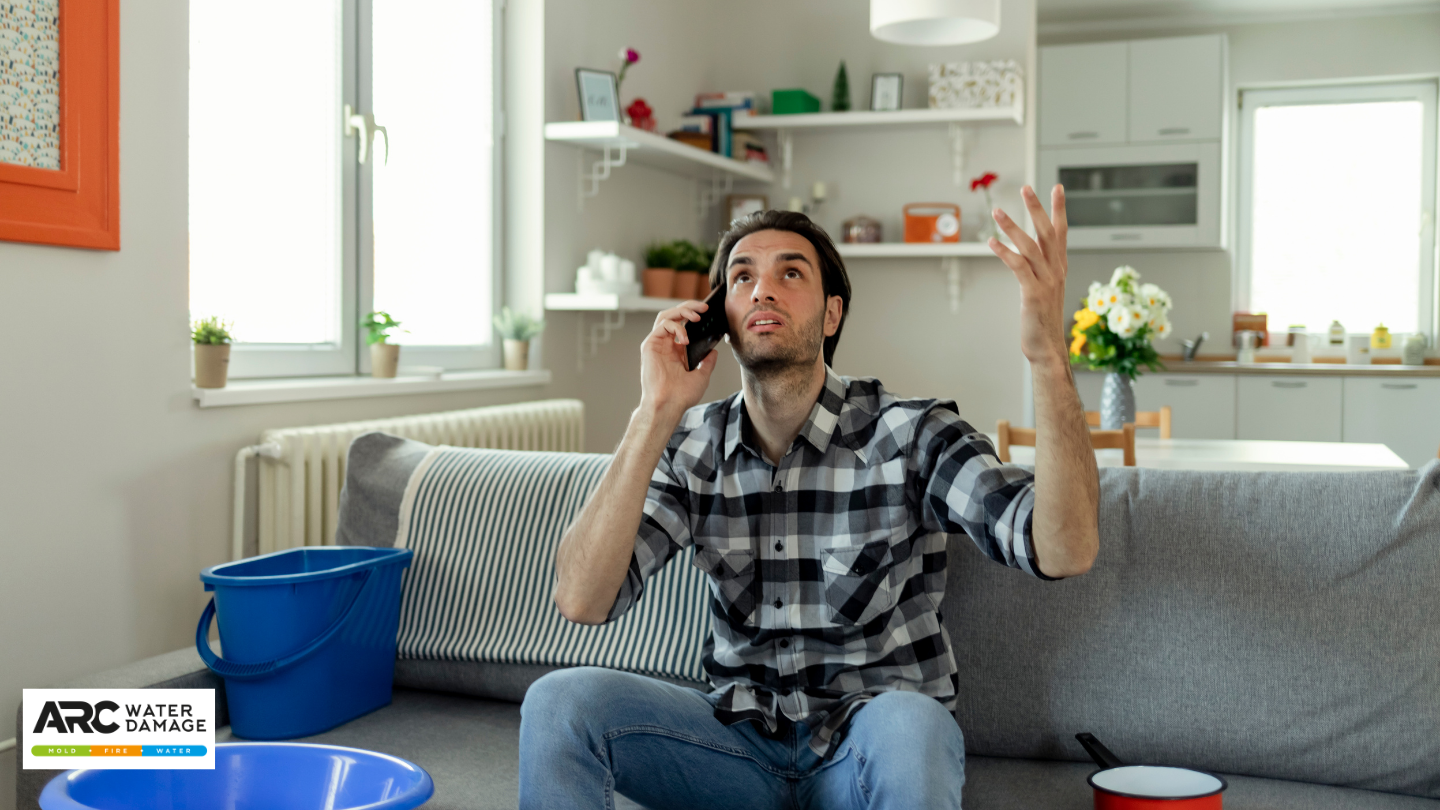
How Mold Develops After Water Damage
Why Mold Growth Happens So Quickly
Mold spores naturally exist in indoor and outdoor environments. When excess moisture becomes available, mold begins feeding on organic materials such as wood, drywall, carpet, and insulation.
Under the right conditions, mold can begin growing within 24 to 48 hours after water exposure.
Mold spreads quickly because:
Damp materials provide ideal food sources
Warm temperatures encourage growth
High humidity sustains moisture
Poor ventilation traps humid air
Once mold colonies form, spores spread through the air and contaminate additional surfaces.
Common signs of mold after water damage include:
Musty odors
Black or green spots on the walls
Persistent allergy symptoms
Peeling paint
Discoloration around damp areas
Mold remediation often requires removing contaminated materials, thoroughly drying the property, and cleaning affected surfaces using specialized equipment.
Prompt water removal is the best defense against mold development.
Immediate Steps Homeowners Should Take
What To Do Right After Discovering Water Damage
Fast action is essential during any water emergency. The sooner homeowners respond, the better the chances of limiting damage and reducing repair costs.
Important first steps include:
Stop The Water Source
If possible, shut off the main water supply or stop the leak immediately. This prevents additional water from entering the home.
Turn Off Electricity
Water and electricity create serious safety hazards. Shut off power to affected areas if it is safe to do so.
Remove Standing Water
Use towels, mops, wet vacuums, or pumps to remove as much standing water as possible.
Protect Belongings
Move furniture, electronics, rugs, and valuables away from affected areas.
Increase Airflow
Open windows and use fans to improve ventilation if weather conditions allow.
Contact A Restoration Professional
Professional restoration companies have specialized equipment to extract water, dry materials, and prevent mold growth effectively.
Acting quickly can save thousands of dollars in repairs and greatly reduce disruption to the home.
Why Professional Water Damage Restoration Matters
The Benefits Of Professional Emergency Response
While minor spills can often be handled independently, major water damage situations usually require professional restoration services.
Professionals provide:
Industrial-grade water extraction
Moisture detection equipment
Structural drying systems
Dehumidification
Mold prevention treatments
Safe removal of contaminated materials
Professional teams understand how water behaves inside buildings and can identify hidden moisture that homeowners may miss.
They also help document damage for insurance claims and ensure the property is restored safely and thoroughly.
Without proper drying, moisture can remain trapped for weeks, continuing to damage the home even after visible water disappears.
Professional restoration reduces long-term risks and helps return the property to a safe condition faster.
Preventing Water Damage In The Future
How Homeowners Can Reduce The Risk
Although not every water emergency can be prevented, homeowners can take proactive steps to reduce their risk.
Helpful prevention measures include:
Inspect plumbing regularly
Replace aging pipes and hoses
Clean gutters and downspouts
Check roofs for leaks
Install water leak detectors
Maintain appliances properly
Ensure proper drainage around foundations
Insulate pipes during cold weather
Routine maintenance helps identify small problems before they become major emergencies.
Homeowners should also know where the main water shutoff valve is located so they can respond quickly during a leak.
Preparedness can significantly reduce both the severity and cost of future water damage events.
Conclusion
Emergency water damage spreads much faster than most homeowners expect. Within minutes, water begins soaking into flooring, walls, furniture, and structural materials. Within hours, swelling, staining, and odors can appear. Within 24 to 48 hours, mold growth may begin, creating serious health and structural concerns.
The speed of damage depends on factors such as the water source, building materials, humidity levels, and how quickly the problem is addressed. Hidden moisture behind walls and under floors often continues causing destruction even after visible water disappears.
Fast action is the key to minimizing damage. Stopping the water source, removing standing water, improving airflow, and contacting professional restoration specialists can dramatically reduce repair costs and long-term complications.
Understanding how quickly water spreads helps homeowners respond with urgency and protect both their property and their health when emergencies occur.
FAQ
1. How Quickly Does Water Damage Start?
Water damage can begin within minutes. Porous materials like drywall, carpet, and wood absorb moisture almost immediately after exposure.
2. Can Mold Grow Within 24 Hours After Water Damage?
Yes. Under warm and humid conditions, mold growth can begin within 24 to 48 hours after water intrusion.
3. Is Water Damage Always Visible?
No. Much water damage remains hidden behind walls, beneath flooring, or inside ceilings. Specialized equipment is often needed to detect trapped moisture.
4. Can A Small Leak Cause Serious Damage?
Yes. Even small leaks can cause major structural damage and mold growth if left untreated over time.
5. Should I Stay In My Home During Water Damage Restoration?
It depends on the severity of the damage and the type of water involved. Severe flooding, mold contamination, or sewage exposure may require temporary relocation.
6. Does Homeowners' Insurance Cover Water Damage?
Many homeowners' insurance policies cover sudden and accidental water damage, such as burst pipes. However, flood damage and long-term neglected leaks are often excluded.
7. How Long Does Water Damage Restoration Take?
Restoration timelines vary depending on the severity of the damage. Minor drying may take a few days, while major structural repairs can take several weeks.
8. What Is The Biggest Danger Of Untreated Water Damage?
Untreated water damage can lead to mold growth, structural weakening, electrical hazards, and costly long-term repairs.
9. Can Hardwood Floors Be Saved After Water Damage?
Sometimes. Quick drying and restoration may save hardwood flooring if the damage is addressed immediately. Severe saturation may require replacement.
10. Why Is Professional Drying Important?
Professional drying equipment removes hidden moisture that household fans and towels cannot reach, helping prevent mold growth and structural deterioration.
Emergency Water Damage Can Escalate Fast; Immediate Action Matters
Water emergencies can go from stressful to devastating in a matter of hours. Whether it’s a burst pipe, overflowing appliance, storm flooding, or sewage backup, water spreads quickly through walls, flooring, insulation, and structural materials. The longer the water sits, the greater the risk of severe property damage, mold growth, and costly repairs.
Fast emergency water damage restoration helps stop the damage before it gets worse. With immediate response, professional-grade drying equipment, and proven restoration methods, the affected areas can be extracted, dried, sanitized, and restored as quickly as possible. Acting fast not only protects your property, but it can also help reduce restoration costs and minimize disruption to your home or business.
At ARC Water Damage, our team responds quickly to emergency water damage situations and guides you through the entire restoration process from start to finish. We work efficiently, communicate clearly, and help coordinate with your insurance company to keep the process moving smoothly.
If you’re dealing with emergency water damage, don’t wait. Call ARC Water Damage today at (877) 437-9225 for immediate emergency water damage restoration and rapid response service.