
Sewage cleanup emergencies happen when wastewater escapes the plumbing or treatment system designed to contain it. A blocked toilet, damaged sewer pipe, overwhelmed public sewer, malfunctioning sewage pump, or failing septic system can send contaminated water into a home. The immediate trigger may be sudden, but the underlying problem can develop over weeks, months, or years.
For homeowners, the experience is often confusing. A washing machine starts draining, and dirty water appears in a nearby shower. Heavy rain falls overnight, and a basement floor drain overflows. A toilet that has been slow for several days suddenly spills onto the bathroom floor. These situations have different possible causes, and understanding the difference helps homeowners arrange the right response.
A sewage emergency requires both control of the wastewater source and cleanup of the affected property. Removing standing water does not repair a damaged drain. Clearing a blockage does not remove contamination from flooring or building materials. Both parts matter when restoring a usable living space.
This guide explains the main causes of sewage cleanup emergencies, the warning signs that deserve attention, and the practical steps homeowners can take when wastewater enters their property. It also explains why repeated backups require investigation rather than another temporary fix.
Key Takeaways
Sewage emergencies can begin inside a home, in its underground sewer connection, in a public sewer, or in a private septic system.
Grease, wipes, foreign objects, roots, and damaged pipes can interfere with wastewater drainage.
Heavy rainfall can contribute to backups when sewer systems become overloaded or septic drainfields become saturated.
Homes that depend on sewage pumps can experience overflows when equipment or electrical power fails.
Repeated drainage problems deserve professional diagnosis, even when wastewater eventually disappears.
During an active backup, stop using connected plumbing, keep people and pets away, and arrange appropriate emergency help.
Correcting the plumbing problem and restoring contaminated materials are separate tasks that may require different professionals.
What Makes a Sewage Problem a Cleanup Emergency?
Wastewater Has Escaped Its Intended Path
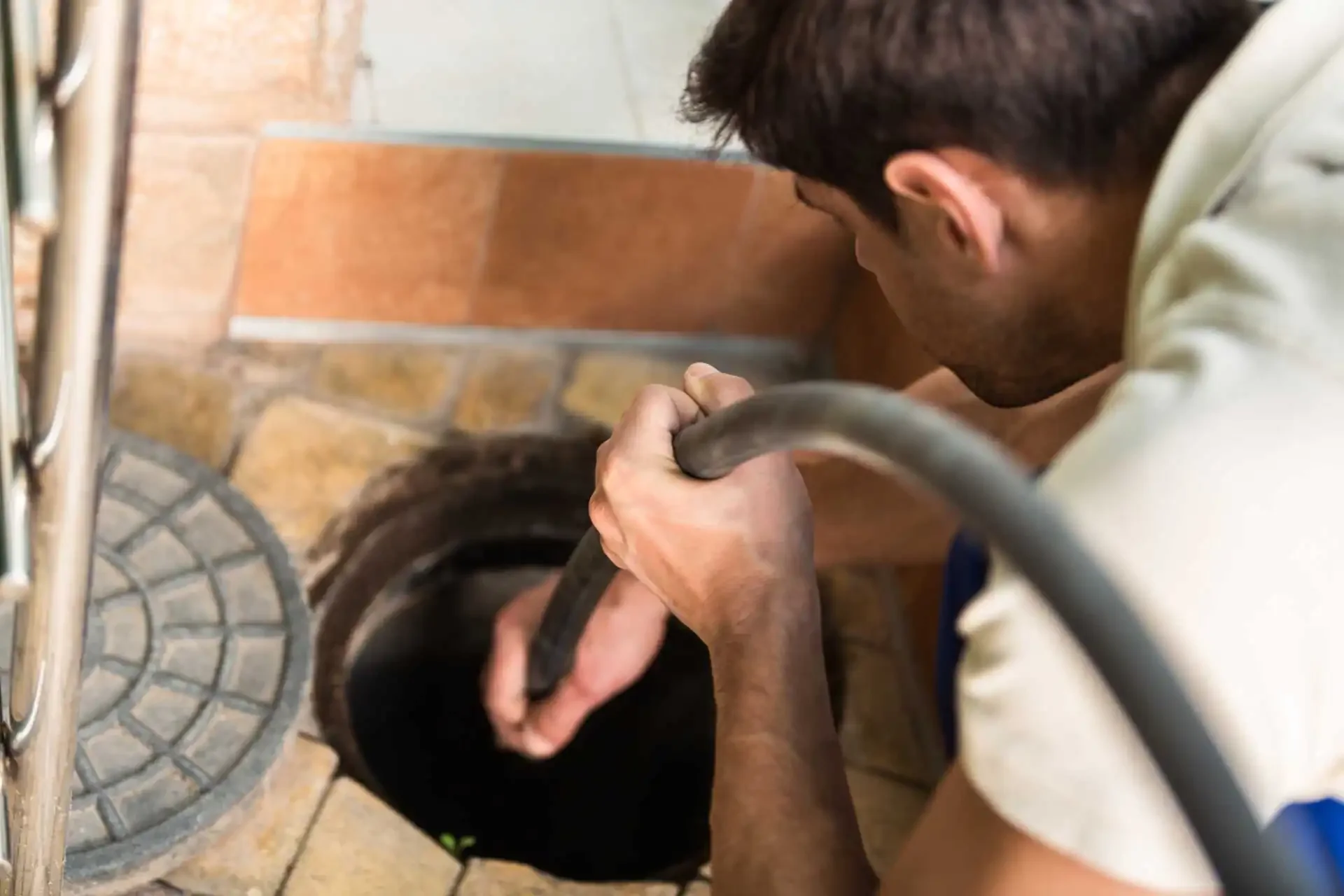
Under normal conditions, wastewater stays inside drains, pipes, tanks, and treatment equipment. A cleanup emergency begins when that containment fails, and wastewater reaches floors, walls, belongings, crawl spaces, or outdoor areas where people could contact it.
Not every puddle is sewage. Water from a broken clean-water supply pipe differs from wastewater flowing out of a toilet or sewer drain. Appearance alone cannot establish safety. When the source is uncertain, describe where the water appeared and what was happening beforehand rather than assuming clear-looking water is harmless.
The central questions are straightforward: Where did the water come from? Is more entering? What did it touch? Can people safely avoid the affected area? Those answers help determine the response.
The Event Creates More Than a Drainage Problem
Sewage can contain disease-causing organisms, and contact with it can present health risks. It can also damage household materials. Once wastewater enters a living space, the problem extends beyond getting a fixture to drain again. Contamination and material damage must also be addressed.
A toilet blockage that remains contained may require plumbing service without extensive restoration. An overflow that spreads beneath flooring or into adjacent rooms creates a broader cleanup need. The affected materials and the route the water took matter as much as the visible puddle.
Blocked Drains and Sewer Lines
Grease and Food Waste
Fats, oils, and grease can accumulate in sewer pipes, restrict flow, and eventually contribute to a blockage. When wastewater cannot pass through the obstruction, it can back up into the building. Waste disposal habits therefore influence drainage problems even when the affected fixture is far from the kitchen. DC Water
Consider a household that frequently rinses greasy pans into the sink. An eventual backup might appear at a lower drain rather than at that sink. The location of the overflow does not necessarily identify where the obstructing material entered the system.
This distinction is useful during a service call. Report disposal habits and earlier drainage symptoms without assuming the nearest fixture caused the problem. The plumber can use that history alongside inspection findings.
Wipes and Other Materials Flushed Down Toilets
Some products labeled flushable can contribute to sewer blockages. Wipes, sanitary products, and other inappropriate materials belong outside the wastewater system. Roots, excess water entering defective pipes, equipment failures, and insufficient sewer capacity are other recognized causes of sewer overflows.
A practical household rule is to provide a wastebasket wherever people use wipes or hygiene products. Guests, children, and caregivers may not know the home’s usual disposal practices. A clear instruction is easier to follow than expecting everyone to understand what a product label means for the plumbing.
If a child drops a toy into a toilet, tell the plumber what happened. Knowing that a solid object may be present can change the approach to diagnosing the blockage. Repeated flushing is not a useful way to investigate an active overflow.
A Local Blockage Versus a Shared Drainage Problem
One affected fixture may suggest a local restriction, while problems involving several fixtures raise concern about a shared drain or sewer connection. These patterns are clues, not a diagnosis.
For example, a single bathroom sink that drains slowly presents a different pattern from a shower filled with wastewater whenever another fixture empties. Tell the service professional which fixtures are involved, which were operating, and whether the problem happens every time or only occasionally.
Avoid intentionally running additional water to demonstrate a backup. Existing photos, observations, and a clear description are safer ways to communicate the symptoms.
Tree Roots and Damaged Underground Pipes
Roots Can Enter Through Pipe Defects
Tree roots can enter openings or defects in sewer pipes and interfere with flow. Soil settlement, misaligned joints, and pipe collapse can also contribute to blockages. These underground conditions can affect drainage even when household disposal habits are careful. DC Water
A useful example is a homeowner who has had the same sewer line cleared several times. If the underlying pipe defect remains, another clearing may provide temporary relief without resolving the reason the obstruction returns.
Ask the plumber what the inspection actually showed. Was the finding a removable obstruction, a damaged pipe, or both? Understanding that distinction helps homeowners evaluate whether the proposed work addresses the recurring problem.
Pipe Condition Matters More Than Assumptions About Age
An older home does not automatically have a failed sewer connection, and a newer home does not automatically have a trouble-free one. Maintenance history, installation conditions, past repairs, and inspection results are more useful than age alone.
For a hypothetical home with recurring backups, gather previous invoices before the next visit. Records may show whether earlier work involved the same section of pipe, whether roots were reported, or whether a structural repair was recommended.
This information can prevent each service visit from beginning with an incomplete history. It also gives the homeowner a concrete basis for asking why a proposed repair differs from previous work.
Underground Problems Can Be Easy to Overlook
Because buried pipes are out of sight, homeowners may interpret a recurring backup as another inconvenient clog. The important pattern is recurrence: the same symptom returning after service deserves further explanation.
Keep a simple record of dates, affected fixtures, weather, and repairs. A log cannot diagnose the pipe, but it can reveal patterns that are difficult to remember during an emergency. Share that information with the professional responsible for investigating the drainage system.
Heavy Rainfall and Sewer System Overload
Stormwater Can Increase the Burden on Sewers
Rain-related sewage emergencies don’t all follow the same mechanism. In some communities, combined sewers carry both wastewater and rainwater runoff. Intense storms can exceed their capacity and contribute to backups. The presence and design of such systems vary by location. DC Water
For a homeowner, the timing is valuable information. If a backup starts during heavy rainfall, mention that fact when contacting the sewer utility and plumber. Also explain whether similar events have happened during dry weather.
Don’t assume that rainfall proves the public sewer caused the event. A property-specific problem and a weather-related system problem may produce similar symptoms. Investigation should establish what happened at the actual property.
Outdoor Flooding and Sewer Backflow Are Different Routes
Water entering through a doorway follows a different route from wastewater rising through a floor drain. Both may occur during the same storm, but they don’t necessarily require the same repairs.
In a hypothetical basement flood, a homeowner might see water at a window well and around a bathroom drain. Photograph each location from a safe position and report both observations. Focusing only on one entry point could leave the other problem unexplained.
The goal is to identify the path of entry before choosing a prevention measure. A solution aimed at outdoor surface water may not address wastewater returning through plumbing.
Low Fixtures Deserve Attention
A basement bathroom or floor drain may be where a homeowner first notices a backup. Record which opening overflowed first, whether other drains were affected, and whether the wastewater continued entering after household water use stopped.
These observations help frame the investigation without requiring the homeowner to inspect a sewer line. Avoid opening cleanouts or removing drain components during an active backup. Leave access decisions to the responding professional.
Septic System Problems
Solids Can Interfere With the Drainfield
In a septic system, inadequate maintenance can allow solids to move from the tank into the drainfield and clog it. Signs of malfunction can include sewage odors and unusually wet or spongy ground around the drainfield. A professional assessment can examine tank components, piping, pumps, and drainage conditions.
A homeowner who notices both indoor drainage trouble and an unexplained wet area outdoors should report both. Treating the indoor symptom as an isolated fixture clog may miss the wider system issue.
It is also useful to locate maintenance records. The service provider needs to know what was inspected or pumped previously, rather than relying on a general recollection that the system was serviced recently.
Saturated Ground Can Disrupt Operation
Heavy rain and flooding can saturate the ground and prevent proper septic operation. Slow sinks and toilets, overflowing floor drains, and visible sewage outdoors are warning signs. During these conditions, reduce nonessential water use and arrange professional inspection if damage is suspected.
Imagine a household beginning several loads of laundry while its yard is flooded. If drainage problems are already present, continuing normal water use adds to the situation the service provider must assess. Pausing nonessential activities is a practical interim response.
Avoid using a flooded yard as a shortcut to reach the system. Describe the conditions by phone and follow the provider’s instructions about safe access.
Pumping Is Not Always the Immediate Answer
A flooded septic system needs a response suited to ground conditions. Pumping a tank while surrounding soil is saturated can create problems, including displacement of the tank. EPA advises against opening a tank for pumping while the soil remains saturated.
Ask the septic professional what can safely be done now and what must wait. An emergency service request should describe current flooding, sewage symptoms, and known system components. Don’t enter a septic tank or attempt to inspect its interior yourself.
Sewage Pump and Power Failures
Some Wastewater Systems Depend on Pumps
Equipment failures, inadequate pump maintenance, and lack of backup power can contribute to sewer overflows. A home may also have wastewater equipment that needs electrical power, making the equipment history relevant when drainage problems coincide with an outage.
For example, a homeowner with a basement bathroom might notice an alarm before an overflow. Report the alarm, the power status, and any recent service. Those details are more useful than assuming the toilet itself has failed.
If you don’t know whether your home uses sewage pumping equipment, ask during a routine plumbing visit. Identifying the equipment before an emergency makes it easier to explain a problem and contact the right service provider.
A Sump Pump and a Sewage Pump Serve Different Purposes
Don’t assume that every pump in a basement handles the same water. Confirm the purpose of the installed equipment with its service professional or documentation. The response to a groundwater problem can differ from the response to wastewater that has escaped a sewage system.
Keep equipment details where they are easy to find: the model, service contact, alarm instructions, and maintenance history. During a stressful event, this small amount of preparation can help the responding contractor understand the setup.
Repeated Alarms Need Investigation
Silencing an alarm does not establish that the equipment is working. If an alarm recurs, seek an explanation of the cause and the appropriate response.
Don’t repeatedly reset equipment or reach into a wet pit. Report what you can observe safely and stop using affected plumbing while receiving guidance. The priority is to avoid adding wastewater to a system that may not be moving it away.
Failed Connections and Backwater Protection Problems
A Leak Can Occur Without a Fixture Overflow
A cleanup emergency may involve wastewater escaping from damaged piping rather than rising through a drain. A wet area beneath a bathroom, a recurring stain, or unexplained wastewater in a crawl space warrants investigation.
When reporting the problem, separate observations from conclusions. Saying that moisture appears after bathroom use is helpful. Saying that a particular fitting has failed without an inspection may steer attention too narrowly.
If the affected area is difficult to access, don’t enter it merely to obtain a better photograph. A professional can determine how to inspect it safely and whether the leak involves wastewater, a supply line, or another source.
Backwater Valves Need Correct Use and Maintenance
A sewer backwater device allows wastewater to flow out while helping prevent reverse flow from the sewer. It can be useful in suitable installations, but its application should be evaluated for the property.
Such devices need inspection. When a device closes to isolate the building from a sewer backup, using fixtures that discharge through the closed route can create problems inside the property. Follow the instructions for the actual installation. DC Water
Before agreeing to a prevention upgrade, ask which fixtures it protects, how you will know it has activated, and who will maintain it. Clear operating instructions are part of making the device useful.
Warning Signs Homeowners Should Not Ignore
Recurring Symptoms Matter More Than a Single Guess
Watch for repeated slow drainage, wastewater appearing in another fixture, recurring overflows, unexplained sewage odors, pump alarms, or sewage visible outdoors. These observations don’t all identify the same cause, but they provide reasons to seek assessment.
A hypothetical pattern might look like this: the shower drains slowly on Monday, bubbles appear when another fixture empties on Wednesday, and dirty water returns on Friday. Reporting the sequence gives the professional more context than describing only Friday’s overflow.
You don’t need to know the technical explanation before calling. A precise account of what happened is enough to begin the conversation.
Odor Alone Does Not Identify the Cause
A sewage-like smell deserves attention, but it does not prove that a sewer line has overflowed. Tell the plumber whether there is visible moisture, whether the smell is localized, and whether drainage has changed.
Likewise, absence of a strong odor should not be used to declare escaped wastewater safe. Source identification and inspection are more reliable than smell.
If conditions involve strong fumes, dizziness, breathing difficulty, or suspected gas, leave the area and seek emergency assistance. Don’t enter a confined space to trace an odor.
What to Do When a Sewage Cleanup Emergency Starts
Stop Adding Wastewater and Arrange Help
Stop using plumbing connected to the affected system. Avoid flushing toilets, running showers, or operating washing machines and dishwashers until you receive guidance. Keep children, pets, and other occupants away from the contaminated area.
Contact a plumber for suspected drain or pipe problems, a septic professional for an onsite system, or the sewer utility when a public-system issue may be involved. Arrange sewage restoration services for contamination inside the property. Explain whether wastewater is still entering and whether anyone faces an immediate hazard.
Treat Electrical Hazards as a Separate Emergency
Don’t walk into standing water to reach a breaker panel or electrical appliance. CDC advises calling an electrician when accessing the main power switch would require entering water. Never operate electrical tools or switches while standing in water.
An urgent cleanup does not make an unsafe entry acceptable. Tell responders about water near electrical equipment so they can coordinate the response.
Document From a Safe Position
Record when the event began, which fixtures were involved, and what was happening immediately beforehand. Photograph visible damage without touching wastewater or moving contaminated items through clean rooms.
Contact your insurer promptly if property damage occurred. Ask about documentation requirements and keep service records and invoices. Don’t postpone necessary emergency mitigation solely to complete photographs.
Why Plumbing Repair and Cleanup Must Work Together
Restoring Flow Does Not Finish Restoration
A useful question for every responding contractor is: Which part of the problem does your work address? A plumber may restore drainage while a restoration team evaluates contaminated materials. Some providers coordinate both; others perform only one part.
Ask for a clear description of the work, its boundaries, and any next steps. This helps prevent a situation where each provider assumes someone else will address remaining damage.
Cleaning and Drying Require Attention to Materials
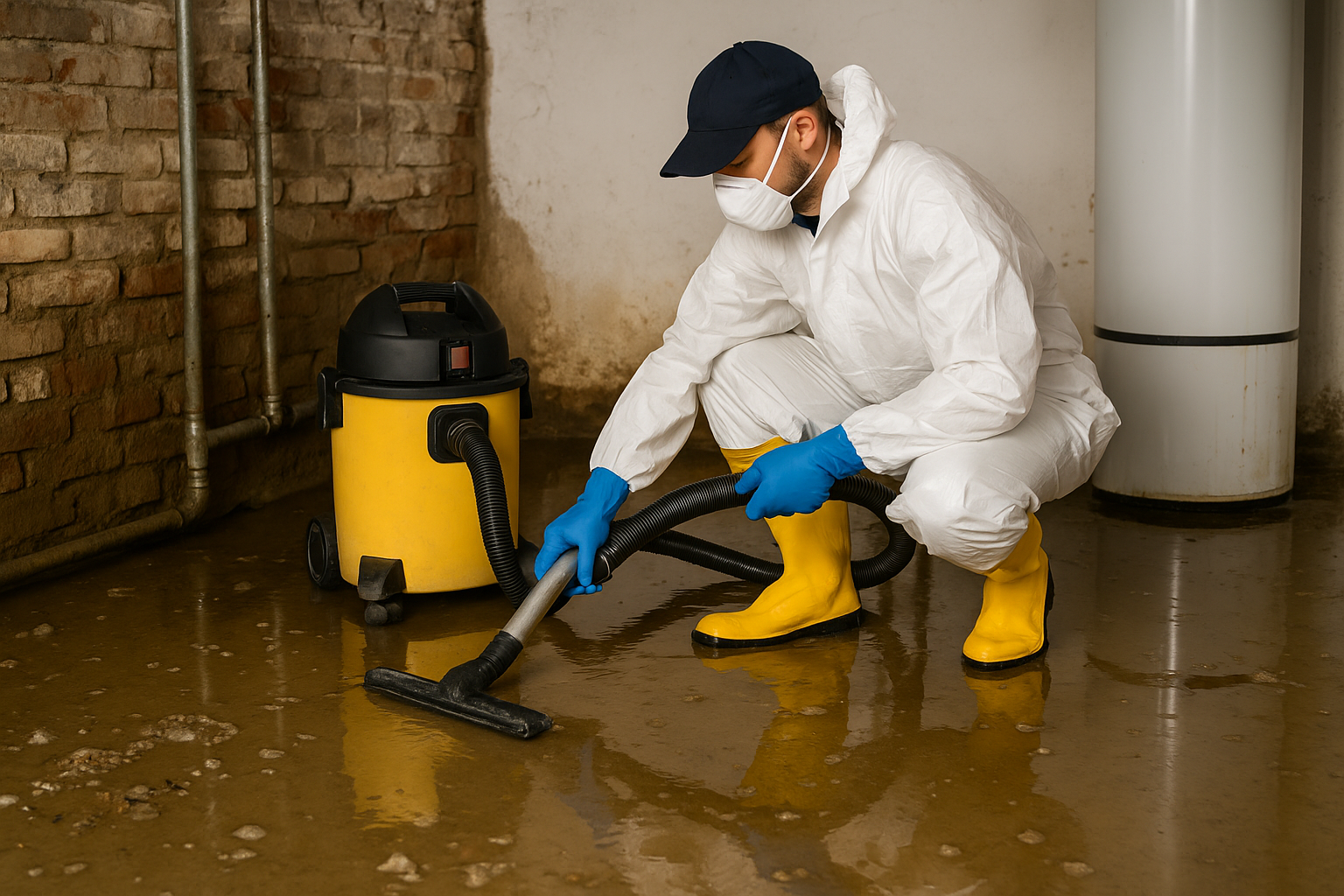
Flooded-home restoration involves removing standing water, evaluating walls and flooring, and drying affected areas. The appropriate work depends on the building and the extent of water exposure.
CDC advises discarding sewage-contaminated drywall and insulation. It also warns against mixing bleach with ammonia or other cleaners and recommends protective equipment when sewage is involved.
Ask how the team will assess materials hidden beneath or behind visible surfaces. A clean-looking floor is not, by itself, a complete explanation of what happened underneath it.
How Homeowners Can Reduce the Risk of Another Emergency
Match Prevention to the Confirmed Cause
The best follow-up addresses the finding. If inspection identifies a damaged pipe, discuss repair. If the event involves septic malfunction, establish a maintenance and service plan. If public-sewer backflow is confirmed, ask about suitable property protection.
Use a simple decision question: What evidence shows this measure addresses the cause of our backup? A clear answer should connect the observed problem to the proposed solution.
Establish Everyday Disposal and Maintenance Habits
For septic systems, EPA recommends flushing only human waste and toilet paper, keeping grease out of drains, conserving water, and protecting the drainfield from vehicles and excess drainage. Maintenance needs depend on the system and household.
Make these habits easy to follow. Provide wastebaskets, keep grease disposal containers available, and save maintenance reminders with household records. Explain the rules to everyone who regularly uses the property.
Prepare an Emergency Contact List
Keep contacts for plumbing, restoration, septic service if applicable, the sewer utility, and insurance together. Include equipment information and previous repair records.
Preparation cannot prevent every sewage emergency, but it can reduce confusion when one occurs. Knowing whom to contact and what information to provide helps move the response forward.
Conclusion
Sewage cleanup emergencies occur when wastewater loses its intended route or containment. Blockages, underground pipe damage, storm-related overload, septic malfunction, pump failure, and leaking connections can all contribute. Similar symptoms can have different causes, so identifying the source is essential.
Homeowners should take recurring drainage problems seriously and respond promptly when wastewater escapes. Stop using affected plumbing, keep people away, account for electrical hazards, and contact the professionals suited to the system involved.
Successful recovery addresses both the reason wastewater entered the property and the contamination it left behind. A clear diagnosis, appropriate cleanup, and prevention plan based on actual findings help homeowners move beyond temporary relief.
Frequently Asked Questions
1. What Causes Sewage Cleanup Emergencies in Homes?
Common causes include blocked drains, damaged sewer connections, overwhelmed sewer systems, septic malfunction, failed sewage pumps, and leaking wastewater pipes. The cause must be investigated at the property because similar overflows can arise from different problems.
2. Can a Single Clogged Toilet Create a Cleanup Emergency?
Yes. If contaminated water overflows onto floors or belongings, cleanup may be needed even when the blockage affects only one fixture. The amount of water, materials contacted, and extent of spread determine the restoration scope.
3. Why Does Wastewater Appear in the Shower When Another Fixture Drains?
That pattern can indicate a restriction in drainage shared by the fixtures. Stop using the connected plumbing and describe the sequence to a plumber. Avoid running more water to reproduce the problem.
4. Does a Backup During Rain Mean the Public Sewer Is Responsible?
No. Rainfall is an important clue, but it does not establish responsibility. Public-system conditions, property drainage defects, and septic saturation can require different investigations. Report the timing and any previous dry-weather problems.
5. Will Clearing a Sewer Line Prevent Future Backups?
It depends on the cause. Removing an obstruction may restore flow, but a remaining pipe defect can still require repair. Ask what was found, what was corrected, and whether further inspection or work is recommended.
6. Can Septic Problems Cause Wastewater to Enter the House?
Yes. Septic malfunction can be associated with indoor drainage problems and overflows. Report outdoor conditions as well as indoor symptoms to the septic professional so the assessment considers the entire system.
7. Should I Keep Using Plumbing After the Water Disappears?
Don’t assume that disappearing water means the problem is resolved. During an active or unexplained backup, pause use of the affected system and obtain professional guidance before returning to normal use.
Sewage Problems Need Fast, Professional Cleanup
A sewage backup can create serious problems for any home or business. Contaminated water may spread across floors, seep into walls, damage building materials, and leave behind bacteria, odors, and other hazardous contaminants. The longer sewage remains in the property, the greater the risk of additional damage and costly repairs.
Sewage cleanup requires more than removing standing water. A proper response includes identifying affected areas, extracting contaminated water, removing damaged materials when necessary, thoroughly cleaning and disinfecting surfaces, controlling odors, and drying the property to help prevent lingering moisture problems.
ARC Water Damage provides professional sewage cleanup for residential and commercial properties. Our experienced team works quickly to contain the affected area, remove contamination, clean and sanitize the property, and help restore damaged spaces as safely and efficiently as possible.
If you're dealing with a sewage backup, overflowing toilet, sewer line problem, or contaminated water damage, contact ARC Water Damage at (877) 437-9225 for fast, professional sewage cleanup.
Disclaimer
The information provided on this website is for general informational and educational purposes only and is not intended to serve as professional restoration, environmental, or insurance advice. Every water, fire, or mold damage situation is unique, and you should consult with a qualified restoration professional regarding your specific property and conditions. Do not take action or delay action based solely on the content of this website without seeking appropriate professional guidance.
While we strive to provide accurate and up-to-date information, restoration methods, safety standards, and industry practices may change over time. The content on this website may not reflect the most current procedures or recommendations. ARC Water Damage makes no guarantees regarding outcomes based on the use of this information.
By using this website, you agree that ARC Water Damage is not liable for any actions taken or not taken based on the information provided, to the fullest extent permitted by law.