
Delaying sewage cleanup can be dangerous because it leaves contaminated water and materials inside your living space while moisture continues spreading through the home. What begins as a bathroom overflow or basement backup can become a larger restoration project involving flooring, walls, furniture, and hidden building cavities.
Sewage is more than dirty water. It can contain human waste and microorganisms that make people sick. When it enters a home, the immediate concern is protecting everyone from exposure. The next priorities are stopping the source, removing contamination, and addressing moisture before additional damage develops.
The Environmental Protection Agency recommends bringing in a professional with experience cleaning and repairing buildings damaged by sewage or other contaminated water. A sewage backup requires a different response from an ordinary spill because safe recovery involves more than wiping down the visible surface.
Homeowners sometimes hesitate because the affected area looks small, the water has stopped flowing, or they hope the problem will disappear after the floor dries. Others worry about cost or want to wait until a convenient time. Those concerns are understandable, but waiting can leave important questions unanswered: Where did the water travel? Which materials absorbed it? Is the plumbing problem still active? Can the affected space be used safely?
This guide explains the risks of postponing sewage cleanup, why appearances can be misleading, and what homeowners should do to organize a prompt, practical response.
Key Takeaways
Sewage contamination creates an immediate exposure concern; visible mold does not need to be present for action to be necessary.
Delaying assessment can allow moisture and contamination to reach additional materials or remain hidden.
Drying a surface does not establish that it has been adequately cleaned.
Children and pets should remain away from affected areas until cleanup is complete.
Electrical hazards, unsafe structures, and suspected gas hazards require immediate attention.
Cleanup and plumbing repair address different parts of the problem, and both may be necessary.
Prompt documentation and clear communication help homeowners make informed restoration decisions.
There is no universal waiting period that makes a sewage backup safe to ignore.
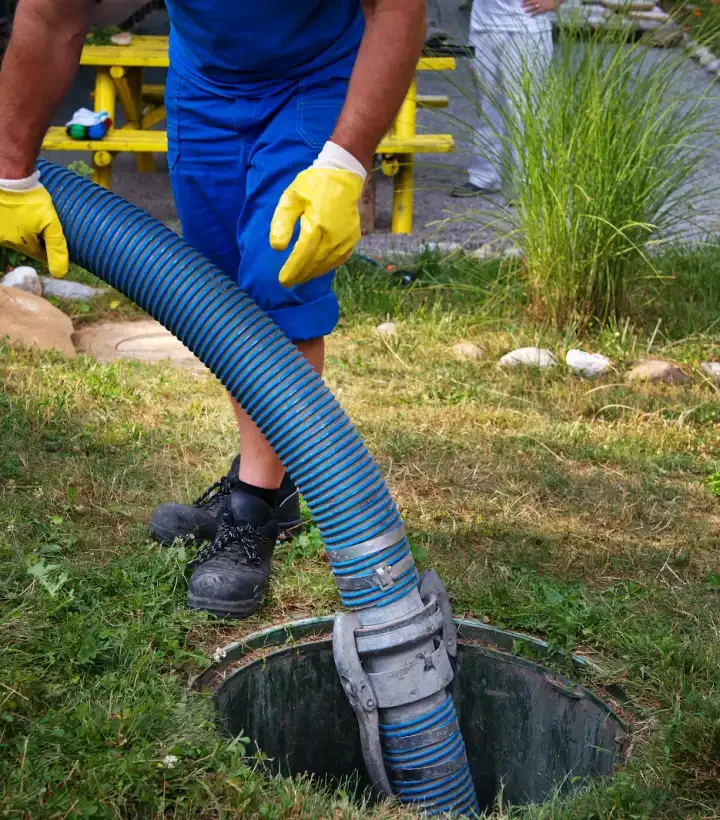
How Delaying Cleanup Can Increase Health Concerns
Longer Delays Create More Opportunities for Contact
Waiting does not mean everyone in the home will become ill. Leaving the affected area accessible gives household members more opportunities to encounter contaminated surfaces or belongings.
Consider a laundry room that remains in use after a sewage backup. Family members may continue retrieving clothes, moving baskets, or walking past the damaged flooring. Even if nobody intentionally touches the sewage, routine activity can make it harder to maintain a clean boundary.
A useful first response is to pause use of the affected space and explain the restriction to everyone in the household. Be specific about which room, doorway, or route should be avoided.
If an essential room is involved, such as the home’s only bathroom, discuss temporary arrangements with the responding professionals. Convenience should not be the only factor in deciding whether the room remains usable.
Existing Health Conditions May Affect Household Decisions
Health concerns can change how a family approaches cleanup and temporary occupancy. A household member with asthma, significant allergies, immune suppression, or another relevant condition may need individualized advice.
The EPA advises people with health concerns to consult a health professional before starting cleanup.
Homeowners don’t need to diagnose the contamination themselves. Instead, tell the cleanup company about household circumstances that affect access, scheduling, or temporary accommodation. Share medical questions with a clinician who knows the person’s health history.
This communication helps the family make decisions based on its actual needs. It also prevents assumptions such as believing that a person can safely remain nearby simply because the affected room is downstairs or behind a closed door.
Exposure Should Be Addressed Promptly
If sewage-contaminated water contacts skin, wash the affected area with soap and clean water. Seek medical attention for an exposed wound that develops redness, swelling, drainage, increasing pain, or other concerning symptoms. Tell the clinician about the sewage exposure.
Avoid continuing cleanup while feeling unwell. A homeowner who becomes sick or injured should stop the activity and obtain appropriate care.
It is also helpful to record what happened: when exposure occurred, which body area was affected, and whether there was a cut or puncture wound. These details support a clearer conversation with a healthcare professional. Prompt action involves protecting people as well as arranging property restoration.
Why Moisture Makes Waiting More Costly
Water Can Reach Beyond the Visible Spill
The puddle on the floor may be only part of the affected area. Water can enter floor joints, move beneath finishes, and reach adjoining materials.
Imagine a bathroom backup that appears to stop at the doorway. The homeowner may see a dry hallway surface while moisture remains beneath the flooring near the threshold. Without assessment, the visible boundary can be mistaken for the actual boundary.
This does not mean every nearby surface requires removal. It means the scope should be determined through investigation rather than appearance alone.
When requesting help, describe the room layout, flooring type, nearby closets, and any rooms below the affected area. These details give the responding team a more useful starting point.
Hidden Materials May Need Attention
An important restoration question is whether contamination reached materials that cannot be adequately cleaned in place.
CDC guidance calls for removing and discarding drywall and insulation contaminated with sewage or floodwater. It also identifies numerous absorbent belongings that may need disposal when they cannot be cleaned or dried appropriately.
For homeowners, this makes early evaluation valuable. Decisions about opening walls or removing flooring should have a clear reason tied to the damage.
Ask the contractor to explain what evidence supports each proposed removal. Request a distinction between materials that are contaminated, materials that are damaged, and materials that must be moved to access the affected area. A transparent explanation makes a stressful project easier to understand and review.
Extended Wetting Can Complicate Repairs
Prolonged moisture can contribute to swelling, separation, deterioration, and other changes in building materials. EPA guidance notes that contaminated flood damage may require extensive removal of flooring, walls, insulation, and other materials to achieve adequate drying.
The practical consequence is that a project can expand beyond surface cleanup.
A homeowner may initially expect the room to be washed and returned to use. After assessment, the work may also involve opening an assembly, removing damaged materials, drying accessible components, and rebuilding finishes.
Early attention cannot guarantee that everything will be saved. It can help identify the necessary work before the homeowner begins cosmetic repairs that later have to be undone.
How Delayed Sewage Cleanup Relates to Mold
Moisture Control Is Time Sensitive
The EPA recommends drying water-damaged areas and items within 24 to 48 hours to help prevent mold growth. That guidance supports a prompt response to moisture problems, but it is not permission to leave sewage contamination untreated for two days.
The distinction matters. Sewage exposure is an immediate concern, while mold is an additional problem associated with moisture remaining in the building.
Homeowners should not use a countdown as their main decision tool. A better approach is to arrange assessment promptly and ask what can safely be done while the team is on its way.
Conditions vary between homes. The amount of water, affected materials, room conditions, and hidden moisture all influence the restoration plan.
Visible Mold Is an Unreliable Starting Signal
Waiting for discoloration or obvious growth leaves the original sewage problem unresolved. A room can need cleanup before any visible mold appears.
Similarly, a homeowner should not assume that the absence of mold means the floor or wall is ready for rebuilding. Cleanliness, contamination removal, and dryness are separate questions.
Ask the contractor how moisture will be evaluated and what conditions must be met before finishes are replaced. A useful answer should explain the process in terms the homeowner can understand.
This also helps establish a sensible sequence: address the source, remove contamination, complete necessary cleaning and drying, then restore the room.
Painting Over the Problem Can Delay Proper Recovery
Fresh paint, replacement trim, or new flooring may improve appearance without resolving what remains underneath. The EPA advises against painting or caulking moldy surfaces before cleanup and drying.
For a sewage incident, the broader planning lesson is to complete restoration decisions before cosmetic work begins. Otherwise, a newly finished surface may need to be reopened to reach remaining damage.
Homeowners who want the room back quickly should ask for a staged schedule. Understanding which tasks depend on earlier work can prevent unnecessary interruptions and repeated labor.
Why Odor Cannot Tell You Whether the Home Is Safe
A Fading Smell Does Not Confirm Successful Cleanup
Odor may prompt someone to investigate, but it does not measure whether all affected materials have been addressed.
A homeowner might notice that the room smells better after opening a window. That improvement alone does not answer whether residue remains under a cabinet or whether damp material is still present inside a wall. Use odor as information to report, not as the sole basis for returning the room to normal use.
Tell the contractor where the smell is strongest, when it began, and whether it changes when fixtures are used. These observations can support the investigation without requiring the homeowner to enter a hazardous area.
Suspected Sewer Gas Requires a Separate Safety Response
Hydrogen sulfide, sometimes associated with sewer gas, can accumulate in poorly ventilated or confined spaces. OSHA warns that smell is unreliable because the ability to detect the gas can diminish during exposure. Occupational Safety and Health Administration
This does not mean every household sewage backup creates a dangerous gas concentration. It means homeowners should avoid entering sewer pits, tanks, or other confined spaces to investigate.
If a strong unexplained odor is accompanied by dizziness, breathing difficulty, or other acute symptoms, leave the area and contact emergency services. Don’t reenter to search for the source or attempt a rescue in a confined space.
Immediate Hazards That Should Never Wait
Electrical Equipment Near Water
Contaminated water can also create an electrical emergency when it reaches equipment, outlets, or wiring.
CDC guidance says never to operate electrical tools or switch power on or off while standing in water. If reaching the main switch requires entering standing water, call an electrician to handle the shutoff.
This is especially relevant in basements containing laundry equipment, heating equipment, or electrical panels.
Avoid walking into the affected area to unplug appliances or retrieve possessions. Explain the situation to the responding professionals so electrical safety can be considered before cleanup begins.
Unsafe Floors, Ceilings, or Access Routes
A home affected by a substantial water release may have physical hazards beyond contamination. EPA guidance recommends precautions to prevent injury and further damage when dealing with water-damaged buildings.
Report sagging ceilings, unusually soft flooring, damaged stairs, or other changes that affect safe access. Don’t enter questionable areas simply to get better photographs. A clear description from a safe location is more useful than documentation obtained through unnecessary risk.
What Homeowners Should Do Immediately
Restrict Access to the Affected Area
Keep household members and pets out of the damaged space. Make the boundary clear, particularly if the room is normally used as a passageway.
Choose an alternative route where possible. Tell visitors and service providers about the incident before they enter the home.
A simple household instruction works well: “Please don’t use the downstairs bathroom or walk through the laundry room until the cleanup team has assessed it.”
Pause Connected Water Use
Until a plumbing professional advises otherwise, avoid using fixtures that may feed the backup.
Let everyone in the home know that flushing toilets, taking showers, or starting laundry could affect the situation. Provide the plumber with a list of the fixtures showing problems.
If several homes or common areas appear affected, report that observation to the relevant utility or property manager.
Arrange Cleanup and Source Repair
Contact a qualified sewage cleanup provider and an appropriate plumbing professional. Explain that contaminated water is present and ask about emergency response.
Useful details include:
When the backup was discovered.
Whether water is still entering.
Which rooms and fixtures are affected.
Whether electrical equipment is nearby.
Whether the home has a basement or crawlspace.
Whether the affected room is essential for daily living.
These details help the service provider prepare and identify questions that need immediate attention.
Document From a Safe Location
Take photographs and note the discovery time if you can do so without entering the contaminated area. EPA guidance recommends contacting the insurer and photographing damage and belongings before cleanup activities begin.
Start a simple incident record. Include calls made, names of responding companies, observations, and any instructions received. Keep estimates, invoices, photographs, and written scopes together. Organized records reduce confusion when several people are involved in the project.
Discuss Temporary Living Arrangements
Ask whether the home, or part of it, can reasonably remain occupied during the work. Consider access to bathrooms, sleeping areas, cooking facilities, and safe exits.
There is no universal answer for every backup. A contained incident in a separate room presents different practical issues from widespread contamination affecting essential living areas. Request a clear explanation of any access restrictions and the conditions for returning to normal use.
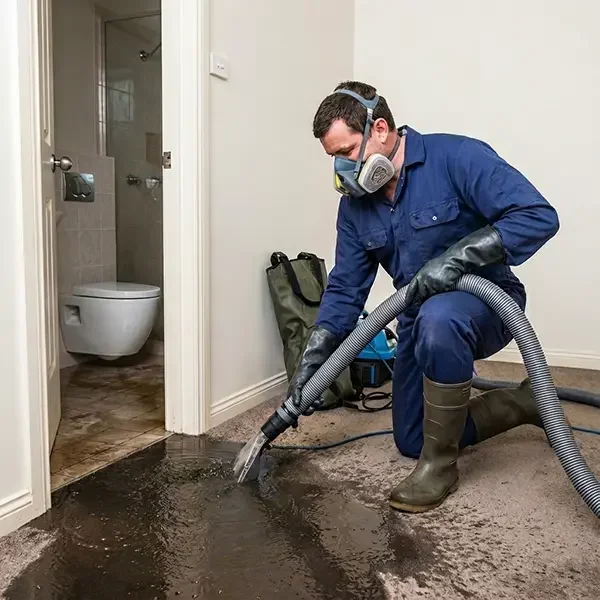
Common Responses That Can Make the Situation Harder
Waiting for the Water to Dry Naturally
Natural drying may change the appearance of the room while leaving uncertainty about contamination and hidden moisture. EPA’s flooded-home guidance treats cleaning, disinfection, and drying as distinct parts of recovery. A homeowner who simply waits may lose time without resolving the questions that determine the cleanup scope.
Using Fragrance to Cover the Smell
Deodorizers can make an odor less noticeable while the source remains unresolved. They should not replace assessment or influence the decision to reopen a room. Tell the contractor about products already applied. That information helps them understand the conditions they encounter.
Mixing Cleaning Products
Don’t improvise chemical mixtures. CDC guidance warns never to mix bleach with ammonia or other cleaners and advises following product safety instructions. Adding more products does not establish that a surface has been cleaned properly. It can also introduce another hazard into an already difficult situation.
Starting Demolition Without a Plan
Pulling up flooring or cutting walls may seem like a way to accelerate recovery, but removal decisions should account for access, contamination, and building materials. EPA advises seeking qualified help when cleanup may disturb suspected asbestos or lead-based paint. Before authorizing demolition, ask what will be removed, why removal is needed, and how the work area will be managed.
How Delays Can Affect the Restoration Budget
The Scope Can Become More Complicated
There is no reliable universal price increase for waiting a particular number of hours. Costs depend on the actual damage and work required. A project involving one accessible surface differs substantially from a project involving several rooms, hidden assemblies, damaged belongings, and reconstruction.
To understand the estimate, ask the contractor to separate major components: assessment, extraction, material removal, cleaning, drying, monitoring, and rebuilding. This breakdown helps explain the work without relying on vague statements that “everything needs replacing.”
Household Disruption Has Practical Costs
The cleanup invoice is only one part of the household impact. Families may also need temporary accommodation, laundry arrangements, storage, transportation, or time away from work.
Delaying the initial response can prolong uncertainty about these needs. Prompt assessment gives the homeowner a clearer basis for planning. For example, learning early that the only bathroom will be unavailable allows a family to arrange accommodation before bedtime rather than making a rushed decision late at night.
Insurance Questions Should Be Resolved Directly
Ask your insurer about the specific incident and policy rather than assuming that every sewage backup is covered. Request guidance on documentation, emergency mitigation, disposal records, and any information needed from contractors. Keep a written record of the response. Insurance coverage is policy-specific. The purpose of early contact is to clarify the process while the restoration work is being organized.
What to Ask a Sewage Cleanup Company
Ask About Relevant Experience
Describe the incident clearly and ask whether the company regularly handles sewage-contaminated properties.
Useful questions include:
How will you determine the affected area?
How will you assess materials beneath visible surfaces?
Which items may require removal?
How will you protect adjoining spaces?
How will drying progress be evaluated?
What documentation will you provide?
The goal is to understand how the proposed work addresses the actual incident.
Request a Written Scope
A written scope should explain what is included, what remains uncertain, and how additional discoveries will be handled. Ask who authorizes changes and whether reconstruction is part of the same agreement. Also clarify whether plumbing repair is performed by the cleanup company or arranged separately. These details prevent misunderstandings when the project moves from emergency response to repair.
Agree on Communication
Choose a primary household contact and ask the company to identify its project contact. Agree on how updates will be delivered and which decisions require homeowner input. A short daily update may be more useful than several disconnected messages from different workers. Good communication is particularly valuable when the household is temporarily staying elsewhere.
How to Decide When the Room Can Return to Use
Completion Should Be Based on the Work Performed
A room should not return to normal use solely because the water is gone or the smell has improved. EPA’s flooded-home guidance identifies removal of materials that cannot be cleaned and dried, resolution of moisture problems, and the absence of remaining water damage or mold as relevant completion considerations. Ask the contractor to explain how the cleanup scope has been completed and whether any restrictions remain.
Confirm That the Cause Has Been Addressed
Restoration and source repair should be coordinated. Otherwise, a cleaned room may face another backup. Ask the plumbing professional what was found, what was repaired, and whether further investigation is recommended. Keep that explanation with the restoration records. If the cause remains uncertain, request clear instructions for fixture use and warning signs to report.
Plan the Remaining Repairs
Cleanup may finish before the room is fully rebuilt. Discuss which repairs are necessary for function and which involve appearance or optional upgrades. A written repair plan helps the homeowner manage scheduling and budget without confusing emergency mitigation with remodeling choices.
Conclusion
Delaying sewage cleanup can leave a household exposed to contamination while allowing moisture-related damage to become more complicated. The danger is not limited to visible standing water, strong odor, or obvious mold. Hidden materials, unsafe electrical conditions, and an unresolved plumbing problem may all affect recovery.
The most practical response is to restrict access, avoid actions that could worsen the backup, and arrange qualified assessment promptly. Document the incident safely, communicate with the insurer, and ask for a clear cleanup and repair plan.
Early action cannot guarantee that every material or possession will be saved. It gives homeowners a better opportunity to protect their household, understand the damage, and make informed decisions before additional problems develop.
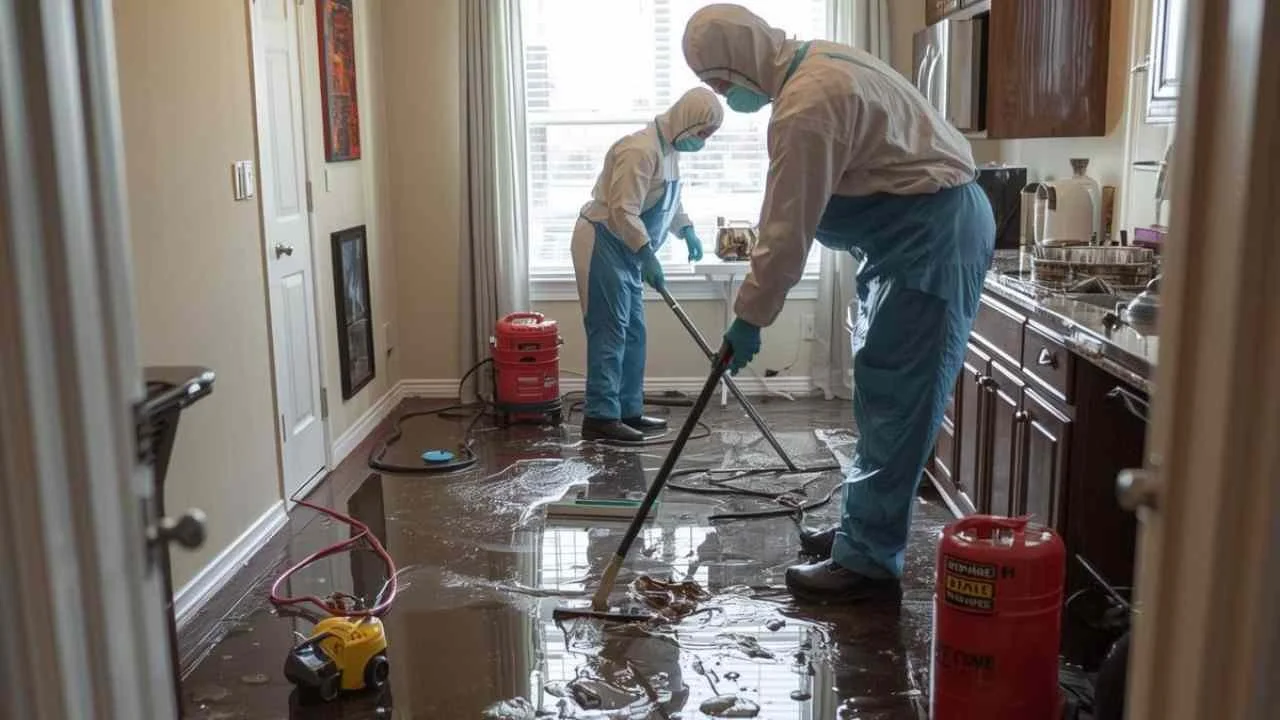
Frequently Asked Questions
1. How Dangerous Is It to Delay Sewage Cleanup?
It can be dangerous because contaminated water and materials remain accessible while moisture problems continue. The severity depends on the incident, affected materials, and household conditions. A prompt assessment is more useful than assuming a small spill can wait.
2. Can I Wait Until Tomorrow to Call a Cleanup Company?
Contact a qualified provider when you discover the problem. Even if the team cannot arrive immediately, the initial conversation can clarify access restrictions, source control, and urgent hazards. Avoid treating an overnight delay as automatically safe.
3. Does a Small Sewage Backup Require Attention?
Yes. A small visible area still needs appropriate evaluation. Describe the source, surfaces involved, and any nearby flooring or walls. The assessment should determine the necessary response rather than the homeowner relying on spill size alone.
4. Is the Area Safe After It Dries?
Dryness alone does not establish that contamination has been removed. Ask what cleaning, material removal, and moisture evaluation were completed before returning the space to routine use.
5. How Quickly Can Mold Become a Concern?
Moisture should be addressed promptly. EPA guidance recommends drying water-damaged areas within 24 to 48 hours to help prevent mold growth. That timeframe is a prevention target, not a safe waiting period for sewage cleanup.
6. Can I Stay in the Home During Cleanup?
That depends on the extent and location of damage, essential facilities, access routes, and household needs. Ask the responding professionals to explain whether occupancy is reasonable and what restrictions apply.
7. Will Every Affected Item Need to Be Discarded?
No single answer applies to all belongings. Materials differ in how they absorb water and whether they can be adequately cleaned. Request item-specific recommendations, especially for valuable or sentimental possessions, before making disposal decisions.
Sewage Problems Need Fast, Professional Cleanup
A sewage backup can create serious problems for any home or business. Contaminated water may spread across floors, seep into walls, damage building materials, and leave behind bacteria, odors, and other hazardous contaminants. The longer sewage remains in the property, the greater the risk of additional damage and costly repairs.
Sewage cleanup requires more than removing standing water. A proper response includes identifying affected areas, extracting contaminated water, removing damaged materials when necessary, thoroughly cleaning and disinfecting surfaces, controlling odors, and drying the property to help prevent lingering moisture problems.
ARC Water Damage provides professional sewage cleanup for residential and commercial properties. Our experienced team works quickly to contain the affected area, remove contamination, clean and sanitize the property, and help restore damaged spaces as safely and efficiently as possible.
If you're dealing with a sewage backup, overflowing toilet, sewer line problem, or contaminated water damage, contact ARC Water Damage at (877) 437-9225 for fast, professional sewage cleanup.
Disclaimer
The information provided on this website is for general informational and educational purposes only and is not intended to serve as professional restoration, environmental, or insurance advice. Every water, fire, or mold damage situation is unique, and you should consult with a qualified restoration professional regarding your specific property and conditions. Do not take action or delay action based solely on the content of this website without seeking appropriate professional guidance.
While we strive to provide accurate and up-to-date information, restoration methods, safety standards, and industry practices may change over time. The content on this website may not reflect the most current procedures or recommendations. ARC Water Damage makes no guarantees regarding outcomes based on the use of this information.
By using this website, you agree that ARC Water Damage is not liable for any actions taken or not taken based on the information provided, to the fullest extent permitted by law.